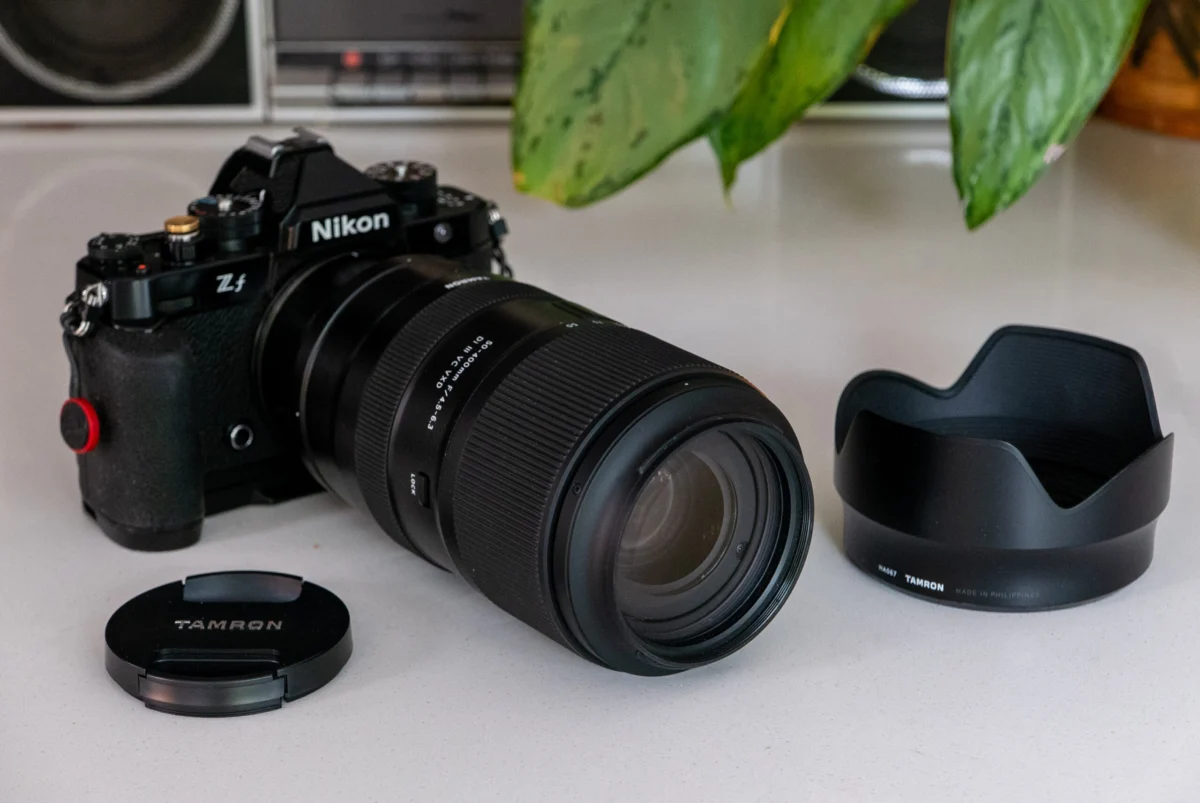
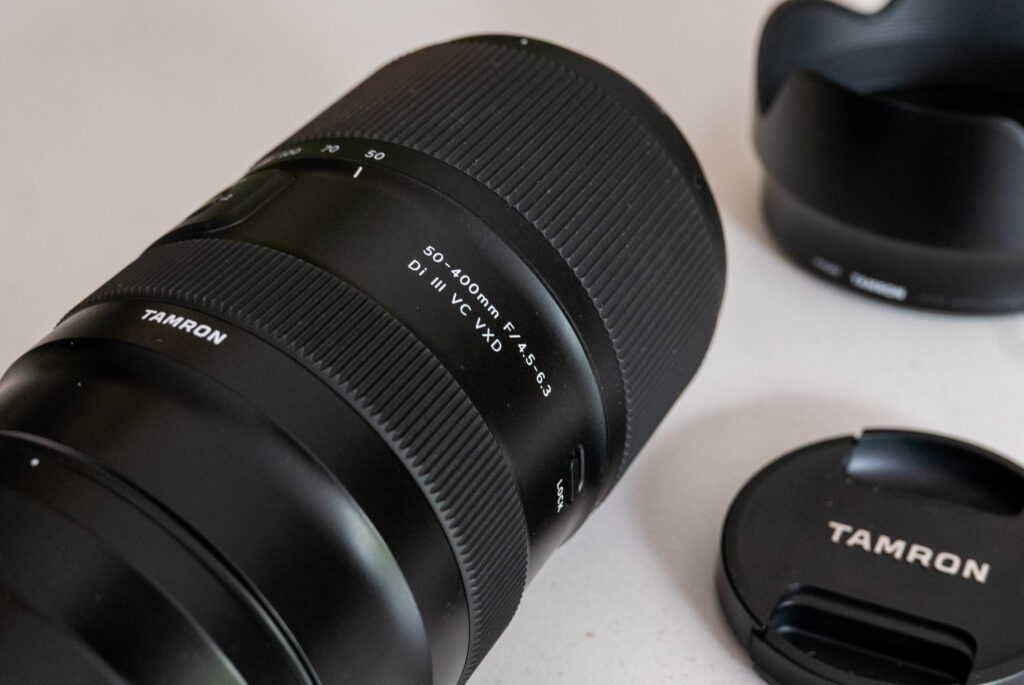
The Tamron 50-400mm f/4.5-6.3 Di III VC VXD (Model A067S) represents a significant shift in the landscape of mirrorless optics, offering a unique 8x zoom ratio that bridges the gap between standard focal lengths and ultra-telephoto reach. Originally released for the Sony E-mount and subsequently adapted for the Nikon Z-mount, this lens challenges the traditional "twin-lens kit" philosophy by providing a versatile, high-performance alternative for photographers who require agility without compromising optical integrity. Over a comprehensive one-month testing period throughout August, the lens was subjected to rigorous field evaluations encompassing professional sports, wildlife conservation photography, and travel landscapes, revealing its position as a disruptive force in the enthusiast market.
The Evolution of the High-Magnification Zoom
To understand the market positioning of the Tamron 50-400mm, one must examine the historical context of "all-in-one" zoom lenses. In the mid-2000s, the industry was dominated by APS-C format travel zooms, such as the Nikon 18-200mm VR. While these lenses offered unprecedented convenience, they were frequently criticized for significant optical compromises, including barrel distortion, chromatic aberration, and a noticeable loss of sharpness at the telephoto end.
The transition to high-resolution mirrorless sensors has demanded a new generation of optics. Contemporary photographers no longer accept the "convenience over quality" trade-off. Tamron’s response was to shift the starting focal length from the traditional 24mm or 28mm to 50mm. By narrowing the total zoom range and focusing on the telephoto spectrum, the manufacturer has managed to maintain a higher level of optical correction across the frame. This design choice positions the 50-400mm not as a wide-to-telephoto travel lens, but as a standard-to-ultra-telephoto powerhouse targeted at sports and wildlife specialists who occasionally need a "normal" field of view.
Field Evaluation: Chronology and Methodology
The evaluation of the Tamron 50-400mm was conducted over a four-week period, beginning in early August and concluding in September. The testing phase was structured to simulate real-world demands across three distinct photographic disciplines:

- Sports Photography (Mid-August): The lens was deployed at a Worcester City Women’s Football Club match. This environment tested the VXD (Voice-coil eXtreme-torque Drive) linear motor’s ability to track fast-moving athletes and the lens’s ergonomics during sustained handheld use.
- Wildlife and Conservation (Late August): Following a contract award from the Worcester Wildlife Trust, the lens was used to document local biodiversity. This phase focused on the lens’s reach, its Vibration Compensation (VC) system, and its ability to resolve fine detail in natural textures.
- Travel and Landscape (Early September): A final week of testing took place in the Welsh countryside, specifically around Anglesey and Criccieth. This phase evaluated the lens’s portability during long-distance hiking and its durability in adverse weather conditions.
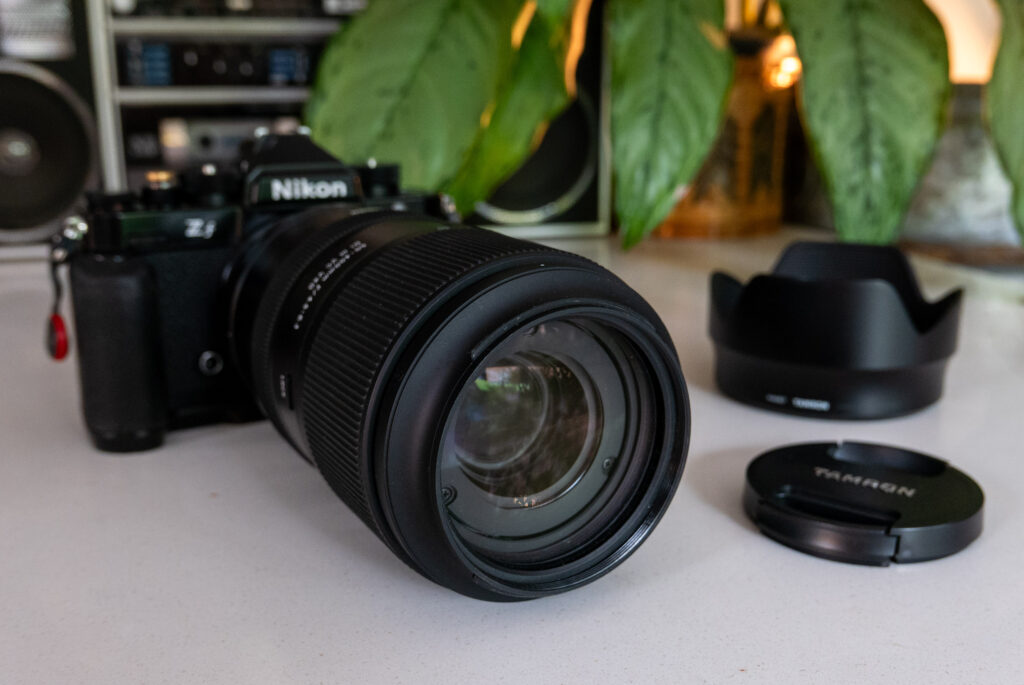
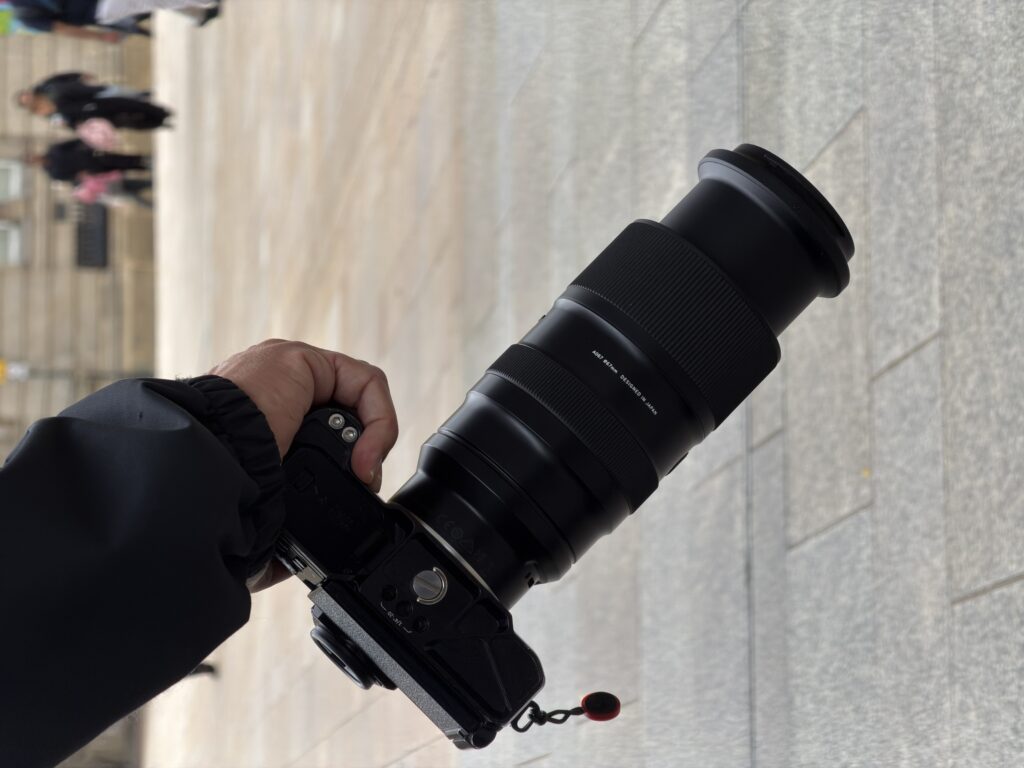
Throughout these tests, the lens was paired with the Nikon Zf and the Nikon Z50 II. The use of the Zf, a camera with a retro-styled grip, highlighted the importance of ergonomic accessories; evaluators noted that a SmallRig grip was essential for maintaining balance when the lens was fully extended to 400mm.

Technical Specifications and Supporting Data
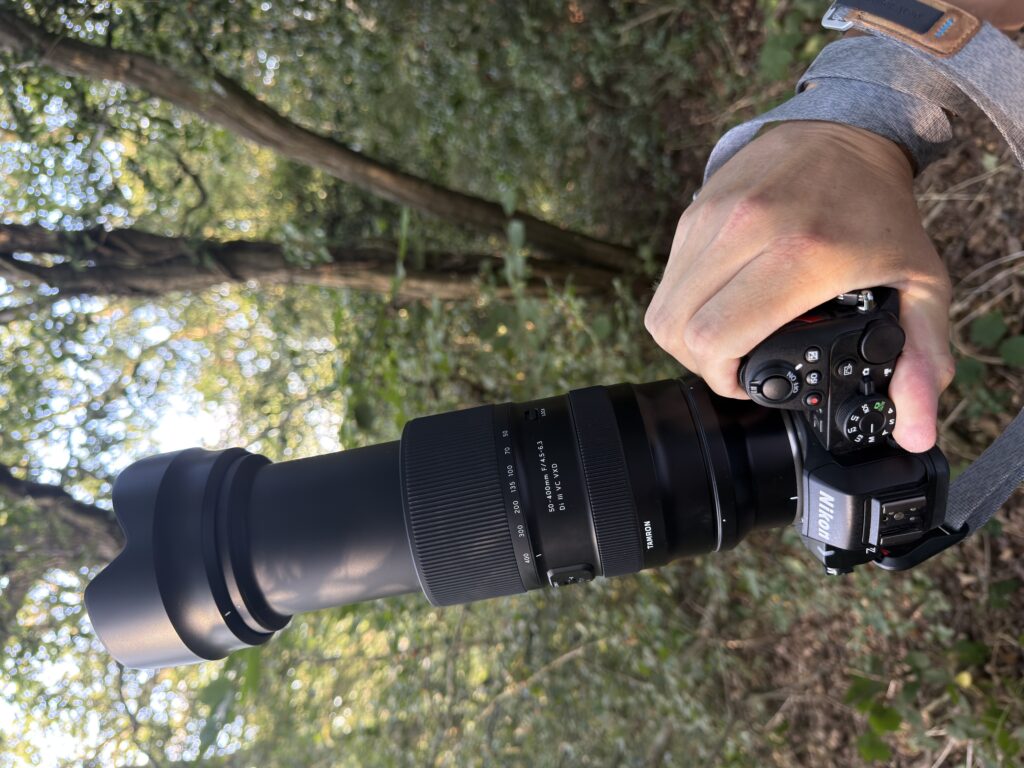
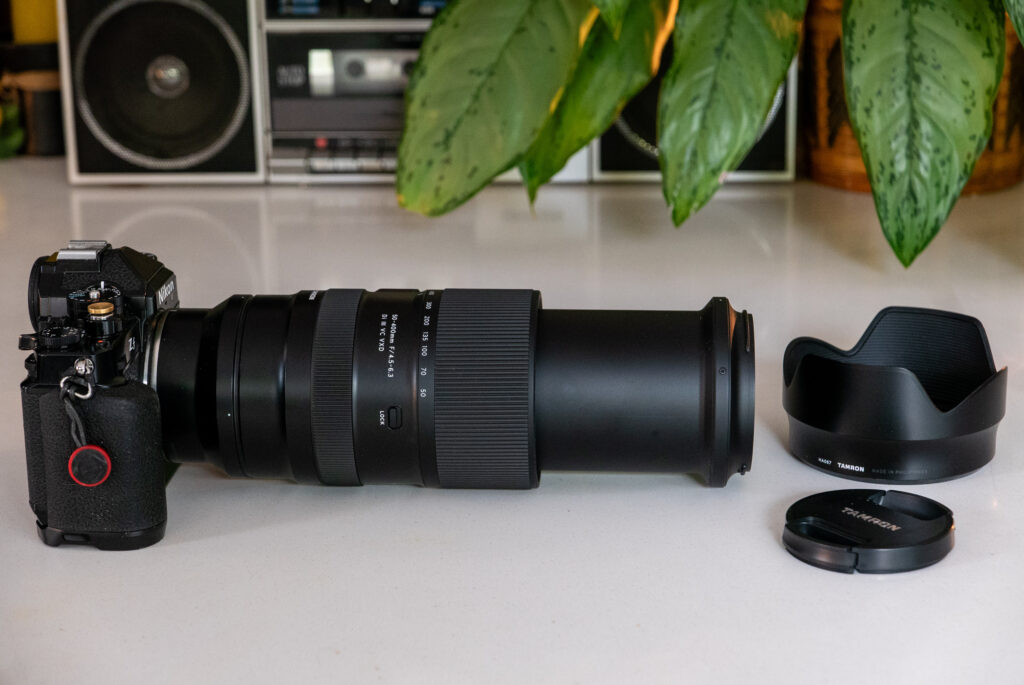
The Tamron 50-400mm f/4.5-6.3 Di III VC VXD is a sophisticated optical instrument featuring a complex internal construction. Below are the key technical specifications that define its performance:

- Optical Construction: 24 elements in 18 groups.
- Special Elements: Includes XLD (eXtra Low Dispersion), LD (Low Dispersion), and Hybrid Aspherical elements to minimize axial and transverse chromatic aberrations.
- Aperture Range: f/4.5 at the 50mm end, tapering to f/6.3 at 400mm.
- Minimum Object Distance (MOD): An impressive 0.25m (9.8 in) at the 50mm wide end, allowing for a maximum magnification ratio of 1:2 (half-macro capability).
- Weight: Approximately 1,155g (40.7 oz) for the Nikon Z-mount version.
- Filter Size: 67mm, consistent with many other Tamron mirrorless lenses to allow for filter sharing.
- Drive System: VXD linear motor focus mechanism.
Data from field tests suggests that while the f/6.3 maximum aperture at the telephoto end may seem restrictive, the advancements in modern sensor technology and AI-driven noise reduction software, such as Adobe Lightroom’s Denoise, significantly mitigate the need for "faster" glass in daylight or golden hour conditions. During the Worcester City Women’s match, the lens maintained shutter speeds of 1/1000s or higher at ISO 1000, producing clean, professional-grade imagery.
Comparative Market Analysis: Tamron vs. Nikon Native Glass
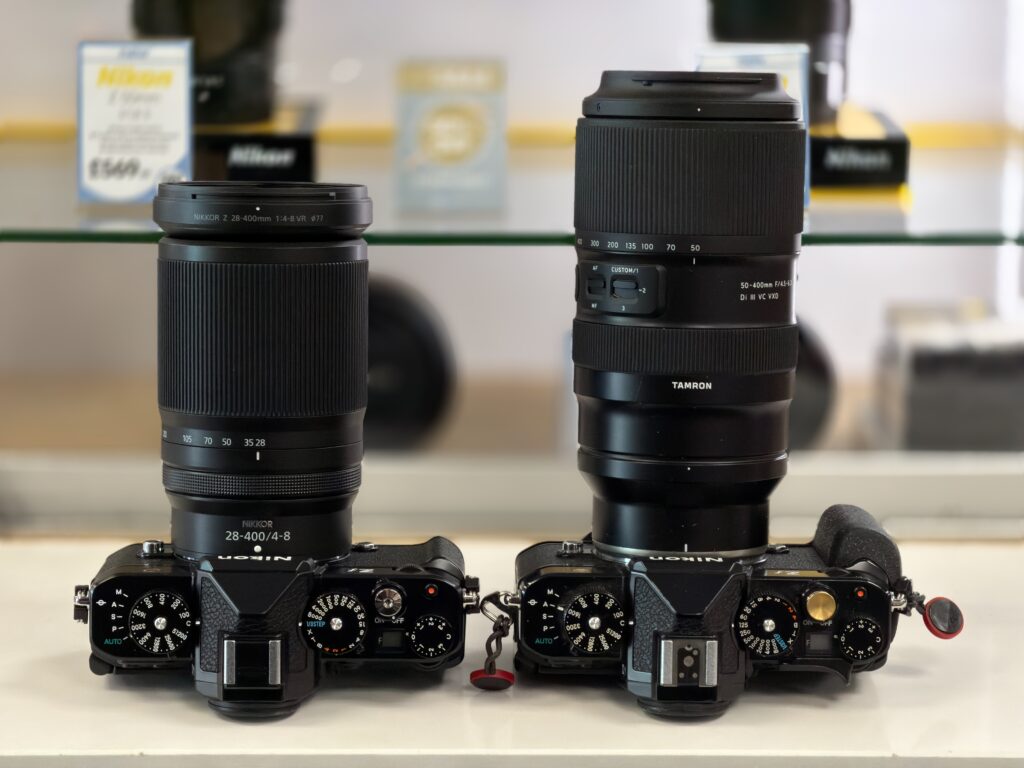
A critical aspect of the Tamron 50-400mm’s market viability is how it compares to Nikon’s native Z-mount offerings, specifically the Nikon 28-400mm f/4-8 VR and the professional Nikon 70-200mm f/2.8 VR S.
The Nikon 28-400mm is a dedicated travel zoom that prioritizes the wide-angle end. However, technical analysis indicates that the Nikon version suffers from a greater fall-off in edge sharpness and a slower f/8 aperture at the 400mm mark. In contrast, the Tamron 50-400mm provides a two-thirds stop advantage in light-gathering capability at the long end (f/6.3 vs f/8).
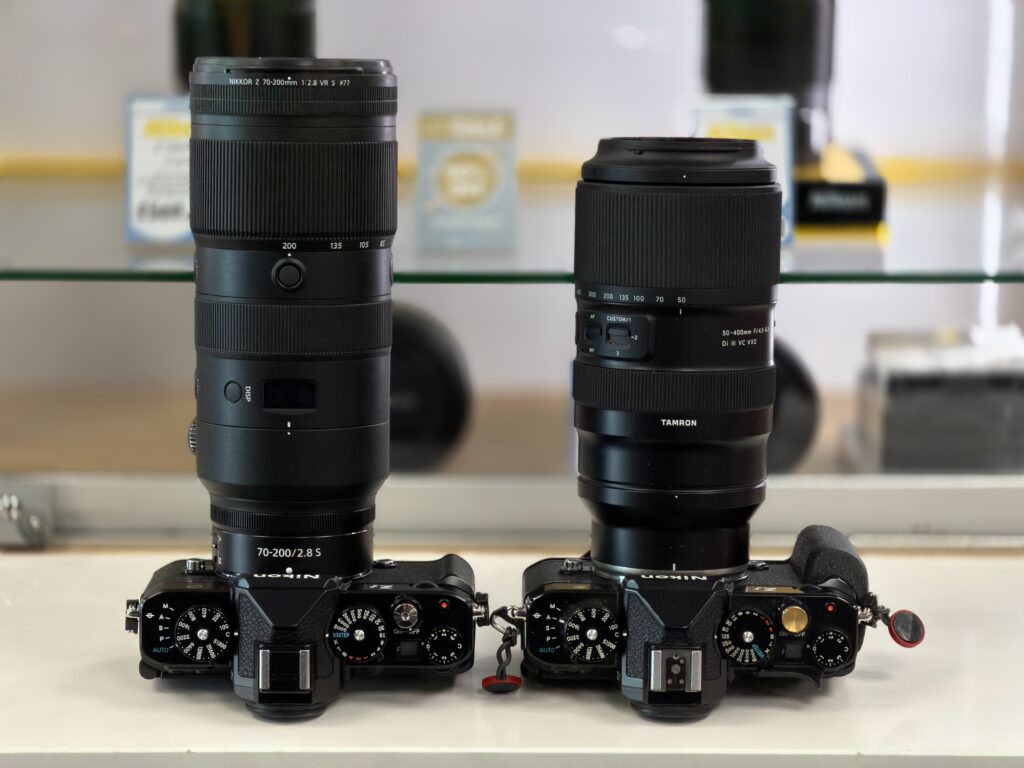
When compared to the Nikon 70-200mm f/2.8, the Tamron is approximately 200g lighter and significantly more compact. While the Nikon 70-200mm offers superior low-light performance and "pro-grade" build quality (internal zooming and metal construction), the Tamron 50-400mm provides double the reach. For hobbyists and semi-professionals shooting in outdoor environments, the extra 200mm of focal length often proves more valuable than a larger maximum aperture.

Performance Analysis: Sharpness, Autofocus, and VC
Optical Sharpness: Industry benchmarks and field results categorize the Tamron 50-400mm as "remarkable" for a variable-aperture zoom. While it does not match the clinical perfection of an £11,500 Nikon 400mm f/2.8 prime lens, it delivers high contrast and resolving power that exceeds standard kit lenses. Sharpness remains consistent across the zoom range, with only a marginal softening at the extreme 400mm corners when shot wide open.
Autofocus Capabilities: The VXD motor is nearly silent and exceptionally rapid. In the context of sports photography, the lens successfully tracked athletes with minimal hunting. However, a specific limitation was identified: the autofocus system occasionally struggles to maintain lock if the photographer is actively zooming while the shutter is being depressed. This suggests that the lens is best suited for a "zoom, then shoot" workflow rather than continuous adjustment during high-speed bursts.
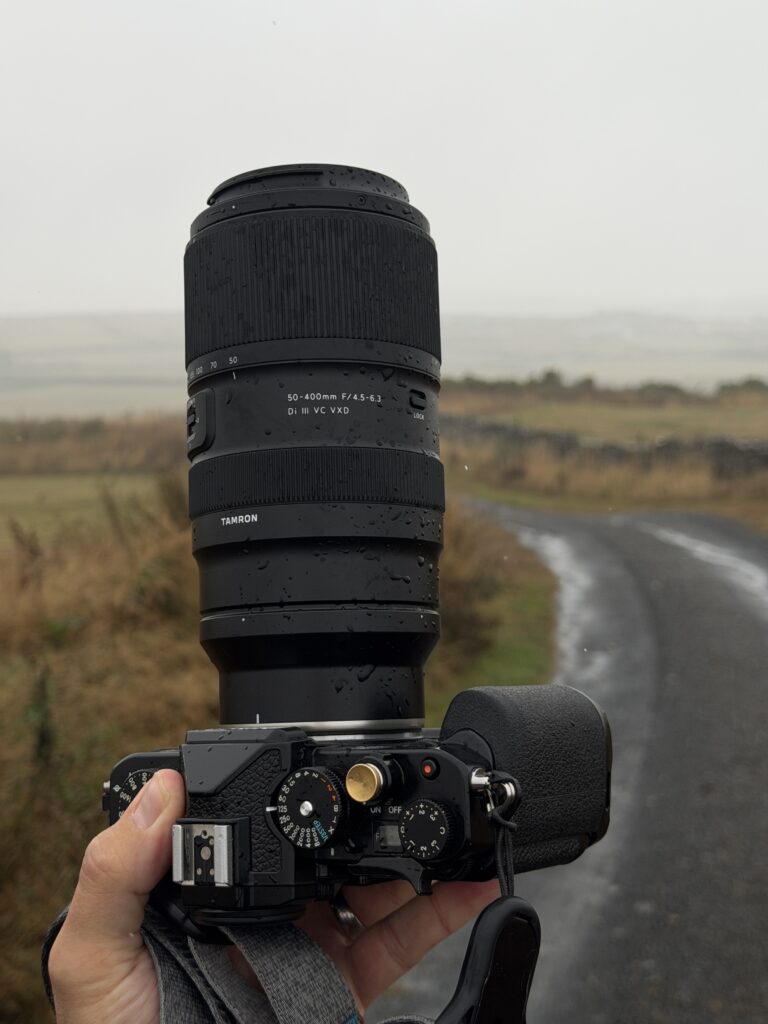
Vibration Compensation (VC): Tamron’s proprietary image stabilization proved essential during the Welsh expedition. Even when shooting at 400mm with a shutter speed as low as 1/125s—well below the traditional reciprocal rule—the VC system effectively neutralized handheld camera shake. This is particularly beneficial for Nikon Zf users, as the lens stabilization works in tandem with the camera’s In-Body Image Stabilization (IBIS).
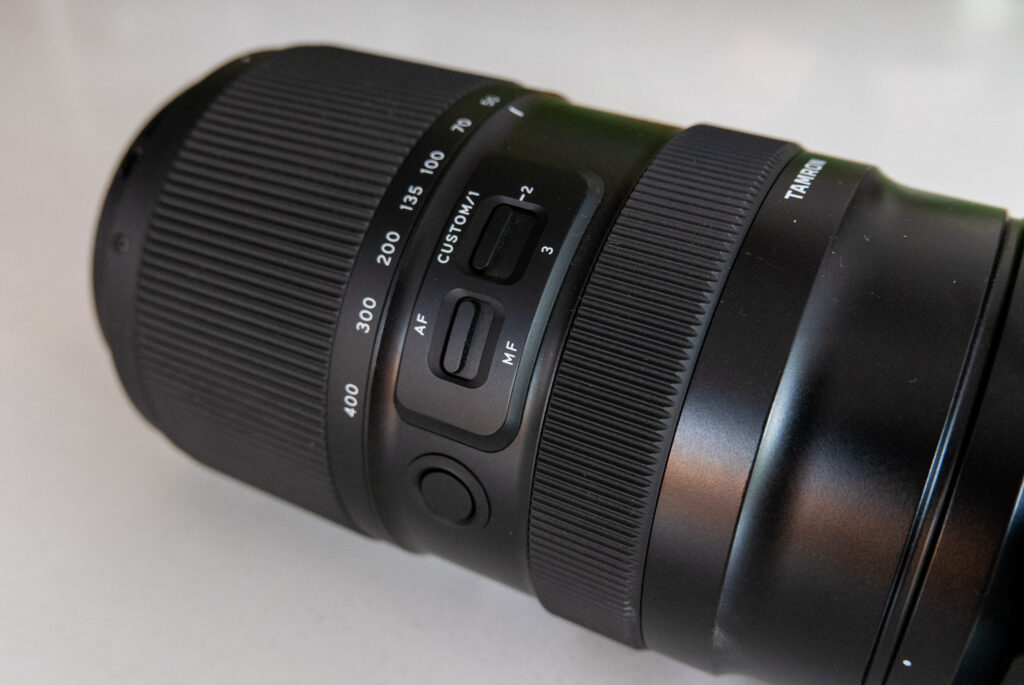
Ergonomics and Connectivity
The physical build of the lens reflects Tamron’s modern design language. The barrel features a high-quality plastic construction that feels robust without adding unnecessary weight. The zoom ring is well-damped, resisting "zoom creep" even when the lens is carried facing downward.
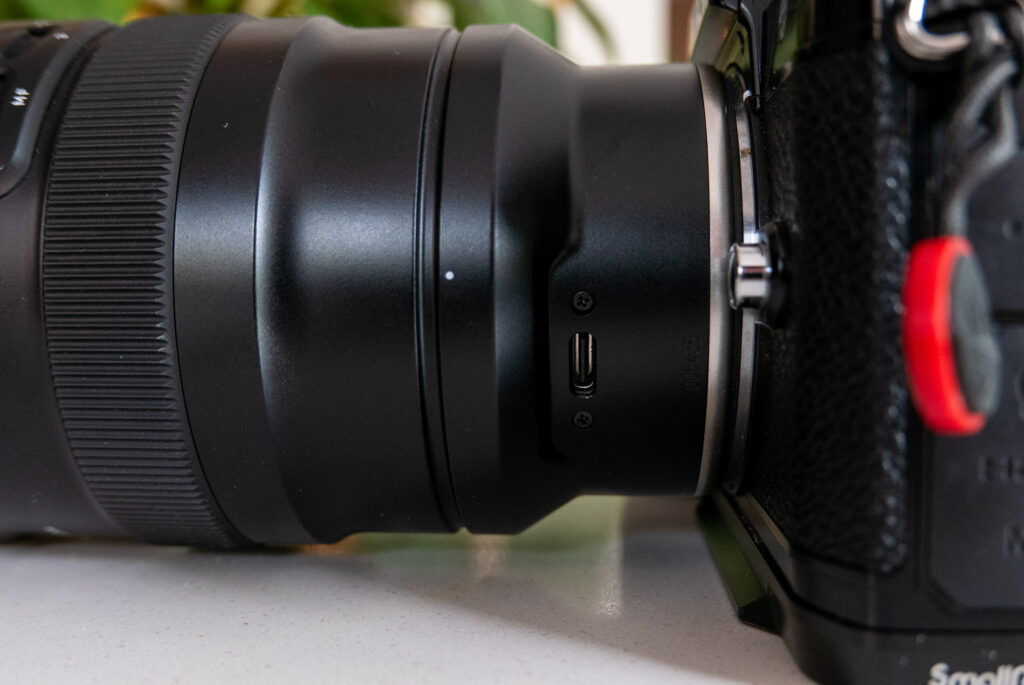
A standout feature is the inclusion of a USB-C port, allowing users to connect the lens to a computer or mobile device. Through the Tamron Lens Utility software, photographers can customize the function of the focus set button, reverse the focus ring direction, and update firmware without requiring a separate docking station. This level of user-end customization is rarely seen in lenses at this price point and represents a significant value-add for tech-savvy photographers.

Broader Impact and Industry Implications
The success of the Tamron 50-400mm f/4.5-6.3 Di III VC VXD signals a broader trend in the photographic industry: the rise of the "specialized zoom." As the market for entry-level DSLRs continues to shrink, manufacturers are pivoting toward high-value, specialized optics for the enthusiast "prosumer" segment.

Tamron’s decision to enter the Nikon Z-mount ecosystem with such a versatile lens puts pressure on first-party manufacturers to innovate. It demonstrates that there is a significant demand for focal ranges that do not adhere to traditional 70-200mm or 100-400mm conventions. Furthermore, the lens’s weather-sealed construction and moisture-resistant seals ensure that it can compete in professional environments, such as the rain-heavy landscapes of North Wales.

Final Assessment
The Tamron 50-400mm f/4.5-6.3 Di III VC VXD is a testament to how far third-party lens technology has progressed. It successfully navigates the complex balance between size, weight, and optical performance. While it may not replace a dedicated f/2.8 prime for low-light indoor sports, its 8x zoom range makes it an almost unbeatable tool for outdoor enthusiasts, wildlife photographers, and travel journalists.

By offering a starting focal length of 50mm, Tamron has created a lens that is "just wide enough" for environmental portraits and landscapes, while providing the "reach" necessary for distant subjects. For the Nikon Z-mount community, the Model A067S is not merely a budget alternative; it is a high-performance optic that, in many scenarios, provides a more practical set of compromises than native first-party glass. As mirrorless systems continue to mature, the Tamron 50-400mm stands as a benchmark for versatility in the ultra-telephoto category.