The landscape of contemporary photography has undergone a seismic shift over the last decade, transitioning from the exclusive domain of high-end Digital Single-Lens Reflex (DSLR) cameras to the ubiquitous and increasingly sophisticated smartphone. At the forefront of this revolution is the iPhone, a device that has leveraged computational photography to bridge the gap between amateur snapshots and professional-grade portraiture. As mobile sensor technology continues to evolve, the emphasis for creators has shifted from technical hardware limitations to the mastery of artistic techniques such as lighting manipulation, subject posing, and narrative styling. Industry data from the Camera & Imaging Products Association (CIPA) indicates a consistent decline in traditional camera sales, contrasted by a surge in high-quality mobile content creation, suggesting that the smartphone is now the primary tool for visual storytelling in the digital age.
The Evolution of Mobile Portraiture and Computational Photography
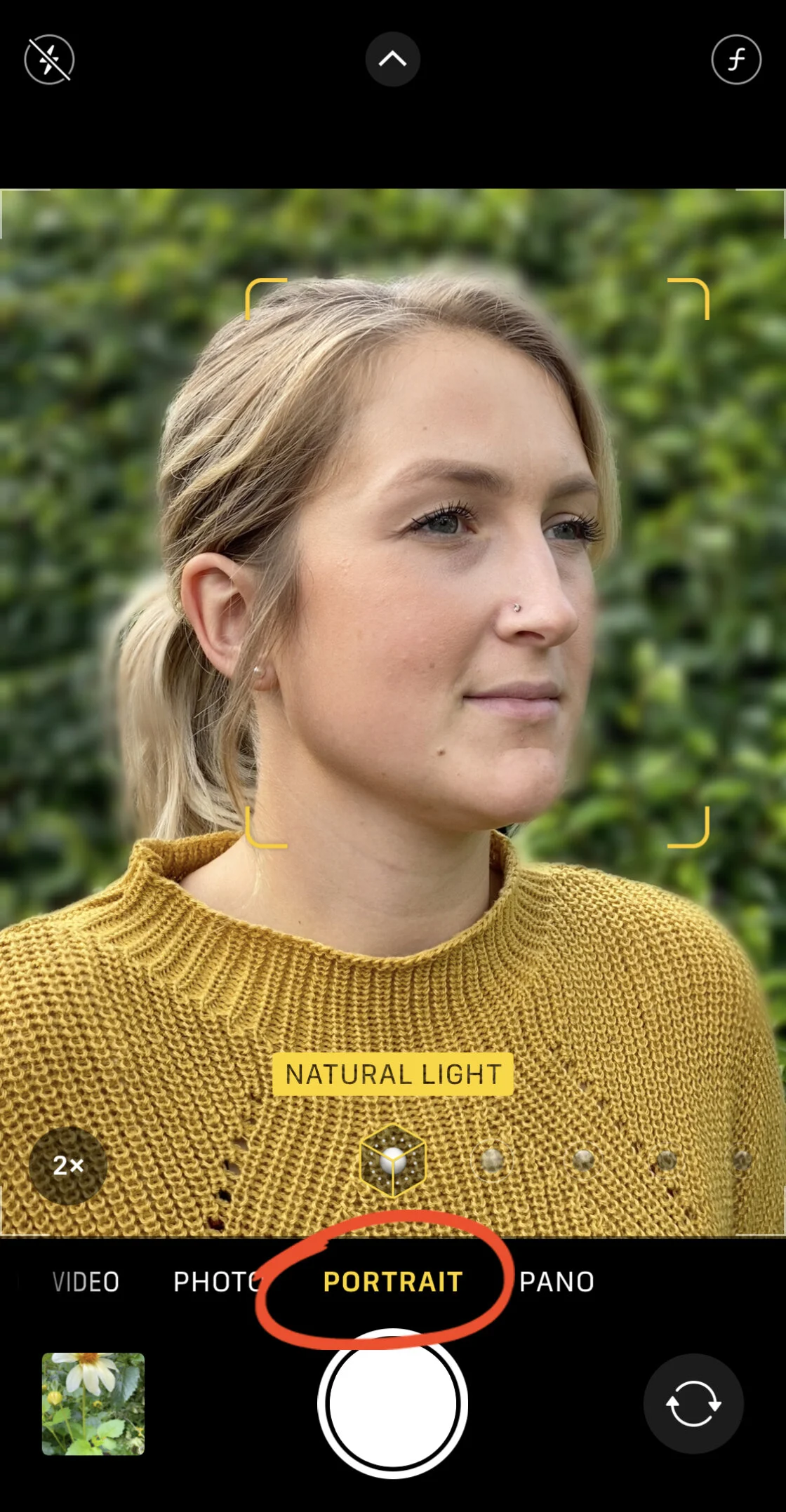
The journey of the iPhone as a serious portrait tool began in earnest with the introduction of the iPhone 7 Plus in 2016, which debuted "Portrait Mode." This feature utilized dual-lens technology to create a "bokeh" effect—a shallow depth of field that blurs the background to emphasize the subject. Since then, Apple has introduced the Photonic Engine, Deep Fusion, and Smart HDR 5, technologies that process millions of operations per second to balance shadows, highlights, and skin tones. However, experts in the field, including professional iPhone photographer Aeriel Orndorff, argue that while the software provides a foundation, the "compelling" nature of a portrait remains a product of the photographer’s creative choices. To achieve professional results, one must move beyond the "auto" settings and intentionally manipulate the environment.
Strategic Manipulation of High-Contrast Lighting
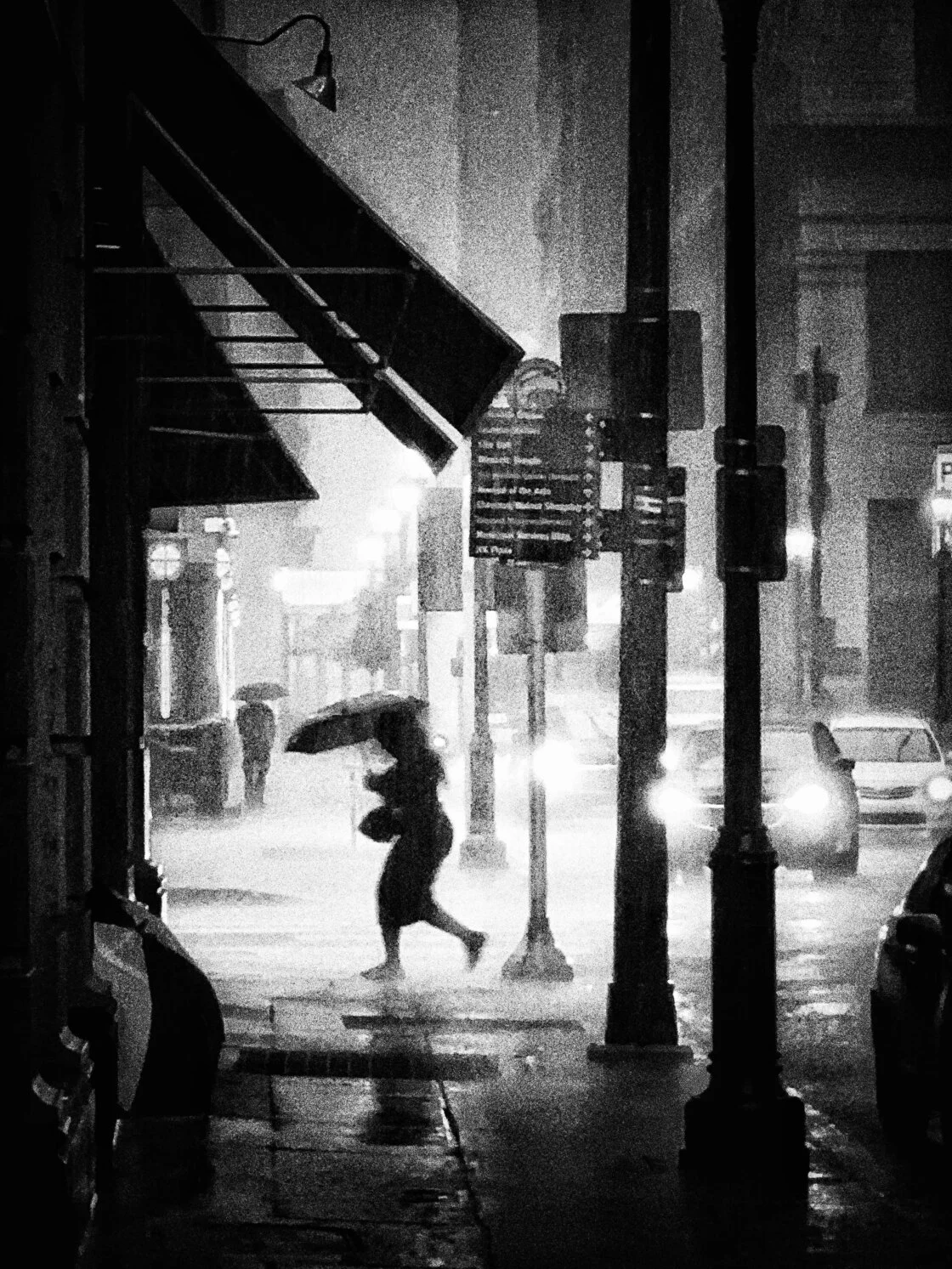
One of the most effective methods for injecting drama into mobile portraiture is the intentional use of high-contrast light. In professional terminology, this is often referred to as "Chiaroscuro," a technique that uses strong contrasts between light and dark to achieve a sense of volume and three-dimensionality.
On a bright, sunny day, many amateur photographers seek shade to avoid harsh shadows; however, a journalistic approach to creativity suggests utilizing these shadows to define the subject. By positioning a subject where direct sunlight meets deep shadow—such as the edge of a brutalist concrete building or a stark interior doorway—photographers can create a moody, cinematic aesthetic. To execute this on an iPhone, the user must manually set the focus on the subject’s face and then utilize the exposure slider (the sun icon) to underexpose the image. This deepens the shadows, ensuring that the "blacks" in the image are rich and the highlights are not "blown out." This technique is particularly effective for black-and-white conversions, which emphasize texture and form over color.
Geometric Complexity through Light Patterns
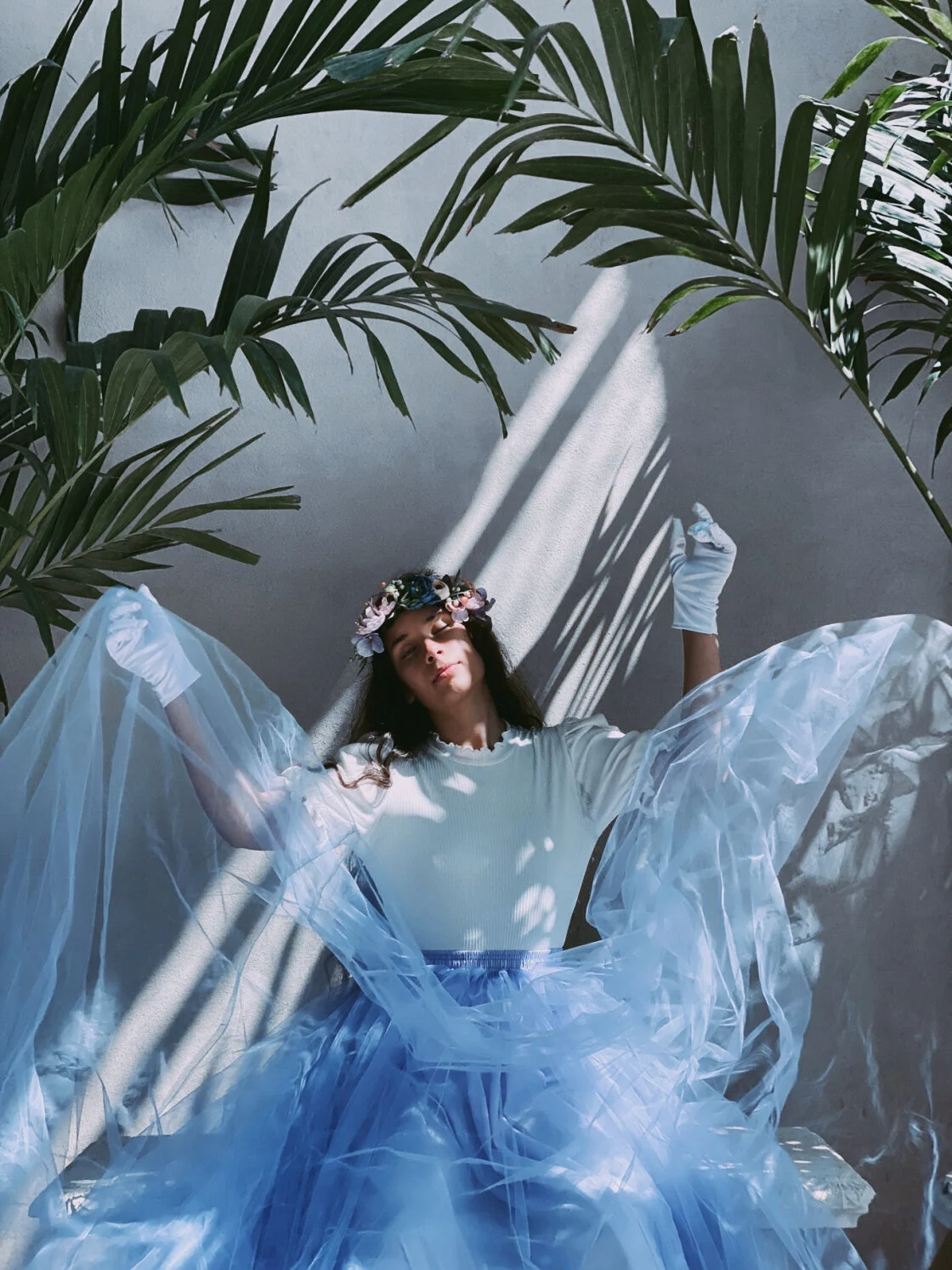
Beyond simple contrast, the use of light patterns adds a layer of geometric complexity to a portrait. This involves "gobo" (go-between) techniques, where light is filtered through an object to cast specific shadows. Indoors, this can be achieved using window blinds, lace curtains, or beveled glass. Outdoors, natural elements like palm fronds, picket fences, or even perforated architecture serve the same purpose.
The application of patterns onto the human face serves to break up the symmetry of the features, often leading to a more avant-garde or fashion-forward result. For those seeking a more controlled environment, everyday household items like kitchen strainers or colanders can be used to cast intricate dot patterns. From a technical standpoint, this requires the iPhone’s sensor to resolve fine detail in varying light levels. Using the iPhone’s "Portrait Lighting" settings in post-production, specifically the "Studio Light" or "Contour Light" options, can further enhance these patterns by artificially sharpening the fall-off between light and shadow.
The Psychology of Posing and Perspective
A portrait is more than a record of a person’s appearance; it is a psychological study. The way a subject is posed can convey confidence, vulnerability, or mystery. Professional portraiture often employs the use of "natural frames"—using the subject’s own limbs or hands to draw the eye toward the face. Placing hands near the jawline or framing the eyes creates a sense of intimacy and gives the subject a "grounded" feel, which often helps non-professional models relax.
Furthermore, changing the physical perspective of the shot can radically alter the viewer’s perception of the subject. While most portraits are taken at eye level, a low-angle shot—placing the iPhone near the ground and tilting upward—can make the subject appear more powerful or heroic. This technique, often used in cinema to establish dominance, takes advantage of the iPhone’s wide-angle lens, which slightly distorts the foreground (such as the subject’s feet) to create a dynamic, "looming" effect. Conversely, a slight tilt of the head back with a hand placed lightly on the neck can evoke a sense of elegance and dreaminess, moving the image from a literal representation to a conceptual one.
Movement and the "Dreamy" Aesthetic
To move away from the static nature of traditional headshots, photographers are increasingly incorporating movement to evoke a "dreamy" or ethereal mood. This is often achieved through the use of flowing fabrics, long dresses, or hair in motion. The challenge for mobile photographers has historically been shutter lag; however, the iPhone’s "Burst Mode" has effectively mitigated this issue.
By capturing a sequence of images at ten frames per second, the photographer can select the exact millisecond where a falling fabric or a turning head reaches its most aesthetically pleasing form. This approach is highly valued in fashion editorial work. When combined with a relaxed facial expression—such as closed eyes—the resulting image suggests a candid moment of peace. This technique relies heavily on the iPhone’s ability to maintain focus on a moving subject, a task handled by the device’s advanced phase-detection autofocus (PDAF) system.
Dynamics of Multi-Subject Composition
Posing two or more people introduces the challenge of "focal planes." In traditional photography, if two subjects are at different distances from the lens, one will inevitably be out of focus if a wide aperture is used. The iPhone’s Portrait Mode uses LiDAR (on Pro models) to create a depth map, allowing for a more forgiving approach to multi-subject shots.
A sophisticated technique for couples or siblings involves "splitting the frame," where the subjects are positioned so that only a portion of each face is visible, or placing them at varying distances from the camera. This creates a sense of depth and narrative layers. For instance, having one subject in sharp focus in the foreground while the other is slightly blurred in the background suggests a story of relationship or distance. This "shallow depth of field" is a hallmark of professional photography that the iPhone now replicates with high degrees of accuracy through software-based "synthetic bokeh."
Storytelling through Props and Thematic Styling
The final layer of a compelling portrait is the narrative, which is often established through props and wardrobe styling. In the professional world, this is the role of the "stylist," but the mobile photographer must often wear this hat as well. Props such as flowers, vintage books, or even a blindfold can transform a simple photo into a thematic statement. Flowers can symbolize growth or fragility, while vintage cars or clothing can evoke a specific historical era.
Color theory plays a vital role in this process. A "harmonious" image uses a wardrobe that matches the tones of the environment—such as neutral linens in a forest or grittier, "grungy" textures in an urban setting. Conversely, "complementary" colors—such as a bright red dress against a green field—create a "pop" that immediately captures the viewer’s attention. Data from social media engagement studies suggests that images with a clear, singular color palette or a strong "hero" color tend to perform better in terms of viewer retention and interaction.
Analysis of Broader Implications and Industry Impact
The professionalization of iPhone photography has significant implications for the broader creative economy. As the barrier to entry for high-quality imagery lowers, the value of "creative vision" has surpassed the value of "equipment ownership." This shift has allowed a more diverse range of voices to enter the fields of fashion, journalism, and commercial photography.
For the independent creator, the ability to produce high-impact portraits with a device that fits in a pocket means that personal branding and digital storytelling are more accessible than ever. However, this democratization also places a premium on unique artistic "signatures." As AI-driven filters and "beauty modes" become standard, the "interesting and compelling" portraits highlighted by photographers like Aeriel Orndorff—those that embrace harsh light, authentic movement, and thoughtful storytelling—stand out as human-centric art in an increasingly automated digital world.
In conclusion, the iPhone has matured into a sophisticated tool capable of professional-grade portraiture, provided the user understands the fundamental principles of light, composition, and narrative. By treating the smartphone not as a "phone with a camera" but as a professional sensor requiring intentional direction, photographers can capture images that resonate with depth, emotion, and cinematic quality.