The close of 2025 brings a comprehensive overview of equipment acquisition trends within the professional photography and videography sectors, as revealed by Lensrentals’ annual data analysis. Following a previous disclosure of the most popular rental gear, this report delves into customer purchase patterns, offering a distinct perspective on market dynamics, brand loyalty, and the evolving needs of content creators. While Lensrentals primarily operates as a rental service, its unique "Keeper program" — allowing renters to purchase used equipment, often with rental costs credited — provides invaluable insight into what professionals ultimately deem essential enough to own. This dual perspective offers a more complete picture of industry movement, highlighting not only what is being used for short-term projects but also what gear practitioners are committing to for the long haul.
Unpacking the Purchase Landscape: Beyond Rentals
The distinction between rental and purchase data is crucial for understanding the market. Rental trends often reflect short-term project needs, experimentation with new technologies, or specialized requirements for specific shoots. Purchases, conversely, typically indicate long-term investment, foundational equipment, or highly utilized complementary products. The 2025 purchase data from Lensrentals, a recognized authority in equipment provision, underscores this difference, revealing a landscape where workhorse lenses, essential accessories, and specialized production tools are top priorities for permanent acquisition.
While the company’s core business remains rentals, the "Keeper program" has steadily grown in prominence, becoming a significant conduit for customers to transition from temporary use to permanent ownership. This program, which frequently refunds the entire rental cost upon purchase, incentivizes users to thoroughly test gear in real-world scenarios before making a substantial investment. This model, therefore, captures a highly informed purchasing decision, reflecting genuine satisfaction and perceived long-term value. The data derived from these purchases, though representing a smaller segment of Lensrentals’ overall transactions compared to rentals, offers a powerful indicator of market sentiment and enduring product appeal.
The Pillars of Purchase: Accessories and Workhorse Lenses Dominate
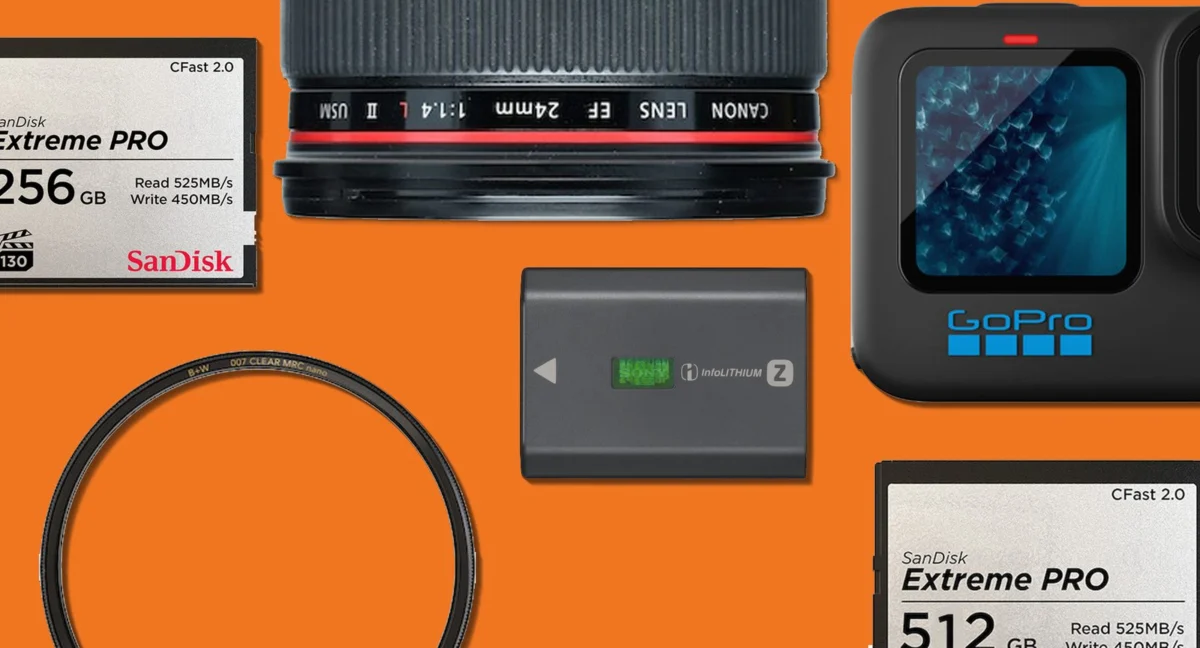
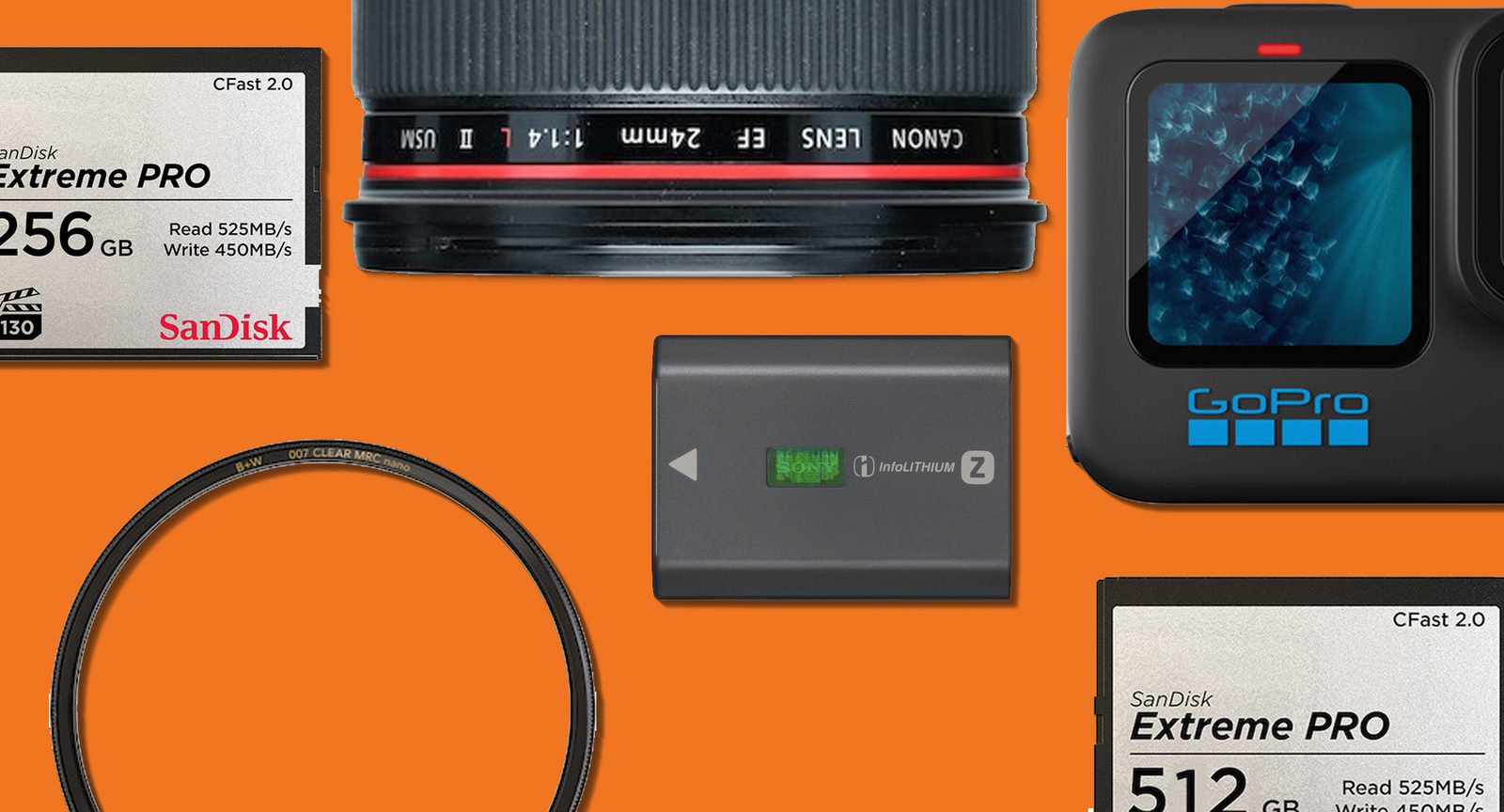
A detailed examination of the most common customer purchases in 2025, organized by quantity, reveals a strong emphasis on essential complementary products. CFast cards, camera batteries, and UV filters consistently rank among the most frequently acquired items. This trend is not surprising; these are consumables or indispensable accessories that photographers and videographers require in abundance and often prefer to own outright for convenience, reliability, and hygiene. High-speed CFast cards, vital for demanding video codecs and rapid burst photography, are frequently upgraded or purchased as backups. Similarly, camera batteries, subject to wear and tear and crucial for uninterrupted workflows, are perennial best-sellers. UV filters, offering protection to expensive lens elements, are also a staple. These items represent the often-overlooked but fundamental backbone of any professional kit, demonstrating that even with access to rentals, creators prefer to maintain a robust personal stock of these critical components.
Beyond these high-volume accessories, the most-purchased high-value item for 2025 stands out: the Canon EF 24-70mm f/2.8L II. This lens has consistently been a frequent contender for the most rented lens, and its strong showing in purchase data underscores its status as an industry workhorse. Its versatility, robust build, and exceptional optical quality make it a cornerstone for many professionals. The continued popularity of this EF-mount lens is particularly noteworthy in 2025, given Canon’s aggressive strategic pivot towards its mirrorless RF lens lineup. Industry analysts suggest that the ongoing transition to RF systems has created a unique market opportunity for high-quality EF lenses. With many professionals still operating with Canon’s highly capable DSLR bodies or utilizing adapters for their RF mirrorless cameras, the EF 24-70mm f/2.8L II offers an exceptional balance of performance and value, especially as its price point becomes more attractive compared to its newer RF counterparts. This suggests a strategic acquisition by professionals looking to maximize utility while potentially deferring the full investment into an entirely new mirrorless ecosystem.
Brand Market Share by Revenue: A Shifting Landscape
While individual product purchases offer granular insights, analyzing brand market share by revenue provides a broader understanding of manufacturer performance and customer preference. The data from 2023, 2024, and 2025 reveals both continuity and significant shifts.
Canon’s Enduring Lead:
Canon maintained its position as the biggest purchase brand for 2025, consistent with its strong showing in rental data. Securing 23.55% of the market share by revenue, Canon has shown remarkable resilience and continued customer loyalty. While its share saw a dip from 28.43% in 2023 to 22.99% in 2024, it demonstrated a slight recovery in 2025. This enduring dominance can be attributed to several factors: a well-established professional ecosystem, a reputation for reliability, and a broad range of products catering to diverse needs. The strategy of continuing to support its vast EF lens user base while aggressively innovating in the RF mirrorless space appears to be paying dividends, allowing customers to upgrade at their own pace without feeling forced into an immediate, complete system overhaul. The strong sales of the EF 24-70mm f/2.8L II are a testament to the continued demand for its legacy products, even as the brand looks to the future with its RF series cameras and lenses.
Sony’s Contraction:
In contrast to Canon’s stability, Sony experienced a notable decline in market share, falling from 28.83% in 2023 to 21.60% in 2024, and further to 16.60% in 2025. This significant 5% drop from the previous year is a critical point of analysis. Sony had previously challenged Canon’s long-held dominance, particularly with its pioneering full-frame mirrorless alpha series cameras that reshaped the industry landscape in the late 2010s and early 2020s. However, market observers suggest several potential contributing factors to this contraction. The market for high-end mirrorless cameras may be reaching a point of saturation, with many early adopters having already made their investments. Increased competition from resurgent brands like Canon and Nikon, which have now fully embraced and matured their own mirrorless offerings, could also be eroding Sony’s previously unique selling propositions. Furthermore, while Sony continues to innovate, its product cycles in recent years may not have offered sufficiently compelling generational leaps to drive as many outright purchases, leading some professionals to hold onto existing gear or explore alternatives.
DJI’s Surprising Ascent:
Perhaps the most striking development in the 2025 purchase data is DJI’s emergence as the third-most-popular customer purchase brand, securing 9.95% of the market share. This is a significant achievement for a company primarily known for drones and gimbals, surpassing traditional camera and lens manufacturers like Nikon and Fujifilm. DJI’s consistent growth from 7.22% in 2023 highlights the increasing integration of aerial and stabilized videography into mainstream production workflows. The proliferation of drone cinematography, coupled with the widespread adoption of handheld gimbals for smooth, cinematic footage, has made DJI products indispensable for a growing segment of content creators. This trend reflects a broader industry shift towards hybrid creators who demand versatile tools for both photography and videography, often blending traditional camera work with dynamic motion capture. The accessibility and innovation of DJI’s product lines, from consumer-friendly drones to professional-grade gimbals, have clearly resonated with a purchasing audience looking to enhance their production capabilities.
Nikon’s Steady Gains:
Nikon demonstrated consistent, albeit modest, growth in market share, rising from 3.93% in 2023 to 4.90% in 2025. This incremental increase signals a steady recovery and positive reception for Nikon’s mirrorless Z-series cameras and lenses. After a challenging period of transition from DSLRs, Nikon’s commitment to building a robust mirrorless ecosystem with competitive features and optical quality is clearly beginning to pay off. Its focus on professional-grade bodies and a rapidly expanding lens lineup is slowly but surely winning back market confidence and attracting new users.
The Rising Tide of Niche and Specialized Brands:
The remainder of the list showcases a diverse array of brands, many of which experienced marginal gains, reflecting the increasing specialization within the industry:
- Blackmagic Design saw steady growth from 2.41% to 3.43%, indicating continued strong demand for its cost-effective yet powerful cinema cameras and production tools, particularly among independent filmmakers and smaller production houses.
- Leica, with its premium optics and distinctive aesthetic, also experienced an increase from 1.63% to 3.25%, suggesting a growing appreciation for high-craftsmanship and unique visual signatures in a market often dominated by technical specifications.
- Fujifilm moved from 1.29% to 3.24%, reflecting the strong appeal of its APS-C and medium format mirrorless systems, which are prized for their unique color science, retro styling, and compact form factors.
- Aputure (2.38% to 3.01%) and SmallHD (1.58% to 2.83%) demonstrate the burgeoning market for professional lighting and monitoring solutions, essential components for high-quality video production.
- Panasonic (2.05% to 2.76%) continues to hold its ground, particularly with its strong video-centric Lumix line, appealing to videographers and hybrid shooters.
- Sigma saw a slight dip from 3.09% to 2.42%, indicating the highly competitive nature of the third-party lens market, although its offerings remain popular for their optical quality and value.
- Teradek showed a significant jump from 1.02% to 2.83%, a trend that directly correlates with the most common new product purchases, underscoring a critical emerging need in the industry.
Emerging Trends: The Dominance of Wireless Production
The final layer of insight comes from analyzing the most common purchases of gear that entered Lensrentals’ inventory in 2025, representing the cutting edge of current demand. At the top of this list is the Teradek 6G V Antenna, a highly specialized component. Its prominence is further reinforced by the fact that the Teradek Wireless Antenna for Bolt 500/1000 Tx & Rx, 3000 Rx holds the second spot among the overall most popular purchases, not just new inventory.
This overwhelming demand for Teradek wireless transmission components signals a definitive and accelerating trend towards robust, high-speed wireless transfer on film and video sets. The implications are profound:
- Efficiency on Set: Wireless video transmission eliminates cumbersome cables, streamlines workflows, and allows directors, DPs, and other crew members to monitor footage remotely and in real-time, improving collaboration and decision-making.
- Flexibility and Mobility: It enables greater freedom of movement for camera operators and allows for more dynamic shots without being tethered to a monitor or video village.
- Future-Proofing: As production demands become more complex, especially with 4K and 8K workflows, reliable wireless solutions are becoming a non-negotiable part of professional setups.
- Investment in Infrastructure: The purchase of antennas, rather than full systems, often indicates users expanding or upgrading existing wireless setups, reinforcing their commitment to this technology.
Industry experts believe that this trend will only become more mainstream, with wireless connectivity becoming an expected standard rather than a luxury on professional sets. The investment in these high-value accessories points to a growing emphasis on optimizing the production process itself, recognizing that efficiency and real-time monitoring are as crucial as the camera and lens capturing the image.
Broader Implications for the Industry
The 2025 purchase data from Lensrentals paints a nuanced picture of the photography and videography market. It underscores the continued importance of foundational, reliable gear, even as technological advancements push new boundaries.
- Value Proposition: The sustained popularity of older, high-quality gear like the Canon EF 24-70mm f/2.8L II highlights that value and proven performance can often outweigh the allure of the absolute latest technology, especially for professionals managing budgets.
- Hybrid Creator Economy: DJI’s strong showing emphasizes the rise of the hybrid content creator who requires a diverse toolkit encompassing traditional cameras, drones, and stabilization systems.
- Accessory Ecosystem: The consistent purchases of batteries, memory cards, and filters reiterate that the complete "system" extends far beyond just the camera body and lenses; a robust accessory ecosystem is vital.
- Production Workflow Optimization: The surge in wireless transmission equipment indicates a mature industry increasingly focused on streamlining on-set workflows and enhancing real-time collaboration.
- Rent-to-Own Model Validation: The success of programs like Lensrentals’ "Keeper program" suggests that a try-before-you-buy model is highly valued by professionals, allowing for informed, confident purchasing decisions.
As the industry moves into 2026, these purchase trends will likely continue to shape manufacturing priorities, retail strategies, and the evolution of professional workflows. Manufacturers will need to balance the development of cutting-edge mirrorless systems with the continued demand for reliable, value-driven equipment and an ever-expanding suite of production accessories that enhance efficiency and creative control.