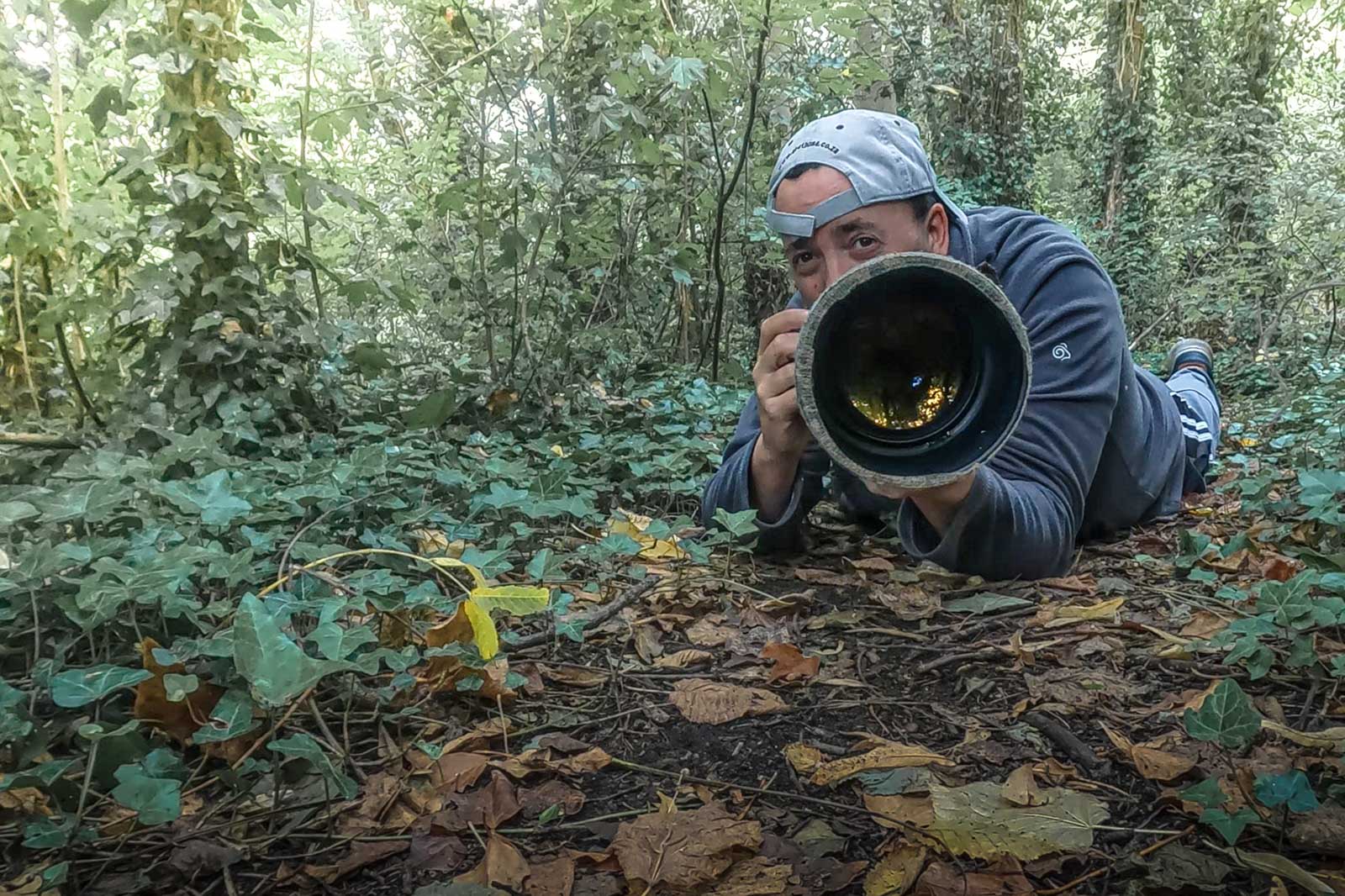
The realm of nature photography, often perceived as a solitary pursuit, is in reality a dynamic field where passion meets perseverance, and technical skill evolves alongside a profound connection to the natural world. In a new interview series, "From Amateur to Professional," NatureTTL explores the developmental arcs of established photographers, tracing their evolution through their own images and insights. Kicking off this illuminating series is Victor Soares, a distinguished wildlife photographer whose nearly two-decade journey exemplifies the dedication required to transition from a budding enthusiast to a recognized professional.
Born in South Africa, a country renowned for its unparalleled biodiversity, Victor Soares cultivated an early and deep appreciation for wildlife. His childhood, surrounded by diverse ecosystems, instilled a particular fascination with birds, which he describes as his "escape from a dramatic world." This intrinsic love for nature laid the foundational groundwork for a career he could scarcely have imagined at the turn of the millennium. Now based in the United Kingdom, Soares channels his expertise into leading photography tours across Europe and Africa, sharing his intimate knowledge of wildlife and photographic techniques with aspiring photographers worldwide. His work has garnered significant acclaim, earning awards and features in leading publications and associations, solidifying his status as a prominent voice in contemporary nature photography.
The Genesis of a Passion: Embracing the Digital Revolution
Soares’ entry into the world of photography was, by his own admission, a "chance encounter" rather than a pre-meditated career path. The year 2004 marked a pivotal moment, coinciding with the widespread advent of affordable digital single-lens reflex (DSLR) cameras. Like many, Soares purchased his first DSLR, a Canon 300D, primarily to document holiday memories. This period saw a significant shift in photography, with digital technology democratizing access and making instant feedback and experimentation possible in ways film never could. The Canon 300D, released in 2003, was a groundbreaking model, offering advanced features at a consumer-friendly price point, perfectly aligning with Soares’ interest in technology and his nascent photographic curiosity.
A trip to South Africa’s iconic Kruger National Park proved to be the accidental catalyst. Upon developing his holiday photos at a local lab, Soares encountered Johan Combrink, the owner, who also happened to be a keen wildlife photographer. Inspired by Combrink’s striking image of a Cattle Egret, Soares articulated a desire to capture similar photographs. Combrink’s generous offer to mentor Soares, free of charge, became a turning point. "I have never looked back," Soares recalls, emphasizing Combrink’s invaluable guidance in camera techniques, post-processing, and even motivational coaching through the inevitable "dark times" of a burgeoning photographer. This mentorship highlights a crucial aspect of creative development: the power of experienced guidance and community support in nurturing talent.

Early Struggles and the Path to Technical Mastery
Soares candidly shares the imperfections of his very first attempts, recalling a blurry, distant image of a cormorant in flight, shot in poor light – an ambitious subject for a novice. This early image, unfortunately lost due to a later decision to "start fresh" with a new camera in 2007, speaks volumes about the iterative process of learning. The replacement, a Canon Rebel XT (known as the 400D outside the US), represented an upgrade in technology and a fresh start for Soares.
His earliest surviving photograph of a Steenbok, taken in Kruger Park with the new camera in 2007, provides a tangible benchmark of his initial progress. While he "liked the image" and successfully captured the animal in focus, Soares’ retrospective analysis reveals a growing critical eye. He identifies technical shortcomings: a cropped subject, an overly narrow aperture (f/8) that limited background blur, and reliance on Aperture Priority (Av) mode rather than the more controlled Manual mode he now predominantly uses. Furthermore, the limitations of early digital cameras, particularly concerning noise at higher ISOs, constrained his creative choices, forcing him to keep ISO settings below 400. This early critique underscores a fundamental lesson for aspiring photographers: understanding and mastering technical controls are paramount to artistic expression, allowing the photographer to transcend mere documentation and craft compelling narratives.

Forging a Signature Style: Emotion and Immersion
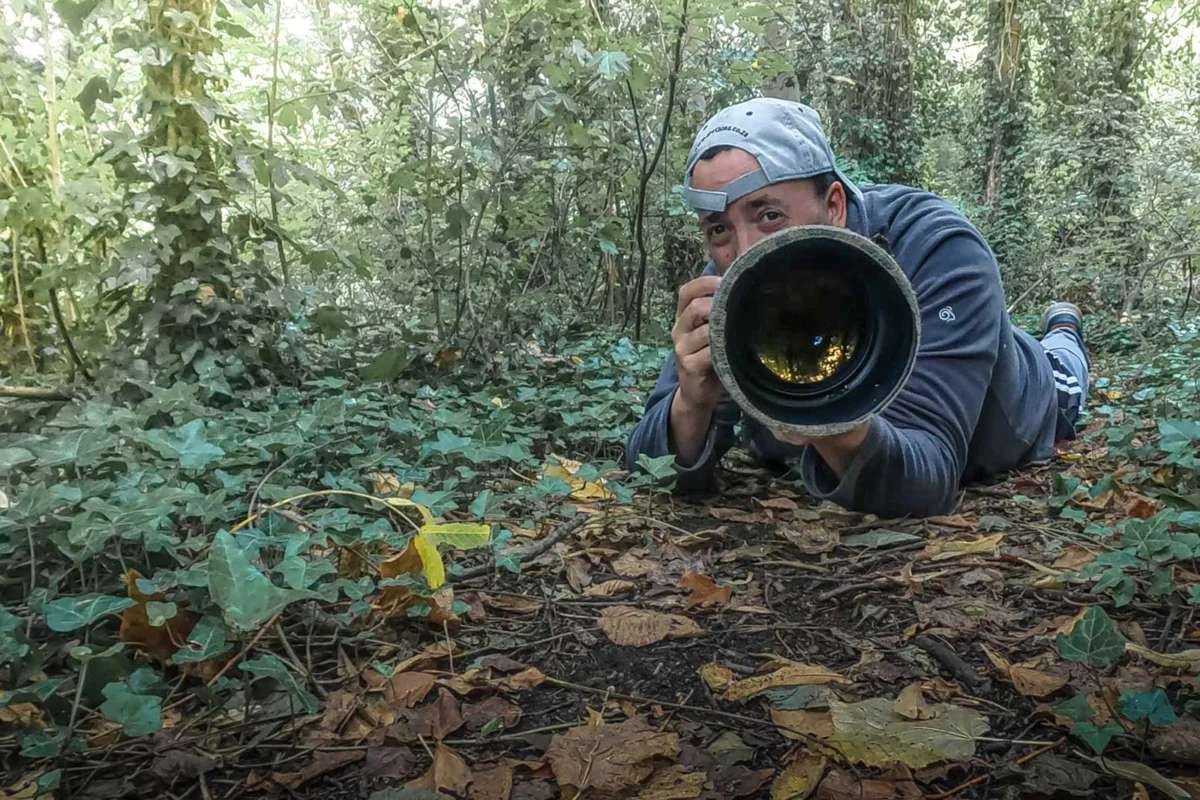
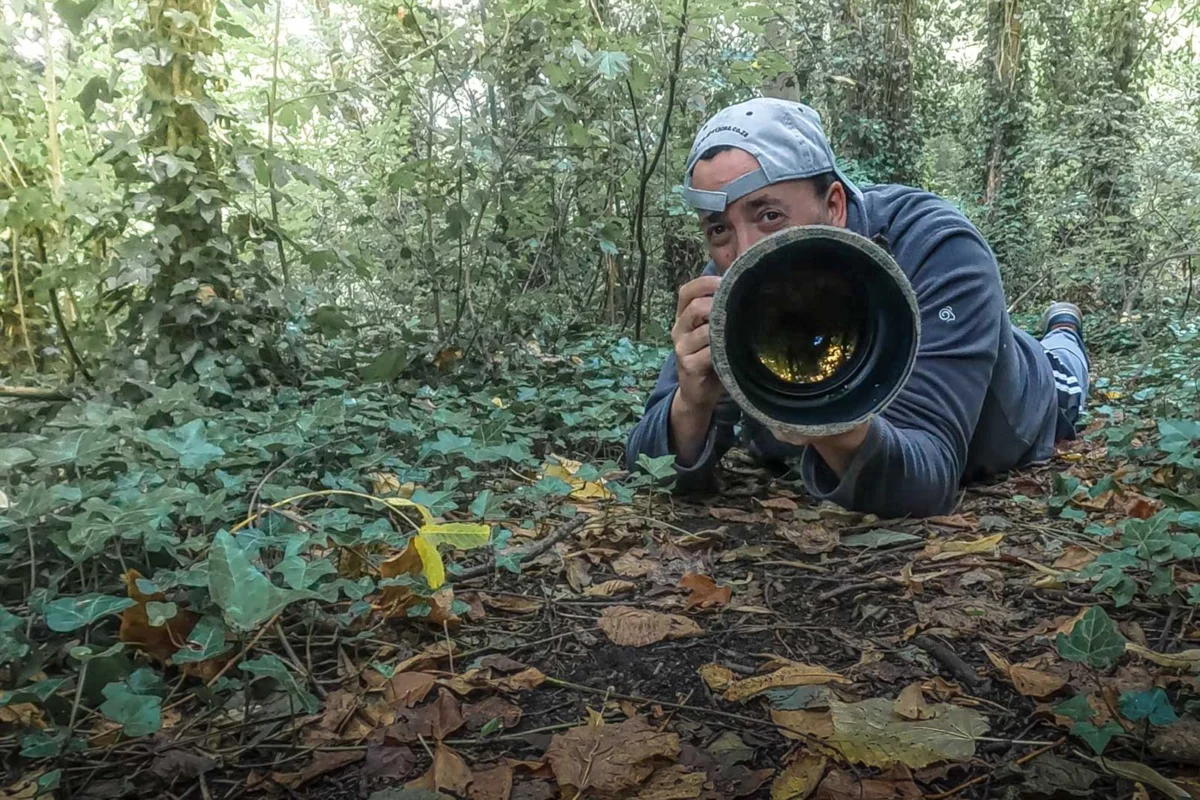
The evolution of Soares’ photographic style is vividly illustrated by his favourite image: a yawning fox captured in a small park in Sutton, London. This photograph encapsulates his refined technical skill and his deeper artistic intent. Having relocated to the UK in 2016 and London in 2018, Soares developed a fascination with urban foxes, a species that, unlike the wild creatures of Africa, had previously only existed in his "fairytales."
The image, taken as a friendly fox jumped a hedge and settled in a bed of autumn leaves, perfectly aligned a moment of serendipity with Soares’ preparedness. The visible detail of the fox’s cold breath, the rich autumn colours, the intricate texture of its teeth during the yawn, and the beautifully rendered shallow depth of field all contribute to its emotive power. This photograph is more than just a technically proficient shot; it tells a story, conveying a sense of intimacy and connection with a creature that brought childhood fantasies to life. Soares’ deliberate choice of low-down photography and shallow depth of field, often requiring "expensive glass" like his favoured 300mm f/2.8 lens, reflects a conscious artistic decision to isolate his subjects, create ethereal backgrounds, and draw the viewer’s attention to the animal’s essence and emotion. He strives to portray "a creature’s emotion – calm, anger, fear, cunning, eagerness, desperation, resolve," adding a "certain element of reality to the animal." This intentionality is a hallmark of professional artistry.

Revisiting Landscapes and Deepening Understanding
A significant aspect of Soares’ growth lies in his approach to revisiting familiar subjects and locations. His experience in South African game parks, where he initially honed his skills, now takes on new dimensions. With a more refined perspective, his safaris are no longer simply about capturing images but about a deeper engagement with the environment. He consciously observes "the sun’s direction, the quality of light, what’s in the background, what might spoil the foreground, and the angles to shoot from." This heightened awareness of environmental factors and animal behaviour—understanding what an animal’s actions signify—allows him to anticipate moments and capture narratives rather than just snapshots.
Similarly, his annual participation in the UK deer rut, a spectacle he once enjoyed for its sheer grandeur, has evolved into a quest for unique, nuanced moments. He seeks out atmospheric conditions, such as "bellow steam" on cold mornings, the interplay of autumn light through trees, or subtle interactions between females, even amidst the dominant display of the stags. This shift from broad observation to seeking specific, evocative details demonstrates a matured artistic vision and a commitment to storytelling over mere documentation. His dedication to "less favoured" species like fallow deer, recognizing the intensity and photographic potential of their fights, further illustrates his comprehensive approach to wildlife photography.

The Professional Pivot: A Leap of Faith
The decision to transition from a stable engineering career to the unpredictable world of professional photography was a deeply considered one, brewing in Soares’ "subconscious for many years." The common economic reality for many photographers—that it often serves as an extension of a hobby rather than a lucrative primary profession—was a significant deterrent. Engineering provided a much better living, and despite varying success in competitions, photography was never his full-time focus.
The turning point arrived in early 2024. After cautiously beginning to lead trips and teach photography in his spare time in 2023, a corporate redundancy at his engineering company presented a stark choice. What could have been a setback transformed into a "serendipitous push" towards his long-held dream. With the unwavering support of his wife, whom he credits as his "biggest fan and strongest supporter," Soares embraced the opportunity to dedicate himself fully to wildlife photography. This transition highlights the blend of passion, preparation (even part-time teaching), and sometimes, external circumstances that converge to create a professional opportunity. The move also reflects a growing trend in creative industries where individuals leverage their expertise to offer workshops, tours, and educational content, diversifying their income streams beyond traditional image sales.

Defining Moments: Validation and Confidence
While Soares acknowledges numerous "turning points" in his journey, including the inherent thrill of photographing elusive animals like leopards in his native South Africa, one moment stands out for its profound impact on his confidence. In 2012, his work achieved significant recognition when one of his images reached the final round of the Natural History Museum’s Photography Awards, then known as the Veolia Environmental Awards. This competition, attracting over 48,000 entries globally, represents one of the most prestigious accolades in wildlife photography.
Being a finalist in such a competitive arena provided Soares with immense validation. "It was a moment in my photographic career where I felt, ‘Maybe I am good enough… maybe,’" he recalls. Despite the image not progressing to be displayed at the museum, the experience was a powerful affirmation of his skill and potential. This event underscores the critical role of external validation, particularly through prestigious awards, in bolstering a photographer’s self-belief and propelling their career forward. It serves as a reminder that recognition, even if not leading to immediate commercial success, can be a crucial psychological boost for artists navigating a challenging field.

Evolving Workflows and Enduring Principles
Soares’ photography process has undergone considerable evolution over two decades, driven by a continuous desire to experiment and adapt. He actively engages with the work of his peers, integrating modern techniques and diverse styles into his own practice. The most significant shifts, he notes, have occurred in how he captures and processes images. His preference for extremely shallow depth of field and low-angle shots, which he believes adds an element of reality and emotional depth, has become a hallmark of his style. This approach prioritizes the focal point’s sharpness while rendering backgrounds into artistic blurs, enhancing the subject’s prominence.
Beyond technical aspects, Soares emphasizes the emotional narrative within his photographs. His aim to portray emotions like "calm, anger, fear, cunning, eagerness, desperation, resolve" in his animal subjects adds a layer of sophisticated storytelling to his work. This demonstrates a move beyond mere aesthetic capture to a deeper, more empathetic engagement with wildlife, aiming to evoke a visceral response from the viewer.

Overcoming Challenges: Perseverance and Patience
The journey from amateur to professional is rarely without obstacles. Soares identifies his biggest initial challenge as maintaining motivation amidst the overwhelming excellence of his heroes and role models. The self-doubt, the feeling of "not being good enough," is a common struggle for aspiring artists. His learned wisdom is profound: "Persevere. Don’t be afraid of comments and criticism, and continue to learn from everyone." This philosophy highlights the importance of resilience and an open mindset in creative development, framing both positive and negative feedback as opportunities for growth.
Looking back, Soares’ primary advice to his younger self would be to "be patient." In an age of instant gratification and rapid technological advancements, he cautions against measuring progress solely by new camera features like faster frames-per-second or more focus points. True mastery, he argues, comes from diligently learning the "basics, the essentials, the critical things" – the enduring art and science of photography that transcend technological fads. Patience, he stresses, is particularly vital in wildlife photography, where "many of the best images come from hours spent watching and observing the wild, waiting for the best moments." This reinforces the idea that authentic connection and understanding of the subject are as crucial as technical prowess.

A Lifelong Journey of Learning and Sharing
After nearly 20 years, Victor Soares’ commitment to learning remains undimmed. He continues to actively participate in camera clubs, gleaning insights from fellow members. He devours photography articles and magazines, constantly seeking new tips and techniques. Collaborating with other photographers provides not only companionship but also fresh perspectives and approaches.
His overarching advice for anyone embarking on a photographic journey is to "put yourself out there." Sharing one’s work and actively seeking feedback, both positive and negative, is essential for growth. "Listen to those comments and use them to grow and learn," he advises, emphasizing that all feedback serves as an opportunity for reflection and development. Soares’ journey is a testament to the idea that photography is not a destination but an ongoing process of discovery, learning, and profound connection with the world around us. His story, as featured in NatureTTL’s "From Amateur to Professional" series, offers a compelling narrative of dedication, artistic evolution, and the transformative power of pursuing one’s passion.