In an era of digital saturation, where online advertisements are often filtered or ignored, the physical presence of a brand has regained its status as a cornerstone of consumer confidence and market penetration. For any business operating a fleet of vehicles, every mile driven represents a strategic opportunity to build trust, boost brand awareness, and project an image of absolute professionalism. A vehicle on the road is far more than a logistical necessity; it is a high-impact mobile billboard that serves as a continuous representative of a company’s core values, reliability, and expertise. Today, forward-thinking enterprises are leveraging high-quality vehicle wraps to unify their fleets, strengthen brand recognition, and present a polished image that customers instantly recognize and trust.
The modern marketplace requires a multi-sensory approach to branding, and the visual impact of a well-executed vehicle wrap is unparalleled in the realm of Out-of-Home (OOH) advertising. As companies seek to maximize their marketing budgets, the transition from plain, unmarked utility vehicles to vibrant, professionally branded assets has become a standard practice for industry leaders. This shift is not merely aesthetic; it is a calculated business move designed to turn a depreciating asset—the vehicle—into a high-yield marketing tool.
The Strategic Importance of Mobile Brand Identity
The concept of "Turning Fleets into Trust" is rooted in the psychology of consumer behavior. When a service professional arrives at a customer’s home or a commercial job site, the first point of contact is almost always the vehicle parked at the curb. An unmarked or poorly maintained van can evoke skepticism or even anxiety in a homeowner. Conversely, a vehicle featuring a clean, high-resolution wrap with clear contact information and consistent branding signals that the business is legitimate, established, and detail-oriented.
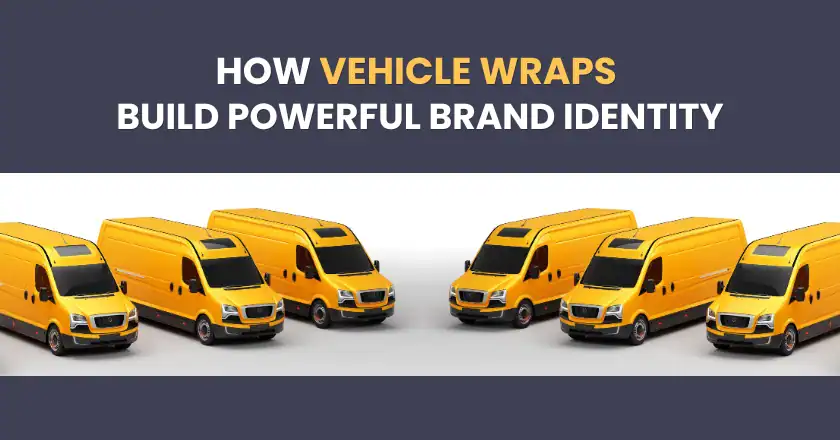
Market research consistently indicates that consumers feel significantly more comfortable inviting representatives from a branded vehicle onto their property. This "trust-at-first-sight" is a critical component of the sales funnel, often pre-validating the quality of the service before a single word is exchanged. By combining strong logo placement, clear messaging, and sharp vector graphics, vehicle wraps communicate dependability and professionalism across every neighborhood the fleet traverses.
Supporting Data: The ROI of Vehicle Advertising
To understand the scale of this branding medium, one must look at the empirical data surrounding mobile advertising. According to the Outdoor Advertising Association of America (OAAA), a single vehicle wrap can generate between 30,000 and 70,000 impressions daily, depending on the region and the distance traveled. Unlike digital ads that require recurring payments for every click or view, a vehicle wrap is a one-time investment that provides continuous exposure for three to five years.
Furthermore, the cost-per-thousand (CPM) impressions for vehicle wraps is estimated to be as low as $0.15 to $0.48. In comparison, traditional mediums such as television or primetime radio can exceed $20.00 per CPM, and even localized newspaper ads often cost over $10.00 per CPM. This makes fleet branding one of the most cost-effective marketing strategies available to both small businesses and large-scale corporations. The longevity of modern vinyl materials ensures that the initial investment pays dividends for half a decade, effectively lowering the long-term cost of customer acquisition.
The Role of SignSilo in Modern Fleet Branding
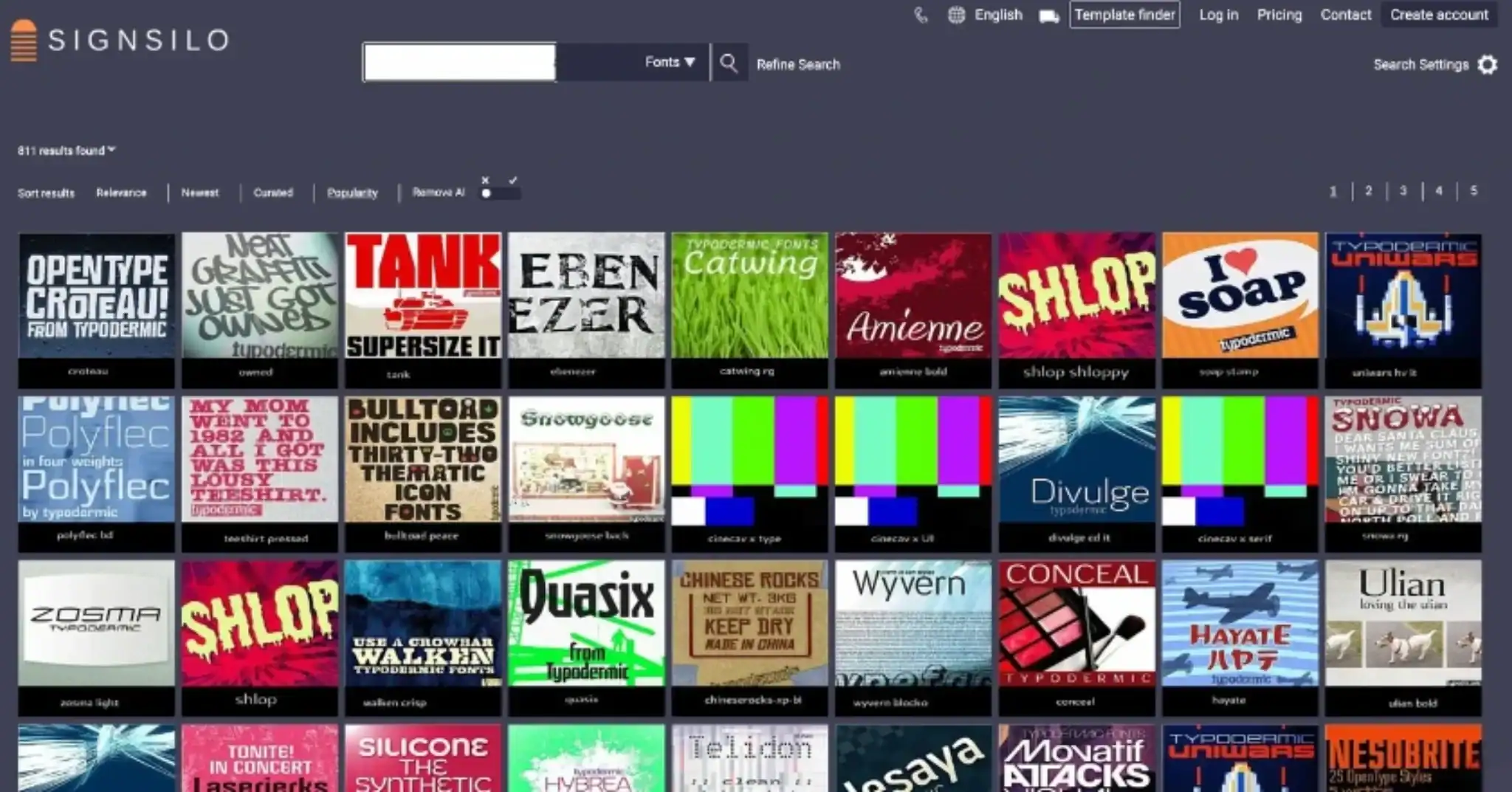
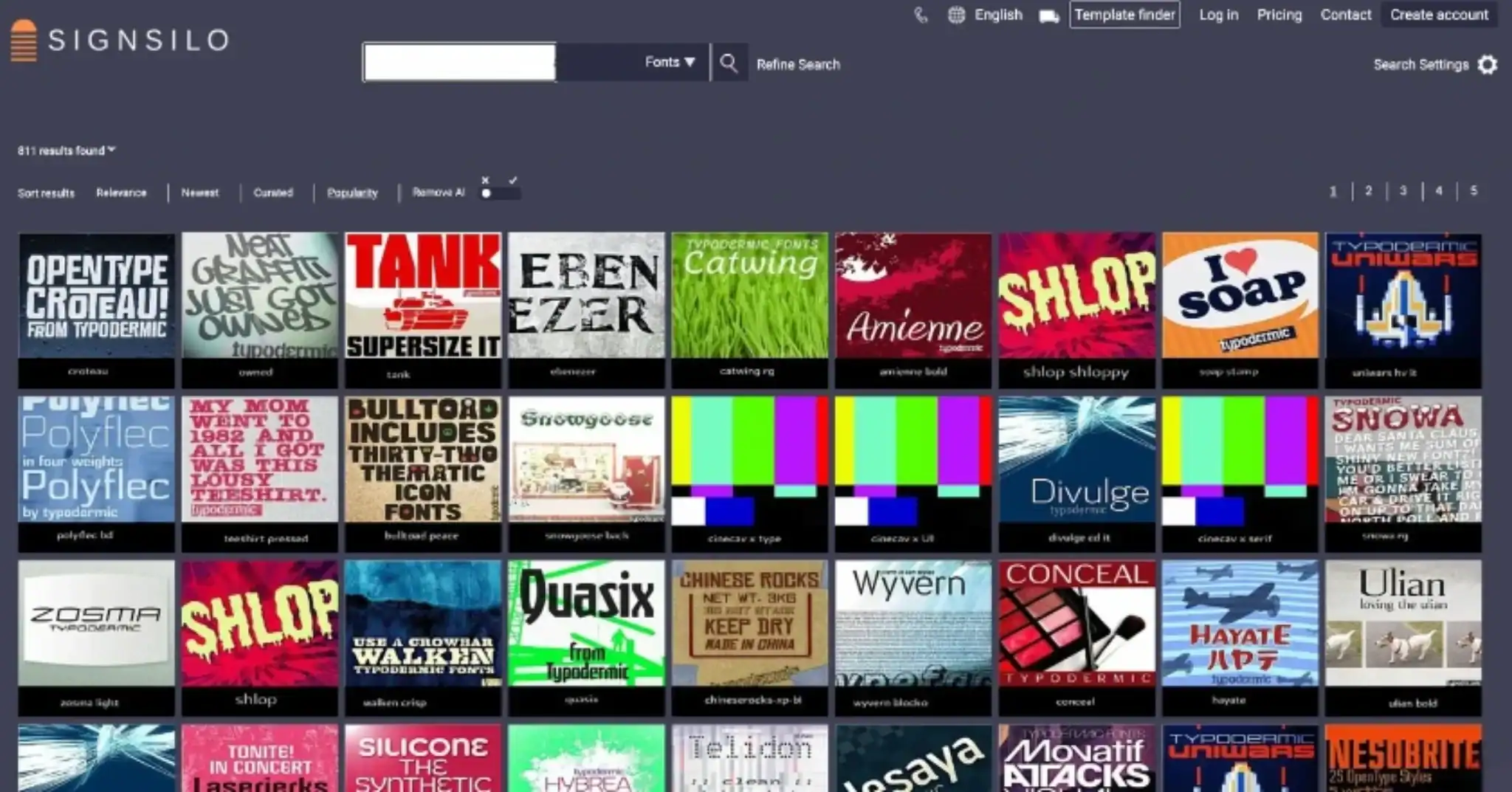
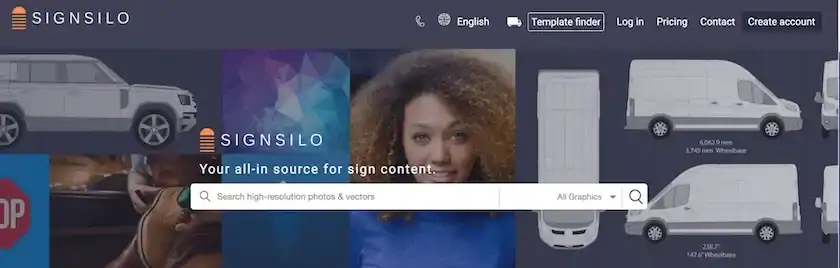
The execution of a professional fleet identity requires a sophisticated infrastructure of creative resources. This is where SignSilo has emerged as a pivotal player in the vehicle graphics and sign-making industry. As a comprehensive visual resource hub, SignSilo provides the technical and creative foundation necessary to transform a conceptual brand into a production-ready reality.

SignSilo’s platform is designed to meet the rigorous demands of professional wrap shops and internal marketing departments. Their extensive library includes:
- 24,000+ Accurate Vehicle Templates: These blueprints allow designers to create graphics that fit specific makes and models with surgical precision, ensuring that logos do not get cut off by door handles or windows.
- 45,000+ High-Quality Vectors: Scalable graphics that maintain clarity at any size, essential for the large-scale printing required for trucks and trailers.
- 20 Million+ Professional Photos: High-resolution imagery that can be integrated into designs to evoke specific emotions or showcase services.
- High-Res Textures and Wraps: Specialized backgrounds that add depth and a premium feel to the final product.
By offering these professional-grade resources at an affordable price point, SignSilo enables wrap shops to lower their internal design costs while maintaining a standard of quality that was once reserved for high-budget national campaigns.
A Chronology of Professional Fleet Transformation
The process of turning a fleet into a brand ambassador follows a specific technical and creative timeline. Understanding this progression is vital for business owners looking to overhaul their image.
- Brand Strategy and Asset Gathering: The process begins with defining the brand’s core message. Designers utilize platforms like SignSilo to source high-resolution vectors and templates that match the company’s specific vehicle makes (e.g., Ford Transit, Mercedes Sprinter, or heavy-duty freight trucks).
- Conceptual Design and Mockups: Using precise templates, designers create 2D and 3D mockups. This stage is crucial for ensuring that the branding is visible from all angles—front, back, and sides—and that the most important information (logo and phone number) is positioned for maximum legibility.
- Material Selection and Printing: Once the design is finalized, it is printed onto high-performance vinyl. Modern vinyl is engineered with "air release" technology, which prevents bubbles and ensures a smooth, paint-like finish.
- Precision Installation: Professional installers apply the vinyl to the vehicle. A high-quality installation can take anywhere from 8 to 20 hours per vehicle, depending on the complexity of the curves and the size of the fleet.
- Deployment and Maintenance: The branded fleet hits the road. With proper care, these wraps protect the underlying factory paint, which can actually increase the vehicle’s resale value when the wrap is eventually removed.
Creating a Unified Fleet Image Across Diverse Assets
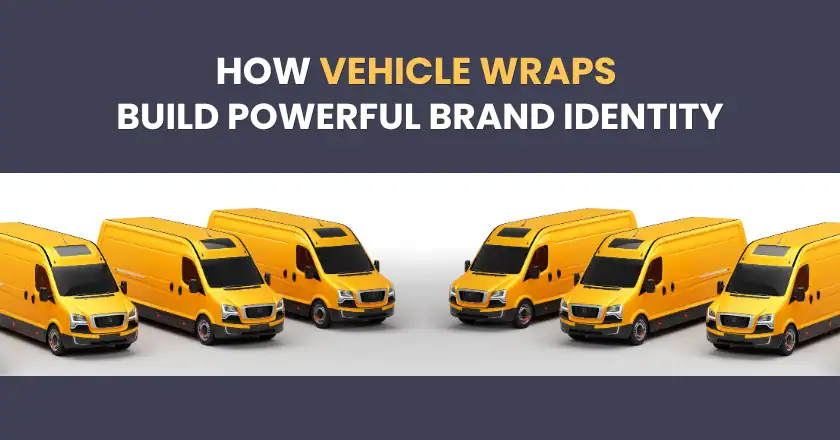
One of the greatest challenges for growing companies is maintaining visual consistency across a diverse fleet. A company may start with a single pickup truck but eventually expand to include box trucks, cargo vans, and passenger cars. Inconsistent graphics, outdated logos, or mismatched color schemes can weaken a brand’s presence and confuse potential clients.
Using unified design assets and precise templates allows for the "standardization of excellence." When a community consistently sees a uniform fleet operating in their area, it builds a sense of reliability and established market presence. It suggests that the company is large enough to be dependable but local enough to be accessible. This "omnipresence" is a powerful psychological tool that makes a brand the first choice when a consumer’s need arises.
Analysis of Broader Industry Implications
The rise of professional fleet branding has broader implications for the competitive landscape of local services. In industries such as HVAC, plumbing, electrical, and landscaping, the "unmarked white van" is becoming a relic of the past. Companies that fail to invest in their mobile identity are increasingly being out-competed by smaller, more agile firms that look more professional due to high-quality vehicle wraps.
Furthermore, the integration of technology like QR codes into vehicle wraps is bridging the gap between physical and digital marketing. A person stuck in traffic can scan a QR code on the back of a van, leading them directly to a booking page or a promotional offer. This creates a seamless transition from an offline impression to an online conversion, further increasing the measurable ROI of the wrap.
Official Responses and Industry Sentiment
While individual company statements are often proprietary, the general sentiment among sign-making professionals is one of rapid technological advancement. Industry experts note that the democratization of design tools—through services like SignSilo—has allowed smaller shops to compete with national agencies.

"The barrier to entry for high-end vehicle graphics has collapsed," says one industry analyst. "In the past, you needed a massive art department to handle fleet-wide templates. Now, with a subscription to a comprehensive resource library, a two-person shop can produce work that looks like it came from a Madison Avenue firm."
This sentiment is echoed by business owners who have seen immediate upticks in "call-ins" after wrapping their vehicles. The feedback from the field is clear: a branded vehicle is not an expense; it is a revenue generator.
Building a Brand That Moves
As business environments become more competitive, the value of a flexible and recognizable visual identity continues to climb. A well-defined branding system allows new vehicles to be added to a fleet without the need to reinvent the brand every time. The strongest fleet wraps are those that combine consistency, recognition, and visual impact while adapting naturally to different vehicle shapes and environments.
The goal for any modern business should be simple: don’t just wrap a vehicle; build a brand that moves. By utilizing professional resources, adhering to high design standards, and maintaining consistency across every mile driven, companies can turn their daily operations into a powerful engine for trust and growth. In the end, a fleet that looks like it can be trusted is a fleet that will be hired.