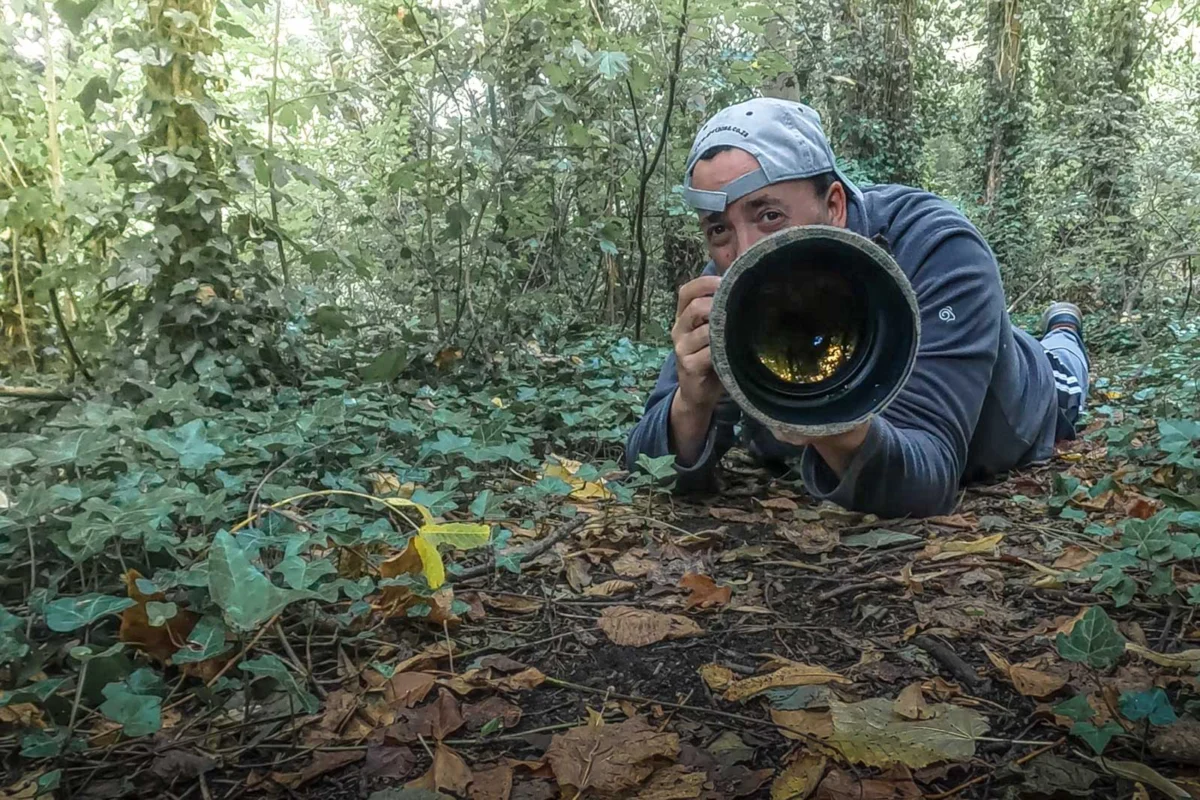
Raja Ampat, an archipelago renowned globally as the ultimate destination for underwater photography, offers an extraordinary spectacle of marine biodiversity and pristine natural beauty. Situated off the northwest tip of the Bird’s Head Peninsula in West Papua, Indonesia, this remote region is a mosaic of jungle-clad limestone islands, vibrant coral reefs, and an astounding abundance of marine wildlife that captivates seasoned photographers and marine enthusiasts alike. Its unofficial title, "The Last Paradise," aptly reflects its unspoiled grandeur and ecological significance.
A Realm of Unparalleled Biodiversity
The archipelago’s exceptional biodiversity is primarily attributed to its strategic location at the heart of the Coral Triangle, a marine region recognized as the global epicentre of marine biodiversity. This privileged position allows Raja Ampat to host an astonishing 75% of the world’s known coral species, making it a living laboratory for marine science and a vibrant canvas for underwater imagery. The sheer volume of life includes over 1,000 species of fish, 540 distinct strains of coral, and 700 types of mollusks. Beyond the vibrant reef fish and intricate invertebrates, the waters teem with larger, charismatic megafauna such as reef sharks, the elusive wobbegong shark, majestic manta rays, graceful sea turtles, and even dugongs. This concentration of marine life underscores its status as a mecca for scuba diving and underwater photography, offering endless subjects for every photographic discipline. The rich nutrient flow through the Dampier Strait, a critical channel in the region, further fuels this prolific ecosystem, supporting a complex food web from microscopic plankton to apex predators.

Navigating to Paradise: A Journey for the Dedicated
Reaching Raja Ampat, while rewarding, requires a dedicated travel itinerary, reflecting its status as a remote and pristine wonderland. The primary gateway to the region is through Sorong’s Domine Eduard Osok Airport (SOQ) in West Papua. International travelers typically connect via major Indonesian hubs like Jakarta or Makassar, followed by a domestic flight to Sorong. From Sorong, the journey continues with a ferry ride to Waisai, the capital of Raja Ampat, on Waigeo Island. This leg often involves a two-hour ferry trip, followed by ground transport to the final accommodation or liveaboard departure point.

Photographers planning an extensive exploration often opt for a liveaboard experience. These vessels provide comprehensive access to the archipelago’s vast and diverse dive sites, allowing for deeper immersion into the region’s most remote and pristine areas, including the highly-regarded Misool region. Misool is particularly celebrated for its thriving marine protected area, where strict conservation measures have led to a documented improvement in biodiversity, a rarity in today’s marine environments. For those preferring a more static experience, land-based resorts and homestays on various islands offer daily dive excursions to nearby sites, often boasting incredible house reefs perfect for leisurely dives and photographic opportunities. Sustainable tourism practices, such as choosing eco-certified operators and respecting local customs, are paramount to preserving Raja Ampat’s delicate ecosystems.
The Photographer’s Canvas: Wide-Angle Wonders and Macro Marvels

Raja Ampat presents an unparalleled array of photographic opportunities, catering to both wide-angle enthusiasts and macro specialists. The majestic reef systems, characterized by their immense size, intricate structures, and vibrant coloration, provide a breathtaking backdrop for wide-angle compositions. Photographers can capture expansive reefscapes adorned with schooling batfish, barracuda, and snappers, or focus on iconic megafauna such as manta rays, wobbegong sharks, and various species of sea turtles. A wide-angle lens, typically in the 16-35mm range, is highly recommended for capturing the grandeur of these scenes, with close-focus wide-angle (CFWA) techniques often yielding dynamic and impactful images.
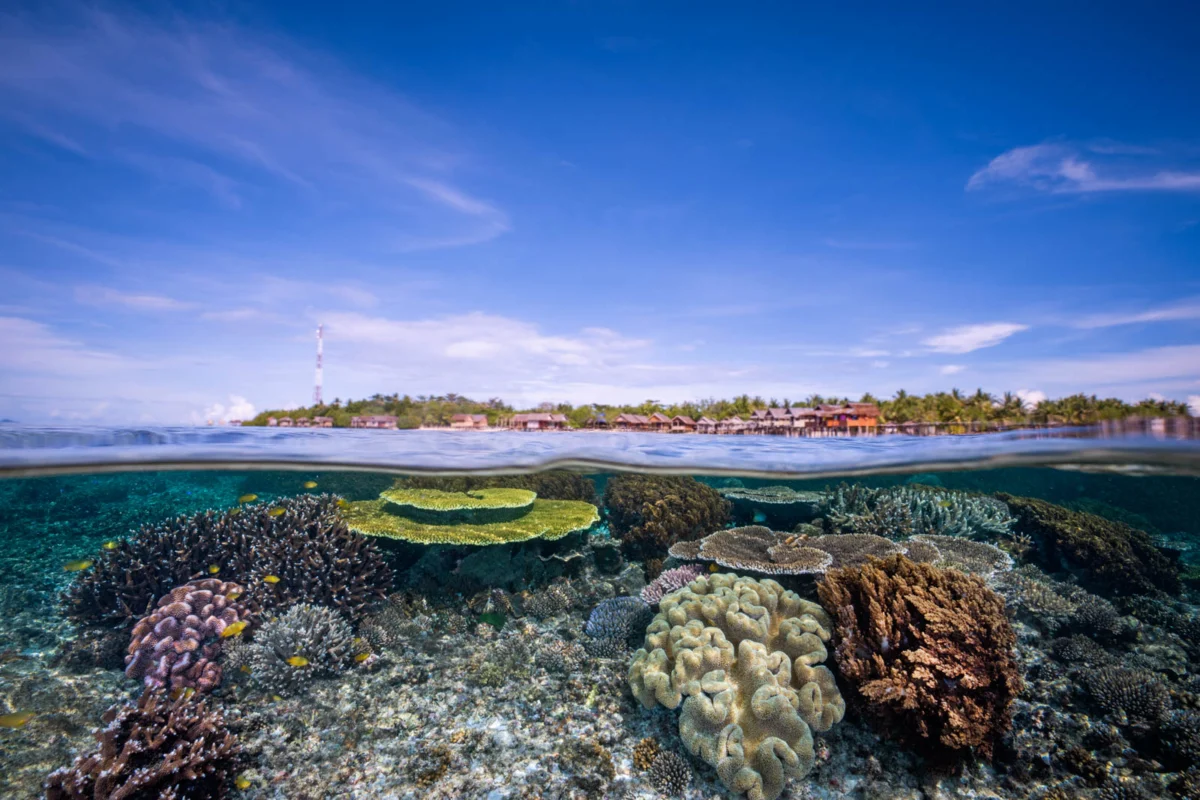
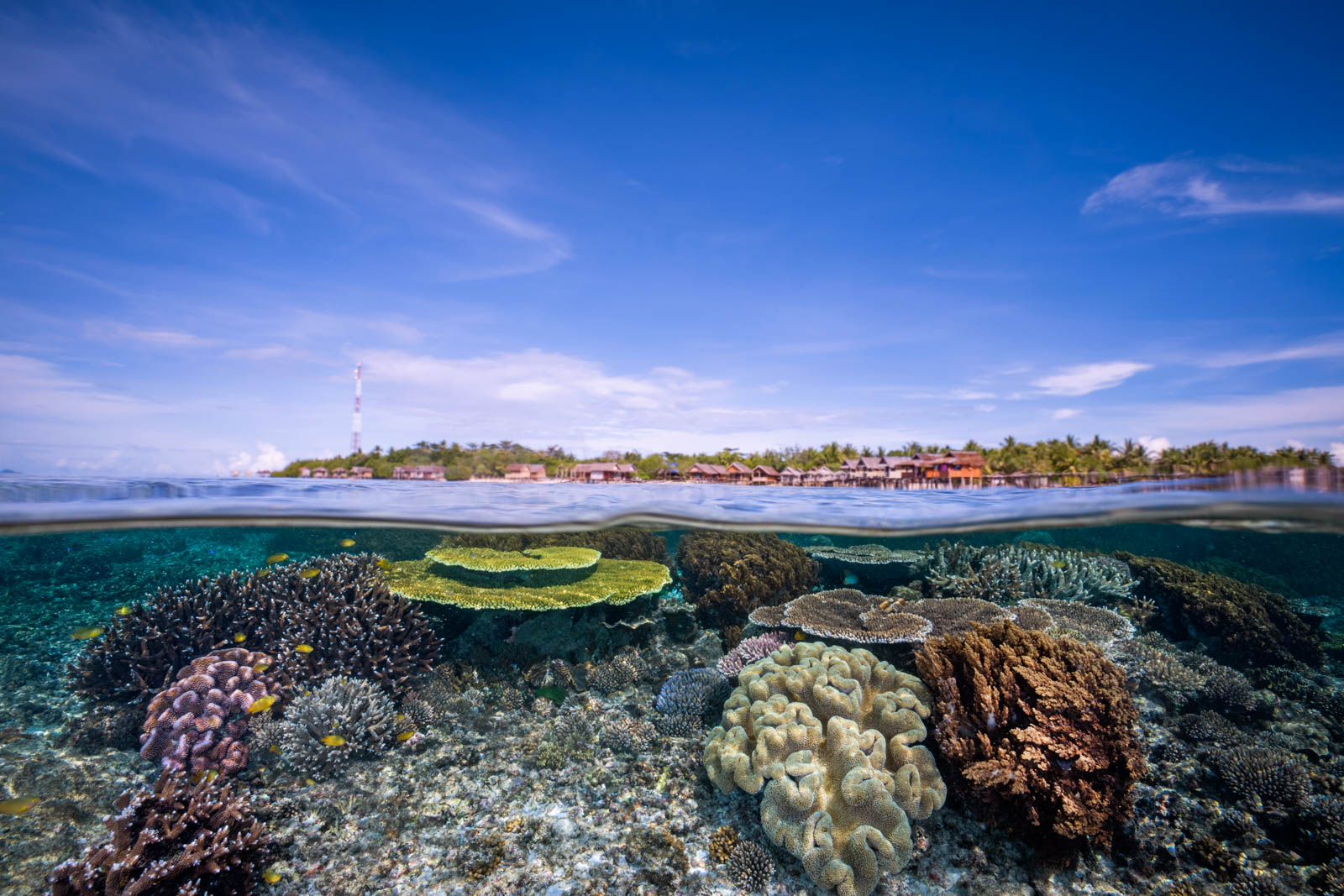
The region is also an ideal setting for captivating split-shot photography, capturing both the underwater world and the stunning topside scenery. Many island house reefs offer accessible shallow areas where the interplay of lush jungle, dramatic limestone karsts, and serene waters creates perfect conditions for these unique compositions, especially during the golden hours of sunrise and sunset.

However, a significant draw for many photographers lies in Raja Ampat’s intricate macro world. The cracks and crevices of the reef systems conceal an astonishing variety of tiny, often camouflaged, critters. Photographers can anticipate encounters with rare species such as pygmy pipehorses, flamboyant mantis shrimps, the masters of disguise — leaf scorpionfish and frogfish — alongside diverse cephalopods, ghost pipefish, eels, blennies, and a myriad of soft coral denizens. For these minute subjects, specialized macro lenses are essential. A mid-range macro lens like a 60mm is versatile, but a more powerful lens such as a 90mm or 120mm is crucial for capturing the smallest creatures in exquisite detail. An external diopter can further enhance magnification for truly minuscule subjects. Consulting dive guides before each dive to understand potential sightings allows photographers to optimize their camera setup, ensuring they are prepared for the specific photographic challenges and opportunities of each site.
Confronting the Elements: Challenges for Underwater Photographers

While Raja Ampat’s nutrient-rich waters are the lifeblood of its extraordinary biodiversity, they can occasionally present challenges for underwater photographers, notably in terms of visibility. These waters, fed by the powerful currents of the Indonesian Throughflow, carry suspended particles that, while essential for the ecosystem, can reduce clarity. This necessitates meticulous strobe positioning for wide-angle shots to minimize backscatter and maintain image quality.
Furthermore, the very currents that sustain such abundant marine life can be formidable. The Dampier Strait, in particular, is known for its strong and often unpredictable currents, which can make handling heavy underwater photography equipment challenging. Divers are sometimes advised to "hold on for dear life," taking shelter behind natural formations. In instances where dive guides forecast exceptionally strong currents, photographers may find it more prudent to leave their cameras behind, prioritizing safety and the diving experience over potentially compromised photographic attempts. When cameras are in the water, ensuring they are securely tethered to the diver and that adequate insurance coverage is in place is a critical precaution. These challenges, however, are an integral part of the Raja Ampat experience, highlighting the raw, untamed nature of this marine wilderness.

Iconic Dive Sites: A Curated Selection for Capturing Marine Splendor
Raja Ampat boasts a multitude of world-class dive sites, each offering unique photographic prospects:

-
Melissa’s Garden: A dream for coral enthusiasts, this wide-angle site plunges divers into an expanse of vibrant coral plates stretching beyond sight. Its elegant topography provides a magnificent stage for wide-angle images, capturing the harmonious movement of schooling batfish, barracuda, snappers, lionfish, and angelfish amidst healthy hard and soft corals. The intricate patterns and brilliant colors make it a prime location for showcasing reef health.
-
Batu Rufus: Near the Fam Islands, Batu Rufus is an extraordinary crystal-clear emerald lagoon cradled by towering limestone formations. While the outer reefs, descending to 25 meters, offer opportunities for manta and shark sightings, the true photographic magic unfolds in the shallow, pristine waters of the lagoon. Divers navigate a large swim-through adorned with massive coral fans and majestic rock structures, leading into a natural pool of startling visibility. Here, photographers can spend hours in five meters of water, capturing flourishing reef systems with natural light, making it an ideal location for stunning split-shots that frame the dramatic limestone formations above the surface. Its unique geology makes it a truly singular site.

-
Cape Kri: Perhaps the most famous dive site in Raja Ampat, Cape Kri once held the world record for the highest number of fish species identified on a single dive. This site offers an overwhelming abundance of marine life. Its sloping reefs descend to 40 meters, experiencing strong intersecting currents that attract schooling barracuda, turtles, manta rays, and various pelagic species, providing excellent wide-angle opportunities. Cape Kri is equally celebrated for its macro life, with pygmy seahorses expertly camouflaged within Muricella gorgonian fans, alongside octopus, flatworms, nudibranchs, and diverse shrimp species. The site’s popularity often allows for multiple dives, enabling photographers to switch between wide-angle and macro setups to fully capture its diverse offerings.
-
Manta Ridge: Located between Mansuar and Airborei Islands, Manta Ridge is a renowned cleaning station and feeding ground for schooling manta rays. While encounters can be unpredictable, successful dives offer exhilarating moments where mantas glide gracefully from every direction, presenting incredible wide-angle photographic opportunities. Divers must, however, remain vigilant of the site’s notoriously strong currents and the potential for dangerous down currents, respecting the power of the ocean while observing these magnificent creatures.

-
Citrus Ridge: Near the Gam Islands, Citrus Ridge is celebrated for its exceptionally colorful reef systems, making it a compelling site for experimenting with vibrant wide-angle photography. Beyond its aesthetic appeal, it is a biodiversity hotspot for macro life. Photographers can engage in "underwater detective work," searching every rock and crevice for unique bottom dwellers, benefiting from the stunning coral backdrop. The site also offers a wide range of subjects, including wobbegongs, sharks, turtles, and schooling pelagics, ensuring a rich photographic experience for all interests.
Conservation at the Core: Protecting "The Last Paradise"

Raja Ampat’s designation as a Marine Protected Area (MPA) underscores a concerted effort by local communities, conservation organizations, and the Indonesian government to preserve its irreplaceable ecosystems. Strict regulations are in place to manage fishing, control tourism, and prevent destructive practices. Initiatives focus on community-based conservation, empowering local populations to be stewards of their marine environment. Sustainable tourism plays a crucial role, with visitors encouraged to support operators committed to minimizing environmental impact and contributing to local economies. The long-term health of Raja Ampat’s reefs and its extraordinary biodiversity hinges on the continued success of these conservation strategies, ensuring "The Last Paradise" remains a vibrant sanctuary for future generations.
The Enduring Allure of Raja Ampat

Raja Ampat stands as a testament to the ocean’s enduring majesty, offering photographic possibilities that are virtually limitless for dedicated ocean lovers. The immersion in "island life," complemented by perfectly preserved reefs, an abundance of marine creatures, and the dramatic archipelago scenery during surface intervals, creates an unforgettable experience. The primary photographic challenge often lies in the delightful dilemma of choosing between a wide-angle or macro setup for each dive, as both offer equally compelling subjects. However, by embracing this decision, respecting the powerful ocean currents and fragile underwater ecosystems, and engaging in responsible tourism, photographers can capture and share the breathtaking beauty of this irreplaceable natural wonder, cementing its legacy as a global treasure.