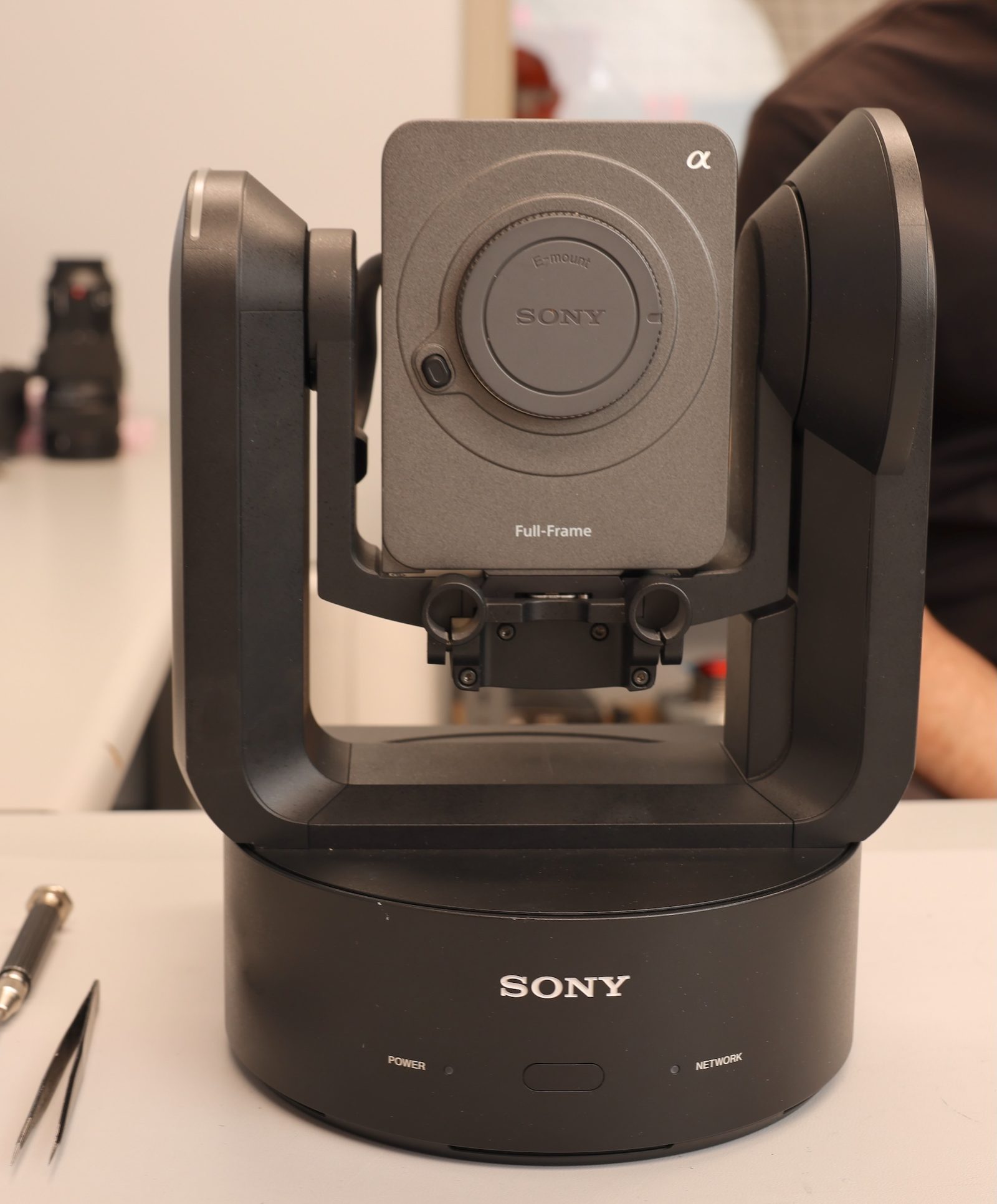
Lensrentals, a leading provider of camera and lens rental services, recently conducted an in-depth teardown of a popular Sony PTZ (Pan-Tilt-Zoom) camera. This intricate examination, performed by technical experts Roger Cicala and Aaron Closz, aimed to understand recurring mechanical failures, identify design vulnerabilities, and explore practical repair solutions for a device experiencing significant demand in the rental market. The exercise, coinciding with the company’s 19th anniversary, offered valuable insights into product durability, maintenance strategies, and the evolving landscape of professional photographic equipment.
Operational Context and Strategic Expansion
The teardown comes at a pivotal time for Lensrentals, following a period marked by unprecedented operational challenges and significant strategic growth. The company navigated the global COVID-19 pandemic, which brought many industries, including equipment rentals, to a near standstill. During this time, the viability of the business was continuously re-evaluated, requiring agile responses to market shifts and customer needs.
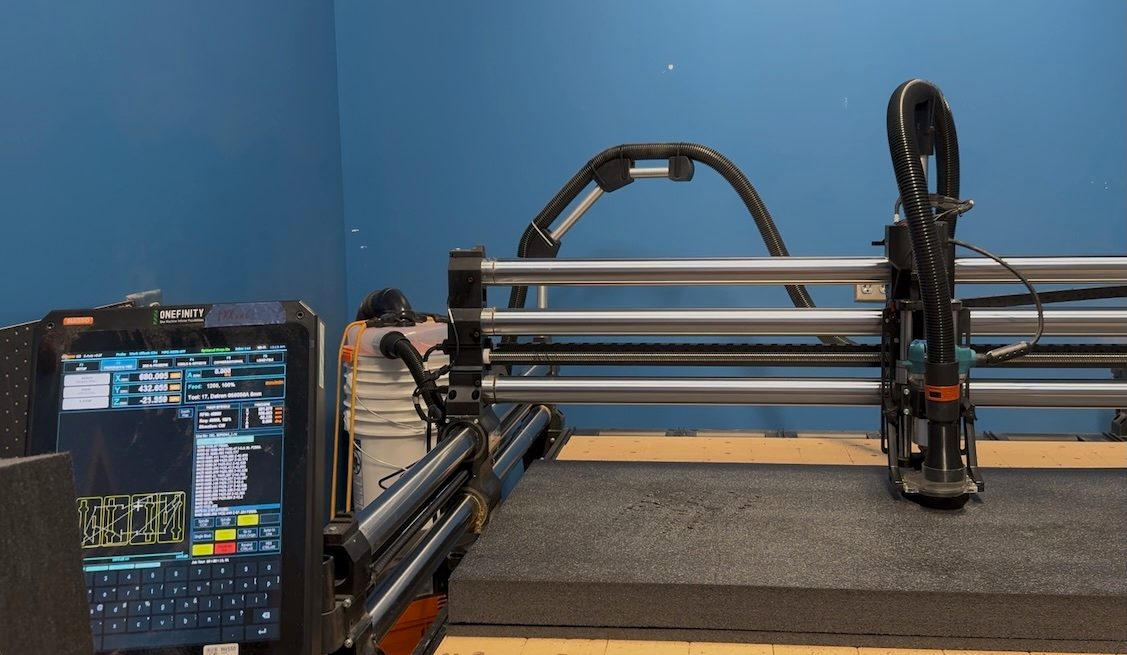
Simultaneously, the company experienced substantial infrastructure expansion. Lensrentals outgrew its operational space for the thirteenth time, necessitating a comprehensive renovation of a large facility. This ambitious project included the installation of approximately four miles of computerized conveyor systems, 62 state-of-the-art workstations, and a sprawling 10,000-square-foot climate-controlled vault capable of housing over 50,000 high-value items. This massive investment underscores Lensrentals’ commitment to enhancing logistical efficiency, scaling operations, and safeguarding its extensive inventory of professional-grade equipment. The completion of such a complex undertaking reflects the company’s long-term vision and its dominant position in the equipment rental sector.
Beyond corporate hurdles, key personnel also faced personal challenges. Roger Cicala, a prominent figure in the technical community and co-leader of the teardown initiative, experienced severe vision impairment requiring multiple cataract surgeries and subsequent complications. This period significantly limited his direct involvement in hands-on work and technical blogging, creating a temporary hiatus in his public-facing technical contributions. Despite these personal health challenges, his continued involvement in strategic projects like this teardown highlights his enduring dedication and expertise.
The Teardown’s Mandate: Addressing PTZ Camera Durability
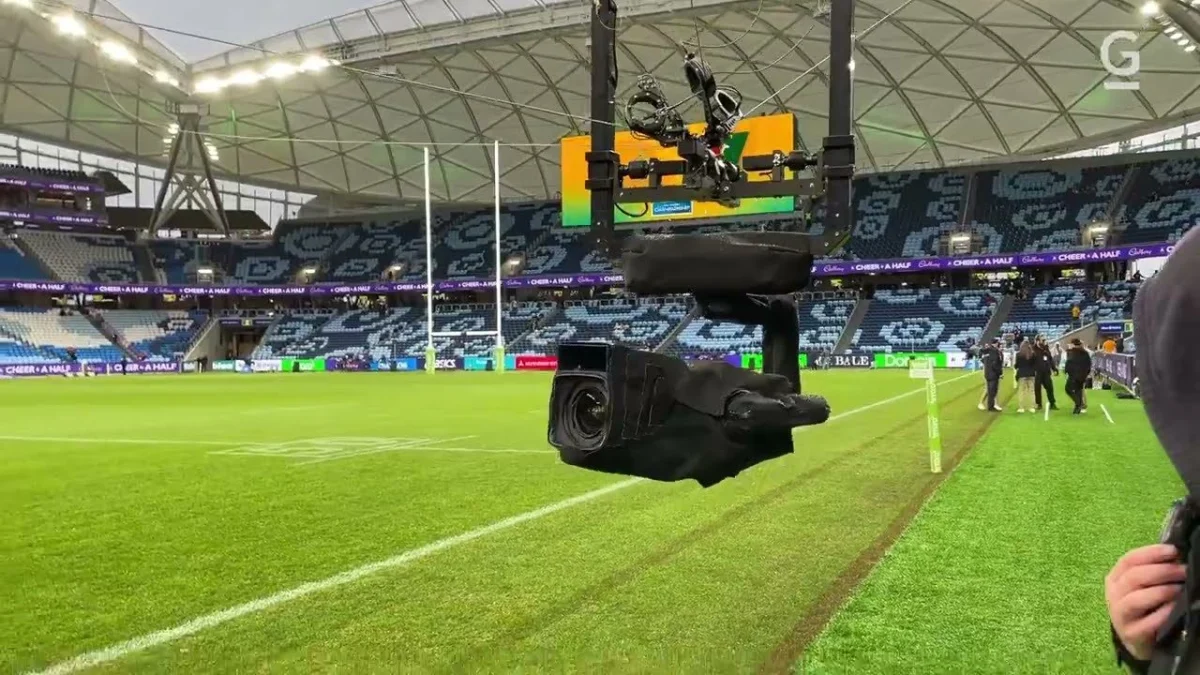
The specific "victim" of this birthday teardown was a Sony PTZ camera, a model that has become exceptionally popular within the rental community. These cameras offer advanced capabilities, including remote control over pan, tilt, and zoom functions, making them ideal for a wide range of applications from live events to broadcast studios and corporate presentations. Their high acquisition cost often leads production companies and individual users to opt for rental, providing access to cutting-edge technology without the burden of full ownership and depreciation.
Despite their popularity and advanced features, these Sony PTZ cameras have presented recurring repair challenges for Lensrentals. The frequent need for maintenance impacts equipment availability, increases operational costs, and can potentially disrupt client projects. The primary objective of the teardown was therefore two-fold: to identify the root causes of common mechanical failures and to explore viable, cost-effective repair strategies that could extend the lifespan of the units and improve rental fleet reliability.
The specific unit under examination exhibited two common, albeit relatively minor, issues: sticky tilt-shift gears producing grinding noises and a noticeable looseness in the camera’s mounting point within the tilt-shift gimbal. While Lensrentals already possessed some understanding of how to address these particular problems, the teardown provided an opportunity for a detailed internal inspection and documentation of the repair process.
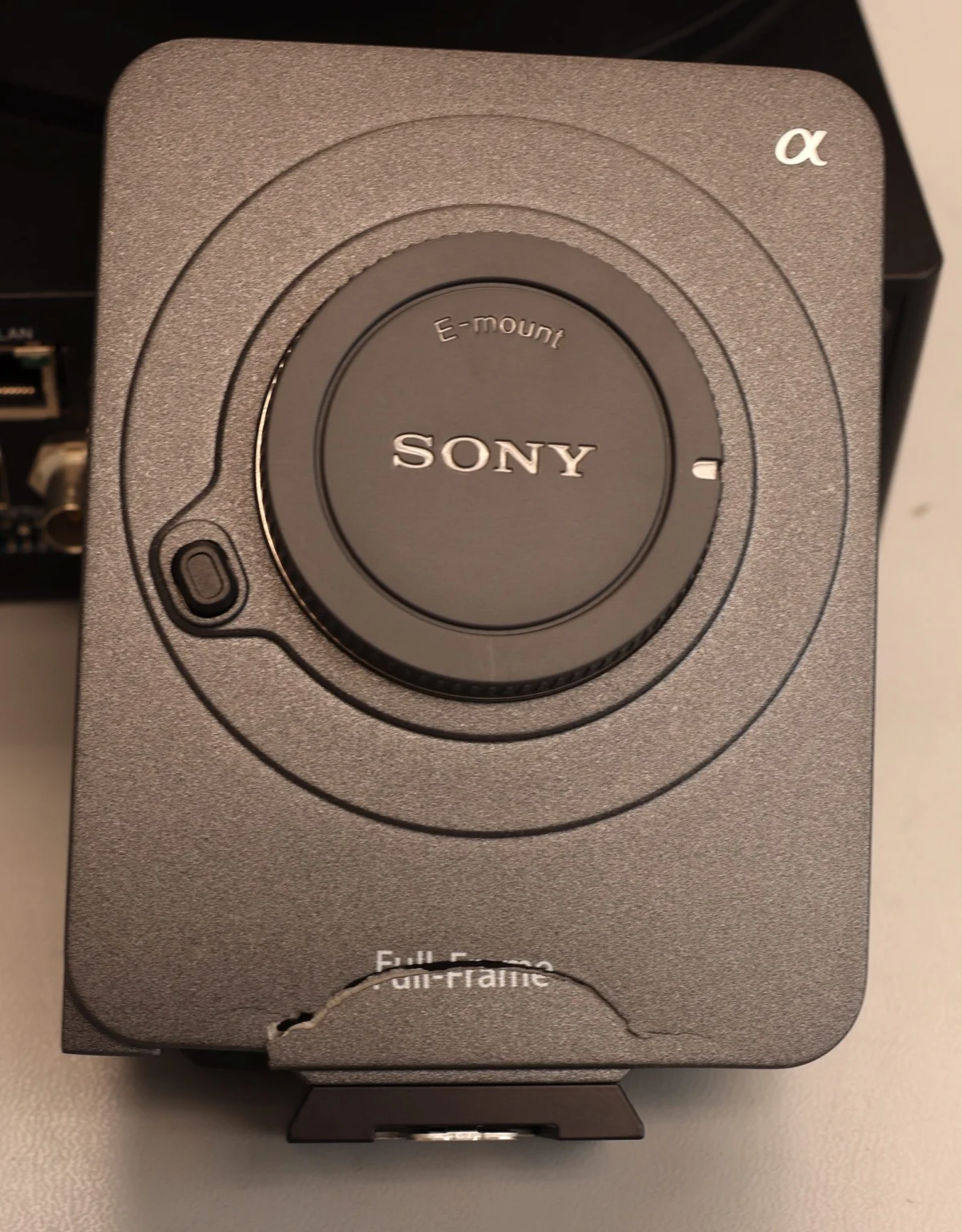
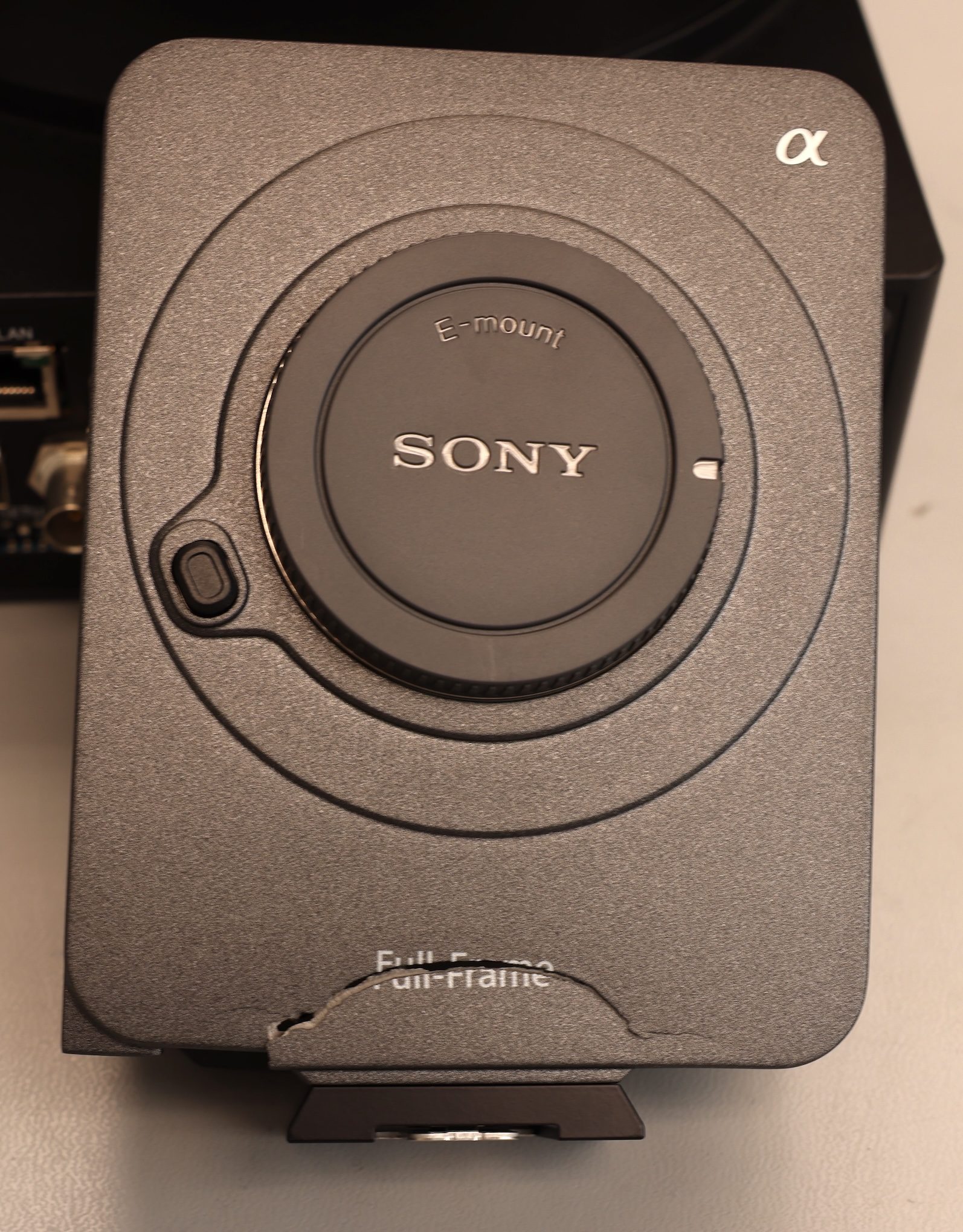
However, the team also sought to investigate a more severe, though less frequent, problem: catastrophic fracture of the camera body at its mount. This particular failure mode is exceptionally costly, with factory repair services typically involving a complete camera replacement at an astonishing price of approximately $6,000. This high repair cost makes understanding and preventing such damage a critical priority for a rental company managing a large fleet of these devices. The team also noted that this critical failure can occur not only during active use but, alarmingly, also during shipping—a rare occurrence for Lensrentals given its robust, custom-designed packaging protocols.
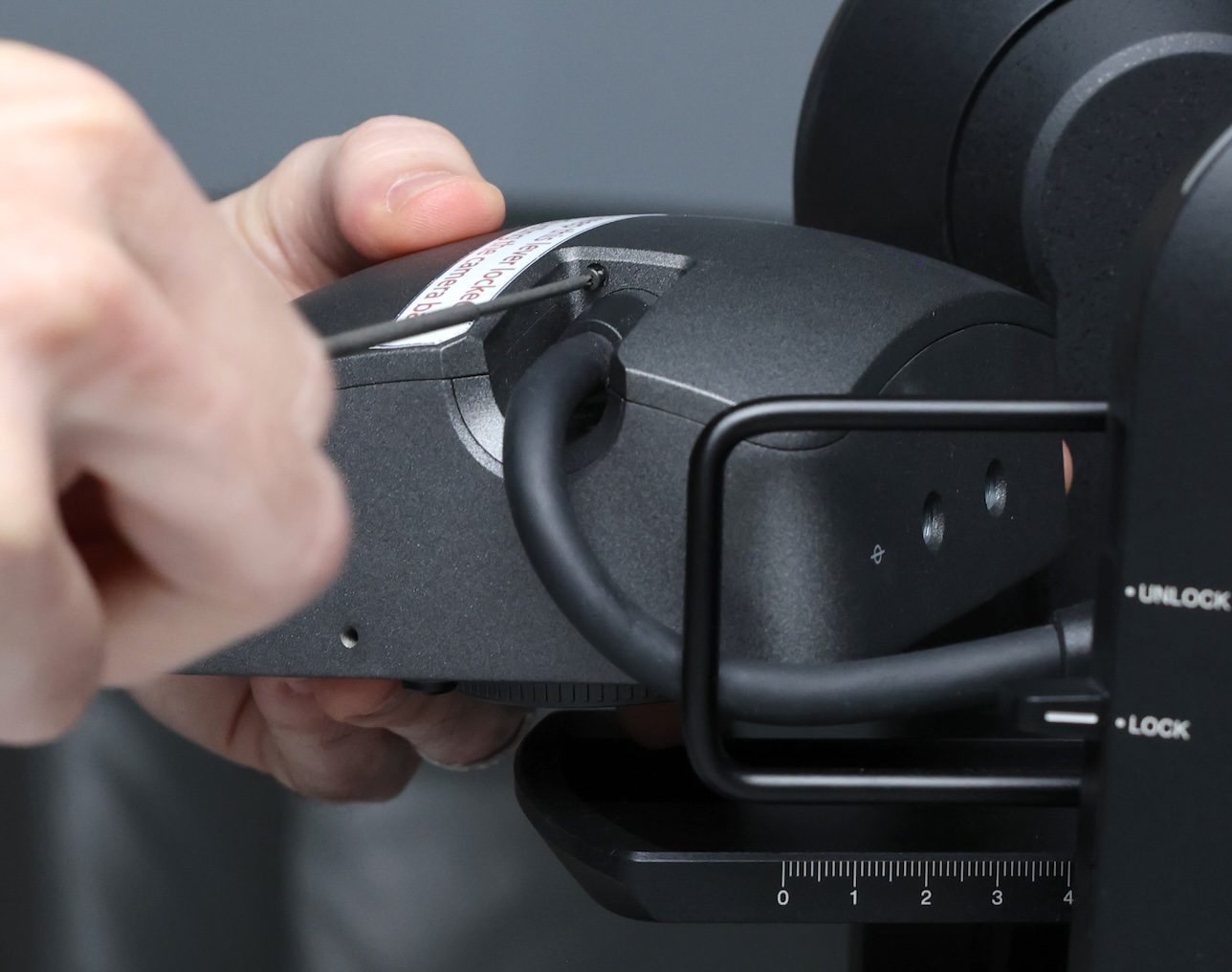
Deconstructing the Sony PTZ Camera: Initial Steps
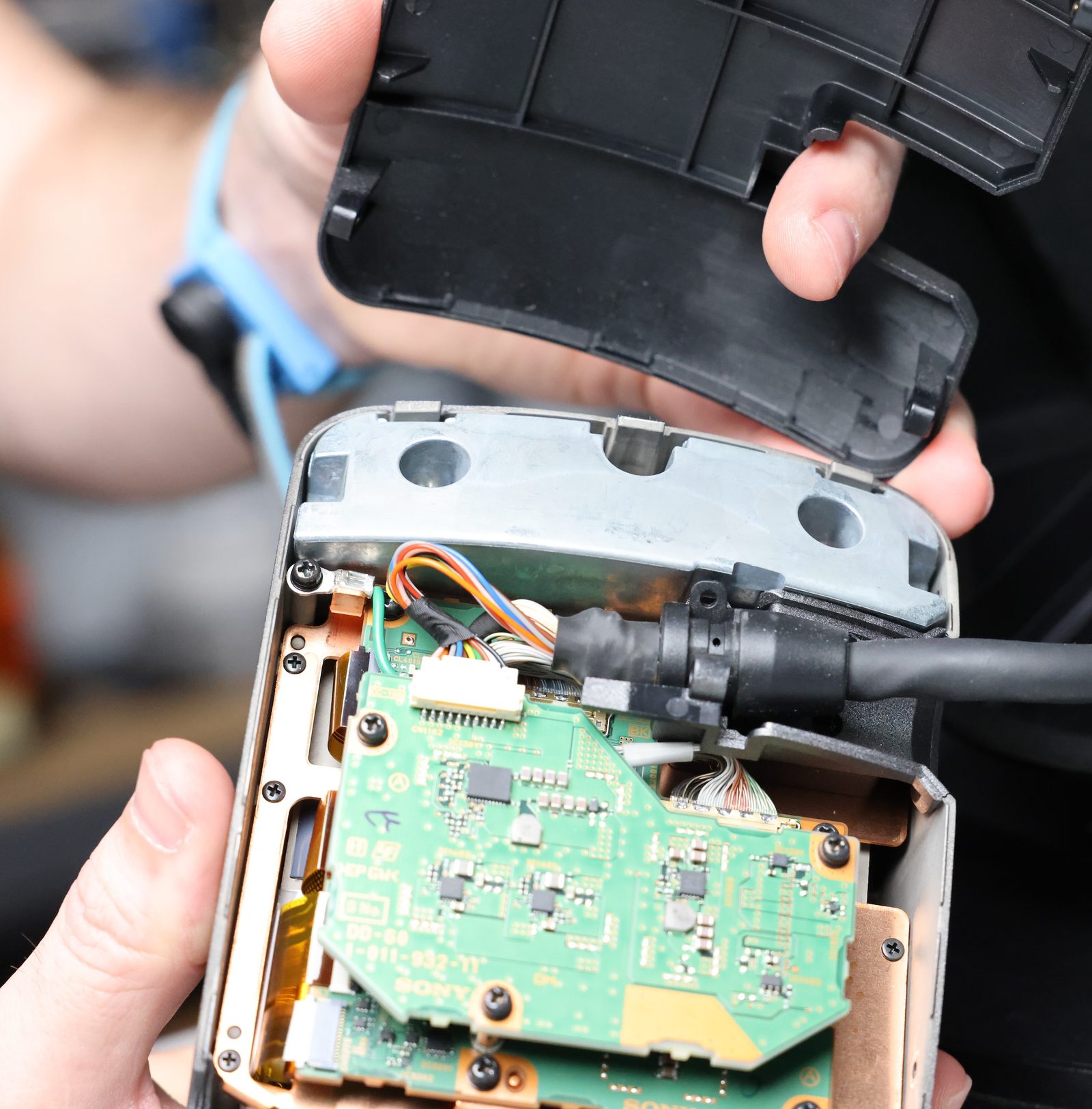
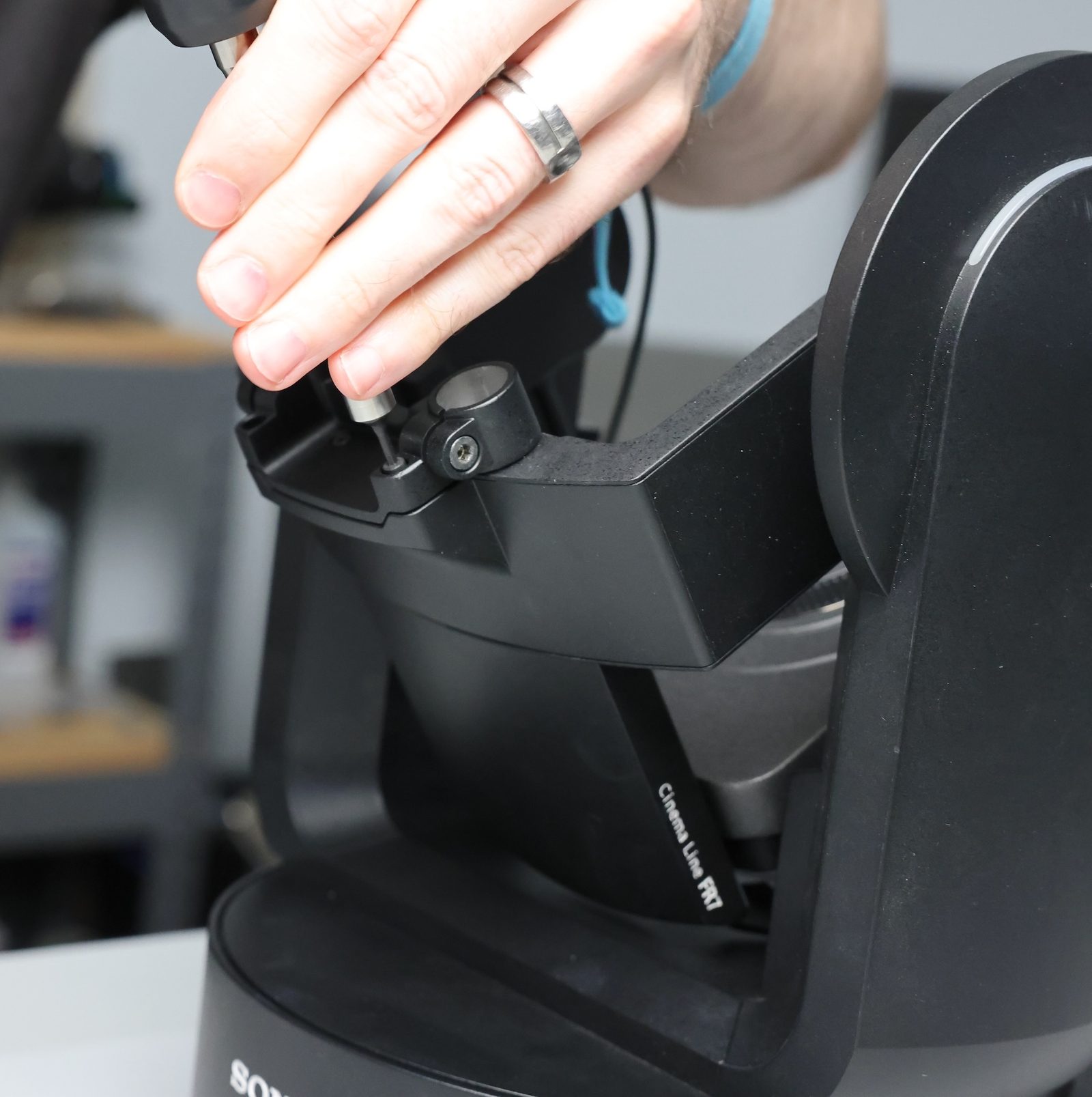
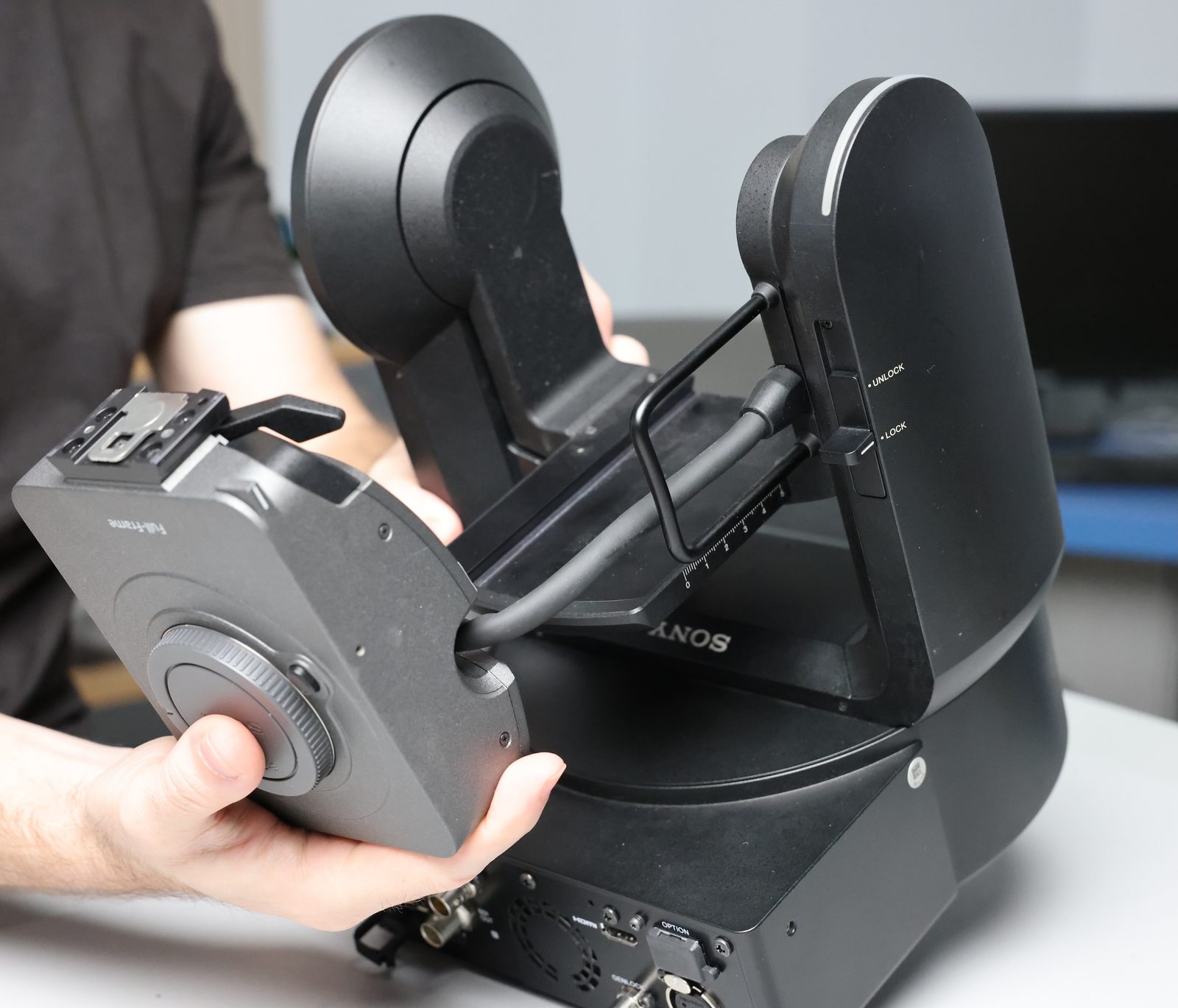
The teardown commenced at the specialized Group W Bench in Room 212 of Lensrentals HQ, a facility dedicated to intricate equipment analysis and repair. The initial phase focused on carefully detaching the camera body from its PTZ mount. This involved removing a rod lock secured by a pair of screws, followed by the detachment of a camera stop.
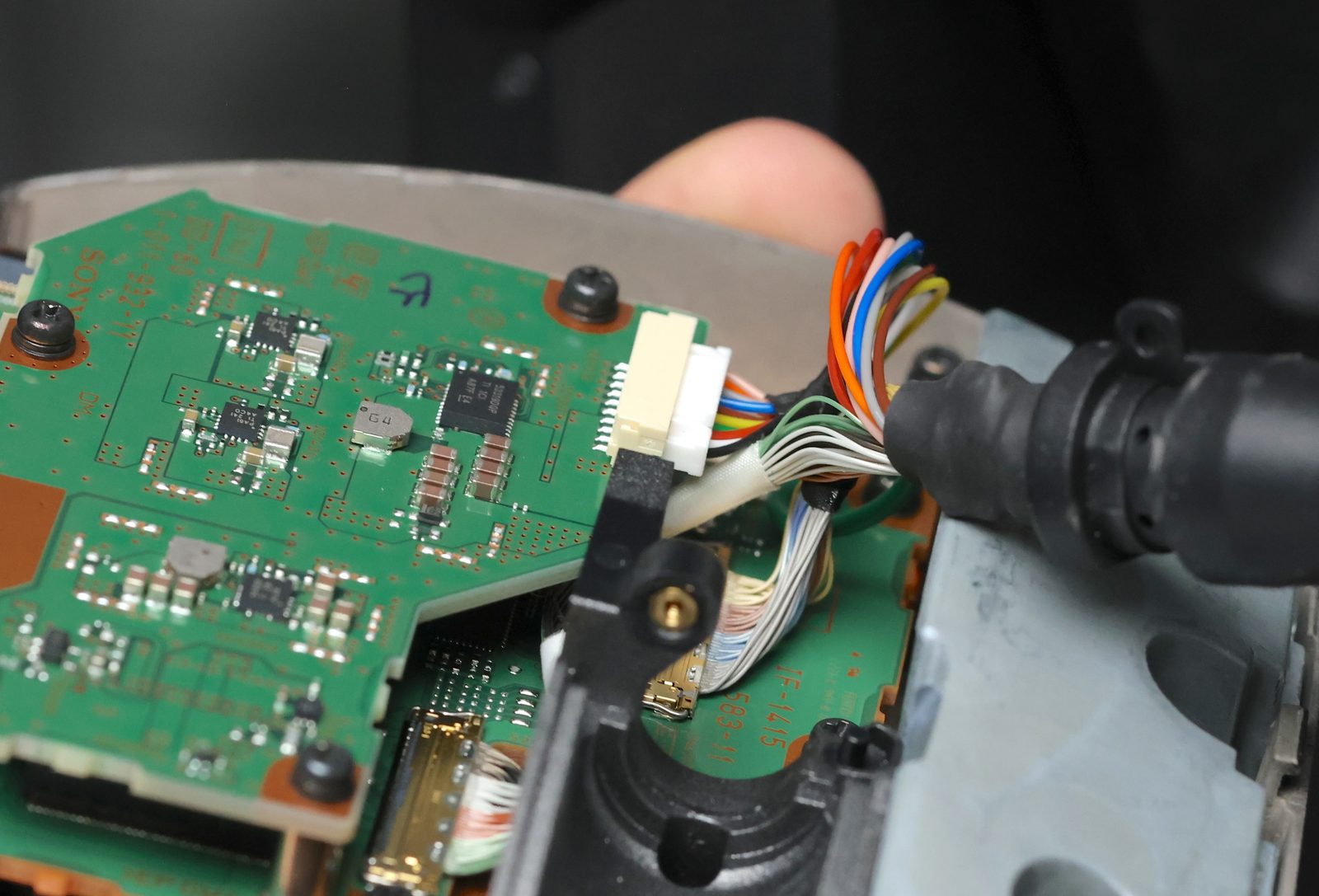
Once these external fasteners were removed, the camera could be slid off its rail. A critical point of caution during this step was highlighted: the data and power cable connecting the camera to the PTZ base, humorously dubbed the "Cable of Immense Cost" (CIC), is an $800 replacement part. Despite its firm internal anchoring, undue stress during removal could lead to further damage, emphasizing the precision required in handling such sensitive components.
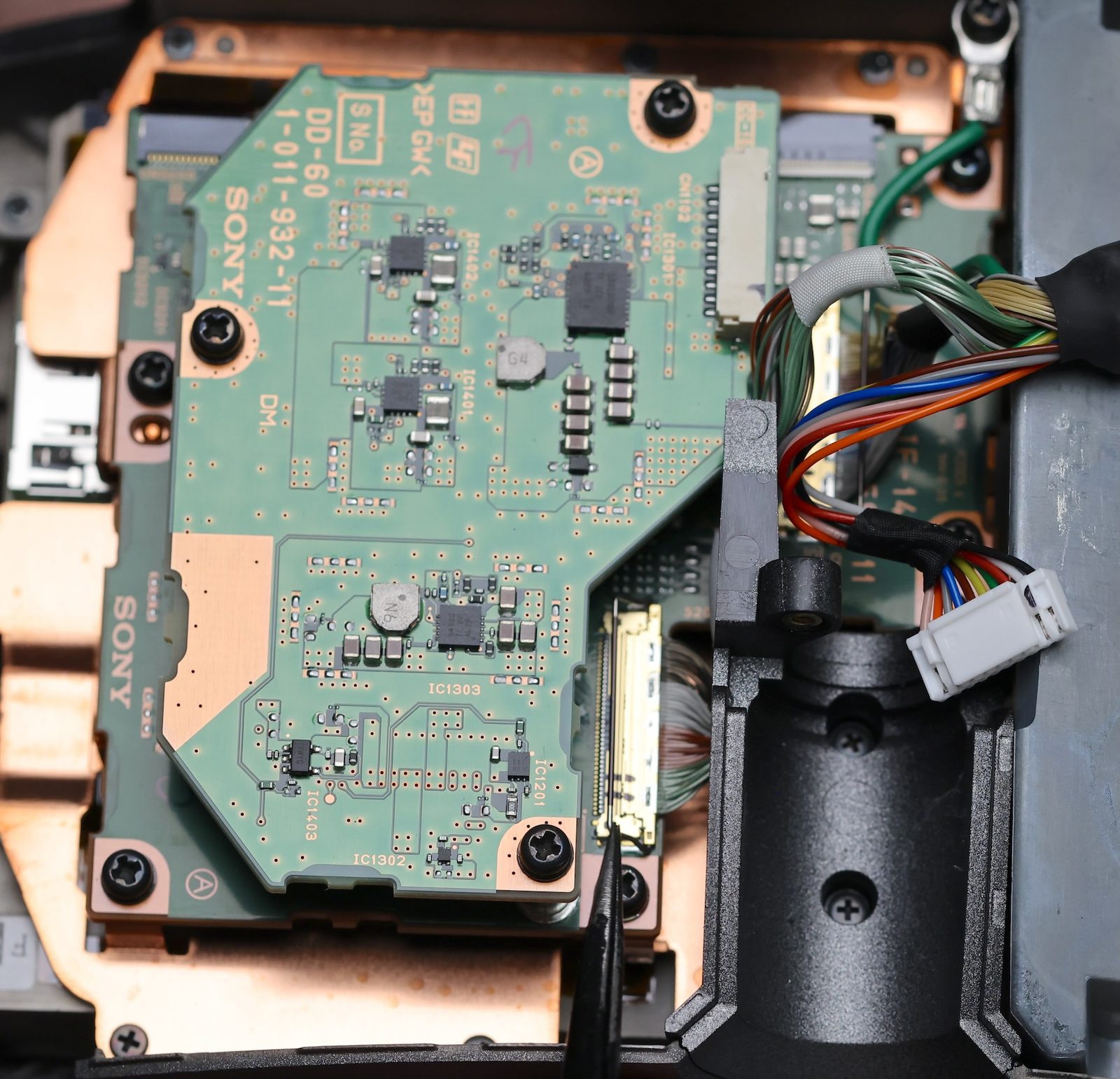
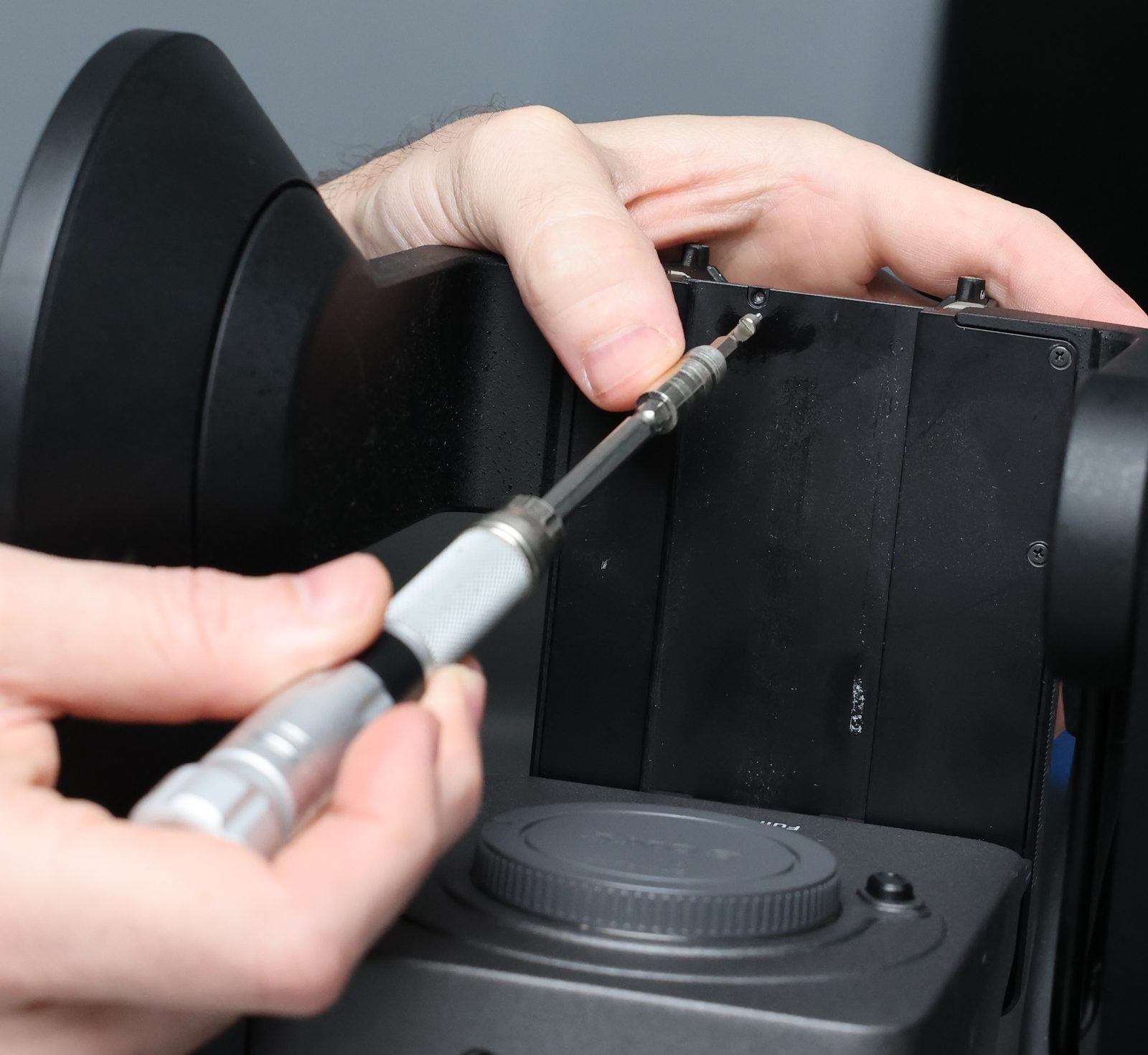
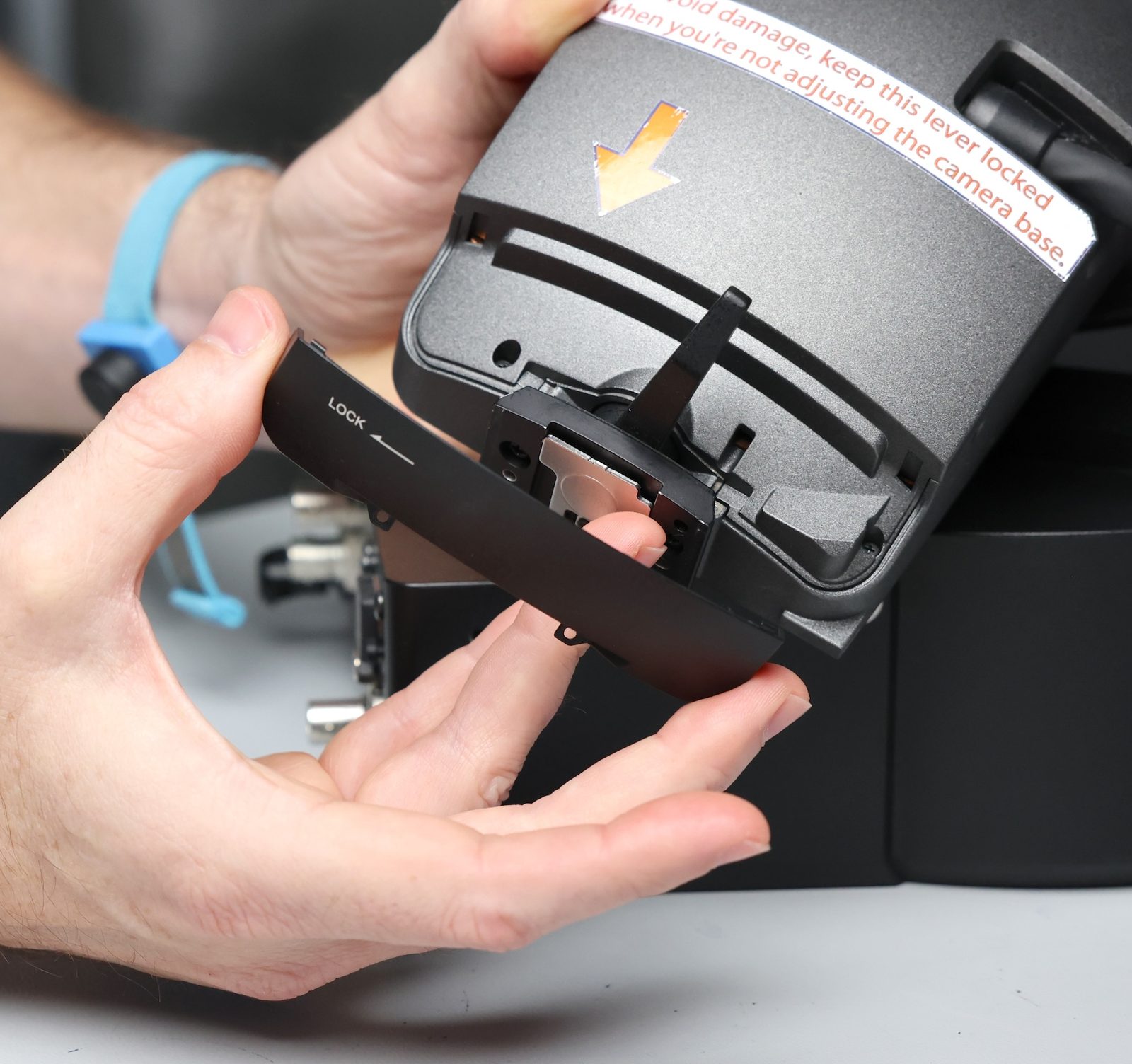
The next phase involved accessing the camera’s internal structure to investigate the vulnerability of the case base. This required removing screws securing the rear panel and a small "makeup plate" at the bottom. The team noted the presence of a "traditionally hidden screw," a common design feature in consumer and professional electronics that often frustrates repair attempts by those unfamiliar with the specific model.
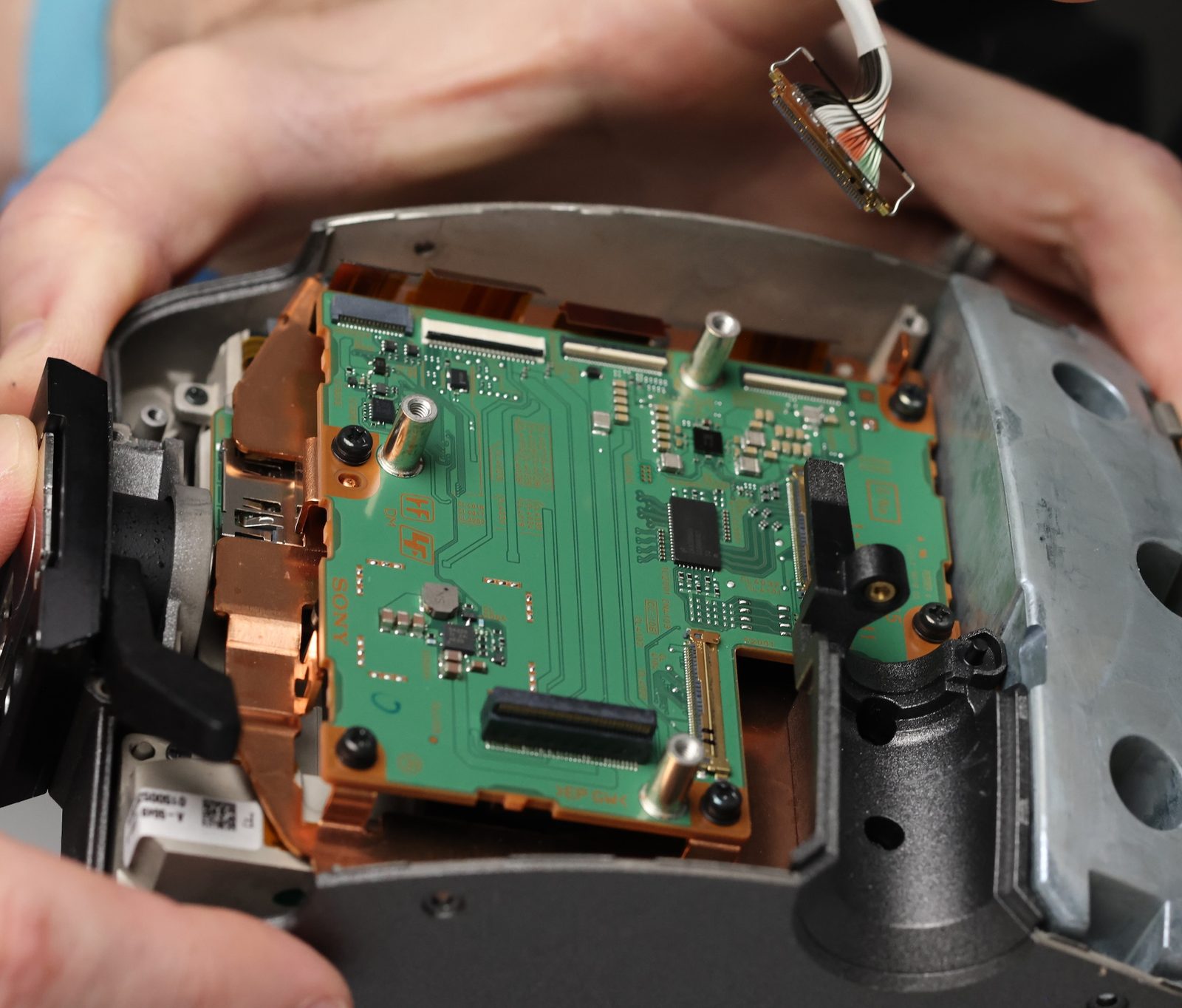
With the back panel removed, the internal circuitry was exposed. The sturdy anchoring of the CIC was confirmed, providing some reassurance about its resilience, though its high replacement cost remained a concern. A prominent feature observed was a substantial gray counterweight positioned at the top of the camera, designed to balance the unit along its tilt axis.
Unveiling the Internal Architecture and Design Flaws
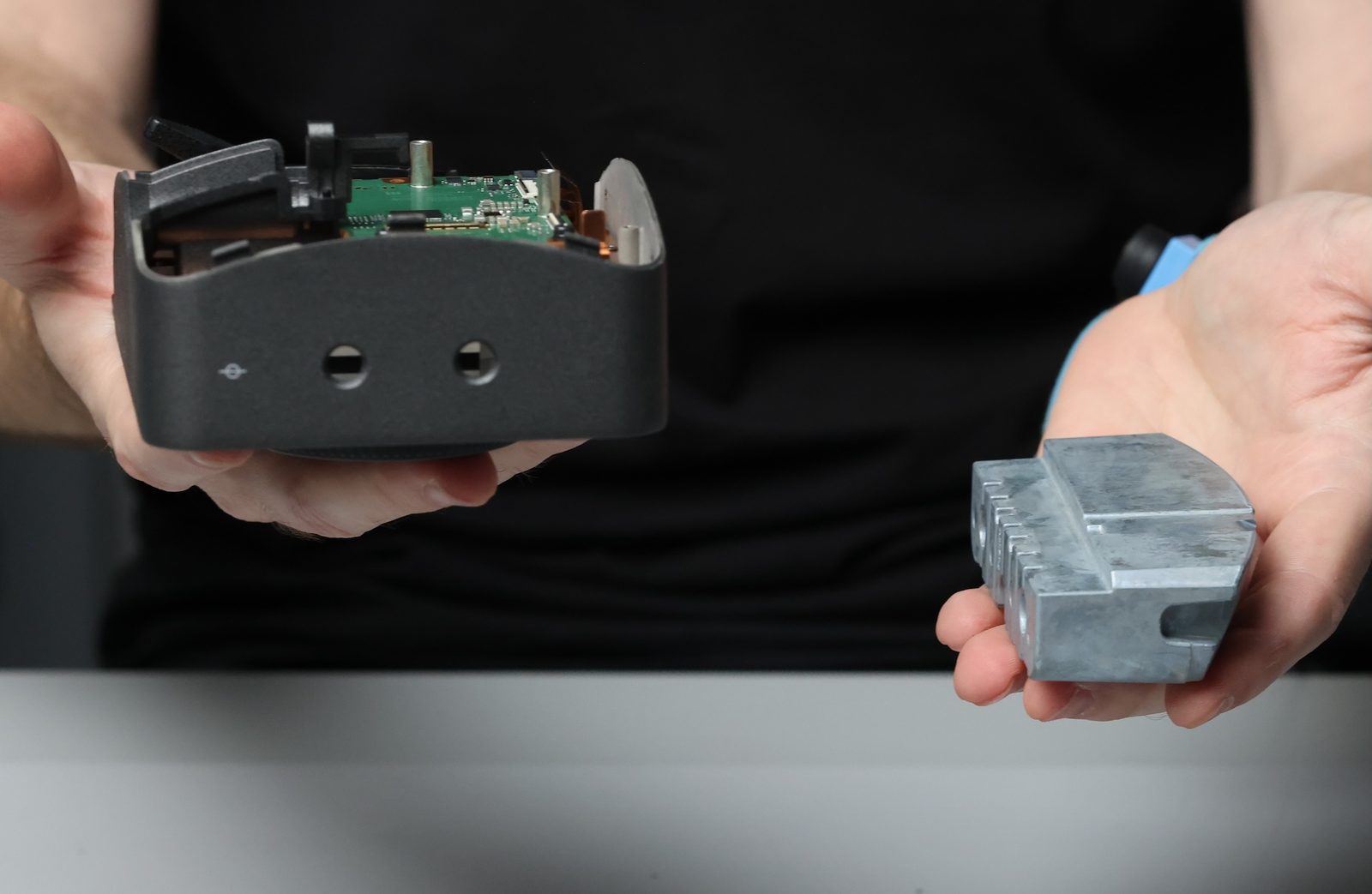
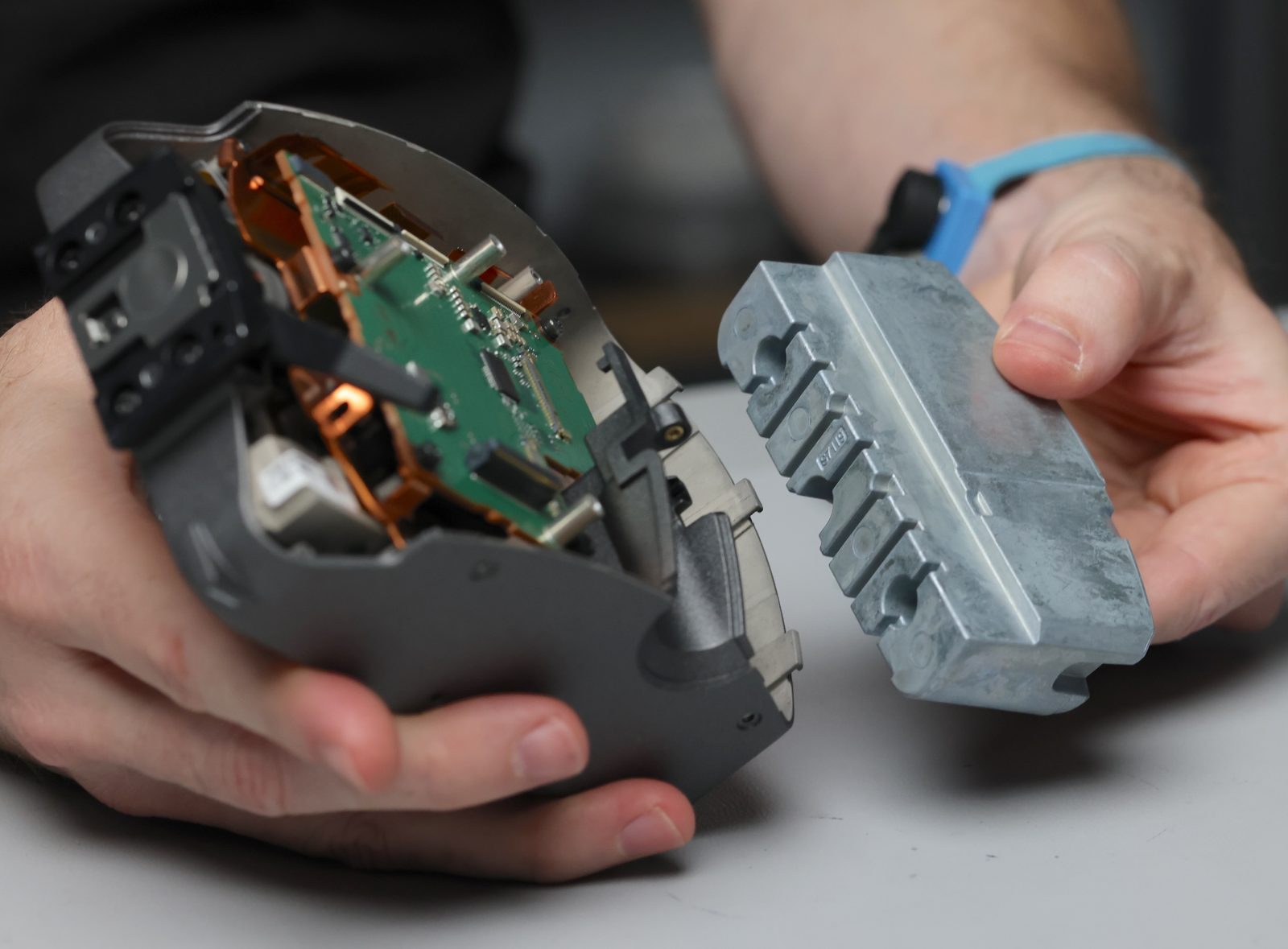
Further disassembly involved systematically unclipping I-PEX connectors and removing stacked circuit boards. Once the connectors on the lower PCB were detached, the CIC could be unhooked, allowing the camera body to be fully separated and placed on the workbench. The impressive heft of the counterweight became more apparent at this stage. Scientific measurement revealed it weighed approximately 0.6 kg (1.35 pounds), while the rest of the camera body was lighter at 0.5 kg. This significant mass, positioned strategically to counterbalance the lens, also contributes to lever-arm forces during impacts.
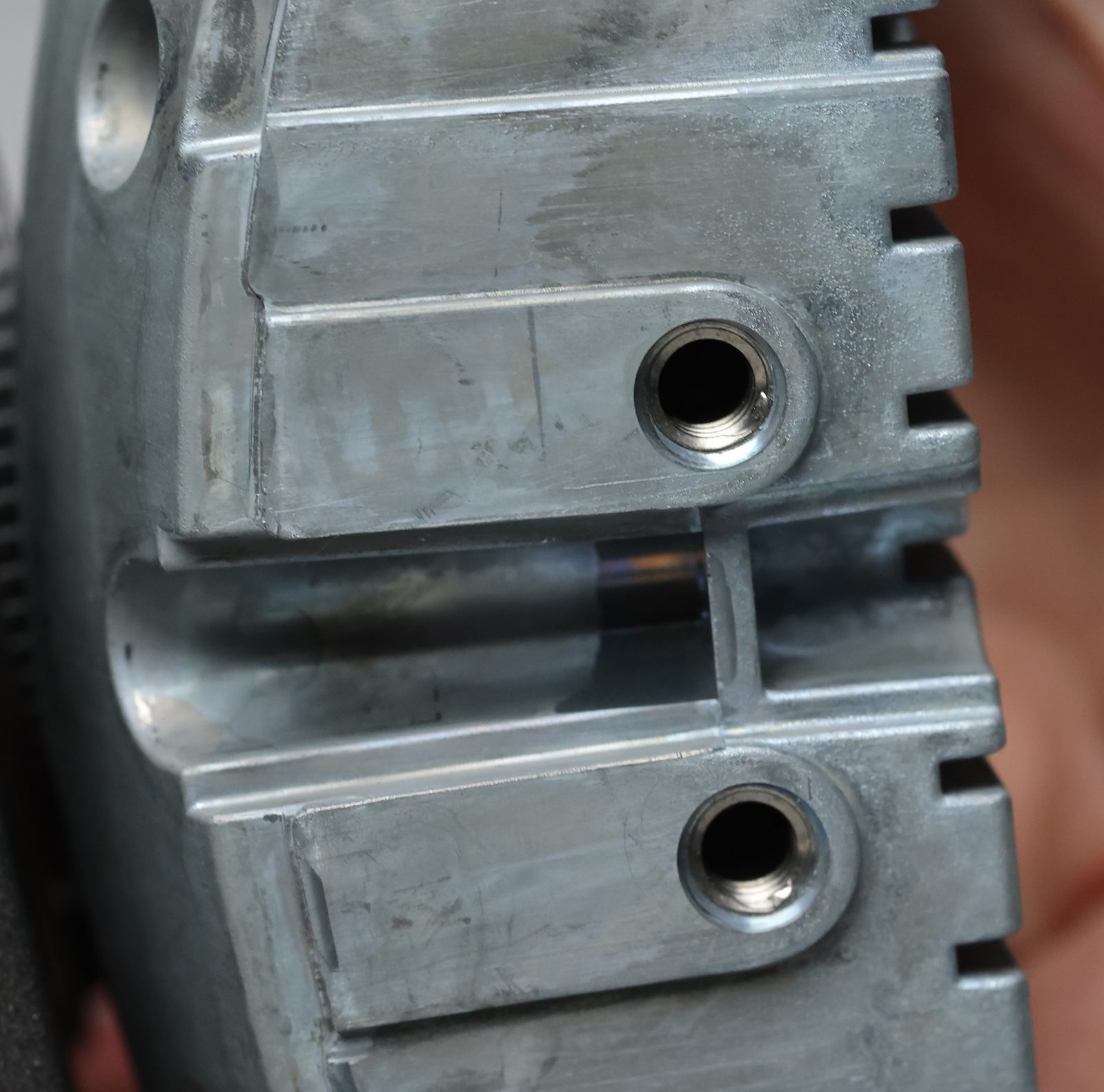
The team observed that accessory mounting points on the top of the camera directly attach to this robust counterweight, suggesting a durable connection for external additions. However, this robustness stood in stark contrast to the vulnerability discovered elsewhere.
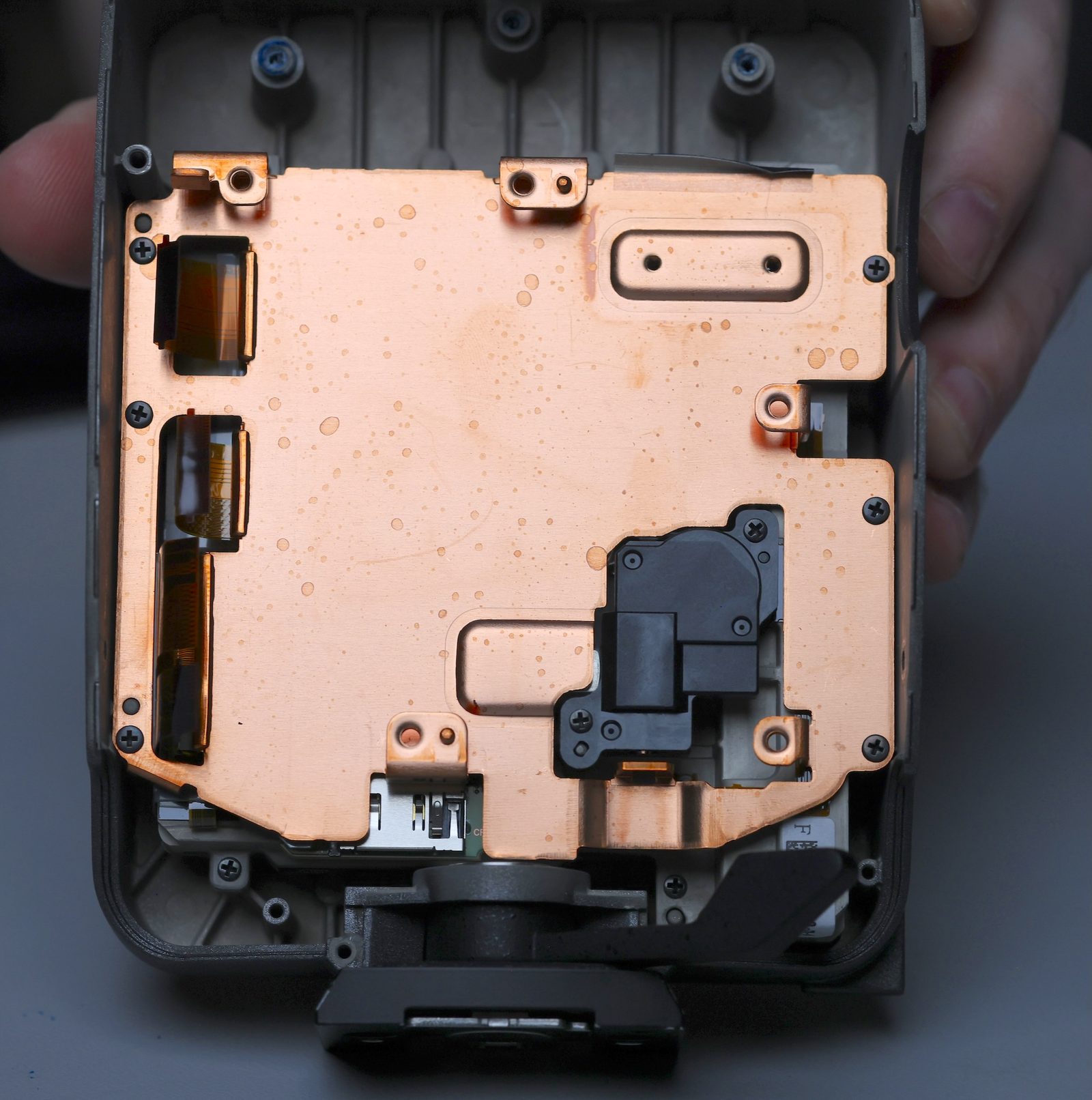
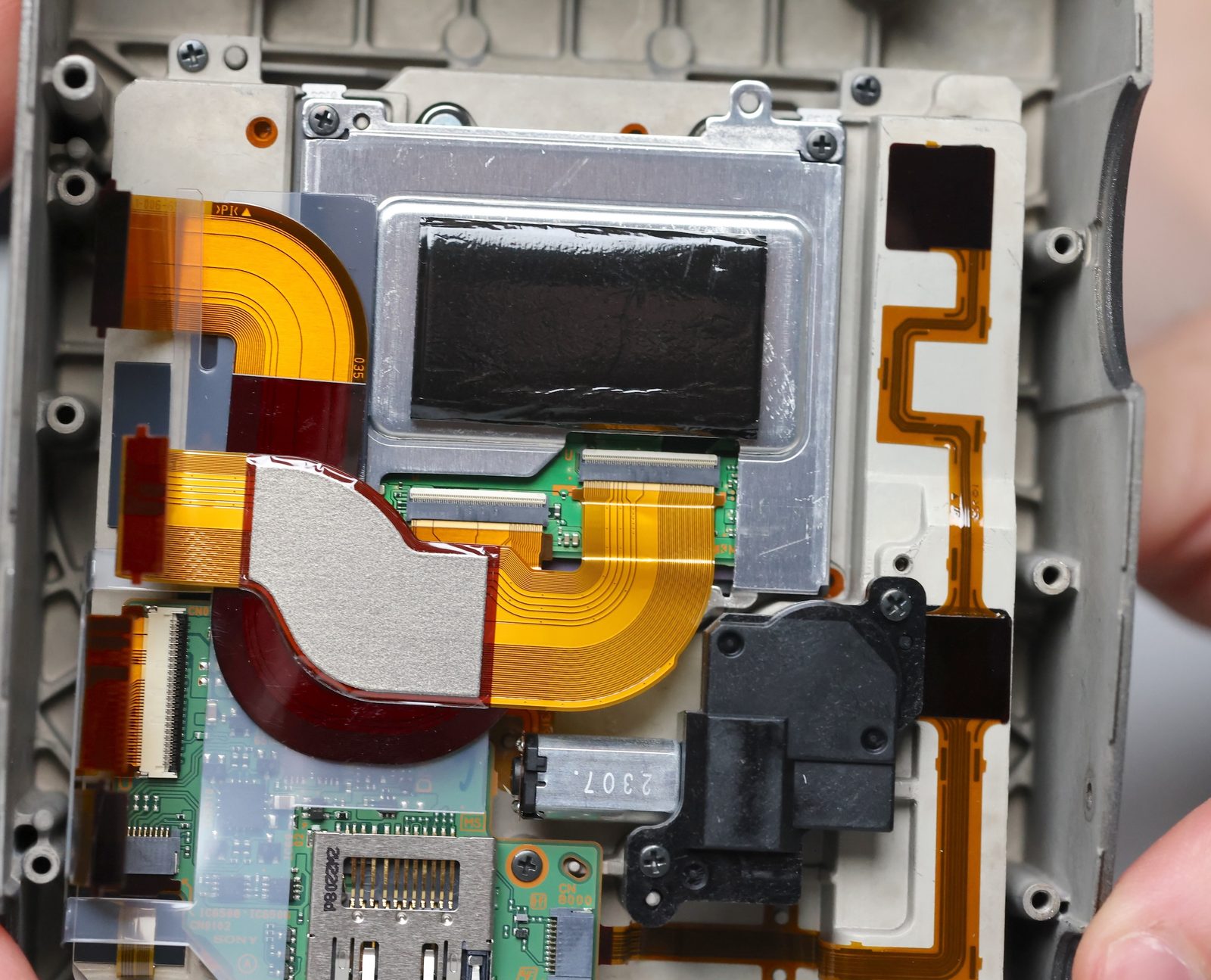
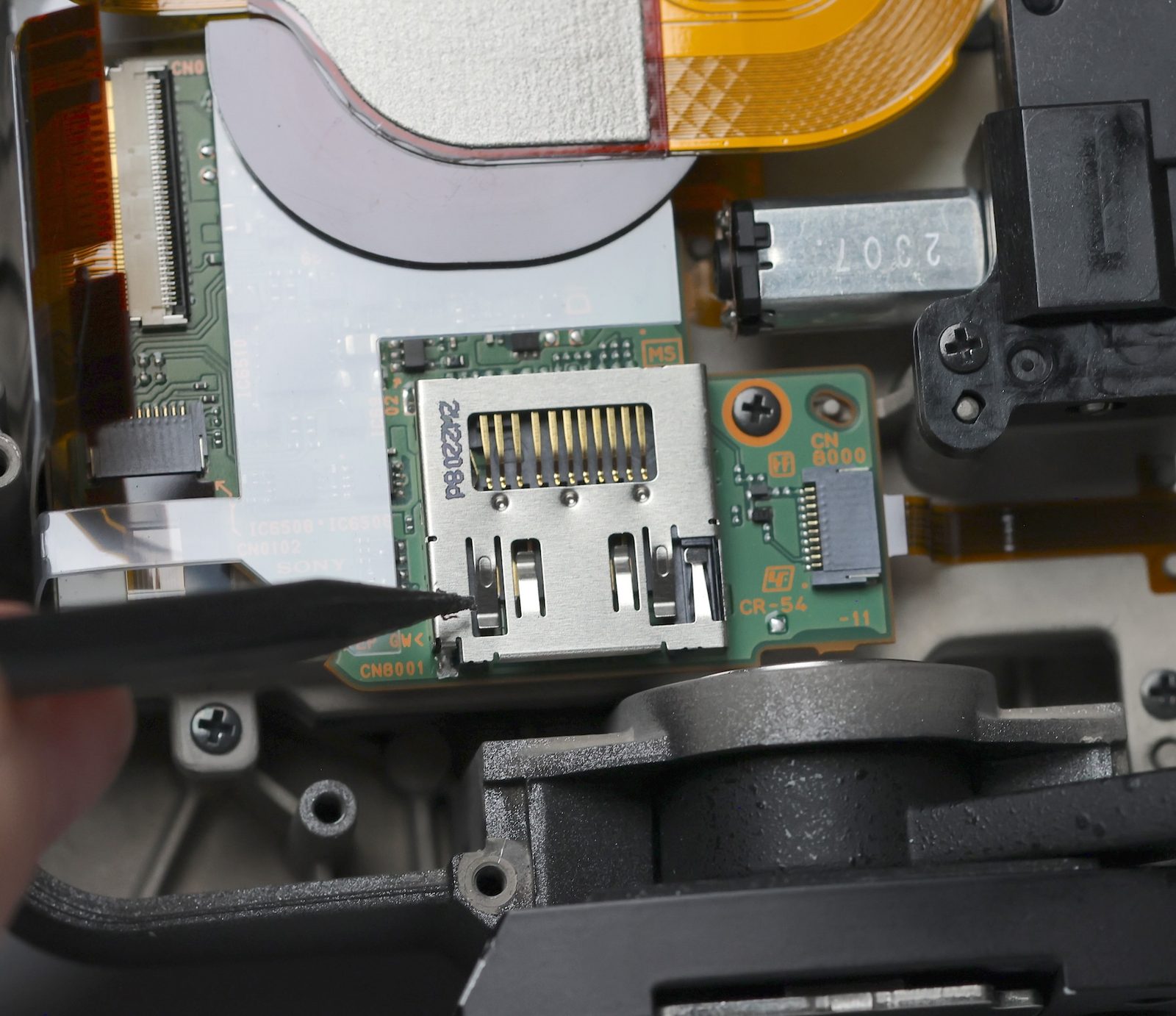
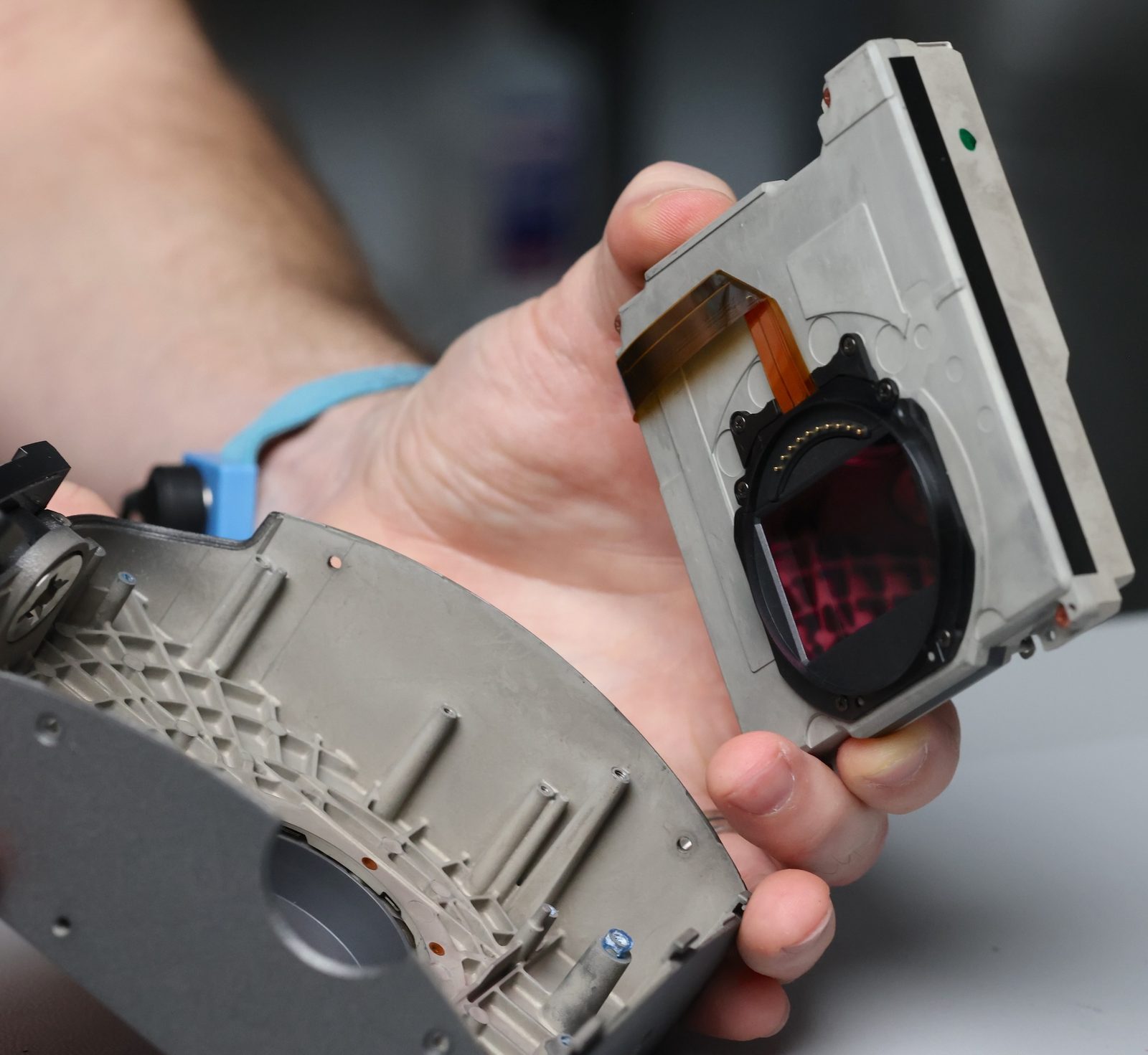
After removing a second PCB and a cable guide, a copper plate was exposed, separating the PCBs from the camera sensor. This plate likely serves as a heat sink, electronic shielding, or both. Its removal revealed the sensor assembly, which included a semi-clear plastic electrical shield and a notably large flex cable. An intriguing feature resembling a card reader was also discovered at the bottom of the sensor assembly. This component, inaccessible from the exterior, is believed to be a factory-level port used for pixel mapping and sensor adjustment during initial assembly, explaining why repair centers, which typically replace the entire camera for base fractures, do not access this area.
Root Cause of Catastrophic Failure and Implications
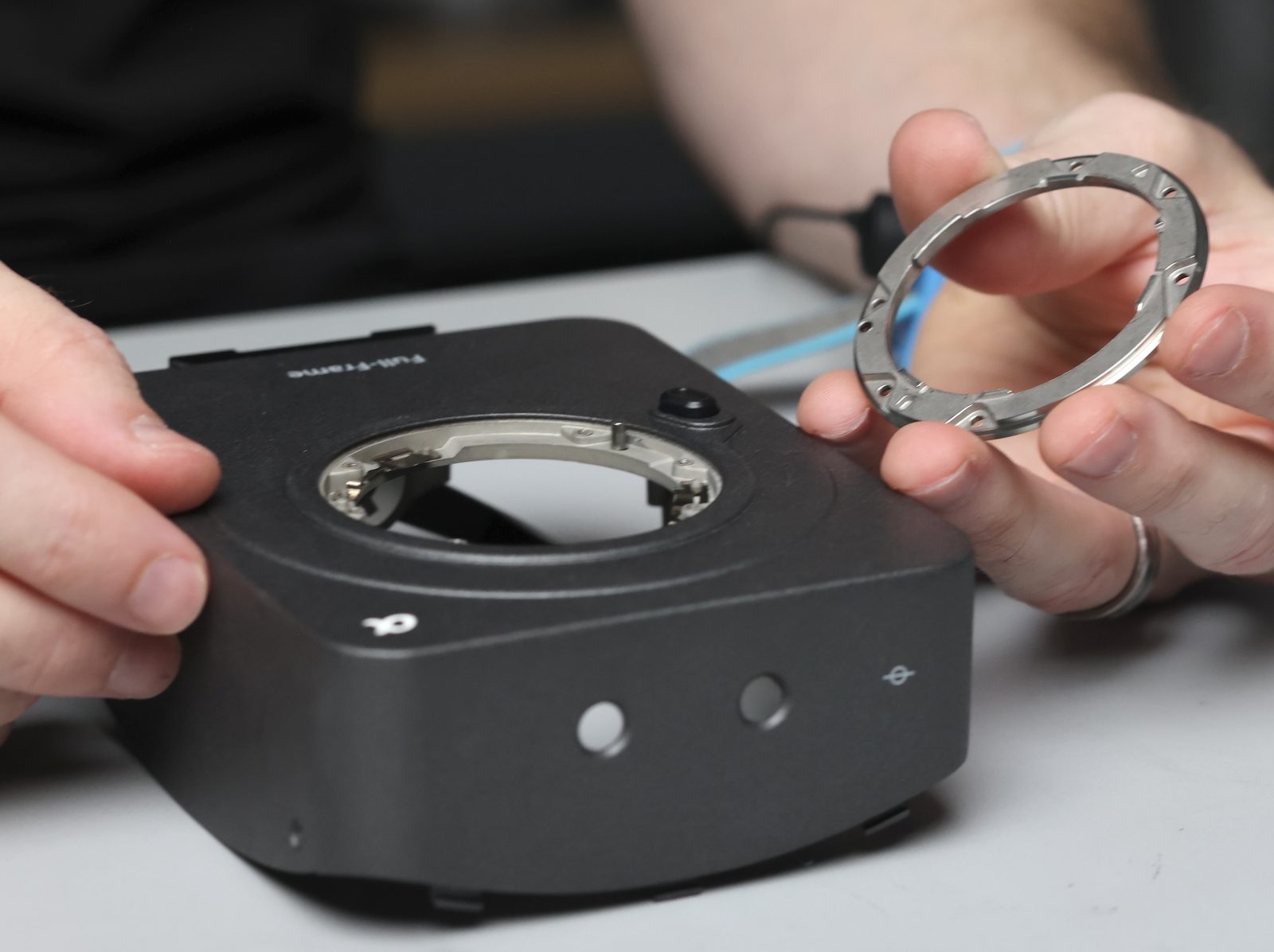
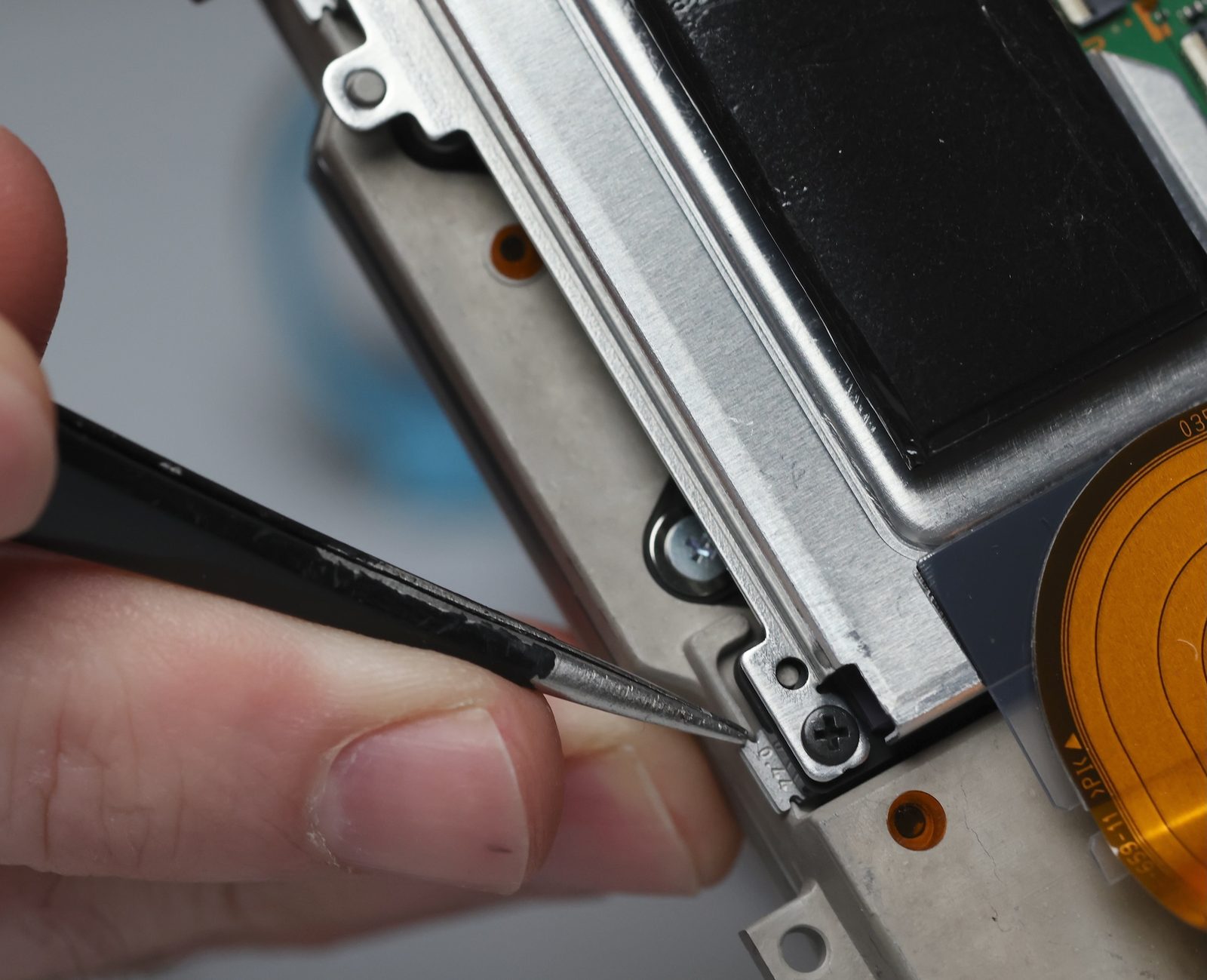
The primary objective of understanding the $6,000 base fracture became clear upon further inspection. The team removed the lens mount and then examined the sensor assembly, revealing the presence of shims. This critical finding indicates that the sensor assembly is precisely calibrated and shimmed to match the specific lens mount and camera case, accounting for minute manufacturing variations. Consequently, replacing the camera case necessitates a complete re-shimming of the sensor assembly, a highly specialized procedure requiring proprietary factory equipment not typically available at standard repair centers. This intricate re-calibration process is the fundamental reason why a broken case leads to the replacement of the entire camera unit, justifying the exorbitant $6,000 repair cost.
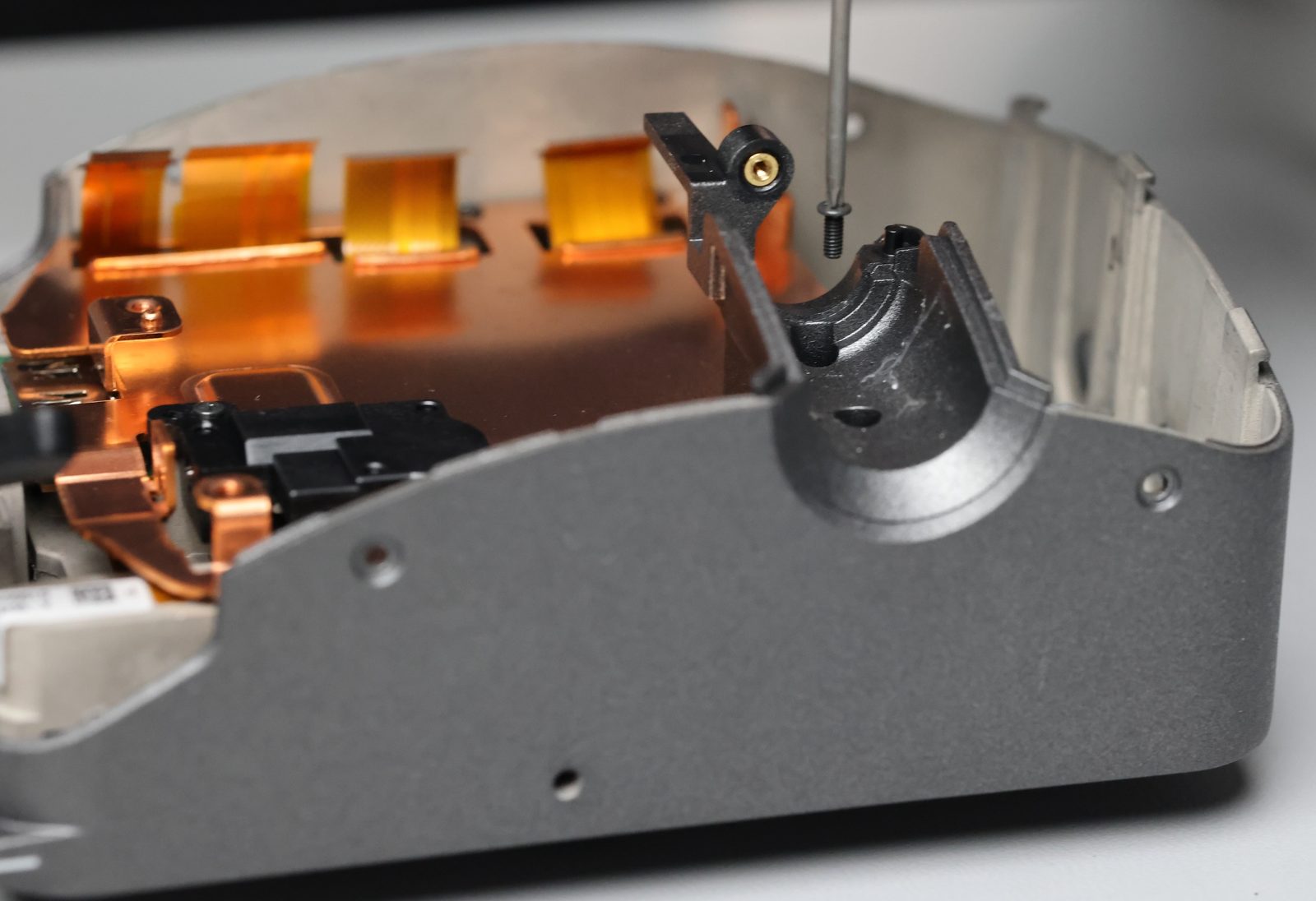
The "why it breaks" part was equally revealing. The camera is clamped onto the PTZ assembly rail via a robust mount. This mount supports the camera’s total weight of 2.5 pounds, with 1.35 pounds attributed to the counterweight situated at a maximal distance from the mount, creating a significant lever-arm effect. If additional heavy accessories are attached to the top mounts, these forces are further amplified.
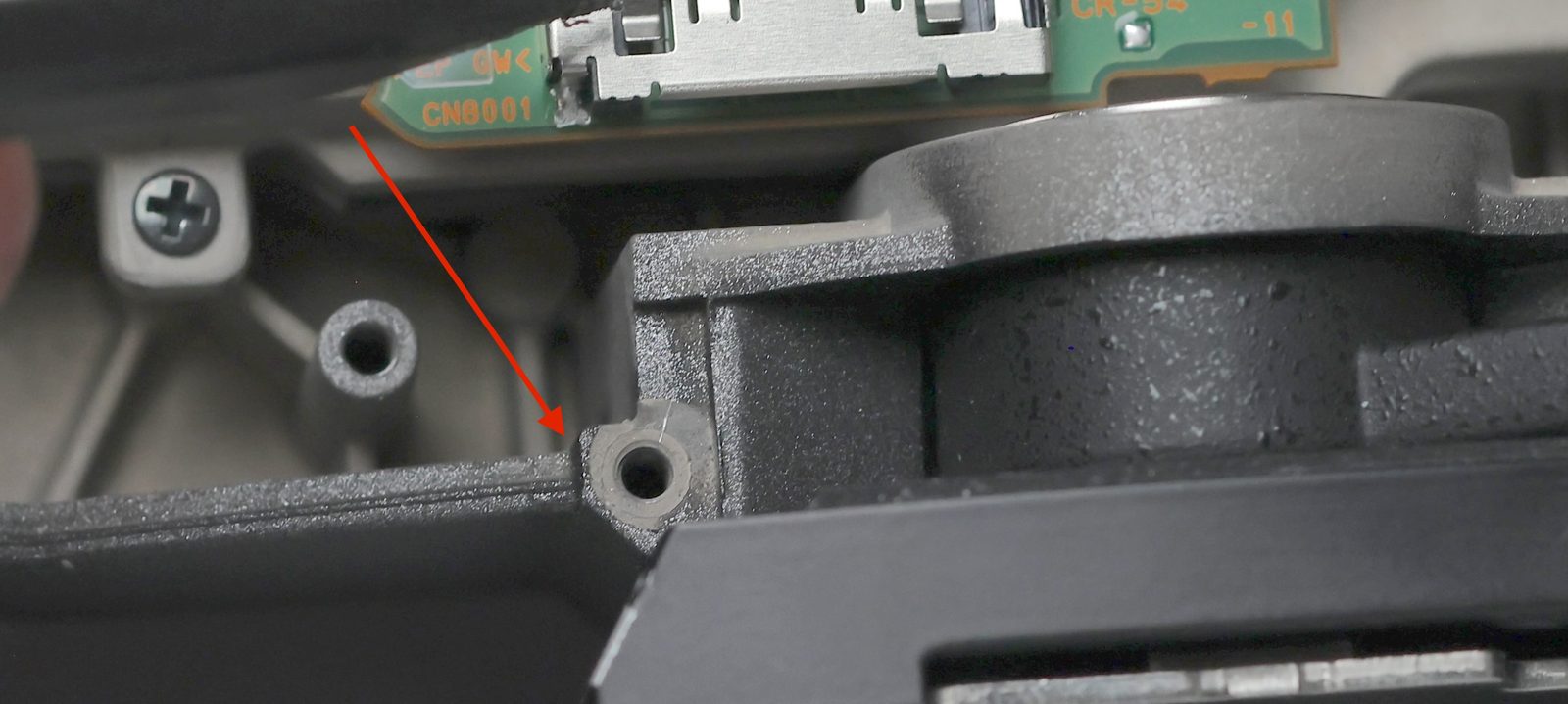
Critically, this robust clamp is attached to a composite shell less than 2mm thick. When external forces, particularly torque, are applied (e.g., from a drop or severe shock), the strong clamp transmits the full force directly to this thin, vulnerable shell. The composite material, while lightweight, cannot withstand the concentrated stress, leading to fracture at the base. This design flaw, where a strong mounting system connects to an inadequately reinforced structural point, creates a critical weakness.
The most likely cause of this failure, especially considering its occurrence during shipping, is a significant drop or shock force. The camera is typically shipped mounted to the rail, which, while convenient for setup, exacerbates the stress on the thin base during transit impacts. This analysis provides Lensrentals with a clear directive: reassess and potentially redesign packaging inserts to provide enhanced support for the camera body, possibly even exploring the feasibility of shipping the camera unmounted to mitigate breakage risks. Such a change would require users to re-attach the camera stop and rod lock upon receipt, a minor inconvenience compared to a $6,000 repair. The findings also suggest that users should be cautioned against mounting excessively large or heavy lenses and accessories, which could overload the system and contribute to stress on the fragile base. A recommendation for Sony to strengthen the case base was also noted, though the practical impact of such suggestions on manufacturer design changes remains uncertain.
Exploring Other Internal Mechanisms and Fixes
Beyond the critical structural integrity issue, the teardown also examined other internal components. The team investigated a black plastic box located on the back of the sensor assembly, which houses the gearing for the neutral density (ND) filter mechanisms. Upon opening, it was confirmed that the camera utilizes mechanical ND filters, rather than more complex electronic variants. While less "fancy," these mechanical filters were noted to be reliable, with no reported failures in Lensrentals’ experience.
The teardown then shifted focus to the two specific functional problems identified in the unit: the grinding tilt gear and the loose gimbal mount. Both issues reside within the PTZ mechanism itself, rather than the camera body that had been extensively disassembled.
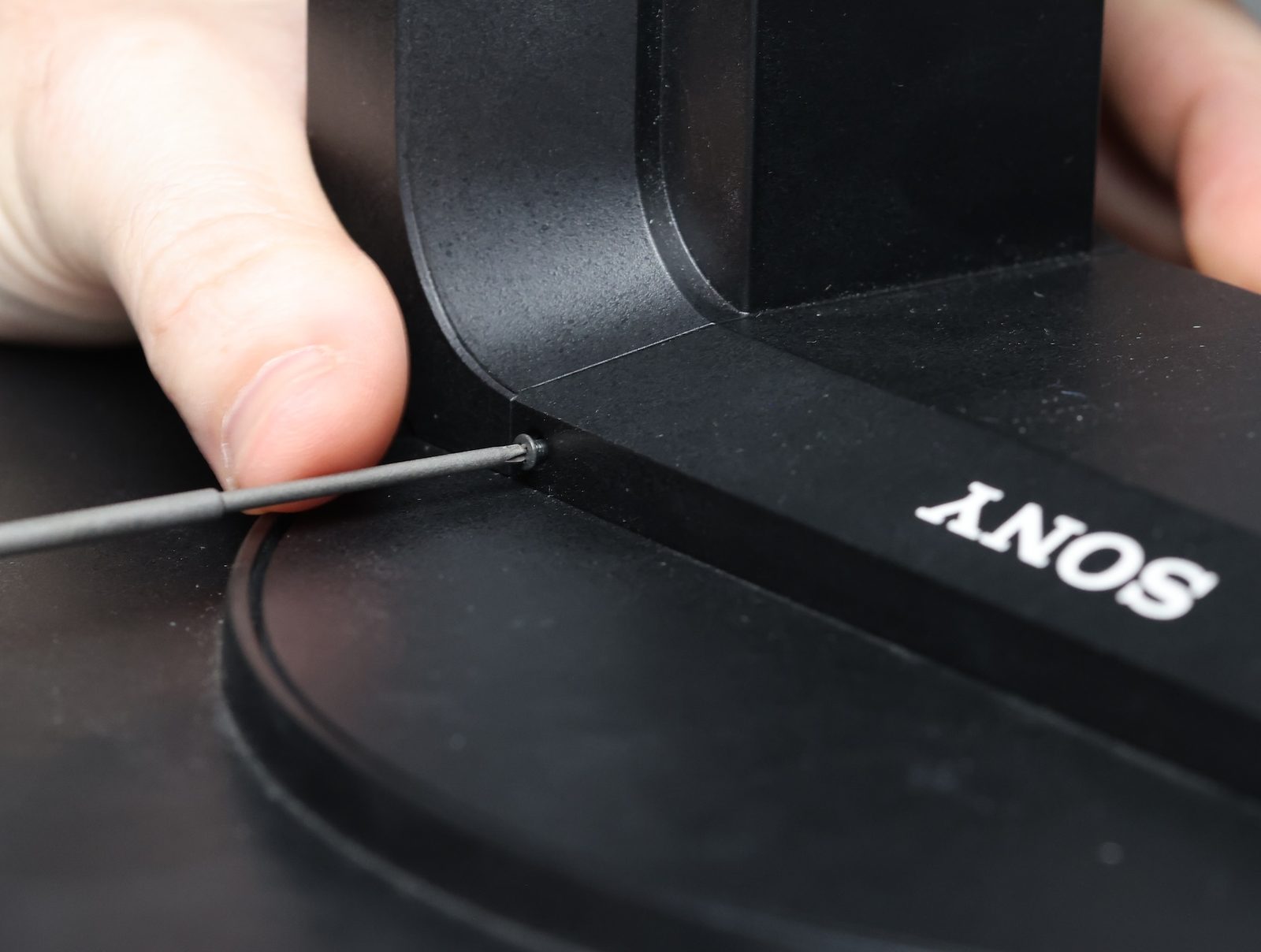
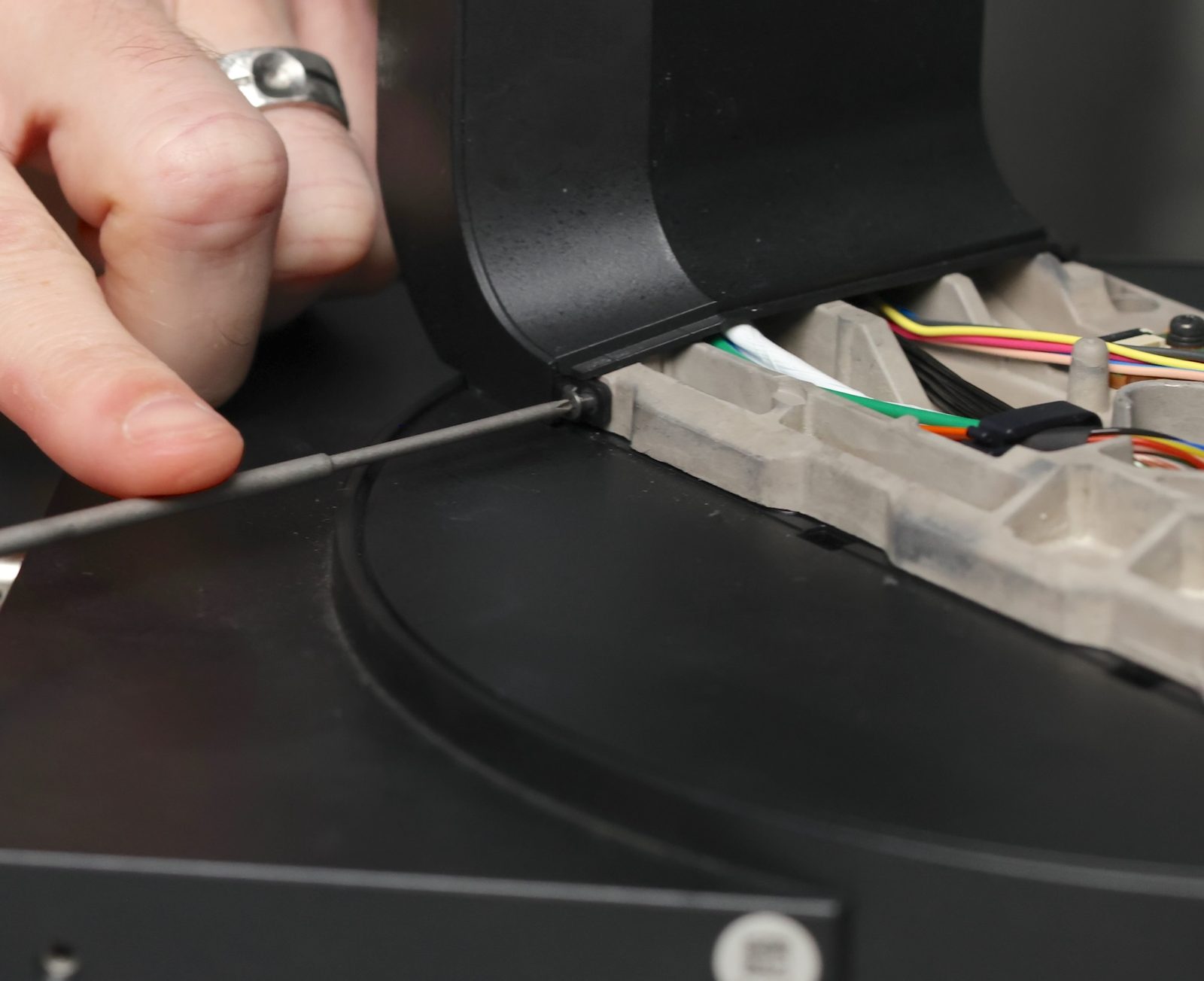
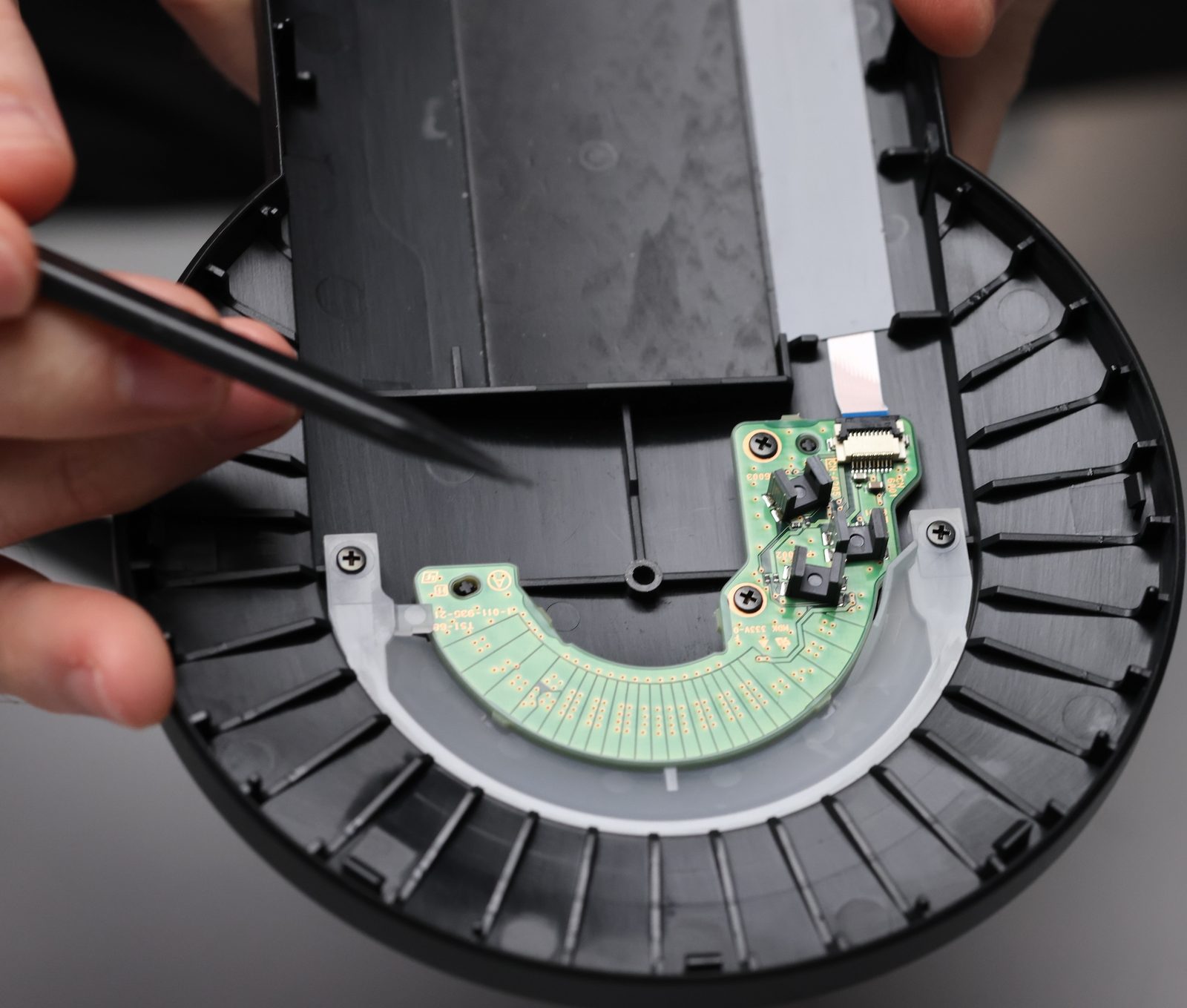
Accessing these components involved removing the cover plates from the gimbal arms, a process that, while straightforward (removing screws, often with some hidden, and using a spudger to release plastic lock tabs), required careful handling due to internal position sensors connected via delicate flex cables.
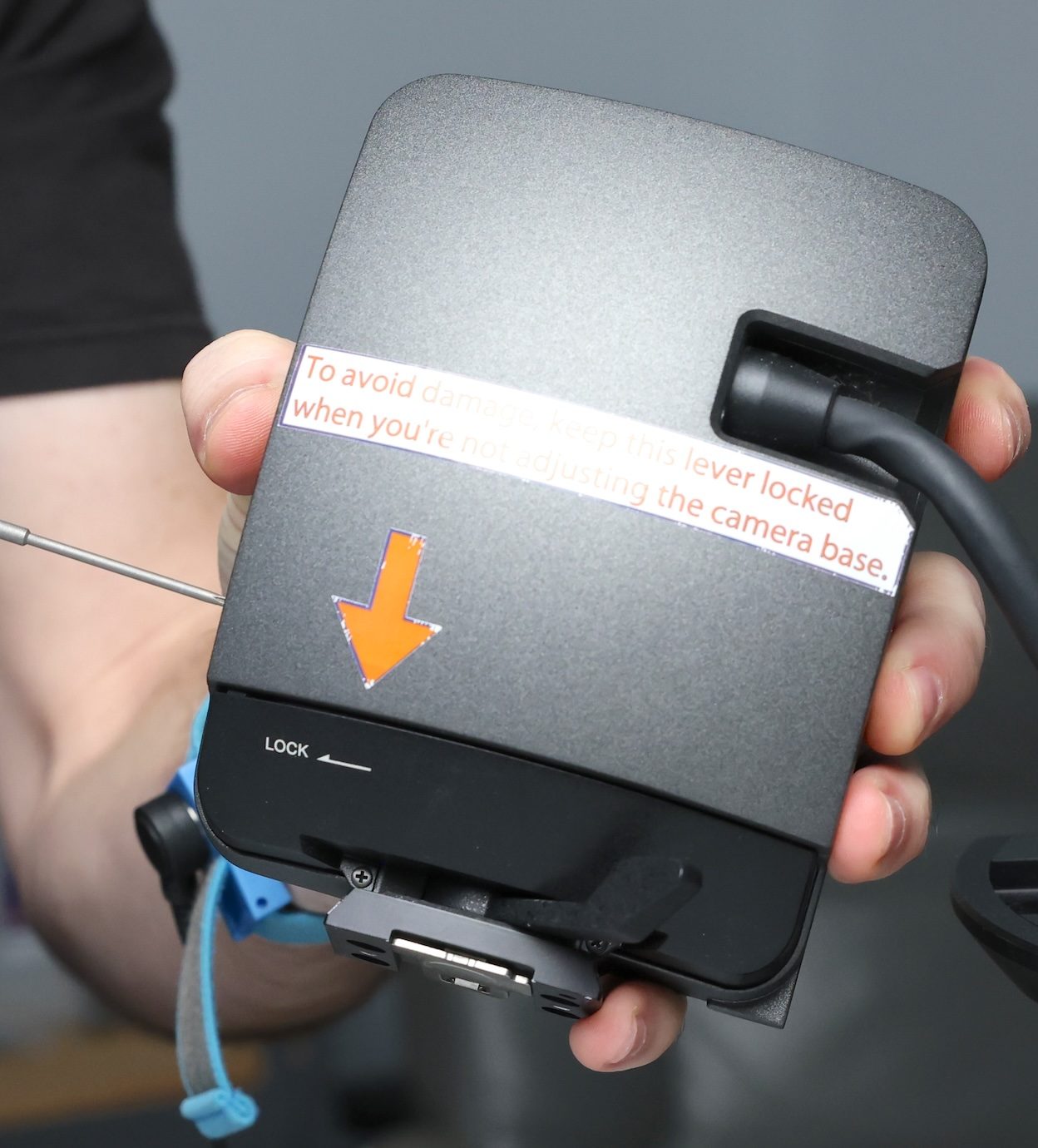
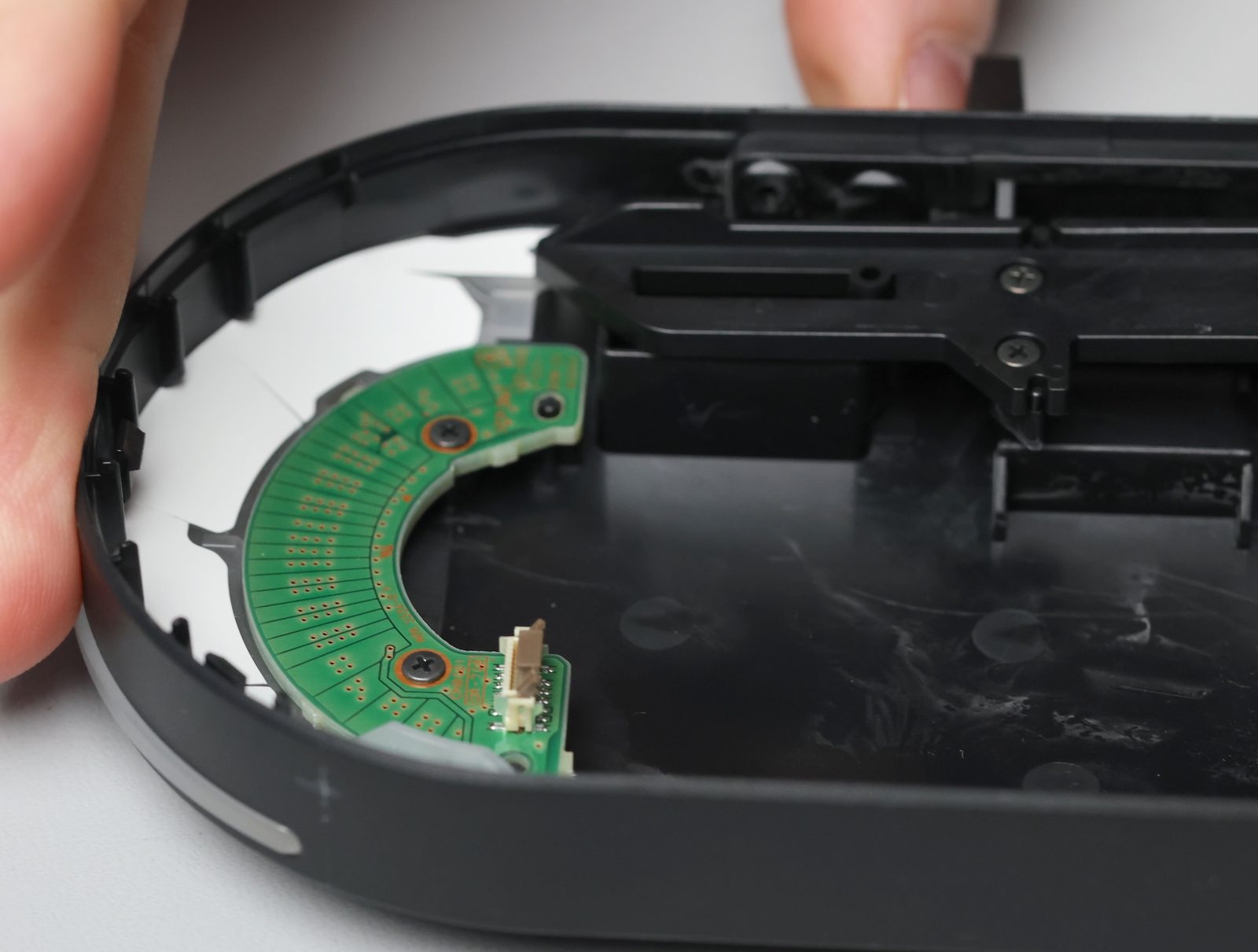
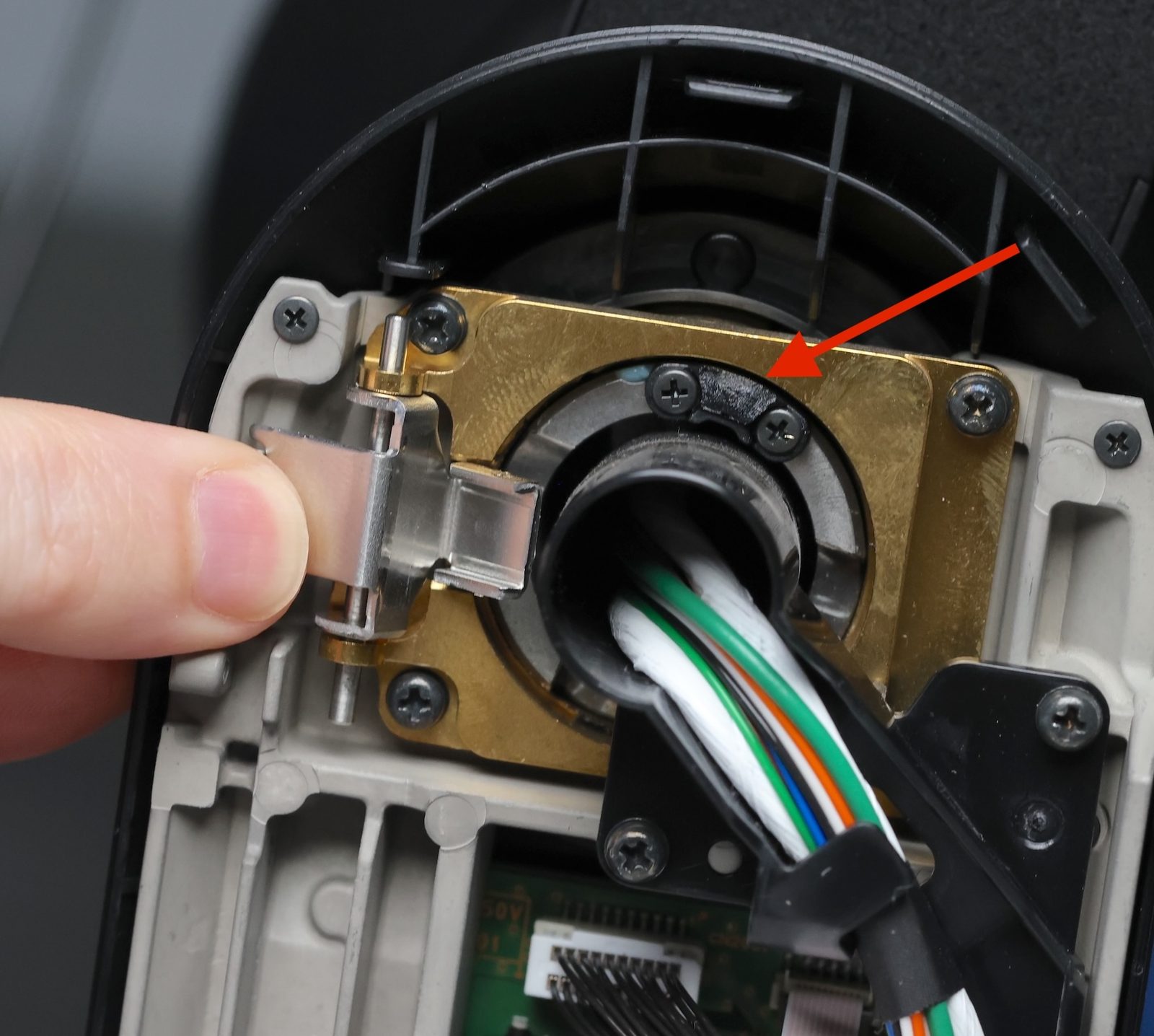
The fix for the loose gimbal mount proved to be surprisingly simple. A small plastic tab, identified as a "Tilt Shaft Stopper" (rather than the initial "Plastic Clippy Thing" moniker), was found to be broken. This tab is crucial for maintaining tightness and ensuring the locking mechanism engages properly. Replacing this part, which is held by two screws, is estimated to be a 10-minute job. The feasibility of 3D printing this component was noted as a viable solution should official replacement parts be difficult to source, a strategy Lensrentals is actively considering.
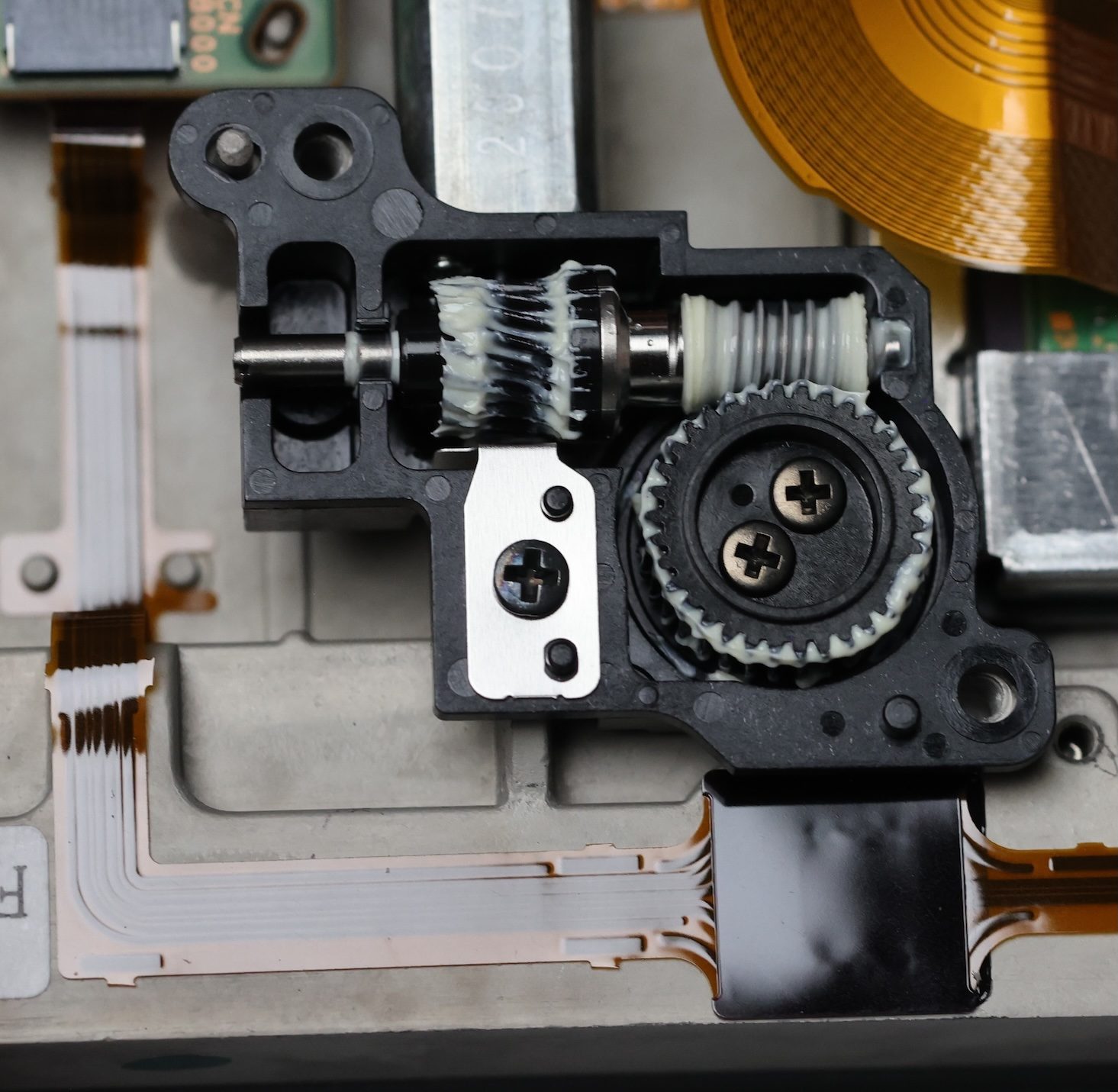
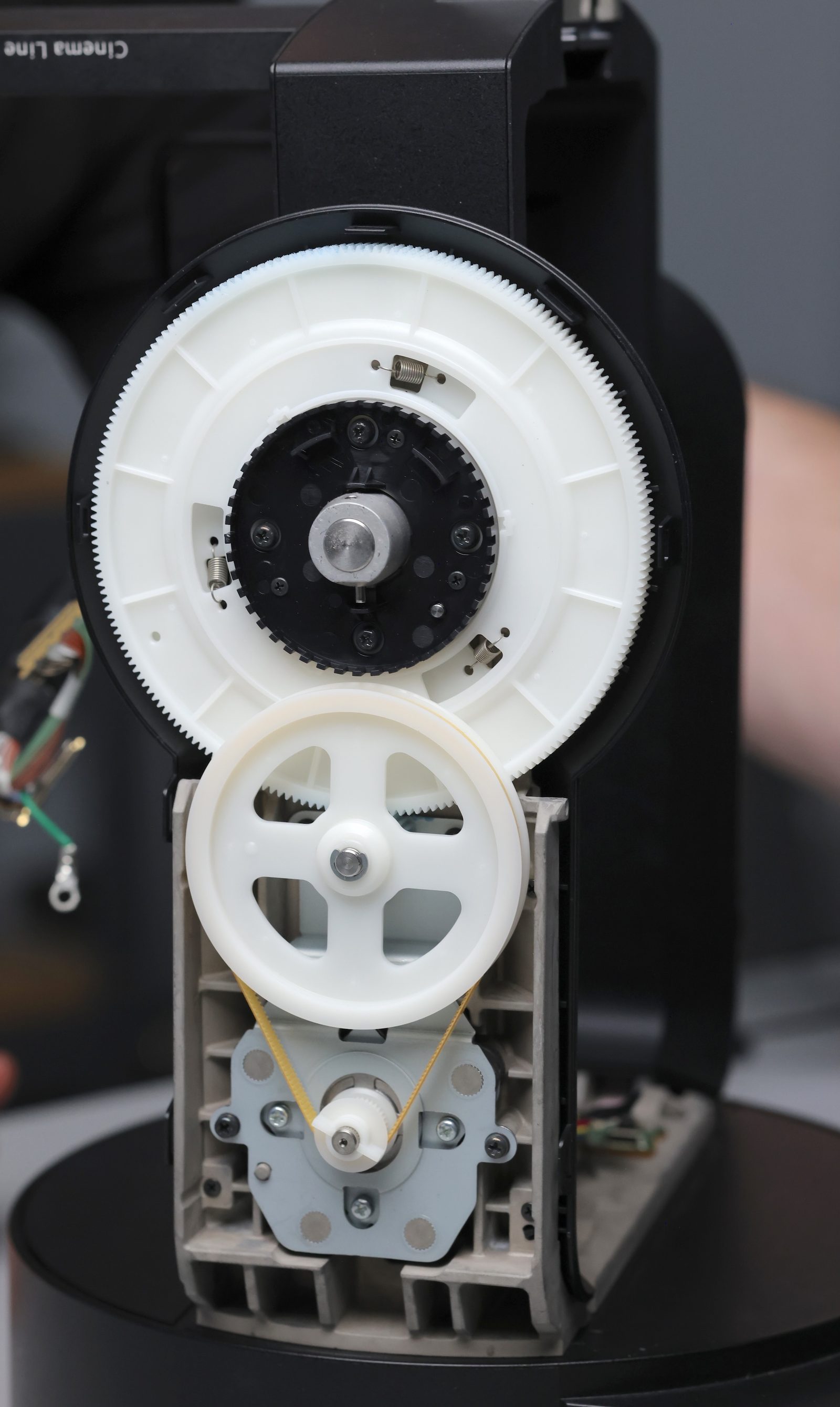
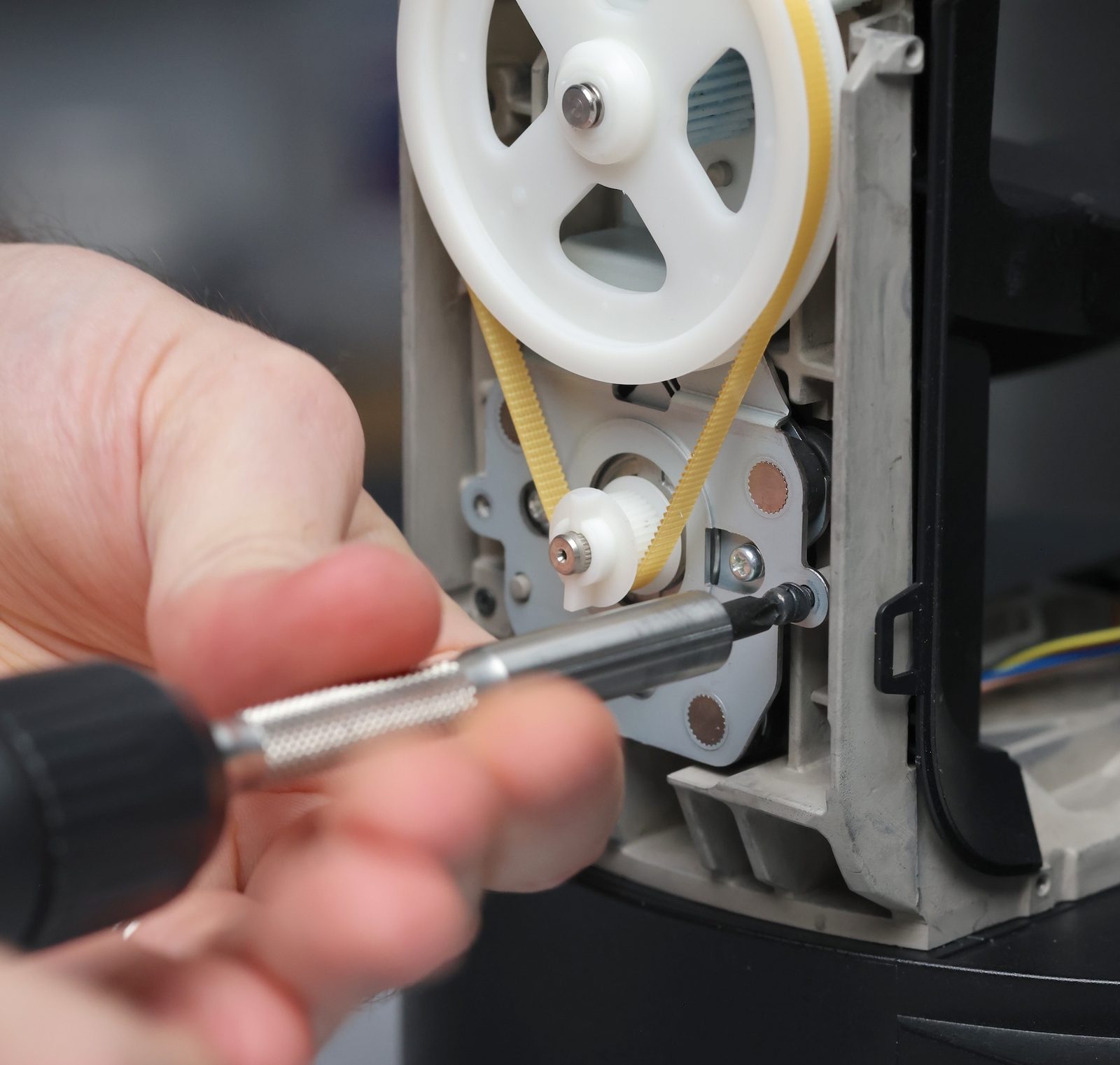
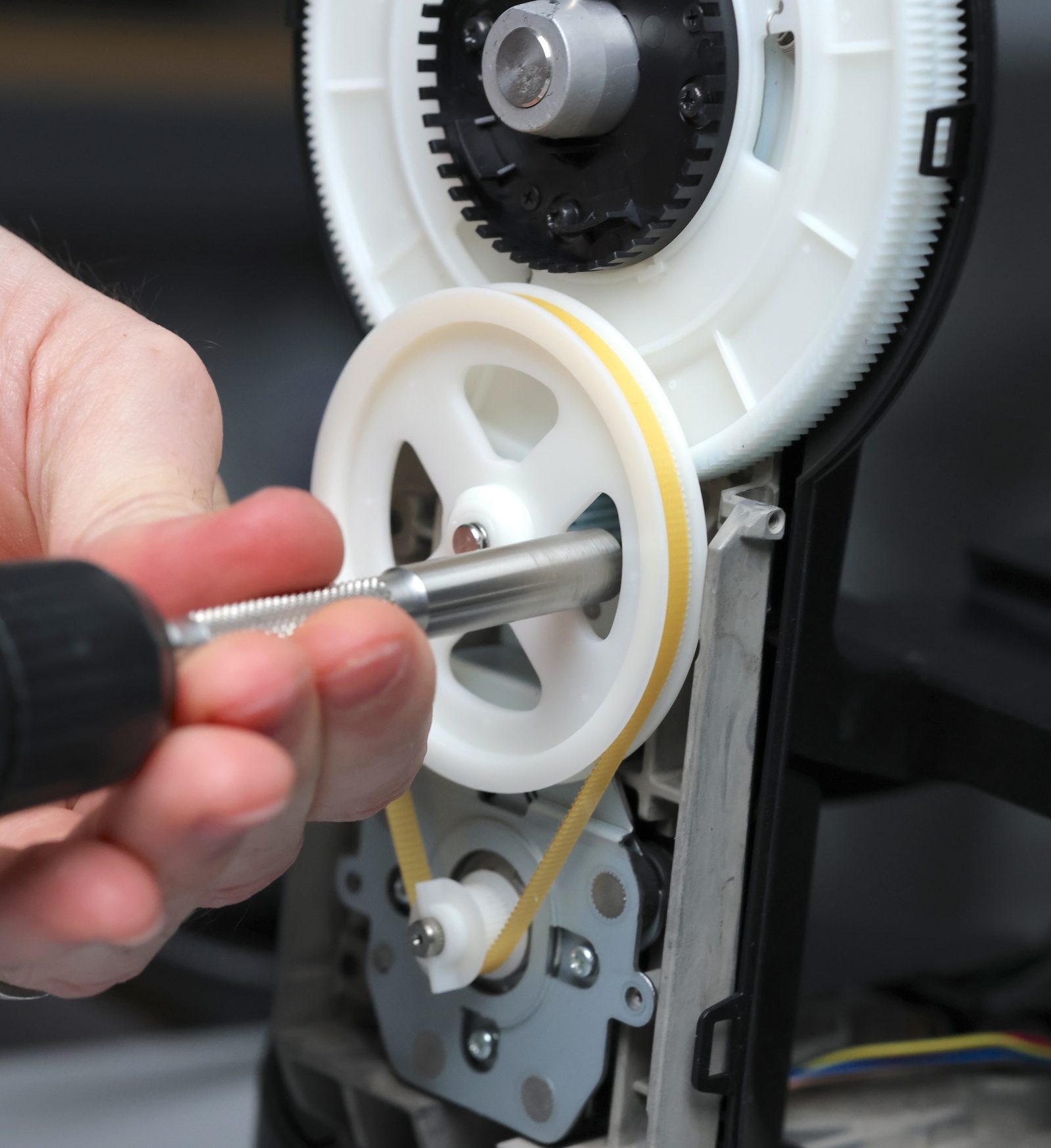
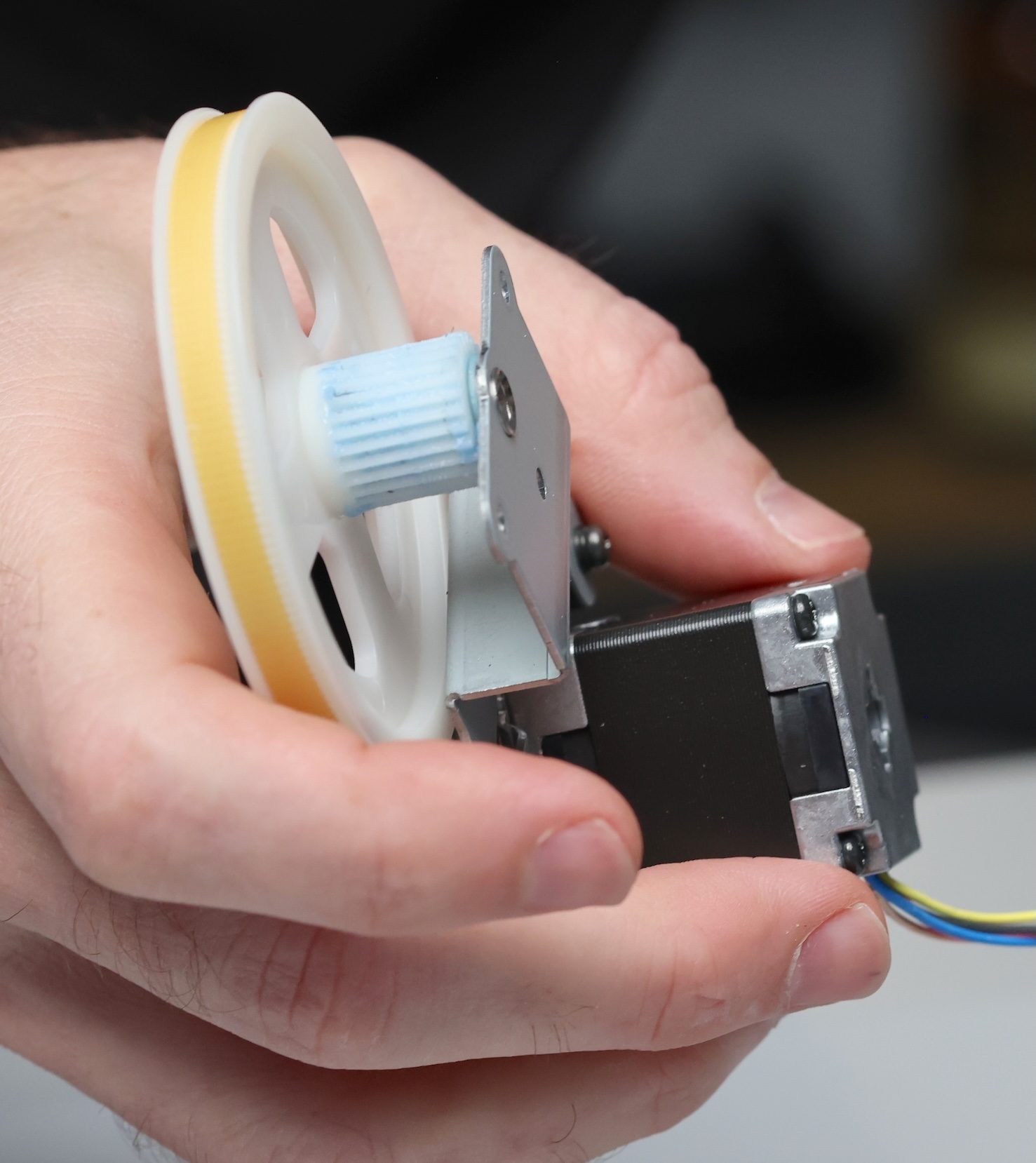
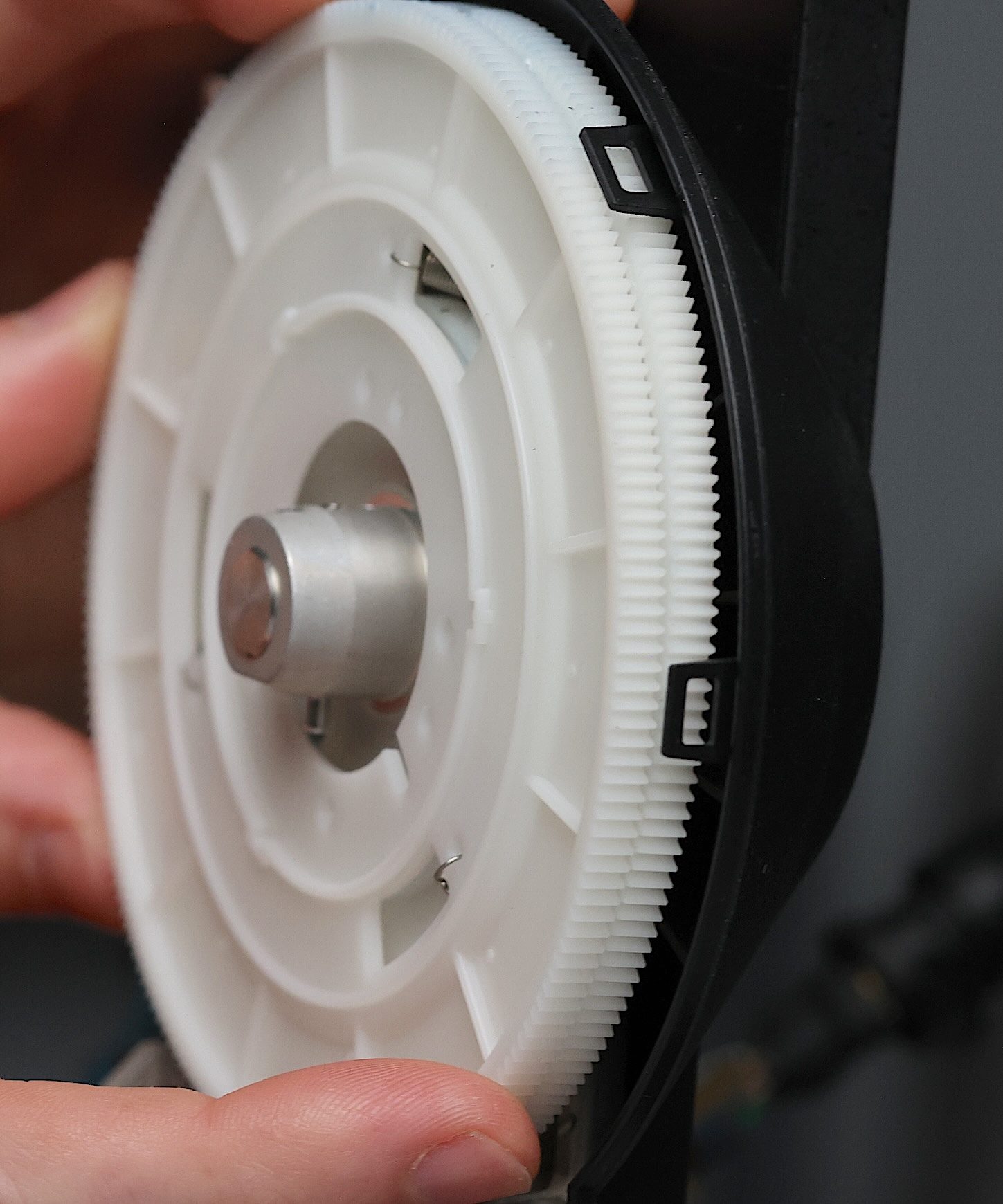
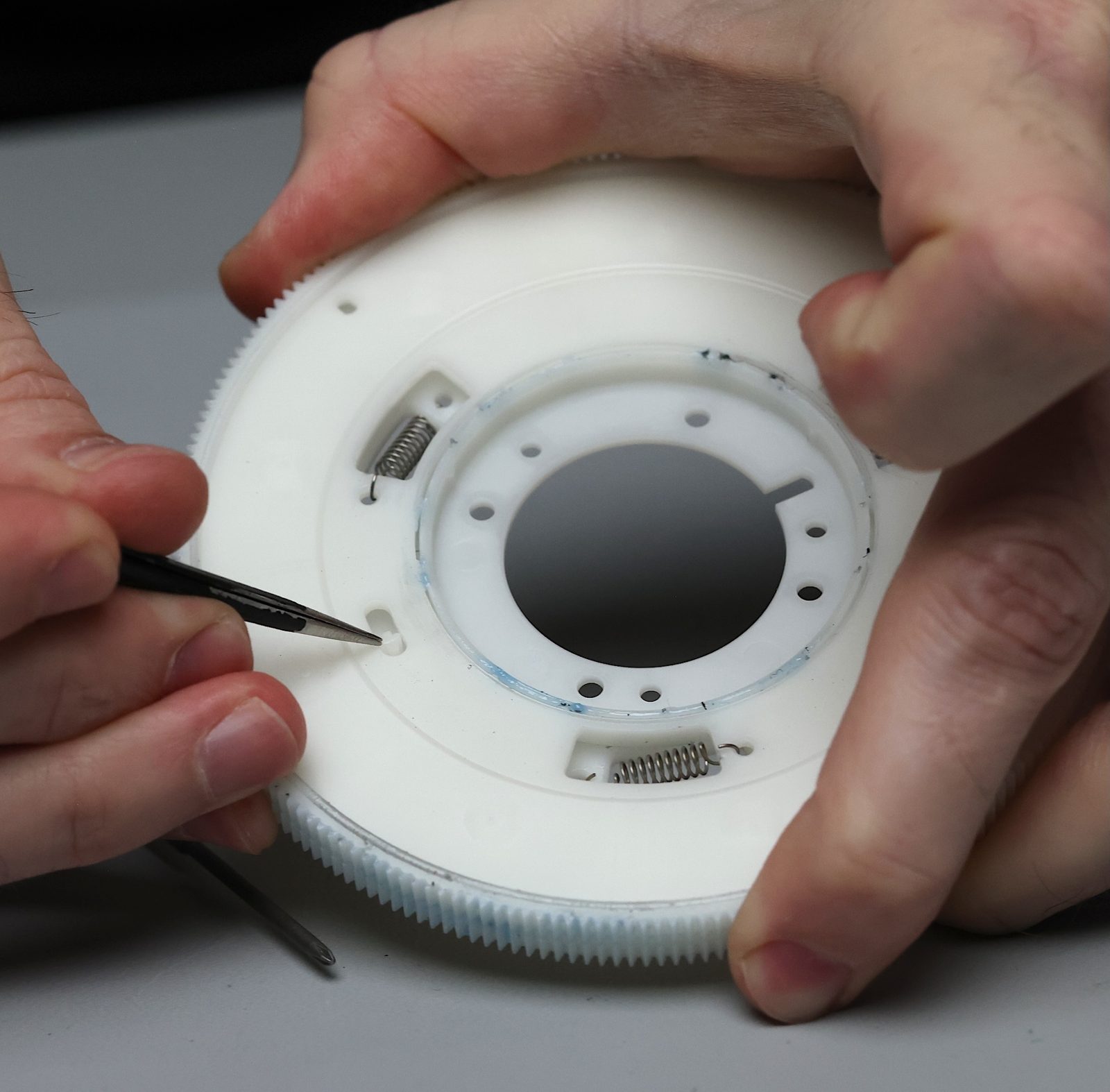
The grinding tilt gear issue was investigated on the opposing gimbal arm. Initial visual inspection of the gear train appeared normal, but a closer look revealed three springs around a large upper gear. Upon disassembling the gear train, which involved removing several screws, the team discovered that the upper gear was a "scissor gear." This design consists of two gears held under tension by springs, ensuring tight meshing with the smaller driving gear to eliminate backlash and noise during tilting.
The problem stemmed from a plastic stop designed to maintain tension on these springs. In the faulty unit, this stop had dislodged, causing the two gears of the scissor mechanism to separate slightly, creating a gap that should not exist. This separation led to the gears grinding against the housing, producing audible scraping noises and impairing smooth operation. Evident scrape marks within the housing confirmed the issue. The team hypothesized that this dislodgement could be caused by overloading the gear train with an oversized lens or improper centering of the camera on the tilt plate. Re-seating the plastic stop restored the proper tension and alignment of the scissor gears, resolving the grinding issue without requiring any new parts.
The Cable of Immense Cost: A Disassembly Challenge
As a final exploratory measure, the team undertook the challenge of removing the "Cable of Immense Cost" (CIC) from the camera. This cable routes down the right-side arm of the tilt mechanism, braced at its entry point and following a complex path through the armature assembly. Its removal involved detaching two metal pieces of the assembly, each secured by four robust screws, and carefully sliding them down the cable. A green grounding wire, part of the CIC, was also found to be attached to the housing in multiple locations, requiring careful disconnection.
Once all connections within the arm were severed, the cable was freed, passing through a large opening at the bottom of the arm into the base. The base plate itself was removed, exposing the main circuit board and numerous I-PEX connectors to which the cable connects. Disconnecting these allowed the CIC to be threaded out of the camera. The process, initially anticipated to be complex and time-consuming, was completed in a mere five minutes by Aaron Closz, demonstrating the team’s growing proficiency and systematic approach to these intricate devices.
Conclusion and Future Directives
The comprehensive teardown yielded several actionable insights for Lensrentals, camera users, and potentially manufacturers. For users experiencing grinding noises or jerky movements during PTZ camera tilting, the discovery of the dislodged plastic stop in the scissor gear mechanism provides a simple, no-parts-required fix that could save weeks of service center downtime. Similarly, the identification and easy replacement of the Tilt Shaft Stopper for loose gimbal mounts offer a straightforward repair, with 3D printing identified as a promising avenue for part fabrication.
For Lensrentals, the most critical takeaway is the need to re-evaluate packaging strategies to prevent catastrophic base fractures during shipping. Exploring alternative packaging inserts to provide more robust support for the camera body, or even shipping the camera unmounted (despite the minor inconvenience to users of re-attaching components), are now under active consideration.
The findings also reinforce the importance of user education, with a clear recommendation against mounting excessively large lenses or accessories that could exert undue stress on the camera’s vulnerable base. While direct influence on Sony’s design choices is limited, the detailed analysis provides valuable feedback on potential areas for structural improvement.
Finally, the teardown served as a renewed affirmation of Lensrentals’ commitment to understanding the intricacies of the equipment it rents. It highlighted the value of detailed engineering analysis in improving equipment longevity, reducing repair costs, and ultimately enhancing customer satisfaction. Roger Cicala’s renewed engagement in such technical analyses signals a potential return to regular teardown content, much to the benefit of the wider photographic community.