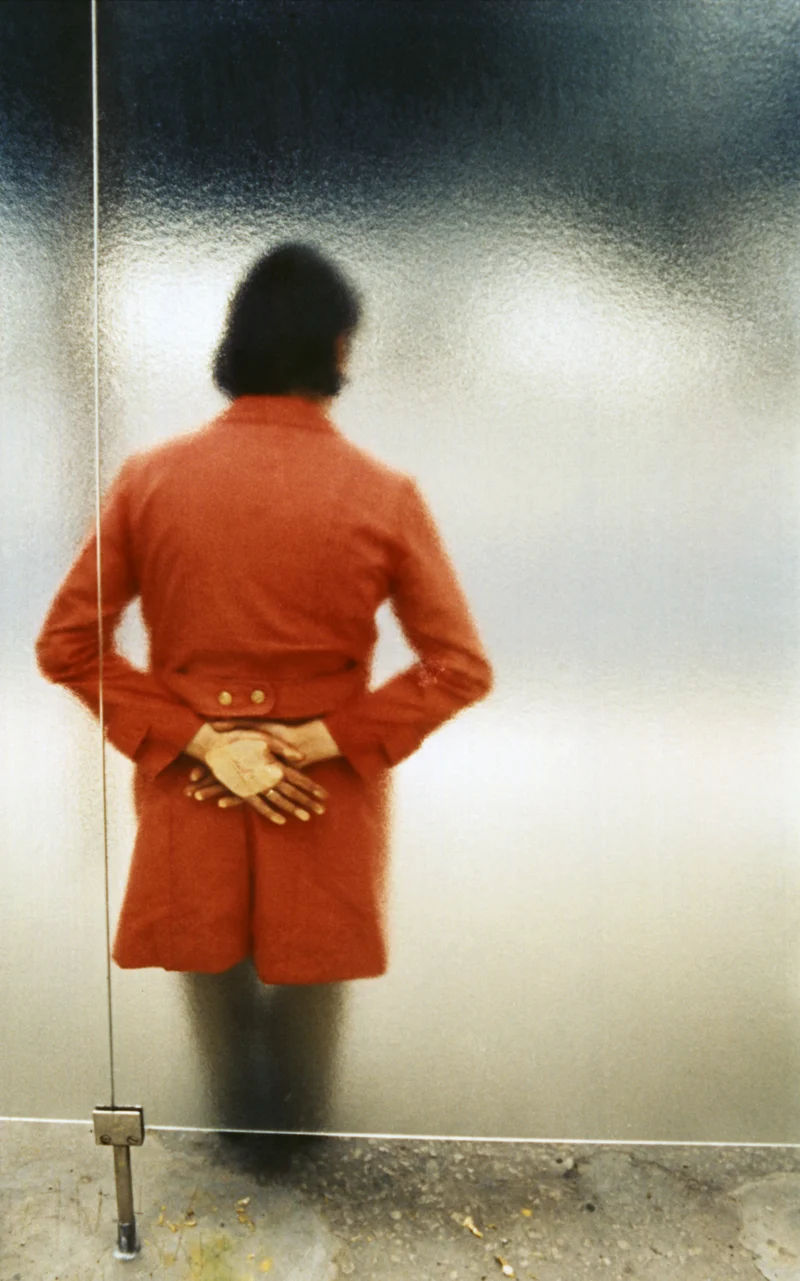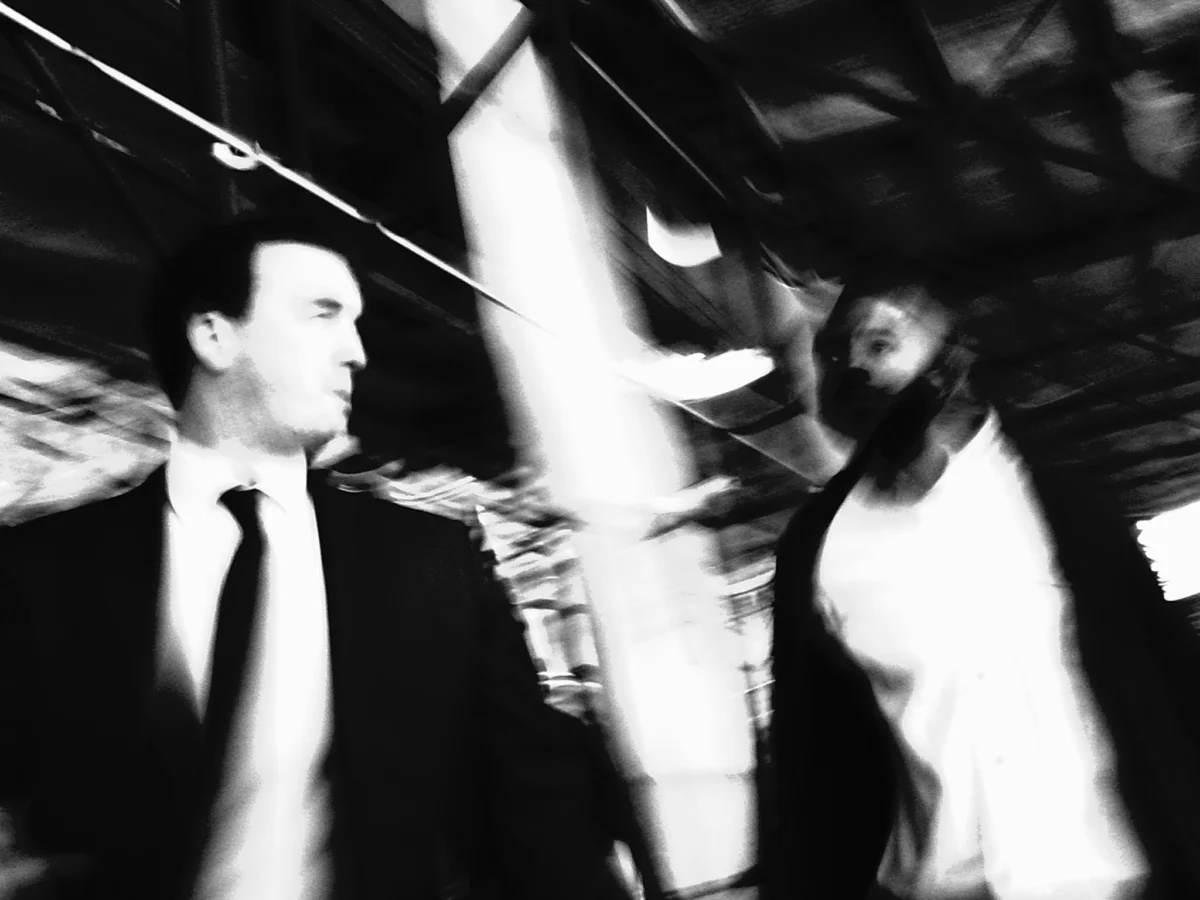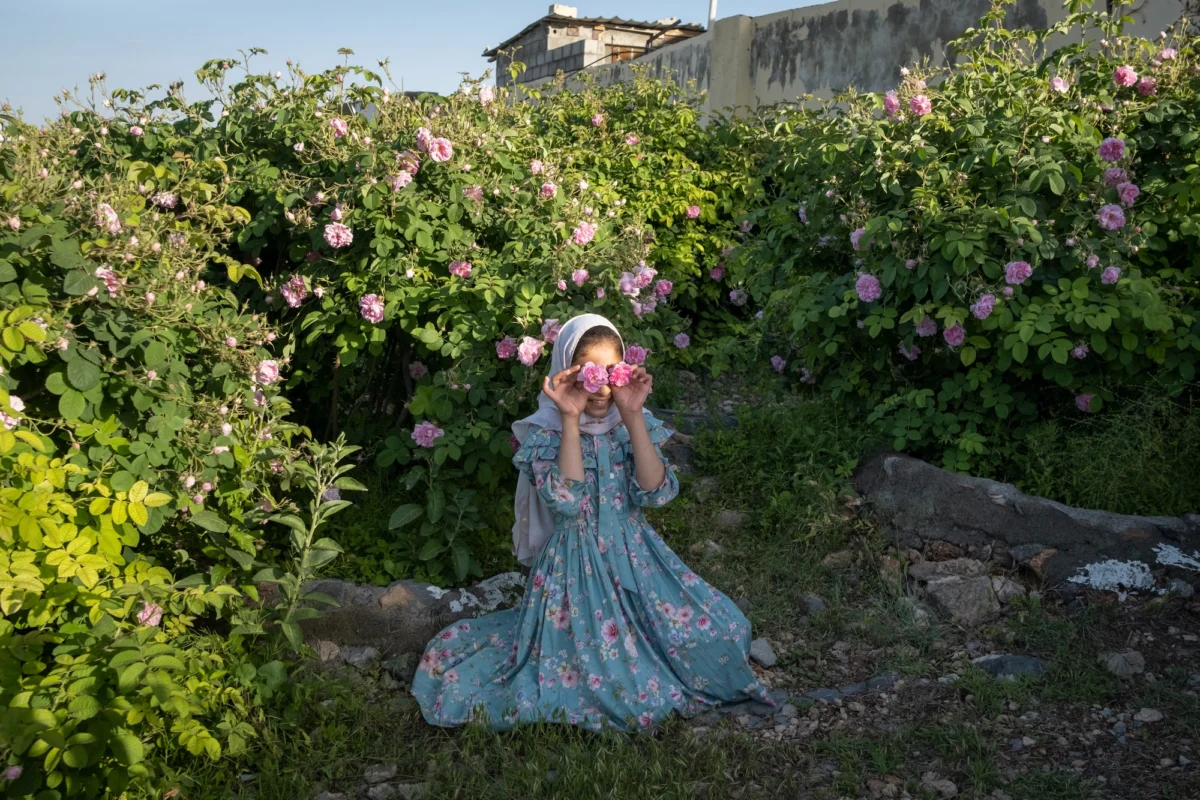
The realm of street photography often delves into the raw and unfiltered realities of everyday existence, providing a mirror to society. However, within this genre, there exists a refreshing divergence, a creative current that steers towards the unexpected, the imaginative, and the profoundly lighthearted. Netherlands-based photographer Julie Hrudova exemplifies this alternative approach, her work not merely capturing moments but inviting viewers to engage their own imagination, to construct narratives from the enigmatic scenes she presents. Her photographs challenge conventional perceptions, urging us to embrace the more whimsical and surprising facets of our daily lives.
Hrudova’s artistic sensibility appears deeply rooted in her formative years. Born and raised in Prague, Czech Republic, she relocated to the Netherlands at the age of ten. This bicultural upbringing, she believes, cultivated a heightened sense of observation and an expansive imagination—qualities that have profoundly shaped her distinctive photographic style. "Because of this," Hrudova reflects, "I think I’ve always been observing both ‘homes’ from a distance, and it might have helped in my photography journey. As a child, I was drawing a lot, and later on, I switched to photography, always capturing daily life around me, trying to create my own version of someone else’s reality."
Prague, a city steeped in history and architectural grandeur, is also characterized by its stark contrasts, a duality that Hrudova feels mirrors her own experiences and memories of growing up there. "I feel so deeply rooted there, but also extremely estranged," she explains. "As a street photographer, this discomfort makes me a bit shy." Yet, it is precisely this external perspective, this "foreign eye" she developed, that allowed her to perceive her native city through a different lens, fostering a pronounced inclination towards the inherent absurdity of daily life.
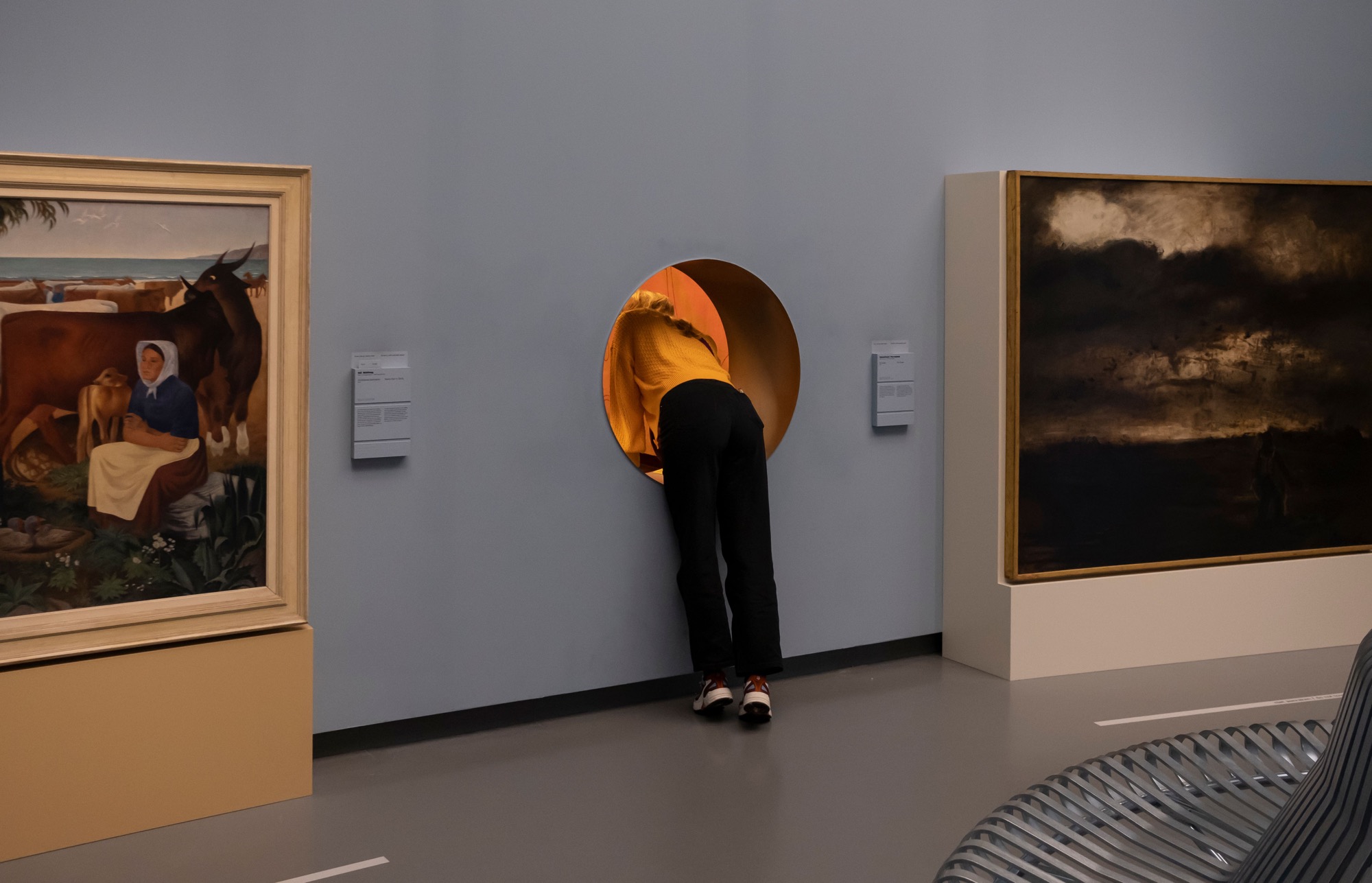
Today, Hrudova dedicates a significant portion of her time to street photography, recognizing that mastery in this craft is inextricably linked to sustained effort and deep immersion. Her chosen methodology, which emphasizes spotting the absurd, necessitates a keen observational skill honed through consistent practice. Driven by an intrinsic curiosity for the peculiar, the perplexing, and the emotionally resonant, she has increasingly focused on inviting the viewer to actively participate in the narrative, either by deciphering an implied story or by constructing one entirely from their own interpretation.
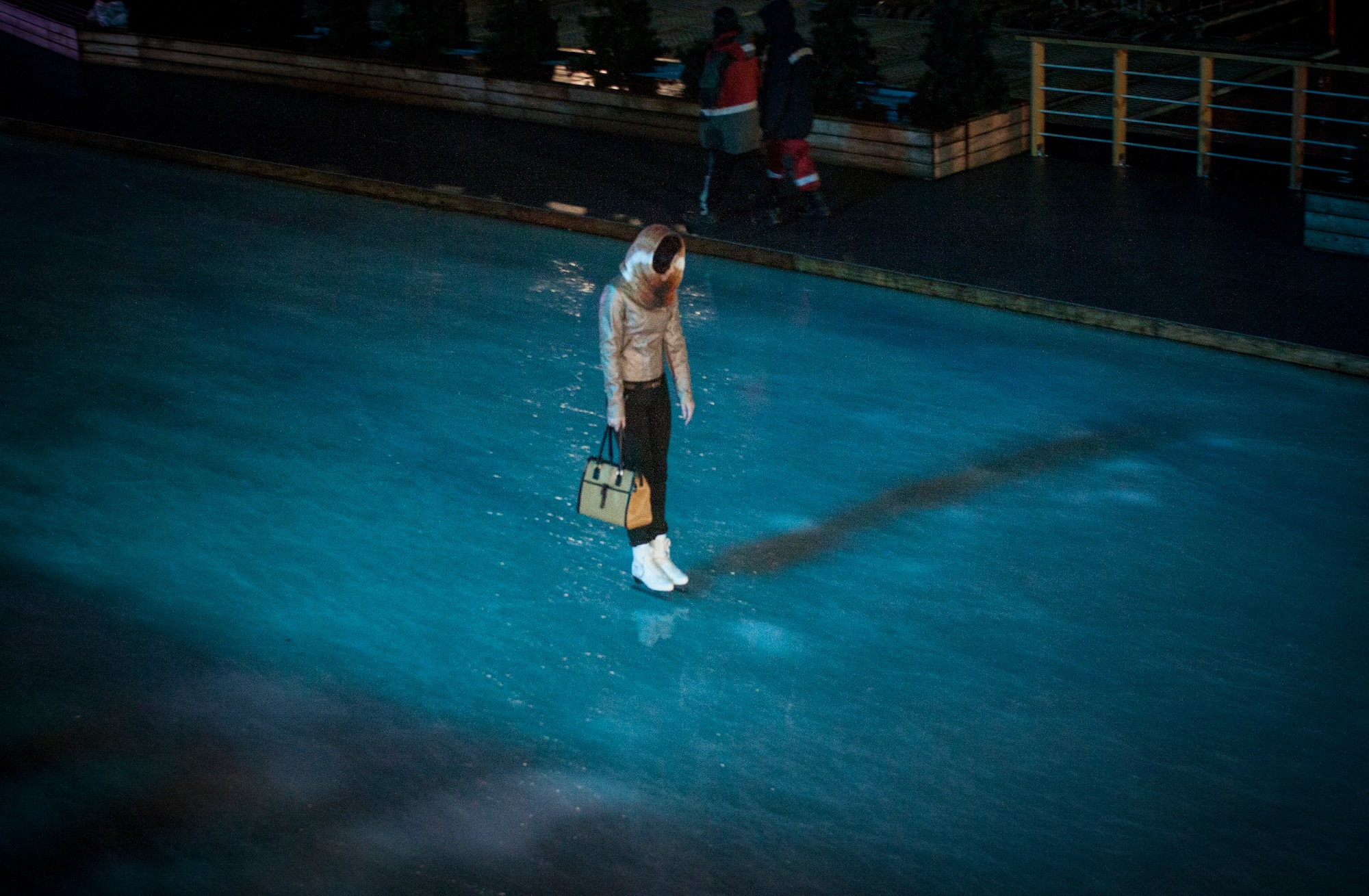
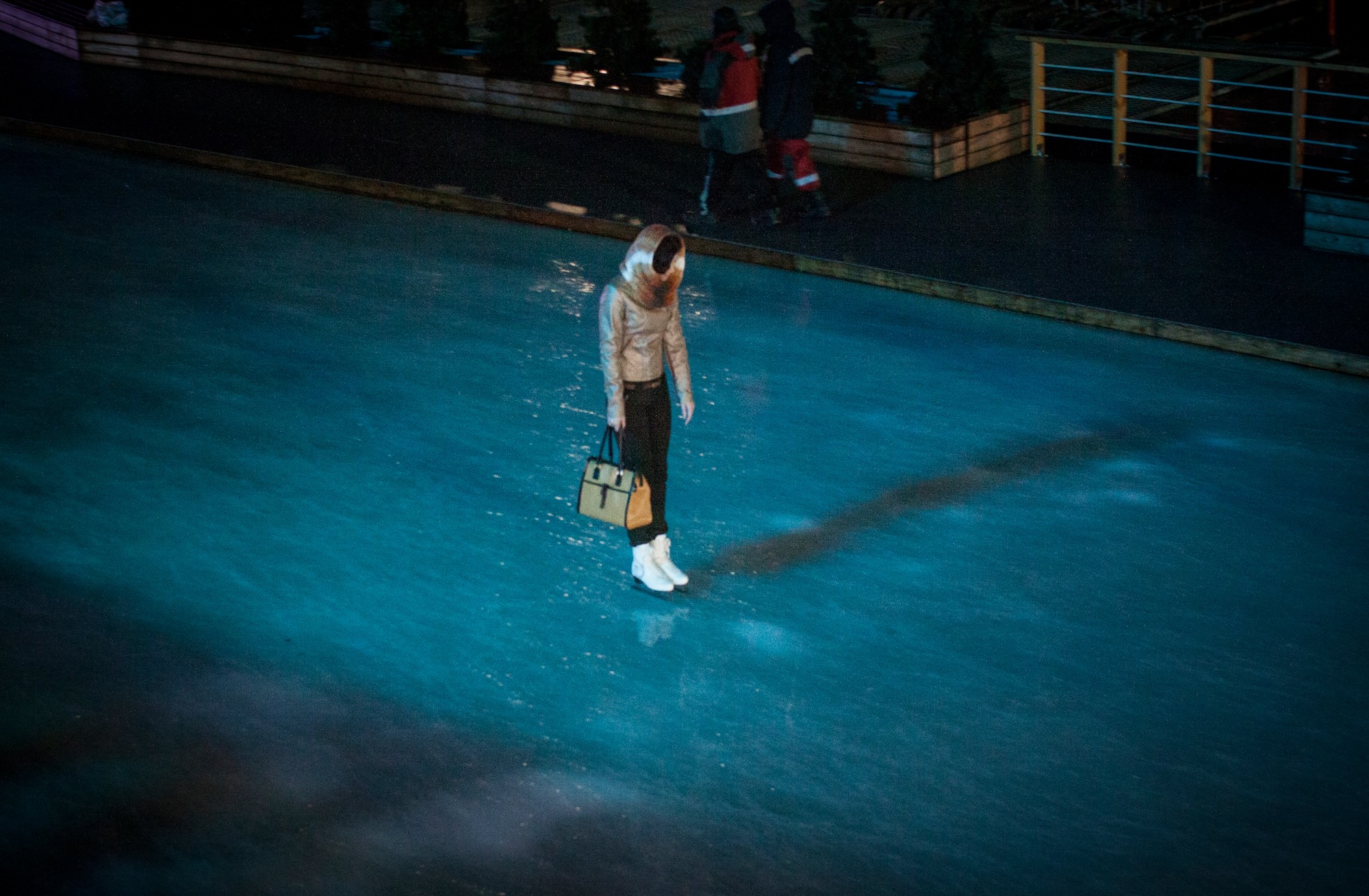
"One of the first photos that is exemplary for my absurdist style is this image of an ice skater," Hrudova elaborates, referencing a striking photograph. "People always wonder what happened to this person’s face, if it’s a real person, what is going on. I love this confusion, especially when people start to make up their own story." This deliberate ambiguity is a hallmark of her work, transforming passive observation into an active, imaginative engagement.
The World Through an Absurdist Lens
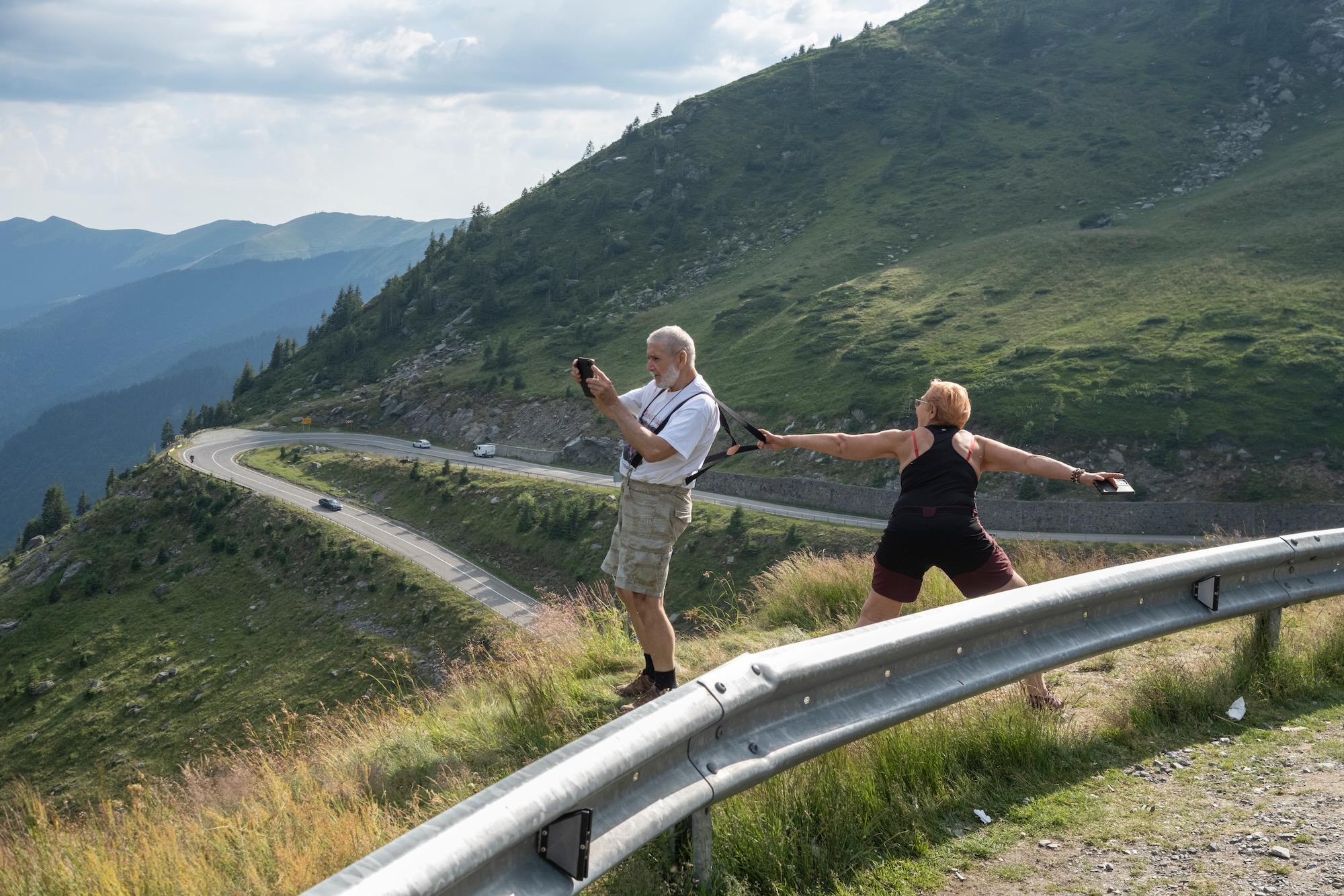
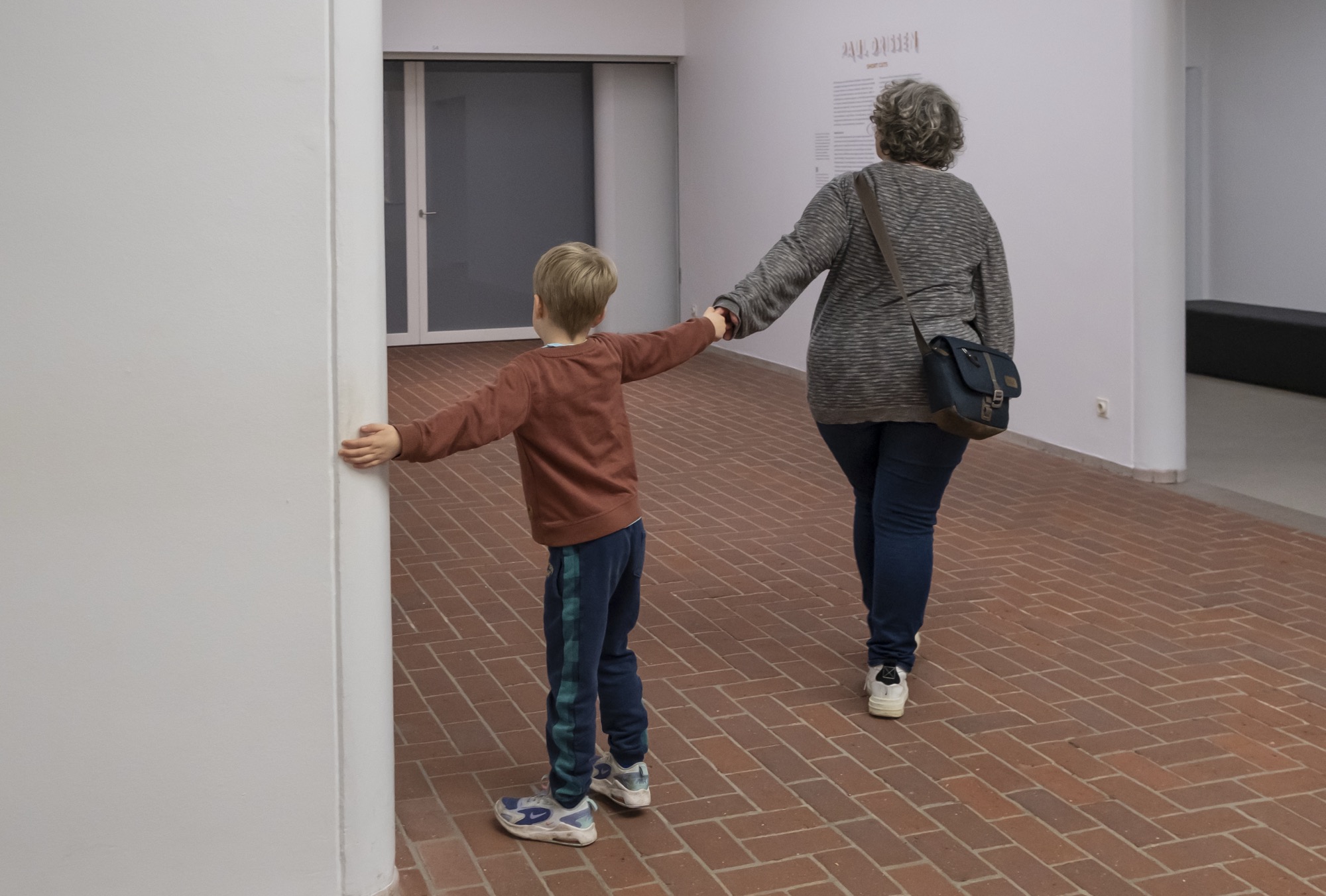
For Hrudova, this creative purview has become an intrinsic way of perceiving the world, transcending mere photographic technique. Eschewing the conventional documentary or photojournalistic approaches, she employs her absurdist lens to offer her unique interpretation of reality. "For me, it’s much more interesting to create my version of a situation, to give it a twist or capture it in a moment when things become weird or sometimes just funny," she states. This inclination towards the surreal and humorous may also be influenced by her admiration for Czech directors Miloš Forman and Jiří Menzel, whose works are celebrated for their comedic and absurdist elements.
Hrudova also draws inspiration from a pantheon of photographers who have profoundly shaped her understanding of visual storytelling. She cites William Eggleston for his extraordinary ability to imbue the mundane with compelling visual interest, Vivian Maier for her poignant focus on human emotion, and Lars Tunbjörk for his distinctive use of color and his overarching absurdist aesthetic. These artists, through their unique visions, have provided Hrudova with a rich vocabulary for exploring the complexities of the everyday.
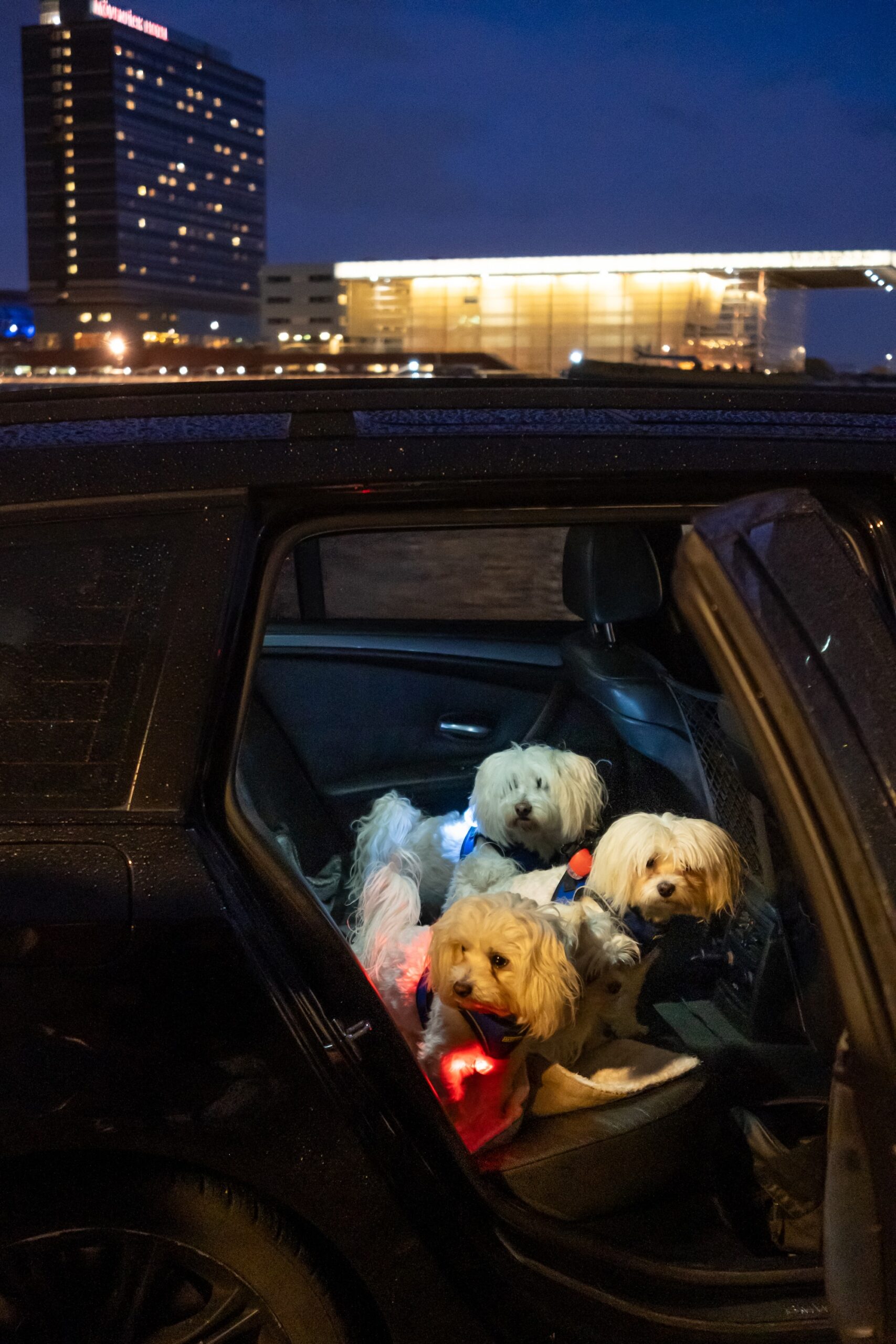
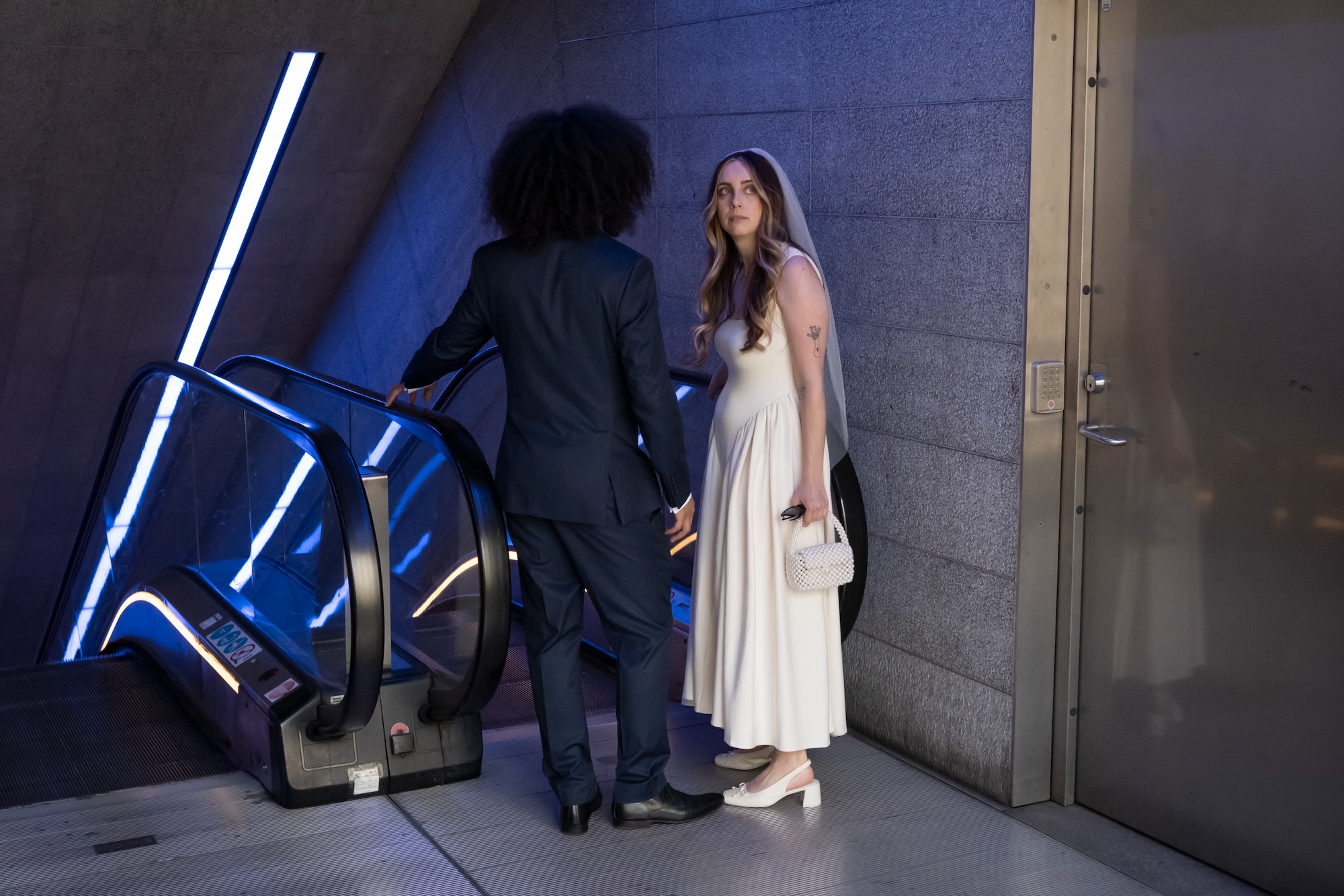
While certain urban environments are often cited as being particularly conducive to street photography, Hrudova’s approach appears less dependent on the inherent character of a location. Her prolific travels have demonstrated that inspiration can be found even in seemingly uninspiring settings. "The funny thing is that I don’t have to like a place much to be able to photograph it well," she observes. "For example, I wouldn’t like to live in Copenhagen, but because it’s all so structured and organised, it inspired me to photograph it in a clean way as well, and I got some absurd images." This suggests that her ability to find the extraordinary within the ordinary is an internal compass, guiding her photographic vision regardless of external circumstances.
In Pursuit of Discovery
Hrudova’s artistic motivation stems not from the pursuit of a pre-conceived "ideal" street photograph, but rather from the thrill of discovery. This often occurs when an image possesses an inherent quality that compels her to look closer, to unravel its layers. "When a photo is too obvious, I scan it quickly and forget about it immediately," she muses. Conversely, images that hold a certain allure—a unique look, an evocative atmosphere, or an underlying mystery—captivate her attention and invite deeper investigation.
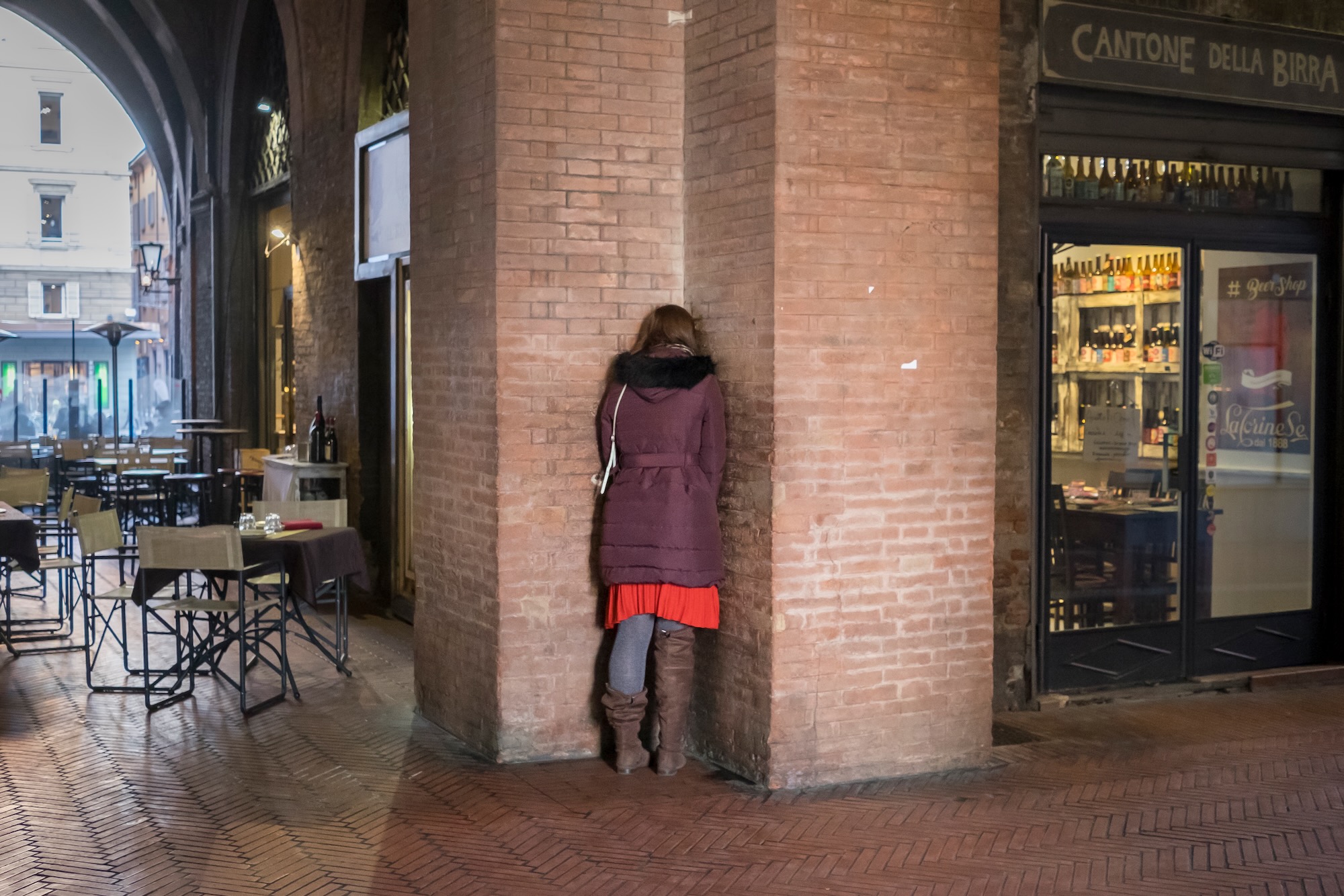
This spirit of active pursuit extends to her own creative process. When a potential scene unfolds, Hrudova enters a state of "hunting mode." She strategically plans her approach, moves with purpose towards her intended subject, and endeavors to "get there logistically" to capture the moment with optimal impact.
Her dual role as a photography educator and a YouTube creator has also served as a catalyst for self-reflection and process refinement. Through organizing workshops, conducting portfolio reviews, and producing video content, she has gained the ability to articulate her creative process more clearly, imbuing it with greater structure. "The more I talk and explain about how I photograph (not so much about what is happening in the photo, but really the creative process), the easier it has become to actually do it. Practice what you teach, I guess!" she exclaims. This pedagogical engagement has not only benefited her students but has also served as a powerful tool for her own artistic development.
The Most Important Street Photography Lessons
One of the most profound realizations for any street photographer is the inherent uncertainty of the craft and the frustration that can arise from it. Hrudova acknowledges this as a significant challenge, one that has led her to a crucial understanding. "Over the years, I’ve been reassured that at a certain point, something comes around, and thanks to the time I’ve invested in capturing the streets and crafting the logistical approach, I know I will probably be able to capture it and come home with something," she notes, underscoring the importance of persistence.
Furthermore, Hrudova emphatically stresses the indispensable role of developing a unique "way of seeing" in achieving noteworthy photographic results. While technical skills can be acquired and refined over time, the ability to recognize compelling visual opportunities should be paramount in any aspiring street photographer’s creative arsenal. "I teach my students how to look ahead, how to predict movement, read the light, how (and how fast!) to move around, and then how to set up your camera to always be ready for it," she explains, offering practical guidance for immediate application. She also provides essential troubleshooting advice for when initial attempts fall short. "One of the misconceptions I saw was thinking of being already late when the situation was still unfolding. It needs action from the photographer! Run for it and get ahead of your subject once again, for example." This highlights the dynamic and proactive nature required in street photography.
The critical examination of one’s own work is another fundamental skill that Hrudova fosters in her students through portfolio reviews. "We discuss how a situation could have been captured in a stronger way by adjusting the angle, composition, and framing, or choosing a slightly different moment to press the shutter," she outlines. Crucially, however, she also champions the recognition and cultivation of an individual artistic vision. "I’m very fond of going after what truly obsesses you, instead of trying to mimic an existing style, often done much better by other photographers," she advises, encouraging authenticity over imitation. This philosophy not only empowers emerging photographers but also reinforces the unique contribution each artist can make to the photographic landscape.
Julie Hrudova’s journey through street photography is a testament to the power of imagination, observation, and the embrace of life’s inherent absurdities. Her work serves as an invitation to look beyond the surface, to find wonder in the mundane, and to actively participate in the creation of meaning within the visual narratives she so skillfully crafts.
To explore more of Julie Hrudova’s absurdist street photography, follow her on Instagram at https://www.instagram.com/hrudography/. Her insights and creative process can also be found on her YouTube channel at https://www.youtube.com/@hrudography. For updates on her upcoming workshops and exhibitions, visit her official website at https://juliehrudova.com/News.