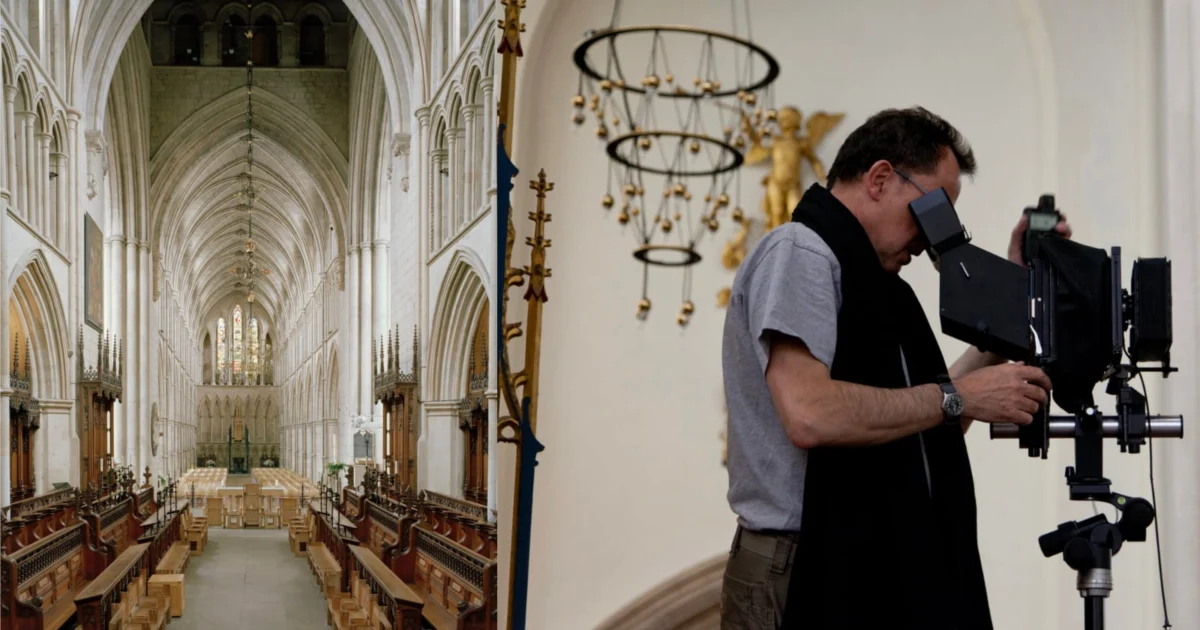
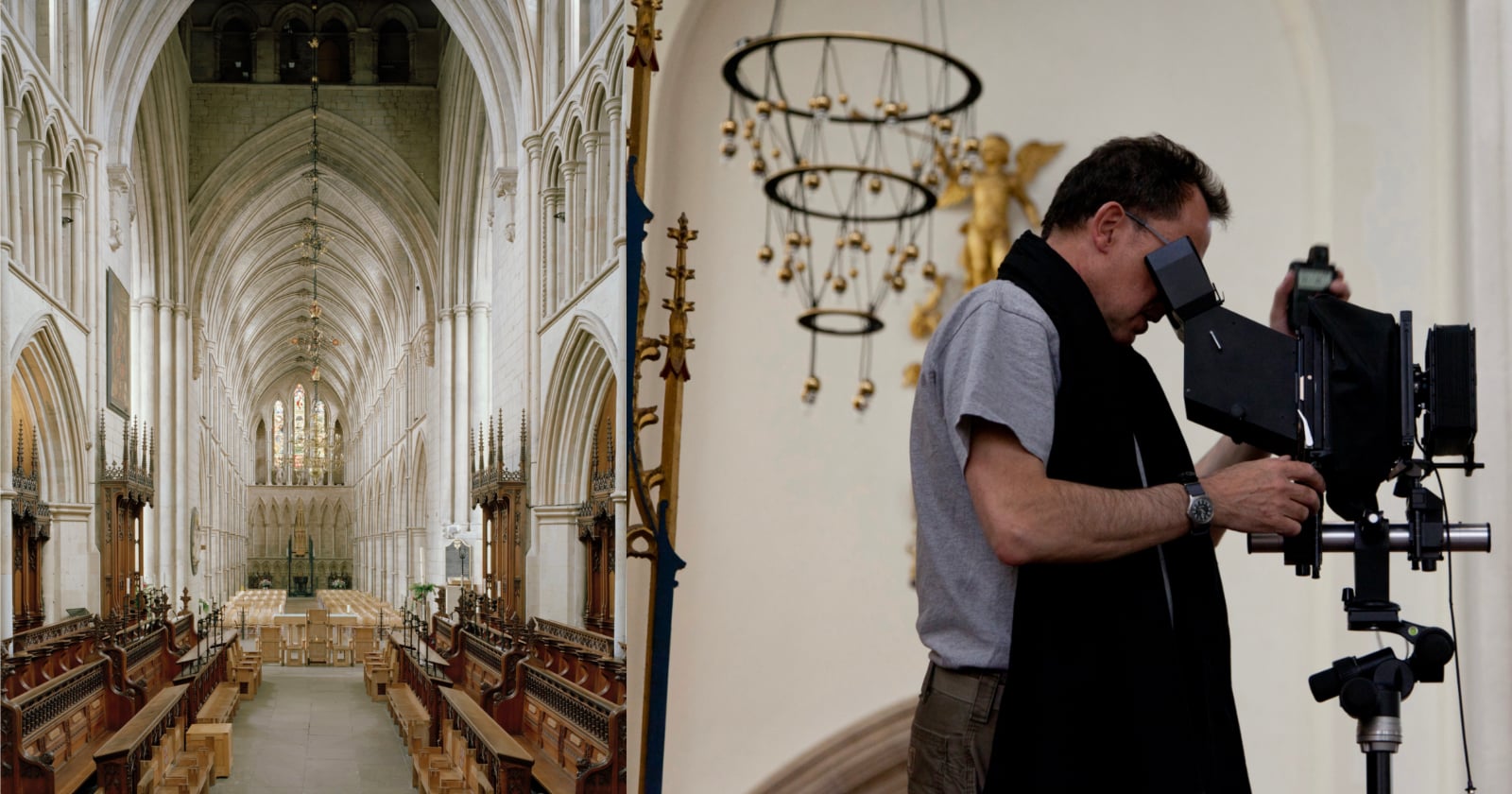
A profound and visually arresting exhibition is currently captivating audiences in London, presenting a comprehensive collection of photographs by the late Magnum photojournalist Peter Marlow. Titled The English Cathedral, this remarkable showcase brings together Marlow’s distinctive images of all 42 Anglican cathedrals across England, each capturing their vast, often unseen interiors bathed exclusively in natural light. This unique photographic odyssey, now on display at Southwark Cathedral, offers an unprecedented journey into the architectural and spiritual heart of England, revealing these ancient structures with a reverence and clarity rarely achieved. The exhibition, running until August 31, is a free public offering, inviting visitors to experience the sublime beauty and intricate details of these monumental buildings as perceived through Marlow’s meticulous and contemplative lens.
Peter Marlow’s Vision and Legacy: A Master of Photojournalism’s Architectural Turn
Peter Marlow (1952-2016) was a towering figure in the world of photojournalism, renowned for his incisive eye and ability to capture the human condition with both intensity and empathy. As a full member of Magnum Photos, the prestigious international photographic cooperative, Marlow’s career spanned decades, during which he documented significant global events, conflicts, and social landscapes. His early work saw him covering conflicts in Lebanon and Northern Ireland, and later, the political transformations in Eastern Europe. Yet, amidst his celebrated photojournalistic endeavors, Marlow possessed a deep appreciation for form, structure, and the quiet power of observation. This aesthetic sensibility found a profound outlet in The English Cathedral project, a departure from his more dynamic assignments but one that nonetheless showcased his mastery of light, composition, and narrative.
Marlow’s decision to photograph the cathedrals was not merely an architectural exercise; it was a deeply personal and philosophical undertaking. His prior work, often steeped in the immediacy of events, contrasted sharply with the timeless stillness he sought within these sacred spaces. This shift underscored his versatility as an artist and his relentless pursuit of new visual challenges. His legacy, preserved and promoted by the Peter Marlow Foundation, continues to inspire, reminding us that powerful storytelling can emerge from both the frenetic pace of breaking news and the serene contemplation of enduring heritage. The Foundation, established in his memory, aims to champion humanitarian photojournalism and to nurture emerging talent, ensuring Marlow’s artistic ethos endures.
The Genesis of the Project: Royal Mail and a Grand Undertaking
The genesis of The English Cathedral project traces back to a specific commission in 2008, a seemingly straightforward assignment that would ultimately blossom into a monumental personal quest. Marlow was approached by the U.K.’s Royal Mail to photograph six Anglican cathedrals for a series of commemorative stamps. This special issue was intended to mark the 300th anniversary of the completion of St. Paul’s Cathedral in London, a masterpiece of Baroque architecture designed by Sir Christopher Wren. The initial task was to capture the grandeur of these iconic landmarks in a way that resonated with their historical and cultural significance for the nation.
What began as a limited commission soon ignited a deeper artistic curiosity within Marlow. As he traveled to the initial six sites – which included the likes of Canterbury, York Minster, and Salisbury, besides St. Paul’s – he became increasingly captivated by the unique character, immense scale, and subtle variations in light and atmosphere within each structure. The experience transcended a mere job; it became, as he later described, "a kind of reflective pilgrimage." Over the ensuing three years, from 2008 to 2011, Marlow committed himself to the ambitious task of documenting all 42 Anglican cathedrals in England. This self-initiated expansion transformed the project from a commercial assignment into a significant body of fine art photography, an exhaustive visual inventory of England’s ecclesiastical heritage. His dedication to this comprehensive vision speaks volumes about his artistic drive and his profound connection to the subject matter.
Mastering Light and Scale: Marlow’s Methodological Precision
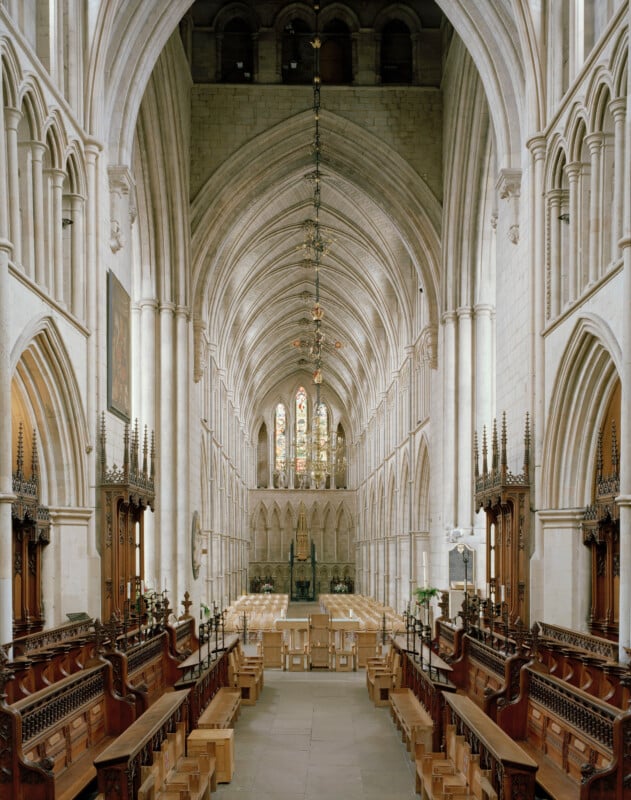
The photographic approach Marlow employed for The English Cathedral series was as rigorous as it was revolutionary for the context. Shunning artificial illumination entirely, he relied solely on natural light, a decision that dictated much of his methodology and imbued the images with their distinctive character. Each photograph was taken around dawn, a strategic choice to leverage the soft, diffuse light of early morning as it filtered through stained-glass windows and vast stone arches. This deliberate timing allowed the buildings to "emerge from darkness," as Marlow put it, revealing their forms gradually and organically, free from the harsh, often distorting effects of modern electric lighting.
Marlow utilized a large-format film camera, a choice that further underscored his commitment to detail and precision. Unlike smaller format cameras, large format provides significantly greater resolution, dynamic range, and control over perspective. This was crucial for capturing the immense scale and intricate architectural nuances of the cathedral interiors, from the delicate tracery of Gothic vaults to the robust solidity of Norman pillars. The cumbersome nature of large-format equipment, requiring lengthy setups and careful calibration, speaks to Marlow’s patience and dedication. Each exposure was a deliberate act, a slow dance with light and shadow that yielded images of extraordinary depth and clarity.
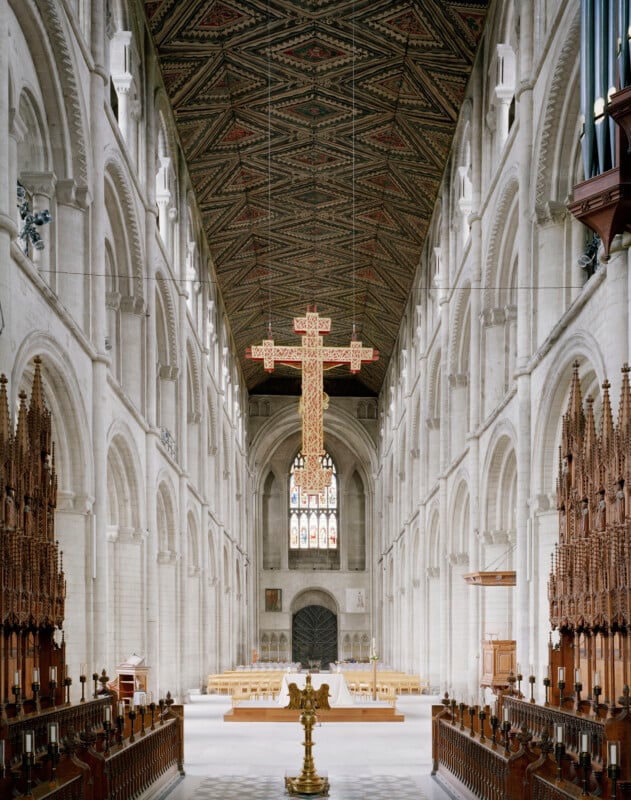
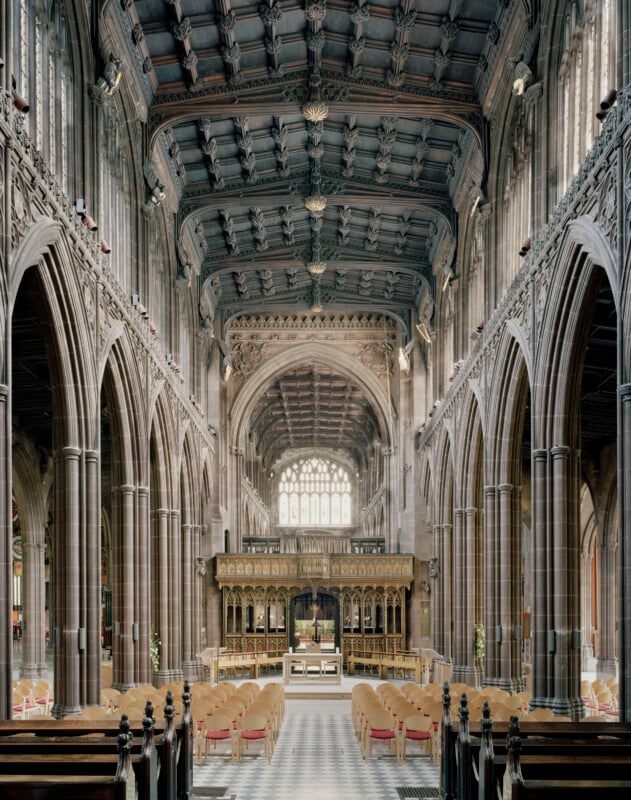
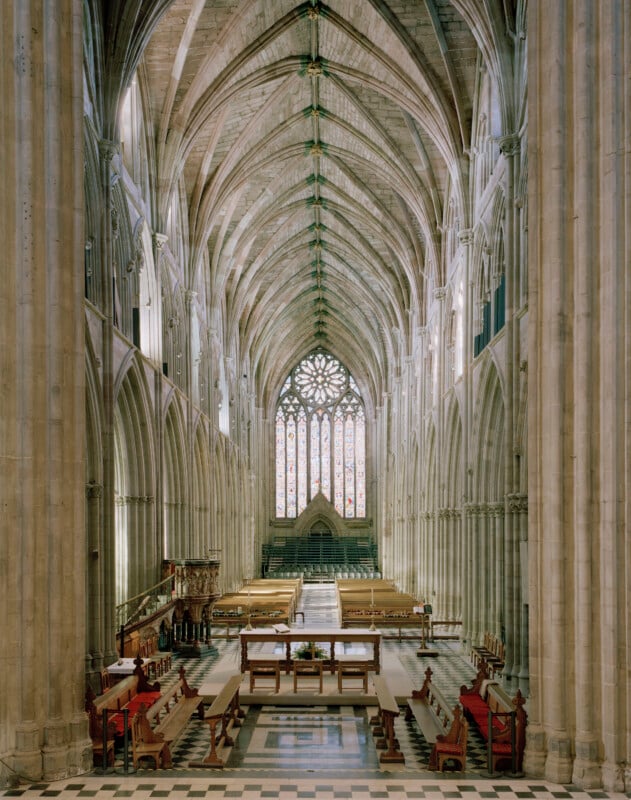
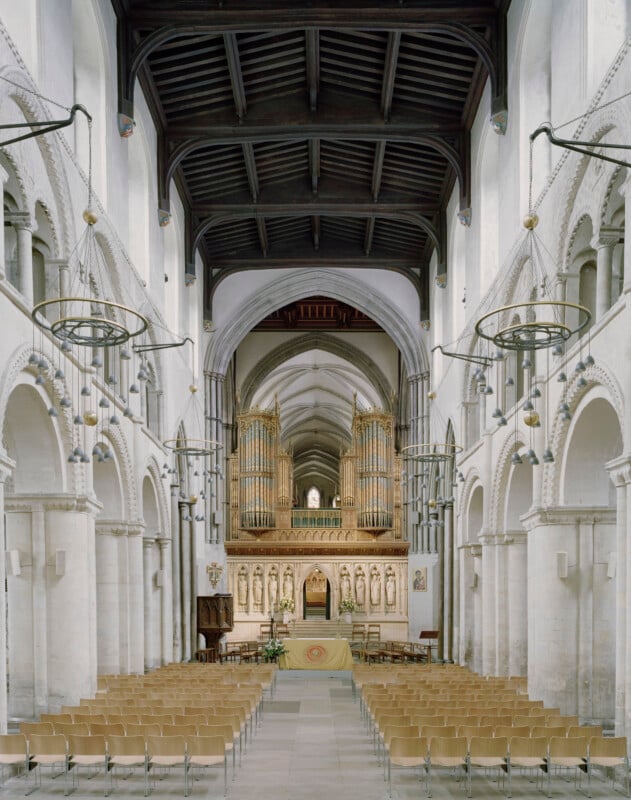
Perhaps the most striking aspect of his methodology was the consistent vantage point. For almost every cathedral, Marlow positioned his camera facing east, directly down the nave towards the altar and the main window. This standardized perspective allowed for a comparative study of the cathedrals, highlighting their individual architectural characteristics while maintaining a cohesive visual language across the entire series. The eastward orientation is also deeply symbolic, aligning with the traditional liturgical orientation of Christian churches, where the congregation faces the rising sun—a metaphor for Christ. By turning off all artificial lights, Marlow stripped away contemporary intrusions, inviting viewers to experience these sacred spaces in a manner akin to how they would have been perceived centuries ago, illuminated only by the divine light of the sun. The resulting photographs are not just records of buildings; they are atmospheric portraits, imbued with a sense of stillness, reverence, and timelessness, deliberately distancing them from the clamor and distractions of modern life.
A Journey Through England’s Architectural Heritage: The 42 Cathedrals
England’s 42 Anglican cathedrals represent a living timeline of architectural evolution, spanning over a millennium of design, craftsmanship, and spiritual aspiration. From the robust, Romanesque grandeur of Durham and Ely, with their massive columns and rounded arches, to the soaring, intricate Gothic majesty of Salisbury and York Minster, characterized by pointed arches, ribbed vaults, and expansive stained-glass windows, Marlow’s project meticulously documented this rich diversity. Each cathedral tells a unique story, not only of its construction but also of the communities it served and the historical events it witnessed.
Consider the stark contrast between the Norman solidity of Rochester Cathedral, with its weighty stone and sense of enduring strength, and the later Perpendicular Gothic style exemplified by parts of Canterbury Cathedral, where vertical lines and elaborate fan vaulting create an impression of lightness and upward aspiration. Marlow’s consistent photographic approach—same light conditions, same vantage point—paradoxically amplified these architectural distinctions. The subtle play of natural light on different types of stone, across varying ceiling heights, and through diverse fenestration styles allowed the unique character of each building to shine through. Peterborough Cathedral, with its striking wooden ceiling and suspended cross, or Manchester Cathedral, with its intricate choir stalls and ornate screens, each presented distinct challenges and opportunities for Marlow’s lens, which he met with unwavering precision. His series thus serves as both an artistic statement and a valuable architectural archive, offering a comprehensive visual lexicon of England’s ecclesiastical masterpieces.
Echoes of the Past: A Contemporary Pilgrimage
Marlow’s reflective journey through England’s cathedrals resonates deeply with a long-standing tradition in the history of photography. His work immediately brings to mind the pioneering efforts of Frederick H. Evans (1863-1943), a prominent British photographer celebrated for his architectural studies of English and French cathedrals in the late 19th and early 20th centuries. Evans, a staunch advocate for "pure photography," also eschewed artificial lighting, preferring to capture the soul of these buildings through the interplay of natural light and shadow. His meticulous platinum prints of structures like Ely and Lincoln cathedrals are renowned for their exquisite detail and ethereal quality, often described as capturing the "spirit" of the architecture.
Marlow’s project can be seen as a contemporary continuation of Evans’s legacy, updating the tradition with a modern sensibility while adhering to a similar philosophical commitment to natural light and reverent observation. While Evans worked with different photographic technologies, the underlying intent—to reveal the inherent beauty and spiritual power of these spaces without embellishment—forms a clear lineage. Marlow’s statement, "What I thought was going to be incredibly simple became intricate, complicated, and utterly absorbing… The journey was memorable and wonderfully hypnotic, a kind of reflective pilgrimage. My cathedral days involved hours of driving and thinking, with my reference Polaroids drying in the sun on the dashboard. England passed by," beautifully articulates this profound connection to the act of seeing and experiencing. His journey was not merely about taking pictures; it was an immersive meditation on history, faith, and the enduring power of human creation. The use of natural light ensures that each image feels timeless, connecting the viewer directly to the architectural intent and the spiritual essence of the space, unmediated by contemporary artifice.
The Exhibition at Southwark Cathedral: A Testament to Enduring Artistry
The choice of Southwark Cathedral as the venue for The English Cathedral exhibition is particularly fitting. Situated on the south bank of the River Thames, Southwark Cathedral itself is a magnificent example of Gothic architecture, boasting a history stretching back over a thousand years. Its soaring nave, intricate stained glass, and peaceful atmosphere provide an ideal backdrop for Marlow’s contemplative images. Hosting the exhibition within one of the very subjects of the series creates an immersive experience, allowing visitors to appreciate Marlow’s perspective while surrounded by the grandeur he sought to capture. The cathedral’s engagement with the arts and its accessibility to the public further align with the spirit of the free exhibition.
Organized by the Peter Marlow Foundation, the exhibition serves as a powerful testament to Marlow’s artistic vision and his enduring legacy. It not only showcases a remarkable body of work but also reinforces the Foundation’s mission to promote photography that is both aesthetically compelling and deeply meaningful. The presentation of the photographs within the cathedral’s vast interior, where visitors can move from image to actual architectural marvel, fosters a deeper understanding of Marlow’s meticulous craft and the profound impact of his natural light approach. The exhibition’s run through August 31 provides a precious opportunity for a wide audience to engage with this significant photographic series.
Broader Implications and Enduring Significance
The English Cathedral project transcends mere documentation; it offers multifaceted implications for art, culture, and spirituality. Artistically, it solidifies Peter Marlow’s reputation not just as a photojournalist but as a fine art photographer capable of immense sensitivity and rigorous aesthetic control. The series stands as a unique achievement in architectural photography, distinguishing itself through its consistent methodology and profound thematic depth. It demonstrates how constraints—like the exclusive use of natural light and a fixed vantage point—can lead to extraordinary artistic freedom and expression, forcing a deeper engagement with the subject.
Culturally, the photographs serve as an invaluable record of England’s ecclesiastical heritage. At a time when historical preservation is increasingly vital, Marlow’s work offers both a celebration and a powerful argument for the continued safeguarding of these architectural treasures. The images encourage a renewed appreciation for the craftsmanship, engineering, and artistic vision that went into constructing these monumental buildings over centuries. For many, these cathedrals are not just places of worship but symbols of national identity and historical continuity.
Spiritually and emotionally, the exhibition evokes a sense of awe and quiet contemplation. By stripping away artificiality, Marlow allows the inherent sacredness and meditative quality of the cathedrals to emerge. The subtle gradations of light and shadow, the immense scale of the spaces, and the echoes of centuries of human presence invite viewers into a reflective state. In a fast-paced modern world, these images provide a much-needed pause, connecting us to something ancient, enduring, and transcendent. The enduring relevance of Marlow’s project lies in its ability to bridge the gap between architectural marvel and spiritual sanctuary, inviting viewers to embark on their own contemplative journey through the heart of England’s sacred landscape.
More information about The English Cathedral at Southwark Cathedral in London, U.K., including opening hours and any related events, can be found on the cathedral’s official website.