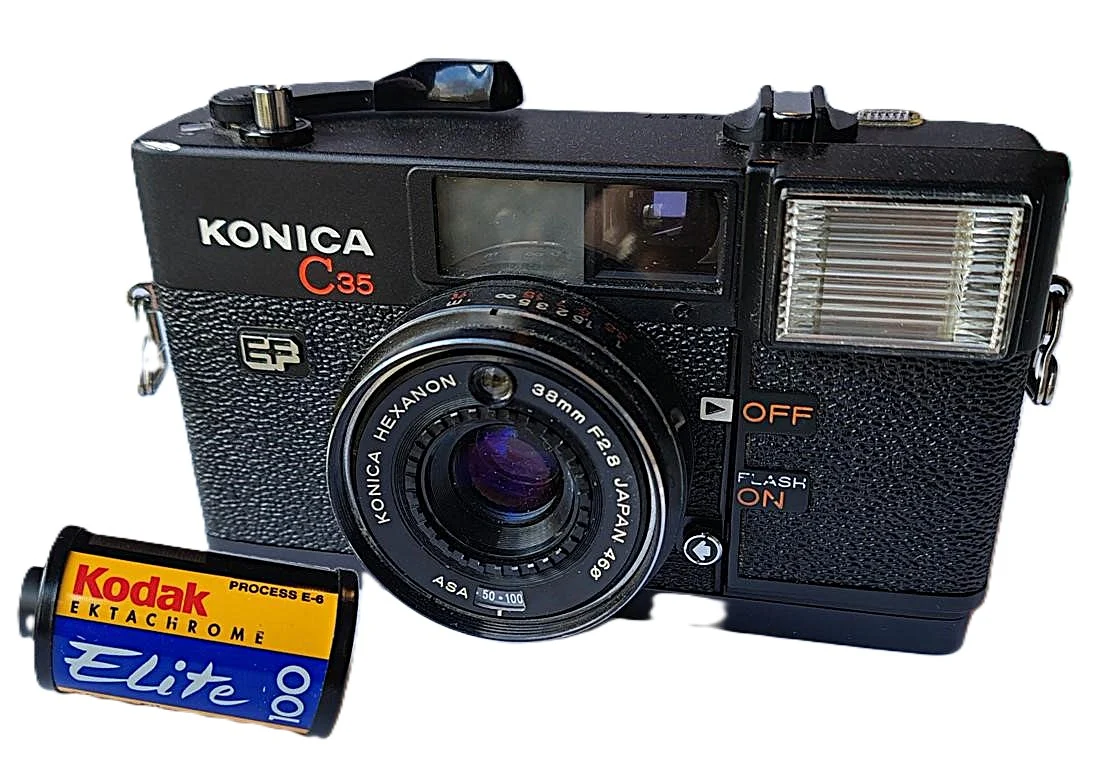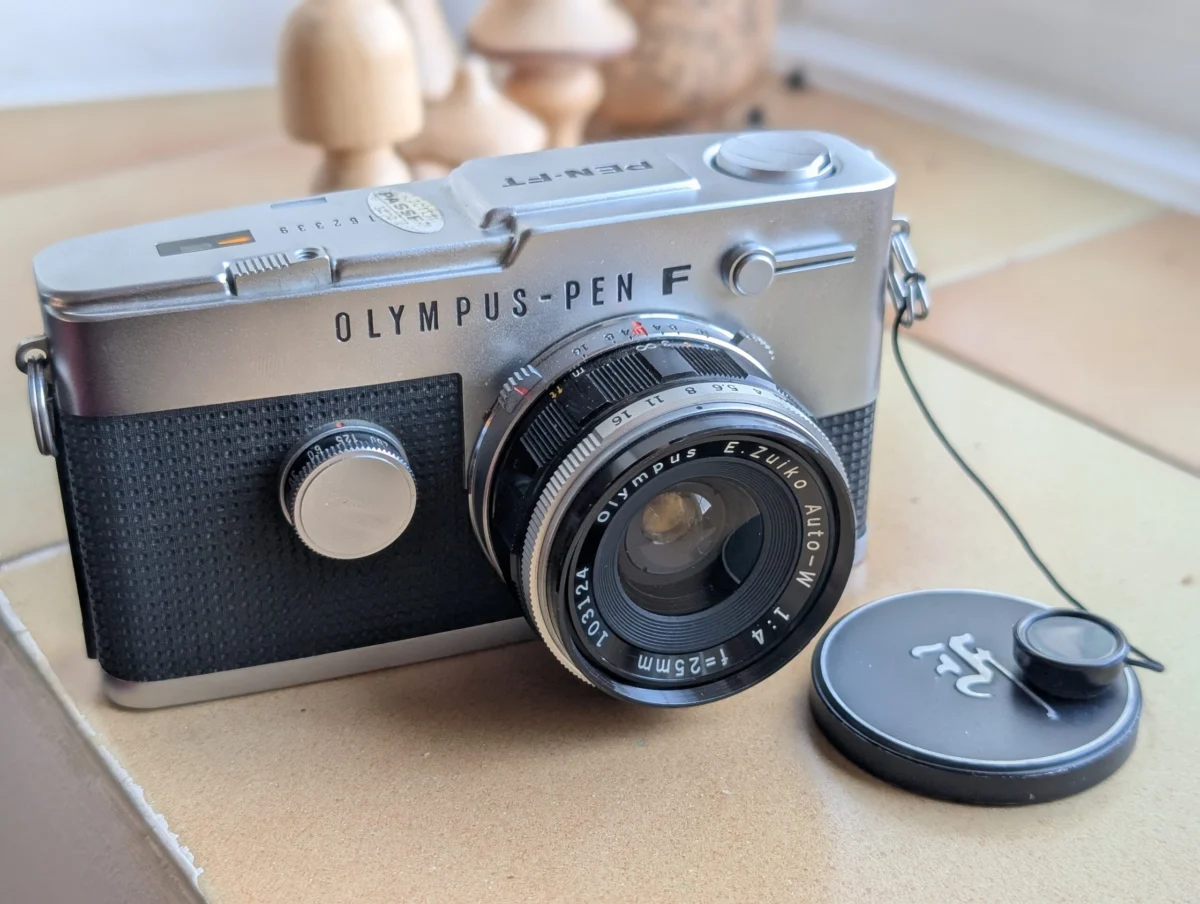
The global resurgence of analog photography has brought renewed attention to specialized formats that were once considered niche, most notably the half-frame 35mm system. Originally popularized in the 1960s as a means to make photography more accessible and economical, the half-frame format—which captures two 17x24mm images on a single 24x36mm frame of standard film—is experiencing a significant revival. This trend is driven largely by the escalating costs of silver halide film and a growing appreciation for the unique aesthetic and mechanical ingenuity of vintage sub-miniature and half-frame hardware. Central to this movement is the Olympus Pen F series, a system widely regarded by horologists and photographers alike as a pinnacle of 20th-century optical engineering.
The Engineering Marvel of the Olympus Pen F System
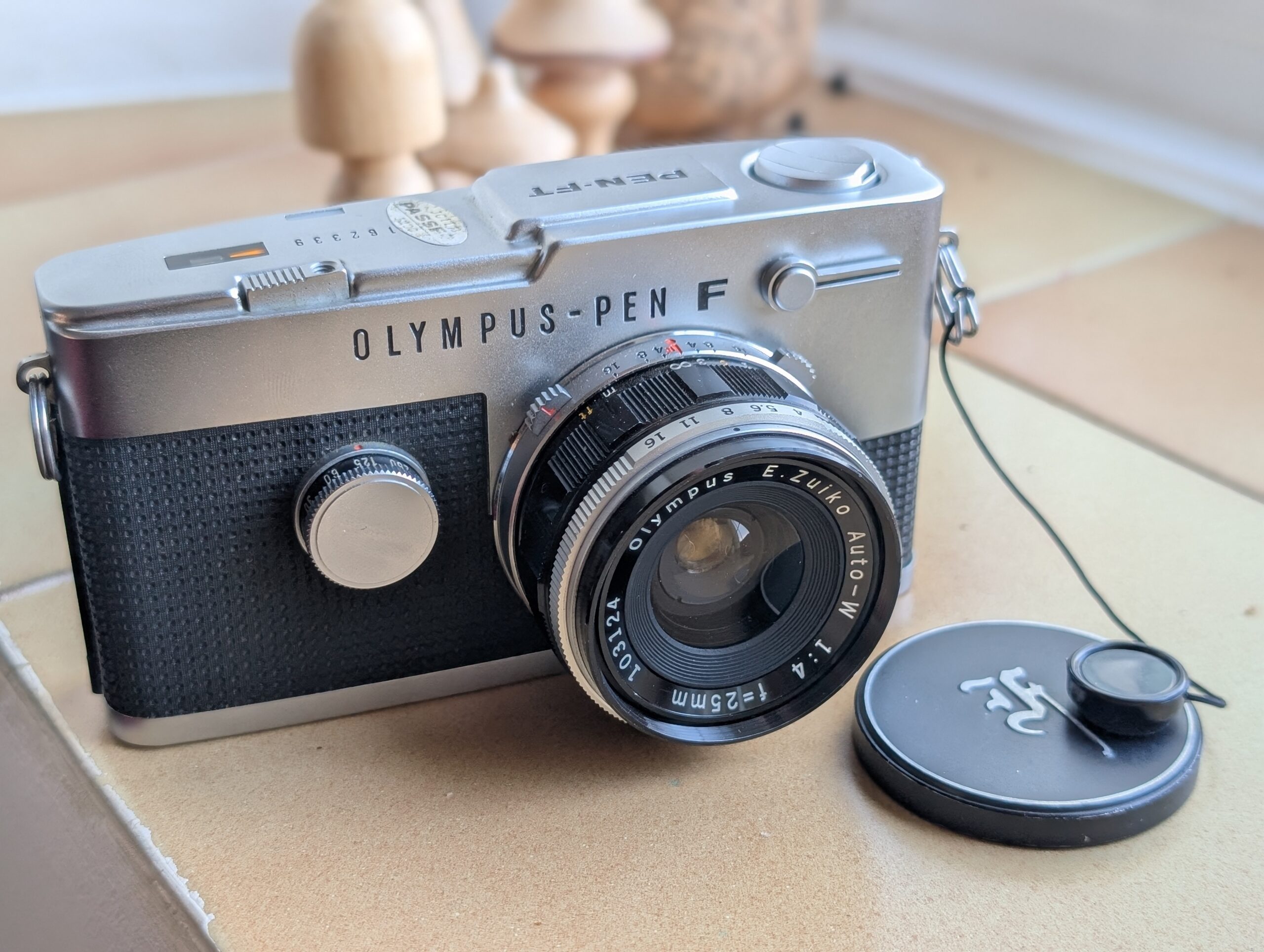
Designed by the legendary Yoshihisa Maitani and introduced in 1963, the Olympus Pen F remains the world’s only half-frame single-lens reflex (SLR) system with interchangeable lenses. Maitani’s design philosophy was centered on compactness without compromising professional-grade quality. To achieve the camera’s sleek, "hump-less" profile, Olympus engineers discarded the traditional pentaprism found in standard SLRs in favor of a porro-prism finder. This allowed the camera to maintain a flat top-plate, contributing to its iconic aesthetic.
The mechanical heart of the Pen F is equally unorthodox. Unlike the horizontal or vertical focal-plane shutters found in most SLRs, the Pen F utilizes a rotary titanium disk shutter. This design allows for flash synchronization at all shutter speeds up to 1/500th of a second—a feat rarely matched by contemporary full-frame focal-plane shutters. The mirror mechanism is also unique, flipping sideways rather than upward, which accommodated the vertical orientation of the half-frame format while the camera is held in a standard horizontal position.
The series evolved through three primary iterations: the original "Gothic" Pen F (distinguished by the ornate "F" engraved on the front), the Pen FT (which introduced an integrated through-the-lens (TTL) light meter and a single-stroke film advance), and the Pen FV (a later version of the FT that omitted the light meter in favor of a brighter viewfinder).
Market Volatility and the Challenges of Vintage Acquisition
As demand for these mechanical marvels increases, the secondary market has become increasingly volatile. For contemporary photographers, acquiring a functional Olympus Pen F is often a multi-stage process fraught with technical disappointments. Data from vintage camera retailers suggests that nearly 40% of unserviced Pen F units currently on the market suffer from mechanical degradation, primarily related to the complex shutter assembly and the aging adhesives in the prism.
A recent case study in the acquisition of a Pen F highlights these systemic issues. An initial purchase of a "fully functional" Gothic Pen F from a high-rated international seller resulted in mechanical failure after fewer than 100 dry-fire cycles. The failure manifested in a sticking wind-on lever and mirror hang-ups, indicating a breakdown of internal lubricants—a common "old stock" ailment known as "dried grease syndrome."
A subsequent attempt to source a unit from a domestic specialist shop met with a different catastrophic failure: the titanium shutter curtain jammed 50% closed. This specific malfunction is often deemed terminal by general repairers due to a lack of proprietary spare parts, as the Pen F series has been out of production for over five decades. These incidents underscore the necessity of purchasing from specialists who offer warranties, as the complexity of the Pen F’s internal clockwork makes it difficult for non-specialist technicians to service.
Technical Specifications and Optical Performance
The Pen F system boasts a comprehensive suite of Zuiko lenses, ranging from 20mm wide-angles to 800mm telephotos. Because the half-frame format has a crop factor of approximately 1.44x compared to full-frame 35mm, lens selection requires careful calculation. For instance, the 25mm Zuiko lens functions as a 38mm equivalent, providing a versatile "wide-normal" field of view that is favored for street and documentary photography.
In a recent field test of a warranted Olympus Pen FT, the camera was paired with Ilford Delta 100, a modern black-and-white film known for its "Core-Shell" synthetic crystal technology. This combination is particularly effective for half-frame photography, as the fine grain of Delta 100 mitigates the resolution loss inherent in enlarging a smaller negative. The test yielded 147 exposures from two rolls of film, demonstrating the economic efficiency of the format.
The development process utilized Pyro 510, a modern staining developer. Pyro developers are prized in the analog community for their ability to produce a proportional stain on the negative, which fills in the gaps between silver grains, resulting in remarkably smooth tonal transitions and high acutance. This chemical choice is crucial for half-frame shooters who intend to produce large prints or high-resolution digital scans.
Field Observations and Digital Integration
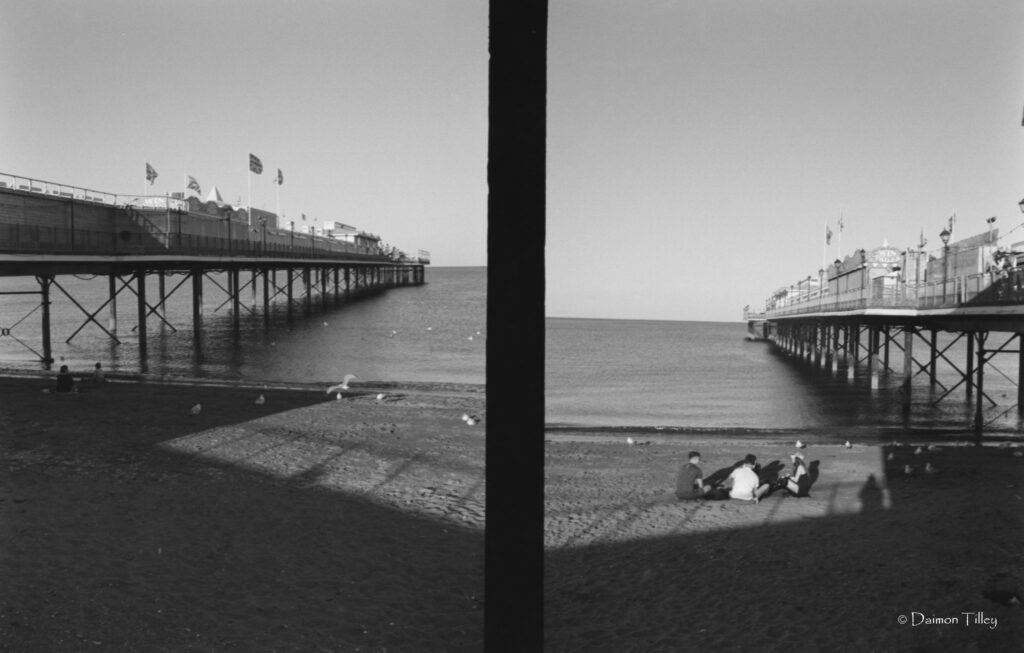
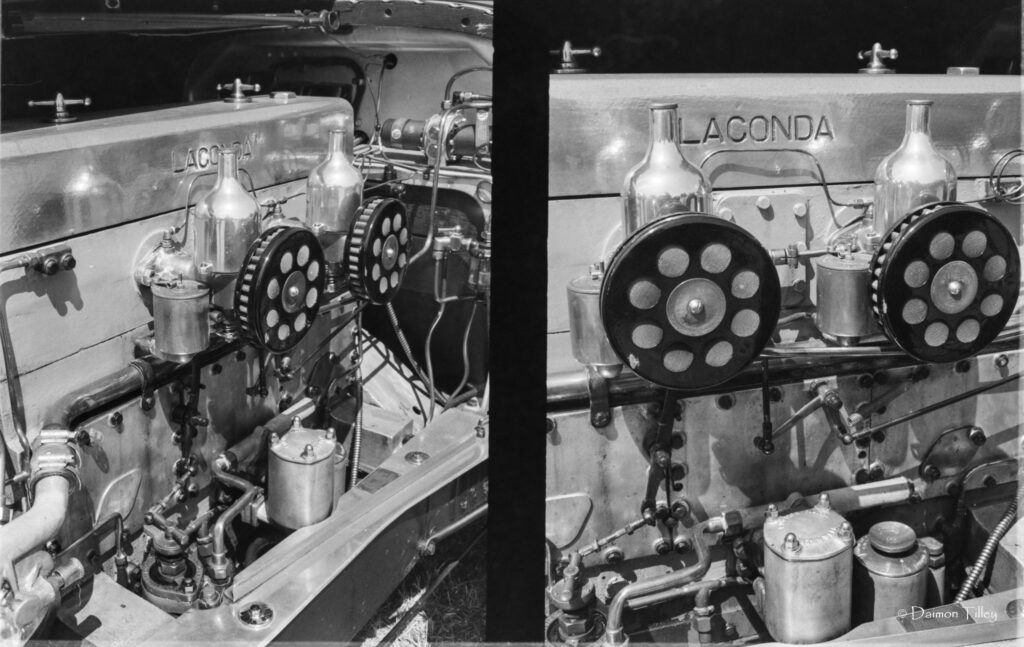
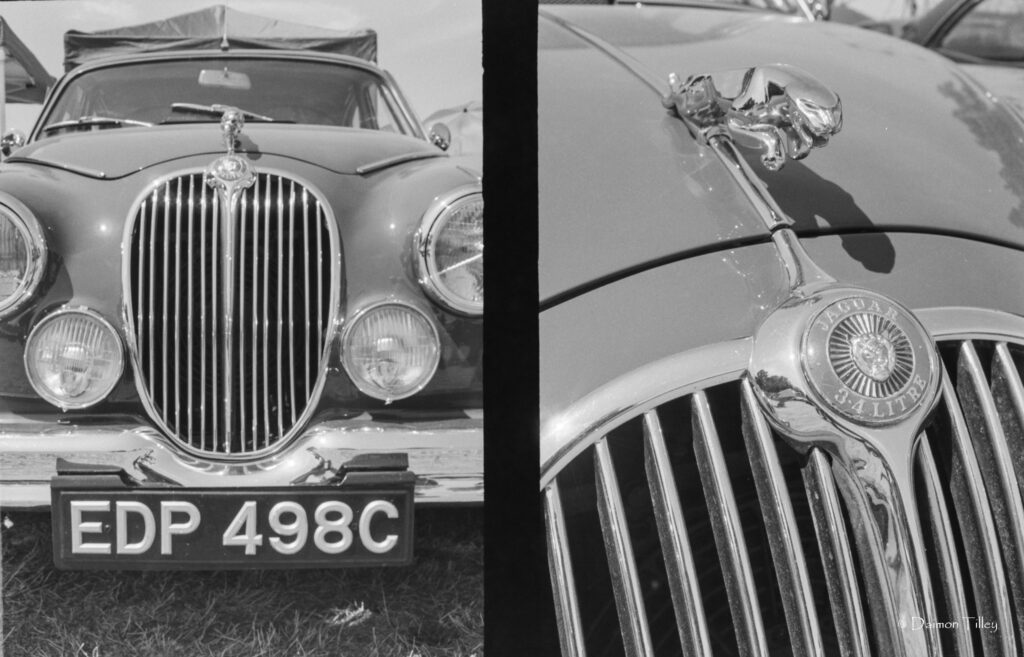
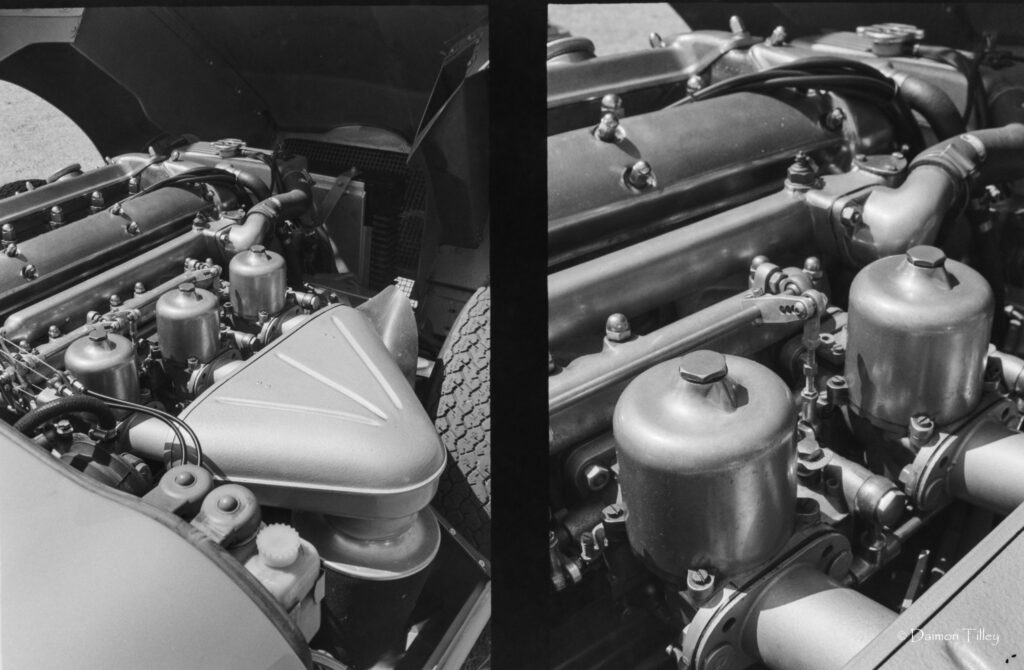
The performance of the Olympus Pen FT was evaluated across several diverse environments in Devon, United Kingdom, including the coastal town of Paignton, a classic car exhibition at Powderham Castle, and the urban center of Exeter.
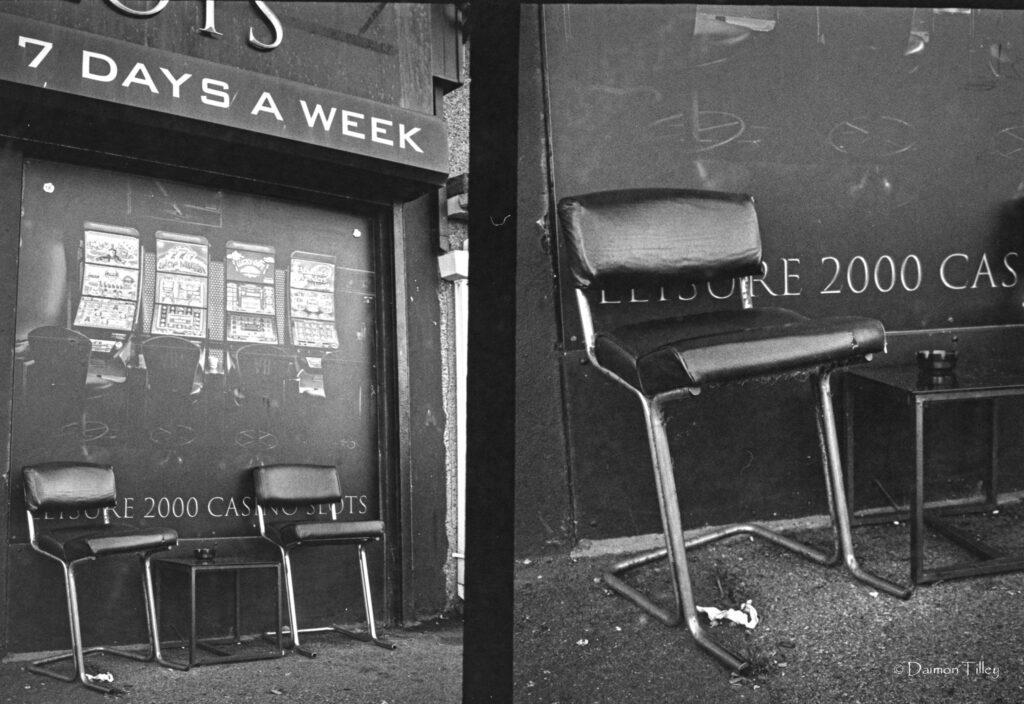
- Paignton (Seaside Documentary): The camera’s compact form factor allowed for discreet shooting in public spaces. The porro-prism viewfinder, while dimmer than modern SLRs, proved adequate for framing diptychs—a popular technique in half-frame photography where two related images are scanned together to tell a narrative.
- Powderham Castle (Mechanical Detail): Capturing the intricate engines of vintage Lagondas and Jaguars, the 25mm lens demonstrated exceptional sharpness. The TTL meter of the FT version provided accurate exposures in bright daylight, though performance was noted to degrade in low-light, high-contrast environments—a known limitation of the 1960s-era CdS (Cadmium Sulfide) cells.
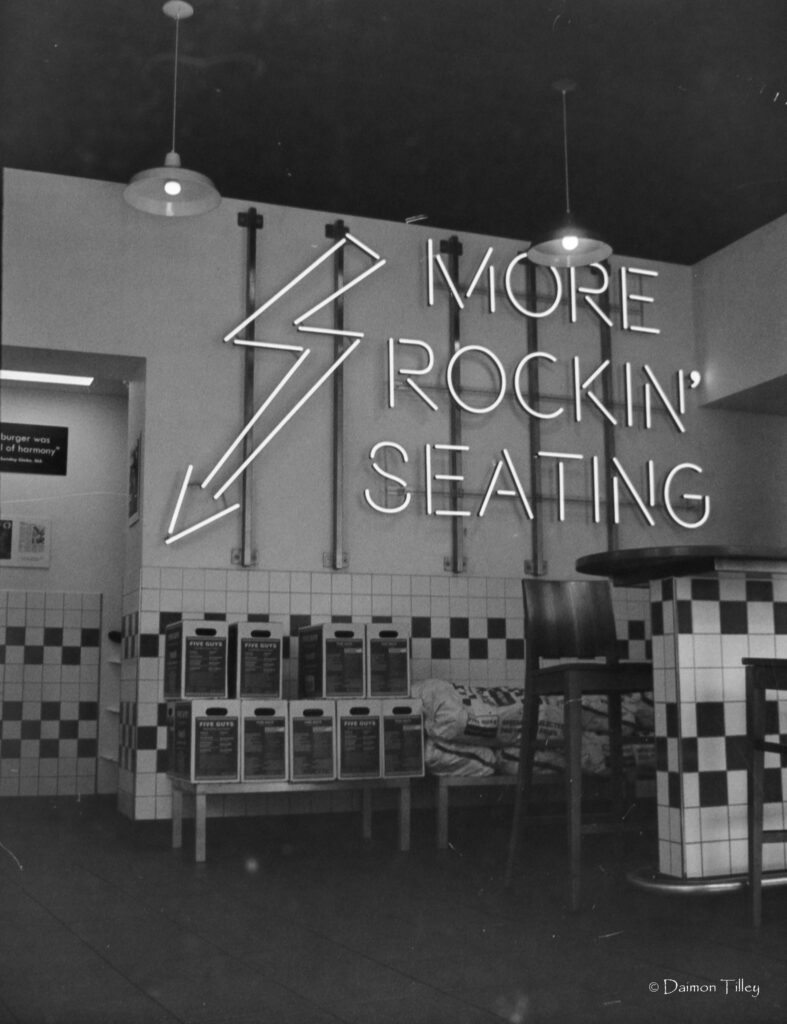
- Exeter (Urban Architecture): The fine-grain characteristics of the Delta 100 and Pyro 510 combination allowed for significant detail retention in architectural textures and interior restaurant scenes.
The workflow concluded with digital "scanning" using a modern Olympus OM-5 mirrorless camera equipped with a 60mm macro lens. This hybrid workflow represents the contemporary standard for analog enthusiasts, allowing for the archival quality of film to be integrated into high-resolution digital environments.
Economic and Cultural Impact of the Half-Frame Revival
The resurgence of the half-frame format is not merely a nostalgic trend but a response to the shifting economics of the photography industry. Between 2019 and 2024, the average price of a roll of premium 35mm film increased by over 60%. By doubling the number of exposures per roll, the Olympus Pen F system effectively halves the cost per frame, making it a sustainable choice for hobbyists and professionals who prefer the tactile process of film.
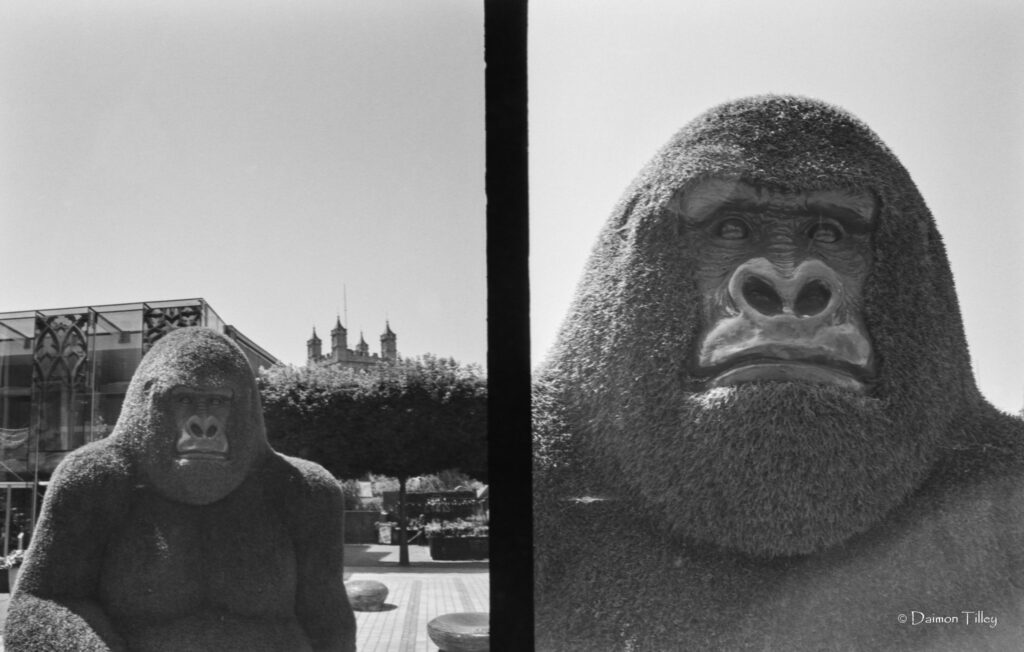
Furthermore, the Pen F has achieved the status of a "design icon." Its influence is visible in modern digital cameras, such as the digital Olympus PEN-F released in 2016, which mirrored the aesthetic of its predecessor. However, for purists, the mechanical feedback of the original titanium shutter and the manual winding process provide a sensory experience that digital equivalents cannot replicate.
Conclusion: The Longevity of Precision Mechanics
The journey to secure a working Olympus Pen F serves as a cautionary tale regarding the preservation of 20th-century technology. While the market is saturated with "vintage" equipment, the number of units in true "operating condition" is dwindling. The survival of this format depends heavily on a small global network of specialized technicians who possess the tools and knowledge to maintain Maitani’s complex designs.
Ultimately, the Olympus Pen F series stands as a testament to a period when camera manufacturers prioritized mechanical innovation and compact utility. For the modern photographer, it offers a unique bridge between the past and present, providing a high-quality, economical, and deeply engaging alternative to both full-frame analog and modern digital systems. As long as film remains in production, the "third time lucky" success of dedicated enthusiasts will continue to keep the legacy of half-frame photography alive.