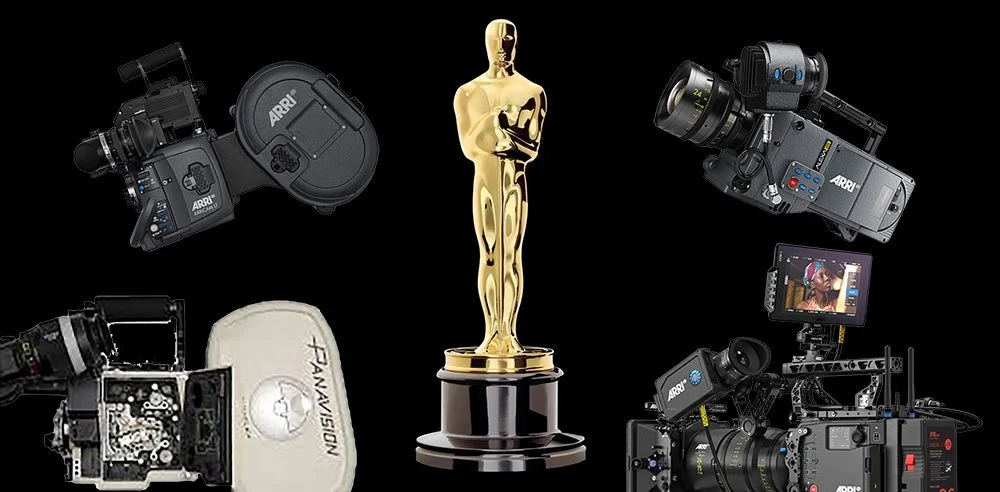
The 98th annual Academy Awards recently concluded, honoring the finest cinematic achievements of the past year. This season showcased an exceptional array of films, many distinguished by groundbreaking cinematography that pushed the boundaries of visual storytelling. As the curtain falls on another awards cycle, this analysis delves into the technical artistry and visionary approaches employed by the cinematographers behind this year’s most lauded films, examining the specialized gear and creative decisions that forged these memorable moments. The Academy Awards for Best Cinematography, established in 1929, celebrates the artistic and technical merit of a film’s visual recording. It is a testament to the fact that while a director shapes the narrative, it is often the cinematographer, or Director of Photography (DP), who translates that vision into a tangible, emotional experience through light, shadow, composition, and movement. This year’s nominees represent a fascinating cross-section of techniques, from the resurgence of classic film formats to the deployment of cutting-edge bespoke camera systems, each choice meticulously made to serve the narrative and elevate the audience’s immersive experience.
Historical Context: The Evolving Canvas of Cinematography
The journey of cinematography, from the silent era’s black and white simplicity to today’s high-resolution digital and large-format film productions, is one of continuous innovation. Early pioneers like Billy Bitzer and James Wong Howe laid the groundwork for visual language, experimenting with lighting, depth of field, and camera movement. The mid-20th century saw the rise of Technicolor and wide-screen formats like CinemaScope, dramatically expanding the cinematic canvas. In recent decades, the digital revolution, spearheaded by cameras from ARRI, Sony, and RED, has offered unprecedented flexibility and post-production control, while simultaneously sparking a renewed appreciation for the tactile qualities of traditional film. The 98th Academy Awards spotlighted this dynamic interplay, with DPs strategically choosing between the organic grain of film and the pristine clarity of digital, often blending both to achieve distinct aesthetic goals. The decision to shoot on film versus digital, or to employ specific lenses and lighting techniques, is never arbitrary; it is a conscious artistic statement, deeply intertwined with the film’s thematic core and desired emotional impact.
Technical Excellence and Artistic Vision: A Deep Dive into the Nominees’ Craft
This year’s nominated films for Best Cinematography provided a masterclass in visual storytelling, each demonstrating a unique approach to capturing the essence of their narratives.
Bugonia: Distorted Realities and Psychological Landscapes
Yorgos Lanthimos’s Bugonia, a continuation of his distinctive cinematic voice, saw cinematographer Robbie Ryan once again collaborating with the director, following their acclaimed work on Poor Things and The Favourite. Their visual language for Bugonia was meticulously crafted to mirror the film’s pervasive themes of obsession and paranoia. Ryan utilized a specific arsenal of cameras, including the rare VistaVision Wilcam W-11 and the versatile ARRIFLEX 435 & 435 HS, to achieve a unique aesthetic. What truly set Bugonia apart was its audacious use of extreme wide-angle and fisheye lenses. These optical choices weren’t mere stylistic flourishes; they served a profound narrative purpose, creating a distorted, often claustrophobic sense of reality that pulled audiences into the characters’ fractured psychological states. The inherent curvature and exaggerated perspective of these lenses visually manifested the characters’ unsettling perceptions, making viewers question their own understanding of the on-screen world. This expert level of filmmaking, blending technical precision with thematic resonance, transformed the visual distortions into a fun, quirky, yet deeply unsettling exploration of the human psyche. The choice of VistaVision, a high-resolution format known for its large negative area, allowed for immense detail even within these distorted wide shots, ensuring that every unsettling nuance was captured with clarity.
F1: Pushing the Boundaries of High-Speed Action Cinematography
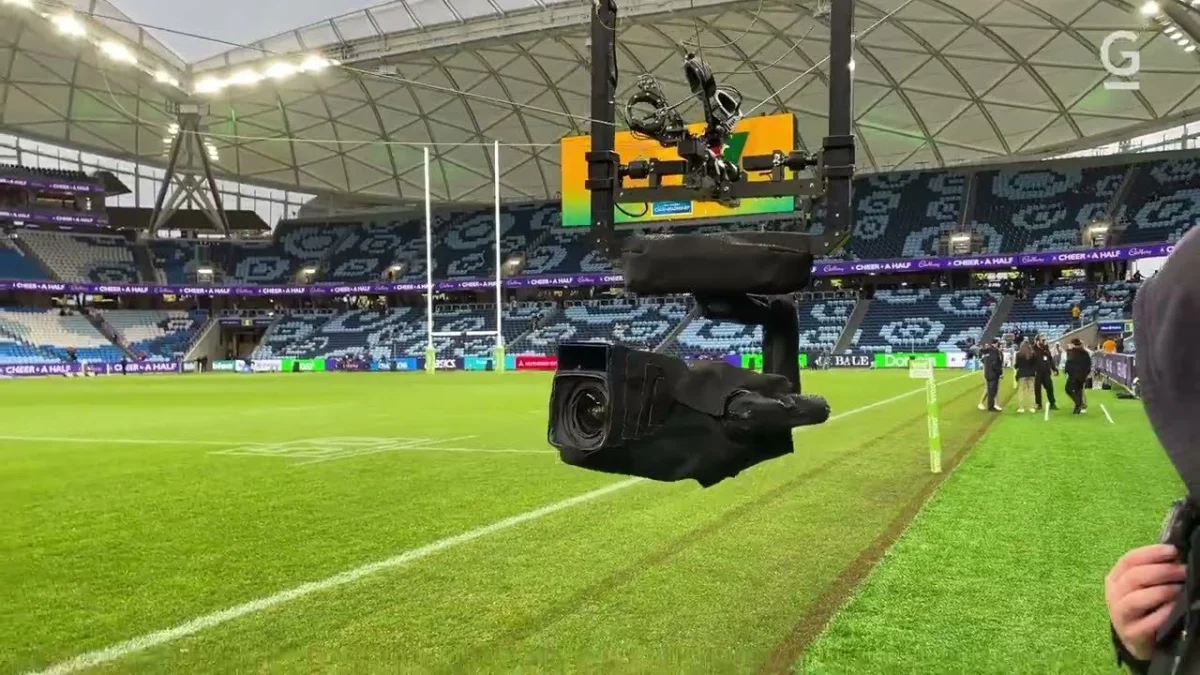
F1 represented a monumental leap in practical action filmmaking, spearheaded by the Oscar-winning cinematographer Claudio Miranda, renowned for his work on Top Gun: Maverick. The production’s ambition was unprecedented: to mount real cameras onto custom-modified Formula 2 cars, driven at speeds exceeding 150 mph by actors Brad Pitt and Damson Idris. This undertaking presented immense technical challenges, primarily the need to capture dynamic, high-fidelity footage without compromising the cars’ aerodynamics or the drivers’ visibility. Miranda’s solution was a testament to collaborative innovation. He partnered with Sony to develop "Carmen," a bespoke, miniaturized 6K sensor-on-a-stick prototype. Approximately a quarter of the size of a standard cinema camera, Carmen was designed for extreme resilience and minimal footprint. These high-tech rigs were strategically distributed across the cars’ "halo" safety devices and chassis, providing up to seven simultaneous camera angles. Crucially, they offered full remote-controlled pan and tilt capabilities, allowing for precise adjustments in real-time as the vehicles hurtled around the track. The primary camera system for more conventional shots was the Sony Venice 2, known for its exceptional low-light capabilities and cinematic image quality, complemented by the DJI Ronin 4D for stabilized, dynamic shots. The result was not just spectacular cinematography but a genuinely immersive and visceral experience that redefined what was possible in practical action sequences, placing the audience directly into the heart of high-stakes motorsport.
Hamnet: Intimacy, Observation, and the Ghost Camera
Chloé Zhao’s Hamnet featured a strikingly intimate visual language crafted by cinematographer Lukasz Zal, celebrated for his Academy Award-nominated work on Ida and Cold War. Zal’s approach to Hamnet embraced what he described as a "ghost camera" perspective—an observational, drifting lens that often felt like "death’s point of view." This technique involved a quiet, non-judgmental weight to the camera’s movement, allowing scenes to unfold with a contemplative stillness that underscored the film’s themes of grief, memory, and the passage of time. The primary camera used was the ARRI Alexa 35, known for its exceptional dynamic range, natural color rendition, and ability to capture subtle nuances in light and shadow. Zal’s choice of the Alexa 35 facilitated a visual softness and organic texture, despite being a digital camera, aligning with the film’s period setting and emotional depth. The "ghost camera" perspective fostered a sense of voyeurism, drawing the audience into the deeply personal struggles of the characters while maintaining a respectful distance, amplifying the emotional resonance of the narrative without overt manipulation.
Frankenstein: Modern Gothic Through Large Format
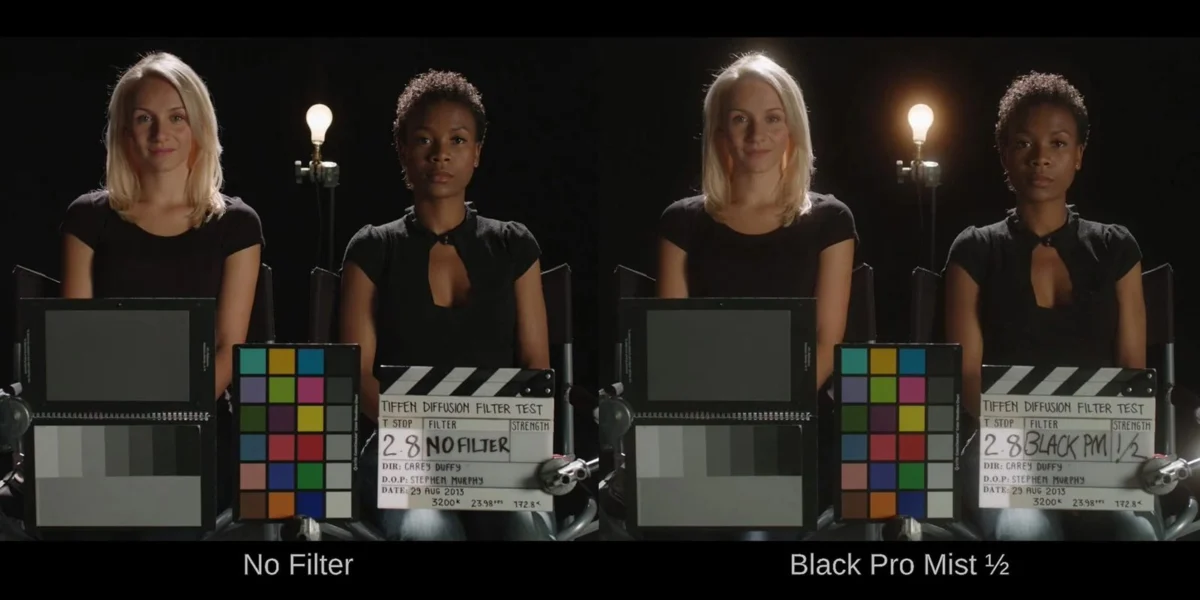
Guillermo del Toro’s Frankenstein saw cinematographer Dan Laustsen employ a sweeping, large-format visual style to modernize the classic gothic horror aesthetic. The film was shot entirely on the ARRI ALEXA 65, a camera celebrated for its expansive 65mm sensor that delivers unparalleled resolution and a unique, immersive depth of field. Paired with Leitz THALIA 65 lenses, the ALEXA 65 allowed Laustsen to create a truly grand and operatic visual landscape. A notable aspect of Laustsen’s strategy was the heavy reliance on a 24mm wide-angle lens for nearly 90% of the shots. This choice allowed for vast, detailed compositions that simultaneously showcased the intricate production design and enveloped characters within their imposing environments. To counteract the inherent digital sharpness of the ALEXA 65 and achieve a classic, atmospheric feel, Laustsen innovatively utilized custom Black Pro-Mist diffusion filters. These were placed behind the lens, a less common but effective technique that softened highlights and "burned out" brighter areas, while crucially preserving the deep, rich blacks essential to the film’s moody, gothic atmosphere. This technical mastery ensured that Frankenstein felt both visually contemporary and deeply rooted in its classic horror lineage, enhancing the sense of dread and beauty.
Marty Supreme: The Tactile Grain of Urban Isolation
Josh Safdie’s Marty Supreme presented a deliberate departure from modern digital aesthetics, with cinematographer Darius Khondji crafting a richly textured, "painterly" 35mm look. Shot primarily on Arricam LT and ST cameras using Kodak Vision3 500T film stock, the production embraced the organic grain and unique color rendition that film provides. Khondji further enhanced this vintage feel by utilizing vintage Panavision B and C Series anamorphic lenses, known for their distinctive oval bokeh and wide, cinematic aspect ratio. Khondji’s visual strategy centered on tight telephoto shots, deploying exceptionally long lenses (up to 360mm) to capture suffocating, expressive close-ups of Timothée Chalamet’s character. This telephoto approach created an extremely shallow depth of field, effectively isolating Marty from his environment. This isolation was not merely visual; it served a thematic purpose, making the character appear "larger than life" yet simultaneously trapped within his own challenges in the competitive table tennis world. The long lenses also simulated an observational, almost voyeuristic feel, drawing the audience intimately close to Marty’s internal struggles while maintaining a subtle distance, reinforcing his singular journey.
One Battle After Another: Vintage Aesthetics and Political Resonance
My personal favorite on this list, One Battle After Another, resurrected the venerable VistaVision format to capture a gritty, 1970s-inspired political thriller. The film consciously evoked the visual spirit of classics like The French Connection, utilizing a 1.50:1 aspect ratio and large negative spacing throughout, which provided an expansive yet tightly controlled frame. To achieve a specific texture reminiscent of that era, Panavision’s Dan Sasaki developed a custom set of prototype spherical lenses, affectionately dubbed "GWs." These lenses were meticulously designed to emulate the optical characteristics of the glass used by legendary cinematographer Gordon Willis, famed for his work on The Godfather Part II and All the President’s Men. This choice was not just an homage; it was a strategic decision to imbue the film with a period-authentic visual signature, characterized by nuanced fall-off and subtle aberrations. The Beaumont VistaVision camera, alongside the Panavision Millennium XL2, provided the robust platform for this ambitious undertaking. Highlighting detailed California landscapes with suffocating, long-lens close-ups, One Battle After Another successfully bridged the gap between a modern masterpiece and a cherished classic from the 1970s or 80s, proving the enduring power of classic formats when paired with contemporary storytelling.
Train Dreams: Evoking Memory with Natural Light
In Train Dreams, cinematographer Adolpho Veloso crafted a visual language deeply rooted in "photographic memory." The film utilized a rare 3:2 aspect ratio, a deliberate choice to evoke the feel of vintage still portraits from the early 20th century, lending the narrative an almost archival quality. Despite its antique aesthetic, the film was shot digitally on the ARRI Alexa 35, showcasing the camera’s ability to render images with an organic, film-like quality. Veloso’s lighting philosophy was particularly noteworthy: he relied almost exclusively on natural light, supplemented only by real campfires and candles as practical sources. This commitment to authentic, organic illumination gave the film a deeply textured and raw feel, enhancing its historical setting and the ruggedness of its characters. The scarcity of artificial light emphasized shadows and highlights in a way that felt truly evocative of early photography, blurring the lines between digital capture and historical artifact, and making the film feel like a rediscovered relic.
Sentimental Value: Dual Formats and Layers of Memory
Joachim Trier’s Sentimental Value (2025), with cinematographer Kasper Tuxen, employed a sophisticated dual-format visual strategy to navigate the film’s complex themes of memory, family, and reconciliation. The primary narrative was captured on 35mm Kodak film using the Arricam LT and Cooke 5/i lenses. This choice provided a rich, naturalistic texture and depth, grounding the contemporary story in a timeless, cinematic quality. To visually distinguish the film-within-a-film sequences and historical flashbacks, the production ingeniously shifted to 16mm film and applied a bleach bypass process during development. This technique, which retains silver in the emulsion alongside the color dyes, resulted in a desaturated, high-contrast, and "crustier," older look. This stark visual contrast effectively signaled shifts in time and narrative perspective, immersing the audience in the characters’ layered memories and allowing the cinematography itself to become a key narrative device, reflecting the fractured nature of memory and perception.
Secret Agent: Vibrant Palettes and Historical Immersion
In The Secret Agent, cinematographer Evgenia Alexandrova utilized a vibrant, almost oppressive palette to render the humid, politically charged atmosphere of 1970s Brazil. Shot primarily on the ARRI Alexa 35 and paired with vintage Panavision B Series anamorphic lenses, the cinematography leaned into a "360-degree" philosophy. This meant employing wide shots that meticulously captured the historical textures and sprawling urban landscapes of Recife and São Paulo, immersing the audience in the period and place. Alexandrova’s use of color was highly deliberate: saturated primary colors, combined with a distinctive reddish undertone in the shadows, created a "woozy," nostalgic heat that palpable throughout the film. This visual strategy was not just aesthetic; it served to heighten the sense of unease and tension inherent in the narrative, reflecting the political climate of the era. The anamorphic lenses further enhanced the cinematic scope, making the bustling streets and intimate encounters feel expansive yet deeply personal, trapping the characters within a vivid, yet claustrophobic, historical canvas.
Sinners: IMAX Grandeur and Gothic Dread
Ryan Coogler’s Sinners, with cinematographer Autumn Durald Arkapaw, crafted a gothic aesthetic that anchored supernatural horror in a tangible, historical reality. The film was shot entirely on IMAX-certified digital cameras, specifically the IMAX MSM 9802 and MKIV, along with the Panavision System 65. These large-format cameras, coupled with custom-tuned Panavision Specho spherical lenses, delivered an image of immense detail and clarity. A defining characteristic of Sinners was its use of an ultra-wide 1.43:1 aspect ratio for its most sequence-heavy moments. This expansive frame, when projected in true IMAX theaters, created a sense of "towering dread," perfectly suiting the early 1900s South setting and its inherent historical weight. Durald Arkapaw’s lighting strategy was revolutionary for the horror genre: it consciously avoided the "Hollywood blue" of typical night scenes, opting instead for a "true black" philosophy. In this approach, characters were often silhouetted against firelight or the harsh, singular glare of period-accurate lanterns. This high-contrast method visually separated the twin protagonists from the oppressive shadows that seemingly housed the film’s monstrous threats. The stark contrast between the subjects and their environments created an pervasive uneasiness, making the shadows themselves feel like an active, terrifying presence throughout the entire film.
The Broader Canvas: Trends and Innovations in Contemporary Cinematography
The cinematography showcased at the 98th Academy Awards highlights several key trends shaping the industry. The clear resurgence of film, particularly 35mm and even the larger VistaVision, indicates a desire for tactile texture and organic color rendition that digital, despite its advancements, still struggles to replicate entirely. Simultaneously, digital cinema cameras like the ARRI Alexa 35 and Alexa 65 continue to evolve, offering unparalleled resolution, dynamic range, and flexibility, often being paired with vintage or custom lenses to achieve specific, non-clinical looks.
Another significant trend is the increasing collaboration between cinematographers and manufacturers to create bespoke camera systems and lenses, as seen with Sony’s "Carmen" prototype for F1 and Panavision’s "GWs" for One Battle After Another. This bespoke approach allows DPs to realize highly specific artistic visions, pushing the boundaries of what off-the-shelf equipment can achieve. Large-format cinematography, whether digital 65mm or IMAX, is also gaining traction, offering an immersive visual experience that leverages the expansive scale of modern cinema screens. The deliberate manipulation of aspect ratios, from the classic 3:2 of Train Dreams to the ultra-wide 1.43:1 of Sinners, demonstrates how frame choices are integral to thematic expression, not just technical specification. Finally, the sophisticated use of lighting, from the naturalistic approach in Train Dreams to the "true black" philosophy in Sinners, underscores that effective cinematography is as much about what is revealed as what is concealed.
Conclusion: A Visionary Year for the Moving Image
The 98th Academy Awards celebrated a year of extraordinary cinematographic achievement, where each nominated film demonstrated a profound understanding of how visual aesthetics can deepen narrative impact. From the psychological distortions of Bugonia to the adrenaline-fueled realism of F1, and the gothic grandeur of Sinners, cinematographers employed a diverse array of tools and techniques to transport audiences. These films serve as a powerful reminder that cinematography is not merely about recording images; it is about crafting a visual language that speaks volumes, evoking emotion, establishing mood, and ultimately, enriching the art of storytelling. The technical innovations and artistic daring showcased by this year’s nominees reaffirm the enduring power of the moving image and the invaluable contribution of those who master its visual alchemy.
Sources – American Cinematographer, Letiz-Cine, MotionPictures.org, Kodak