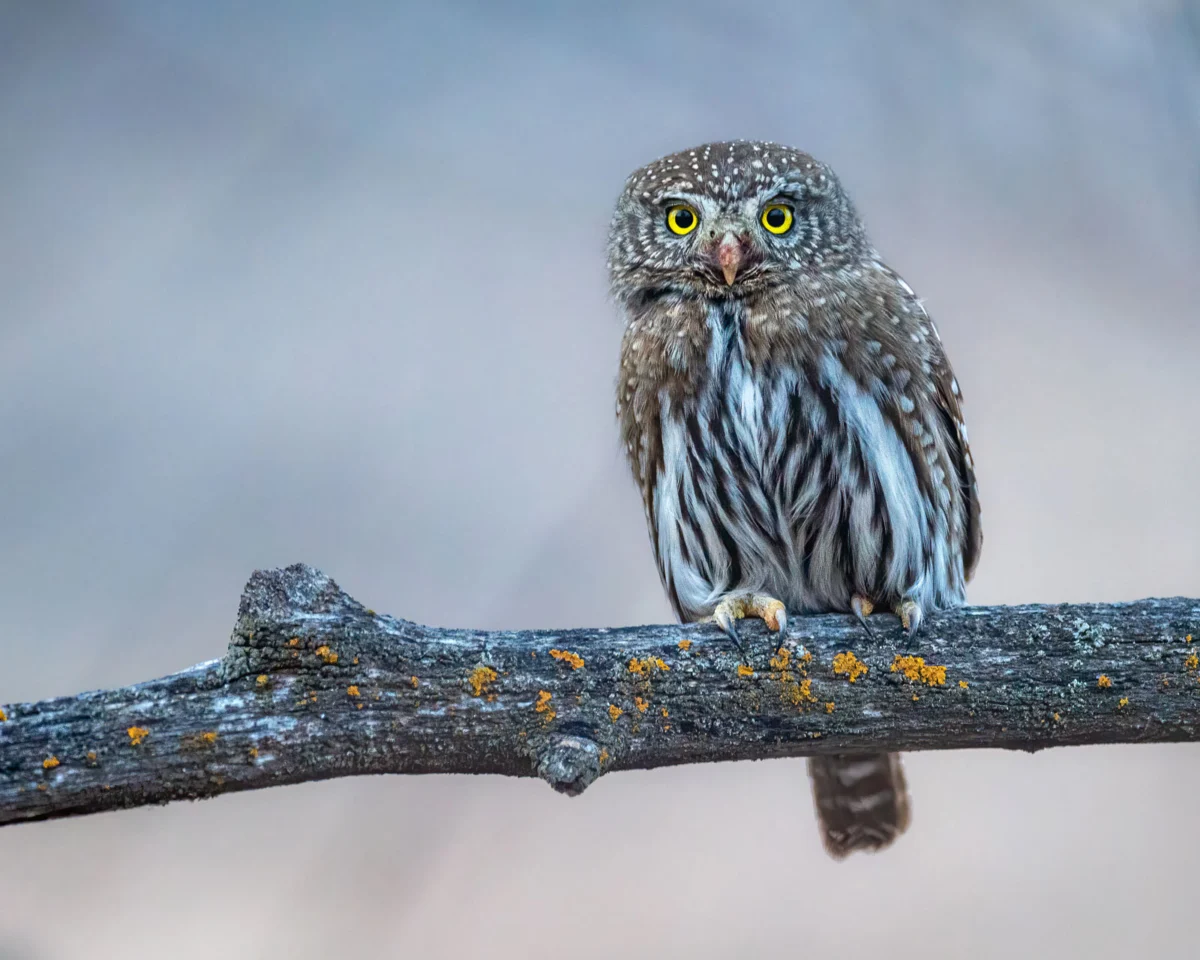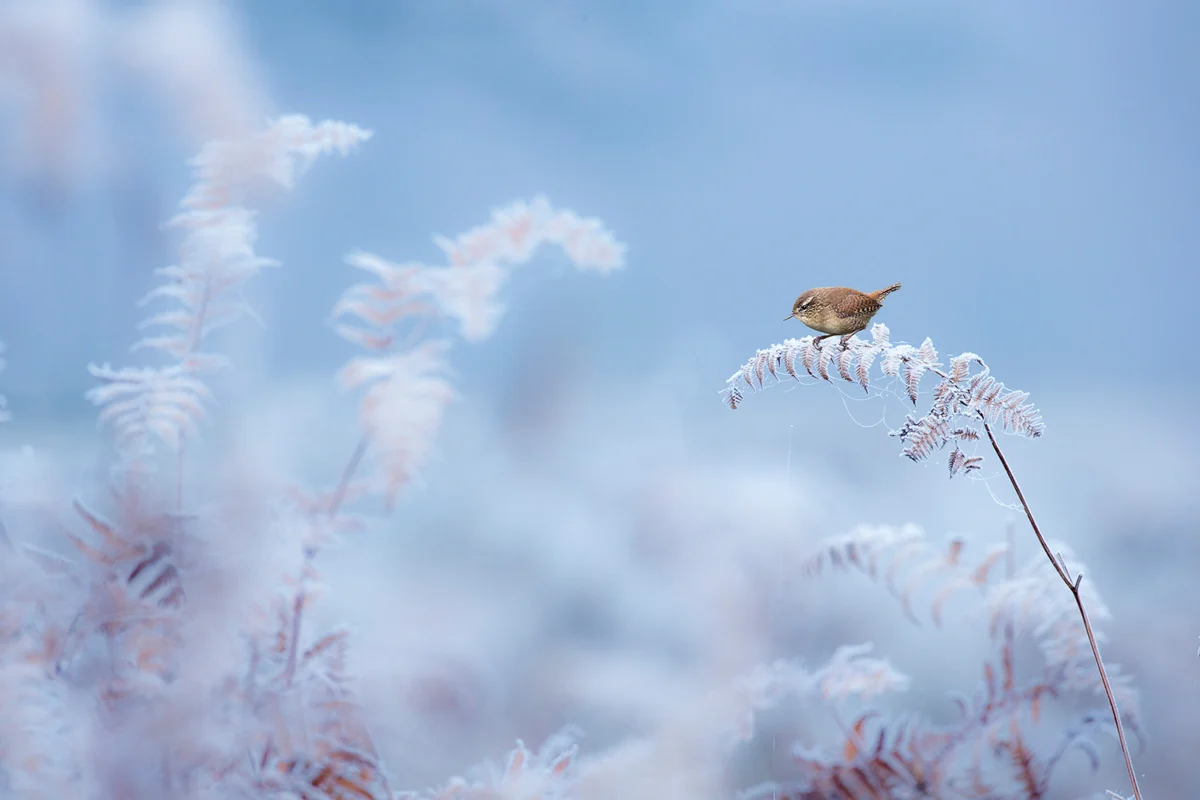
Passerine birds, often recognized as perching birds, represent the largest and most diverse order of avian life, Passeriformes, encompassing over half of all known bird species. With approximately 6,500 species distributed across every continent except Antarctica, their remarkable adaptability and prevalence make them a ubiquitous, yet often challenging, subject for wildlife photographers worldwide. These agile creatures are distinguished by their unique anisodactyl toe arrangement – three toes pointing forward and one facing backward – a specialized adaptation that grants them exceptional grip and stability on branches, reeds, and various other perches, enabling their dominance in diverse habitats ranging from dense forests and expansive open fields to bustling urban gardens.
The World of Passeriformes: Diversity and Ecological Significance
The evolutionary success of the Passeriformes order is a testament to their adaptability. From the minute Goldcrest to the melodious Nightingale, passerines exhibit an astonishing array of sizes, plumages, vocalizations, and behaviors. Their ecological roles are equally diverse and crucial, acting as vital components of ecosystems globally. Many species are crucial seed dispersers, aiding in plant reproduction and forest regeneration. Others are voracious insectivores, providing natural pest control in agricultural and natural landscapes. Their complex songs, often intricate and species-specific, play a critical role in territorial defense and mate attraction, offering both acoustic beauty and valuable identification clues for ornithologists and birdwatchers alike. The sheer accessibility of these birds, frequently found in human-modified environments, positions them as an ideal entry point for aspiring wildlife photographers, offering a readily available, yet technically demanding, subject.

The Art and Science of Passerine Photography: Challenges and Rewards
Photographing passerine birds presents a unique set of challenges. Their typically small size, combined with rapid, often erratic movements, demands precision, patience, and a deep understanding of photographic principles. Unlike larger, slower-moving avian subjects, capturing a sharp, well-composed image of a passerine often requires high shutter speeds, keen focusing skills, and an intimate knowledge of the bird’s behavioral patterns. However, overcoming these hurdles yields immense satisfaction. The reward lies not only in the stunning visual documentation of these vibrant creatures but also in the process of connection and observation that enriches the photographer’s understanding of the natural world. Moreover, successful passerine photography contributes to a broader appreciation for biodiversity and can indirectly support conservation efforts by raising public awareness.
Strategic Engagement: Attracting Passerines to Your Lens
Successful passerine photography often begins with strategic preparation, particularly when working in a controlled environment such as a garden. Creating an inviting habitat significantly increases opportunities for close-up observations and compelling photographs.

1. Creating a Dedicated Feeding Station:
A well-maintained feeding station is arguably the most effective method for attracting passerines, especially during colder months or periods of harsh weather when natural food sources are scarce. During winter, increased competition for food can also lead to dynamic interactions between birds, providing excellent action photography opportunities.
- Food Selection: Diversity is key to attracting a wide range of species. Offer a mix of high-energy foods such as black oil sunflower seeds, nyjer seeds (popular with finches), peanuts (for tits and woodpeckers), and suet blocks (a favorite for many species, especially in winter). Live or dried mealworms can attract insectivorous birds like robins and wrens.
- Feeder Placement: Position feeders in areas that receive ample natural light, ideally during the golden hours of morning and late afternoon. Crucially, place them near natural cover—shrubs, trees, or dense foliage—to provide birds with a sense of security and escape routes from potential predators. Avoid overly open areas where birds may feel exposed. Ensure a clean, uncluttered background is possible from your shooting position.
- Hygiene: Regular cleaning of feeders is paramount to prevent the spread of diseases among bird populations. A mild bleach solution followed by thorough rinsing and drying is recommended at least once a week, more frequently in warmer weather.
2. Providing a Water Source:
Beyond food, a reliable water source can attract additional species and offer unique photographic opportunities. Birds require water for drinking and bathing, making a bird bath or a shallow reflection pool an invaluable addition.
- Reflection Pools: A large, shallow planting tray, strategically placed and filled with water, can serve as an excellent reflection pool. Position a moss-covered log or a few natural rocks within the tray to provide perching spots. Experiment with its placement to capture reflections of surrounding foliage or trees, which tend to be more aesthetically pleasing than bright, washed-out sky reflections. Ornithologists often note that the availability of clean water is as important as food for avian health, particularly during dry spells.
3. The Allure of Natural Perches:
The environment surrounding your feeding station plays a crucial role in creating visually appealing photographs. Attractive perches can transform a simple feeding shot into a work of art.
- Sourcing Perches: Whenever exploring natural environments, keep an eye out for interesting branches, twigs, or even blooming flowers that complement the natural aesthetic. Branches covered in lichen or moss, or a sprig of early spring blossom, can provide a stunning, naturalistic foreground or mid-ground element.
- Authenticity: Ensure that any artificial perches you introduce are in keeping with the bird’s natural habitat. An unnatural-looking perch can detract from the authenticity of the image.
- Lighting and Backgrounds: Position perches to receive optimal natural light, considering how light changes throughout the day. Overcast days, often overlooked, provide a giant natural diffuser, softening light and eliminating harsh shadows, ideal for capturing intricate feather details. For backgrounds, the goal is often a smooth, out-of-focus blur (bokeh) that isolates the subject. Achieve this by ensuring the background is sufficiently distant from the perch and by utilizing a wide aperture. Test shots are invaluable for confirming the desired background effect. Consider the colors in the background; complementary tones enhance the overall composition. Areas of deep shadow can create dramatic, dark backgrounds that make the bird’s plumage pop.
Mastering the Craft: Camera Settings and Techniques

Capturing the fast-paced world of passerine birds demands technical proficiency and quick decision-making.
1. Shutter Speed: Freezing the Moment:
Passerines are rarely static. To freeze their rapid movements, a fast shutter speed is non-negotiable.
- For stationary or briefly perched birds, a minimum of 1/1000th of a second is recommended.
- For birds in flight, taking off, or landing, increase this to at least 1/2500th of a second, or even faster, depending on the bird’s speed and wingbeat.
2. Aperture: Isolating the Subject:
A wide aperture is crucial for achieving a shallow depth of field, which effectively separates the bird from its background and creates a pleasing bokeh.
- An aperture range of f/2.8 to f/5.6 is generally ideal.
- When shooting frame-filling portraits, particularly of very close subjects, you might need to stop down slightly (e.g., f/8) to ensure sufficient depth of field to keep both the eye and a good portion of the chest feathers sharp. The closer the subject, the shallower the depth of field at a given aperture.
3. ISO: Embracing Sensitivity:
Do not shy away from increasing your ISO in low-light conditions. Modern cameras handle higher ISOs remarkably well, and a sharp image with some noise is almost always preferable to a noise-free, blurry image.

- Prioritize shutter speed and aperture, allowing ISO to be the flexible variable to achieve correct exposure.
4. Focus Mode: Precision and Tracking:
Accurate focusing is critical for sharp images.
- Continuous Autofocus (AI Servo/AF-C): This mode is essential for tracking moving subjects, allowing the camera to continuously adjust focus as the bird moves.
- Eye Detection Focus: Many modern mirrorless cameras offer advanced eye detection, which can be incredibly effective for birds. If the system struggles to acquire the eye in complex scenes, switch to a single-point or small-group autofocus mode, placing the focus point directly on the bird’s eye.
- Manual Focus with Pre-focusing: For predictable action, such as a bird flying from a perch to a feeder, manual pre-focusing can be highly effective. Focus manually on a specific spot (e.g., halfway between the perch and the feeder) and fire a burst of shots as the bird crosses that plane of focus.
5. Burst Mode: Maximizing Opportunities:
Utilize your camera’s continuous shooting mode (burst mode) to capture a rapid sequence of frames. This significantly increases your chances of catching the perfect moment – a wingbeat, an expression, or a subtle head turn that makes the image stand out.
Composition and Framing: Crafting Visually Striking Images
Beyond technical settings, thoughtful composition transforms a snapshot into a compelling photograph.

1. The Rule of Thirds:
A foundational compositional guideline, the rule of thirds involves imagining your frame divided into nine equal segments by two horizontal and two vertical lines. Positioning your subject, or key elements of your subject (like the eye), along these lines or at their intersections (power points) often creates a more balanced and dynamic composition than simply centering the subject.
2. Incorporating the Environment:
Go beyond a tight portrait. Include elements of the bird’s natural habitat – a specific type of foliage, a distinct branch, or even a hint of the landscape – to provide context, tell a story, and give a sense of place. This can add depth and realism to your images.
3. Shooting at Eye Level:
Achieving eye-level perspective with your subject creates a more intimate and engaging photograph. It draws the viewer into the bird’s world, fostering a stronger connection and sense of empathy. This often means getting low, sometimes lying on the ground, but the results are invariably worth the effort.
4. Utilizing Negative Space:
Deliberately leaving empty or uncluttered space around your subject can emphasize the bird’s isolation, highlight its surroundings, or simply create a minimalist aesthetic that draws attention to the subject itself. This technique works particularly well in stark environments, such as a bird perched on a snowy branch, and can convey a sense of calm or vulnerability. When using negative space, consider the bird’s gaze or movement; positioning it to look or move into the open space often creates a more balanced and dynamic composition.

5. Leading Lines:
Look for natural lines within the scene – a curving branch, a stone wall, or even patterns in foliage – that can act as leading lines, guiding the viewer’s eye towards the main subject. This technique adds depth and direction to the composition.
Capturing Behavior and Interactions: Telling a Deeper Story
The most captivating wildlife photographs often depict compelling behaviors or interactions, adding narrative and emotion to the image.
1. Feeding Habits:
Documenting birds actively feeding, whether at a feeder, foraging in the undergrowth, or drinking from a water source, can result in fascinating and dynamic images. These moments offer glimpses into their daily struggle for survival.

2. The Chorus of Life: Singing Birds:
During the breeding season, many passerines, from the iconic robin to the vibrant song thrush, sing vigorously to defend territories and attract mates. Capturing a bird in full song, often with its beak open, conveys energy and character.
3. Flocks and Fights: Social Dynamics:
Passerines are social creatures. Observe and anticipate moments of interaction, such as territorial disputes over food, courtship rituals, or the synchronized movements of a flock. These interactions offer opportunities for dynamic multi-subject compositions, though they may require a slightly smaller aperture to ensure multiple birds are in focus. During periods of harsh weather, squabbles over food are common and can provide fast-paced, engaging action shots.
4. The Cycle of Life: Parenting Moments:
Witnessing and documenting parent birds feeding their chicks or teaching fledglings to navigate their new world are incredibly rewarding experiences. Such moments demand extreme patience and a highly ethical approach, ensuring no disturbance to the birds. Often, parents will bring their newly fledged young to garden feeders, offering a less intrusive opportunity to photograph these tender interactions from a distance.
5. Self-Care: Bathing and Preening:
Birds spend a significant amount of time on self-maintenance. Capturing a bird splashing vigorously in water or meticulously preening its feathers provides opportunities for both action shots and detailed close-ups showcasing their intricate plumage.

Patience and keen observation are the photographer’s most valuable tools. Spending time simply watching and understanding the behavioral patterns of your subjects will allow you to anticipate their movements, significantly increasing your chances of being ready to press the shutter at the decisive moment.
Recommended Equipment for Passerine Photography
While skill and knowledge outweigh gear, having suitable equipment certainly facilitates the process, especially when attempting to capture fast action.
1. Camera Body:
A modern DSLR or mirrorless camera with fast autofocus capabilities and a high frame rate (e.g., 10 frames per second or more) is highly advantageous for capturing fast-moving passerines. Mirrorless cameras, with their advanced eye-detection autofocus, have become particularly popular among bird photographers.

2. Lenses:
A telephoto lens of 300mm or longer is essential for photographing birds from a respectful distance without causing disturbance. Longer focal lengths (500mm or 600mm) further enhance your ability to isolate subjects and create diffuse backgrounds. Tele-zoom lenses (e.g., 150-600mm, 100-400mm) offer excellent flexibility for framing and composition, making them a popular choice for their versatility.
3. Tripod and Head:
A sturdy tripod is indispensable for maintaining stability, especially with long telephoto lenses, and for extended shooting sessions from a hide. A gimbal head is often recommended for lenses 500mm and above, as it allows for smooth, effortless tracking of moving subjects.
4. Hide or Camouflage:
To get truly close without disturbing birds, a portable photography hide or camouflage netting is highly effective. A purpose-built hide, especially one that can be left in situ for extended periods, allows birds to become accustomed to its presence, leading to more natural behavior.
5. Remote Shutter Release:
Using a remote shutter release minimizes camera shake and vibrations, ensuring sharper images. It is particularly useful when your camera is pre-focused on a specific spot and you are waiting for a bird to enter the frame.

6. Memory Cards:
Always carry multiple high-speed memory cards. Burst shooting generates many files, and fast cards ensure your camera’s buffer can clear quickly, allowing you to continue shooting without interruption.
In Conclusion: The Journey of Avian Photography
Passerine birds, with their ubiquitous presence and dynamic nature, offer endless creative possibilities for wildlife photographers, whether in a meticulously prepared garden setting or a wilder local park. Their small size and rapid movements pose a consistent challenge, pushing photographers to hone their technical skills, cultivate patience, and deepen their understanding of avian behavior. By mastering camera settings, employing thoughtful composition, and creating an inviting environment, photographers can consistently capture stunning images that not only showcase the intrinsic beauty and charm of these feathered jewels but also contribute to a wider appreciation for the natural world. So, embrace the challenge, step into the enchanting world of passerine photography, and discover the profound rewards that await your lens.