The resurgence of analog photography in the mid-2020s has brought renewed scrutiny to the mechanical tools of the 20th century, specifically the 35mm rangefinder. While the Leica name remains synonymous with the pinnacle of German engineering, recent field evaluations and market data suggest that the "Leica mythos" may occasionally conflict with the practical requirements of modern photographic workflows. A comprehensive analysis of the Leica IIIf, compared against its contemporaries from Japan, the Soviet Union, and other German manufacturers, reveals a complex landscape of ergonomic trade-offs, optical performance, and shifting market valuations.
The Leica IIIf and the Ergonomic Challenges of the Barnack Era
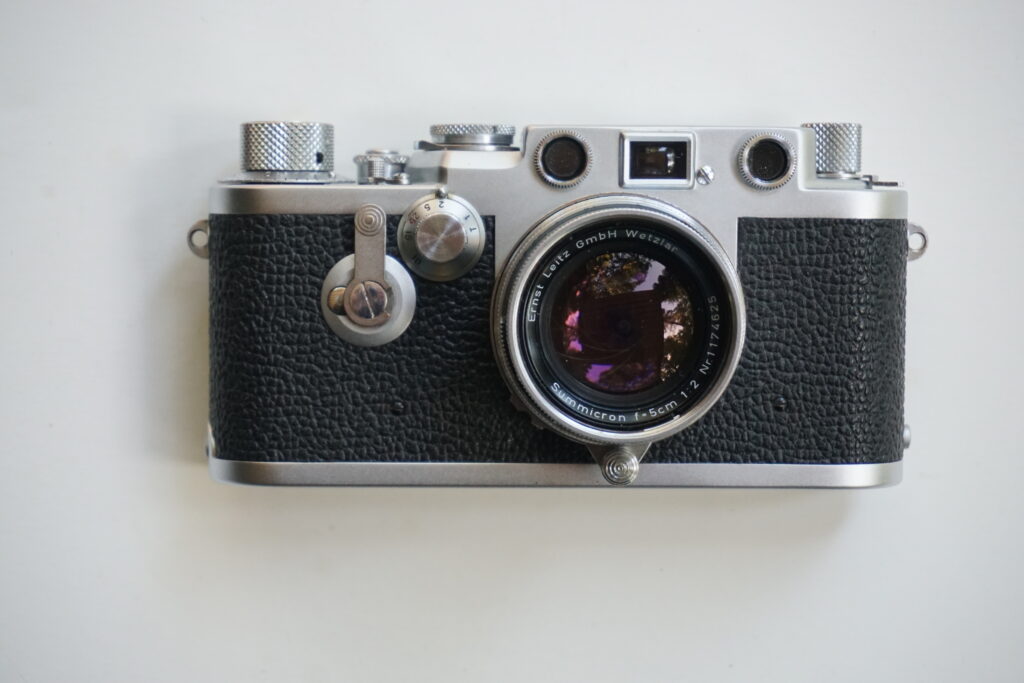
The Leica IIIf, produced by Ernst Leitz GmbH between 1950 and 1956, represents the final evolution of the "Barnack" design before the introduction of the revolutionary M-series. Despite its historical significance and status as a collector’s centerpiece, recent technical assessments by photography instructors and veteran practitioners have highlighted significant operational hurdles. The IIIf utilizes a bottom-loading film system, a hallmark of early Leica designs that requires the film leader to be precisely trimmed to avoid jamming—a process many modern users find cumbersome compared to swing-back designs.

In a recent case study involving a 1950s-era IIIf equipped with a 50mm Summicron collapsible lens, the unit demonstrated excellent cosmetic durability but failed to meet the speed requirements of active street photography. Evaluators noted that the separate windows for focusing and framing, combined with a knob-based film advance, significantly slowed the interval between shots. Furthermore, while the Summicron lens is historically lauded, field tests often show that without a recent and professional Clean, Lubricate, and Adjust (CLA) service, the optical clarity can be surpassed by significantly less expensive alternatives. Market data from mid-2025 shows that while a Leica IIIf kit can be acquired for as little as $300 in specific private sales, its average eBay market value has surged to approximately $950, driven largely by brand prestige rather than mechanical utility.

The Japanese Response: Innovation in the 1950s
As Leica maintained its traditional designs, Japanese manufacturers in the post-war era began to innovate rapidly, prioritizing user ergonomics and viewing clarity. Two primary examples that have outperformed the Leica IIIf in recent comparative testing are the Konica III and the Nikon S2.
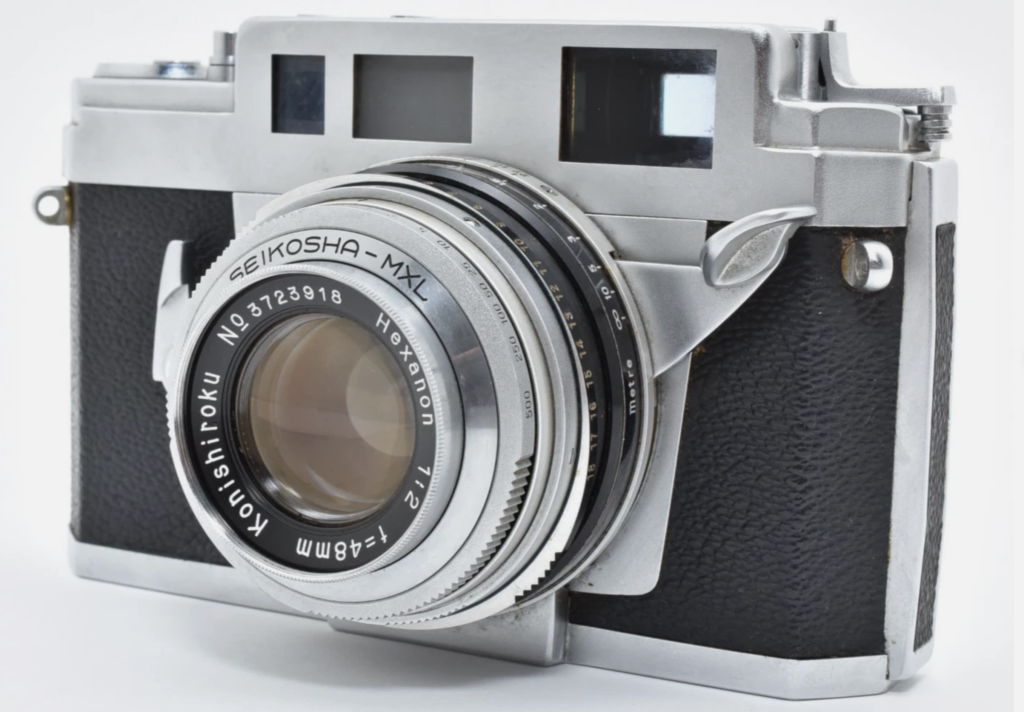
The Konica III and the Hexanon Advantage
The Konica III, released in the mid-1950s, introduced a radical departure in film advance technology. Rather than a top-mounted knob or lever, the Konica III features a large, front-mounted "thumb-lever" located on the lens barrel. This allows the photographer to advance the film and cock the shutter without removing their eye from the viewfinder, significantly increasing the potential frames-per-minute.

Technical data indicates that the 48mm f/2 Hexanon lens equipped on the Konica III provides exceptional sharpness that rivals, and in some high-contrast scenarios exceeds, the Barnack-era Summicron. In February 2026, market tracking showed these units selling for approximately $154 USD, offering a performance-to-cost ratio that is increasingly attractive to photography students and professionals alike.
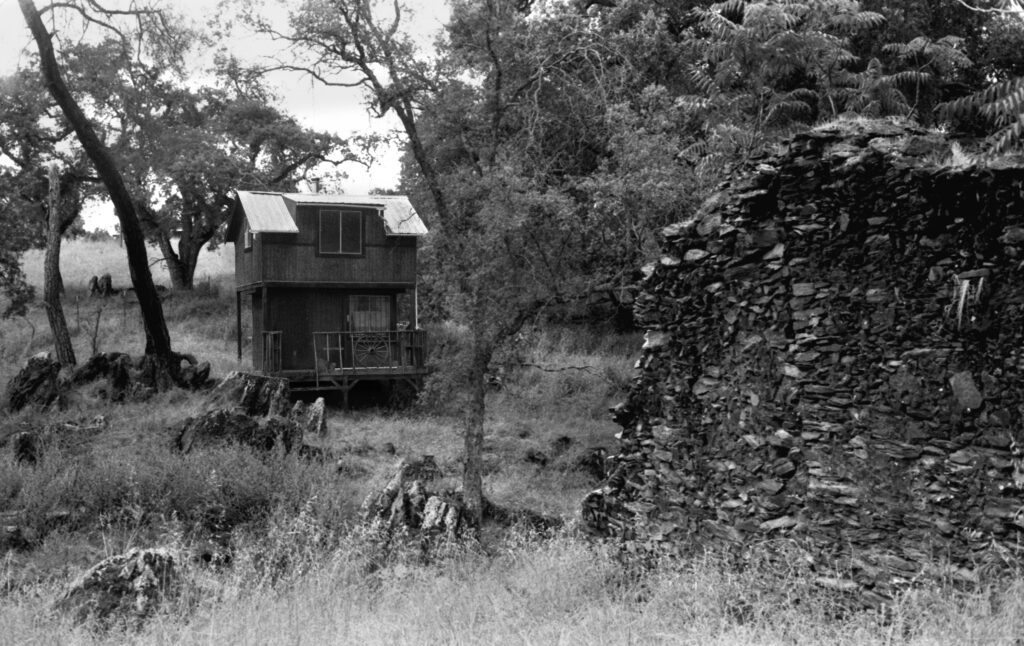
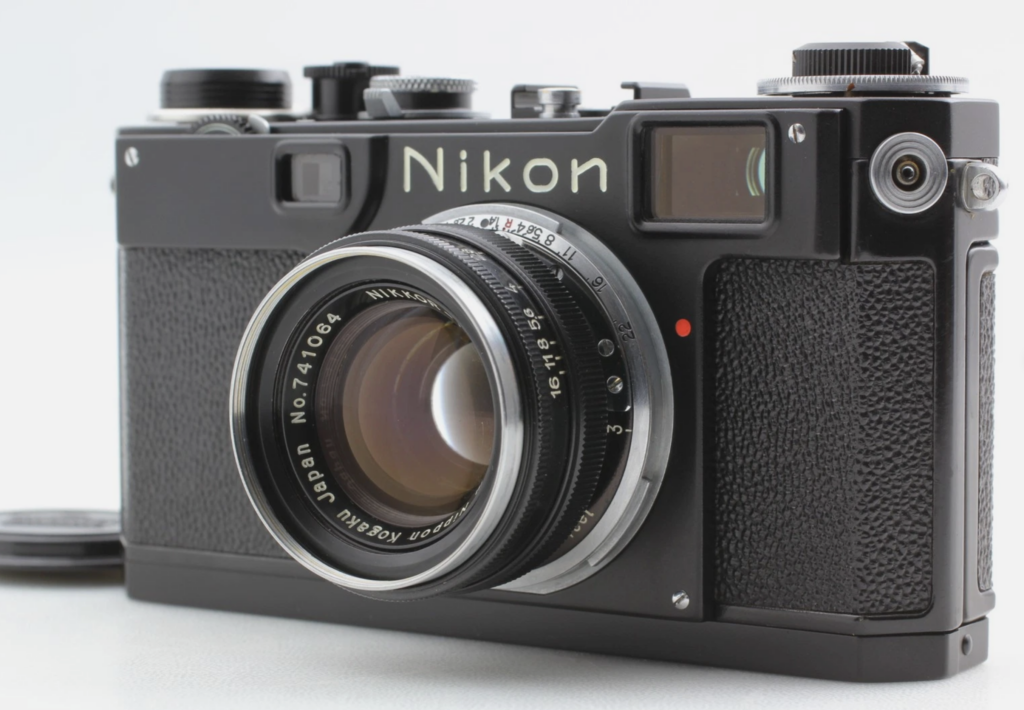
The Nikon S2: A Professional Alternative
The Nikon S2, launched in 1954, was designed to compete directly with the professional rangefinder market. It featured a 1:1 life-size viewfinder, allowing photographers to keep both eyes open while shooting—a major advantage for situational awareness. Unlike the Leica IIIf, the Nikon S2 utilized a single-stroke lever advance and a removable back for easier film loading. Recent evaluations of the S2, particularly when paired with the 35mm Nikkor lens, show superior sharpness and mechanical reliability. While a full Nikon S2 kit (including multiple lenses and accessories) commanded a price of $750 in June 2025, the base body and 50mm lens remain accessible at approximately $550, positioned as a high-tier professional tool that avoids the "collector’s tax" associated with the Leica brand.
The Portability of Folding Rangefinders: Kodak and Zeiss
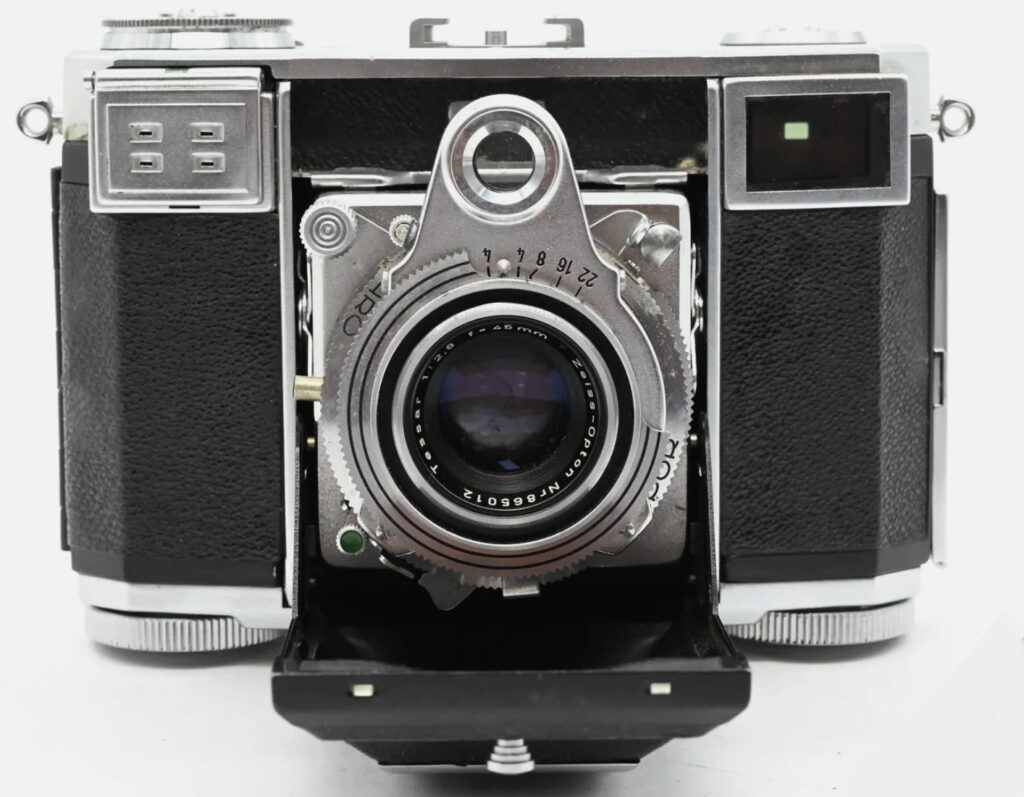
For photographers prioritizing portability without sacrificing negative quality, the "folding" rangefinder category offers significant historical and practical value. The Kodak Retina IIa and the Zeiss Ikon Contessa represent the peak of German folding camera design.

The Kodak Retina IIa, often inherited by today’s senior photographers, features a Schneider-Kreuznach 50mm lens. Its primary advantage is its ability to fold into a compact, pocketable form factor, making it a preferred choice for backpacking and travel photography for over seven decades. However, the mechanical complexity of the folding bellows and the cocking rack makes these units susceptible to damage if dropped or mishandled.
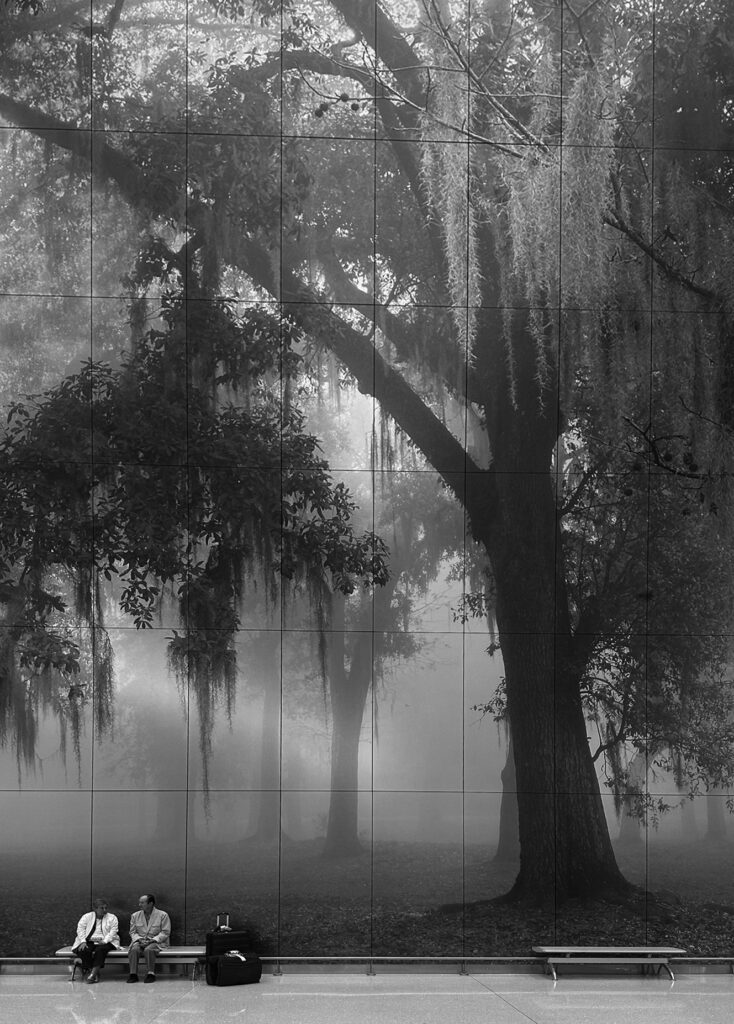
Conversely, the Zeiss Contessa is frequently cited for its superior optical fidelity. Field tests comparing the Contessa to the Retina IIa often favor the Zeiss optics for their edge-to-edge sharpness. Despite their age, these cameras remain viable for modern use, with fully functional models retailing for less than $150. A noted technical quirk in the Contessa series is a common slight misalignment at the one-meter focus mark, a factor that requires "focus compensation" by the operator but does not diminish the overall image quality at greater distances.

Economic Accessibility and the Soviet Influence
The democratization of rangefinder photography is perhaps most evident in the continued use of Soviet-era cameras, such as the Fed-3. Produced in large quantities in the USSR, the Fed-3 is a robust, if unrefined, tool. It features an adjustable eyepiece for diopter correction—a luxury not found on many contemporary German or Japanese models—and uses the Leica Thread Mount (LTM), allowing it to accept a wide variety of lenses.

However, data suggests that the Soviet manufacturing process suffered from inconsistent quality control. While some lenses, such as the Industar N26, perform admirably at smaller apertures (f/8 to f/11), others exhibit significant softness. The "vodka hangover" theory—a common joke among collectors regarding Monday-morning production runs—reflects a genuine statistical variance in the build quality of these units. Despite this, at a price point of approximately $60, the Fed-3 remains a primary recommendation for educators seeking to provide students with a "low-stakes" entry into manual rangefinder photography.
The Modern Standard: Canonet GIII QL
As the rangefinder era moved into the 1960s and 70s, the Canonet GIII QL emerged as a bridge between vintage mechanics and modern convenience. The "QL" stands for "Quick Load," a feature that eliminated the need to thread film into a spindle, directly addressing the primary complaint leveled against the Leica IIIf.
The Canonet’s 40mm f/1.7 lens is a six-element Planar design that offers a wider field of view, making it an optimal choice for contemporary street photography. Furthermore, the inclusion of a battery-powered light meter provides a level of functional autonomy that older, fully manual rangefinders lack. In mid-2025, these units were frequently found for as little as $60, though they often require inexpensive light seal replacements (averaging $12 in parts) to be fully light-tight.

Technical Analysis of Market Trends and User Feedback
The discrepancy between the Leica IIIf’s market price ($950) and its perceived utility among some professional instructors highlights a divergence in the analog market. Feedback from buyers who purchase these high-end Leica units is often "gushingly positive," suggesting that for a specific segment of the market, the tactile experience, historical prestige, and aesthetic design of the camera outweigh its ergonomic shortcomings.

However, from a purely journalistic and objective standpoint, the data indicates that:
- Ergonomic Efficiency: Japanese models like the Konica III and Nikon S2 provide a faster, more intuitive user interface.
- Optical Value: Fixed-lens rangefinders from the 1950s (Zeiss, Konica) offer sharpness comparable to Leica’s LTM lenses at a fraction of the cost.
- Reliability: While Leica cameras are famously durable, the cost of maintaining them (CLAs) and the difficulty of loading film in the field can impede professional workflows.
Broader Impact and Implications for the Analog Community
The "un-Leica" sentiment expressed by some veteran photographers is not an indictment of the brand’s quality, but rather a call for a more pragmatic approach to camera selection. As film prices continue to fluctuate, the efficiency of the camera body—specifically its ability to focus quickly and load reliably—becomes a financial consideration. Missing a shot due to the cumbersome controls of a IIIf represents a loss of both time and expensive resources.

For the broader community, the availability of high-performing alternatives like the Canonet, Nikon S2, and Konica III ensures that the barrier to entry for high-quality rangefinder photography remains relatively low. While the Leica IIIf will likely always hold its value as a masterpiece of industrial design, the functional "best bang for the buck" in the 2026 market clearly resides with the innovative Japanese and folding German models of the mid-century. The conclusion drawn by many experts is that a diverse collection of these functional alternatives can often be acquired for the price of a single Leica body, providing a broader range of focal lengths and operational experiences for the modern film enthusiast.