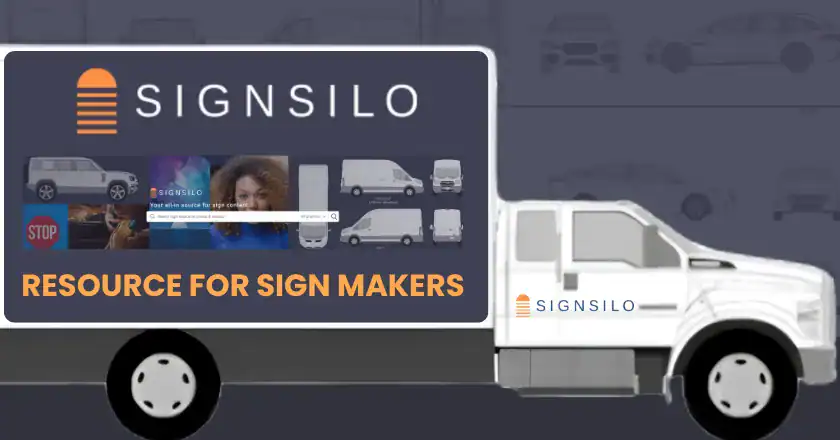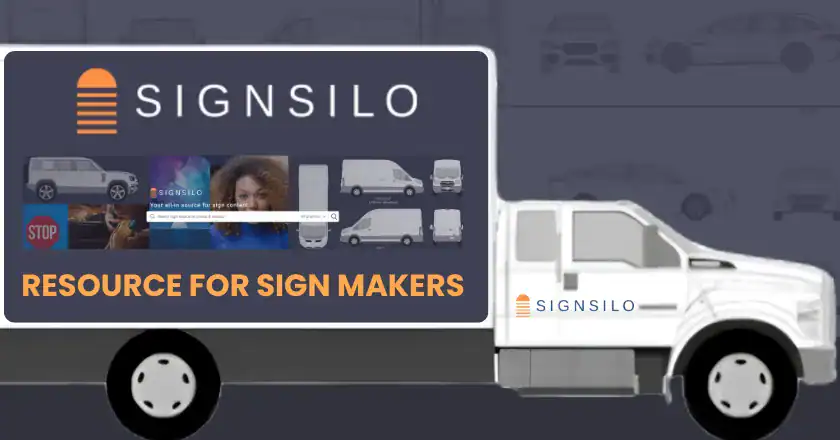
In an era where visual branding serves as the primary driver for local business growth, the vehicle wrap and signage industry has undergone a radical digital transformation. The demand for high-quality, precision-engineered vehicle graphics has moved from a niche service to a multi-billion dollar global market. For the professionals at the center of this industry—sign makers, vehicle wrap installers, and print service providers—the primary challenge is no longer just the physical installation, but the efficiency of the design and pre-press workflow. SignSilo has emerged as a critical infrastructure for these professionals, offering a centralized, high-fidelity library of digital assets that eliminates the fragmentation traditionally associated with sourcing vehicle templates, fonts, and high-resolution imagery.
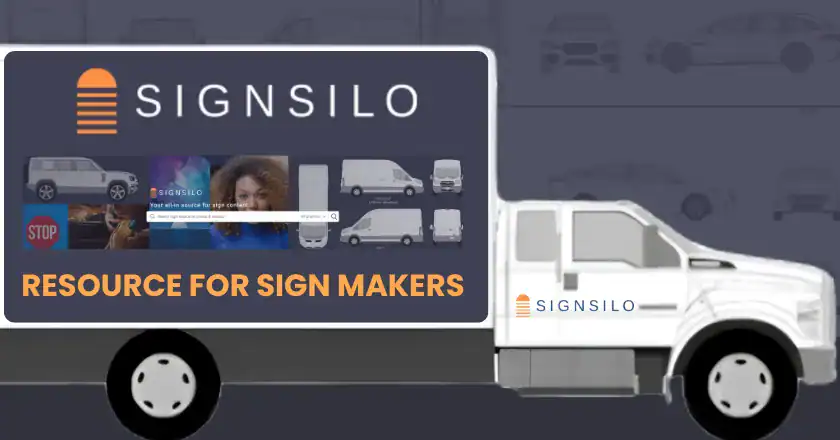
The operational bottleneck for most sign shops lies in the "search and verify" phase of a project. Before a single inch of vinyl is printed, a designer must locate an accurate template of the specific vehicle model, source high-resolution brand assets, and select typography that is both legible at high speeds and legally licensed for commercial use. SignSilo addresses this specific industrial friction by providing an all-in-one ecosystem designed specifically for the technical requirements of large-format printing and vehicle contouring.
The Evolution of Vehicle Graphic Resources
To understand the impact of SignSilo, one must look at the historical progression of the signage industry. In the late 20th century, vehicle lettering was largely a manual process involving hand-painting or basic vinyl plotters. As digital printing technology advanced in the early 2000s, the "full wrap" became possible, necessitating a new level of design precision. Initially, designers had to manually measure vehicles, a process prone to human error that often resulted in costly reprints when graphics failed to align with door handles, fuel caps, or complex curves.

The mid-2010s saw the rise of digital template libraries, but these were often siloed. A designer might buy a vehicle template from one provider, stock photos from another, and specialized fonts from a third. This fragmentation not only increased overhead costs but also complicated the workflow, as different assets often came with varying licensing restrictions and file compatibility issues. SignSilo was developed as a response to this inefficiency, consolidating these disparate needs into a single, subscription-based professional hub.
Precision Engineering: The Role of Vehicle Templates
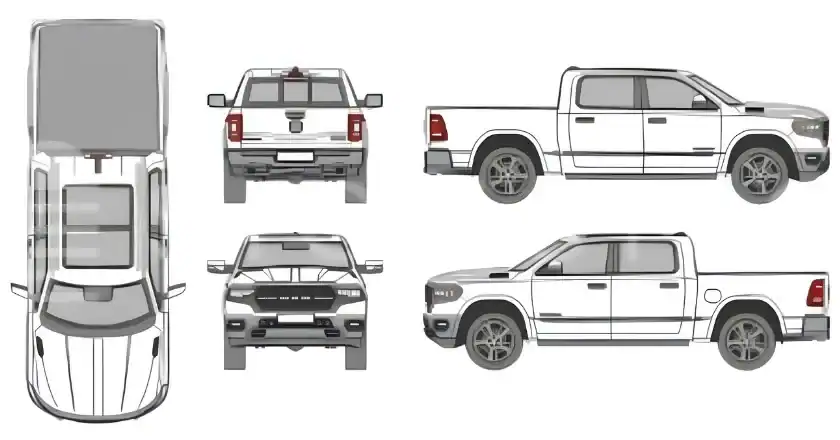
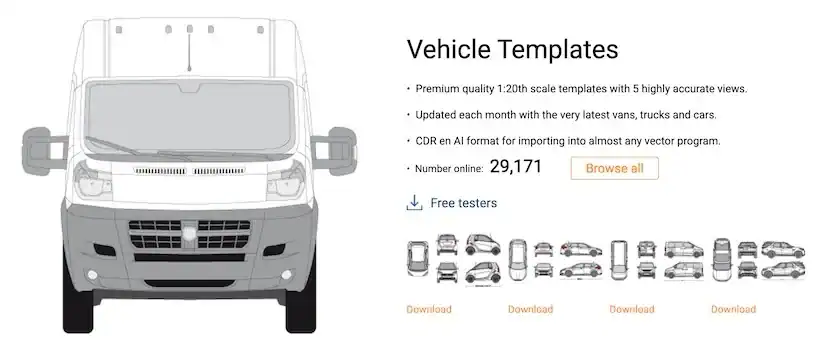
At the core of the SignSilo platform is its expansive library of vehicle templates. These are not merely outlines but precision-engineered technical drawings covering thousands of makes and models, ranging from compact passenger cars to heavy-duty commercial trucks, trailers, and transit buses.

In the wrap industry, the accuracy of a template is the difference between a profitable job and a deficit. SignSilo’s templates are provided in multi-layered formats (typically AI, EPS, or PDF), allowing designers to view the vehicle from multiple angles—front, back, left, right, and roof. This 360-degree perspective is essential for ensuring that branding remains consistent as it wraps around the geometry of the vehicle. For fleet branding companies, where a design must be adapted from a Ford Transit van to a heavy-duty freight truck while maintaining brand integrity, these templates provide the necessary scale and ratio accuracy to ensure the final product matches the digital proof.
The Creative Suite: Beyond the Template
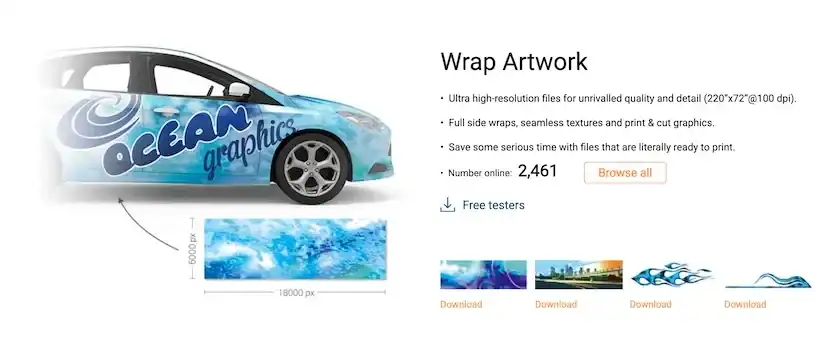
While templates provide the "canvas," the creative assets within SignSilo provide the "paint." The platform distinguishes itself by offering a curated selection of wrap-specific artwork and fonts that are optimized for the unique demands of mobile advertising.
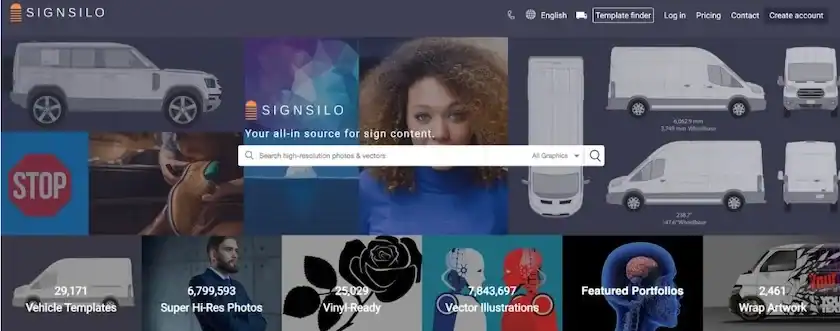
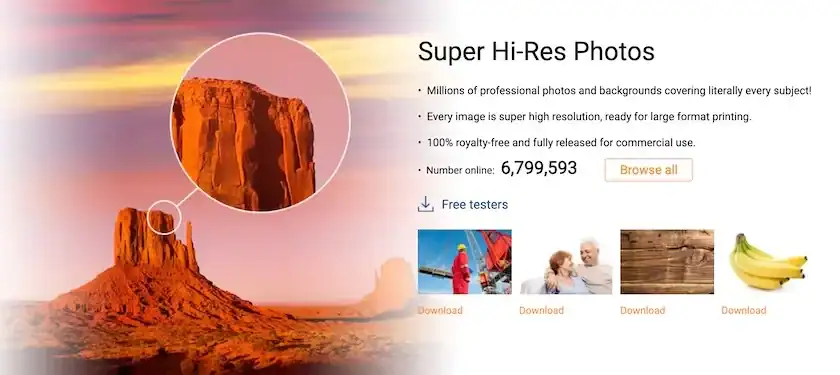
- High-Resolution Photography: Standard stock photos often fail when scaled to the size of a semi-trailer. SignSilo provides high-resolution images specifically curated for large-format output, ensuring that textures and details remain sharp even when printed at 100 inches or more.
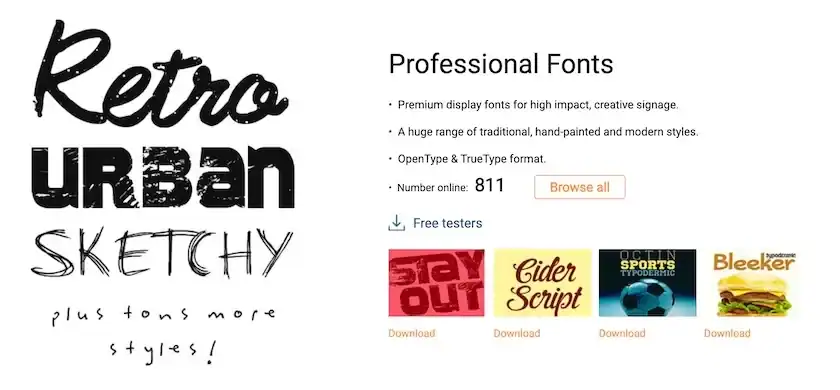
- Typography and Readability: Typography in vehicle branding is a safety and marketing concern. A font must be legible to a driver passing at 60 miles per hour. SignSilo offers a library of professional fonts selected for their high "glance value" and aesthetic appeal in a commercial context.
- Ready-to-Use Wrap Designs: For shops that do not have a full-time creative director, SignSilo provides pre-designed wrap concepts. These "ready-to-print" files can be quickly customized with a client’s logo and contact information, significantly reducing the time from initial consultation to the start of the installation.
Market Data and Industry Implications
The global vehicle wrap market was valued at approximately $4.76 billion in 2021 and is projected to expand at a compound annual growth rate (CAGR) of 22.2% through 2030. This growth is driven by the increasing effectiveness of mobile outdoor advertising compared to traditional stationary billboards. According to data from the Outdoor Advertising Association of America (OAAA), a single vehicle wrap can generate between 30,000 to 70,000 impressions per day, depending on the region.
As the market expands, the competition among sign shops has intensified. Profitability in this high-growth environment is increasingly dependent on "Time to Print." By utilizing a centralized resource like SignSilo, shops can reduce the design phase of a project by an estimated 40% to 60%. This efficiency allows shops to increase their throughput—taking on more clients without a proportional increase in labor costs.
Economic Analysis: The Membership Model vs. Per-Asset Purchasing
The financial structure of SignSilo is a direct reflection of the needs of different business scales. In the traditional model, a single high-quality vehicle template could cost between $25 and $50. A professional font license for commercial use can range from $30 to $100, and high-resolution stock photos often carry significant per-image fees.
SignSilo’s tiered membership model disrupts this high-cost barrier:
- The Vehicle Only Plan ($19/month): Aimed at specialized wrap studios that focus exclusively on vehicle geometry.
- The Images Only Plan ($33/month): Designed for content creators and web designers who need the high-resolution library but not the technical vehicle outlines.
- The Full Membership ($39/month): The flagship offering for comprehensive sign and print shops, providing all-access to templates, photos, vectors, and fonts.
From a business perspective, the Full Membership pays for itself if it saves a shop just one hour of design time per month. For a shop processing ten wraps a month, the return on investment (ROI) is exponential, as the cost of the digital assets becomes a negligible fraction of the project’s total revenue.
Professional Standards and Licensing Security
In the professional signage world, licensing is a significant legal liability. Using a "found" font or an improperly licensed image on a commercial vehicle can lead to cease-and-desist orders or expensive litigation for both the sign shop and their client. SignSilo mitigates this risk by providing clear, commercial-use licenses for all its assets. This "peace of mind" is a critical value proposition for business owners who must ensure that every aspect of their client’s branding is legally compliant.
Furthermore, the platform’s commitment to regular updates ensures that professionals have access to the latest vehicle models as soon as they hit the market. In an industry where clients often purchase the newest fleet vehicles to project a modern image, having an up-to-date template library is a competitive necessity.
Broader Impact on the Signage Industry
The existence of platforms like SignSilo has a democratizing effect on the signage industry. It allows small, independent sign makers to compete with large, national franchises by giving them access to the same high-quality assets and technical templates. This shift has raised the overall "floor" of quality in the industry; even a two-person shop can now produce "big-brand" quality work with the right digital tools.
Moreover, the platform facilitates a more collaborative relationship between designers and installers. Because the templates are technically accurate, the installer can trust the design’s placement of key elements, reducing the friction that often occurs when a design looks good on a screen but is impossible to execute on a physical vehicle.
Conclusion
SignSilo represents the intersection of creative design and industrial precision. By consolidating the essential components of the vehicle wrap workflow—accurate templates, high-resolution imagery, and professional typography—into a single, affordable membership, it has become an indispensable utility for the modern sign professional. As the vehicle wrap market continues its rapid ascent, the ability to access these resources quickly and reliably will remain the primary differentiator between shops that merely survive and those that lead the market. In the high-stakes world of fleet branding and mobile advertising, SignSilo provides the digital foundation upon which physical brand identities are built.