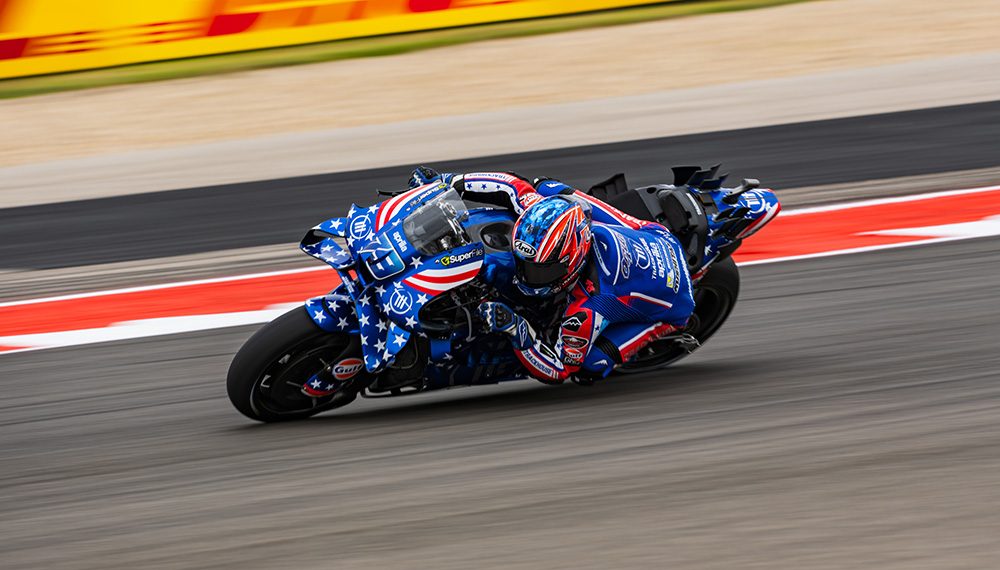
Bringing a large-format camera to a MotoGP weekend is, on paper, a highly unconventional strategy, often considered a fool’s errand by many in the fast-paced world of sports photography. The Fujifilm GFX system, renowned for its unparalleled image fidelity and medium-format sensor, was not inherently designed for the demands of high-speed action. While Fujifilm asserts its capability in dynamic environments, its primary strength lies in maximizing image quality over raw frames per second. Yet, this inherent mismatch presented a unique challenge, prompting a seasoned photographer to test the boundaries of "the wrong tool correctly." A camera, at its core, is an instrument, and a skilled photographer’s ability to adapt and innovate can often transcend perceived limitations, yielding unexpectedly compelling results.
Setting the Stage: The COTA Challenge and the Photographer’s Advantage
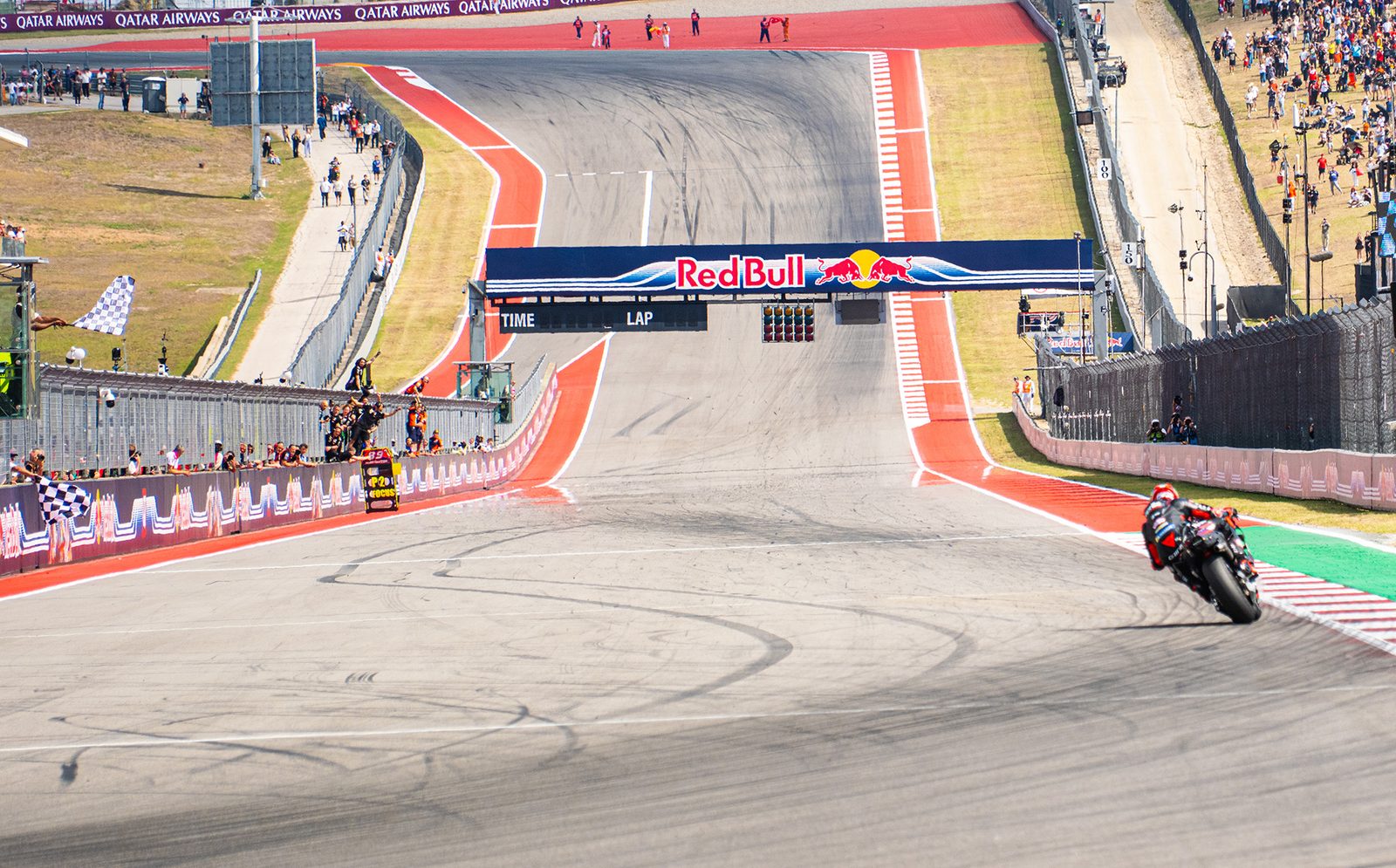
The Circuit of the Americas (COTA) in Austin, Texas, serves as the crucible for this ambitious photographic experiment. As a premier motorsports facility, COTA hosts an array of high-octane events, from regional track days to the pinnacle of global racing: MotoGP, Formula 1, and MotoAmerica. For the photographer in question, COTA is more than just a venue; it is a home track, intimately known through years of dedicated coverage. This deep familiarity with every corner, every marshal post, and every optimal shooting angle proved invaluable. Such comprehensive knowledge is a significant asset, particularly when attempting the deliberate, considered shots demanded by a camera system like the Fujifilm GFX100S II. Unlike the rapid-fire approach often necessitated by other genres, medium-format photography, even in action, leans towards a more contemplative capture, where anticipation and precision replace sheer volume.
To contextualize the GFX100S II’s performance, it was benchmarked against the photographer’s established workhorses for track photography: two Fujifilm X-H2S bodies. The X-H2S, a flagship in Fujifilm’s X-series, is explicitly engineered for speed. It features a 26.1-megapixel APS-C stacked BSI CMOS sensor, paired with the powerful X-Processor 5, enabling burst shooting at up to 40 frames per second (fps) with its electronic shutter and 15 fps with the mechanical shutter. Critically, its subject-detection autofocus system boasts impressive tenacity, capable of locking onto motorcycles and riders with remarkable precision and consistency, even amidst the chaotic backdrop of a race. This dual-system approach allowed for a direct, real-world comparison between a camera built for speed and one celebrated for its ultimate image fidelity, both operating within the same Fujifilm ecosystem. The full MotoGP weekend provided ample opportunity to push both systems to their respective limits, from the initial practice sessions to the final podium celebrations.
The Contender: Fujifilm GFX100S II – A Deep Dive into Medium Format
The Fujifilm GFX100S II is a testament to the advancements in medium-format mirrorless technology. At its heart lies a colossal 102-megapixel, 43.8×32.9mm large-format sensor. This sensor, significantly larger than full-frame sensors (which measure approximately 36x24mm), is the cornerstone of its exceptional image quality. Also driven by the advanced X-Processor 5, the GFX100S II represents Fujifilm’s commitment to bringing high-resolution medium format into a more portable and responsive form factor. Its integration into a demanding sports environment like MotoGP, however, highlights a philosophical divergence in camera design. While the X-H2S prioritizes rapid data processing and continuous shooting to capture fleeting moments, the GFX100S II is optimized for maximum detail and tonal range, aiming to deliver images that stand apart in their depth and clarity.
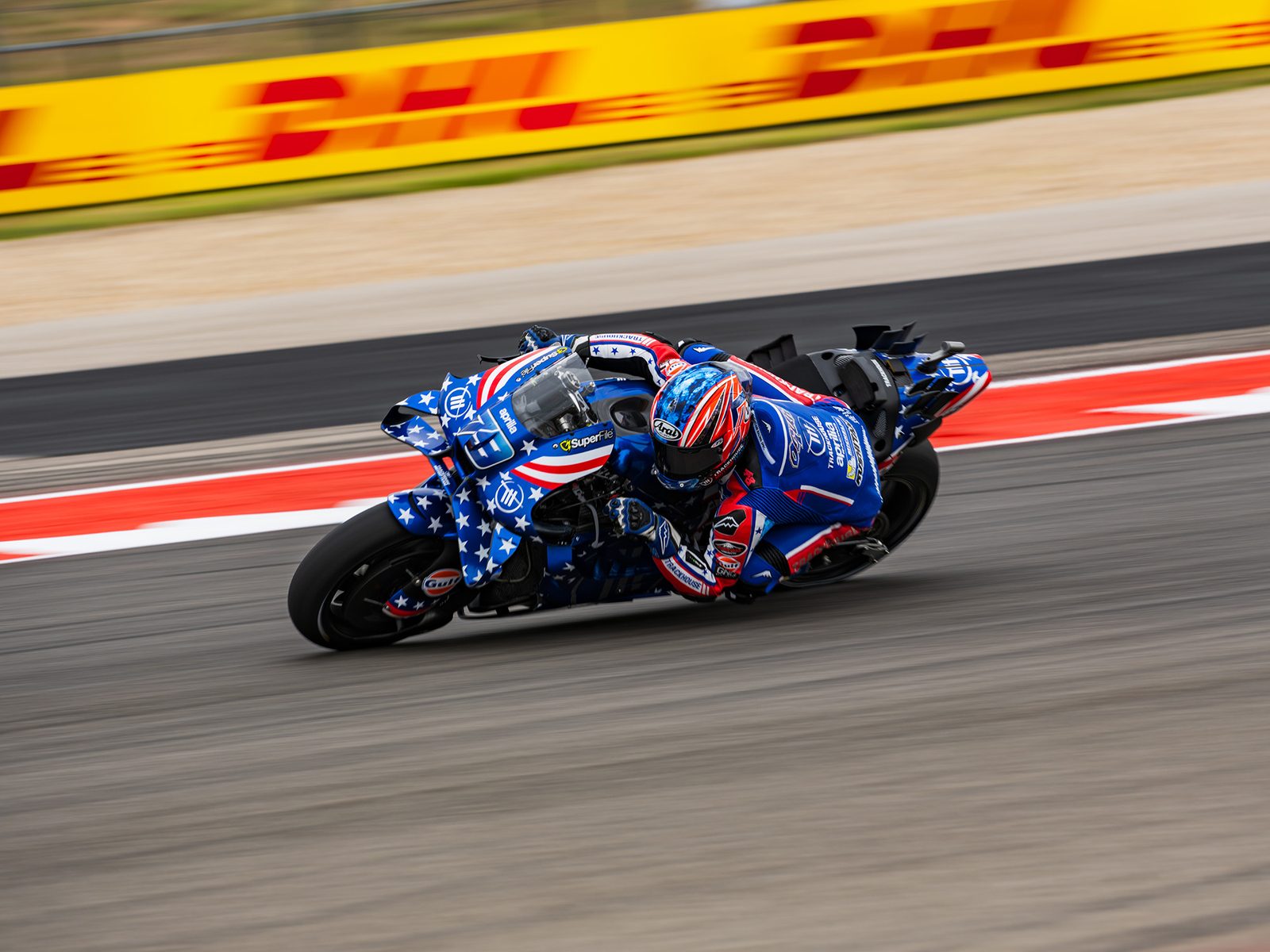
The choice of lens for this test was equally deliberate: the Fujifilm GF 100-200mm F5.6 R LM OIS WR. Given the GFX system’s 0.79x crop factor relative to a 35mm full-frame equivalent, this lens provided an effective field of view of approximately 79-158mm. This range proved remarkably versatile, handling situations from the wide vistas of the main straight to the more intimate settings within the paddock. It offered a familiar reach, akin to the Fujifilm XF 50-140mm F2.8 on the X-H2S, a popular choice among X-series sports photographers. This consistency in focal length perception allowed for a more direct comparison of camera body performance rather than introducing variables related to lens choice.
Ergonomics and Workflow: Bridging Two Systems
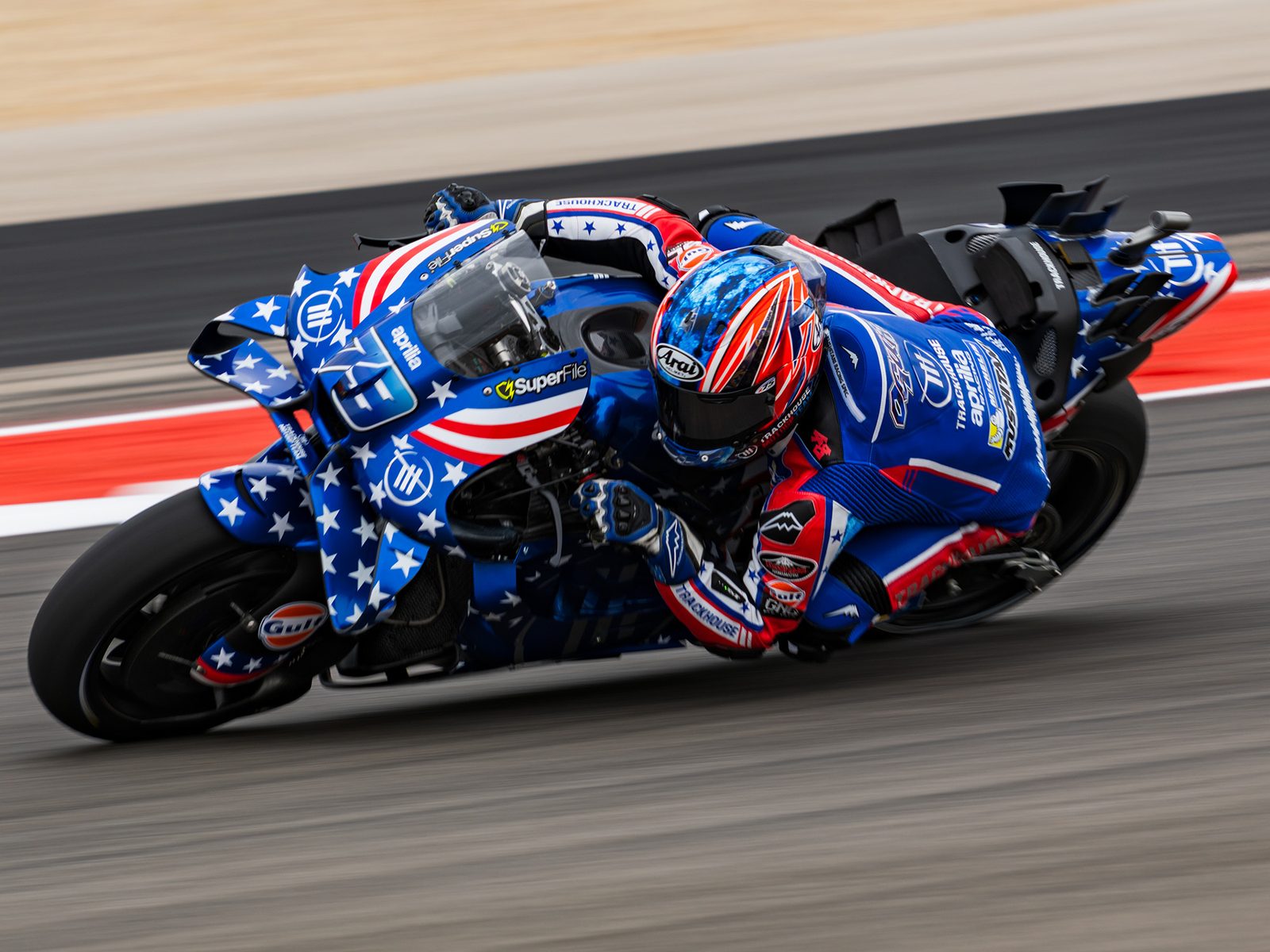
One notable advantage for a photographer already invested in the Fujifilm ecosystem is the shared menu logic and ergonomic philosophy across both the GFX and X Series. Setting up the GFX100S II to mirror the X-H2S configuration was a relatively straightforward process, minimizing the learning curve in a high-pressure environment. The photographer’s established workflow for trackside assignments involved using custom settings C1 and C2 for shutter priority, with an assigned Function (FN) button for instant switching between sharp freezes and motion pans. C3 was reserved for aperture priority, ideal for the more static environments of the paddock and grid, while C4 and C5 held video presets. Although video capabilities were not explored during this particular assignment, the GFX100S II’s accommodation of six custom positions on its mode dial facilitated a clean and intuitive replication of the established workflow. A minor ergonomic difference was noted in the FN button layout, with the GFX100S II featuring two on top compared to the X-H2S’s additional body-side button typically mapped to subject-detection AF. This small adjustment required a brief period of muscle memory recalibration but did not significantly impede operation.
The physical presence of the GFX100S II, while substantial, is surprisingly manageable for a medium-format camera. At 883g with battery and card, it is Fujifilm’s lightest 102-megapixel body, a crucial factor for a photographer carrying gear for extended periods at a sprawling circuit like COTA. This relatively compact design, combined with robust weather sealing (denoted by the "WR" in the lens designation), instilled confidence even in unpredictable trackside conditions, where dust, light rain, or humidity can be a concern.
The Acid Test: Autofocus Performance on Track
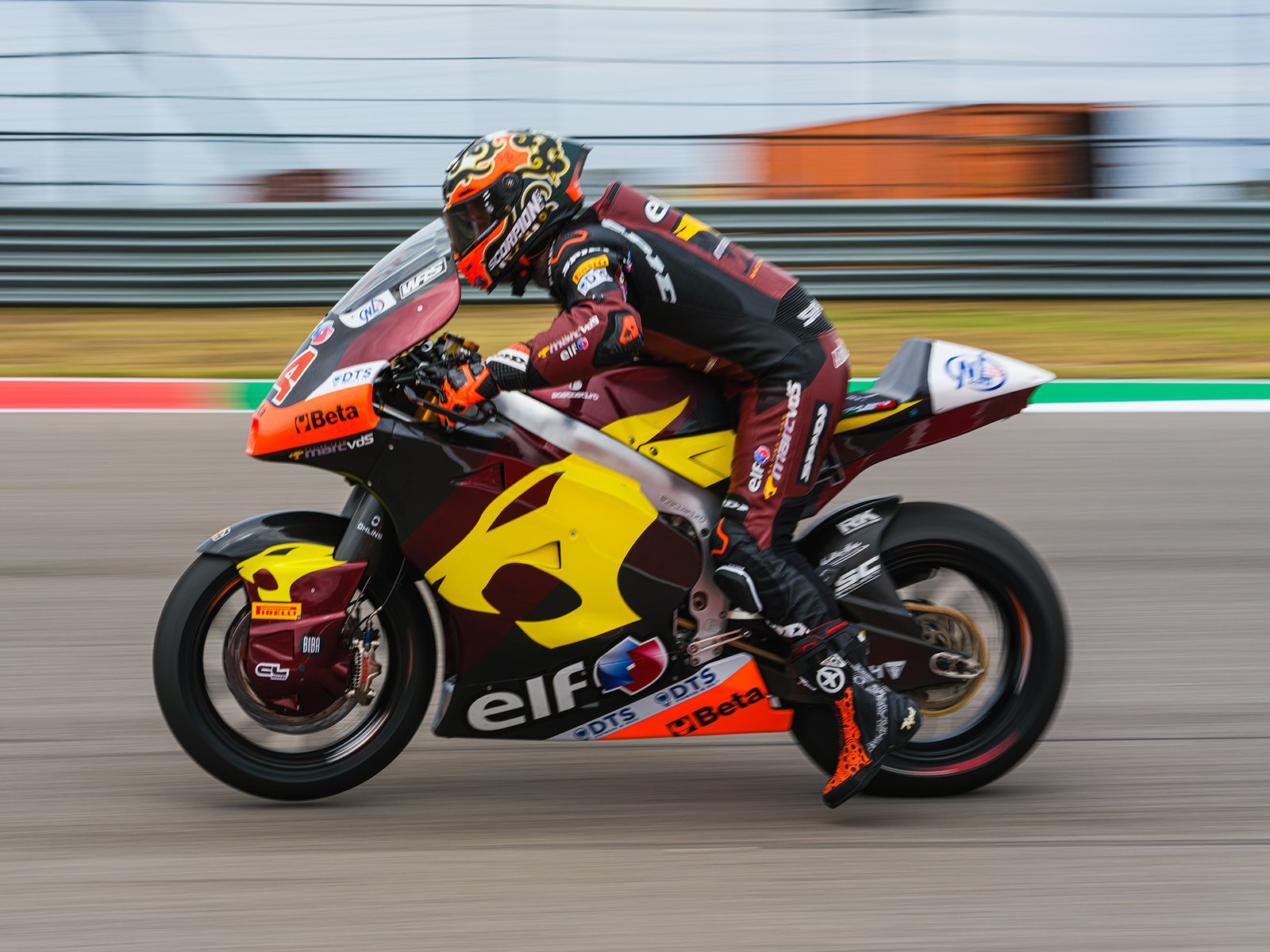
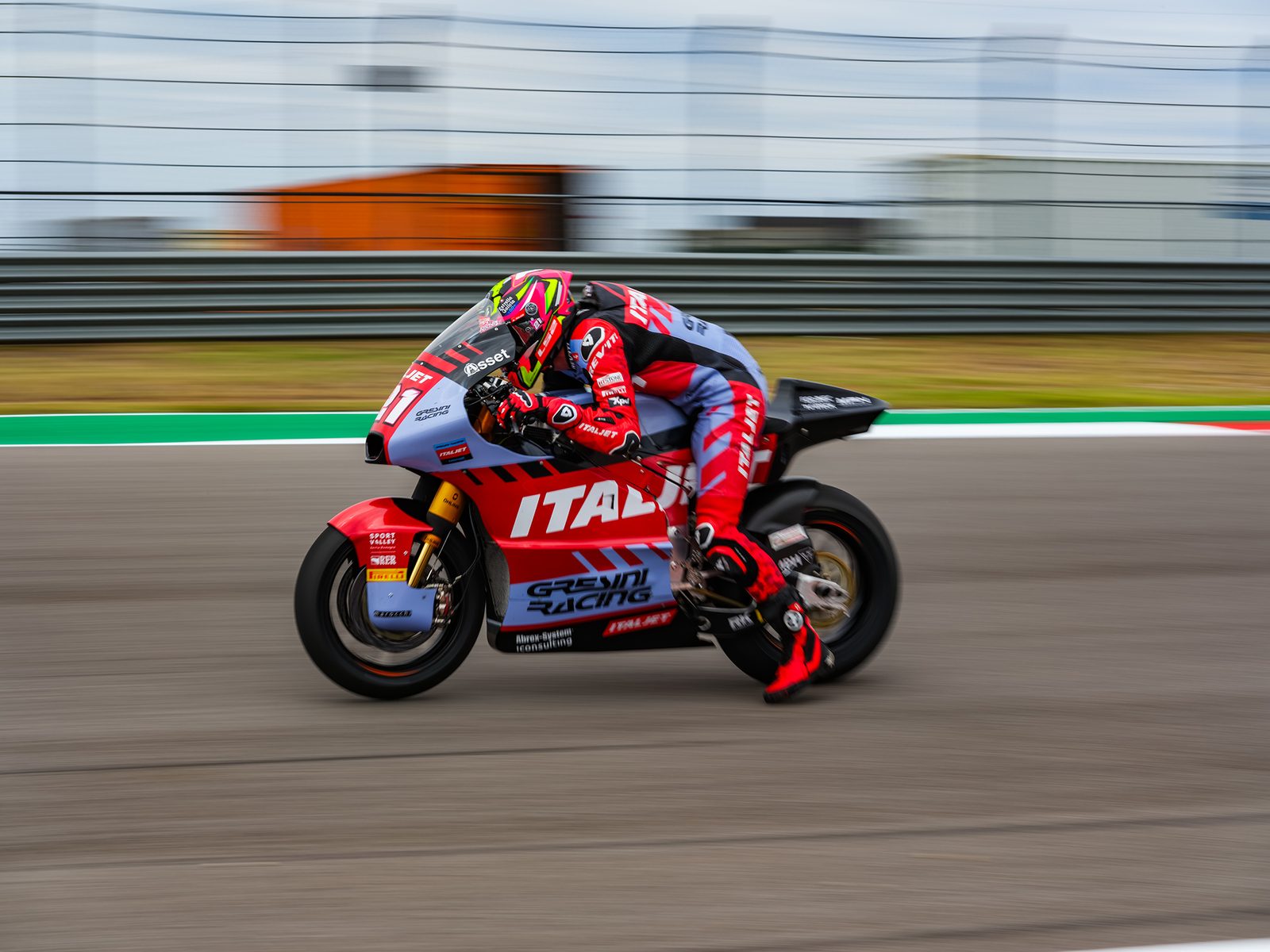
The most significant concern heading into the MotoGP weekend was the GFX100S II’s autofocus performance under the punishing conditions of high-speed racing. Historically, medium-format cameras have not been synonymous with rapid, tracking autofocus, typically excelling in controlled studio or landscape settings. However, the GFX100S II features a significantly improved AF algorithm over its predecessors, bolstered by deep-learning AI that officially supports subject detection for motorcycles and bikes. In practice, its performance surpassed initial skepticism. The system demonstrated reasonable reliability in tracking riders through sweeping corners and across dynamically changing backgrounds, a feat that would have been unthinkable for medium format just a few generations ago.
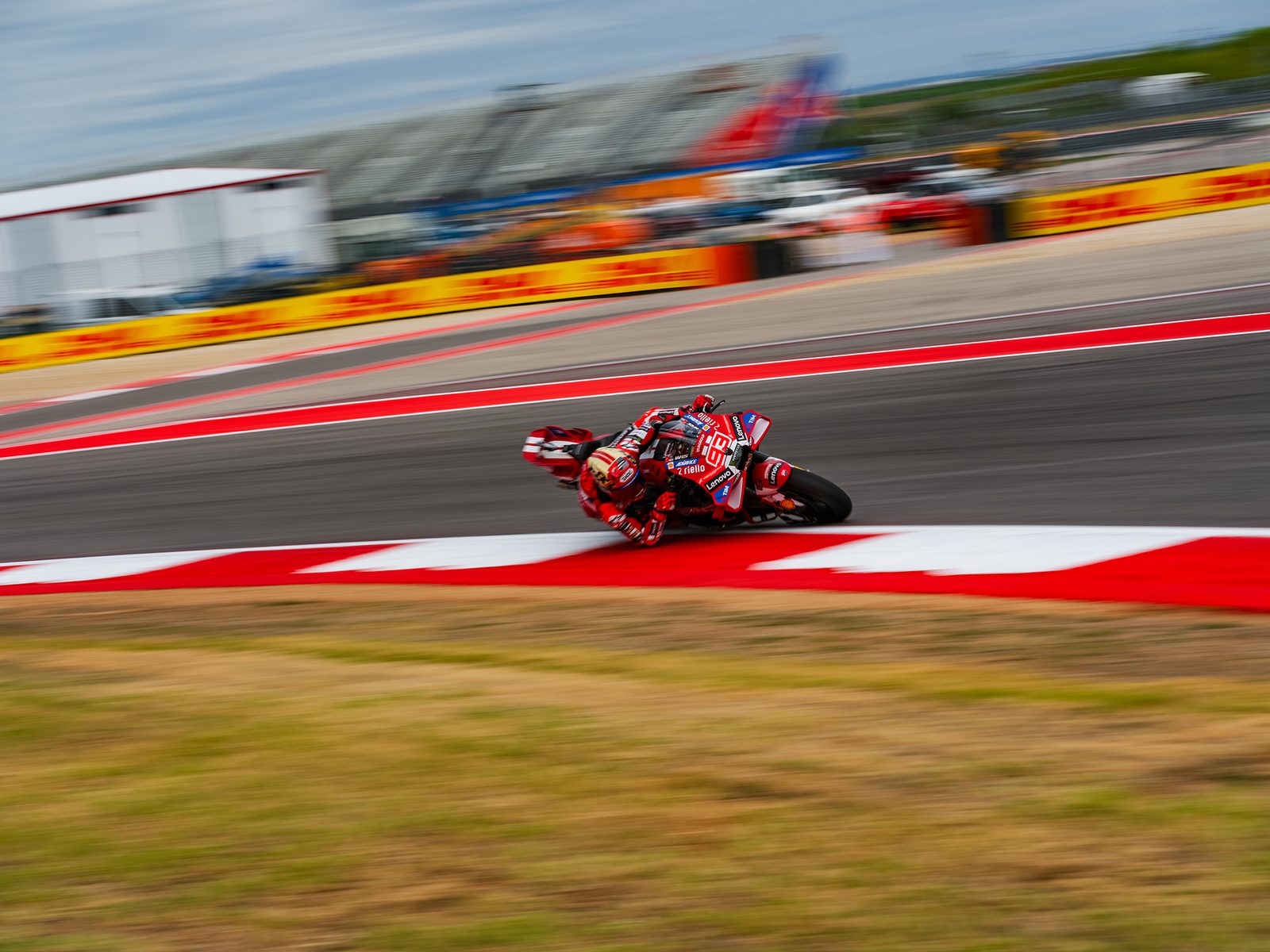
Despite these advancements, a direct comparison revealed that the GFX100S II was not as "sticky" or responsive as the X-H2S, even with identical AF-C settings applied to both cameras. Hit rates in the most demanding sequences—such as riders entering the frame at extreme speeds, high-speed braking zones, or complex cornering maneuvers—were noticeably lower. While both cameras share the same X-Processor 5 engine, the GFX system exhibited a slight but perceptible lag in response time and subject retention. This gap, though not disqualifyingly slow for all applications, is a real operational constraint in a high-volume, high-speed environment like MotoGP, where milliseconds can define the difference between a perfectly sharp image and a near-miss. Sports photography often demands an incredibly high keeper rate, and even a marginal decrease in AF consistency can accumulate into a significant number of missed peak action moments over a full race weekend.
Navigating the Buffer Wall: Managing High-Resolution Data
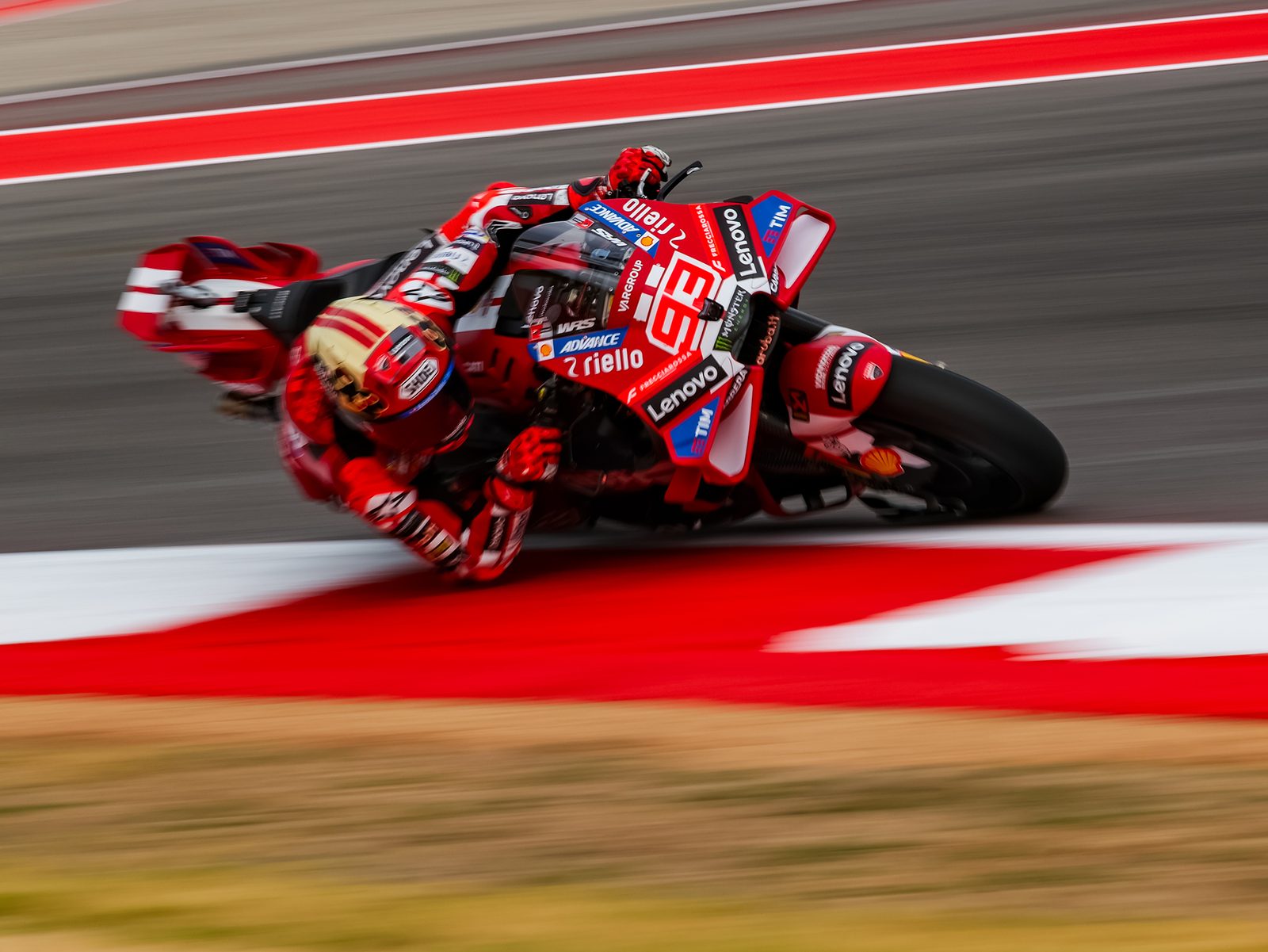
Beyond autofocus, the practical limitations of the GFX100S II in a high-speed action setting become unequivocally concrete when confronting its buffer performance. Operating at its maximum mechanical shutter speed of 7 fps, the GFX100S II generates enormous RAW files – either 14-bit or 16-bit from its 102-megapixel sensor. These gargantuan files, while offering unparalleled detail, quickly overwhelm the camera’s buffer, even when utilizing fast UHS-II media. Shooting lossless-compressed RAW, the buffer allows approximately 19 frames before a noticeable slowdown in shooting speed. Opting for uncompressed RAW further reduces this capacity to around 16 frames. While compressed RAW offers a more generous capacity of roughly 30 frames, this still translates to under five seconds of sustained burst fire before the camera needs to "catch its breath" as data is written to the memory card.
This buffer limitation fundamentally alters the photographer’s approach. The common "spray and pray" technique, often employed in sports photography with high-frame-rate cameras, is simply not viable. Instead, the GFX100S II demands a more disciplined, strategic method. Photographers must meticulously read the race, anticipate crucial moments, and commit to each shot with deliberate precision. This is not necessarily a flaw but rather a defining characteristic that fosters a different kind of photographic discipline. It transforms the act of capturing a fast-moving subject into a more meditative exercise in timing and foresight. In an environment where a rider’s perfect apex moment can last a mere fraction of a second, understanding and managing the buffer becomes a critical skill. The experience underscored the inherent trade-off between the sheer data volume of medium format and the relentless speed required for top-tier motorsports.
Unmatched Fidelity: Where Medium Format Dominates
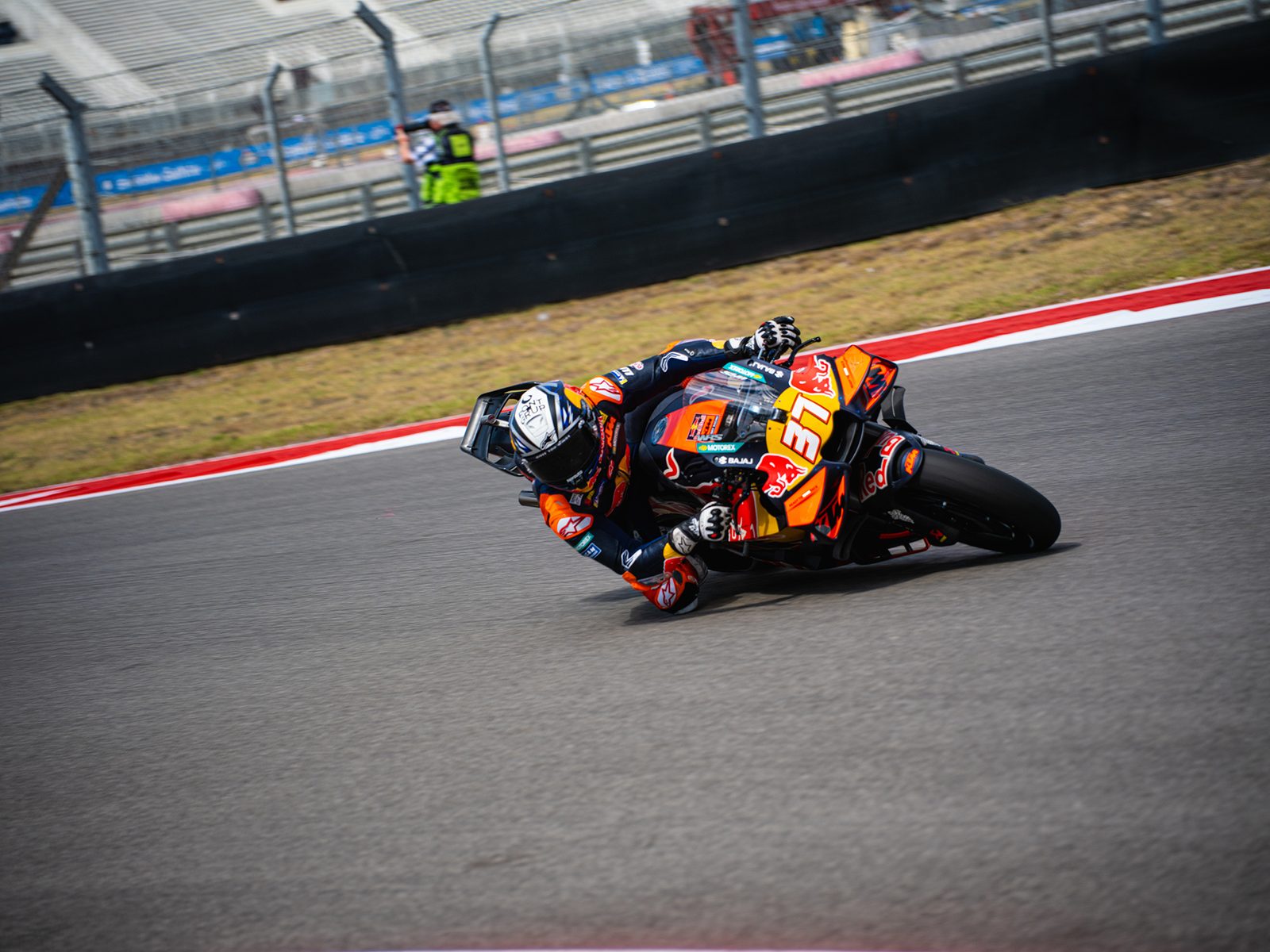
Despite the operational limitations in capturing peak action sequences, the GFX100S II delivers image quality that truly resides in a different category. Once the speed constraints are set aside, the 102-megapixel sensor, featuring newly redesigned microlenses, produces files with an extraordinary depth of tone, a three-dimensional quality in color gradation, and a resolving power unmatched by any other system in the photographer’s experience, including full-frame or APS-C offerings. The physical size of the sensor, measuring 55mm diagonally, inherently contributes to a tonality and micro-contrast that simply cannot be replicated by smaller formats, regardless of pixel count. This is a fundamental advantage of larger sensor real estate, allowing for larger photosites and consequently, superior light gathering capabilities and dynamic range.
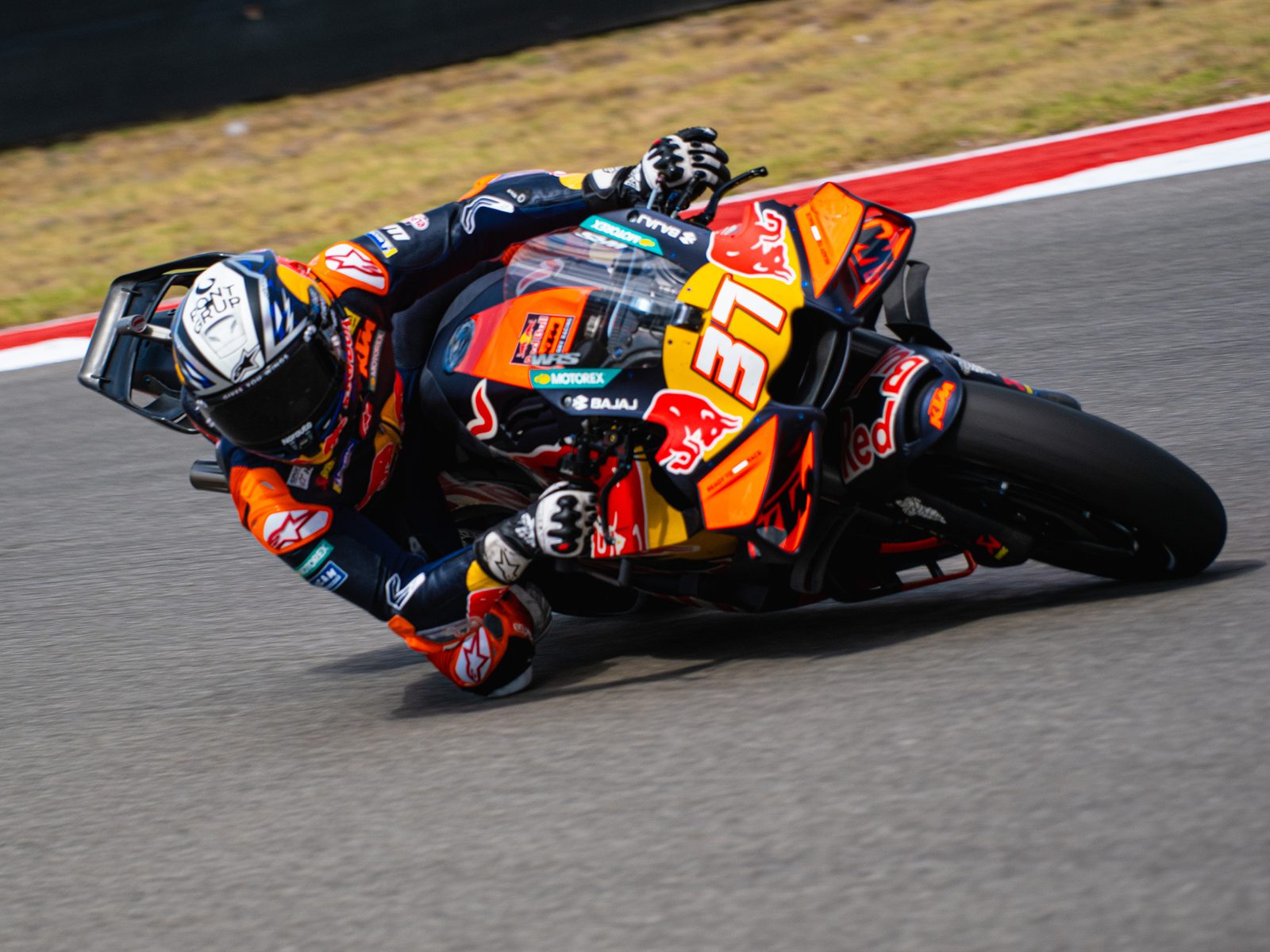
The most striking aspect of this image quality is its understated appearance on the camera’s rear screen. A quick review of a shot might suggest a "fine" image. However, when the same file is loaded into professional editing software and viewed on a high-resolution display, such as a 27-inch Studio Display, the image "opens up" entirely. Textures in the riders’ leathers become incredibly nuanced, the heat shimmer emanating off the exhaust pipes gains an almost tactile quality, and individual crowd members, previously assumed to be indistinct background elements, resolve with surprising sharpness. This level of detail and fidelity fundamentally transforms the viewing experience, revealing layers of information not apparent at first glance. The sensor’s native ISO 80 minimum sensitivity further contributes to its prowess, enabling 16-bit images with remarkably wide dynamic range, even in the high-contrast conditions prevalent on a bright outdoor circuit. This expanded dynamic range allows for greater flexibility in post-production, enabling recovery of details in both shadows and highlights that might otherwise be lost.
Adding to its versatility, the GFX100S II integrates 5-axis in-body image stabilization (IBIS), rated at an impressive 8.0 stops. This makes it the most powerful IBIS system Fujifilm has incorporated into a GFX body. This stabilization proved invaluable for handheld work, particularly in the paddock and on the grid, where slower shutter speeds might be desired for creative effects or in lower light conditions. Paired with the longer end of the GF100-200mm lens, the IBIS system facilitated fluid and confident shooting, significantly reducing the risk of camera shake and allowing for sharp images even when conditions were less than ideal.

Beyond the Track: The Paddock Is Where It Shines
While trackside action demanded a more deliberate and challenging approach, the GFX100S II truly came into its own away from the blistering speed. In the relative calm of the paddock, on the pre-race grid, and during the post-race podium celebrations, the camera was an absolute joy to operate. These environments, characterized by slower movements, static subjects, and more opportunities for considered compositions, played directly to the GFX system’s strengths. The photographer could frame deliberately, trusting the enhanced autofocus system on static and slow-moving subjects, and knowing that every captured image possessed an extraordinary depth of detail.
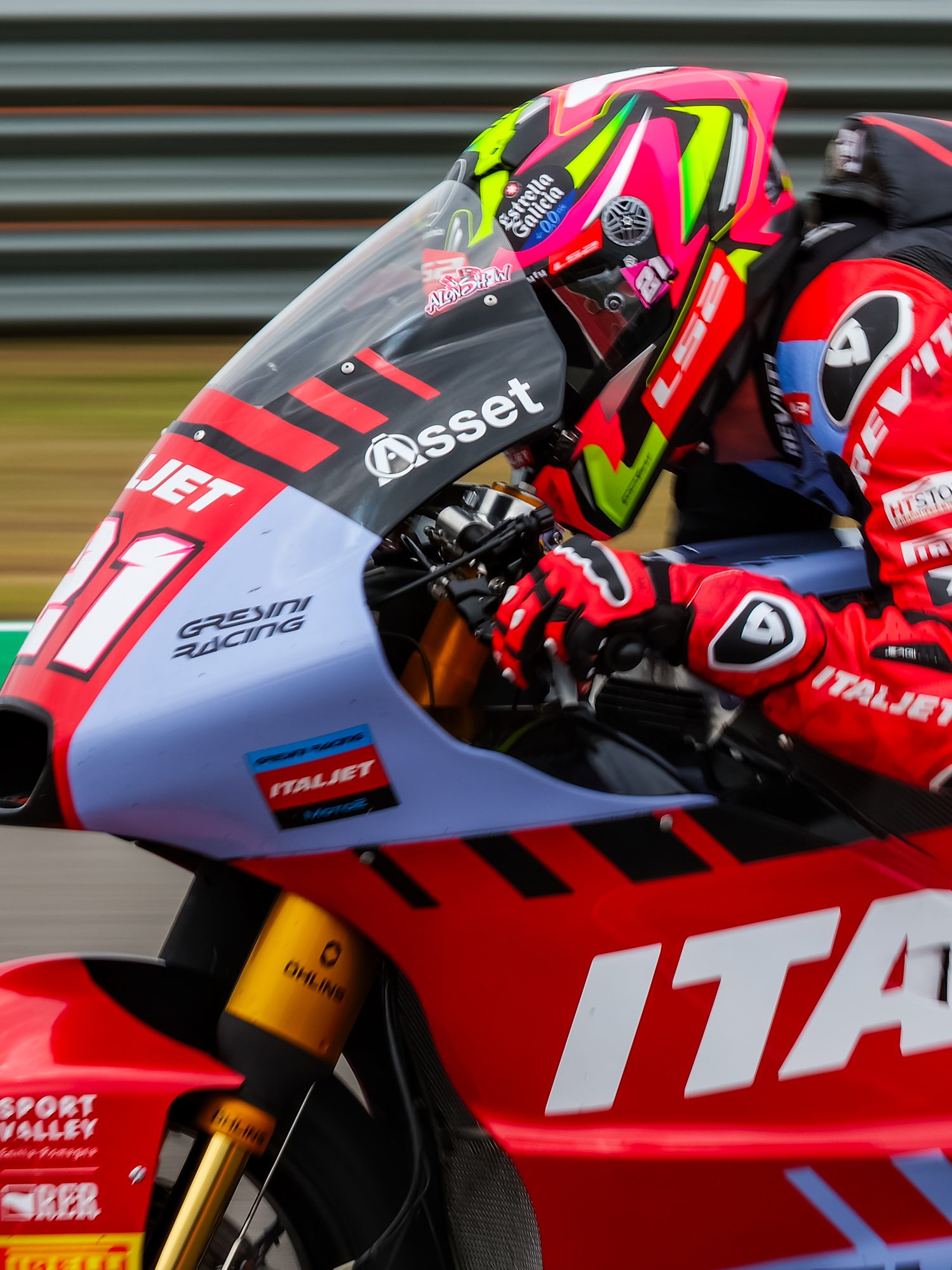
This unparalleled resolution translated into genuine creative freedom in post-production. The ability to crop dramatically without sacrificing resolution is a game-changer for editorial and journalistic work. A wide shot of a rider on the grid, for instance, could be tightly cropped to isolate a compelling portrait of their eyes above the visor, or to focus on an intricate detail of their racing suit, all while retaining pristine image quality suitable for large prints or high-resolution digital displays. This flexibility is genuinely liberating, allowing for artistic interpretations and storytelling possibilities that are simply not feasible with smaller format sensors. For capturing the human element, the drama, and the intricate details that surround a MotoGP event, the GFX100S II proved to be an indispensable tool, elevating the visual narrative to an entirely new level of richness and detail.
Strategic Integration: A Complementary Tool, Not a Replacement
The experience of deploying the Fujifilm GFX100S II at COTA was undoubtedly seductive. The camera is a marvel of engineering, and a weekend with it made a compelling case for its inclusion in a professional photographer’s kit – not as a direct replacement for the high-speed X-H2S bodies, but as a deliberate and specialized complement. For photographic disciplines where speed is secondary to ultimate image quality, such as landscape, portraiture, studio work, fashion, and editorial assignments, it would be genuinely challenging to find a more capable tool in such a relatively portable form factor. Its lightweight design (883g with battery and card) further enhances its appeal for photographers on the move.
At the racetrack, the GFX100S II carves out a very specific, strategic role: that of a "secret weapon" third body. It is reserved for those moments when blazing speed takes a backseat to unparalleled image quality. This includes the intimate grid walk, the triumphant podium celebrations, or that quiet, anticipated corner where a photographer waits patiently for a single, perfect shot – a moment of artistic precision rather than a burst of continuous action. For these specific, high-impact scenarios, nothing else in the Fujifilm system, and arguably very little across the broader photographic landscape, can rival the exquisite output of this medium-format sensor. However, when the starting lights extinguish, and the field of riders hurtles into Turn 1 at breathtaking speed, the Fujifilm X-H2S, with its unyielding autofocus and rapid-fire capabilities, remains the indispensable choice for capturing the dynamic heart of the race. The experiment ultimately reaffirmed that while technology continues to blur boundaries, the specialized strengths of different camera systems remain distinct, offering photographers a tailored arsenal for every unique challenge.