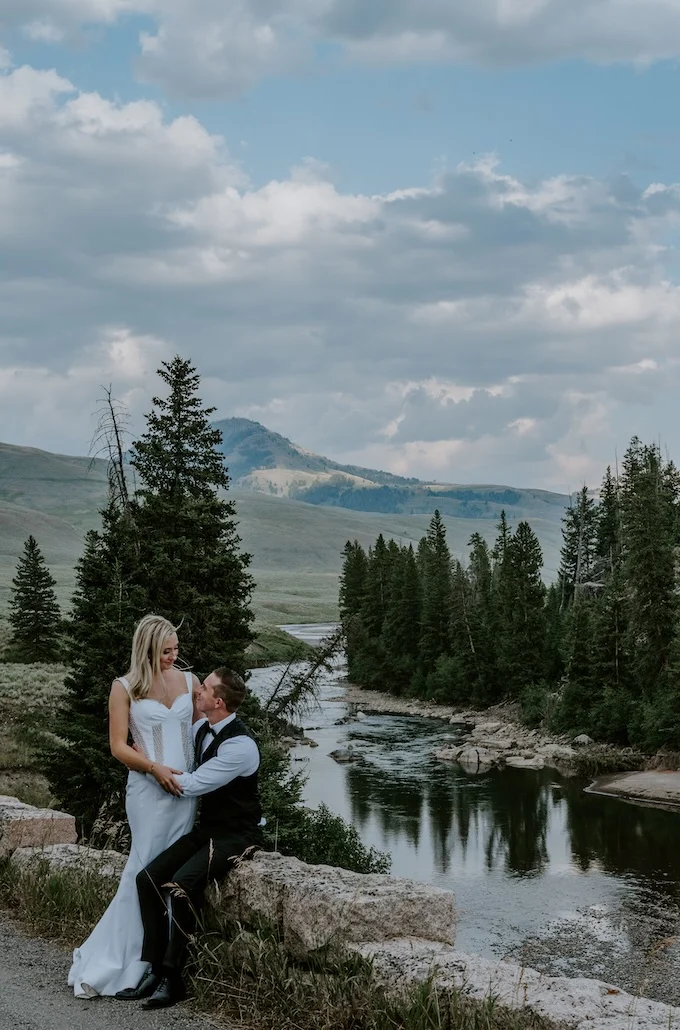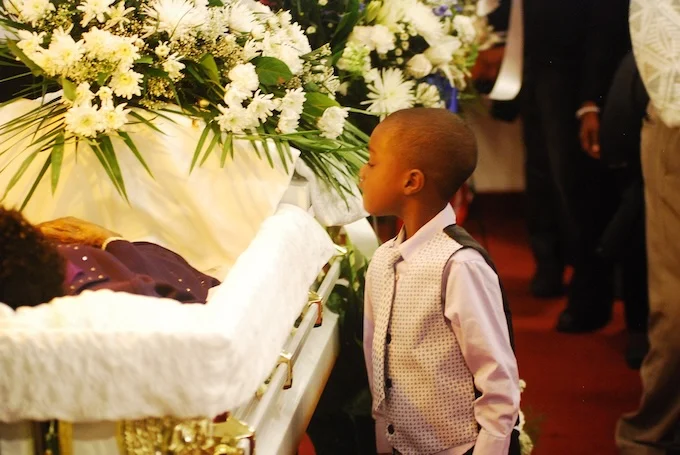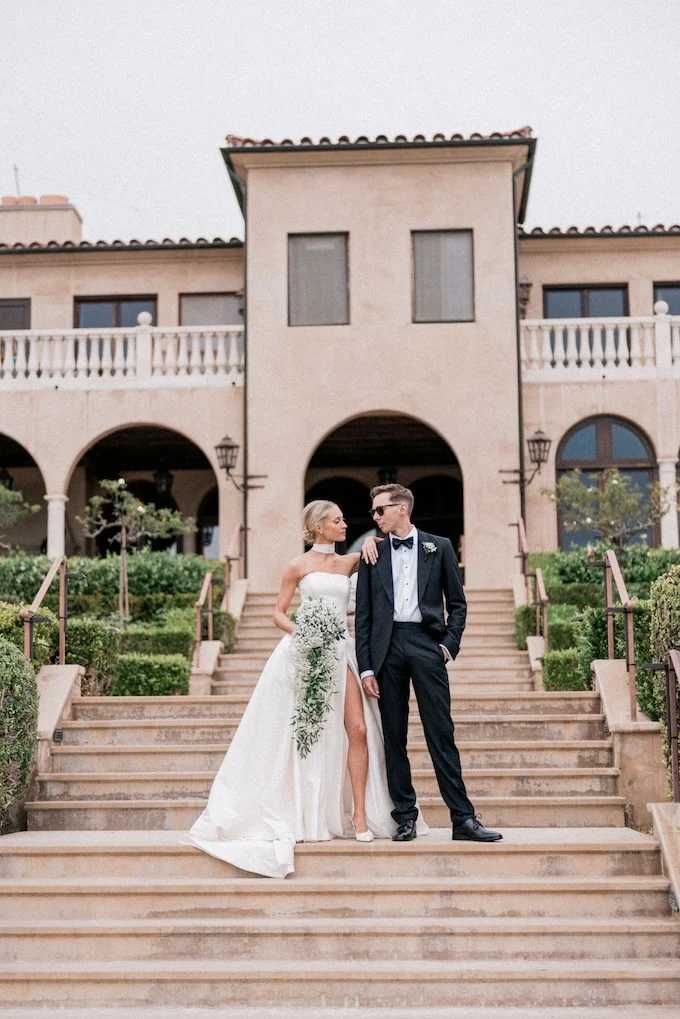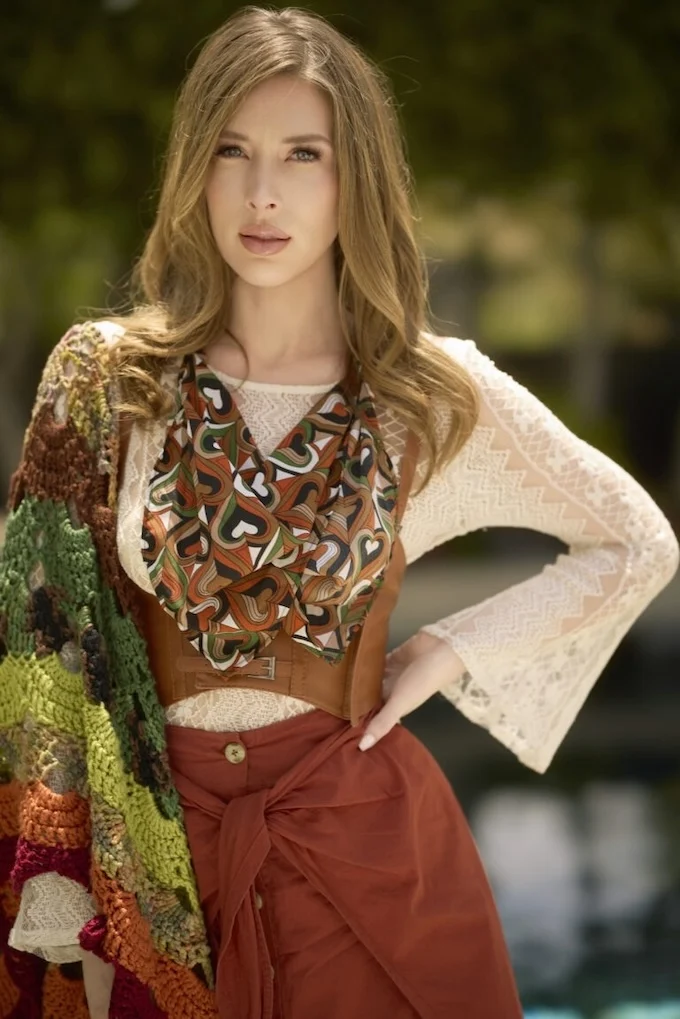
The conventional wisdom in photography often steers creatives toward soft, diffused lighting, a technique favored for its flattering and forgiving nature. Photographers commonly employ diffusers, umbrellas, and seek overcast conditions to achieve this gentle illumination. However, a paradigm shift is underway, championed by renowned photographer Roberto Valenzuela, whose groundbreaking "Dynamic Lighting Masterclass," now accessible through WPPI On Demand, challenges these established norms by showcasing the profound impact of embracing hard light in portraiture. This intensive course offers insights that have the potential to fundamentally alter how photographers approach lighting, leading to more compelling and visually arresting images.
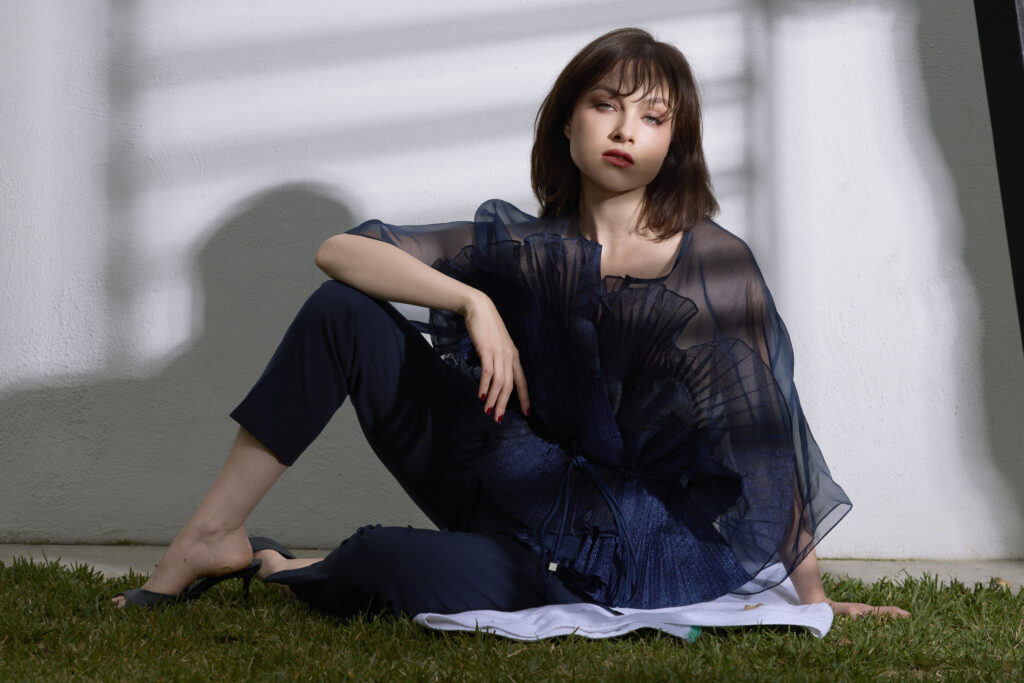
Challenging the Soft Light Paradigm: The Undeniable Power of Hard Light
Valenzuela posits that hard light, often perceived as difficult to manage, is in fact a powerful tool when wielded with understanding and control. "Hard light gets a bad reputation because it’s more difficult to use," Valenzuela states. "But it’s not really difficult. If you have some control over your subjects, hard light is going to look ten times more dynamic, ten times more amazing." This assertion is backed by a fundamental understanding of light physics and its interaction with form and texture.
The inherent nature of hard light, characterized by its small, intense source, creates distinct shadows and highlights. This stark contrast, when artfully employed, can imbue a portrait with a dramatic intensity that softer light sources often lack. Valenzuela elaborates on the visual impact: "People are going to look at the photo, and they can’t stop looking at it. There’s something beautiful about it because it’s not normal to see lighting like that." This unusual quality captures and holds the viewer’s attention, transforming a static image into an engaging visual experience. The key lies in understanding how to direct and shape this potent light to accentuate the subject’s features and create a sense of depth and dimensionality that resonates with an audience. The ability of hard light to sculpt features, define bone structure, and emphasize texture contributes to a photographic output that is both sophisticated and emotionally impactful.

Strategic Application: Mastering Hard Light for Dynamic Portraits
The "Dynamic Lighting Masterclass" delves into the strategic application of hard light, moving beyond mere theoretical understanding to practical, actionable techniques. Valenzuela emphasizes that the perceived difficulty associated with hard light often stems from a lack of precise control. By understanding the principles of light direction, intensity, and falloff, photographers can harness hard light to their advantage. The course explores how to use hard light to:
- Enhance Subject Form and Dimension: The sharp shadows cast by hard light create a strong sense of three-dimensionality, defining facial contours and body shapes in a way that soft light can flatten. This allows for a more sculptural representation of the subject.
- Create Dramatic and Engaging Moods: The inherent contrast in hard light naturally lends itself to creating a dramatic and often cinematic atmosphere. This can be used to convey a range of emotions, from intensity and power to introspection and mystery.
- Highlight Texture and Detail: Hard light excels at revealing the intricate textures of skin, fabric, and other surfaces. This can add a tactile quality to the portrait, making it more engaging and lifelike.
- Achieve Striking Visual Impact: By moving away from conventional, universally flattering light, photographers can create images that are unique and memorable. The unexpected use of hard light can disrupt visual norms and capture a viewer’s imagination.
Valenzuela’s teaching methodology is rooted in decades of professional experience, where he has observed and experimented with various lighting scenarios. His approach demystifies the often-intimidating aspects of studio lighting, providing a clear framework for photographers to build upon. The masterclass, launched in response to a growing demand for advanced lighting education within the professional photography community, offers a structured curriculum that systematically builds a photographer’s understanding and confidence in using hard light. The course’s availability on WPPI On Demand signifies a commitment to making this specialized knowledge accessible to a global audience, allowing photographers to learn at their own pace and integrate these techniques into their workflows.

The Essential Grid: A Non-Negotiable Component for Hard Light Modifiers
A crucial piece of advice from Valenzuela, which he stresses as being potentially money-saving and technically vital, concerns the use of grids with hard light modifiers. "Here’s a pro tip from Roberto that could save you hundreds of dollars: Never buy a hard light modifier without also purchasing its grid," he advises. "Hard modifiers without a grid is like a car without a steering wheel. If you can’t afford the grid, then don’t buy the modifier at all because it’s a waste of your money."
This strong admonition is rooted in the functional necessity of the grid. Hard light modifiers, such as snoots, beauty dishes, and parabolic reflectors, are designed to produce a focused, directional beam of light. Without a grid, this beam can be difficult to control, leading to light spill that contaminates the background and detracts from the subject. The grid acts as a series of tubes that restrict the spread of light, channeling it forward in a more controlled manner. This allows photographers to precisely direct the light onto their subject, creating a clean separation between the subject and their surroundings. This separation is paramount in achieving a polished, professional look, preventing the background from becoming a distracting element and ensuring the viewer’s focus remains squarely on the intended subject. The grid, therefore, transforms a potentially unruly light source into a precise tool for shaping the photographic narrative. The economic implication is significant: an expensive modifier used without a grid is less effective than a simpler, less expensive setup that includes this essential control element.

The "Batman and Robin" Technique: A Synergistic Approach to Lighting
Valenzuela introduces a signature technique, aptly named the "Batman and Robin" approach, which exemplifies his innovative thinking about lighting combinations. This method strategically pairs a hard light source with a secondary, softer light. The hard light, akin to Batman’s assertive presence, provides the dramatic impact and defines the core structure of the image. Robin, the softer light, plays a crucial supporting role, subtly filling in shadows and ensuring that essential detail is not lost.
"You don’t have to," Roberto admits, "but it works quite well to do it with two sources of light, a hard one and a medium or soft one." This balanced approach allows for the creation of portraits that possess both striking visual punch and nuanced detail. The hard light establishes the mood and visual direction, while the softer fill light prevents the image from becoming overly contrasty or losing critical information in the darker areas. This technique demonstrates a sophisticated understanding of light layering, where each light source has a defined purpose, contributing to a harmonious and impactful final image. The "Batman and Robin" method is particularly effective in scenarios where a photographer needs to achieve dramatic lighting while still maintaining a degree of control over the overall exposure and tonal range, a common challenge in portrait photography.

Beyond the Fundamentals: A Comprehensive Curriculum
The "Dynamic Lighting Masterclass" offers far more than just an introduction to hard light. Valenzuela’s curriculum is meticulously designed to provide a holistic understanding of lighting as a creative force. The course extends beyond the core techniques discussed, delving into a wide array of advanced topics. These include:
- Understanding Light’s Behavior: An in-depth exploration of how light interacts with different surfaces, textures, and forms, providing a scientific basis for creative decisions.
- Mastering Light Shaping Tools: Detailed instruction on the use of various modifiers, from hard sources like grids and snoots to softer tools, and how to combine them effectively.
- Advanced Color Theory in Lighting: Examining how different color temperatures and gels can be used to evoke specific moods and enhance the emotional impact of a portrait.
- Creative Shadow Manipulation: Techniques for controlling and utilizing shadows as an integral part of the composition, rather than simply something to be eliminated.
- Posing and Lighting Integration: How to synchronize subject posing with lighting direction to achieve the most flattering and impactful results.
- On-Location Lighting Strategies: Adapting studio lighting principles to diverse outdoor and environmental settings.
- Post-Processing for Enhanced Lighting: Understanding how to refine and enhance the captured lighting in the editing process to achieve a professional finish.
This comprehensive approach ensures that participants not only learn how to use light but also how to think about it critically and apply it creatively to any photographic situation. The masterclass is structured to provide a learning journey, starting with foundational concepts and progressing to highly specialized applications, catering to photographers of all skill levels seeking to elevate their craft.

Transforming Photography: A Call to Embrace Innovation
Roberto Valenzuela’s "Dynamic Lighting Masterclass" represents a significant contribution to the field of photographic education. By encouraging photographers to move beyond the comfort zone of soft light and explore the dramatic potential of hard light, Valenzuela is empowering them to create more distinctive and impactful images. The course, available through WPPI On Demand, offers a rare opportunity to learn from a master craftsman who not only possesses technical expertise but also a profound understanding of the artistic possibilities inherent in light.
The implications of Valenzuela’s teachings are far-reaching. For established professionals, it offers a chance to refine their skills and add new dimensions to their portfolios. For emerging photographers, it provides a solid foundation in advanced lighting techniques that can set them apart in a competitive market. The emphasis on control and understanding, rather than just the equipment itself, ensures that the knowledge gained is transferable and applicable across a wide range of photographic genres. As Valenzuela himself suggests, the most striking images often arise from a willingness to experiment with techniques that others may find daunting. The "Dynamic Lighting Masterclass" provides the roadmap and the inspiration to embark on that transformative journey, proving that sometimes, the most beautiful light is the one that casts the most interesting shadows.

For those eager to master the art of lighting and produce photographs that truly command attention, the complete "Dynamic Lighting Masterclass" is an indispensable resource. It promises not just instruction, but a fundamental shift in perspective, enabling photographers to shape light, control its behavior, and ultimately, unlock their full creative potential. As Valenzuela demonstrates, the mastery of lighting is not merely about illumination, but about artistry, storytelling, and the creation of enduring visual narratives.
Roberto Valenzuela’s work can be explored further at RobertoValenzuela.com and on Instagram @roberto_photo.