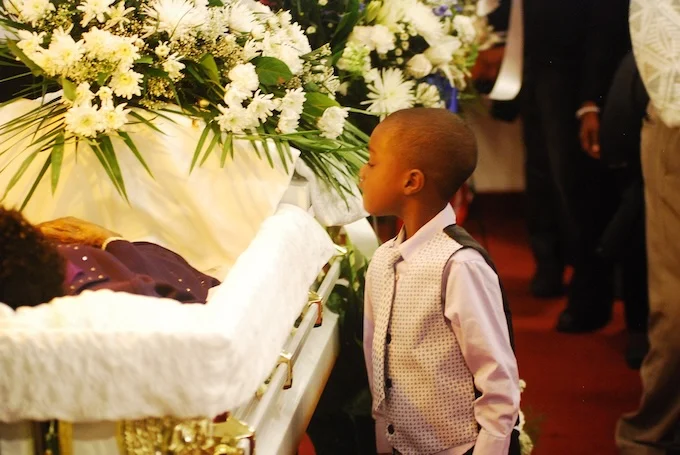
Funeral photography, once a common practice during the Victorian era, has undergone a significant transformation, evolving from a societal norm to a largely taboo subject in contemporary times. However, photographer Duane Knight, proprietor of Your Legacy Photography, is spearheading a movement to reintroduce this genre, arguing it serves as a vital conduit for individuals to process grief through the art of remembrance. Knight estimates that only a scant 50 funeral photographers are currently active worldwide, a number he aims to expand by educating fellow photographers on integrating this sensitive yet crucial service into their portfolios.

The Enduring Power of Visual Memorials
The practice of capturing images at funerals, though often met with hesitation today, echoes a historical precedent. In the Victorian era, photography was a nascent technology, and capturing images of the deceased, particularly in post-mortem portraits, was a way to preserve a final likeness of loved ones who often succumbed to illness or harsh living conditions at a younger age. This practice was driven by a desire to commemorate and remember, a sentiment that resonates even today. Many photographers, though not specializing in funeral photography, have experienced the profound impact of their existing work. They often hear from clients’ families that a cherished portrait of a departed loved one served as the primary, and sometimes only, suitable photograph to display during memorial services. This common experience underscores the inherent human need for visual anchors to memory, especially during times of loss.
Duane Knight’s journey into funeral photography began not with an immediate desire to capture funerals, but from a profound understanding of how photographs aid in remembering. He notes, "Many photographers have had the experience of a former client’s family member telling them just how precious their portrait of a now-deceased loved one is, even expressing that it was the only good photograph they had to display at the funeral." This observation sparked a deeper consideration: if a single portrait holds such immense value, what could be the impact of documenting the entire event of remembrance, the culmination of a life lived and the gathering of those who loved them?

Beyond the Snapshot: Documenting the Gathering of Remembrance
Knight, who has curated approximately 150 "Legacy Funeral Albums" over the past decade, emphasizes that funerals are significant gatherings, often bringing together family members who travel from across the nation and even from around the globe. These events are not merely about the final farewell but are also celebrations of life, reunions of loved ones, and crucial moments for collective grieving and support. The emotional intensity of these occasions, however, can lead to a blurring of memories. "After a funeral, it’s not uncommon for those closest to the deceased to not even remember who was there," Knight observes. "A funeral can be so emotional that it can be difficult to hang onto the details of the day."
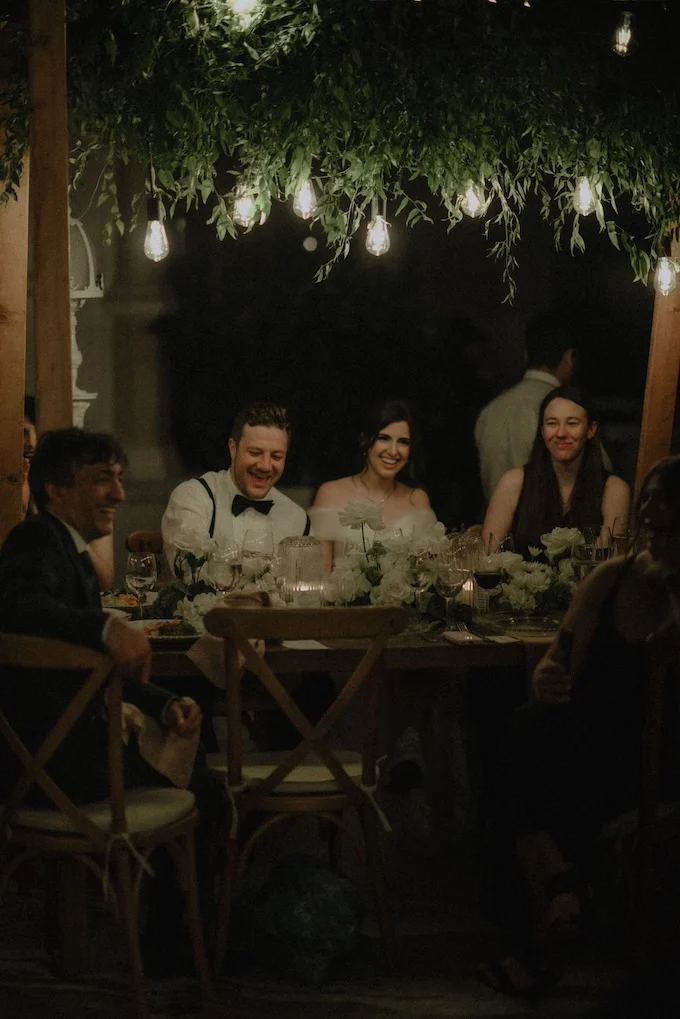
This is where funeral photography, as envisioned by Knight, transcends simple documentation. He draws parallels between funerals and other significant life events such as weddings, birthdays, and christenings. These occasions, like funerals, convene extended family and friends for a finite period, creating a tapestry of shared experiences and connections. A funeral album, therefore, becomes more than just a collection of images; it serves as a tangible memento of both the departed individual and the collective circle of love and support that surrounded them. For those who were unable to attend due to distance or circumstance, receiving a Legacy Funeral Album can provide a vital link, offering a sense of inclusion and connection to the memorial.

Navigating the Cultural Landscape: From Taboo to Treasured
The perception of funeral photography is deeply intertwined with cultural norms and individual beliefs. Knight acknowledges this complexity, stating, "Funerals being photographed is definitely a cultural thing. Some cultures don’t want any photos, and to them, it’s taboo." This cultural sensitivity is a critical aspect of his approach. He recognizes that not all families will embrace the idea, and his aim is not to impose but to offer a service to those who seek it. "In a group of ten people, you might get two or three who want funeral photography," he estimates.
Despite the prevailing hesitations in some quarters, Knight’s mission is rooted in the belief that "all families who want funeral photography should have the opportunity to get it." For him, the core purpose is the preservation of memories and the facilitation of healing. His work aims to provide a visual narrative that can be revisited and cherished, offering comfort and a tangible connection to the past. This perspective challenges the notion of funeral photography as inherently disrespectful or intrusive, reframing it as a sensitive and artful practice that honors the deceased and supports the living.

Cultivating a New Generation of Funeral Photographers
The scarcity of funeral photographers globally, a number Knight places at approximately 50, highlights a significant gap in memorial services. To address this, Knight is actively engaged in educating other photographers about the nuances and ethical considerations of this specialized field. He believes that by sharing his expertise and advocating for the genre, he can encourage more professionals to consider offering funeral photography services.
Knight’s efforts to raise awareness have taken him to various photography conferences, including the prestigious WPPI (Wedding & Portrait Photographers International) Expo in Las Vegas. At these events, he actively engages with his peers, discussing the importance of funeral photography and offering guidance on how to approach this sensitive subject matter with empathy, respect, and artistic skill. His distinctive presence at these gatherings—often marked by a hat emblazoned with "I Love Funeral Photography" and a vest proclaiming "Ask Me about the Art of Funeral Photography"—serves as a conversation starter, inviting curiosity and dialogue about a profession that many may not have previously considered.

His dedication to education extends beyond mere promotion. Knight aims to equip photographers with the understanding that funeral photography is not simply about taking pictures at a somber event. It involves a deep appreciation for the emotional context, the unspoken needs of grieving families, and the power of imagery to facilitate the healing process. This involves mastering techniques for capturing candid moments of connection, portraits that convey love and remembrance, and details that tell the story of the day, all while maintaining a discreet and respectful presence.
The Broader Implications of Preserving Legacy
The impact of Duane Knight’s advocacy for funeral photography extends beyond the individual photographers he trains or the families he serves. It touches upon a broader societal conversation about how we approach death, grief, and remembrance in the modern age. As societies become more secular and familial structures evolve, the traditional rituals and support systems surrounding death may diminish. In this context, art forms that can facilitate emotional processing and communal connection become increasingly valuable.

The data on grief and bereavement suggests that having opportunities for remembrance and connection can be crucial for mental well-being. Studies have shown that individuals who engage in rituals of remembrance, whether personal or communal, often report a greater sense of closure and a healthier adjustment to loss. Funeral photography, by providing a concrete and lasting visual record, can serve as a powerful tool in this process. It offers a way for survivors to revisit cherished memories, to see the support they received, and to keep the essence of their loved one alive for future generations.
Knight’s initiative can be seen as a response to this evolving landscape. By championing funeral photography, he is not just offering a service; he is contributing to a shift in cultural perception, advocating for a practice that, while once commonplace, has the potential to offer profound healing and lasting comfort in the contemporary world. His mission to make this art form more accessible and understood reflects a growing recognition of the complex and multifaceted nature of grief and the diverse ways in which individuals seek solace and connection during times of loss.

The future of funeral photography, as envisioned by Knight, is one where it is no longer a niche or taboo subject but a recognized and respected avenue for preserving legacies and fostering healing. His proactive approach, combining artistic passion with a commitment to education and cultural sensitivity, is paving the way for this renaissance, ensuring that the art of remembrance continues to evolve and serve those who need it most.
For those interested in learning more about Duane Knight’s work or the practice of funeral photography, his website YourLegacyPhotography.com, his Instagram profile @funeral.photos, and his contact information provide avenues for inquiry and engagement. His presence at industry events like WPPI further signals his dedication to expanding the understanding and practice of this vital, albeit often overlooked, photographic genre.