The annual analysis of rental data from America’s premier equipment rental house for 2025 reveals compelling insights into the evolving landscape of professional and enthusiast photography and videography. This comprehensive dataset, meticulously gathered and scrutinized, serves as a critical barometer for market trends, technological preferences, and the strategic direction of the industry in the years to come. Unlike outright sales figures, rental data often reflects immediate project needs, the adoption rate of new technologies, and the practical demands of working professionals and content creators navigating diverse assignments. The findings for 2025 underscore a market increasingly valuing versatility, reliability, and cost-efficiency, with established giants maintaining their formidable positions while niche segments show dynamic shifts.
The Pulse of the Industry: Rental Data as a Barometer
Each year, the aggregation of rental statistics offers a unique vantage point into the operational realities of the imaging sector. While sales figures indicate long-term investment and brand loyalty, rental trends highlight the gear that professionals need for specific projects, often reflecting current production styles, budget constraints, and the rapid pace of technological innovation. In 2025, a year characterized by the continued maturation of mirrorless technology and the proliferation of hybrid shooting demands, this data becomes even more crucial. It illuminates which tools are considered indispensable workhorses, which new releases capture immediate attention, and how various brands are performing in the competitive arena of professional and semi-professional content creation. The overarching narrative from 2025’s rental data points towards a strategic adoption of gear that balances high performance with adaptability, particularly as individual creators and smaller production teams seek to maximize their capabilities across various mediums, from cinematic video to high-resolution stills. The emphasis on rental rather than purchase for certain items also suggests a pragmatic approach to equipment acquisition, allowing users to access specialized or high-cost gear without the burden of ownership and depreciation.
Dominance of Versatility: Top Lenses of 2025
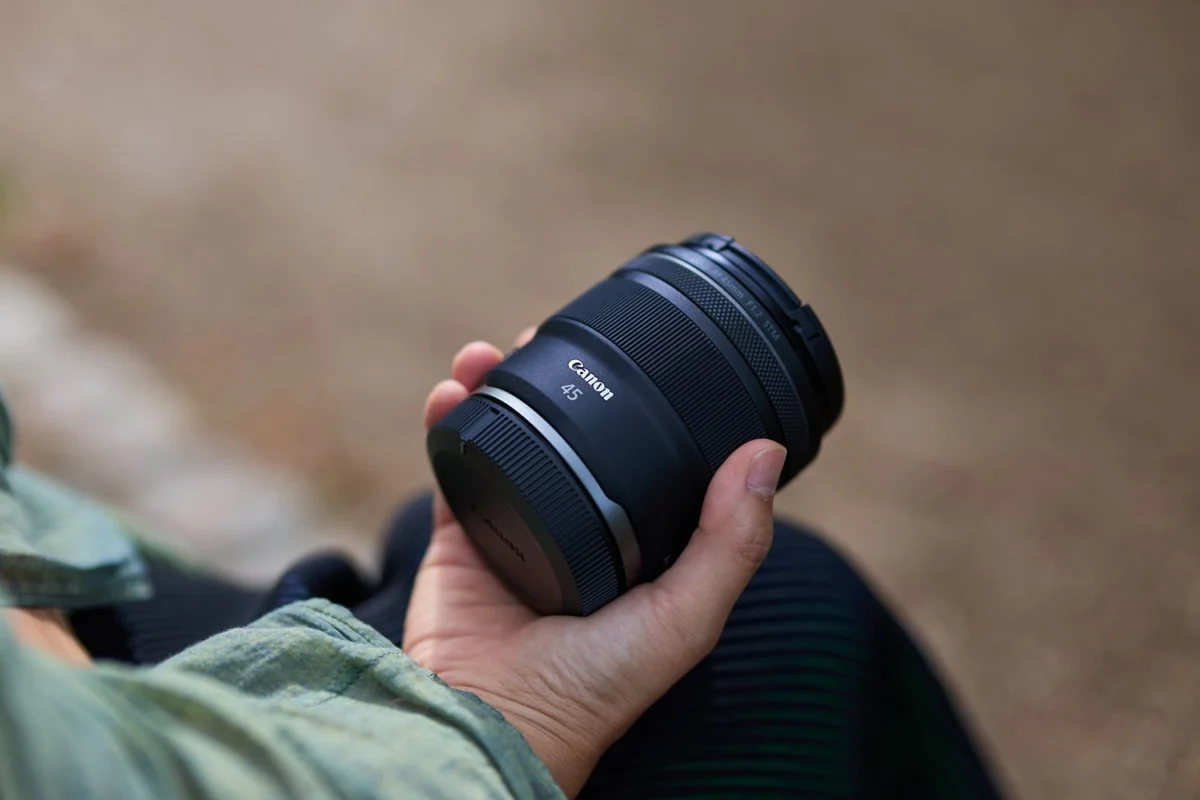
The axiom "Prime is King" has long held sway in photographic discourse, championing the optical purity and wide apertures of fixed focal length lenses. However, the 2025 rental data consistently challenges this notion, placing versatile midrange zoom lenses at the pinnacle of popularity. The Canon RF 24-70mm f/2.8L IS stands as the undisputed leader in rental frequency, a testament to its exceptional image quality, robust build, and integrated image stabilization, making it an all-in-one solution for a vast array of shooting scenarios. Closely trailing is the Canon RF 28-70mm f/2L, an even faster, albeit slightly shorter-ranged, option that offers unparalleled low-light performance and subject separation within a zoom design.
This preference for midrange zooms in the rental market is logical. Professionals frequently engage in projects requiring adaptability – from event coverage and portraiture to documentary filmmaking and corporate videography – where changing lenses rapidly is impractical or impossible. A high-quality 24-70mm or 28-70mm lens effectively covers the most commonly used focal lengths, minimizing equipment changes and maximizing efficiency on set. This versatility translates directly into cost savings and operational simplicity for renters. An industry analyst, Dr. Eleanor Vance, specializing in prosumer technology markets, commented on this trend: "The rental market prioritizes practical utility. While primes offer specific artistic advantages, the sheer breadth of tasks a professional faces means a premium zoom that doesn’t compromise on quality is often the smarter, more economical choice for a short-term project."
The data further supports this trend, with prime lenses making a significantly delayed appearance on the most popular rentals list, the Canon RF 50mm f/1.2L finally breaking into the 17th position. This suggests that while primes are still highly valued, their rental is often reserved for specific, highly specialized projects where their unique characteristics are non-negotiable, rather than for general-purpose use. The lens category also highlights a striking duopoly: Canon and Sony lenses overwhelmingly dominate the top 20, with only Sigma making a singular entry with its 24-70mm f/2.8 DN Art. This indicates strong brand ecosystems and a preference for native glass or highly reputable third-party alternatives that offer comparable performance and compatibility within these ecosystems. The absence of "quirky" or highly specialized lenses further solidifies the narrative of practicality driving rental decisions in 2025.
Camera Choices: Surprises and Strong Contenders
The camera rental landscape for 2025 presented several intriguing findings, notably the Canon R6 Mark II unexpectedly topping the list of most rented cameras. This model outperformed both its higher-resolution sibling, the R5 Mark II (8th place), and the original R5 (4th place). This outcome suggests a strategic sweet spot for the R6 Mark II in the rental market. While the R5 series offers higher megapixel counts and more advanced video capabilities, the R6 Mark II likely strikes an optimal balance of robust performance, excellent low-light capability, advanced autofocus, and a potentially more accessible rental price point. For many projects, its 24.2-megapixel sensor and impressive video features (including 4K 60p oversampled from 6K) are more than sufficient, making the R6 Mark II a highly attractive and practical choice for a broad spectrum of users who don’t necessarily require the absolute bleeding edge of resolution or internal RAW video recording. A spokesperson for the rental house, Alex Chen, noted, "The R6 Mark II has become a workhorse. It delivers professional-grade results without being overkill for typical assignments, making it an incredibly versatile and cost-effective option for our diverse clientele."
Sony also demonstrated a formidable presence, with an impressive nine different cameras making it into the top twenty. This broad representation spans a wide range of applications, from premium professional cinema systems like the Sony FX6, favored for its full-frame sensor, internal NDs, and advanced video features, to compact point-and-shoot options such as the Cybershot RX100 VII, indicating a demand for high-quality, portable solutions for vlogging, behind-the-scenes content, or secondary camera needs. Sony’s strategy of offering a comprehensive ecosystem catering to various budget and feature requirements appears to be paying dividends in the rental space.
Conversely, a notable absence was that of Fujifilm from the top twenty camera rentals, and Nikon secured only one spot with its Z8. This disparity, while not directly reflective of sales, suggests challenges for these brands in capturing significant share in the general-purpose rental market for cameras. It could imply that while Fujifilm and Nikon have dedicated user bases and excellent products, their market penetration in the rental sector—which often favors widespread familiarity and ecosystem breadth—is not as robust as Canon or Sony.
The Unsung Heroes: Accessories and Their Critical Role
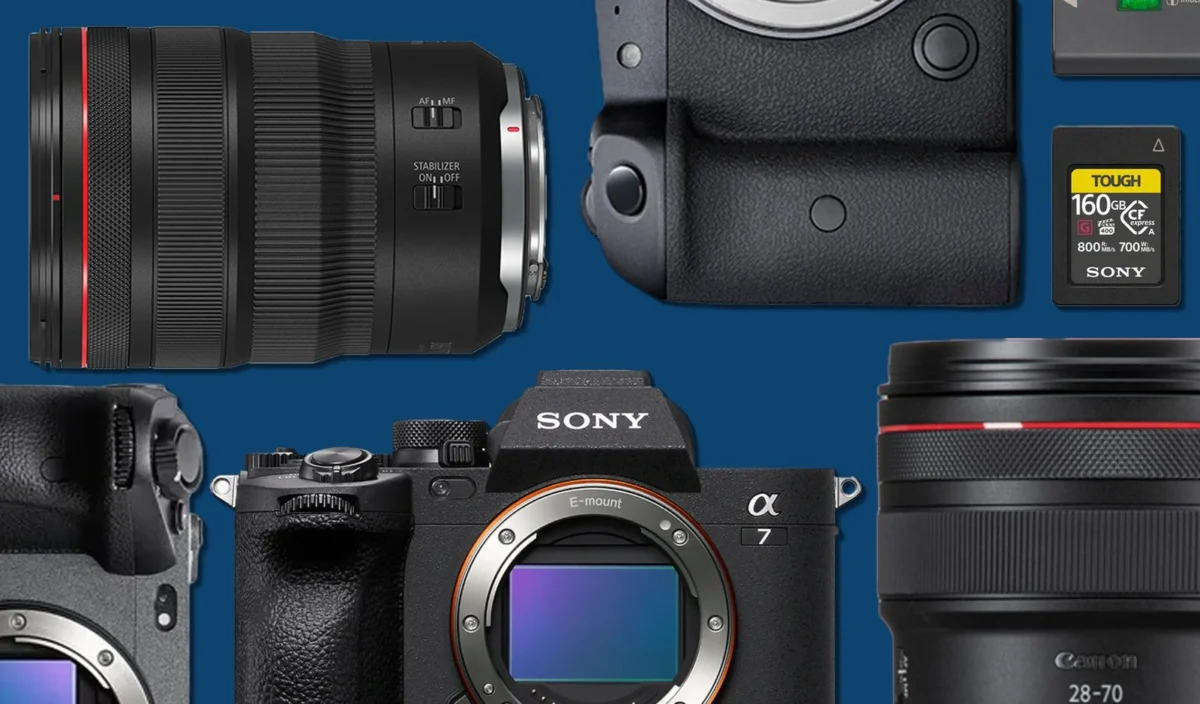
Beyond cameras and lenses, the ecosystem of accessories plays a pivotal, often overlooked, role in enabling any shoot. The 2025 rental data for accessories, encompassing everything from cables and hard drives to tripods and lighting equipment, predictably highlights the essentials: batteries and memory cards. These items dominated the accessory rental list, a direct consequence of modern mirrorless camera technology. Mirrorless systems, while offering significant advantages in size, weight, and advanced features, are notoriously power-hungry compared to their DSLR predecessors. Professionals consistently require extra batteries to ensure uninterrupted shooting, particularly for demanding video productions or extended event coverage. Similarly, the increasing resolution of both stills and video (4K, 6K, 8K) necessitates high-capacity, high-speed memory cards to handle the voluminous data generated.
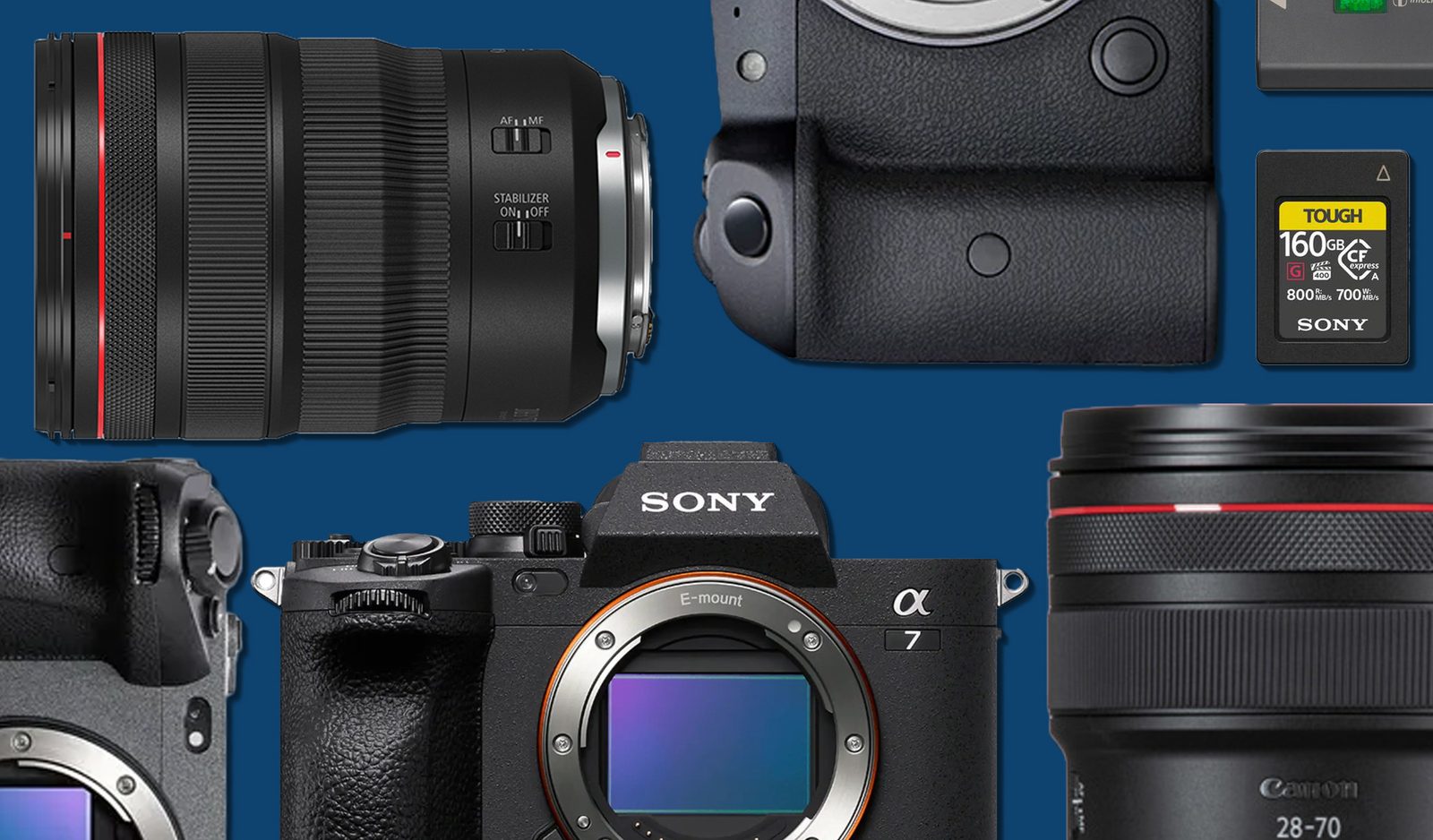
What was perhaps more surprising was the relative scarcity of dedicated lighting gear or drone equipment reaching the top twenty accessory rentals, with the DJI TB50 battery (used for specific DJI drone models) being the sole exception at 18th position. The remaining spots were primarily filled by fundamental support equipment like light stands and tripods. This could indicate several trends: first, that specialized lighting and drone equipment might be rented from more niche, dedicated rental houses, or that many content creators opt to purchase basic lighting kits for permanent ownership due to their portability and frequent use. Alternatively, the integration of ambient light strategies or the use of smaller, more portable LED panels that are easily purchased might diminish the need for renting larger, studio-grade lighting setups for many projects reflected in this general rental data. The prevalence of robust support gear like light stands and tripods, however, reaffirms the foundational importance of stability and precise positioning in professional imaging.
Shifting Tides: Brand Market Share by Revenue
The brand market share analysis for 2025, calculated by revenue, provides a different lens through which to view industry dominance, naturally skewing towards brands with higher-priced equipment, such as RED or Leica. Even with this consideration, Canon continues its long-standing lead, securing 26.51% of the market share, a steady increase from 25.69% in 2024 and 23.96% in 2023. Sony follows closely, also showing consistent growth from 19.13% in 2023 to 21.66% in 2025, solidifying its position as a strong second player. The gap between these two leaders and the rest of the market remains substantial, underscoring their comprehensive ecosystems and broad appeal across various price points and professional applications.
Nikon, despite its storied history, experienced a slight dip from 5.91% in 2024 to 5.56% in 2025, suggesting continued challenges in revenue-based market penetration in the rental sector. Fujifilm, while not appearing in the top camera rentals, showed modest growth in market share, moving from 2.24% in 2023 to 2.79% in 2025, indicating a loyal customer base and perhaps a growing niche in the hybrid photo/video space. DJI continued its upward trajectory, increasing its market share from 3.31% in 2023 to 4.29% in 2025. This steady growth highlights the increasing integration of drone technology into professional workflows, from cinematography to industrial inspection, making DJI a crucial player in the broader imaging equipment market.
Other brands like Blackmagic, Sigma, and Aputure maintained relatively stable positions or saw slight decreases, indicating consistent demand within their specific segments (cinema cameras, third-party lenses, and lighting, respectively). Brands like RED and Sachtler experienced slight declines, potentially reflecting market shifts towards more accessible professional cinema solutions or broader competition in their specialized categories. The slight shrinkage observed for several brands collectively contributes to a margin for other product brands not explicitly measured in this particular top-tier list, suggesting a dynamic and competitive environment beneath the major players.
Emerging Trends: The Most Popular New Gear of 2025
The category of most popular new gear for 2025 offers a glimpse into future market directions, albeit with certain caveats. This list is based on rental orders within the year, meaning products released earlier in the year naturally have a significant advantage in accumulating rental numbers. Furthermore, it reflects new additions to the rental house’s inventory, which might include products released in previous years but newly stocked to meet emerging demand or expand into new market segments.
Leading this forward-looking list is an updated version of the Manfrotto 190 series tripod. This is a significant indicator, as it highlights the enduring demand for reliable, foundational equipment. The Manfrotto 190 series has been a staple for video-focused applications for years, renowned for its stability, build quality, and versatility. Its updated iteration topping the new gear list underscores that even in a rapidly evolving technological landscape, the importance of robust support systems remains paramount for professional production.
Making a strong debut in the lighting category is the Amaran COB 200x. This 200W bi-color monolight, offering both battery and AC power options, resonated strongly with renters. Its popularity reflects a growing need for versatile, powerful, and portable lighting solutions that can adapt to various on-location and studio environments. The ability to switch between AC and battery power, coupled with its bi-color temperature adjustment, makes it an ideal tool for independent filmmakers, videographers, and photographers seeking flexible lighting setups without compromising on output or color accuracy. This signals a continued surge in demand for accessible professional lighting solutions that bridge the gap between amateur setups and high-end cinema lighting.
The remainder of the new gear list largely comprised refreshes of popular existing equipment, offering marginal upgrades to already exceptional products. This suggests that 2025, in many respects, was a transitional year for the industry, characterized by refinements and optimizations rather than revolutionary product launches. Manufacturers appear to be consolidating gains, enhancing user experience, and improving existing technologies rather than introducing entirely new paradigms.
Industry Reactions and Forward-Looking Perspectives
Industry analysts widely interpret the 2025 rental data as a confirmation of the mirrorless camera system’s maturity and its undeniable role as the dominant platform for professional imaging. "The market has settled into a rhythm where incremental improvements and system optimization are more valued than radical shifts," observed Maria Rodriguez, a senior analyst at PhotoTech Insights. "Canon and Sony’s continued lead in both camera and lens rentals, coupled with the preference for versatile zooms, speaks to a pragmatic approach by professionals who need reliable, high-performance tools for a diverse range of paid assignments."
The consistent growth of DJI also signals a broader integration of aerial cinematography and photography into mainstream production workflows, pushing manufacturers to consider how their ground-based systems interact with drone platforms. The strong showing of the Amaran COB 200x further emphasizes the burgeoning market for accessible, versatile professional lighting, reflecting the growth of independent content creation and smaller production teams.
Looking ahead, the forthcoming release of purchase data promises to offer a complementary perspective. While rental data highlights short-term project needs and exploratory use, purchase data will reveal which pieces of equipment were so highly valued during their rental period that customers opted to integrate them permanently into their arsenals. This combined insight provides a holistic view of both transient market demands and enduring professional preferences, shaping the strategic decisions of manufacturers, rental houses, and content creators alike as the industry progresses into the latter half of the decade.