The intersection of live musical performance and digital documentation has reached a critical inflection point in the mid-2020s, as the tension between immediate sensory experience and the desire for permanent record-keeping continues to reshape the cultural landscape. Traditionally, the live music environment served as a communal ritual designed to foster a direct emotional connection between the performer and the audience. However, the ubiquity of high-definition recording devices has introduced a barrier of intermediation that many critics argue diminishes the "primal" quality of the experience. This phenomenon was recently highlighted during a high-profile performance in late July 2026, featuring two of Sicily’s most prominent musical exports: violinist Francesco Nicolosi and world-renowned accordionist Pietro Adragna. The event served as a microcosm for a broader global debate regarding the ethics and impacts of photography within the performing arts.
The July Performance: A Case Study in Musical Showmanship
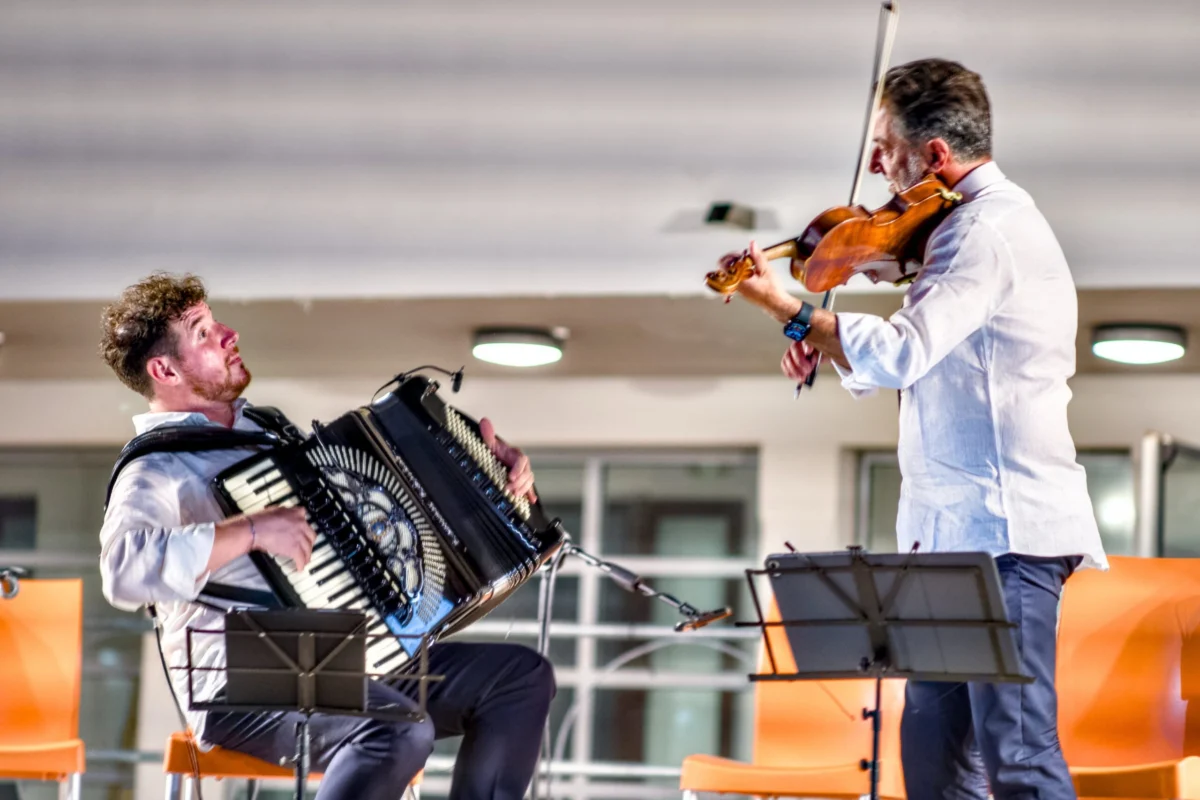
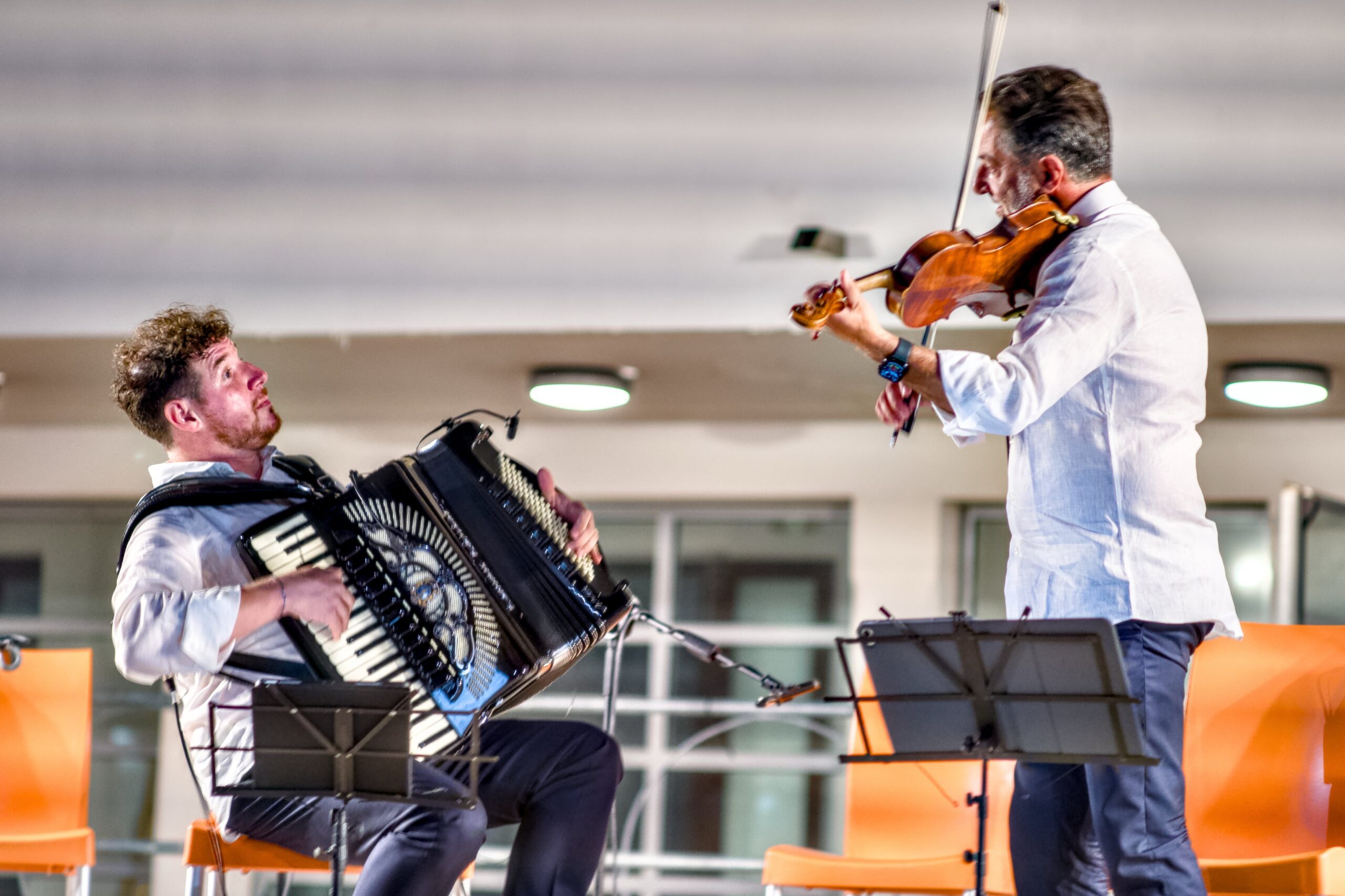
The concert, held in a setting that emphasized the historical and cultural weight of the Sicilian musical tradition, featured a collaborative "duel" between Nicolosi and Adragna. Francesco Nicolosi, celebrated for his mastery of the violin and his deep ties to the Italian classical repertoire, engaged in a rhythmic and melodic exchange with Pietro Adragna, a multi-time world champion of the piano accordion known for his virtuosic speed and theatrical stage presence.
Observers of the performance noted a distinct physical and emotional narrative unfolding on stage. The interaction was characterized by a series of musical "reversals." In the initial movements, the violin appeared to dominate the sonic space, with Nicolosi standing over the seated Adragna, asserting the traditional hierarchy of classical instrumentation. However, as the performance progressed, the dynamic shifted; Adragna stood to his full height, utilizing the expansive bellows of the accordion to "push back" against the violin’s melodies. This visual and auditory choreography was designed to pull the audience into a state of total immersion, a goal that was complicated by the presence of recording devices throughout the venue.
Technological Intermediation: The Role of Professional Equipment
While much of the criticism regarding concert photography is directed at the "myriad of smartphones and tablets" that often obstruct the view of seated patrons, the use of professional-grade equipment presents its own set of dilemmas. In the case of the Nicolosi-Adragna performance, high-quality documentation was achieved using a Nikon Z5 mirrorless camera paired with a Nikkor 105mm f/2.5 lens. This specific combination is favored by enthusiasts and professionals alike for its ability to capture sharp, emotionally resonant images in low-light environments without the intrusive flash or the poor digital zoom quality associated with consumer mobile devices.
The Nikon Z5, a full-frame entry in the mirrorless market, provides the necessary sensor resolution to capture the nuance of a performer’s expression—such as the specific smile of Adragna during a competitive solo. However, the act of operating such machinery, even for the purpose of high-quality preservation, necessitates a shift in the operator’s focus. The photographer must transition from a "participant" in the musical ritual to an "observer" of it. This shift highlights the "documentation paradox": the more effectively one captures the moment for future viewing, the less one is able to inhabit that moment as it occurs.
The Evolution of Audience Behavior: A Chronology of Distraction
The current state of concert etiquette is the result of a two-decade-long evolution in consumer technology. To understand the present conflict, it is necessary to examine the timeline of how technology has integrated into the live performance space:
- The Pre-Digital Era (Pre-2000s): Concert photography was largely restricted to authorized professionals. Audiences engaged via auditory and physical presence.
- The Rise of the Digital Point-and-Shoot (2000–2010): Small digital cameras became common, but slow shutter speeds and poor low-light performance limited their use to occasional snapshots.
- The Smartphone Revolution (2010–2018): The integration of high-quality cameras into iPhones and Android devices led to the "sea of screens" phenomenon. Recording entire songs became a social norm.
- The Era of Social Validation (2018–Present): Live-streaming and instant social media uploads (Instagram Reels, TikTok) shifted the focus from "recording for memory" to "broadcasting for status."
By 2026, this evolution has led to a backlash from both artists and audiences. The late July concert in Sicily demonstrated that even those who appreciate the technical art of photography are beginning to question whether the trade-off—missing the "magic" of being lost in the music—is worth the resulting image.
Supporting Data: The Impact of Photography on Memory and Enjoyment
Recent psychological studies support the assertion that the act of taking photos can actually impair a person’s ability to remember the event. A study often cited in this debate is the "Photo-Taking Impairment Effect," which suggests that when people rely on a camera to "remember" for them, their brain’s own encoding process is less effective.
- Memory Retention: Research indicates that participants who took photos of objects in a museum remembered fewer details about the objects than those who simply observed them.
- Emotional Connection: Surveys conducted at major music festivals between 2023 and 2025 revealed that 62% of attendees felt that the presence of smartphones "negatively impacted" their sense of immersion.
- Performer Feedback: In a 2025 industry report, 74% of performing artists stated that seeing a crowd of screens rather than faces reduced their "energy exchange" with the audience, potentially lowering the quality of the live performance itself.
Official Responses and Industry Shifts
The music industry has not remained passive in the face of these changes. Several "tiers" of response have emerged to address the disruption caused by digital documentation:
- The Yondr Approach: Many high-profile artists, including Alicia Keys and Jack White, have mandated the use of Yondr pouches—locked neoprene bags that hold a patron’s phone during the show, only to be unlocked at designated stations.
- Professional-Only Zones: Some venues have begun enforcing strict "no-camera" policies for the general public while providing high-resolution "official" photos to ticket holders after the event via QR codes.
- The "Unplugged" Movement: A growing number of classical and jazz performers, such as the circle surrounding Nicolosi and Adragna, emphasize the "ritual" aspect of music, encouraging audiences to stow devices as a sign of respect for the "primal" community experience.
In the Sicilian context, the debate is particularly poignant. Sicilian musical culture is rooted in communal participation and oral tradition. The introduction of digital barriers is seen by some traditionalists as a threat to the "soul" of the performance, which relies on the unmediated connection between the performer’s intent and the listener’s reception.
Broader Implications and the Future of the Live Experience
The internal conflict experienced by photographers—the realization that they are "part of the problem" even when using superior equipment—reflects a broader societal struggle with presence. The distinction between a "proper camera" and a "crappy image capture device" (smartphone) may matter in terms of the aesthetic quality of the final product, but it does not change the fundamental nature of the distraction.
As we move toward the late 2020s, the industry is likely to see a further bifurcation of the live experience. On one hand, "Instagrammable" pop spectacles will continue to encourage digital participation as a form of free marketing. On the other hand, "Artistic Sanctuaries"—performances focused on classical, folk, and avant-garde music—will likely implement stricter "no-tech" environments to preserve the emotional involvement that defines the genre.
The duel between Francesco Nicolosi and Pietro Adragna serves as a reminder of what is at stake. When a violinist and an accordionist engage in a high-stakes musical dialogue, the nuances of their "duel"—the shifts in posture, the split-second smiles, and the rising tension of the bellows—are ephemeral. They exist in the air of the venue and the minds of the listeners. While a Nikon Z5 can freeze a frame of that duel with breathtaking clarity, it cannot capture the feeling of the vibration in the room or the shared breath of a captivated audience. The challenge for the modern spectator is to determine which is more valuable: a high-resolution ghost of the past, or the lived reality of the present.