Owls, with their silent flight, piercing gaze, and nocturnal habits, have long held a unique place in human lore and the natural world, fostering a deep fascination that draws many to seek a closer understanding and, for some, to capture their elusive beauty through photography. This specialized field of wildlife photography aims to document these captivating raptors, highlighting their distinctive characteristics, inherent grace, and profound mystery, further fueling public interest and scientific inquiry. Achieving compelling owl photographs requires more than just technical skill; it necessitates a deep respect for wildlife, an understanding of owl ecology, and an unwavering commitment to ethical practices. By delving into the nuances of owl behavior and habitat, photographers can significantly enhance their chances of successful encounters, yielding not only enchanting images but also contributing to broader conservation awareness.
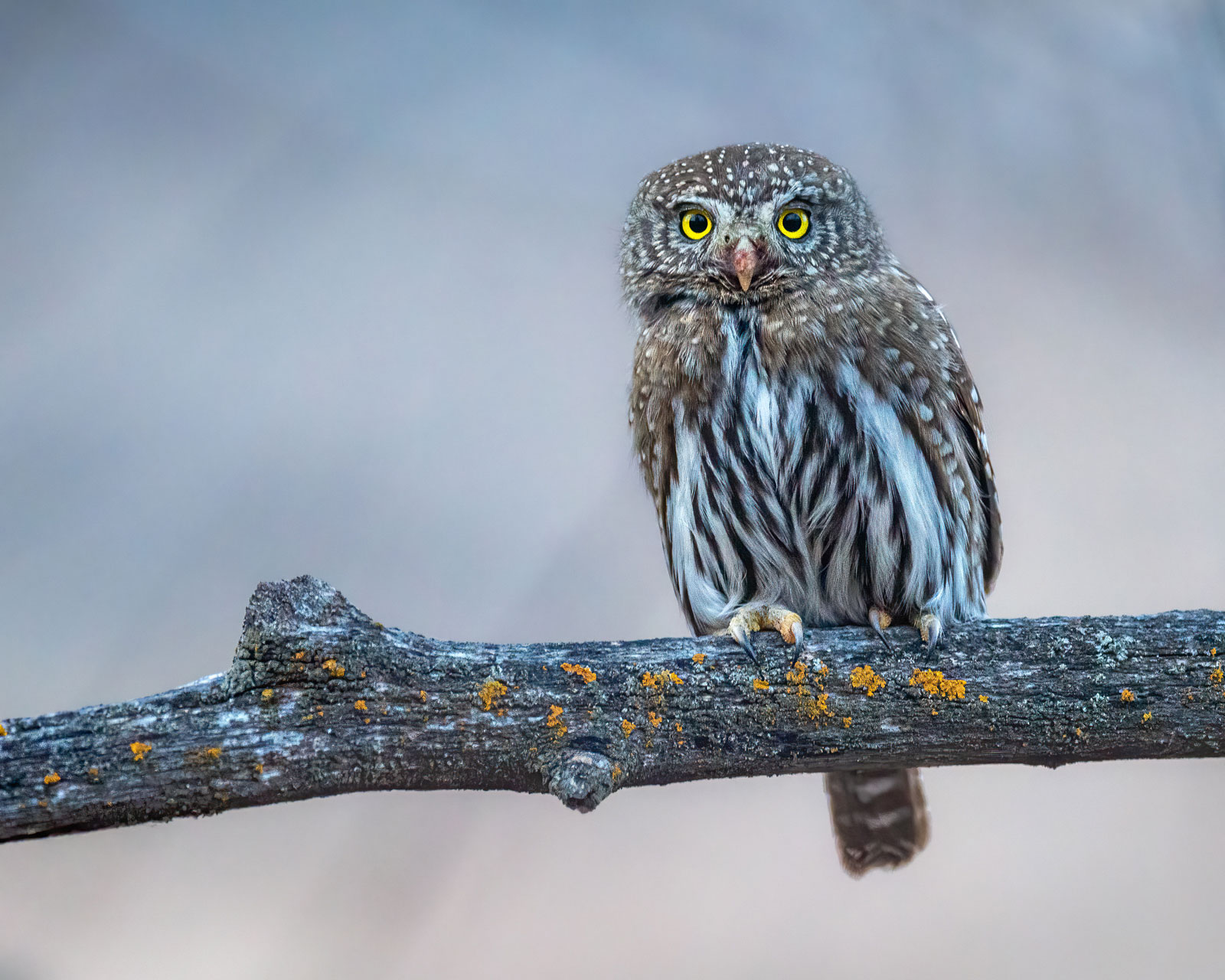
The Enduring Allure of the Strigiformes
The order Strigiformes, encompassing over 200 species of owls worldwide, represents a diverse group of predatory birds adapted to a vast array of environments. From the dense boreal forests to expansive deserts, arctic tundras, and even the periphery of urban centers, owls have carved out ecological niches across all continents except Antarctica. Their appeal stems from a combination of biological marvels and cultural mystique. Anatomically, their large, forward-facing eyes, often fixed in their sockets and requiring head rotation for broader vision, give them an almost human-like expression, fostering an immediate connection. Their highly specialized auditory systems, frequently augmented by prominent facial discs, allow for pinpointing prey in absolute darkness, while their uniquely structured feathers enable virtually silent flight, a crucial advantage for ambush hunting. Historically, owls have been revered as symbols of wisdom, omens, or guardians in various cultures, adding layers of intrigue to their natural presence. The quest to photograph these enigmatic birds is therefore often driven by a desire to peel back these layers, revealing their true essence in their natural state.

Mastering the Hunt: Locating Owls in Diverse Ecosystems
Successfully locating owls is the foundational step in owl photography, a process that relies heavily on thorough research and patient observation. Owls inhabit a remarkable variety of habitats globally, including vast forests, open plains, arid deserts, rugged canyons, the treeless expanse of tundra, vital wetlands, and surprisingly, even densely populated urban landscapes. Their presence is year-round, though specific species may exhibit seasonal migratory patterns influenced by food availability, snow depth, and breeding cycles. This global distribution means that, for many photographers, a local owl species is often within accessible range.

The initial phase involves identifying the owl species native to a specific region. Numerous free online databases, ornithological societies, and library resources offer comprehensive information on local avian populations. Photographers should investigate not only the species present but also their relative abundance, which can indicate the ease or difficulty of an encounter. However, abundance does not always equate to visibility. Factors such as a species’ feeding habits, diurnal or nocturnal activity, seasonal movements, expert camouflage, and breeding behaviors significantly influence detectability. For instance, the Great Horned Owl (Bubo virginianus), a large and widespread species across North and Central America, is notoriously adept at blending seamlessly into its arboreal surroundings, rendering it almost invisible to the casual observer despite its prevalence. Similarly, Tawny Owls (Strix aluco) in Europe are often challenging to locate due to their secretive nature and effective camouflage. Equipping oneself with species-specific knowledge is paramount for optimizing search efforts.
While most owls are predominantly nocturnal, many species become notably more active around dusk and dawn, presenting prime opportunities for observation. A key method for detection involves listening intently for their characteristic calls or hoots as twilight descends or shortly thereafter. Consistent auditory monitoring in a target area over time will attune the photographer’s ear to their presence. Visually, the challenge is to train the eye to discern an owl’s distinctive silhouette or shape amidst the natural clutter of trees. Owls often roost at least halfway up a tree, favoring larger branches close to the main trunk, but rarely in the uppermost canopy. As light fades, they may shift to more exposed perches at the edges of tree lines, preparing for their nightly hunt. Observing these subtle shifts in behavior and preferred roosting spots is vital. In low-light conditions, searching for silhouettes against the fading sky can be particularly effective.

Returning to areas where owls have been heard or spotted is a highly effective strategy. Owls tend to remain within a short flight distance of their daytime roosts when they begin their evening activity. If a food source is abundant, an owl might utilize the same tree or even the same branch for days or weeks. During daylight hours, these known areas should be systematically scanned, focusing on denser tree sections and spots offering natural cover from above. Beyond direct observation, indirect signs can betray an owl’s presence. "Whitewash," the accumulation of droppings on branches or the ground beneath a roost, is a clear indicator, especially for species like Long-eared Owls (Asio otus) which often congregate in winter roosts. The discovery of owl pellets – regurgitated, undigested remains of prey – further confirms an owl’s regular presence in an area. Finding these signs often means an owl is perched directly overhead or very nearby.
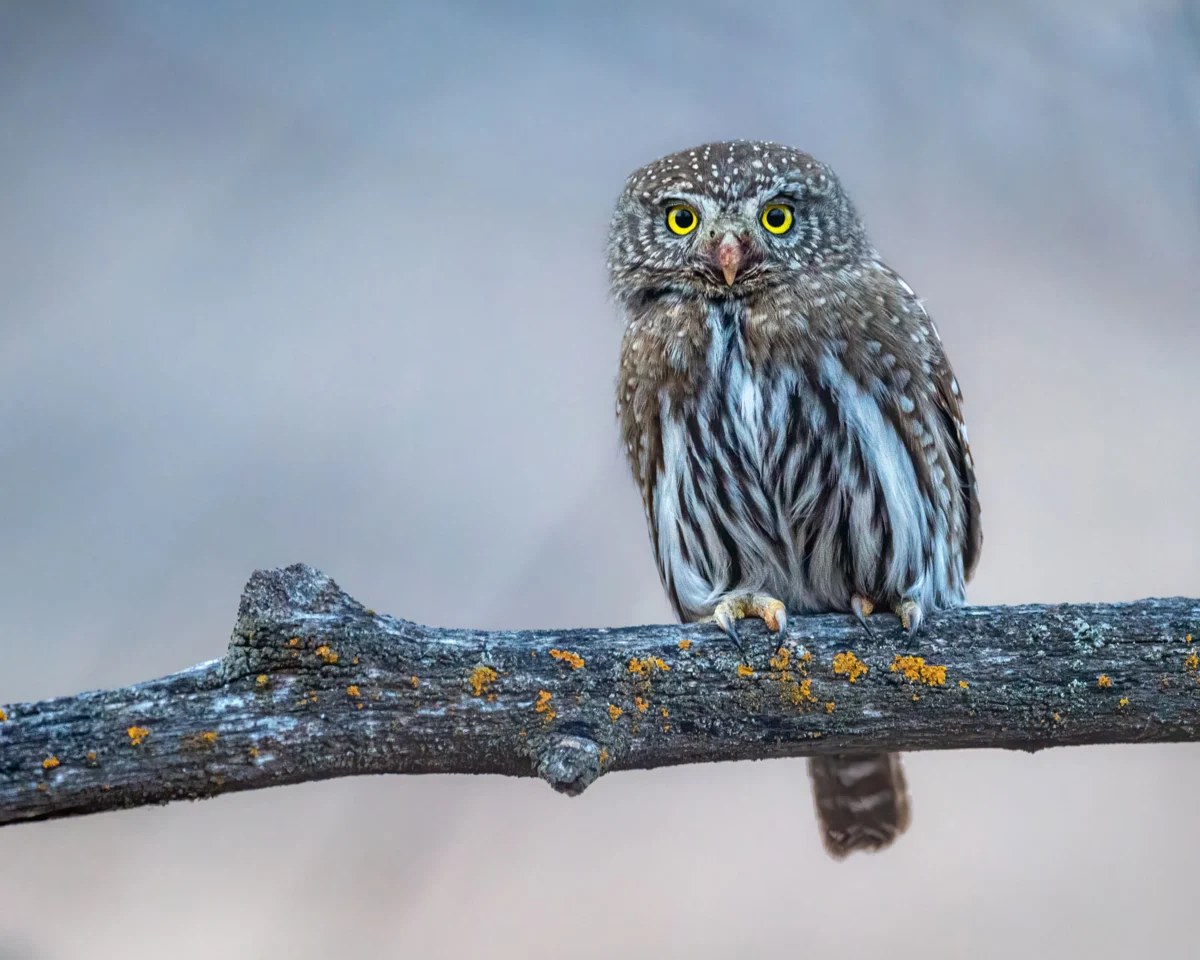
A few owl species are largely diurnal, meaning they are active during daylight hours. This group includes species such as the Burrowing Owl (Athene cunicularia), Northern Hawk-Owl (Surnia ulula), Little Owl (Athene noctua), Pearl-spotted Owlet (Glaucidium perlatum), and many pygmy owl species. These owls, which often rely more heavily on eyesight for hunting, are typically found perched openly, scanning the landscape for prey. Other species that balance both visual and auditory hunting may be active during the day but intensify their efforts around dawn and dusk. Understanding these species-specific activity patterns allows photographers to strategically allocate their time for maximum photographic potential, capturing a wider range of behaviors.

It is crucial for aspiring owl photographers to manage expectations. Finding and successfully photographing owls can be a protracted endeavor, often requiring months or even a full year of dedicated effort before achieving truly captivating images. However, a solid understanding of owl behavior significantly shortens this learning curve. For those who continue to struggle, engaging a professional local wildlife guide can be an invaluable resource. Experienced guides possess intimate knowledge of local owl populations, recent sightings, and understand the specific needs and ethical considerations of wildlife photographers, greatly increasing the chances of a successful and responsible encounter. Furthermore, understanding the migratory patterns of target owl species, which are often linked to food availability, snow depth, population dynamics, and broader climatic shifts, can inform seasonal planning for photography expeditions.
Ethical Considerations in Owl Photography: A Conservation Imperative

The pursuit of stunning owl photographs must always be secondary to the well-being of the birds themselves. Wildlife photography, particularly of sensitive species like owls, carries significant ethical responsibilities. Disturbing an owl, especially during its daytime rest or breeding season, can have detrimental impacts on its health, hunting success, and reproductive output. The general guideline is to maintain a respectful distance, typically 75 to 100 feet or more. Any sign of nervous behavior from the owl – head turning away, ruffling feathers, or preparing for flight – indicates the photographer is too close and must immediately retreat.
Using a long telephoto lens is not merely a technical advantage for framing; it is an ethical imperative, allowing photographers to capture intimate portraits from a safe, non-intrusive distance. Approaching too closely and pointing a camera steeply upwards can be perceived as a direct threat. Pressuring an owl to abandon its roost can lead to the bird expending valuable energy, potentially leaving a prime hunting territory, or even abandoning a nest, all of which are detrimental to its survival.

Crucially, the use of baiting techniques – luring owls with live or dead prey – is strictly unethical and harmful. Baiting habituates owls to humans, can disrupt their natural hunting behaviors, expose them to unnatural risks (like road collisions), and can concentrate them in unhealthy densities. Responsible wildlife photography emphasizes documenting natural behavior in natural settings. Organizations like the National Audubon Society, the North American Nature Photography Association (NANPA), and various wildlife trusts universally condemn such practices, advocating for minimal impact and respecting the animal’s space and routine. Photographers should prioritize the welfare of the subject over the pursuit of a photograph, recognizing that truly compelling images often emerge from patient, respectful observation of natural behaviors.
The Photographer’s Arsenal: Essential Equipment for Capturing Owls

To effectively capture the intricate details of owls, whether perched or in flight, specific photographic equipment is highly recommended. Given the necessity of maintaining a significant distance for the owl’s welfare, a long telephoto lens is indispensable. Lenses ranging from 300mm to 600mm are commonly employed, often with teleconverters to extend their reach further. This focal length, combined with an appropriate distance, allows the photographer to frame the owl prominently while creating an advantageous perspective, making it appear as if the photographer is at eye level, even if the owl is perched high. This eliminates the unflattering upward angle that results from being too close.
Owl photography frequently occurs in low-light conditions, particularly during dawn, dusk, or at night. Therefore, lenses with wide maximum apertures are crucial for maximizing light gathering capabilities, allowing for faster shutter speeds to freeze motion and reduce noise. An f/2.8 lens is ideal but often prohibitively expensive. Lenses with maximum apertures of f/4 or f/5.6 are viable alternatives. When shooting in low light, the lens should initially be set to its widest aperture to ensure the fastest possible shutter speed. As lighting improves, the aperture can be gradually stopped down to increase the depth of field if desired, ensuring more of the subject is in sharp focus.

While not strictly mandatory, a sturdy tripod or monopod significantly enhances stability and image sharpness, especially with heavy telephoto lenses and slower shutter speeds. Owls, when not actively hunting, tend to remain relatively stationary, allowing for extended observation periods. A tripod supports the camera and lens, reducing photographer fatigue and ensuring the setup is constantly ready to capture unexpected movements or behavioral nuances. A monopod offers a lighter, more mobile alternative, suitable for situations requiring quicker adjustments. Handholding heavy equipment for prolonged durations is challenging and often leads to missed opportunities if the camera is not constantly poised. One consideration for flight photography is that a tripod can impede rapid panning. Many experienced photographers will use a tripod for static perched shots and then detach the camera for anticipated flight sequences to maximize agility.
For low-light situations, particularly when using slower shutter speeds, a remote shutter release device (wired or wireless) is invaluable. It eliminates camera shake caused by manually pressing the shutter button, ensuring crisp, sharp images. Modern cameras with high ISO performance are also a significant asset, allowing for adequate exposure in dim conditions without introducing excessive noise, though careful post-processing for noise reduction is often necessary.

Unveiling Unique Behaviors: Capturing the Owl’s Character
Owls possess a suite of distinctive characteristics and behaviors that set them apart from most other avian species, offering unique photographic opportunities. Their relatively large facial discs, designed to funnel sound to their highly sensitive ears, create a natural frame around their expressive eyes. This feature serves as a powerful central point of interest in owl portraits and a secondary focal point in behavioral shots. Given that an owl’s eyes are typically within the same focal plane as the facial disc, achieving sharp focus across the entire face is generally straightforward. Photographers should leverage this strong visual element, positioning it thoughtfully within the frame to create balance with other compositional elements.

Another surprising and often comical feature is the length of many owls’ legs, which are typically concealed beneath their dense plumage. Species like Short-eared Owls (Asio flammeus) reveal unexpectedly long legs during flight or when landing. Capturing these moments, especially when the legs and powerful talons are exposed as the owl prepares to strike prey, adds a dynamic and educational dimension to images. These fleeting glimpses require anticipation and rapid burst shooting to secure.
Owls also boast impressive wingspans relative to their body size. When photographing owls in flight, it is essential to capture moments when their wings are fully outstretched, showcasing their power and graceful aerodynamics. Opportunities for backlighting, where the sun illuminates the translucent edges of their extended wings, can create particularly dramatic and ethereal effects, highlighting the intricate structure of their feathers.

From Perch to Flight: Dynamic Compositions and Action Shots
An owl perched within a forest or against an open landscape provides a wealth of compositional possibilities. Even in a seemingly static scene, dynamic elements can be incorporated. When an owl is found resting in a secluded forest area, respecting its peace is paramount. After securing initial images, repositioning slowly and quietly can yield diverse perspectives. The forest environment often presents challenges with cluttered backgrounds. The goal is to find an angle that offers a clear view of the owl against a smooth, non-distracting background, often a compromise that requires patience and experimentation from various vantage points. Foreground elements can also be strategically used, either as leading lines or as a soft, out-of-focus blur to conceal distracting features deeper in the scene. Once sufficient images of a resting owl are captured, backing away allows the owl to resume natural behavior without feeling pressured.

Alternatively, a wider environmental portrait, where the owl is a smaller, accentuating element within a broader forest scene, can be highly effective. This approach emphasizes the owl’s habitat and scale. For such shots, a shorter telephoto lens, like a 70-200mm zoom, might be more suitable. However, for this to work, the surrounding environment itself must be visually appealing, free of harsh highlights or excessive visual clutter.
Owls do not always perch high. Many species, including Long-eared Owls, frequently perch just a few feet above the ground, or up to ten feet. Low-perched owls offer excellent eye-level photographic opportunities, though they can often be more skittish. Owls also tend to remain on the ground immediately after catching prey, a vulnerable moment when photographers must maintain extra distance and silence to avoid causing the owl to abandon its meal. Giving low-perched owls ample space is key to observing and photographing their natural actions.

Compositionally, consider how the owl stands out against its surroundings. A lighter-toned owl against a dark, forested background can create a striking contrast. Camera settings should be adjusted to correctly expose the highlights without blowing them out, allowing the background to recede into a rich, dark blur. This technique minimizes post-processing adjustments. Furthermore, incorporating supporting compositional elements, such as a prominent branch or natural frame, can guide the viewer’s eye to the owl, adding balance and depth to the image without distracting from the main subject.
Capturing owls in flight demands a different approach, requiring anticipation, quick reflexes, and fast camera settings. When owls are observed around sunset, it is reasonable to expect them to initiate their nightly hunt. Photographers should increase their distance from the owl to account for its wide wingspan, preventing clipping of the wings from the frame. This increased distance also helps the owl feel more comfortable, potentially leading to it flying towards the photographer. It is imperative to reiterate that baiting to induce flight or hunting behavior is unethical and should never be practiced.

Understanding the hunting behaviors of specific owl species is critical for anticipating flight paths. Many owls will perch for several minutes before moving, allowing photographers to slowly and strategically reposition themselves for an unobstructed view and a clean background. Owls often fly from one tree to another or patrol open fields, offering predictable movement patterns. This predictability allows photographers to anticipate where the owl might go next, setting up for both flight shots and the highly coveted action shots of an owl catching prey.
Larger owl species tend to fly relatively slowly and often in a somewhat predictable direction. For sharp flight images, a fast shutter speed, typically 1/1600th of a second or faster, is recommended. With practice, slightly slower speeds can be used to introduce artistic motion blur in the wings while keeping the head sharp. Diverse hunting styles exist: Great Grey Owls (Strix nebulosa) often execute rapid, direct drops from high perches to capture prey in deep snow, while Short-eared Owls perform graceful, buoyant flights over fields. Knowledge of these behaviors directly informs photographic strategy. When an owl takes flight, continuous burst shooting is advised, especially when it flies perpendicular or towards the photographer, as owls can make erratic movements, creating varied and interesting wing and body positions.

Framing the Narrative: Choosing the Right Image Orientation
A critical decision in the field is the image orientation, whether horizontal (landscape), vertical (portrait), or square. This choice should be dictated by the energy flow and compositional elements of the scene. If an owl is in flight, moving laterally across the frame, a horizontal orientation is often best to accommodate its wingspan and imply motion. For a tall, majestically perched owl, especially if there are compelling compositional elements above or below it (like a towering tree or a reflective surface), a vertical orientation can enhance its stature and the overall visual impact. A square orientation can be particularly effective for symmetrical owl portraits, where the owl faces the camera directly, emphasizing its facial features without extraneous background distractions. Experimentation in the field by capturing images in different orientations, and further exploration during post-processing through cropping, allows for maximizing the narrative potential of each shot.

In Conclusion
The journey of owl photography is as much about the search and the experience as it is about the final image. The profound sense of connection felt during a respectful encounter with an owl in its natural habitat often transcends the photographic outcome. While owls present a challenge due to their elusive nature compared to most birds, the rewards are exceptional. Approaching these magnificent creatures with patience, profound respect for their space, and a commitment to silence and non-disturbance ensures that the unique photographic opportunities they offer are cherished memories, contributing positively to both the art of wildlife photography and the broader efforts to conserve these mysterious hunters of the night.