Passerine birds, universally recognized as perching birds, constitute the sprawling order Passeriformes, representing an astonishing diversity that encompasses over half of all known avian species globally. These agile creatures, distinguished by their unique toe arrangement – three digits pointing forward and one facing backward, providing an exceptional grip – are ubiquitous, thriving across a myriad of environments from manicured gardens and dense woodlands to expansive open fields. Their accessibility, coupled with their vibrant plumage and dynamic behaviors, has positioned them as a compelling and rewarding subject for aspiring and seasoned wildlife photographers alike, despite the inherent challenges posed by their small size and rapid movements.

The World of Passeriformes: An Ecological Overview
The sheer scale of the Passeriformes order is remarkable, boasting over 6,500 species. This vast group includes some of the most familiar birds encountered daily, such as sparrows, tits, finches, warblers, and swallows. Their success can be attributed to several evolutionary advantages, not least their specialized feet, which allow them to perch securely on thin branches, reeds, and wires, granting access to diverse food sources and nesting sites. Beyond their physical adaptations, passerines are also renowned for their complex vocalizations. Bird song, often intricate and species-specific, serves a multitude of purposes, from attracting mates and defending territories to warning against predators. For ornithologists and photographers, understanding these vocal cues is often the first step in identifying and locating species, particularly when visual identification is obstructed by dense foliage.

The Growing Appeal of Backyard Bird Photography
In recent decades, there has been a noticeable surge in interest in avian photography, a phenomenon partly driven by advancements in photographic technology and a collective desire to connect with nature, even within urbanized landscapes. Passerine birds, with their widespread distribution and willingness to frequent human-modified environments, have become central to this trend. Their presence in gardens and parks offers unparalleled opportunities for close-up observation and photography without the need for extensive travel or specialized expeditions. This accessibility transforms ordinary backyards into vibrant wildlife studios, making the pursuit of captivating bird imagery more attainable for a broader audience. The satisfaction derived from capturing the intricate details of a goldfinch’s plumage or the iconic stance of a robin has fostered a dedicated community of enthusiasts committed to documenting these small wonders.

Strategic Engagement: Attracting Passerines for Observation and Photography
To consistently photograph passerine birds, creating an inviting and safe environment is paramount. Wildlife photography experts emphasize that understanding and catering to the birds’ needs significantly increases the likelihood of successful encounters.

-
Establishing a Feeding Station: During colder months or periods of natural food scarcity, a well-maintained feeding station can become a crucial lifeline for passerines and an invaluable asset for photographers. Providing a diverse array of nutritional options is key to attracting a wide spectrum of species. Sunflower seeds, particularly black oil sunflower seeds, are a universal favorite, while nyjer seeds appeal to finches, and suet cakes offer essential fats during winter. Mealworms can attract insectivorous species like robins and wrens. The strategic placement of feeders is also vital; areas that receive ample natural light are preferred, but feeders should not be in overly exposed locations. Surrounding foliage offers crucial cover, providing a sense of security for skittish birds and enhancing photographic compositions. Furthermore, ensuring strict hygiene by regularly cleaning feeders with a mild disinfectant prevents the spread of diseases, a critical responsibility for any wildlife enthusiast.
-
The Importance of a Water Source: Beyond food, a reliable water source is a powerful magnet for birds, especially during dry spells or freezing conditions. A birdbath or a specially constructed reflection pool can attract birds for drinking, bathing, and preening. For photographers, a reflection pool, perhaps a shallow, rectangular tray with carefully positioned rocks or logs, offers unique artistic opportunities. The reflections of surrounding trees or foliage can create soft, painterly backgrounds, far preferable to the harsh brightness of an open sky.

-
Crafting the Perfect Perch: The visual appeal of an image is often dictated by its setting. Photographers meticulously select and position natural perches near feeding stations or water sources. Branches adorned with moss or lichen, a sprig of spring blossom, or a textured twig can elevate a simple bird portrait into a work of art. The key is to select perches that appear natural and are harmonious with the bird’s typical habitat, avoiding anything that looks artificial or out of place. Lighting also plays a crucial role; positioning perches to maximize the benefits of morning or evening golden hour light, or utilizing overcast days for soft, diffused illumination that accentuates feather detail, is a common practice among seasoned photographers.
Mastering the Lens: Technical Considerations for Passerine Photography

The dynamic nature of passerine birds necessitates a robust understanding of camera settings to achieve sharp, compelling images.
- Shutter Speed: To effectively freeze the rapid movements of these small birds, a high shutter speed is indispensable. For static or perching birds, a minimum of 1/1000th of a second is generally recommended. When attempting to capture birds in flight, taking off, or landing, increasing the shutter speed to 1/2500th of a second or even faster becomes essential to render sharp wings and eliminate motion blur.
- Aperture: A wide aperture, typically ranging from f/2.8 to f/5.6, is favored to create a shallow depth of field. This technique artfully isolates the bird from its background, producing a pleasing bokeh effect that emphasizes the subject. However, for frame-filling portraits or when photographing multiple birds, a slightly narrower aperture may be necessary to ensure critical sharpness across key features like the bird’s eye and chest feathers.
- ISO Sensitivity: In challenging low-light conditions, photographers should not hesitate to increase the ISO setting. Modern cameras handle higher ISOs with remarkable efficiency, and while some noise may be introduced, a sharp image with a touch of grain is almost always preferable to a clean, noise-free but blurry photograph. The priority remains critical sharpness.
- Focus Mode and Points: Continuous autofocus (often labeled AI Servo on Canon or AF-C on Nikon/Sony) is crucial for tracking moving subjects. Advanced mirrorless cameras with sophisticated eye-detection autofocus can be exceptionally effective. However, if the system struggles to lock onto the eye, switching to a single-point or group focus mode, centered on the bird, can provide greater accuracy.
- Burst Mode: Employing a continuous high-speed shooting mode allows photographers to capture a sequence of frames in quick succession. This significantly increases the chances of securing that perfect moment – a blink, a head turn, or a fleeting interaction – that might otherwise be missed.
- Manual Focus for Anticipated Action: For highly predictable movements, such as a bird flying between a perch and a feeder, some photographers opt for manual pre-focusing. By setting the focus at an intermediate point, they can then fire a burst of images as the bird crosses the plane of focus, effectively capturing fast action.
The Art of Framing: Compositional Excellence in Bird Imagery

Beyond technical proficiency, strong composition transforms a mere record shot into a visually striking image. Experienced photographers often pre-visualize their shots, considering every element within the frame before pressing the shutter.
- Rule of Thirds: This foundational compositional guideline involves dividing the frame into nine equal segments using two horizontal and two vertical lines. Positioning the bird at one of the intersecting points, known as "power points," typically creates a more dynamic and aesthetically balanced composition than placing it dead center.
- Incorporating the Environment: Including subtle elements of the bird’s natural habitat, such as leaves, blossoms, or even a glimpse of its typical foraging ground, adds depth and context, telling a richer story about the subject’s life.
- Eye Level Perspective: Photographing birds at their eye level fosters a sense of intimacy and connection with the viewer. It allows for a more natural and engaging portrayal of the bird’s character.
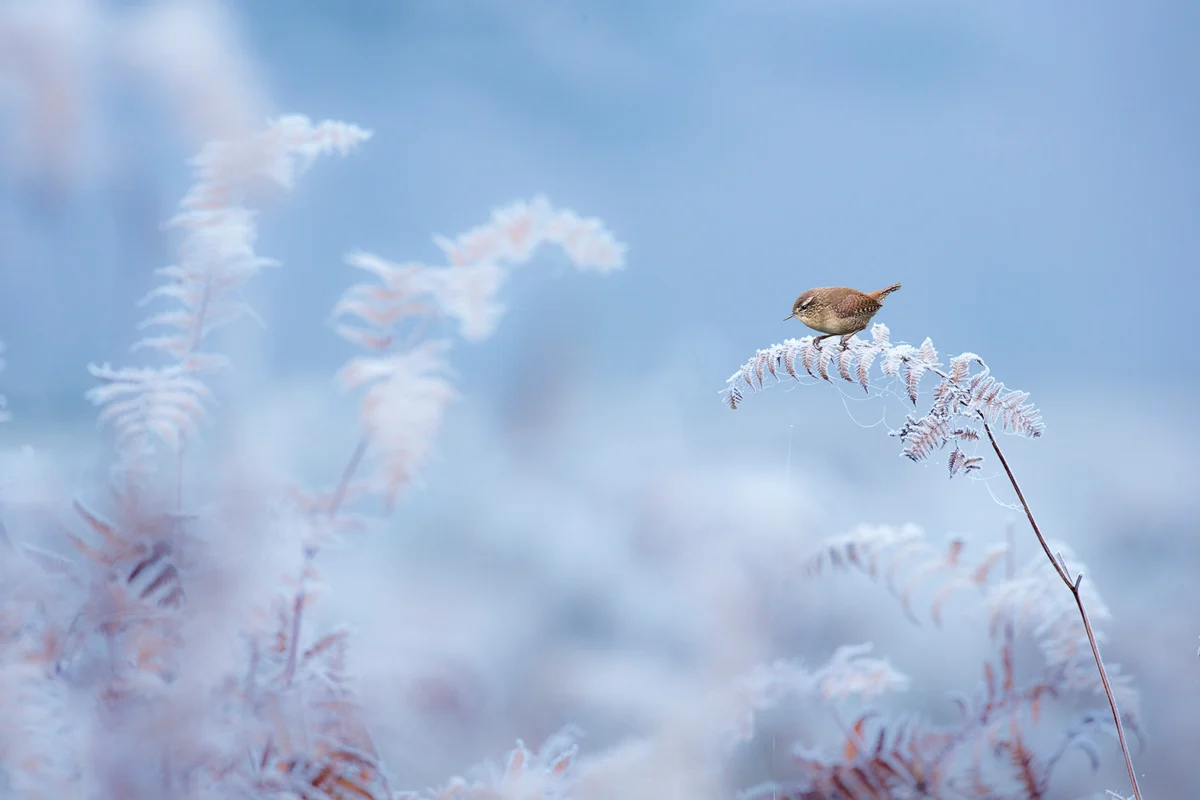
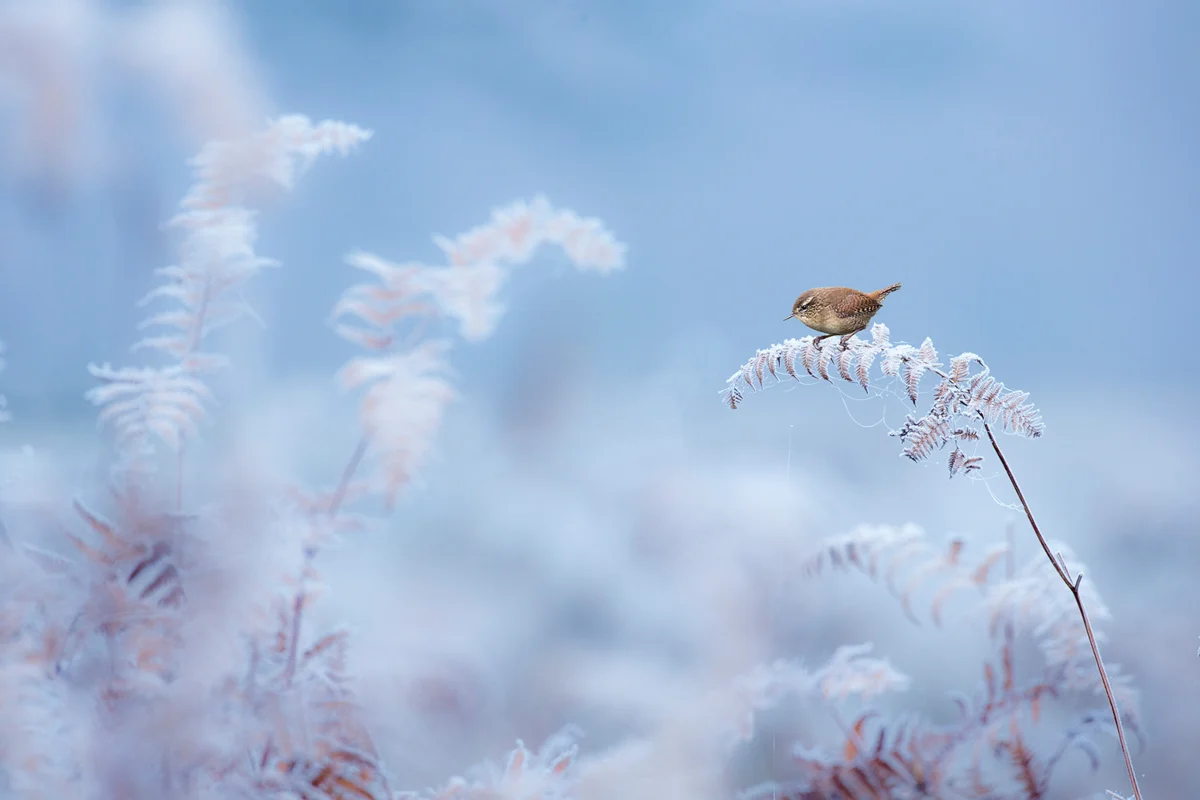
- Utilizing Negative Space: Thoughtfully incorporating negative space around the bird can emphasize its solitude, highlight its form, or convey a sense of its vast natural surroundings. This technique is particularly impactful in minimalistic compositions, such as a small bird against a snowy landscape. A balanced composition often involves placing the bird looking or moving into the negative space.
- Leading Lines: Natural elements like branches, fence lines, or even a subtle path can serve as leading lines, guiding the viewer’s eye towards the subject and enhancing the overall flow of the image.
Beyond the Portrait: Capturing Passerine Behavior and Interactions

Passerines are social and active, offering a wealth of behavioral opportunities for photographers. Capturing these moments adds depth and narrative to the imagery.
- Feeding and Drinking: Documenting birds foraging, feeding their young, or quenching their thirst at a water source provides insights into their daily lives.
- Vocalizations: During the breeding season, many passerines, including robins, wrens, blackbirds, and song thrushes, become highly vocal. Capturing a bird mid-song, with its beak open and head tilted, can convey a powerful sense of its natural world.
- Flocks and Disputes: Observing interactions within groups, such as territorial squabbles over food, can yield dramatic action shots. These fast-paced scenarios demand even quicker reflexes and often require a slightly smaller aperture to maintain focus on multiple subjects.
- Parenting Behaviors: Witnessing and photographing parent birds feeding their chicks or guiding fledglings requires immense patience and an ethical approach. Photographers must maintain a respectful distance to avoid any disturbance, prioritizing the birds’ welfare above all else. Garden feeders can be prime locations for observing parents bringing food to nearby young.
- Bathing and Preening: Birds frequently engage in meticulous grooming, splashing in water or carefully arranging their feathers. These behaviors offer opportunities for both dynamic action shots and detailed close-ups of feather structure.
The overarching principle for capturing these candid moments is patient observation. Spending time simply watching and learning the specific behavioral patterns of individual birds or species allows photographers to anticipate movements and be ready for the decisive moment.

Essential Gear for the Avian Photographer
While passion and patience are paramount, having appropriate equipment can significantly enhance the success and enjoyment of passerine photography.

- Camera Body: A modern DSLR or mirrorless camera with high frame rates (10 frames per second or more) and a fast, accurate autofocus system is highly recommended. Mirrorless cameras, in particular, often offer superior eye-detection autofocus capabilities, which can be a game-changer for avian subjects.
- Lenses: A telephoto lens of at least 300mm is essential for maintaining a respectful distance and avoiding disturbance. Longer lenses, such as 500mm or 600mm, are ideal for achieving highly diffused backgrounds and providing greater reach. Tele-zoom lenses offer excellent flexibility for framing and composition in varied situations.
- Tripod and Gimbal Head: A sturdy tripod provides vital stability, especially when using heavy telephoto lenses or shooting during extended sessions from a hide. For lenses 500mm and longer, a gimbal head facilitates smooth, effortless tracking of birds in motion.
- Hide/Camouflage: To minimize disturbance and allow for closer observation, a portable hide, camouflage netting, or a purpose-built bird photography hide can be invaluable. The ability to leave a hide in situ over time allows birds to habituate to its presence.
- Remote Shutter Release: A remote shutter release helps to minimize camera shake and vibrations, ensuring sharper images, particularly when the camera is pre-focused on a specific spot or when shooting from a hide.
- Memory Cards: Given the high frame rates used in bird photography, ample high-speed memory cards are crucial to prevent running out of storage space and to ensure rapid buffer clearing for continuous shooting.
Conclusion: The Enduring Appeal and Impact of Passerine Photography
Passerine bird photography offers an accessible yet profoundly challenging avenue into the world of wildlife imaging. From the humble sparrows in a city park to the elusive warblers of a dense forest, these birds provide endless opportunities for creative expression and scientific documentation. Their small stature and quick movements demand technical precision, but the rewards – stunning images that showcase the intricate beauty and captivating behaviors of these avian marvels – are immense. Beyond the artistic pursuit, engaging with passerine photography fosters a deeper connection with the natural world and can even contribute to conservation efforts by raising awareness and appreciation for local bird populations. Armed with the right knowledge, equipment, and a generous dose of patience, photographers can immerse themselves in the enchanting realm of passerine birds, transforming fleeting moments into timeless visual narratives.