An extraordinary collection of 100 photographic works, featuring iconic images by luminaries such as Diane Arbus, Dorothea Lange, Richard Avedon, Nan Goldin, and Edward Steichen, is slated to embark on a comprehensive national tour across the United States. Organized by the American Federation of Arts (AFA), the traveling exhibition, titled Presence: The Photography Collection of Judy Glickman Lauder, will offer museum-goers an unparalleled journey through a century of photographic innovation and human experience, showcasing the diverse visions of over 50 influential photographers and artists. This monumental exhibition, drawn from the esteemed Judy Glickman Lauder Collection, promises to be a significant cultural event, highlighting the profound capacity of photography to document, interpret, and connect humanity across temporal and geographical divides.
The exhibition’s world premiere is scheduled for the Southampton Arts Center in Southampton, New York, marking the beginning of a multi-year itinerary that will bring these pivotal works to diverse audiences. Following its debut, Presence will travel to the Sarasota Art Museum, the Gibbes Museum of Art in Charleston, and the Lowe Art Museum at the University of Miami, ensuring broad accessibility to this historically rich and emotionally resonant collection. The careful curation spans critical movements in photographic history, from the aesthetic refinement of Pictorialism and the stark realities of social documentary to the psychological depths of Surrealism and the raw immediacy of street photography, providing a compelling narrative of photography’s evolving engagement with the human condition.
The Vision Behind "Presence": Judy Glickman Lauder’s Legacy
At the heart of this remarkable exhibition is the discerning eye and profound passion of Judy Glickman Lauder, an internationally acclaimed photographer, philanthropist, and author. Lauder’s journey into photography is deeply personal and began in her early years, notably when she served as a subject for her father, Irving Bennett Ellis, a photographer who meticulously documented her growth from infancy into adulthood. This unique experience culminated in her appearance in the iconic "Turn Around" television commercial for Kodak in the 1960s, a moment that indelibly ignited her lifelong fascination with and dedication to the photographic medium.
Lauder’s collecting philosophy, reflected in Presence, is characterized by a commitment to images that resonate with emotional depth and narrative power. Her selection emphasizes works that not only showcase technical mastery and artistic innovation but also convey authentic, compassionate stories about the human experience. This approach has yielded a collection that transcends mere aesthetic appreciation, functioning as a powerful historical archive and a testament to the enduring power of visual storytelling. Her philanthropic endeavors extend beyond collecting, supporting numerous institutions and initiatives that foster artistic expression and historical understanding, particularly concerning human rights and social justice. The promised gift of these works to the Portland Museum of Art, Maine, underscores her dedication to ensuring that these important images remain accessible for future generations, enriching public discourse and cultural literacy.
A Panorama of Photographic History: Diverse Movements and Master Photographers
Presence is distinguished by its comprehensive scope, illustrating the dynamic trajectory of 20th-century photography through a carefully selected array of masterworks. The exhibition serves as a microcosm of photography’s evolution, demonstrating its versatility as both an art form and a documentary tool.
Pioneers of the Lens: From Pictorialism to Modernism
The collection features works from the early 20th century, including those by Edward Steichen, a pivotal figure in the development of modern photography. Steichen’s contributions spanned Pictorialism, which sought to elevate photography to the status of fine art through painterly effects, and straight photography, emphasizing sharp focus and objective representation. His presence in the collection grounds the exhibition in photography’s foundational struggles for artistic recognition. Similarly, Lotte Jacobi, known for her expressive portraits and innovative photograms, represents the experimental spirit of the Weimar Republic and her later work in America, pushing the boundaries of photographic representation. Her "Head of a Dancer (Niura Norskaya), Berlin, 1929," exemplifies her ability to capture character and form with striking intensity.
Capturing the Human Condition: Social Documentary and Photojournalism
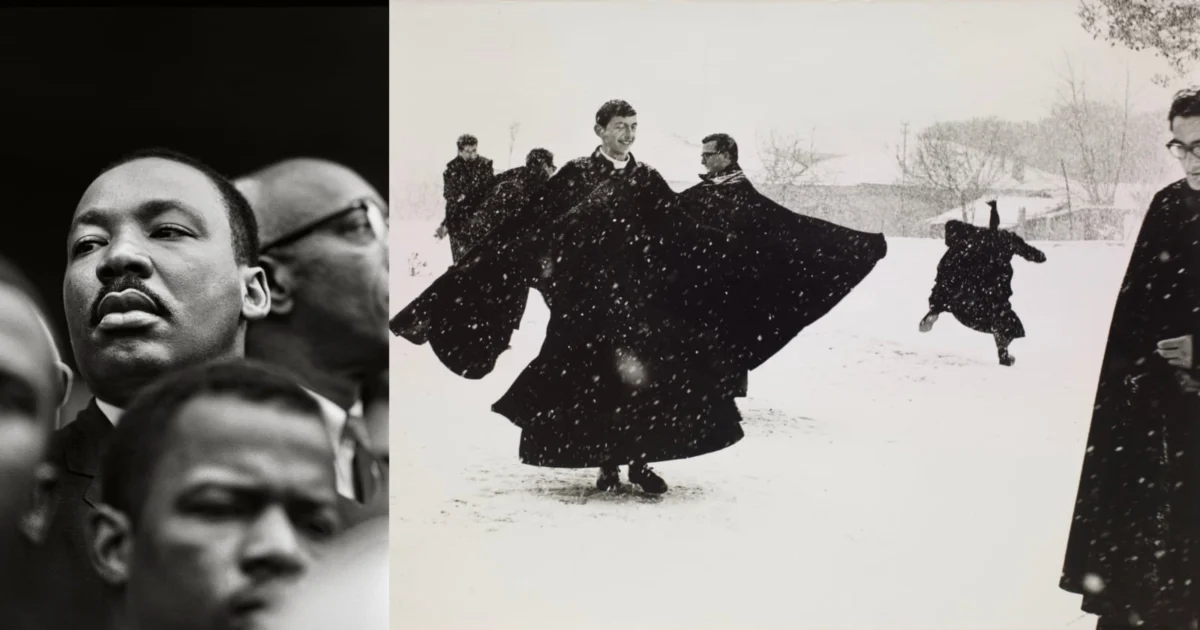
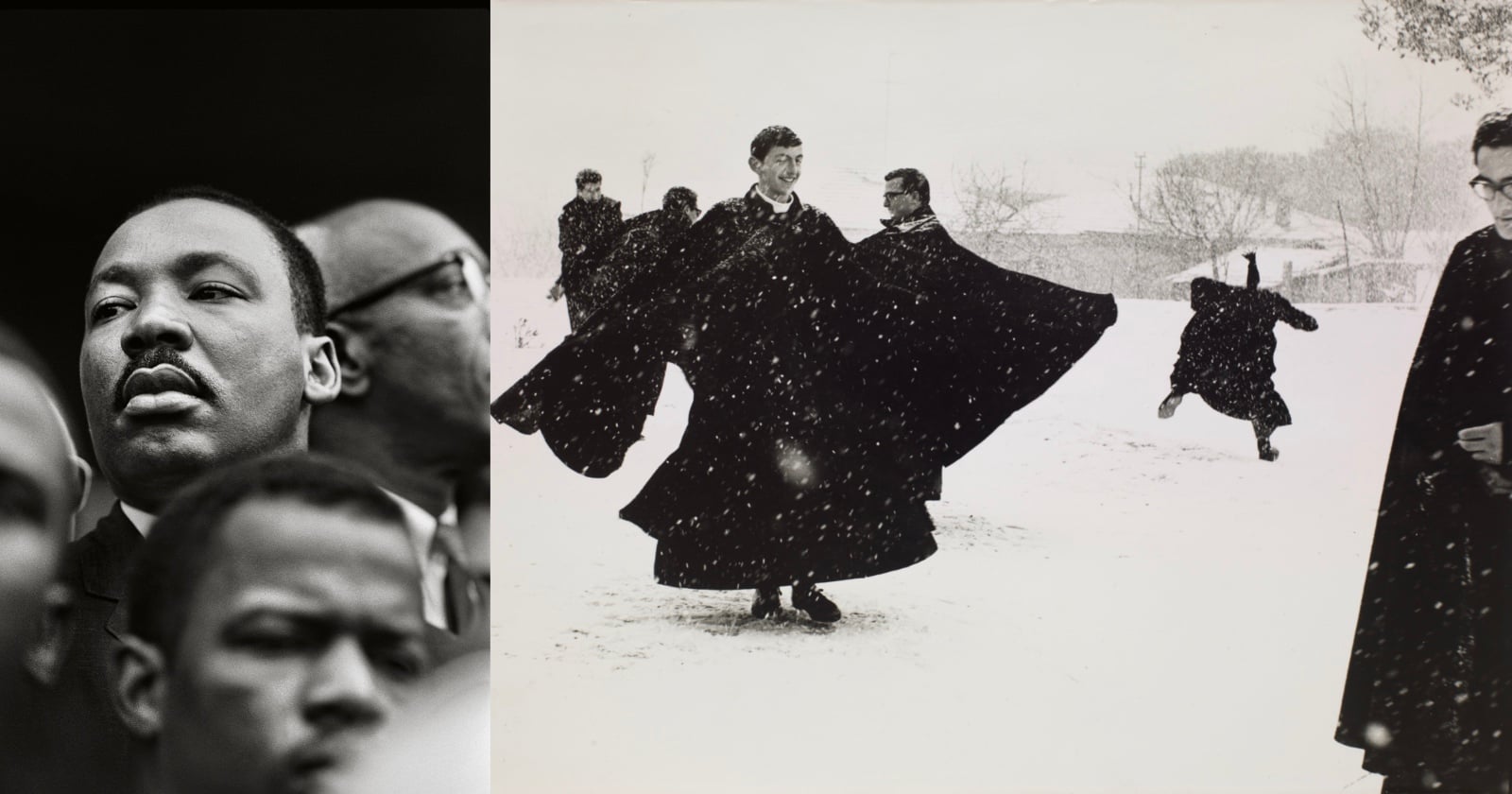
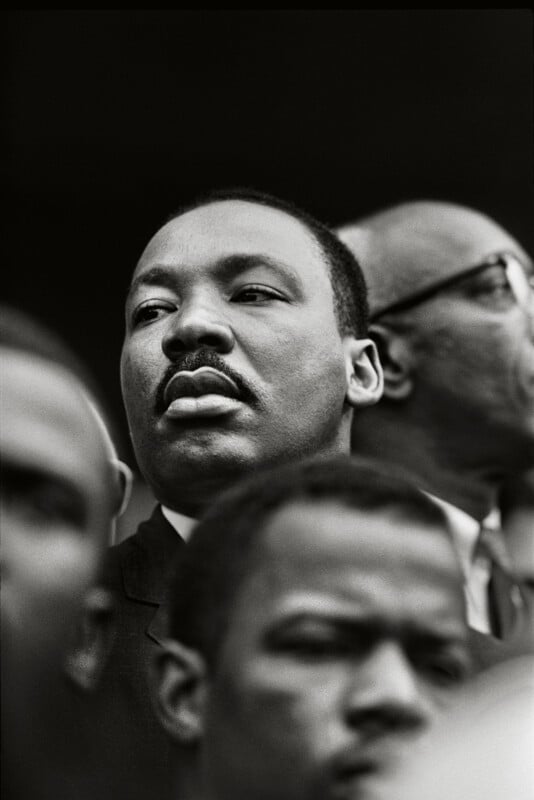
A significant portion of the exhibition is dedicated to photographers who used their lenses to illuminate social realities and advocate for change. Dorothea Lange, whose powerful images of the Great Depression are synonymous with American documentary photography, profoundly shaped public perception and government policy. Her ability to convey dignity and resilience amidst hardship remains unparalleled. Complementing this tradition are works by Steve Schapiro, a photojournalist renowned for his iconic images of the American Civil Rights Movement. His portrait of "Martin Luther King Jr., Selma, Alabama, 1965," captures a moment of profound historical significance and human determination, offering an intimate glimpse into the heart of a transformative era. These works underscore photography’s crucial role in social commentary and historical record-keeping.
Unveiling Inner Worlds: Portraiture and the Avant-Garde
The collection also delves into the complexities of human identity and psychological depth through the art of portraiture and avant-garde exploration. Diane Arbus, celebrated for her unsettling yet profoundly human portraits of individuals on the fringes of society, challenged conventional notions of beauty and normalcy. Her unflinching gaze revealed the vulnerability and unique essence of her subjects. Richard Avedon, a master of fashion and portrait photography, revolutionized the genre with his minimalist backdrops and penetrating studies of public figures, stripping away artifice to reveal raw personality.
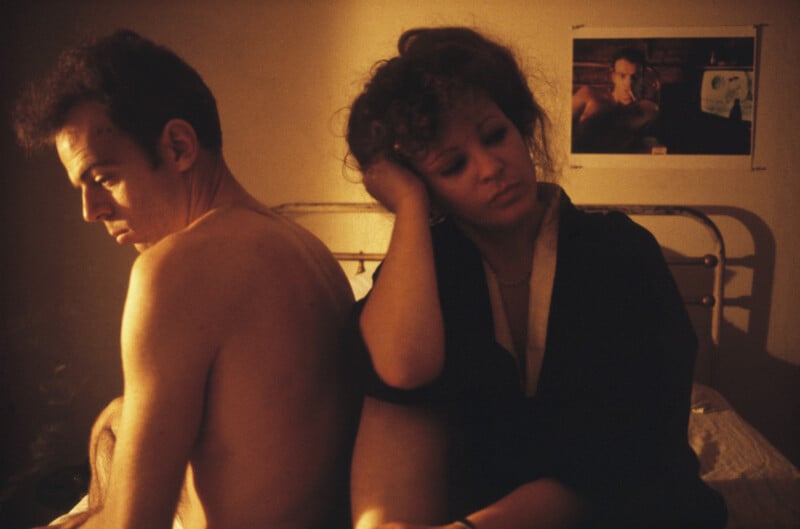
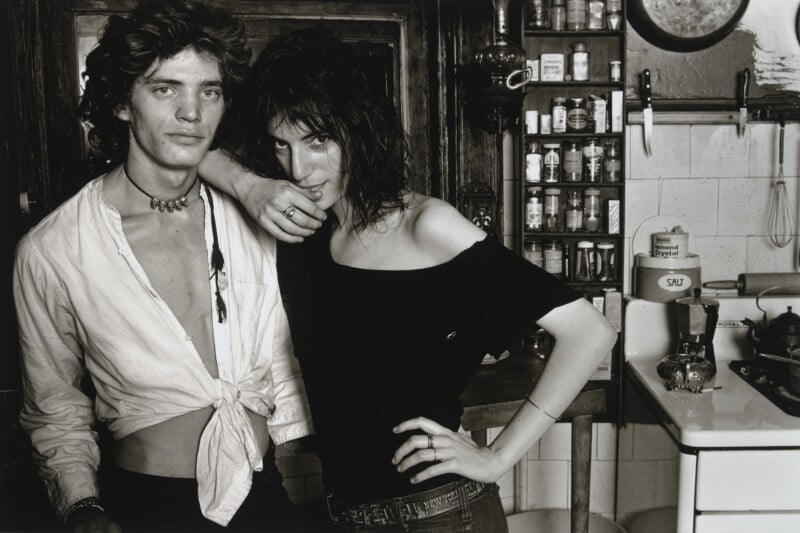
Nan Goldin’s intensely personal and diaristic photography offers a stark contrast, presenting intimate narratives of her own life and community. Her "Self-Portrait in Kimono with Brian, New York, 1983," is characteristic of her raw, emotional approach to documenting relationships and subcultures, providing an unfiltered look into her world. Norman Seeff’s "Robert Mapplethorpe and Patti Smith, New York, 1969," captures the nascent energy of two artistic icons at the cusp of their careers, symbolizing the counter-cultural spirit of the era. These artists collectively demonstrate photography’s capacity to explore the multifaceted nature of identity and existence.
Global Perspectives and Poetic Narratives
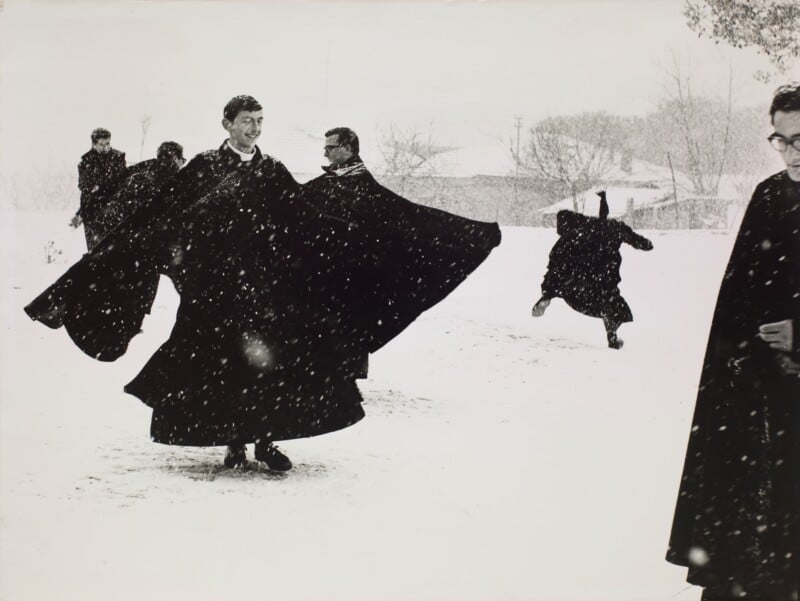
The exhibition extends its gaze beyond American shores, incorporating international voices that have enriched the global photographic landscape. Mario Giacomelli, an Italian photographer, is celebrated for his lyrical and often stark black-and-white images that blend documentary with poetic abstraction. His series, "Io non ho mani che mi accarezzino il volto (There Are No Hands to Caress My Face), 1961–63," featuring priests playing in the snow, exemplifies his unique ability to find profound human narratives within everyday scenes, imbued with a sense of the surreal and the existential.
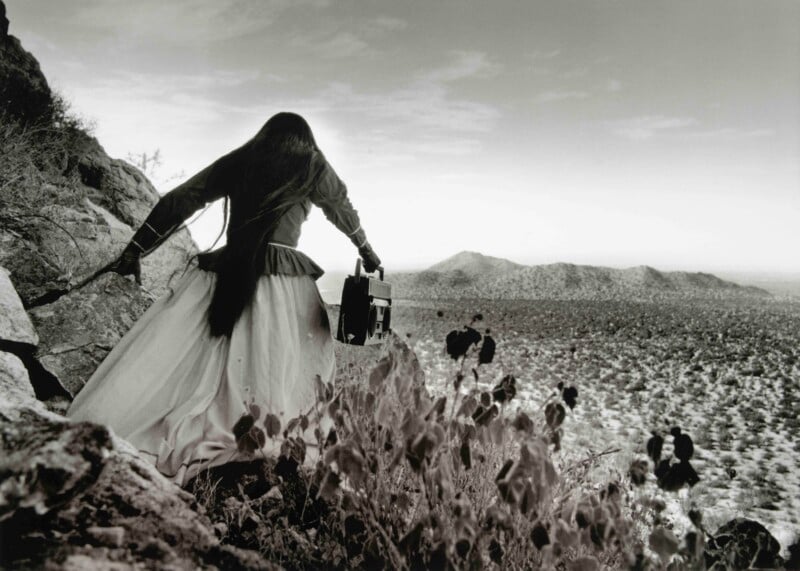
Mexican photographer Graciela Iturbide’s "Mujer Ángel (Angel Woman), Sonora Desert, 1980," is a powerful example of her ethnographic and poetic approach, capturing indigenous cultures and landscapes with profound respect and a touch of magical realism. These international works broaden the collection’s scope, demonstrating the universal language of photography in interpreting diverse cultures and human experiences. The inclusion of contemporary voices, such as Melonie Bennett’s "Suzie, Bahama Beach Club, Portland, Maine, 1996," further highlights the collection’s breadth, extending into more recent explorations of everyday life and personal narrative.
The American Federation of Arts: Facilitating Access and Dialogue
The American Federation of Arts (AFA), a non-profit organization dedicated to enriching the public’s experience and understanding of art, plays a pivotal role in bringing Presence to national audiences. For over a century, the AFA has organized and circulated art exhibitions to museums throughout the United States and abroad, fostering art education and cultural exchange. Their commitment to making art accessible aligns perfectly with the ethos of Judy Glickman Lauder’s collection.
Pauline Forlenza, Director and CEO of the American Federation of Arts, articulated the organization’s vision for the exhibition: "This collection brings together some of the most influential voices in 20th-century photography, offering a powerful reflection on how we see and understand one another. As Presence travels to museums across the country, it affirms the AFA’s belief that art should be accessible to communities everywhere. We hope visitors leave with a deeper appreciation for photography’s ability to connect us across time and place." This statement underscores the AFA’s strategic mission to leverage the power of art for public engagement and education, positioning Presence as a key initiative in their ongoing efforts. The meticulous planning and logistical expertise of the AFA are instrumental in ensuring that these delicate and valuable works are presented to the highest standards in each venue.
National Tour Itinerary: A Chronicle of Engagement
The extensive tour schedule for Presence: The Photography Collection of Judy Glickman Lauder reflects a deliberate effort to reach diverse geographical regions and cultural institutions, maximizing the exhibition’s educational and cultural impact. The chronology of the tour is as follows:
- Southampton Arts Center, Southampton, New York: July 25 – September 27 (World Premiere)
- Sarasota Art Museum, Sarasota, Florida: October 18, 2026 – April 4, 2027
- Gibbes Museum of Art, Charleston, South Carolina: May 28 – August 29, 2027
- Lowe Art Museum at the University of Miami, Coral Gables, Florida: September 30, 2027 – February 26, 2028
This carefully planned itinerary ensures that the exhibition will be experienced by a broad spectrum of audiences, from the Northeast to the Southeast United States. Each venue, with its unique community and educational programs, will offer distinct opportunities for engaging with the collection, facilitating local dialogues around the themes presented. The extended exhibition periods at each location allow ample time for visitors, educators, and students to immerse themselves in the rich tapestry of photographic history and human stories.
The Enduring Impact of Photography: Reflections on Humanity
The exhibition’s title, Presence, encapsulates its central theme: the profound sense of human presence captured and conveyed through the photographic lens. Judy Glickman Lauder herself expressed her aspirations for the exhibition, stating, "I hope that visitors are moved by the emotional presence and lasting power of these images, just as I was. Photography connects us to history while reminding us that we are a part of its ongoing story. It has the power to tell authentic, compassionate stories about what it means to be human." This sentiment highlights the curatorial vision, which prioritizes the emotional and narrative impact of the images over mere academic classification.
The implications of an exhibition like Presence are far-reaching. In an increasingly digital age, it serves as a powerful reminder of the tangible, often visceral, connection that traditional photography fosters between viewer and subject, and between past and present. It offers a vital platform for contemplating the evolution of visual culture, the ethical responsibilities of photographers, and the enduring questions of identity, memory, and community that photography consistently addresses. By bringing together such a significant body of work, the exhibition not only celebrates the individual genius of each photographer but also reinforces the collective power of the medium to shape our understanding of ourselves and the world around us. The collaboration between Judy Glickman Lauder and the American Federation of Arts exemplifies a shared commitment to fostering this crucial dialogue, ensuring that these invaluable artistic and historical documents continue to inspire and educate.
In conclusion, Presence: The Photography Collection of Judy Glickman Lauder represents a landmark cultural event, offering a meticulously curated selection of photographic masterpieces that span a transformative period in human history and artistic expression. Through the discerning eye of a dedicated collector and the expansive reach of the American Federation of Arts, this exhibition is poised to leave an indelible mark on audiences nationwide, reaffirming photography’s unparalleled ability to capture, interpret, and connect the intricate narratives of the human experience.