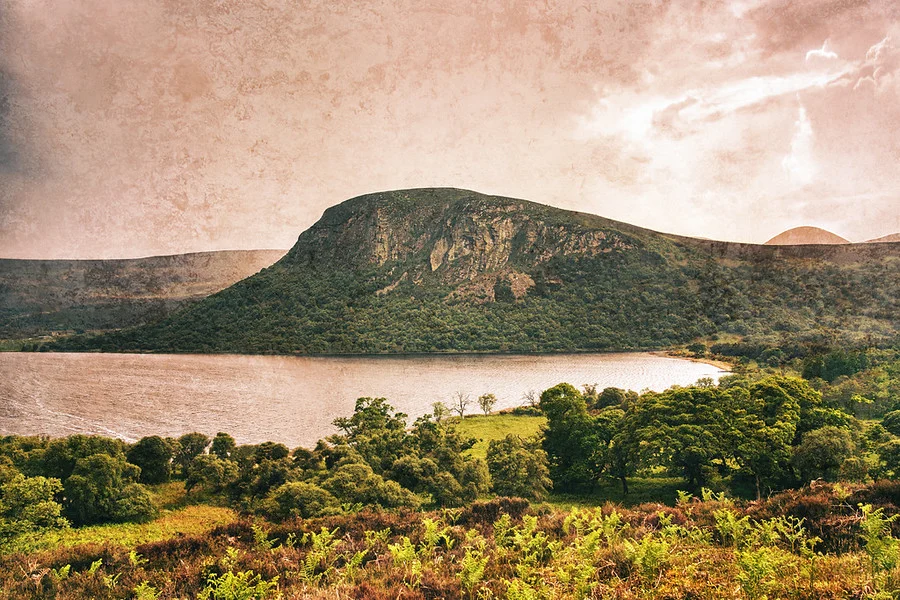
July 15, 2025 – In the heart of New Zealand’s South Island, a network of meticulously maintained walking tracks provides an accessible gateway to breathtaking natural beauty, characterized by numerous picturesque waterfalls. These trails, a testament to the nation’s commitment to preserving its pristine landscapes, offer a sanctuary of serenity, often allowing walkers to experience profound solitude even from the fringes of urban centers. The paths frequently meander across babbling streams, regularly revealing charming waterfalls, perfect for a refreshing pause and a moment of respite for weary travelers.
The Enduring Appeal of New Zealand’s Hiking Trails
New Zealand’s reputation for exceptional walking tracks is well-earned, particularly on the South Island. The country has invested significantly in developing and preserving a vast network of trails, ranging from short, accessible paths to challenging multi-day treks. These tracks are not confined to remote wilderness areas; many begin surprisingly close to towns and cities, allowing for spontaneous excursions into nature. This approach democratizes access to the country’s stunning scenery, making it a cornerstone of the New Zealand tourism experience and a beloved amenity for residents.
The philosophy behind these trails often emphasizes minimal environmental impact while maximizing the visitor’s immersion in the natural world. Signage is typically clear and unobtrusive, and the paths themselves are engineered to blend seamlessly with the landscape, minimizing erosion and preserving the delicate ecosystems they traverse. The presence of numerous small streams and rivers, a direct result of the South Island’s mountainous terrain and abundant rainfall, contributes to the frequent appearance of waterfalls, adding a dynamic and auditory dimension to the walking experience.
A Glimpse into the "The Many Falls" Phenomenon
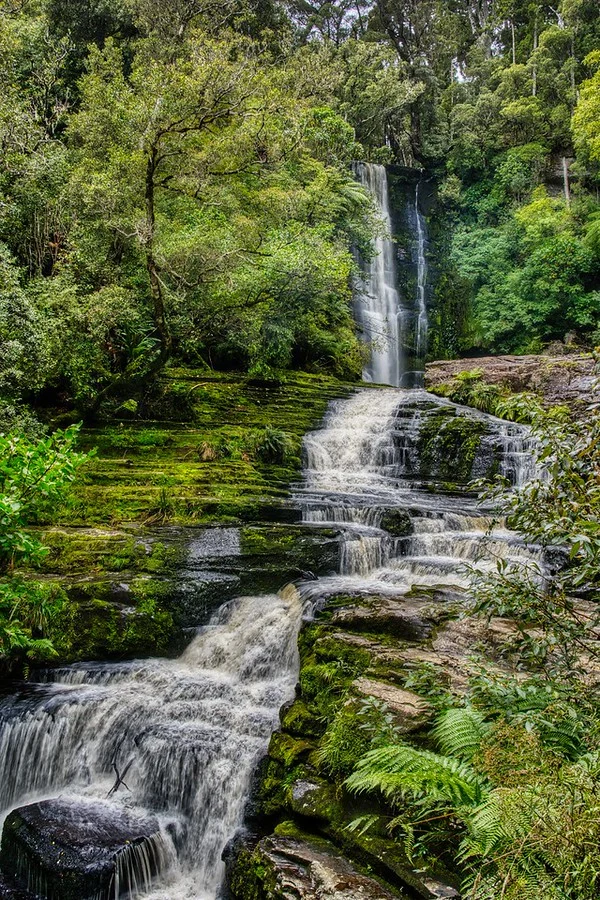
The specific location and context of the featured "Daily Photo – The Many Falls" underscore a common observation for anyone exploring the South Island’s trails. The photograph, captured on a Canon EOS 5D Mark IV with HDR processing, showcases a waterfall cascading over moss-covered rocks, its clear water flowing into a serene pool. This scene is emblematic of the countless similar vistas encountered by hikers. The ability to simply pause, remove one’s footwear, and dip tired feet into the cool, invigorating water of a stream or waterfall is a simple yet profound pleasure often afforded by these trails.
The description highlights the "serene environment" and the rarity of encountering "another human," emphasizing the profound sense of peace and solitude these trails can offer. This is not an anomaly; it is a deliberate outcome of careful planning and management. By dispersing visitors across a wide network of trails, the experience of nature remains intimate and personal.
Supporting Data: New Zealand’s Outdoor Recreation Landscape
The economic and social significance of outdoor recreation in New Zealand is substantial. According to the Ministry of Business, Innovation and Employment (MBIE), the tourism sector, heavily reliant on natural attractions, contributed an estimated NZ$40.9 billion to the New Zealand economy in the year ending June 2023. While direct figures for trail usage are challenging to isolate, national park visitor surveys consistently show hiking and walking as primary activities. For instance, the Department of Conservation (DOC), which manages a significant portion of New Zealand’s public conservation land, including many of the popular walking tracks, reports millions of visitor days annually across its network.

The maintenance and development of these trails are ongoing efforts, often funded through a combination of government budgets, user fees (for certain Great Walks), and private sector partnerships. The economic impact extends beyond tourism, supporting local economies through employment in trail construction, maintenance, guiding services, and hospitality. The average visitor spends a significant portion of their budget on activities, and walking and hiking are high on the list of preferred pursuits.
Chronology of Trail Development and Management
The development of New Zealand’s walking track network has evolved over decades. Early tracks were often formed by Māori for travel and hunting, and later by European settlers for access and resource extraction. However, a more systematic approach to conservation and public access began in the 20th century with the establishment of national parks and the Department of Conservation.
- Early 20th Century: Establishment of key national parks like Tongariro (1900) and Fiordland (1952) laid the groundwork for preserving large tracts of land and developing basic access routes.
- Mid to Late 20th Century: A growing awareness of environmental protection and the increasing popularity of outdoor recreation led to a more concerted effort in developing and marking walking tracks. The concept of "Great Walks" began to emerge, identifying premier multi-day tramping experiences.
- 1987: The Department of Conservation was established, consolidating responsibility for managing conservation lands and the associated recreational infrastructure, including walking tracks. This marked a significant shift towards a more integrated and strategic approach.
- 21st Century: Continued investment in upgrading and expanding the network, with a focus on sustainability, accessibility, and enhanced visitor experiences. Technologies such as GPS mapping and drone surveys are now employed in planning and maintenance. The development of digital platforms and apps has also improved information dissemination for hikers.
The continuous effort to maintain and improve these tracks is crucial. Factors such as weather, natural events like landslides, and heavy foot traffic necessitate regular inspections and repairs. This ongoing commitment ensures that the trails remain safe, enjoyable, and environmentally sound for future generations.
Official Responses and Broader Impact
The New Zealand government, through the Department of Conservation, consistently emphasizes the importance of its natural heritage and the role of accessible recreation in national identity and well-being. DOC’s strategic plans frequently highlight the value of the walking track network for both domestic and international visitors, as well as for the physical and mental health of New Zealanders.
A spokesperson for the Department of Conservation, speaking generally on the topic of trail management, might state: "Our commitment to maintaining and enhancing New Zealand’s walking tracks is unwavering. These trails are vital for connecting people with nature, promoting healthy lifestyles, and showcasing the incredible biodiversity and landscapes that make our country unique. We work closely with local communities and conservation partners to ensure these tracks are sustainable, safe, and offer an exceptional experience for all visitors."
The broader impact of this well-developed trail system is multifaceted:
- Economic Driver: As previously mentioned, it underpins a significant portion of the tourism industry, generating revenue and employment.
- Health and Well-being: It encourages physical activity, contributing to the health of the population. Access to nature is also widely recognized for its positive impact on mental well-being.
- Environmental Stewardship: Well-maintained trails help to concentrate human impact, reducing the pressure on surrounding natural areas and protecting fragile ecosystems. They also serve as educational tools, fostering an appreciation for conservation.
- Cultural Significance: For Māori, many of these areas hold deep cultural and spiritual significance, and the trails can facilitate a greater understanding and respect for this heritage.
- Community Engagement: Local communities often benefit directly from the trails through increased visitor numbers and opportunities for local businesses.
The Future of New Zealand’s Trails
Looking ahead, the focus for New Zealand’s walking track network is likely to remain on sustainability, innovation, and accessibility. Efforts will continue to address climate change impacts on trails, such as increased extreme weather events. Furthermore, the integration of digital technologies for navigation, information, and visitor management is expected to grow. The ongoing challenge will be to balance increasing visitor numbers with the imperative to protect the very natural beauty that draws them. The success of "The Many Falls" and similar experiences hinges on this delicate equilibrium, ensuring that the serenity and pristine condition of these landscapes are preserved for years to come.