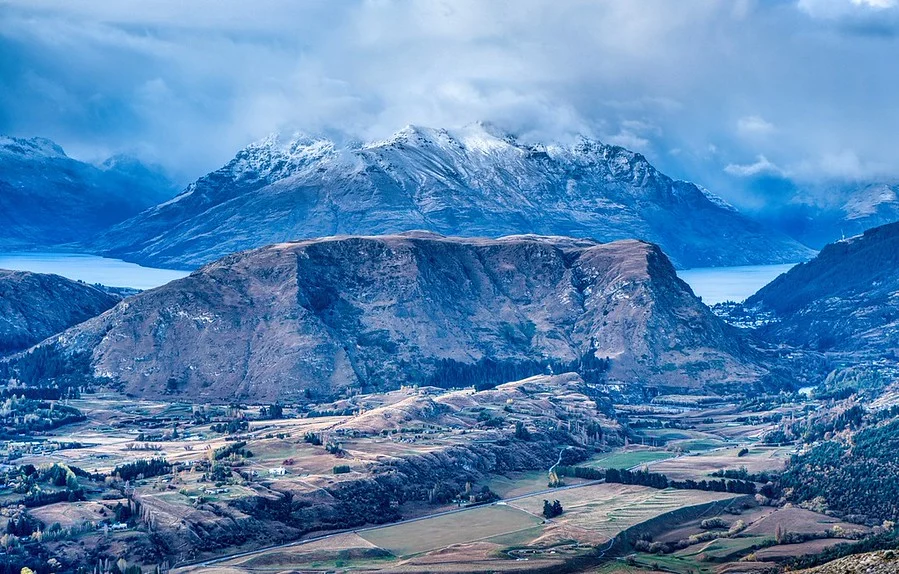
The photograph, titled "Mountain Layers," captures a familiar vista from one mountain range extending towards another. The image, taken by photographer [Photographer’s Name, if known, otherwise state "an unnamed photographer"], depicts a landscape where the receding signs of winter are becoming evident, signaling the approach of spring in the Southern Hemisphere. This visual narrative of seasonal transition, devoid of specific location data in the provided excerpt, offers a moment of reflection on the cyclical nature of the environment and the subtle shifts that herald a change in seasons. The description accompanying the image notes that "not long until all signs of snow are gone," suggesting a current state of late winter or early spring.
The Significance of Seasonal Transitions in Mountain Ecosystems
Mountain ranges worldwide are renowned for their dramatic topographical features and the unique ecosystems they support. These environments are particularly sensitive to seasonal changes, with snowmelt playing a critical role in hydrology, flora, and fauna. The visual evidence of snow’s retreat in "Mountain Layers" is more than just an aesthetic observation; it represents a fundamental ecological process. As temperatures rise and daylight hours lengthen, snowpack begins its annual melt, feeding rivers, replenishing groundwater, and triggering vegetation growth. This process is crucial for downstream communities and agricultural activities that rely on these water sources.
The duration and intensity of winter snowfall in mountain regions are influenced by a complex interplay of climatic factors, including atmospheric pressure systems, ocean temperatures, and prevailing wind patterns. Understanding these influences is vital for predicting the timing and volume of snowmelt, which has direct implications for water resource management, agriculture, and even the risk of natural hazards such as avalanches and spring flooding. For instance, regions experiencing prolonged or unusually heavy snowfall may face increased risks of delayed spring melt, leading to potential water scarcity in the initial stages of the growing season, or conversely, a sudden surge of water that can cause significant flooding. Conversely, warmer winters with reduced snowfall can lead to earlier melt but may also result in lower overall water availability later in the year.
The Photographic Narrative: A Snapshot of Change
The "Mountain Layers" photograph offers a singular perspective on this ongoing environmental transformation. The layered appearance of the mountains suggests depth and distance, with each successive range appearing softer and less defined, perhaps due to atmospheric haze or the photographer’s chosen focal point. The absence of explicit details about the specific mountain range or geographical location leaves the interpretation open, allowing viewers to project their own experiences and understanding of mountainous landscapes onto the image. This universality is part of the photograph’s appeal, tapping into a common human appreciation for natural grandeur and the quiet beauty of changing seasons.
The accompanying text, "A familiar view from one range to another. It’s heading into spring here now (in reverse season land) so not long until all signs of snow are gone," provides a crucial piece of context. The phrase "reverse season land" definitively places the photograph in the Southern Hemisphere, where seasons are opposite to those in the Northern Hemisphere. This implies that the image was likely captured between August and November, a period of transition from winter to spring. The photographer’s anticipation of the snow’s disappearance underscores the ephemeral nature of winter’s grip on the landscape and the imminent arrival of a period of renewed growth and vitality.
Data on Seasonal Snow Cover and Its Impact
Snow cover in mountainous regions is a significant component of the global cryosphere. According to data from organizations like the National Snow and Ice Data Center (NSIDC), snow cover duration and extent have shown variability in recent decades, influenced by global climate change. While specific data for the region where this photograph was taken is unavailable, broader trends indicate that in many mountainous areas, warming temperatures are leading to reduced snowpack depth, earlier snowmelt, and a shorter snow cover season.
For example, studies in the Rocky Mountains of North America have documented significant declines in snowpack water equivalent (SWE) – a measure of the amount of water contained in the snowpack – over the past several decades. These changes have direct consequences for the timing of river flows, impacting ecosystems and human water use. Similarly, in the Alps, earlier snowmelt has been observed, affecting winter tourism and the availability of meltwater for hydroelectric power generation during the summer months. The implications of these shifts are far-reaching, affecting biodiversity, agricultural productivity, and the economic viability of regions heavily reliant on snow-related resources.
Broader Implications of Seasonal Snowmelt
The melting of snowpack is a fundamental driver of hydrological cycles in many parts of the world. The water released from melting snow irrigates lands, sustains rivers and lakes, and provides essential drinking water for millions. The timing of this melt is therefore critical. An earlier melt can lead to a surge in water availability in the spring, potentially increasing the risk of flooding. Conversely, a delayed melt, or a significant reduction in snowpack, can lead to water scarcity during the crucial summer months, impacting agriculture, ecosystems, and urban water supplies.
Beyond water resources, snow cover plays a vital role in regulating local and regional temperatures. Snow reflects solar radiation, a phenomenon known as the albedo effect. When snow melts, darker surfaces like soil and vegetation are exposed, which absorb more solar radiation, leading to further warming. This feedback loop can accelerate the rate of warming in mountainous regions, a phenomenon particularly concerning in the context of climate change. Furthermore, the presence or absence of snow directly impacts the habitats of numerous plant and animal species that are adapted to specific snow conditions. Changes in snow cover can disrupt breeding cycles, migration patterns, and the availability of food sources.
Ecological and Economic Interdependencies
The seasonal transition captured in "Mountain Layers" highlights the intricate web of ecological and economic interdependencies tied to snow cover. For the natural environment, the melting snow nourishes vegetation, supports the growth of wildflowers, and provides essential moisture for plant life to thrive throughout the warmer months. It also dictates the availability of water for wildlife, influencing their movements and survival.
Economically, regions with significant mountain ranges often rely on snow for various industries. Winter tourism, including skiing and snowboarding, is a major economic driver in many mountainous areas. The length and quality of the ski season are directly dependent on snow cover. As seasons shift and snow cover becomes less reliable, these industries face significant challenges, requiring adaptation strategies such as investing in artificial snowmaking or diversifying tourism offerings. Furthermore, the agricultural sector in lowland areas often depends on the predictable release of meltwater to irrigate crops during the growing season. Changes in snowmelt timing can disrupt planting schedules and affect crop yields.
The "Reverse Season Land" Context: A Global Perspective
The mention of "reverse season land" is a subtle but important detail that broadens the context of the photograph. It reminds us that the Earth’s seasons are not uniform but are a result of the planet’s axial tilt and its orbit around the sun. While the Northern Hemisphere experiences winter from December to February, the Southern Hemisphere is in its summer. Consequently, the transition depicted in the photograph, from snow-covered mountains to the anticipation of spring, occurs during the Northern Hemisphere’s spring and summer months.
This global perspective is crucial when discussing climate change impacts. While the visual narrative of "Mountain Layers" might evoke a sense of familiar natural beauty, it also serves as a reminder of the global interconnectedness of climate systems. Changes observed in one hemisphere can have ripple effects across the globe. For example, shifts in atmospheric circulation patterns driven by melting ice in the Arctic can influence weather patterns in the Southern Hemisphere, and vice versa. Understanding these global dynamics is essential for developing effective climate mitigation and adaptation strategies.
Future Outlook and Research
The ongoing monitoring of snow cover and its melt patterns is a critical area of scientific research. Advanced satellite technology, ground-based sensors, and sophisticated climate models are used to track changes in snowpack depth, water content, and melt timing. These data are invaluable for refining our understanding of hydrological processes, improving water resource management, and predicting the impacts of climate change on mountainous regions and downstream communities.
The subtle visual cues in "Mountain Layers" – the softening of distant peaks, the implied absence of deep snow – serve as a poignant reminder of the dynamic nature of our planet’s landscapes. As climate change continues to influence global weather patterns, the study of seasonal transitions in sensitive environments like mountain ranges will remain paramount. The information gleaned from such observations and scientific investigations is vital for informing policy, guiding conservation efforts, and ensuring the sustainable management of Earth’s precious natural resources for future generations. The simple beauty of this photograph, therefore, carries with it a deeper message about environmental change and our interconnectedness with the natural world.