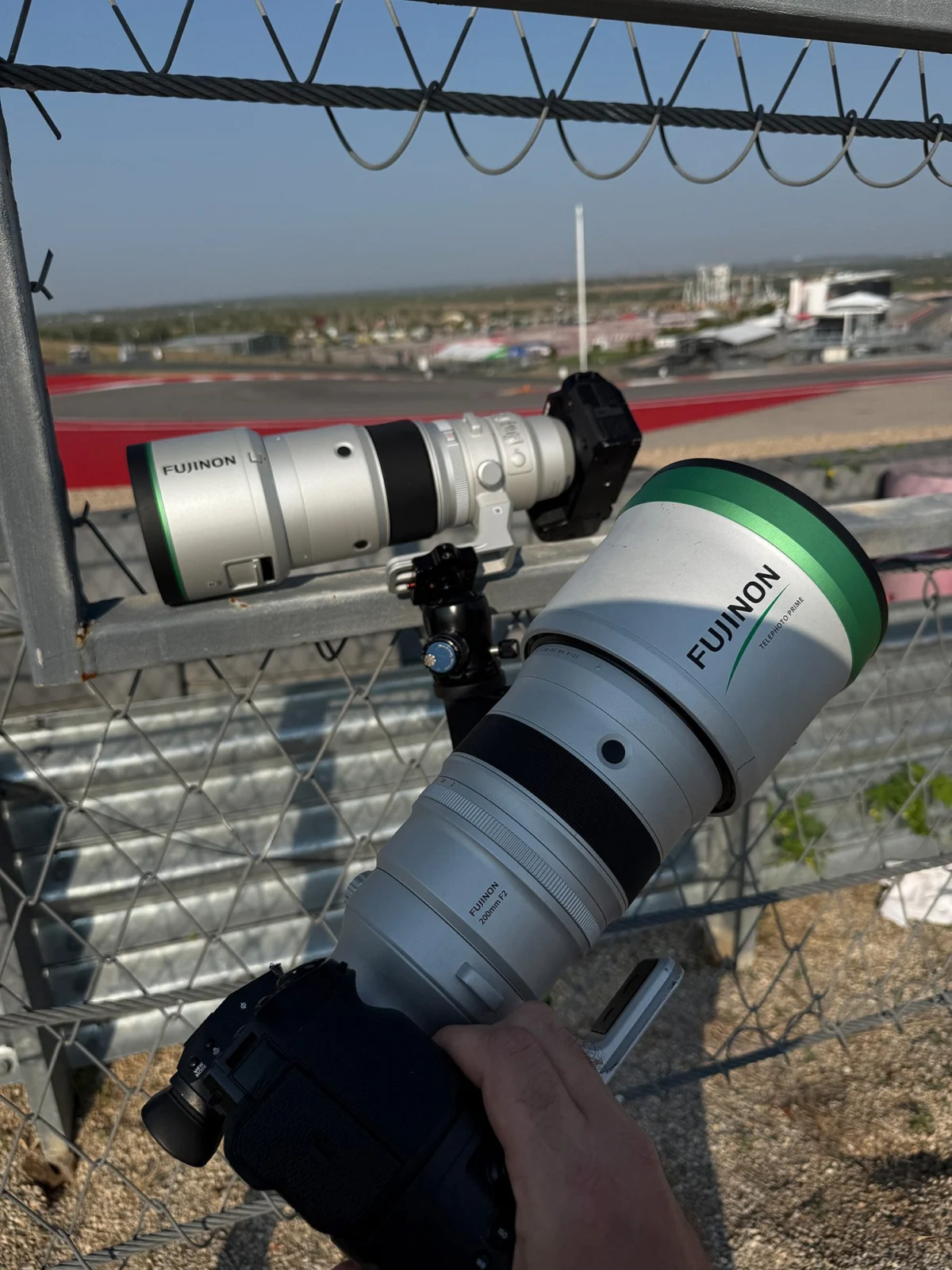
For the past four years, the trajectory of professional photography has increasingly converged with the high-octane world of motorsport. This specialized field, characterized by extreme speeds, variable distances, and rapidly fluctuating light conditions, necessitates highly specialized optical tools. While versatile zoom lenses often serve as the workhorses for many photographers, the pursuit of unparalleled image quality and performance often leads to the adoption of dedicated prime lenses. Within the Fujifilm X Series ecosystem, the Fujifilm XF200mm f/2 OIS WR lens has emerged as a quintessential instrument, lauded for its exceptional capabilities in capturing the dynamic essence of racing. This analysis delves into its technical prowess, real-world application, and its significant role in elevating professional motorsport imagery.
The Evolving Landscape of Motorsport Photography and Fujifilm’s Response
The demands placed on motorsport photographers are unique and unforgiving. Capturing subjects moving at triple-digit speeds requires not only rapid autofocus acquisition but also precise tracking, outstanding optical clarity, and robust build quality to withstand often harsh trackside environments. Historically, photographers transitioning into this demanding niche often begin with flexible telephoto zoom lenses. For many Fujifilm X Series users, the Fujifilm XF100-400mm f/4.5-5.6 R LM OIS WR has proven to be an indispensable tool, offering a broad focal range suitable for various track positions and lighting scenarios. Its versatility and reliable performance have cemented its status as a default coverage lens at venues like the Circuit of the Americas.
However, the quest for ultimate performance and a distinctive aesthetic quality frequently leads professionals to consider prime lenses. Fujifilm, recognizing the growing professional adoption of its X Series, has systematically expanded its lens lineup to include high-performance optics that cater to these specialized needs. The introduction of the XF200mm f/2 OIS WR marked a significant statement of intent, signaling Fujifilm’s commitment to providing tools capable of competing in the most challenging photographic disciplines. This lens is not merely an addition; it represents a dedicated engineering effort to deliver a super-telephoto prime that prioritizes optical excellence and robust functionality above all else. Its development reflects a broader industry trend where mirrorless systems are increasingly offering optics that rival, and in some cases surpass, those traditionally associated with full-frame DSLR platforms.
Unpacking the Engineering: Technical Overview and Physical Design
The Fujifilm XF200mm f/2 OIS WR is a testament to advanced optical and mechanical engineering. Designed specifically for the APS-C X-Mount system, it provides an angle of view equivalent to approximately 305mm on a full-frame system. This focal length is critical for isolating subjects on large tracks and compressing perspectives, a hallmark of compelling motorsport photography. The lens’s capabilities are further extended by the inclusion of a dedicated XF 1.4x TC WR teleconverter. When paired, the effective full-frame equivalent focal length extends to approximately 427mm, with a corresponding maximum aperture adjustment to f/2.8. Crucially, this teleconverter is engineered for seamless integration, ensuring no discernible degradation in optical performance or autofocus speed and accuracy—a critical factor for maintaining professional-grade results in fast-paced environments.
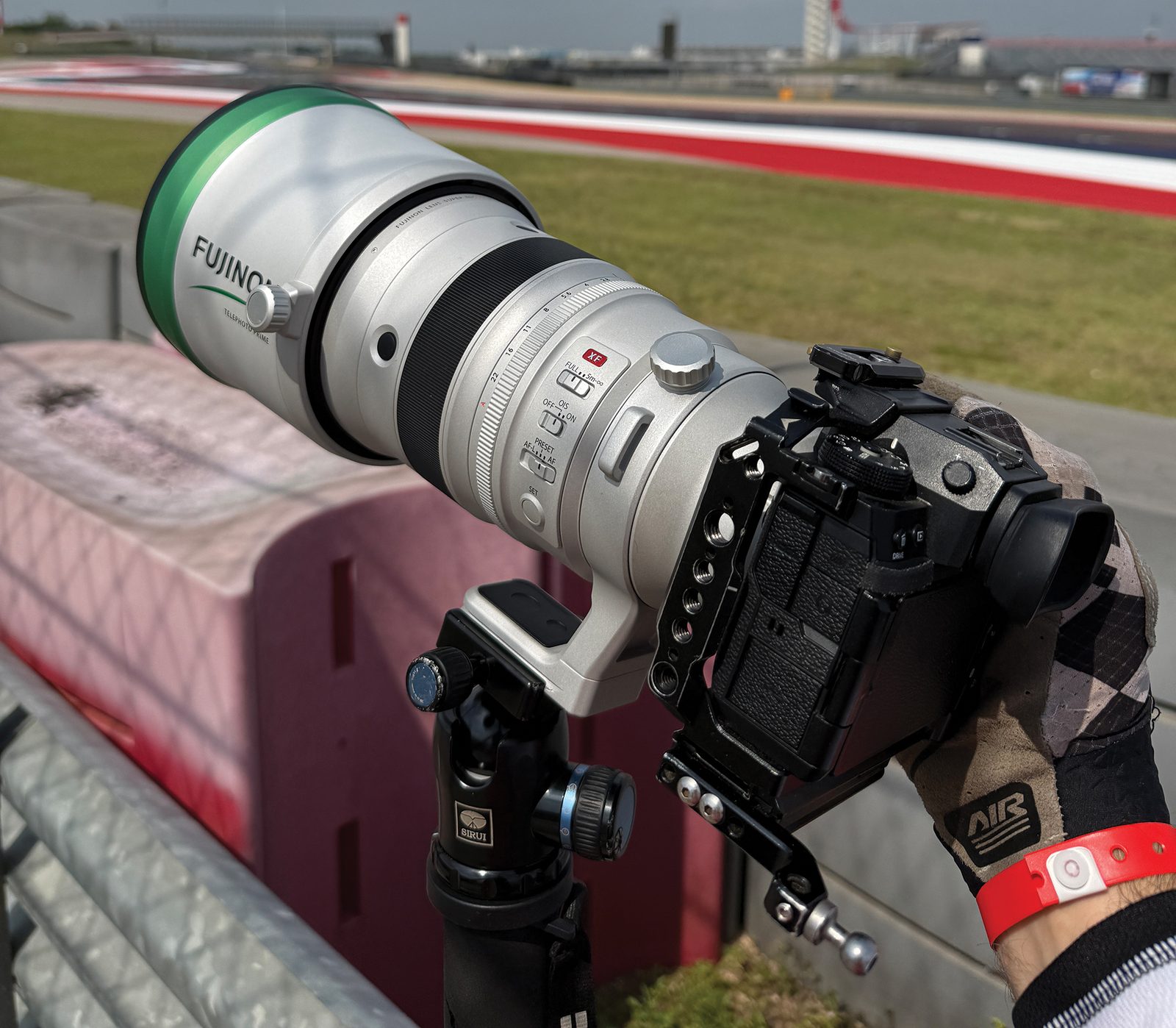
The physical construction of the XF200mm f/2 immediately conveys its professional-grade status. It features a full-metal chassis, providing exceptional durability and a reassuringly solid feel. Breaking from traditional black finishes, the lens is coated in a matte silver, a deliberate design choice that significantly minimizes heat absorption. This practical innovation is vital during prolonged shooting sessions under direct sunlight, as excessive heat can potentially affect optical stability and image quality. Autofocus operations are managed by a sophisticated twin linear motor system, engineered for both remarkable speed and near-silent operation. This ensures swift and precise subject tracking without drawing unwanted attention or interference in sensitive recording environments. Complementing its autofocus capabilities is a highly effective built-in optical image stabilization (OIS) system, rated at an impressive five stops. This OIS system provides meaningful assistance for handheld shooting, especially beneficial for dynamic panning shots where maintaining a steady camera while tracking a moving subject is paramount.

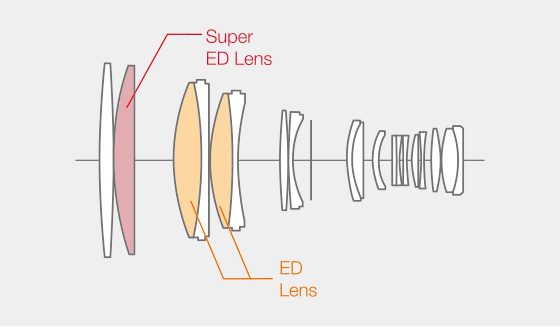
Optically, the XF200mm f/2 embodies a no-compromise design philosophy. Its complex optical formula comprises 19 elements arranged in 14 groups, a configuration meticulously designed to deliver outstanding image quality across the frame. This includes one Super ED (Extra-low Dispersion) element and two ED elements, strategically placed to effectively control chromatic aberration—a common challenge in high-contrast scenes and with long telephoto lenses. The suppression of chromatic aberration ensures that images exhibit pristine color fidelity and sharpness, free from distracting color fringing. The lens is fully weather-sealed, offering robust protection against dust and moisture, essential for outdoor photography in unpredictable conditions. Its front element is treated with a fluorine coating, a hydrophobic and oleophobic layer that repels water, dirt, and smudges, making it easier to clean and maintain optimal clarity. The aperture mechanism features nine rounded blades, meticulously crafted to produce exceptionally smooth, circular bokeh, contributing to the lens’s distinctive aesthetic signature. Precision exposure control is afforded by a one-third EV step aperture ring, allowing photographers fine-grained control over depth of field and light intake. Furthermore, an integrated rotating tripod collar, complete with multiple strap attachment points, underscores the lens’s professional intent, facilitating stable mounting and easy transitions between horizontal and vertical orientations.
In the Field: Performance, Pairing, and Photographic Personality

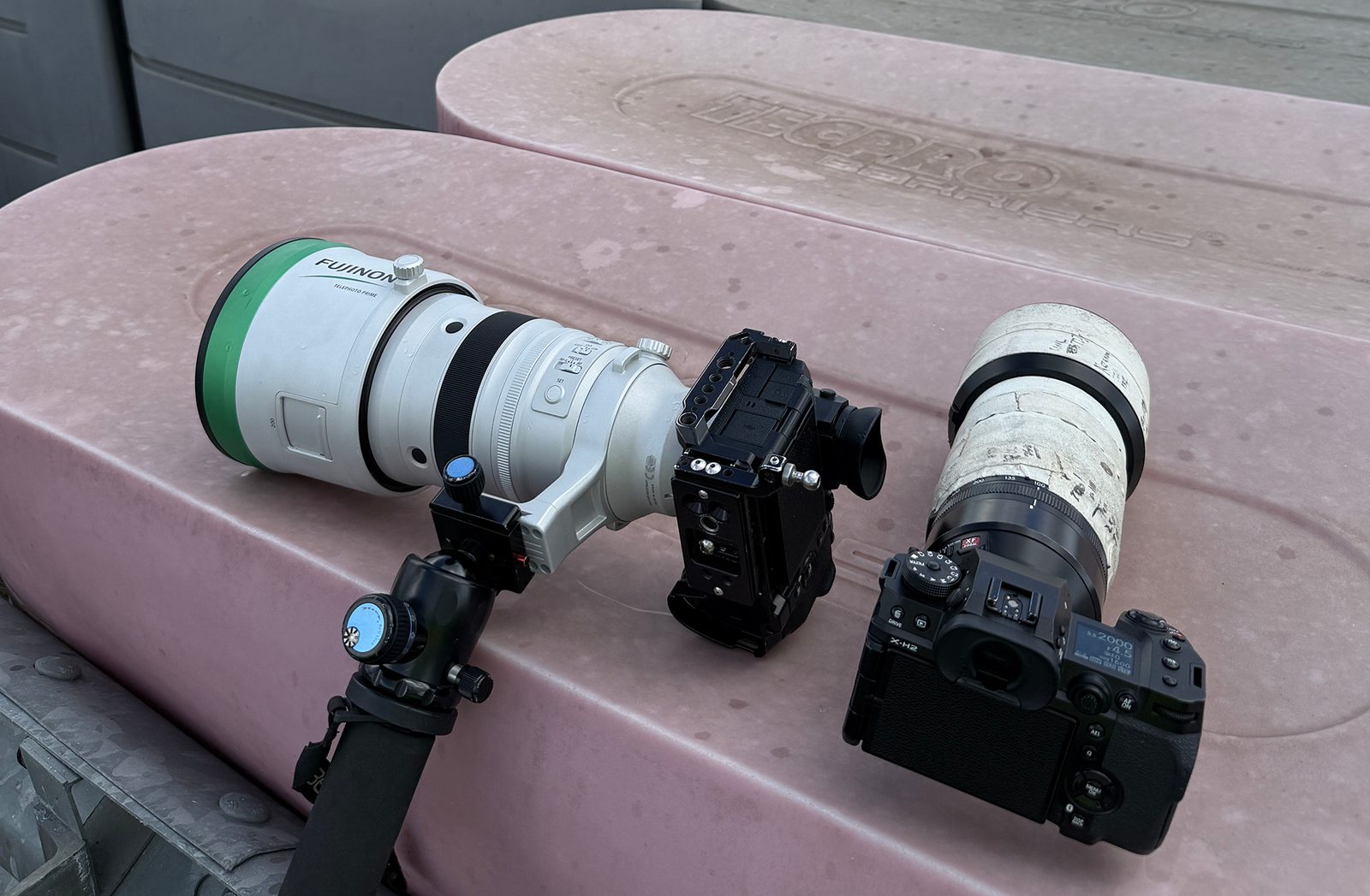
The true measure of a professional lens lies in its field performance. When paired with Fujifilm’s high-performance X-H2S bodies, the XF200mm f/2 OIS WR forms what many consider the pinnacle lens-and-body combination within the Fujifilm X Series for demanding action photography. The X-H2S, with its stacked sensor and advanced processing capabilities, provides the necessary computational horsepower to fully exploit the lens’s potential. The synergy between the XF200mm f/2 and the X-H2S translates into effortless speed, unwavering autofocus reliability, and stunning clarity and sharpness. In motorsport, where subjects hurtle past at speeds often exceeding 150 mph, the ability to acquire and maintain focus with absolute precision is not merely an advantage—it is a necessity. Comparisons with other bodies, such as the X-H2, reveal a noticeable improvement in autofocus acquisition and consistency on the X-H2S, highlighting the importance of the latest camera technology for maximizing the performance of such a specialized lens.
Working with a dedicated super-telephoto prime lens like the XF200mm f/2 requires an initial acclimation period. Unlike flexible zoom lenses that allow for quick compositional adjustments, a prime lens demands a more disciplined approach to vantage points and framing. However, once this rhythm is established, the photographic experience becomes profoundly rewarding. The lens’s ability to render subjects with exceptional separation from the background is particularly striking. Wide open at f/2, the bokeh is described as rich and creamy, transforming busy trackside backgrounds into beautifully diffused canvases that make the subject truly pop. This characteristic is highly sought after in portraiture and wildlife photography, and its application in motorsport creates images with a distinct visual impact, isolating the power and grace of racing vehicles.
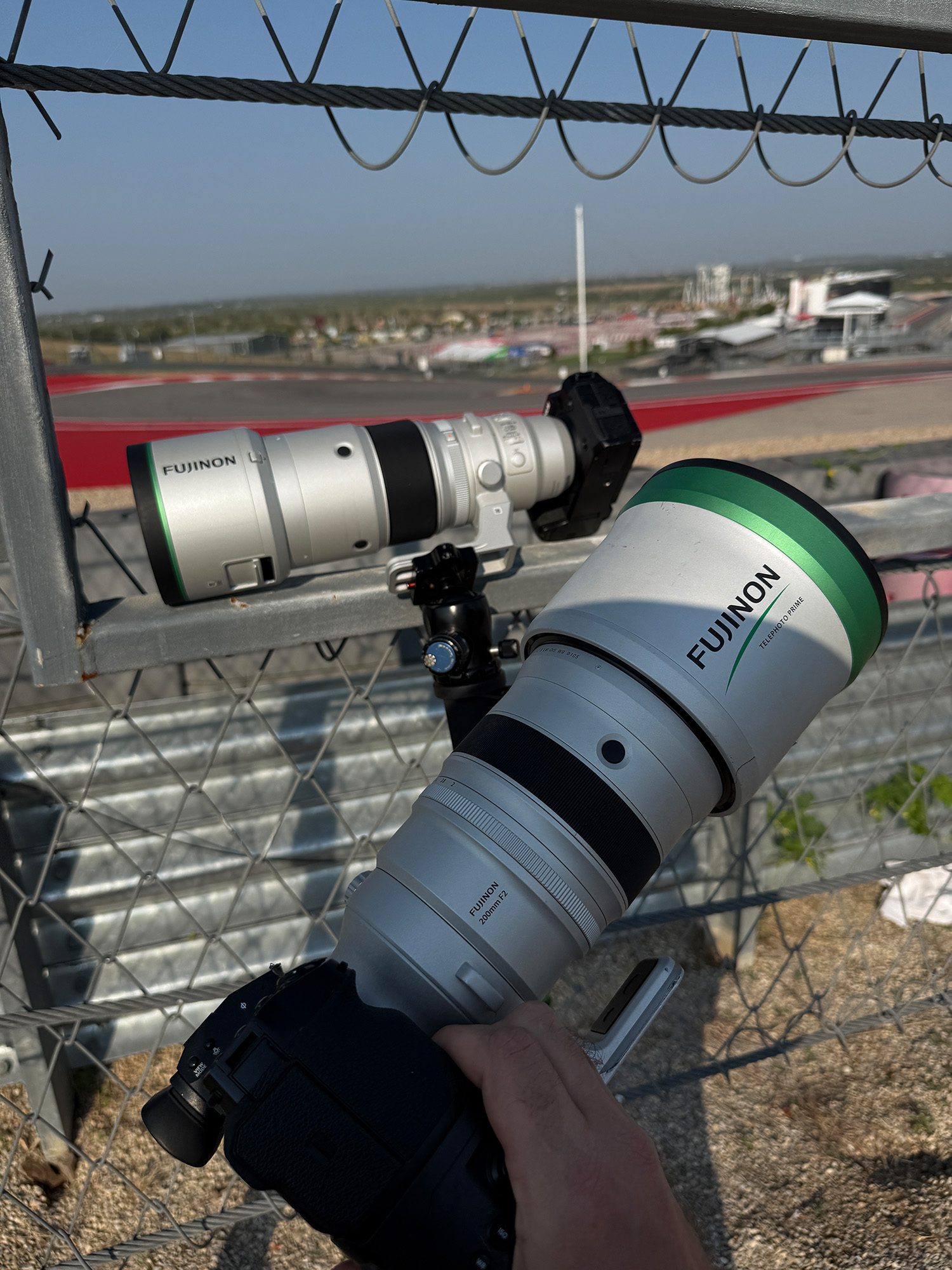
Several ergonomic and design details enhance the lens’s usability in daily professional workflows. The programmable autofocus buttons strategically placed on the barrel provide an additional stable point of interaction, especially beneficial during handheld shooting, allowing for quick focus mode changes or AF activation without repositioning the hands. The lens hood is a robust and substantial accessory, secured with a pressure screw, ensuring it remains firmly in place even in windy conditions or during rapid movements. For many professional motorsport photographers, the technique of "cupping" the edge of the hood when shooting with a monopod provides enhanced stability and control, a practice facilitated by the XF200mm f/2’s thoughtful design.
Practical Considerations and Strategic Investment

Despite its many advantages, the Fujifilm XF200mm f/2 OIS WR presents several practical considerations, primarily related to its size, weight, and associated costs. Weighing approximately 2,265 grams (nearly 5 pounds), the lens is substantial. While manageable for short periods of handheld shooting, extended sessions, particularly those involving dynamic panning, can lead to significant physical strain. A monopod, therefore, transitions from a luxury to a welcome companion, offering crucial support and reducing fatigue over long shooting days. The integrated rotating tripod collar is essential here, allowing for quick and secure mounting.
Another significant practical consideration is the size of the front element, which necessitates the use of large 105mm filters. Given that the lens itself retails for approximately $6,000 new, the investment in a dedicated filter kit can add another substantial cost. A comprehensive kit for professional motorsport photography often includes a UV filter for constant front element protection against dust, debris, and accidental impacts; a circular polarizer (CPL) to manage glare and reflections from vehicle surfaces and the track, enhancing color saturation and contrast; and a variable neutral density (ND) filter, such as a 3-stop or even a 32-stop variant, to enable wide-open shooting at f/2 or f/2.8 in intense daylight conditions. This allows for creative control over motion blur effects even when ambient light is abundant, maintaining the desired shallow depth of field.

Who This Lens Is For: A Specialized Tool for Distinctive Results
While the XF200mm f/2 is often reviewed in the context of commercial and wildlife photography, its application in motorsport photography deserves particular emphasis. It is not designed to be a general-purpose lens; rather, it is a specialized instrument that delivers a distinctive aesthetic quality, often described as "umami" – a rich, complex flavor that stands apart. This lens will typically not be the first or most flexible purchase for a photographer. Instead, it assumes its role as a critical third or fourth essential lens in a professional kit, deployed specifically when conditions allow and when its unique characteristics are required.

For moments demanding ultimate flexibility in the paddock or broad coverage trackside, versatile zooms like the Fujifilm XF50-140mm f/2.8 R LM OIS WR or the XF100-400mm f/4.5-5.6 R LM OIS WR will undoubtedly handle the heavy lifting. However, when light conditions diminish, when background separation is paramount, and when absolute clarity and critical sharpness are the unequivocal priorities, the XF200mm f/2 steps forward as the undisputed heavyweight champion. It allows photographers to capture images with an almost three-dimensional quality, rendering subjects with remarkable fidelity against beautifully blurred backgrounds.
In conclusion, the Fujifilm XF200mm f/2 OIS WR is more than just a lens; it is a statement piece, an optical marvel designed for discerning professionals. While its acquisition represents a significant investment and demands a commitment to its specific focal length, the unparalleled image quality and distinctive visual signature it provides make it an indispensable tool for those working in demanding fields like motorsport. For professional Fujifilm photographers dedicated to capturing the essence of speed and competition, this lens represents the zenith of what the X Series system currently offers, solidifying Fujifilm’s position as a serious contender in the high-performance optics market. Its integration into a professional workflow elevates output, enabling photographers to achieve results that are both technically impeccable and artistically compelling.