New York City, a vibrant mosaic of cultures, aspirations, and daily struggles, serves as the compelling backdrop for William Meyers’ latest photographic endeavor, Civics. This expansive new book, set for release this summer, offers a quarter-century visual chronicle of America’s democratic heartbeat, meticulously capturing the often-unseen acts of civic engagement, public service, and neighborly solidarity that form the bedrock of the nation’s social and political fabric. Timed to coincide with the United States’ 250th anniversary, Civics emerges as a profoundly relevant meditation on shared communal life, especially poignant amidst the current climate of heightened political and social divisions.
A Lens on the Living Democracy
Through the discerning eye of William Meyers, Civics transcends mere documentation, evolving into a sweeping sociological study told through the power of still images. For 25 years, Meyers has immersed himself in the bustling streets, intimate neighborhoods, functional government offices, and diverse public spaces of New York. His photographs do more than record; they honor the relentless energy, the kaleidoscopic diversity, and the myriad perspectives that intrinsically define New York City. The collection presents an expansive, empathetic vista of how citizens interact with one another and actively participate in their communities, often in ways that go unnoticed in the grand narratives of national politics.
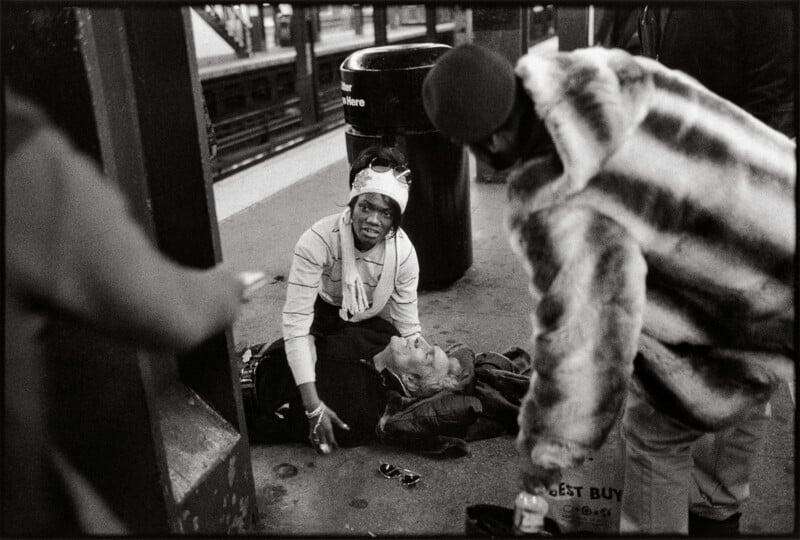
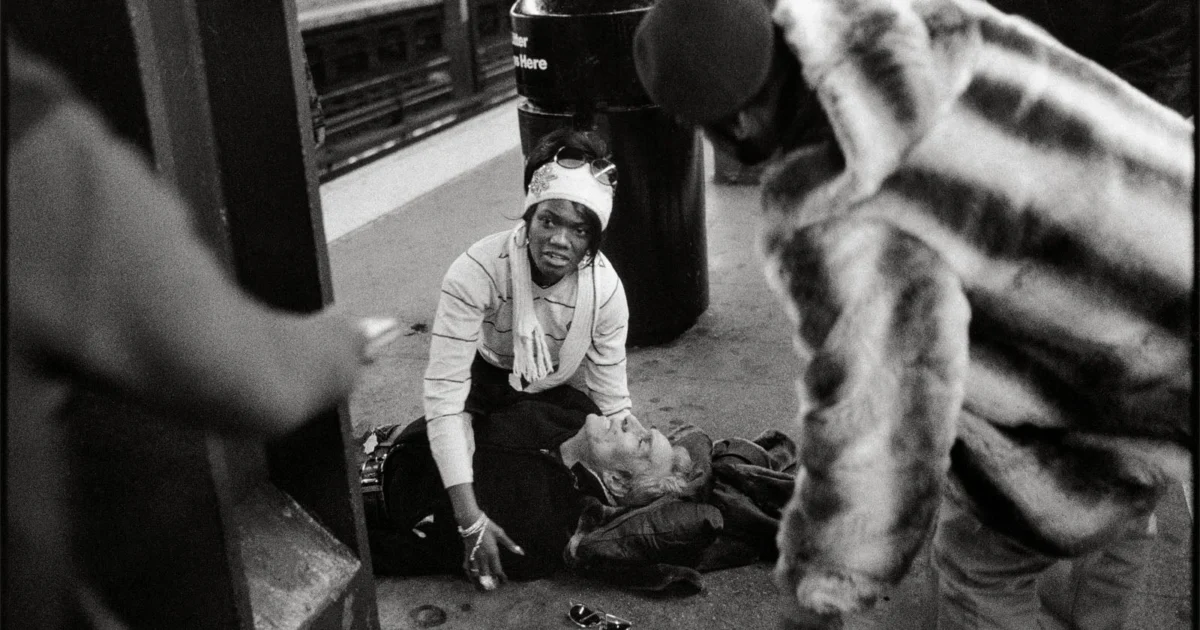
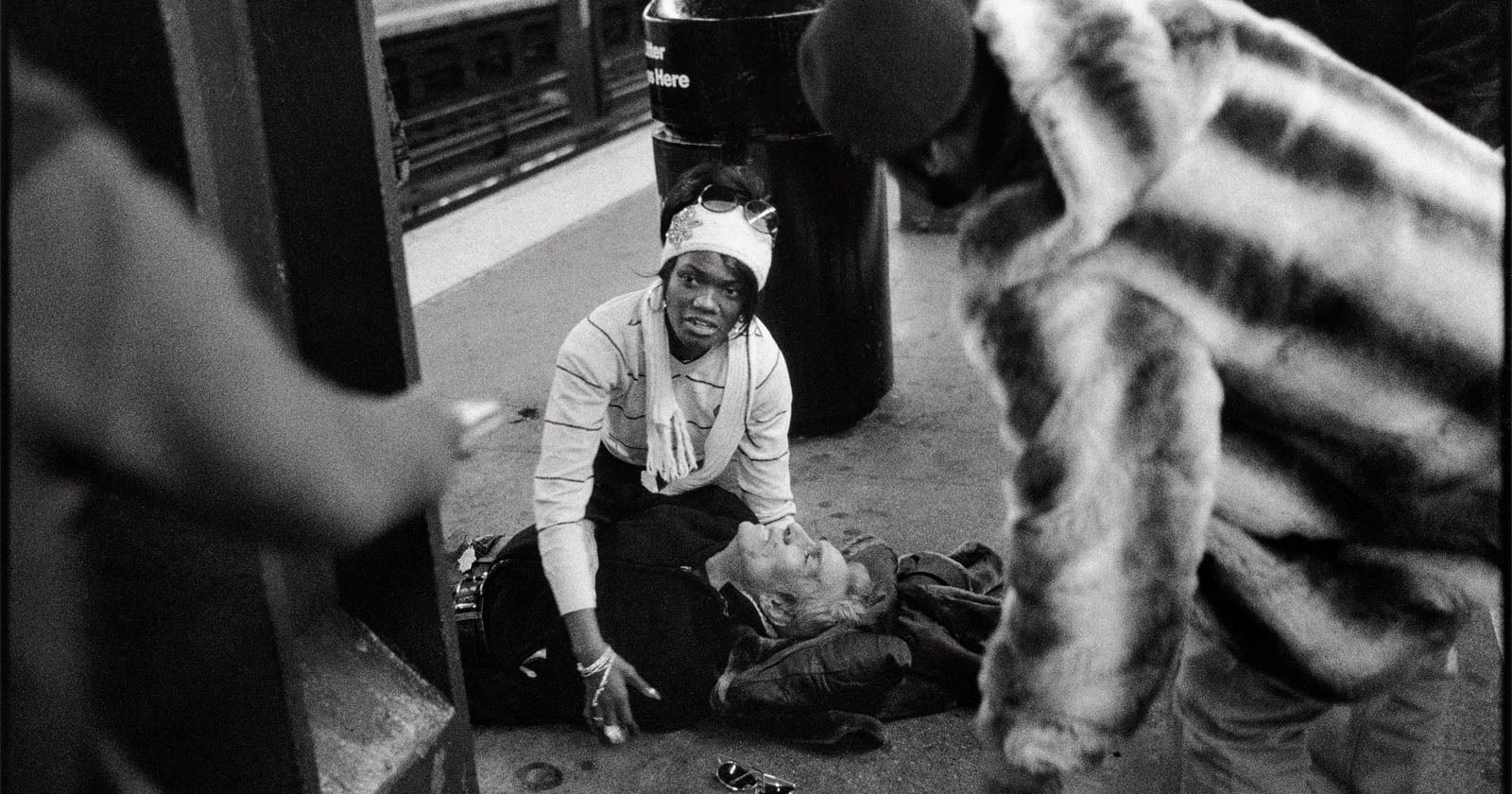
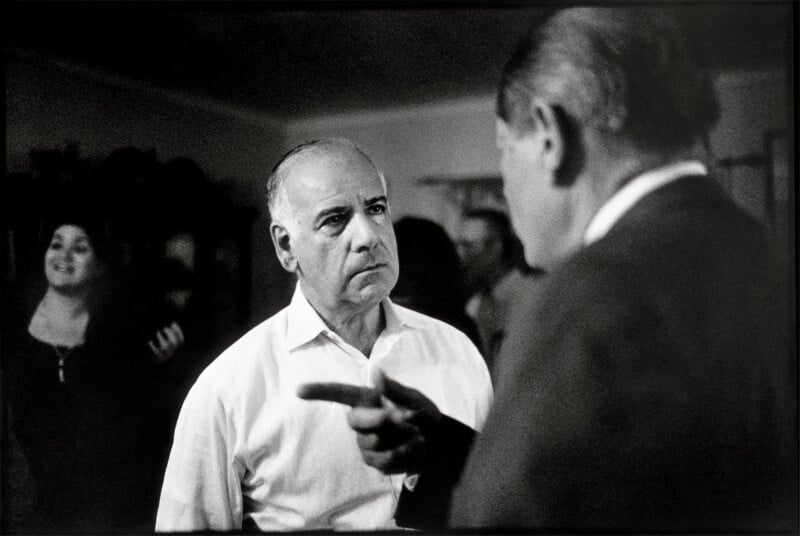
The very essence of "civics" — the study of the rights and duties of citizenship — is brought to life through Meyers’ work. Rather than focusing on grand political gestures or iconic events, the book illuminates the micro-interactions and mundane routines that collectively sustain a democratic society. From a compassionate bystander aiding an epileptic individual on a Brooklyn subway platform in 2015, to the quiet diligence of workers in the Manhattan Marriage Bureau in 2018, or the focused attention of constituents "Listening to the candidate" in Rego Park, Queens, in 2011, Meyers’ lens captures the spontaneous and deliberate engagements that define civic life. These images serve as visual affirmations that democracy is not solely enacted in Washington D.C. or state capitols, but thrives in the everyday interactions of ordinary people within their local environments.
New York City: A Microcosm of American Engagement
New York City, with its unparalleled density and demographic diversity, provides a uniquely fertile ground for Meyers’ project. As the nation’s largest city, it encapsulates a vast spectrum of American experiences, making it an ideal "microcosm of America." Its five boroughs — Manhattan, Brooklyn, Queens, The Bronx, and Staten Island — each possess distinct identities and communities, yet are inextricably linked by shared public services, infrastructure, and a collective civic identity. This intricate tapestry allows Meyers to explore the multifaceted nature of civic participation, from formal governmental processes to grassroots activism and informal acts of community support.
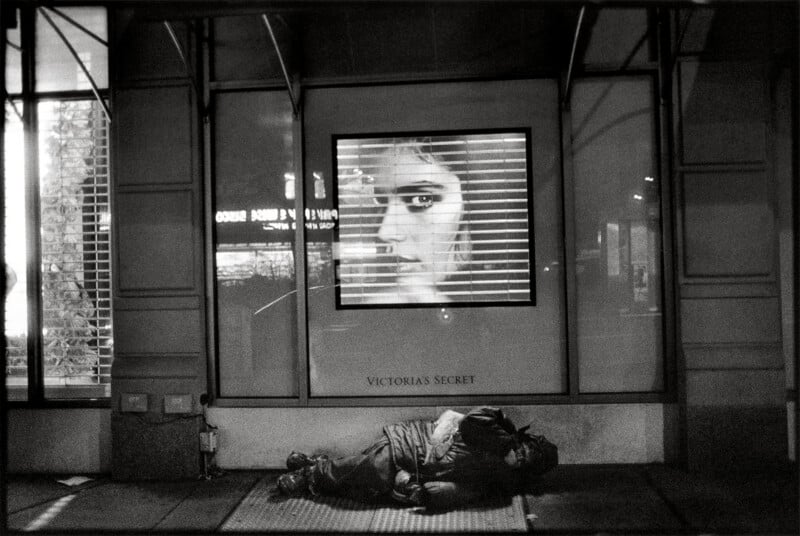
The city’s population, exceeding 8 million, represents over 200 nationalities and speaks more than 800 languages, making it one of the most culturally diverse urban centers globally. This diversity is not merely a demographic fact but a living, breathing component of its civic life, influencing everything from local elections to neighborhood associations and public demonstrations. Meyers’ photographs subtly reflect this vibrant heterogeneity, showcasing individuals from all walks of life engaging with their environment and each other. Whether it’s the quiet dignity of a homeless person on Broadway, Upper West Side, in 2017, or the collective joy of a Fourth of July celebration in Riverside Park in 2009, his images underscore the common threads of humanity and shared public space that bind New Yorkers, and by extension, Americans.
A Structured Exploration of Civic Life
Civics is thoughtfully organized into seven thematic chapters, providing a comprehensive framework for understanding the full spectrum of engagement. These chapters are:
- Elections: Beyond the ballot box, this section likely delves into the campaigns, voter registration drives, political rallies, and public discourse that precede and follow electoral decisions. It captures the energy and passion inherent in the democratic process, from local council races to national presidential contests, all played out on the city’s streets.
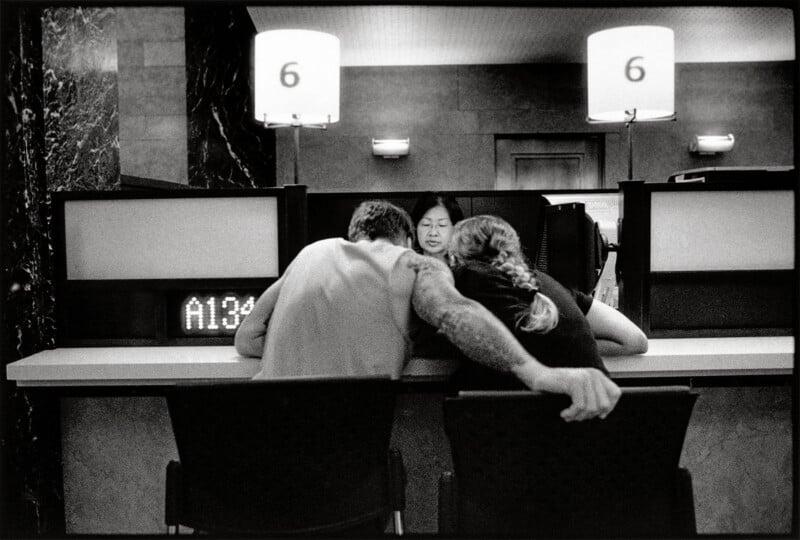
- Governance: This chapter explores the visible and invisible machinery of government at work. Images might include interactions at public service counters, administrative buildings, community board meetings, and the myriad ways citizens interface with municipal, state, and federal agencies in their daily lives, such as the evocative scene from the Manhattan Marriage Bureau.
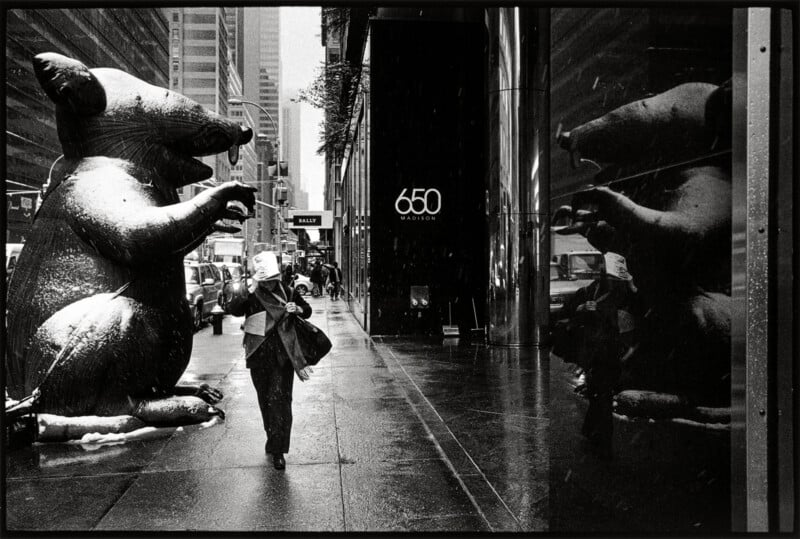
- Demonstrations: A cornerstone of American civic expression, this section captures protests, marches, and public gatherings that vocalize dissent, advocate for change, or celebrate collective identity. The image of a "Union rat" on Madison Avenue in Midtown in 2011, a common sight at labor disputes, symbolizes this aspect of public advocacy and collective bargaining.
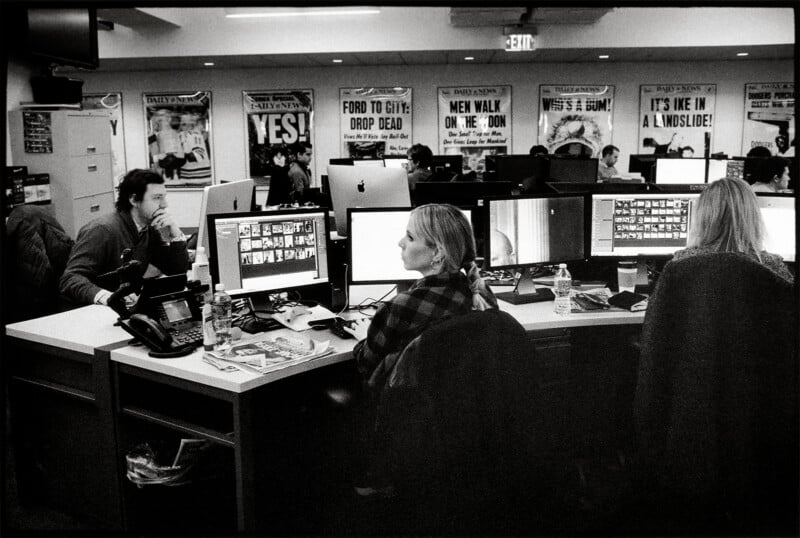
- Press: In a democratic society, a free and robust press is indispensable. This chapter likely features scenes from newsrooms, journalists at work, and the consumption of news in public spaces. The photograph of a newsroom at the New York Daily News in the Financial District from 2015 offers a glimpse into the production of information that shapes public opinion and informs civic discourse.
- Talk: This theme focuses on the informal yet crucial conversations that build social cohesion and enable communities to function. It encompasses everything from casual street-side debates and neighborhood gossip to organized discussions in community centers or coffee shops, highlighting the power of dialogue in shaping collective understanding and action.
- Social Capital: Perhaps the most poignant chapter, this delves into the bonds of trust, reciprocity, and mutual aid that strengthen communities. It captures acts of kindness, volunteerism, collective problem-solving, and the informal networks that provide support and resilience, exemplified by the immediate assistance rendered to an individual experiencing a medical emergency on a subway platform.
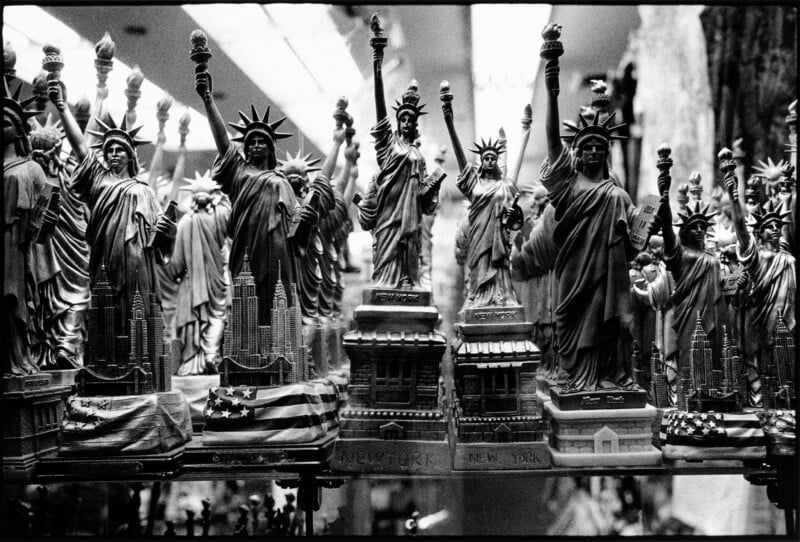
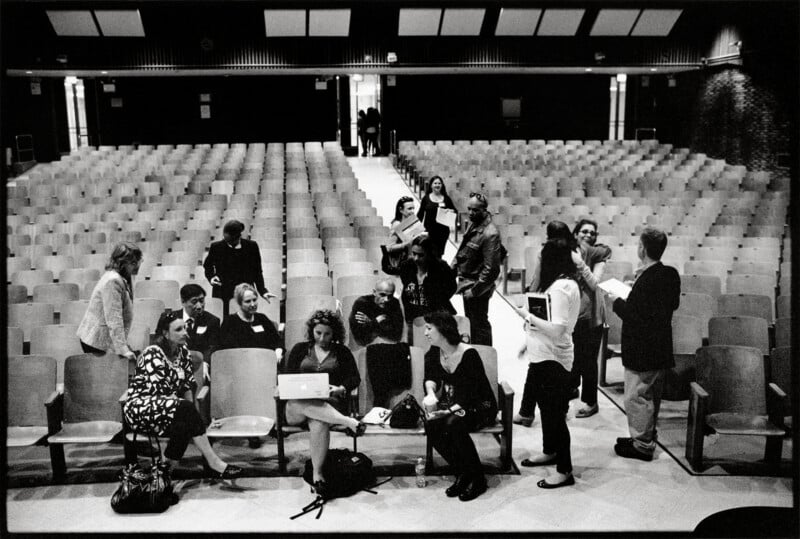
- Civic Markers: This final chapter likely explores the symbols, monuments, and institutions that represent shared values, history, and collective identity. From iconic landmarks like the Statue of Liberty (represented by souvenirs in Times Square) to local schools and community centers, these markers serve as reminders of the ongoing narrative of American civic life and the aspirations that unite its citizens. The Frank McCourt High School PTA meeting in 2013 underscores the localized institutions that foster community and civic responsibility.
Together, these chapters form a holistic visual narrative, revealing that democracy is not a static ideal but a dynamic, ongoing endeavor, sustained by the quiet, often unglamorous, labor of its citizens.
The Artist Behind the Lens: William Meyers’ Journey
William Meyers’ unique perspective is deeply informed by his life journey. Born in Providence, Rhode Island, in 1938, Meyers initially pursued a career in public service and business. This background undoubtedly provided him with an intimate understanding of the bureaucratic processes and human interactions that underpin civic life. His transition to photography in the 1990s marked a new chapter, driven by a desire to visually articulate the world around him. He honed his craft at the prestigious International Center of Photography (ICP) in New York, a renowned institution dedicated to the practice and understanding of photography.
Beyond his photographic work, Meyers has also established himself as a respected voice in photo criticism. He contributed extensively to The New York Sun, offering insightful commentary on the medium, and continues to write for The Wall Street Journal. This dual expertise as both a practitioner and a critic grants his work a rare depth, allowing him to not only capture compelling images but also to understand their broader cultural and historical significance. His photographs have garnered significant recognition, being exhibited in museums across America and Europe, as well as in numerous group and solo gallery exhibitions, cementing his place in the contemporary photography landscape.
A Timely Reflection for America’s 250th Anniversary
The release of Civics this summer holds particular resonance as the United States approaches its 250th anniversary. This quarter-millennium milestone naturally invites introspection on the nation’s democratic journey, its triumphs, and its challenges. In an era marked by pronounced political polarization, social unrest, and intense debates about national identity, Meyers’ book offers a grounded, humanistic counter-narrative. It subtly reminds viewers that beneath the headlines and partisan rhetoric, the fundamental acts of citizenship — helping a neighbor, participating in local governance, voicing concerns, or simply coexisting in shared public spaces — continue to thrive.
The book serves as a visual affirmation that despite divisions, the underlying spirit of civic engagement remains a powerful, unifying force. It challenges viewers to look beyond abstract political concepts and appreciate the tangible, daily efforts that contribute to the health and resilience of a democratic society. As journalist Nicole Gelinas eloquently articulates in her afterword, which situates Meyers’ photographs within the broader context of urban policy and civic engagement, the images provide critical insights into the real-world implications of these interactions. Gelinas, known for her expertise in urban economics and policy, adds an analytical layer that further enriches the visual narrative, connecting individual acts to larger societal structures.
Expert Acclaim and Lasting Impact
The significance of Civics has not gone unnoticed by art critics and observers of contemporary society. Art critic Brian T. Allen encapsulates the book’s profound message, stating, "Civics is a visual primer about not only the practice of citizenship but the art of being an American." This sentiment underscores the book’s dual achievement: it meticulously documents the mechanics of civic life while simultaneously celebrating the intangible qualities of national identity, community spirit, and human connection.
In a world increasingly dominated by digital interactions and global narratives, Civics by William Meyers serves as a vital reminder of the enduring importance of local engagement and tangible human connections. It is a visually striking and deeply human celebration of the ordinary, yet profound, acts that collectively sustain democratic life. Published by Apollo Publishers, Civics is more than a photography book; it is an invitation to pause, reflect, and rediscover the fundamental threads that weave together the diverse tapestry of American society, one shared moment at a time. Through Meyers’ lens, New York City emerges not just as a global metropolis, but as a living testament to the daily, unwavering commitment to the ideals of self-governance and communal responsibility.