The digital age, with its exponential growth in image creation, has spurred a persistent debate within the photography community: what exactly constitutes "street photography"? This ongoing discussion, often flaring up in online forums and photographic circles, centers on defining the genre’s boundaries and core tenets. However, a growing sentiment suggests that the focus on rigid definitions may be counterproductive, potentially stifling the very creativity it seeks to understand and promote. Instead of dissecting what street photography is, the argument posits, the community should prioritize the creation of compelling and impactful images.
The sheer volume of photographic output in the 21st century presents a unique challenge to categorization. With estimates suggesting that over five billion photographs are generated daily worldwide, the landscape of visual media has become undeniably vast and often unwieldy. This proliferation has led to an increased need for photographers, critics, and enthusiasts to delineate various photographic genres, including street, landscape, portraiture, and abstract. While the pursuit of definition can offer a framework for understanding and critique, it also carries inherent risks, particularly when it leads to the imposition of strict guidelines.
One of the primary detriments of rigidly defining street photography is the tendency for practitioners to adhere to a formulaic approach. This adherence can result in a deluge of repetitive, uninspired, and hackneyed images, where photographers feel compelled to replicate established tropes rather than explore new visual territories. The outcome is often a visual echo chamber, where similar compositions and themes appear with monotonous regularity, failing to capture the dynamism and spontaneity that are often associated with the genre’s origins.
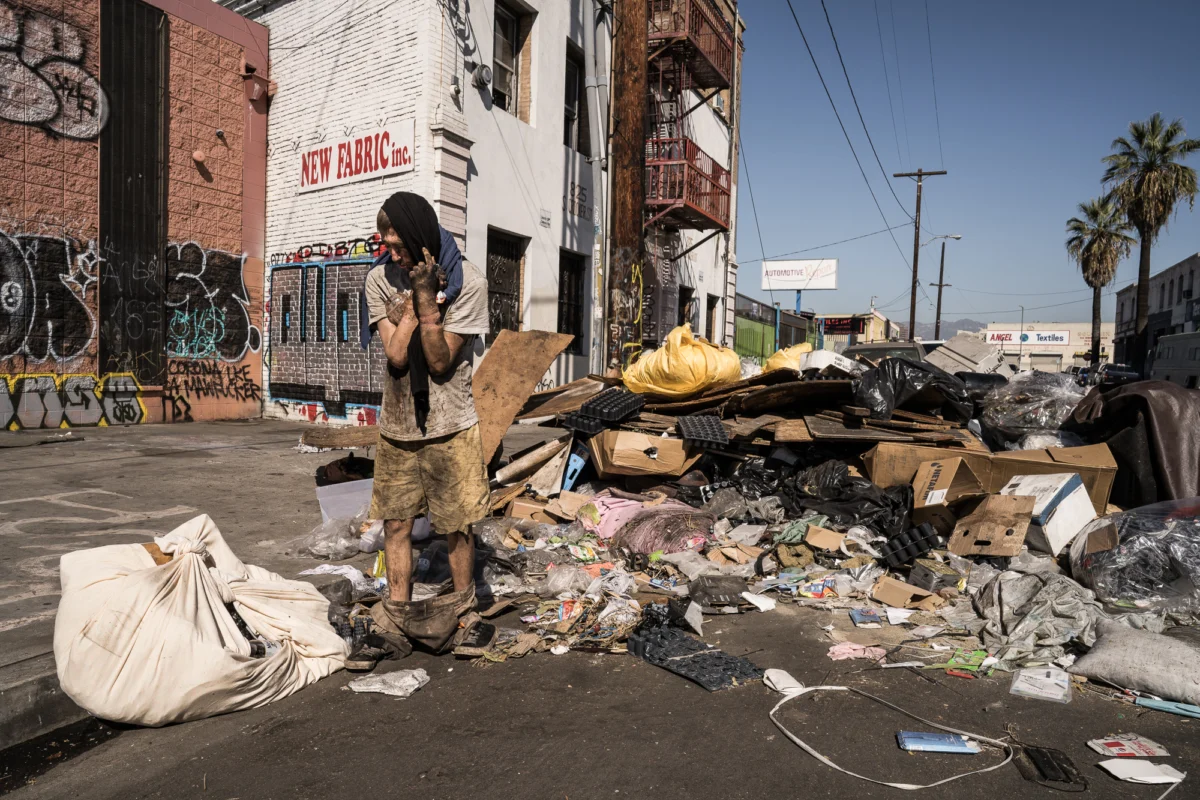
This phenomenon has been identified as a significant impediment to attracting a broader commercial audience to contemporary street photography. The market is increasingly saturated with predictable imagery, often featuring archetypal subjects that have become clichés. Common examples include the ubiquitous silhouette of a figure under an umbrella in a puddle, the iconic image of an elderly gentleman in a fedora captured in dramatic light and shadow, or the familiar shot of a young individual positioned in front of vibrant graffiti. These motifs, while once perhaps groundbreaking, have been so widely replicated that they risk becoming visual shorthand for a lack of originality.
The influence of social media platforms further exacerbates this trend. Platforms like Instagram, driven by algorithms that often reward engagement with popular themes, can inadvertently foster a sense of photographic "cosplay." Users may find themselves emulating the aesthetic trends that gain traction, leading to a homogenized feed characterized by recurring visual elements such as specific umbrellas, dramatic silhouettes, the distinctive "Leica aesthetic," or endless interpretations of the "decisive moment" popularized by Henri Cartier-Bresson. Ironically, a genre that historically celebrated the unexpected and the spontaneous has become a victim of its own predictability.
This prescriptive approach to street photography can be compared to the unintended consequences of curated book clubs, which, while aiming to promote literary engagement, can sometimes inadvertently create a formula for authors to follow. This can lead to a proliferation of "cookie-cutter" novels designed to meet specific perceived market demands. Similarly, rigid rules for creating street photographs can foster a backward approach to the creative process. Instead of allowing photographs to emerge organically and then defining their character, photographers may begin by creating images intended to satisfy an external checklist of genre requirements. This can lead to a stifling of genuine creativity and artistic exploration. The author’s sentiment reflects a weariness with judging competitions where a significant portion of submissions feels derivative, suggesting that the pursuit of adherence to perceived rules overshadows authentic artistic expression.
The core question often posed is: what constitutes a street photograph? Does it necessarily require the presence of a human subject? Does it mandate an urban landscape as its backdrop? These are valid inquiries that fuel extensive discussions about the nature of the genre. However, it is argued that these questions might be more productively viewed as rhetorical devices, serving as prompts for contemplation rather than as problems demanding definitive, prescriptive answers.
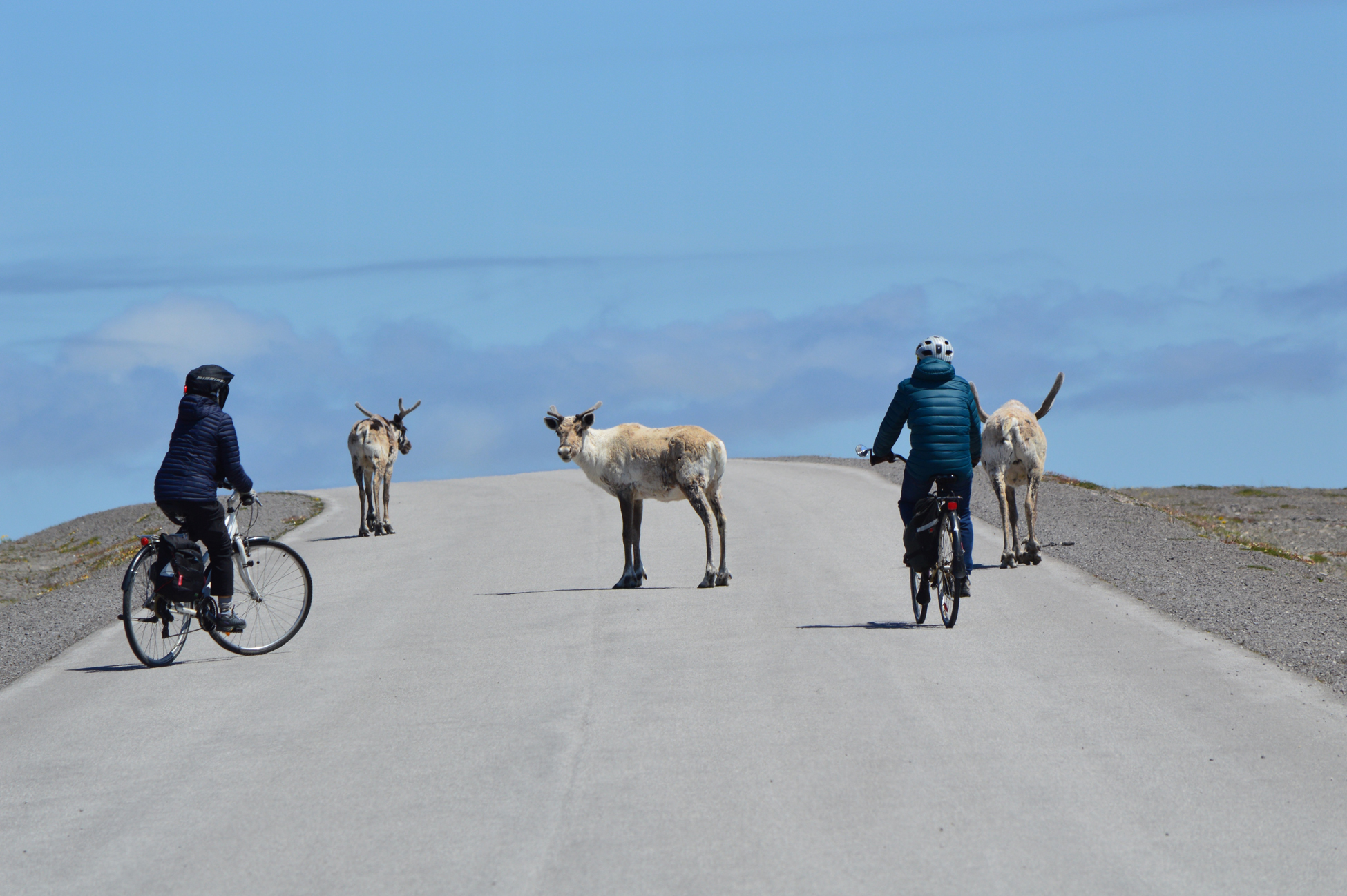
The inherent complexity of attempting to impose definitive answers becomes apparent when encountering exceptions to proposed rules. For instance, if a street photograph is defined by its urban setting, what then of photographers working in rural or remote environments? Such a definition would unfairly exclude a significant body of work and a diverse range of photographic practices. Consider the work of Martin Parr, whose photographs often depict seaside resorts and leisure activities; are these not considered street photography? Furthermore, William Eggleston’s iconic photograph of a tricycle, which lacks both a human subject and a discernible urban landscape, is widely accepted within street photography circles. These examples highlight the difficulty and potential arbitrariness of attempting to confine the genre within rigid boundaries.
The Subjectivity of "Street" and the Evolution of Genre
The concept of "street" itself is fluid and evolving. Historically, street photography emerged as a way to capture the candid moments of everyday life unfolding in public spaces, often in bustling urban environments. Early pioneers like Eugène Atget documented the streets of Paris with a keen eye for detail and social commentary, while figures like Vivian Maier captured the human drama of mid-20th century American cities. Their work, characterized by its observational quality and its focus on the human condition in public life, laid the groundwork for what is now broadly understood as street photography.
However, the contemporary world presents a more complex social and environmental tapestry. The rise of suburbanization, the increasing prevalence of digital interfaces in public spaces, and the globalization of culture have all reshaped the "street" and the ways in which it is experienced and documented. This evolution suggests that the definition of street photography must also be flexible enough to accommodate these changes.
A Case Study: Susan N. Sweet’s Newfoundland Photograph
The author introduces a personal anecdote involving a photograph taken by his aunt, Susan Sweet, a Canadian painter, in Newfoundland. The image, while its specific content is not detailed, prompted the author to reflect deeply on the definition of street photography. The question then arises: is this photograph, taken in a non-urban setting by an artist primarily known for painting, a street photograph? Regardless of the definitive answer, the photograph served as a catalyst for re-evaluating the genre’s boundaries. This instance underscores the idea that compelling images, regardless of their categorization, can spark important conversations and challenge existing perceptions.
Beyond Genre: The Primacy of the Photograph
The author proposes a fundamental shift in perspective: perhaps street photography, as a distinct genre, is not as essential as the creation of photographs that resonate with viewers. The inclination to allow a photograph to "speak for itself," without the need for extensive explanation or categorization, is a sentiment gaining traction. Similarly, becoming increasingly comfortable with photographs simply existing as visual experiences, open to individual interpretation, aligns with this philosophy.
The assertion that "great photographs create genres, not the other way around" encapsulates this viewpoint. Throughout art history, it is the groundbreaking works and the visionary artists who have pushed the boundaries and redefined existing categories, rather than adhering to pre-established rules. Genres, in this context, are often retrospective labels applied to bodies of work that have already demonstrated their significance and impact.
While acknowledging the continued existence and utility of genres across various art forms, including music, cinema, and painting, the author advocates for a broader and more inclusive perspective when it comes to identifying street photography. The proposal is not to abandon categorization entirely but to expand the aperture of acceptance.
Shifting Focus from Algorithms to Artistic Intent
The author encourages a recalibration of priorities, urging photographers to focus less on the dictates of social media algorithms and the labels they promote, and more on the content and impact of the images they are creating. The emphasis should be on the freedom to create before the compulsion to categorize. This perspective suggests that the pressure to conform to popular trends for the sake of online visibility can detract from the pursuit of authentic artistic vision.
The Criteria for a "Good Photograph"
Ultimately, the author posits that a "good photograph" is one that can engage, challenge, or profoundly alter the viewer’s perception. When an image achieves this level of impact, its classification as "street photography" or any other genre becomes secondary. The power and merit of the photograph itself should be the primary consideration. This definition prioritizes the viewer’s experience and the photograph’s ability to provoke thought and emotion.
The Demise of Creativity in the Face of Definition
The core argument culminates in the idea that the moment a definition transforms into a rigid checklist, creativity begins to falter. The energy expended by a community in debating the precise boundaries of a genre could be more effectively channeled into the act of making memorable work. History, the author suggests, is replete with artists who are celebrated not for their adherence to established rules, but for their willingness to challenge and rewrite them. The enduring legacy of artistic movements is built upon the foundations of innovation and boundary-pushing, not on the meticulous observance of predefined formulas. The ultimate impact of photography, regardless of its categorization, lies in its ability to connect with audiences on an emotional and intellectual level, a feat that is best achieved through genuine artistic expression rather than rote adherence to genre conventions.