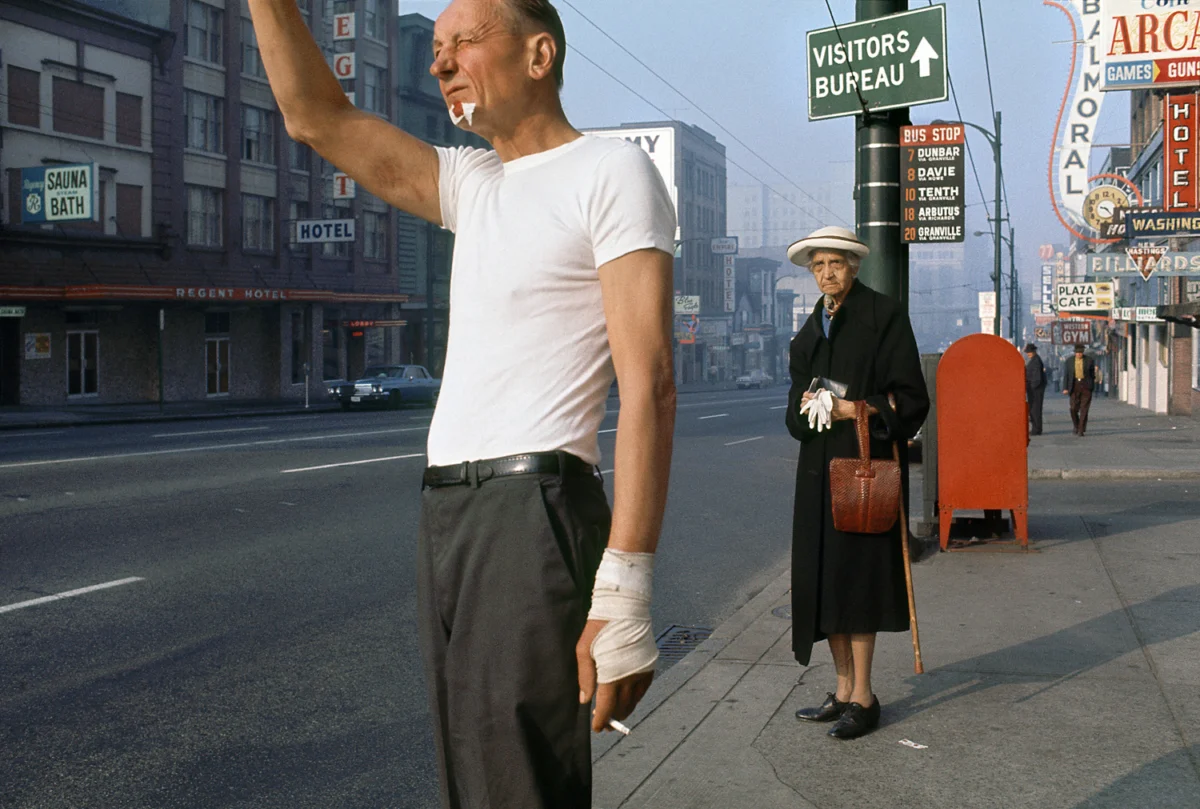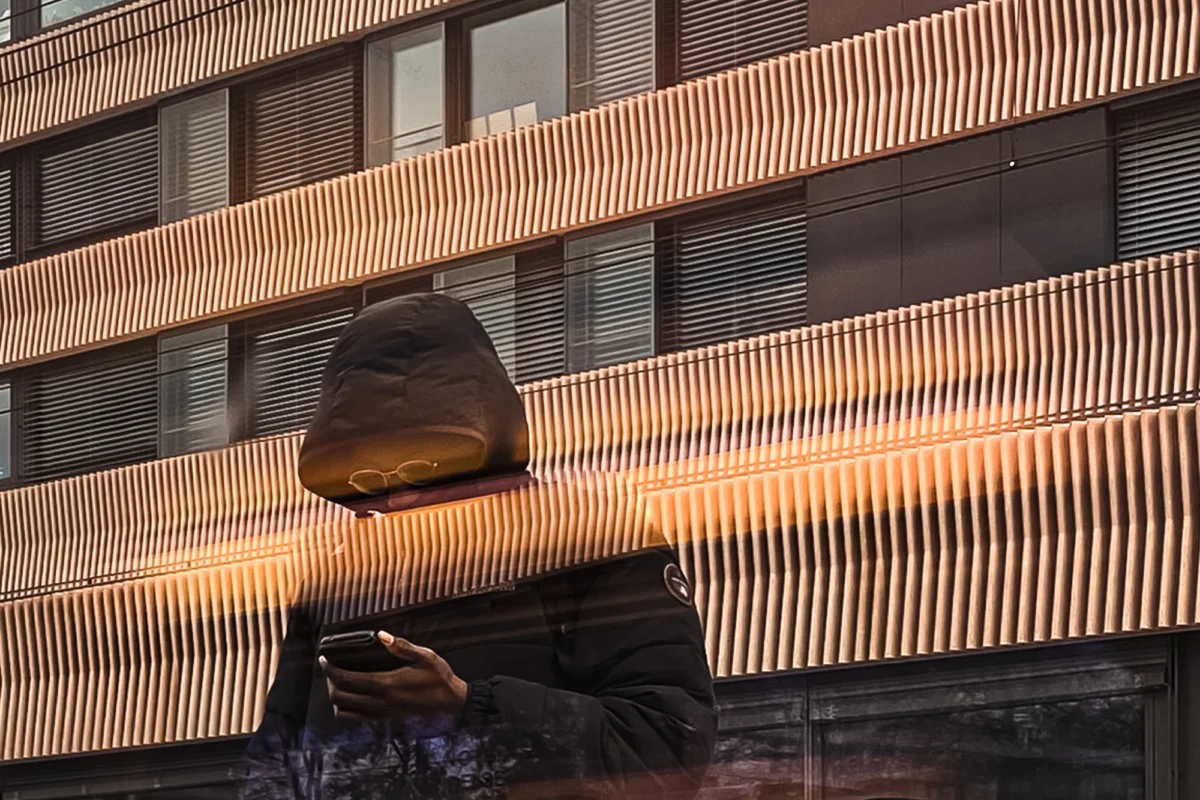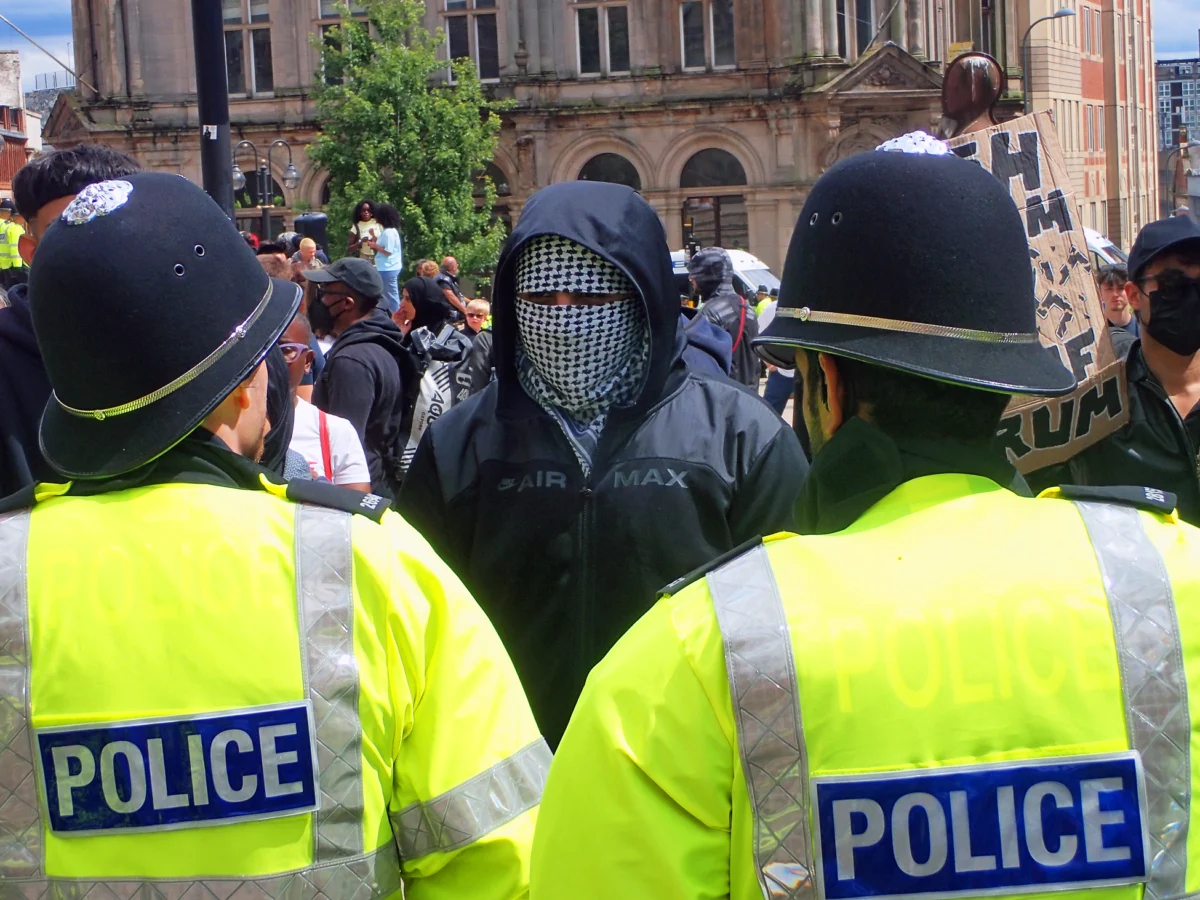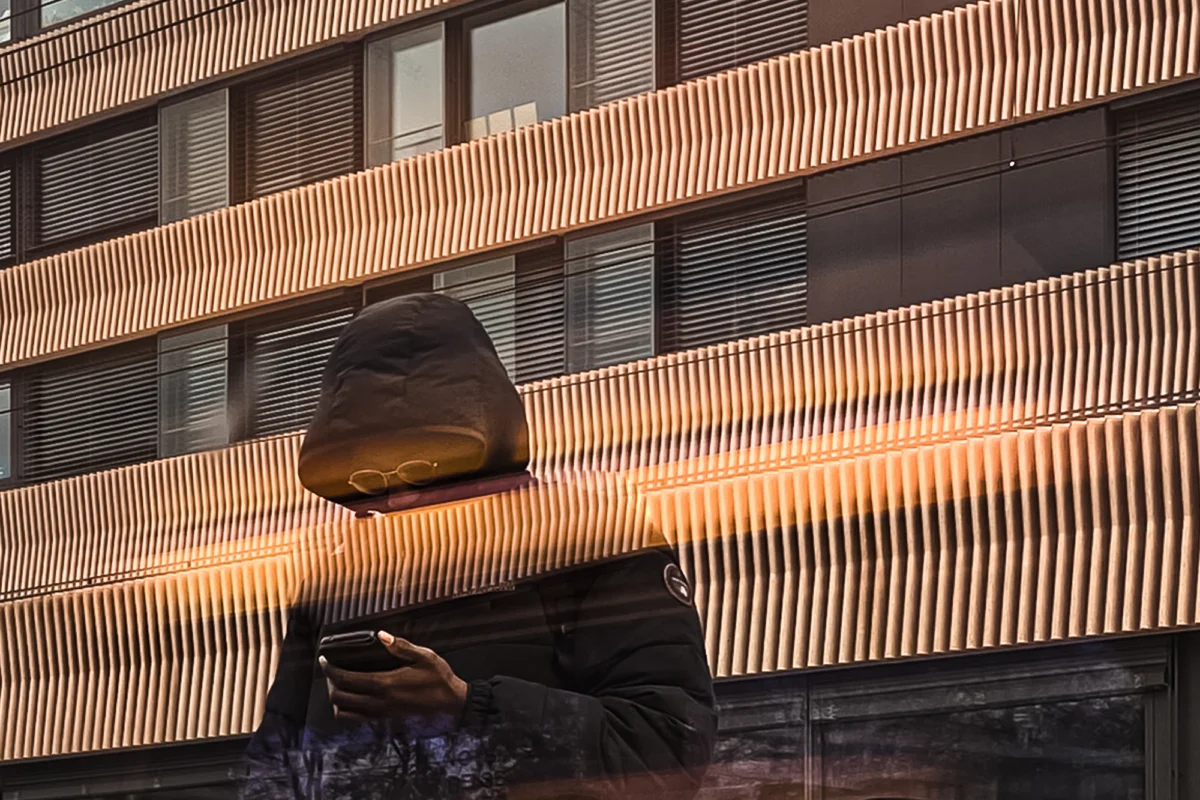
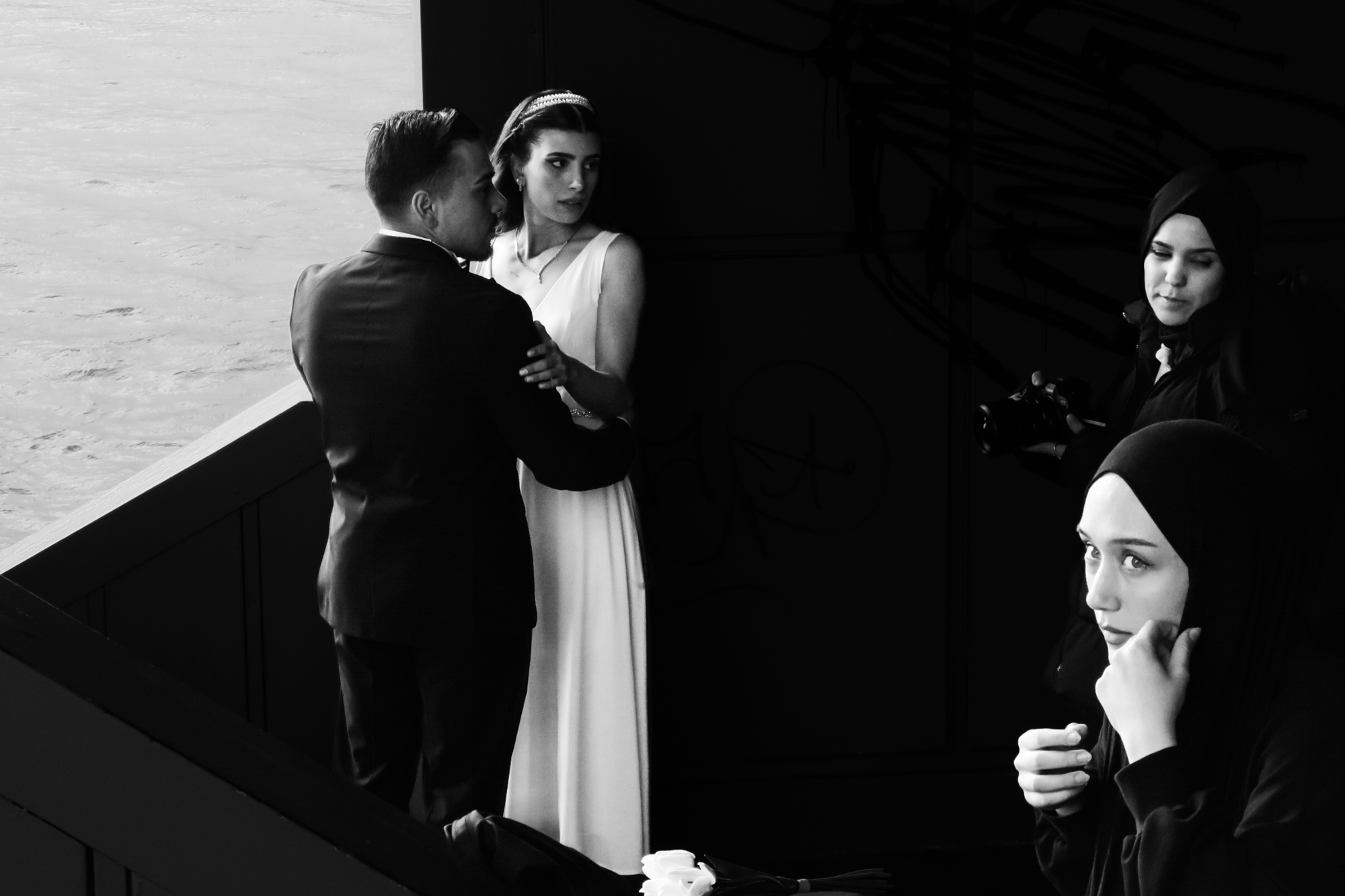
Istanbul-based street photographer Gül Kanlık is redefining the genre with her deeply personal and meticulously crafted approach, eschewing fleeting moments for deliberate compositions that reveal the “non-standard within the standard.” Her work, characterized by striking silhouettes, evocative reflections, and ingenious framing, transcends mere documentation, inviting viewers to perceive the urban landscape as a canvas of everyday art. This intentionality, Kanlık explains, is not an imposition on the street but a natural evolution of her perception, born from a personal journey of introspection and a profound understanding of how individual perspective shapes reality.
The Genesis of a Vision: From Personal Loss to Artistic Expression
Kanlık’s foray into street photography began not as a calculated artistic pursuit, but as a coping mechanism following the passing of her mother. “At the beginning, I was just taking photos without thinking too much about technique,” she shares. “Over time, I became more aware of light and composition. So these approaches developed naturally as I practiced more.” The act of photography initially served as a way to “fill a space – a kind of emptiness her absence left in my life.” It was a tangible anchor in a period of profound grief. This personal experience laid the groundwork for a critical realization that would fundamentally shape her creative vision: “We don’t just see the world as it is – we see it as we are.” This axiom underscores her philosophy, emphasizing that photography is not merely an objective recording of external reality but a subjective interpretation, imbued with the photographer’s inner world.
The Art of Connection: Finding Resonance in the Urban Tapestry
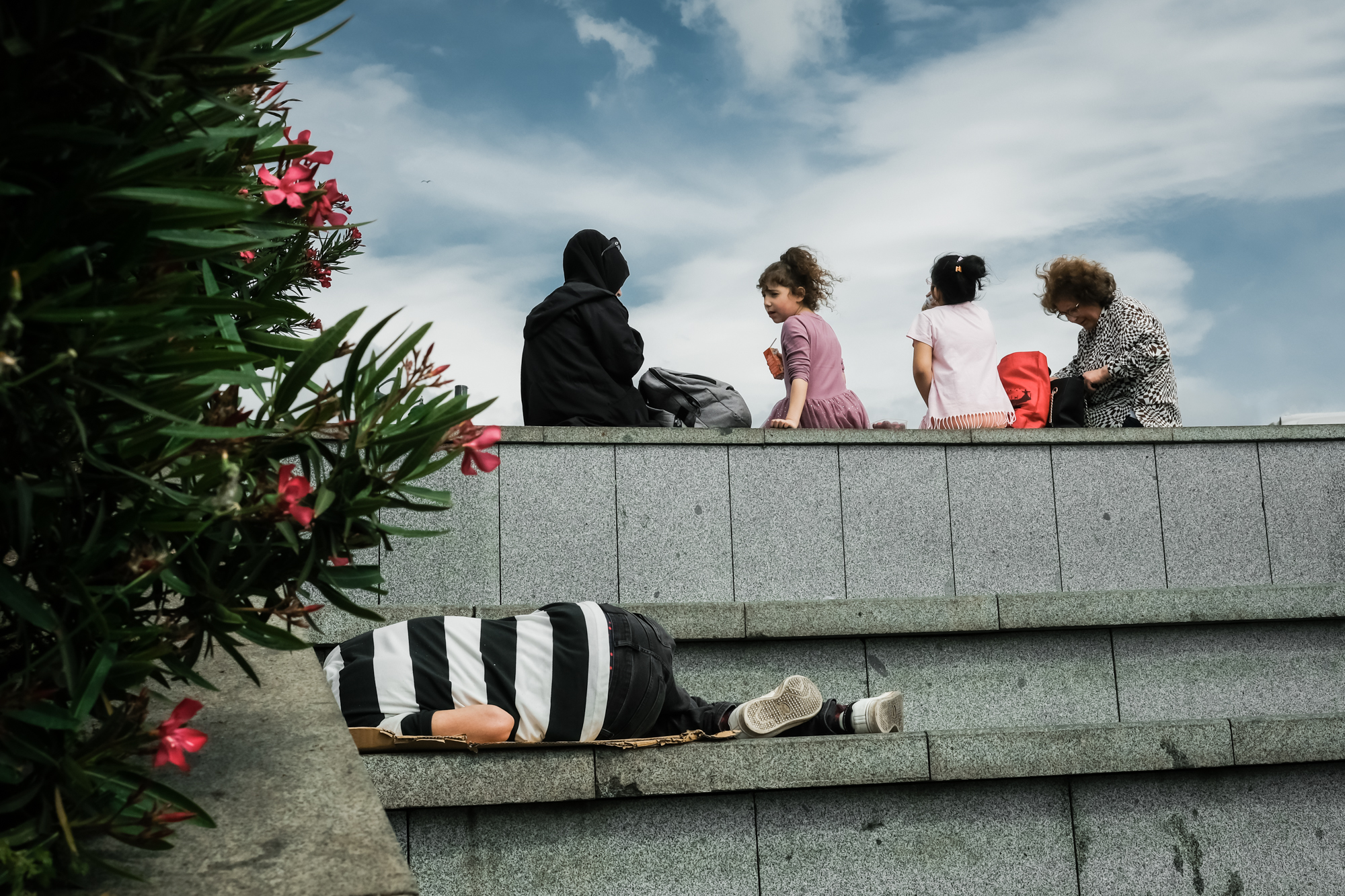
Kanlık’s engagement with street photography is not dictated by a rigid schedule or an aggressive pursuit of subjects. Instead, it is a response to a feeling of connection with the city. “Usually, I find myself taking photos when the light is interesting or when there is a contrast – like calm vs chaos, light vs shadow, or people lost in their own world. These moments pull me in,” she explains. This intuitive approach highlights a deep sensitivity to the ephemeral qualities of urban life. Rather than chasing predetermined scenes, Kanlık cultivates patience and presence, learning to anticipate moments of visual harmony. “What helps me the most is patience and being present. I don’t try to control the scene; I try to align to it,” she states. This philosophy positions her not as an intervener, but as an observer attuned to the subtle rhythms of the street, waiting for the opportune moment when the external world aligns with her internal vision.
Intentionality in Composition: Mastering Light, Shadow, and Form
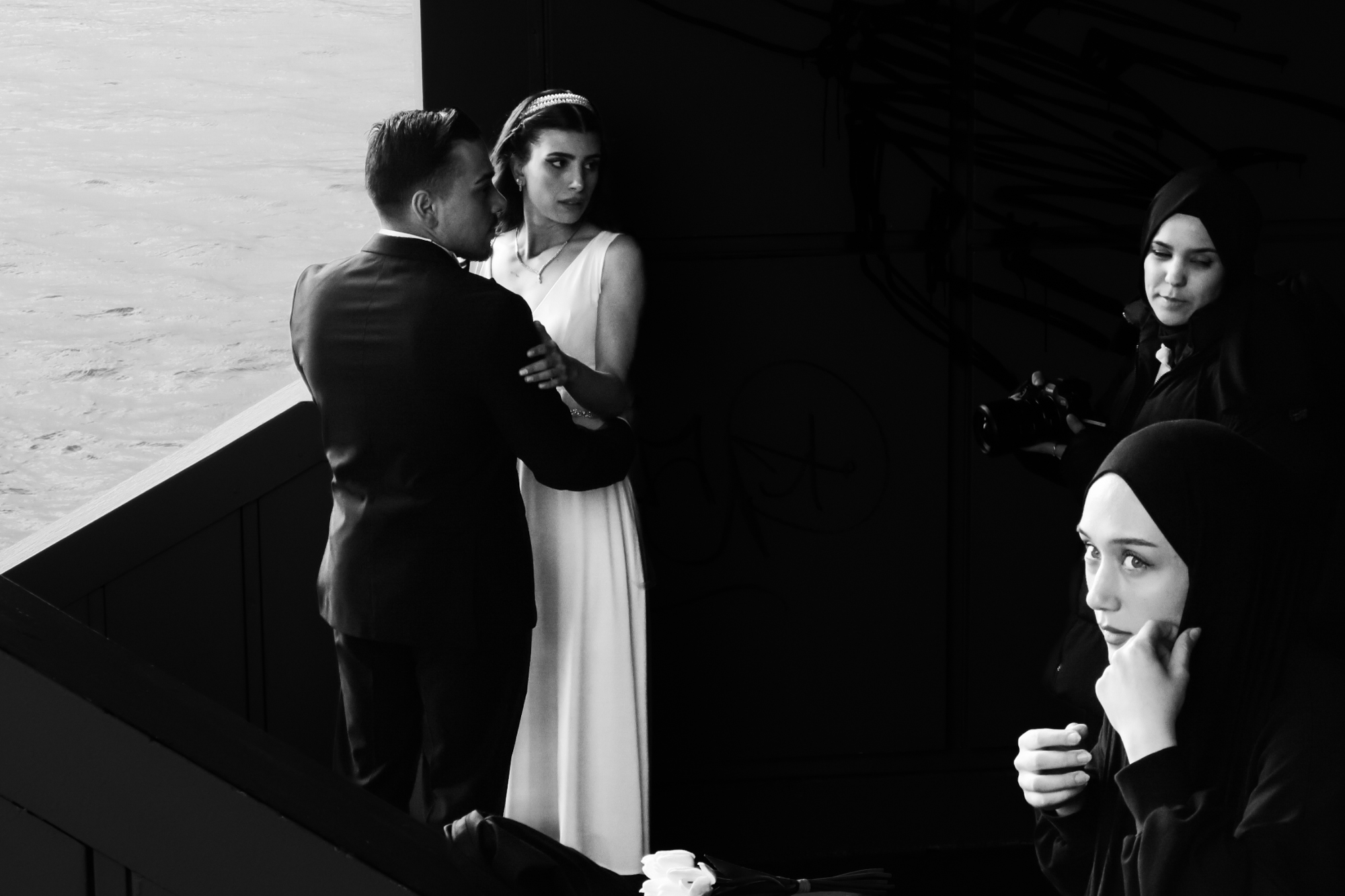
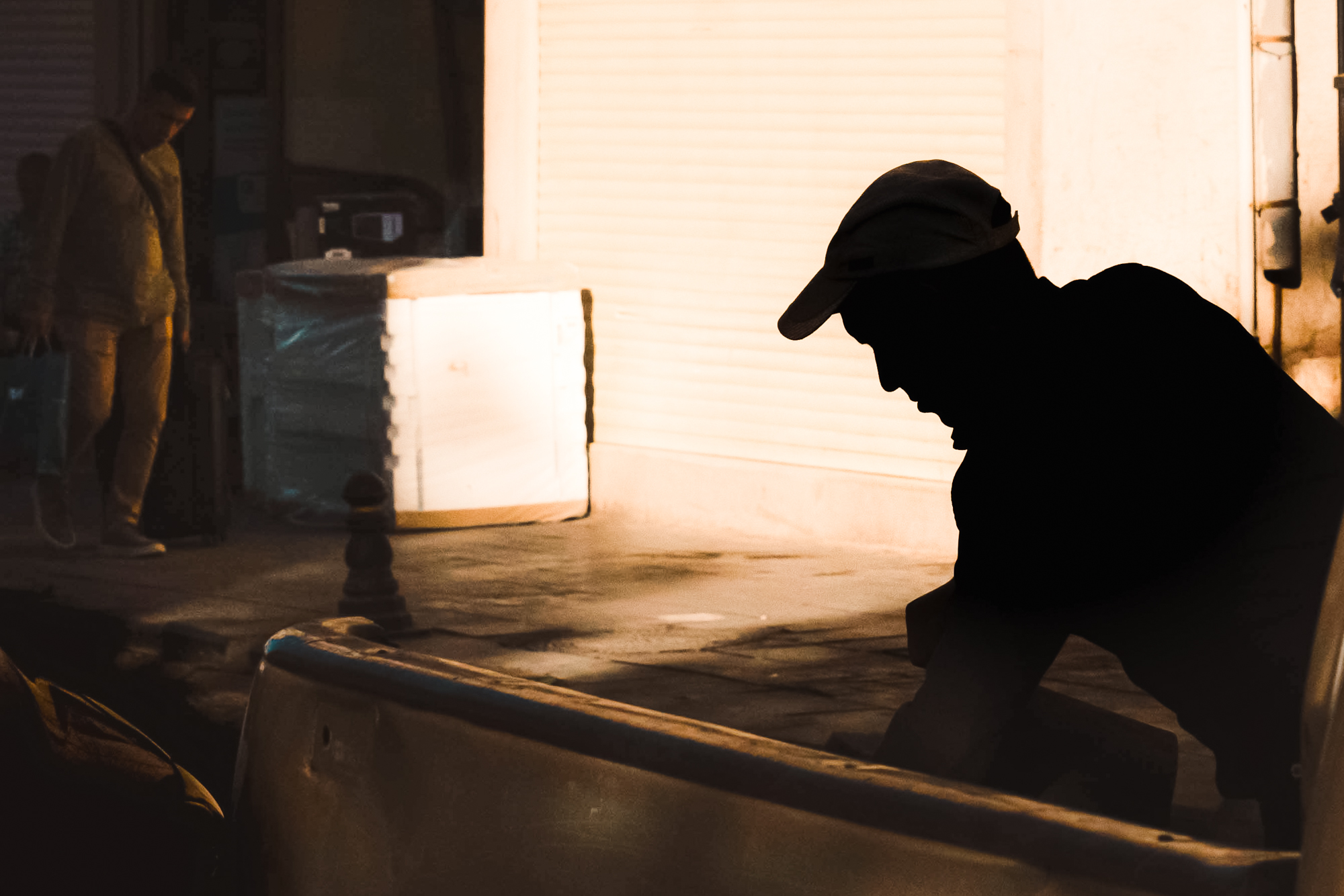
The visual language of Gül Kanlık’s street photography is marked by a deliberate and sophisticated use of compositional elements. While many street photographers prioritize candid immediacy, Kanlık skillfully employs techniques such as shadows, silhouettes, and framing to imbue her images with depth and emotional resonance. These are not mere stylistic flourishes but tools designed to simplify the scene, guide the viewer’s eye, and amplify the intended impact.
"Shadows can create mystery, silhouettes can make a scene more universal, and framing helps guide the viewer’s eye," Kanlık elaborates. "I try to use them in a natural way, not forced. I believe that even the most ordinary scenes carry something different – a detail, a feeling, or a moment that breaks the pattern. I’m drawn to subtle contrasts like light and shadow, stillness and chaos, presence and absence." This emphasis on subtle contrasts and the pursuit of the extraordinary within the ordinary is a hallmark of her work. Her preference for a minimalist aesthetic over a documentary-heavy style further underscores this intentionality. “Less is more,” she stresses, believing that excessive elements can dilute the power of the core subject. This commitment to simplicity and meaning aligns with her definition of an ideal street photograph: “Simple but meaningful.”

Influences and the Pursuit of Authenticity
Kanlık’s artistic development has been shaped by a deep appreciation for the masters of street photography, whose works have provided both inspiration and a framework for her own creative exploration. She identifies three key figures whose influence resonates profoundly:
- Alex Webb: Kanlık is inspired by Webb’s ability to construct intricate, multi-layered frames that teem with color and dynamic interactions. His work demonstrates how a single image can simultaneously convey multiple narratives, a complexity she strives to achieve through her own compositions.
- Saul Leiter: Leiter’s influence is felt on a more emotional level. His masterful use of color, his innovative explorations of reflections, and his minimalist compositions cultivate a quiet, almost poetic atmosphere. Leiter’s work has heightened Kanlık’s awareness of subtle details and the profound power of simplicity.
- Vivian Maier: Maier’s legacy inspires Kanlık with her unparalleled ability to capture authentic, unfiltered moments. The strong sense of authenticity and keen observation present in Maier’s photographs deeply connects with Kanlık’s own artistic ethos.
The common thread uniting these influential photographers, in Kanlık’s view, is their extraordinary capacity to discover and immortalize uniqueness within the mundane. This principle is central to her own photographic quest. “I’m always searching for the ‘non-standard within the standard,’ trying to reveal something unexpected in everyday life,” she asserts. This drive for authenticity in street photography, however, presents its own set of challenges. The inherent transience of street life means that the mere presence of a camera can alter the scene. "Sometimes, people notice the camera and the moment changes," Kanlık notes, highlighting how easily an authentic moment can be disrupted. Furthermore, the creative process is not always linear. "Not every day is inspiring – some days nothing works," she admits. Her strategy for navigating these creative lulls is rooted in patience and acceptance: "To deal with this, I stay patient and accept that not every walk will result in a great photo."
A Personal Narrative: The Nepal Sunset and the Power of Intentionality
A particularly illuminating example of Kanlık’s intentional approach is the story behind one of her most cherished photographs, taken during a trip to Nepal. While technically not a street photograph, its narrative exemplifies her core philosophy. "One of my favorite photos (Thought strictly not Street Photography) was taken in Nepal, during a trip in April 2019 with one of my photography mentors, Cenk Gençdi," she recounts. The scene was Nagarkot, a breathtaking vantage point at 2,175 meters with Mount Everest visible in the distance. The sunset was already a powerful spectacle, yet Kanlık felt something was missing. "It felt too empty."
Recalling advice from her mentor on the importance of framing, Kanlık began to look beyond the grand landscape. "Instead of taking the view as it was, I started searching for something within the scene – something that could transform it." Her attention settled on a simple lamp hanging from the balcony structure. Incorporating this seemingly minor element, she explains, "completely changed the photograph. It gave the frame depth, balance, and a stronger story. Suddenly, it was no longer just a landscape – it became something more personal and intentional."
This image, which she later shared with her mentor, became a profound personal realization. "When I showed the photo to Cenk, he really liked it as well. But for me, what made it special was the realization behind it. It was the moment I understood that I’m not just capturing what is in front of me – I’m always searching for the ‘non-standard within the standard.’ Even in the most perfect view, I’m drawn to the small detail that changes everything.” This anecdote powerfully illustrates Kanlık’s ability to imbue even seemingly ordinary elements with narrative significance, transforming a scenic view into a deeply personal and intentional work of art.
The Inner World as the Ultimate Subject
For Gül Kanlık, street photography is more than an external observation; it is an act of self-expression that projects her inner world onto the urban canvas. Through her internal and intentional approach, she feels she is “multiplying parts of herself,” with each frame bearing her emotions, perspective, and inner dialogue. “So for me, street photography is not just about walking around the city and capturing random moments,” she muses. “The city is just the surface – what I’m really capturing is something much more personal. I don’t try to show something extraordinary. Instead, I try to reveal the hidden uniqueness within the familiar, and show that even the most standard scenes can hold something deeply personal and unexpected.”
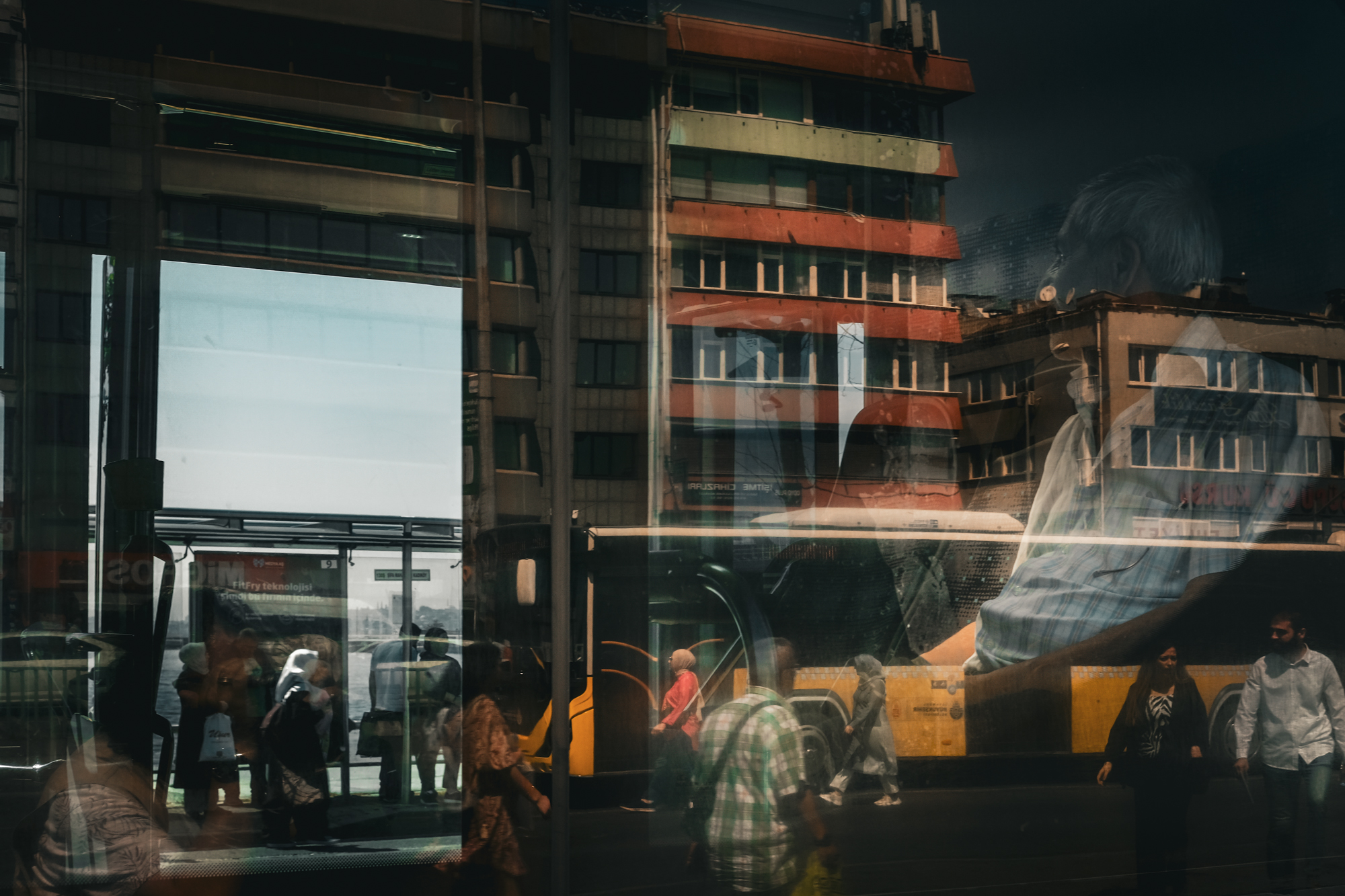
Her commitment to this philosophy suggests a broader implication for the genre of street photography. By prioritizing emotional resonance and intentional composition over mere documentation, Kanlık encourages a more introspective and layered engagement with urban environments. Her work serves as a testament to the idea that profound artistic statements can emerge from the quiet observation of overlooked details and the deliberate integration of personal perspective.
Kanlık’s artistic journey, from a personal response to grief to a sophisticated practice of intentional street photography, underscores the transformative power of art. Her ability to weave technical skill with emotional depth and philosophical insight positions her as a significant voice in contemporary street photography, inviting audiences to look beyond the surface and discover the deeply personal narratives that unfold within the familiar fabric of everyday life.
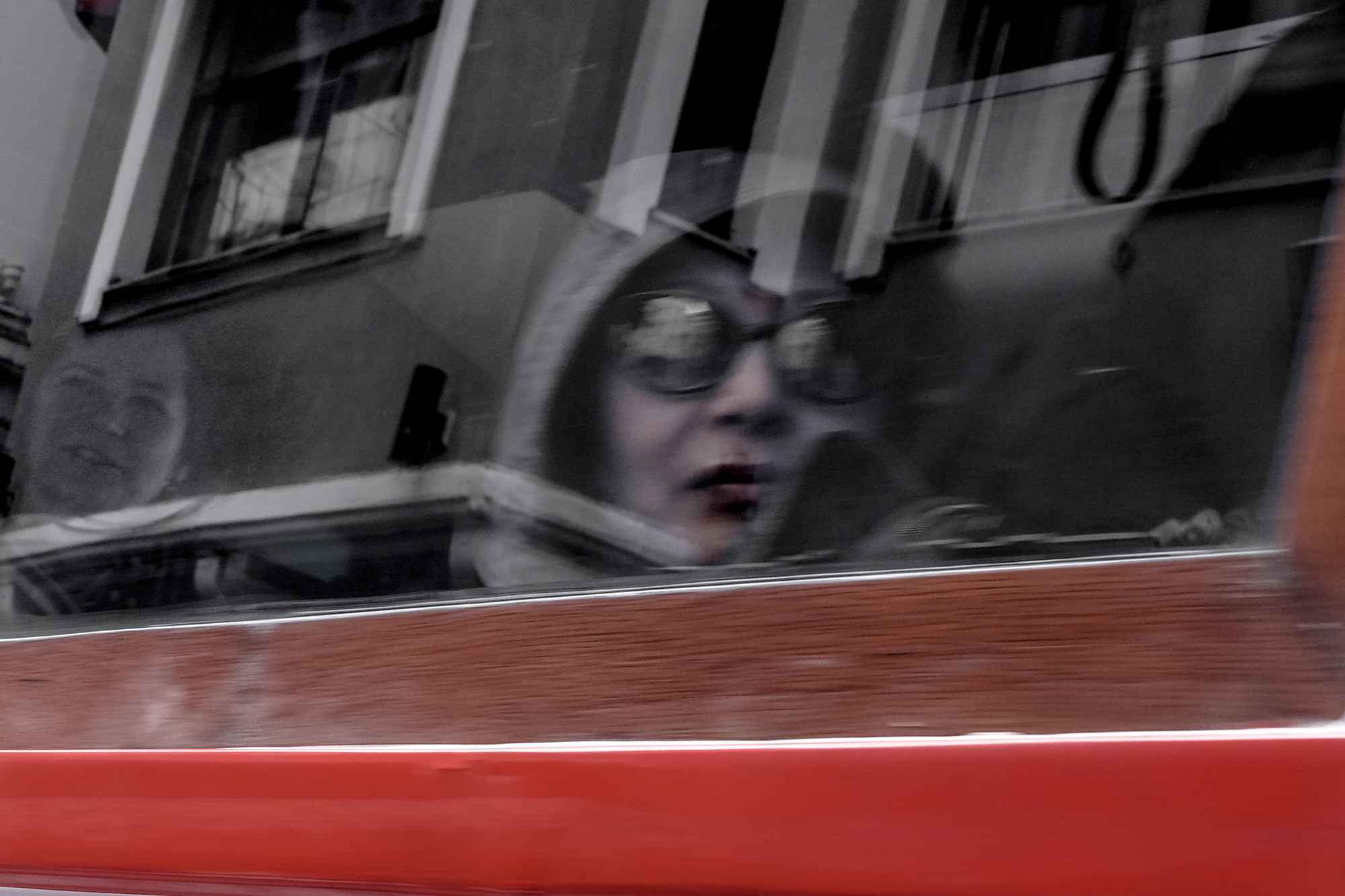
Those interested in exploring more of Gül Kanlık’s compelling street photography can follow her on Instagram at http://instagram.com/kaniklaringul. Her online presence offers a continuous stream of images that exemplify her unique vision and her dedication to revealing the extraordinary within the ordinary.