The Passing of a Creative Landmark
The property at 7 Bleecker Street has been a focal point for the international photography and art communities for over half a century. Robert Frank, the Swiss-born photographer whose 1958 book The Americans fundamentally altered the trajectory of 20th-century photography, and June Leaf, a visionary painter and sculptor, utilized the loft not only as a residence but as a primary site of creation. Following Frank’s death in 2019 at the age of 94, Leaf continued to maintain the space until her own passing in May 2024.
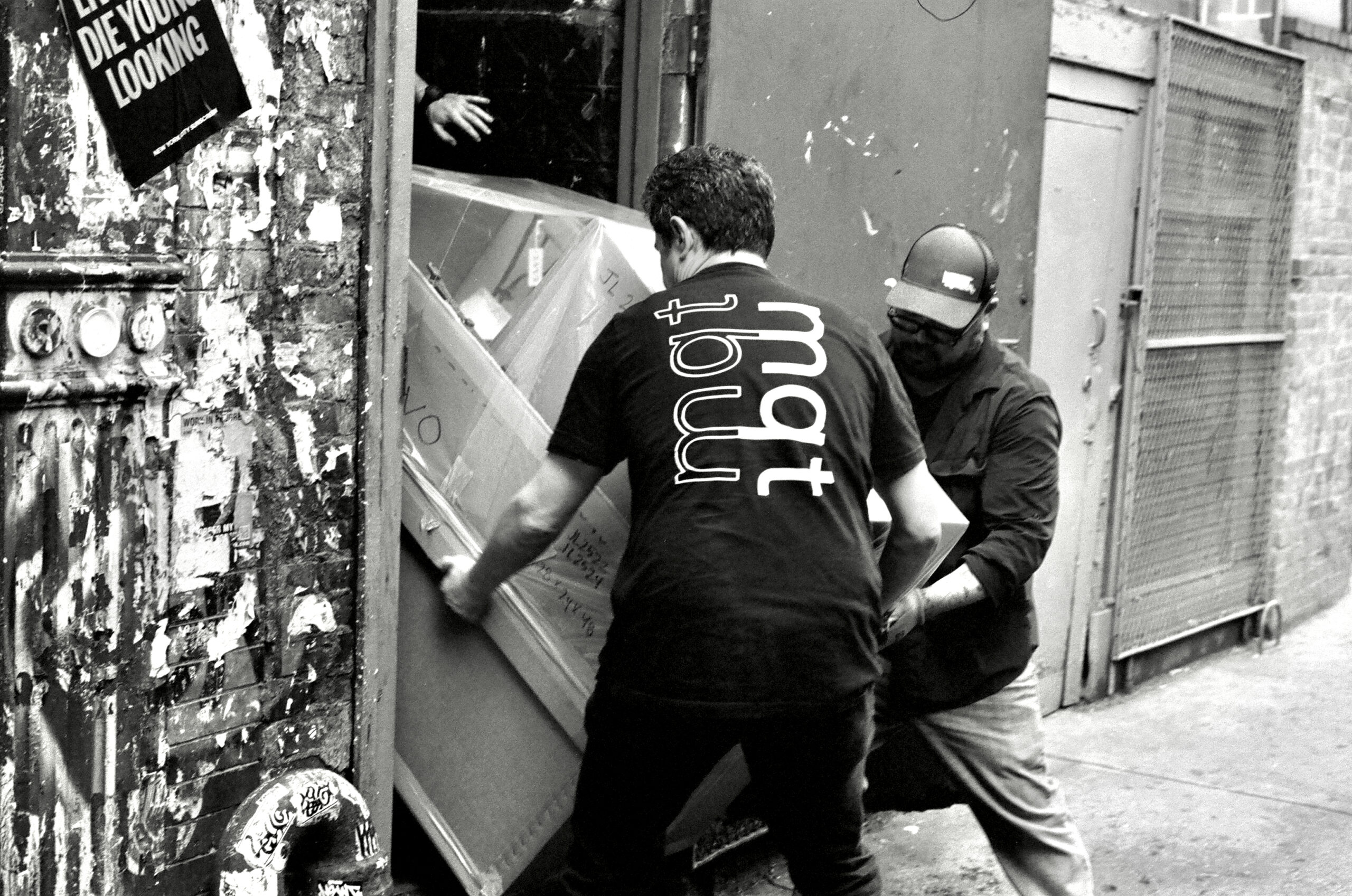
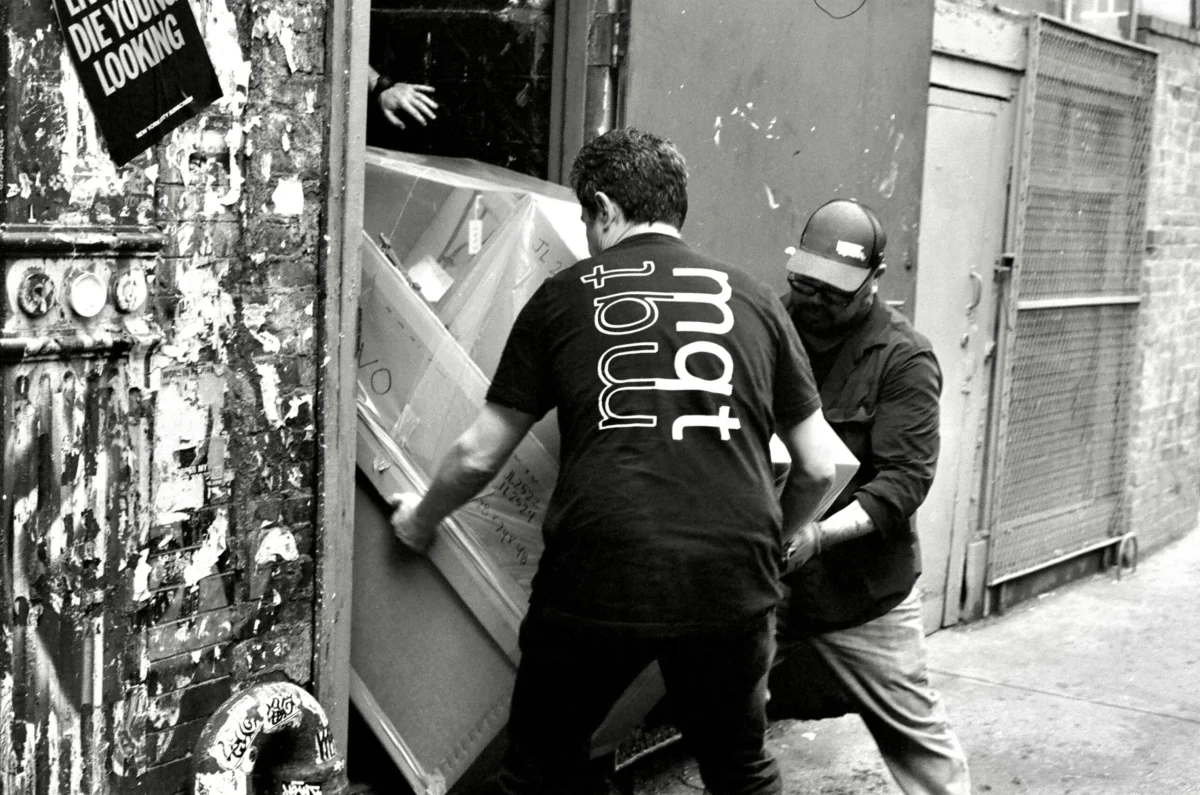
The subsequent vacancy of the building led to its listing on the commercial and residential market in March 2024. By June, the property had moved into the "under contract" phase, prompting the final clearing of the interior. Observers at the scene noted that professional movers were tasked with transporting the last of the couple’s personal effects, an event that drew the attention of local residents and photography enthusiasts who view the building as a site of historical pilgrimage.
A Chronology of 7 Bleecker Street and the Frank-Leaf Tenure
The history of 7 Bleecker Street is inextricably linked to the broader evolution of the Lower East Side. The building itself is a rare surviving example of the federal-style architecture that once dominated the area, characterized by its modest scale and industrial-residential hybrid utility.
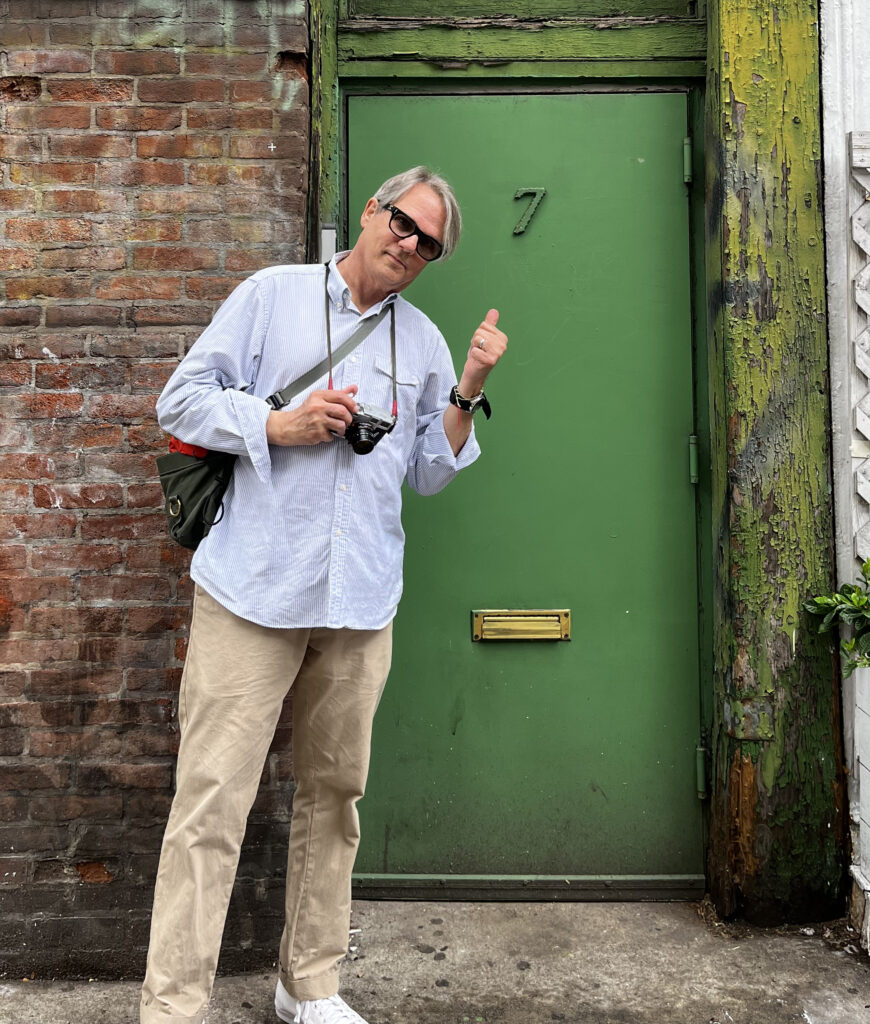
- 1970s Arrival: Frank and Leaf established their presence in the neighborhood during an era when the Bowery was synonymous with urban decay and economic hardship. At the time, the area offered the low-cost, high-volume space necessary for large-scale sculpture and darkroom photography.
- 1980s-1990s Productivity: While the couple frequently retreated to their second home in Mabou, Nova Scotia, 7 Bleecker Street remained their primary urban headquarters. It was here that Frank directed influential projects, including the 1996 music video for Patti Smith’s "Summer Cannibals," and where the couple hosted a revolving door of filmmakers, writers, and fellow artists.
- September 2019: The death of Robert Frank in Nova Scotia brought renewed international focus to his New York residence, with admirers often leaving tributes at the doorstep.
- May 2024: The death of June Leaf at age 94 marked the end of the building’s status as an active artist’s studio.
- June 2024: The building transitioned to new ownership, with the final removal of the estate’s physical assets.
The Market Reality: Real Estate in the Modern Bowery
The sale of 7 Bleecker Street highlights the dramatic escalation of property values in a neighborhood that was once the "skid row" of New York. The property was reportedly offered for sale with an asking price that reflects the premium now placed on "authentic" historical structures in the NoHo district.
Data from Manhattan real estate analytics firms indicates that the NoHo and Bowery corridors have become some of the most expensive sub-markets in the United States. In the 1970s, lofts in the area could be rented for a few hundred dollars per month or purchased for five-figure sums. Today, the landscape is vastly different:
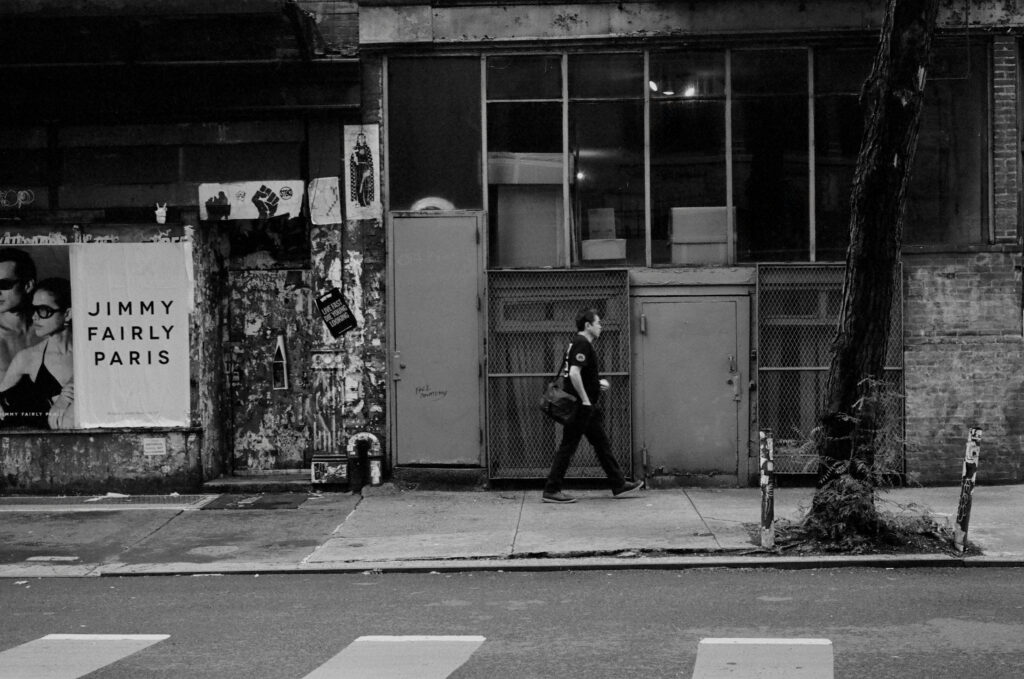
- Rental Market: Average rents for a one-bedroom apartment in the immediate vicinity of Bleecker and Elizabeth Streets now frequently exceed $8,000 per month.
- Commercial Shift: The ground-floor retail spaces that once housed hardware stores and industrial suppliers are now occupied by luxury fashion boutiques and high-end galleries.
- Asset Value: Standalone buildings like 7 Bleecker Street are increasingly viewed as "trophy assets" for high-net-worth individuals or institutional investors, often leading to renovations that strip away the original "gritty" character that defined the artist-loft era.
The Cultural Impact of Gentrification
The transition of 7 Bleecker Street is a microcosm of the broader socio-economic shift often referred to as the "luxury-fication" of Manhattan. The neighborhood was once the epicenter of the punk rock movement, anchored by the legendary venue CBGB, located just a short distance from the Frank-Leaf loft. CBGB, which hosted seminal acts like The Ramones and Talking Heads, closed its doors in 2006. Today, the site is occupied by an upscale menswear retailer where designer apparel is sold at price points that are inaccessible to the demographic of artists who originally built the neighborhood’s reputation.
The departure of the Frank-Leaf estate is viewed by many cultural historians as the "final nail" in the coffin of the Bowery’s bohemian identity. As artistic pioneers are replaced by investment bankers and technology executives, the "grainy Tri-X days"—a reference to the high-speed Kodak film Frank often used to capture the raw essence of American life—have been replaced by a polished, commercialized aesthetic.

Analysis of Implications for the Artistic Community
The sale of 7 Bleecker Street raises critical questions regarding the future of urban artistic production. The "Frank-Leaf model" of living and working in a central urban core was predicated on the availability of affordable, flexible space. As real estate speculation continues to drive prices upward, the following implications have emerged:
- Displacement of the Avant-Garde: Emerging artists are increasingly forced to the outermost peripheries of the city or to smaller regional hubs, such as Butte, Montana, where Robert Frank spent time in his later years.
- Loss of Historical Continuity: When the physical spaces associated with major cultural figures are converted into luxury residences, the tangible link to the city’s creative history is severed.
- The "Museum-fication" of Neighborhoods: Street art and murals depicting former residents often replace the actual living presence of artists. This creates a "theme park" version of history where the aesthetic of rebellion remains, but the actual conditions for creative dissent have been priced out.
Official Responses and Property Status
Representatives for the real estate agency handling the sale of 7 Bleecker Street have maintained a policy of discretion, citing the privacy of the buyers and the sensitive nature of the estate transition. In late June, the listing agent confirmed that the property was under contract and that no further public tours or viewings would be permitted.
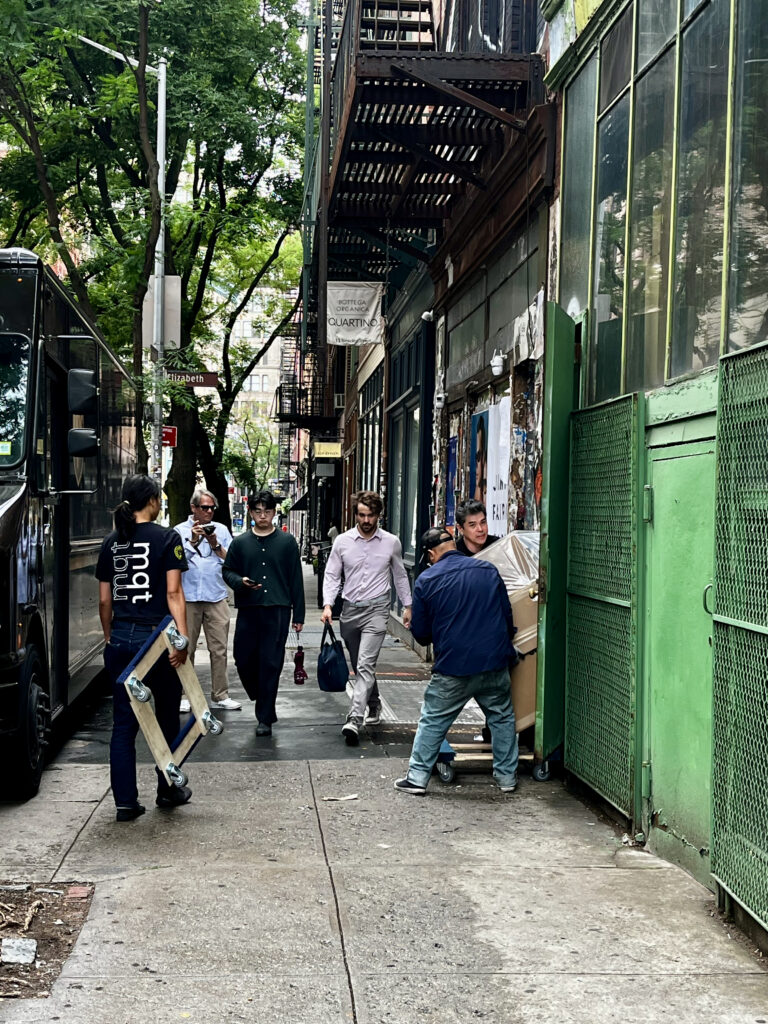
The clearing of the building was conducted with professional oversight to ensure that any remaining items of historical or archival value were handled according to the estate’s directives. While the future of the physical structure remains uncertain, it is widely expected that the new owners will undertake a significant modernization project, potentially converting the multi-use artist loft into a high-end single-family residence or a commercial flagship.
Conclusion: The Enduring Legacy of the "Americans" Creator
While the physical presence of Robert Frank and June Leaf at 7 Bleecker Street has come to an end, their influence on the world of art and photography remains indelible. Frank’s ability to capture the "in-between moments" of life and Leaf’s dedication to a singular, uncompromising artistic vision have left a legacy that transcends real estate.
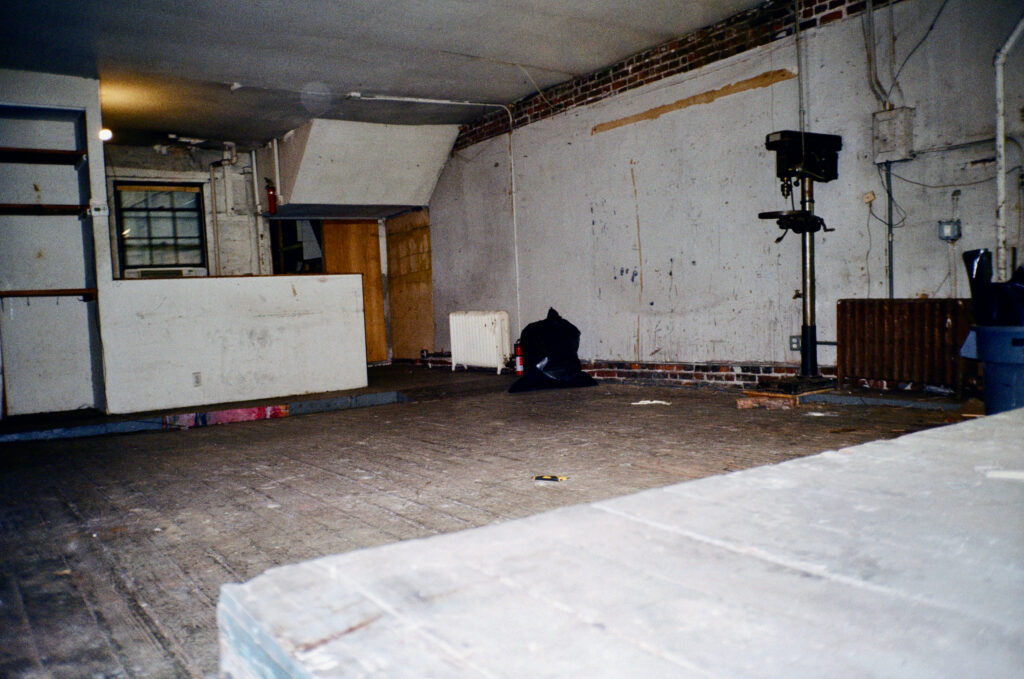
As the last boxes were loaded into moving trucks and the doors to 7 Bleecker Street were locked, the event served as a somber reminder of the transient nature of urban spaces. The neighborhood continues its march toward a new, wealthier identity, but the ghost of the "grainy Tri-X days" will likely linger in the collective memory of New York’s ever-diminishing creative underground. The challenge for the next generation of artists remains finding those "gritty corners" far-flung from the reach of speculators, where work can continue unencumbered by the pressures of the modern metropolis.