Pulitzer Prize-winning photographer Marcus Yam has officially returned to the field following a period of recovery from a work-related injury and the successful completion of a prestigious Nieman Fellowship at Harvard University. Now an International Visual Correspondent for The Globe and Mail, Yam has unveiled his inaugural major feature for the publication, a comprehensive report from Taiwan focusing on ordinary citizens undergoing civil defense training amidst heightened tensions with mainland China. This new position, based in Madrid, represents a pioneering hybrid role that transcends traditional photojournalism, tasking Yam with the development, reporting, writing, and photographing of complex visual narratives.
A New Paradigm in Visual Storytelling: Yam’s Hybrid Role
Yam’s appointment in March 2026 as International Visual Correspondent marks a significant evolution in journalistic practice. This newly conceived position at The Globe and Mail is designed to integrate the powerful visual storytelling inherent in photography with in-depth written reporting and journalistic investigation. Rather than merely supplying photo packages, Yam is responsible for conceiving, researching, executing, and narrating intricate global stories, offering a holistic perspective that combines visual immediacy with analytical depth. His multilingual capabilities, including basic Spanish and Cantonese alongside English, are invaluable assets for this globetrotting role, facilitating deeper engagement with diverse communities and nuanced understanding of geopolitical landscapes. This innovative approach reflects a growing recognition within leading news organizations of the need for multifaceted journalism to convey the complexities of the modern world effectively. The integration of text and image under one correspondent aims to deliver more comprehensive and impactful features, particularly in areas of conflict and social change where context and visual evidence are equally critical.
Taiwan’s Civilian Preparedness Amidst Rising Tensions
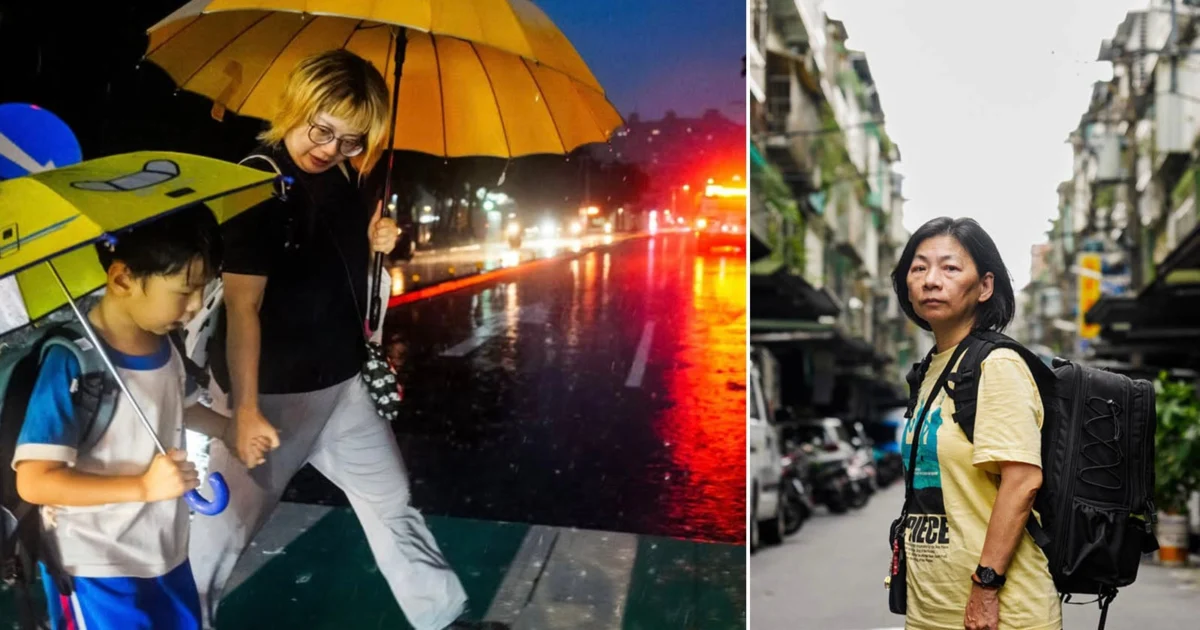
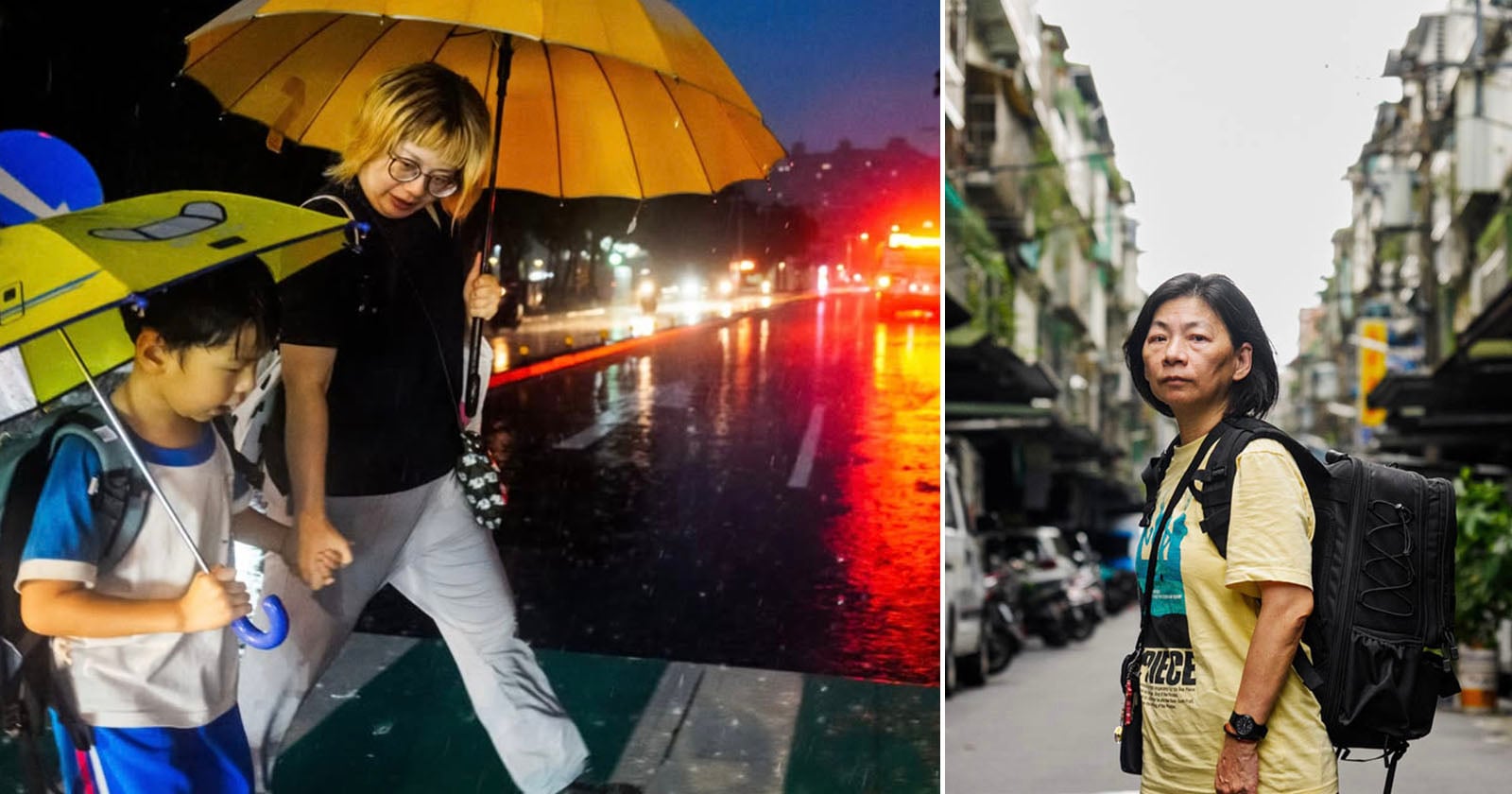
Yam’s first feature for The Globe and Mail, published on July 25, offers a compelling look at Taiwan’s civilian population preparing for potential conflict with China. Spending over two weeks on the island, Yam chronicled how the enduring tension with Beijing is shaping daily life, with ordinary Taiwanese citizens actively engaging in emergency response skills and community building. This narrative diverges from a sole focus on conventional military readiness, instead highlighting a societal-wide commitment to resilience and self-reliance.
The Enduring Cross-Strait Divide: Historical Context
The relationship between Taiwan and mainland China is one of the most sensitive and potentially volatile geopolitical flashpoints globally. The roots of this tension trace back to the Chinese Civil War, which concluded in 1949 with the Communist Party establishing the People’s Republic of China (PRC) on the mainland, and the Nationalist Kuomintang government retreating to Taiwan, establishing the Republic of China (ROC). Beijing views Taiwan as an inseparable part of "one China" and a breakaway province that must eventually be reunified with the mainland, by force if necessary. Taiwan, a vibrant democracy of approximately 23 million people, sees itself as a sovereign entity. The United States officially acknowledges the "One China" policy but also maintains robust unofficial relations with Taiwan and has committed to helping Taiwan defend itself, a policy often described as "strategic ambiguity."
Escalating Geopolitical Climate
In recent years, China’s rhetoric and military posturing towards Taiwan have intensified dramatically. The PRC has significantly ramped up military drills in the Taiwan Strait, frequently sending warplanes and naval vessels into Taiwan’s Air Defense Identification Zone (ADIZ) and conducting large-scale exercises simulating invasion scenarios. Key moments that have exacerbated tensions include then-U.S. House Speaker Nancy Pelosi’s visit to Taiwan in August 2022, which prompted unprecedented Chinese military drills, and ongoing diplomatic efforts by Taiwan to strengthen its international alliances. The global community watches closely, not only due to humanitarian concerns but also because Taiwan is a critical hub for the global technology supply chain, producing over 90% of the world’s most advanced semiconductors. A conflict in the Taiwan Strait would have catastrophic economic repercussions worldwide, disrupting industries and economies far beyond Asia.
Taiwan’s "Porcupine Strategy" and Civilian Resilience
In response to these escalating threats, Taiwan has adopted a "porcupine strategy," a defense doctrine focused on making the island too costly and difficult for an invading force to conquer. This strategy prioritizes asymmetric warfare capabilities, such as mobile missile launchers, drones, and anti-ship weapons, designed to inflict maximum damage on an invading force rather than matching China’s military might conventionally. Yam’s report underscores a crucial, often overlooked, dimension of this strategy: the emphasis on civilian preparedness and societal resilience. This involves empowering ordinary citizens with skills vital for survival and community support in a crisis.
Through Yam’s lens, readers gain insight into various civil defense initiatives:
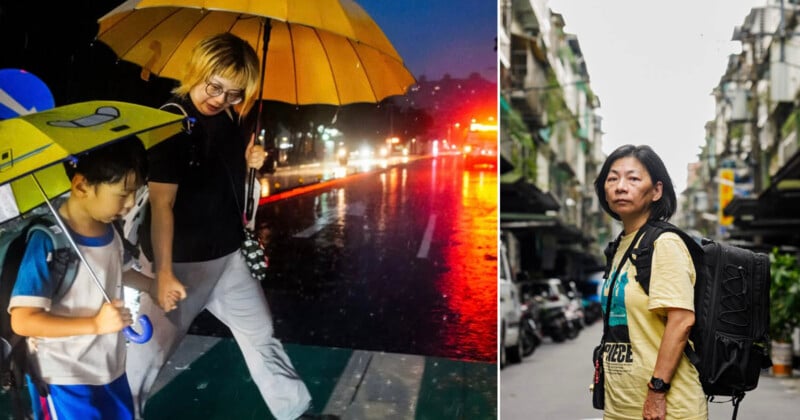
- Emergency Response Training: Civilians are learning first aid, CPR, and mass casualty management, skills critical for responding to bombings, natural disasters, or other emergencies.
- Shelter and Evacuation Drills: Communities practice identifying and utilizing public shelters, understanding evacuation routes, and preparing emergency kits.
- Psychological Preparedness: Training programs also address the psychological impact of conflict, fostering mental resilience and community cohesion.
- Information Warfare Literacy: Citizens are being educated on identifying and countering disinformation campaigns, a crucial aspect of modern conflict.
Taiwanese officials, while not directly quoted in the original brief, have consistently articulated the importance of these civilian efforts. The Ministry of National Defense and various civil society organizations actively promote these programs, viewing citizen participation as integral to national security. They argue that a prepared populace not only enhances survival rates during conflict but also strengthens national resolve and acts as a deterrent by signaling to potential aggressors that the cost of invasion extends beyond military engagement to a deeply resilient society. Citizens interviewed by Yam likely expressed a mix of concern, determination, and a desire to contribute actively to their nation’s defense, reflecting a growing sense of urgency and shared responsibility.
Global Implications of Taiwan’s Security
Yam’s report, by spotlighting Taiwan’s civilian defense efforts, raises profound questions about the nature of modern conflict and deterrence. As highlighted by UPI’s Korea Regional Review, the article prompts a critical global discussion: "If societal resilience is now as important as military capability in deterring aggression, are democratic nations investing enough in preparing their citizens to withstand the physical, psychological, informational, and political shocks of modern conflict before a crisis begins?" This inquiry extends beyond Taiwan, challenging nations worldwide to reconsider their holistic defense strategies in an era of hybrid warfare and complex threats. The stability of the Indo-Pacific, global economic stability, and the future of democratic governance are all inextricably linked to the security of Taiwan, making Yam’s comprehensive reporting exceptionally timely and relevant.
A Storied Career: From Aerospace to Pulitzer-Winning Photojournalism
Marcus Yam’s journey to becoming one of the world’s most acclaimed photojournalists is as remarkable as the stories he covers. Born in Kuala Lumpur, Malaysia, his initial academic path led him to an aerospace engineering degree from the University of Buffalo in 2006. This analytical foundation, while seemingly distant from photojournalism, perhaps instilled in him a rigorous approach to observation and problem-solving that would later define his visual storytelling.
Early Career Successes and American West Pulitzers
Yam’s pivot to photography began with his enrollment in the graduate program at Ohio University’s School of Visual Communication from 2007 to 2008. During this intensive "boot camp" training, he honed his craft by regularly photographing residents and their surroundings in a nearby rural southeastern Ohio hamlet. These early encounters, camera in hand, built the confidence and interpersonal skills essential for navigating complex future assignments.
His talent quickly garnered national recognition. Working in the American West, Yam was part of newspaper teams that earned two prestigious Pulitzer Prizes:
- 2015 Pulitzer Prize for Breaking News Reporting (with The Seattle Times staff): Recognized for their impactful coverage of a devastating mudslide that struck Oso, Washington, in March 2014, capturing the immediate aftermath and human toll.
- 2016 Pulitzer Prize for Breaking News Reporting (with Los Angeles Times staff): Awarded for their comprehensive and sensitive coverage of the San Bernardino terror attacks in December 2015, documenting the tragedy and its broader societal implications.
In 2017, his exceptional eye and dedication were further acknowledged when he was named Newspaper Photographer of the Year by Pictures of the Year International (POYI), one of the most respected accolades in photojournalism.
Witnessing Global Crises: Afghanistan and Ukraine
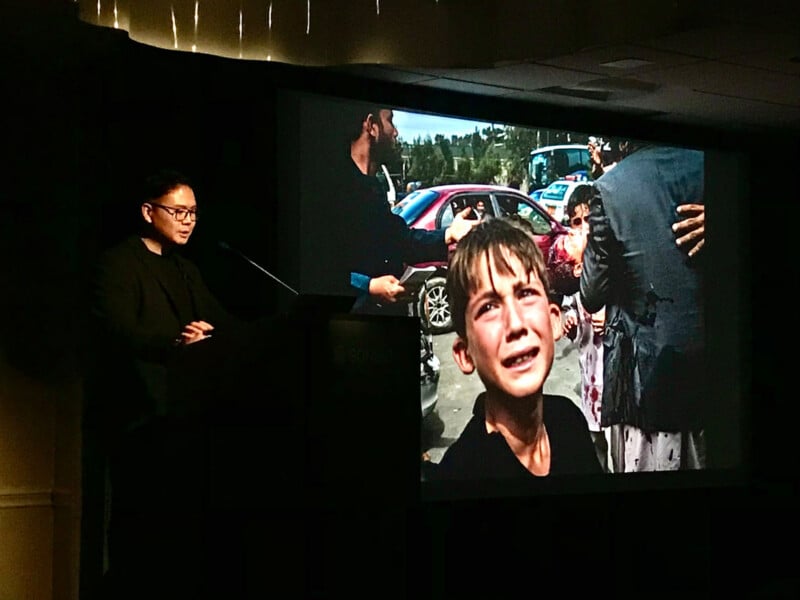
Yam’s tenure with the Los Angeles Times, spanning over 11 years from 2014 to February 2026, was marked by an unwavering commitment to documenting some of the most critical global events. His courageous and poignant coverage of the chaotic U.S. withdrawal from Afghanistan in August 2021 earned him the 2022 Pulitzer Prize for Breaking News Photography. His images from Kabul captured the desperation, fear, and human tragedy of an empire’s hasty retreat, providing an indelible visual record of a pivotal moment in history.
Further demonstrating his relentless pursuit of truth in conflict zones, Yam received the prestigious Robert Capa Gold Medal Award from the Overseas Press Club in 2023 for his unflinching coverage of Russia’s full-scale invasion of Ukraine. This award recognizes "superlative photography requiring exceptional courage and enterprise," a testament to Yam’s bravery and dedication under extreme conditions. His photographs from Ukraine conveyed the brutality of war, the resilience of the Ukrainian people, and the profound human cost of aggression.
Human Rights and Gaza
Beyond conflicts, Yam has consistently used his lens to illuminate humanitarian crises and human rights issues. He is a two-time recipient of the Robert F. Kennedy Human Rights Journalism Award, including in 2019 for his powerful documentation of everyday challenges faced by residents in Gaza. His work there provided a critical window into the lives of people enduring prolonged blockade and conflict, highlighting the dignity and struggles of individuals caught in complex geopolitical realities.
The Cost of Bearing Witness and the Pursuit of Knowledge
The demanding nature of photojournalism, particularly in conflict zones, often comes at a significant personal cost. Yam experienced this firsthand, enduring a work-related shoulder injury that necessitated surgery and a two-year sabbatical for recovery. This period of physical and mental recuperation underscores the sacrifices made by journalists who bring the world’s most challenging stories to light. Following his recovery, Yam embarked on a year-long Nieman Fellowship at Harvard University from 2024 to 2025. The Nieman Fellowship is a highly competitive program that offers accomplished journalists the opportunity to study at Harvard, enriching their understanding of global issues, engaging in interdisciplinary research, and reflecting on their craft. This fellowship likely provided Yam with invaluable time for intellectual growth and strategic thinking, preparing him for his innovative new role at The Globe and Mail by fostering a deeper, more contextualized approach to storytelling.
The Broader Impact: Societal Resilience in the Modern Age
Marcus Yam’s latest report from Taiwan has resonated widely, sparking discussions across social media and mainstream news outlets. The UPI Korea Regional Review’s decision to publish links to Yam’s Globe and Mail article alongside a New York Times piece on Taiwan’s naval defense strategies highlights the complementary nature of his work. The UPI review’s profound question regarding societal resilience – whether democratic nations are adequately preparing their citizens for the multifaceted shocks of modern conflict – underscores the crucial global relevance of Yam’s comprehensive reporting. His ability to delve into the nuanced preparations of everyday citizens, beyond just military capabilities, offers a vital perspective that informs both public understanding and policy debates. By bringing these often-unseen efforts to the forefront, Yam contributes significantly to a broader discourse on national security, preparedness, and the very definition of deterrence in an increasingly complex and interconnected world.
Marcus Yam’s return to the field in this pioneering hybrid role for The Globe and Mail signifies more than just a personal milestone; it represents an evolution in how critical global narratives are reported. His unique blend of visual mastery, investigative reporting, and compelling writing ensures that stories of profound human significance, like Taiwan’s civilian defense, are told with unparalleled depth and impact, prompting essential conversations about our collective future.