The recently concluded 2026 FIFA World Cup delivered an unforgettable spectacle of athleticism and drama, but it also marked a significant leap forward in sports broadcasting and event management, showcasing an unprecedented integration of cutting-edge technology. From immersive camera angles to real-time data analytics and enhanced officiating tools, the tournament redefined the fan experience and set new benchmarks for global sporting events. This technological revolution was not merely about novelty; it aimed to deepen viewer engagement, improve the accuracy of crucial decisions, and provide unparalleled insights into the beautiful game.
Contextualizing the Digital Revolution in Football
FIFA’s long-standing commitment to innovation has steadily transformed how football is played, officiated, and consumed. While goal-line technology (GLT) in 2014 and the Video Assistant Referee (VAR) system in 2018 were pivotal steps, the 2026 World Cup represented a holistic integration of digital advancements across all facets of the event. Driven by a desire to attract younger audiences, cater to diverse viewing preferences, and enhance the integrity of the sport, FIFA, in collaboration with Host Broadcast Services (HBS) and various technology partners, orchestrated a seamless blend of traditional broadcasting with next-generation digital tools. This evolution is crucial in an increasingly competitive media landscape, where sports organizations vie for attention against streaming services, gaming, and social media. The objective was clear: transform a live football match into a multi-dimensional, interactive narrative.
Enhanced Fan Immersion: A Cinematic and Dynamic View
The most visible technological advancements at the 2026 World Cup were those designed to bring fans closer to the action, offering perspectives previously unimaginable.
Spidercam’s Unprecedented Integration
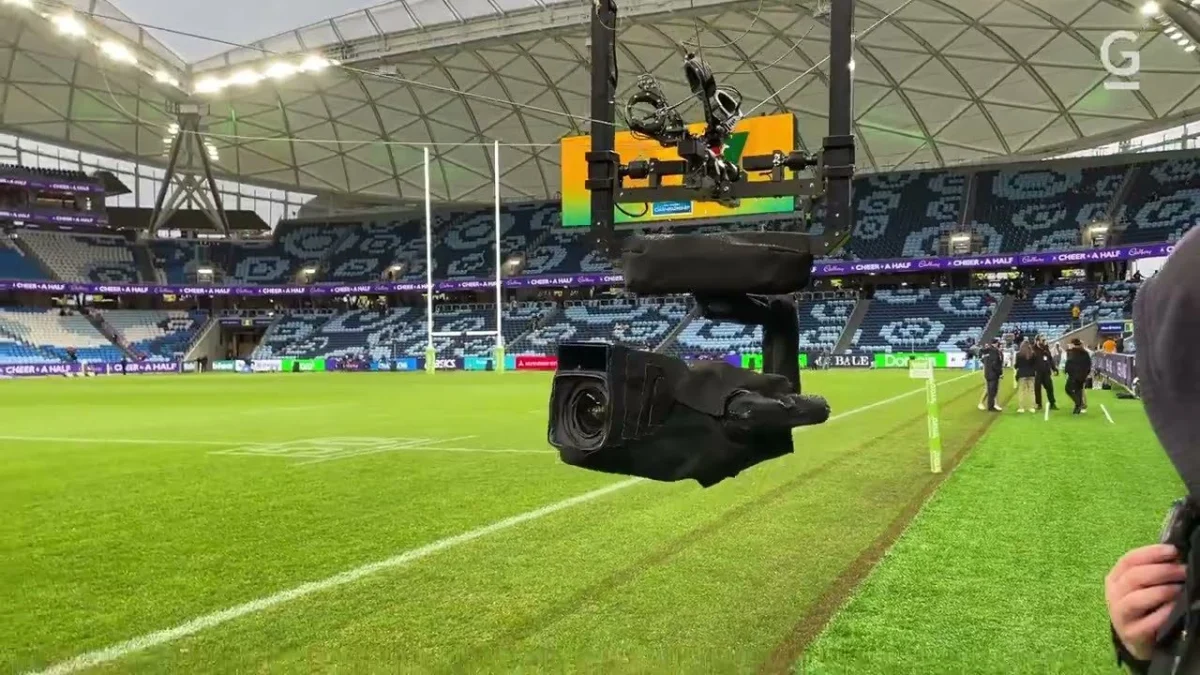
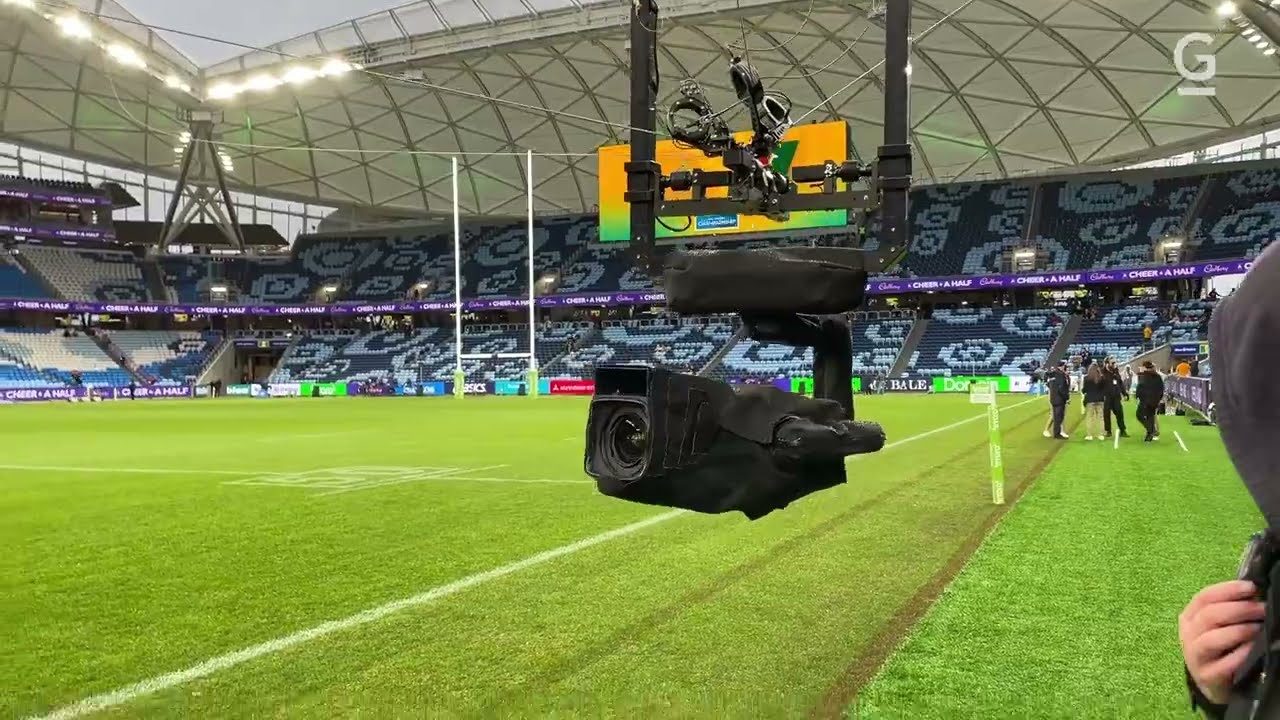
The familiar sight of the Spidercam, a high-tech camera rig suspended by motorized Kevlar cables, has been a staple in major sporting events for years. However, its deployment at the 2026 World Cup transcended its previous roles as a novelty or a tool for pre-match and post-match festivities. Broadcasters, under the guidance of HBS, aggressively integrated multiple cablecam systems per venue, transforming the tournament’s visual language into something akin to a high-budget cinematic production.
Historically, Spidercams were restricted from active play due to concerns over player distraction and safety, typically deployed during stoppages or celebratory moments. For 2026, advanced software zoning systems were implemented, ensuring the rig maintained a strict, dynamically adjusted safe altitude above the ball’s trajectory. This allowed for continuous, sweeping tactical angles of unfolding attacks, giving viewers an overhead strategic view that was both informative and visually stunning. Furthermore, in a significant broadcast first for the tournament, these cameras were deployed directly during penalty shootouts. Positioning themselves dynamically behind or slightly above the kicker, they captured the immense psychological tension, the keeper’s precise movements, and the ball’s trajectory with an unprecedented intimacy, offering a profound sense of presence.
To achieve this new level of immersion, HBS, following successful testing at the 2025 Club World Cup Final, introduced not just the traditional 4-point Spidercam moving in three-dimensional space, but also secondary, high-speed point-to-point cable cameras running parallel to the touchline in select marquee stadiums. This setup allowed for simultaneous, multi-angle aerial tracking of fast-break counters and intricate midfield plays. These next-generation rigs were outfitted with ultra-lightweight 4K HDR broadcast cameras, paired with real-time augmented reality (AR) graphics tracking. This sophisticated integration allowed for live statistics, player speeds, and tactical grids to be overlaid seamlessly onto the aerial feed with sub-20ms latency, providing analytical depth without disrupting the visual flow. "The aim was to blur the lines between reality and enhanced reality," stated an HBS technical director. "We wanted to provide viewers with not just a game, but a comprehensive tactical breakdown presented in a visually spectacular manner."
RefCam: The Referee’s Perspective

Perhaps the most talked-about and revolutionary innovation of the 2026 World Cup was the RefCam. This small, high-definition camera, developed jointly by FIFA’s football technology team and its refereeing department, with advanced AI stabilization provided by partners like Lenovo, was mounted directly onto each referee’s headset. It captured the match from their literal point of view, delivering footage unlike anything fans had experienced before.
The RefCam plunged viewers directly into the action, showcasing the blistering speed at which players close space, the chaotic scramble within a crowded penalty box, and the intense, split-second nature of officiating decisions. While the technology saw preliminary trials at the 2025 Club World Cup and in select Premier League matches (with Australian referee Jarred Gillett pioneering its use in 2024), its official global deployment across all 104 matches of the 2026 tournament completely redefined how the game was understood. "RefCam offers an unfiltered, raw perspective that truly conveys the pressure and dynamism of being in the center of the pitch," explained a FIFA refereeing official. "It fosters greater empathy for the officials and provides an invaluable educational tool for understanding the nuances of decision-making." The footage was strategically integrated into replays and post-match analysis, offering a unique layer of insight into controversial moments and tactical breakdowns.
Cinematic Storytelling: Elevating the Visual Narrative
Building on trends observed since the 2022 World Cup in Qatar, FIFA further integrated high-end cinema cameras into its live broadcasts. These are the same professional-grade cameras used in Hollywood productions and high-budget music videos, distinguishing themselves from traditional broadcast cameras through their ability to deliver a super-shallow depth of field. This aesthetic choice resulted in those signature cinematic shots: a player’s face in razor-sharp focus against a softly blurred background, dramatic close-ups of coaches pacing the sidelines, or the raw emotion etched on fans’ faces in the stands.
For the 2026 World Cup, these sophisticated rigs became a permanent fixture at every match. They were strategically deployed to capture the intimate moments of pre-game tunnel walks, the spontaneous emotional outbursts of supporters, and the moody, reflective close-ups of players before, during, and after crucial moments. The effect was transformative, turning the entire tournament into a blockbuster experience, blending the high-stakes drama of sport with the polished visual storytelling of feature films. "We aimed to tell the human story of the World Cup with the visual grandeur it deserves," commented a broadcast producer. "Using cinema cameras allowed us to capture the emotional depth and personal narratives that often get lost in standard wide shots, making every match feel like a truly epic event."
Precision and Fairness: Officiating Advancements
Beyond enhancing the viewing experience, technology at the 2026 World Cup played a critical role in ensuring fairness and accuracy, particularly in officiating.
Semi-Automated Offside Technology (SAOT) and Integrated Ball Sensors
The tournament saw the full-scale deployment of semi-automated offside technology (SAOT), building on its successful introduction at the 2022 World Cup. This advanced system significantly improved the speed and accuracy of offside decisions. SAOT relies on specialized limb-tracking cameras strategically placed around the stadium, which capture up to 29 data points on each player’s body at 50 frames per second. These data points are then used by computer systems to rebuild plays in a precise 3D space. When an offside incident occurs, the system automatically alerts the VAR officials, providing immediate 3D visualizations of the moment the ball was played and the exact position of the players. This near-immediate playback offers more interactive play deduction and replay options, drastically reducing the time taken for VAR reviews and minimizing human error.
Complementing SAOT was the integration of a sophisticated sensor system within the official match ball. These inertially measured unit (IMU) sensors, embedded within the ball, transmit real-time data on its exact position, speed, and trajectory at 500 times per second. This data is synchronized with the limb-tracking information from SAOT, allowing for unparalleled precision in determining the exact moment the ball was kicked. This not only aids in offside decisions but also provides a wealth of statistical data, offering fans and analysts better insight into shot power, passing accuracy, and ball movement dynamics in near real-time. "SAOT and the connected ball are game-changers for officiating," stated a FIFA technical director. "They remove ambiguity from critical decisions, ensuring that fairness is upheld and the flow of the game is maintained as much as possible." This technological tandem represents a significant evolution from the early days of VAR, offering a more robust and less controversial approach to complex football decisions.
The Technical Backbone: Behind-the-Scenes Infrastructure
Bringing this technological vision to life required a robust and sophisticated technical infrastructure. While the public sees the dazzling camera angles, an intricate network of specialized equipment works tirelessly behind the scenes. Leading equipment providers, including specialized rental houses, played a crucial role in supplying the necessary gear to broadcasters and production teams.
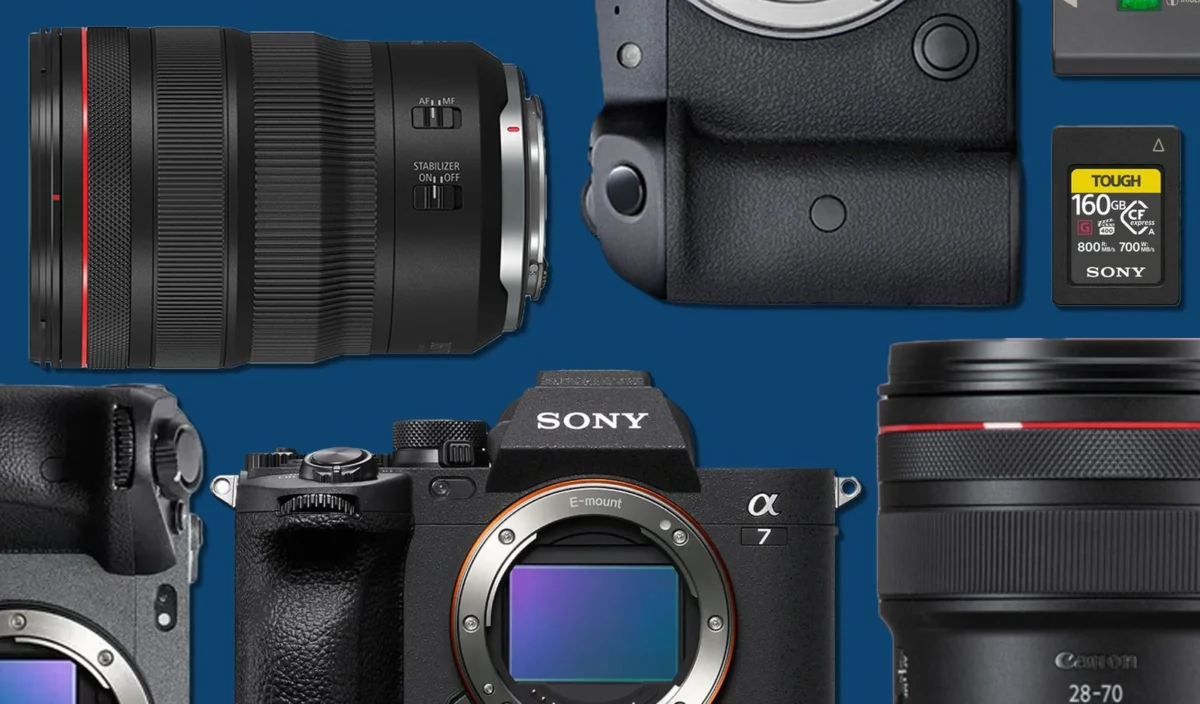
Sources close to the production indicated a heavy reliance on high-performance digital cinema cameras, specifically the RED Komodo-X 6K, paired with versatile optics like the Canon RF 24-105mm f/2.8L IS USM Z lens. The Komodo-X was favored for its compact form factor, global shutter (minimizing rolling shutter artifacts, crucial for fast-moving sports), and its ability to capture stunning 6K footage, offering incredible detail and flexibility in post-production. The Canon RF 24-105mm f/2.8L lens provided a broad focal range and a wide aperture, allowing for both wide tactical shots and intimate shallow-depth-of-field close-ups, even in challenging lighting conditions.
On the production side, the ingestion and management of this vast amount of high-resolution data were critical. Blackmagic Design HyperDeck Studio 4K Pro systems were deployed extensively to record and playback the diverse video feeds. These robust systems are capable of handling multiple 4K streams simultaneously, ensuring no critical moment was missed. Connectivity was maintained through an array of high-quality cabling, with Belden 12G-SDI BNC cables, extending up to 150ft, facilitating reliable high-bandwidth video transmission across the expansive stadium setups. Powering this complex ecosystem required an army of portable energy solutions, including numerous Micro-V Mount batteries, ensuring uninterrupted operation for cameras, monitors, and auxiliary equipment throughout the intense match days. This logistical feat underscores the precision planning and extensive technical resources required to stage a modern World Cup broadcast.
Broader Implications and Future Outlook
The technological advancements showcased at the 2026 World Cup carry significant implications for the future of sports broadcasting, fan engagement, and the very nature of athletic competition.
Impact on Fan Engagement and Commercialization:
The immersive viewing experiences offered by Spidercam, RefCam, and cinematic lenses are designed to captivate audiences, particularly younger demographics accustomed to high-quality visual content from gaming and digital media. The ability to overlay real-time AR statistics and 3D play reconstructions provides a richer, more analytical viewing experience, transforming passive spectatorship into an active engagement with data. This enhanced engagement can translate into increased viewership, higher advertising revenues, and new commercial opportunities through personalized content delivery and interactive second-screen experiences. Broadcasters can offer tailored feeds, allowing fans to choose perspectives (e.g., "RefCam only" or "tactical view").
The Purity vs. Progress Debate:
While the majority reaction to these innovations has been positive, particularly regarding officiating accuracy, a segment of traditionalists voices concerns about the "purity" of the sport. Arguments often center on whether excessive technology detracts from the organic flow of the game, over-analyzes every moment, or creates a disconnect between the raw human element and a digitally mediated experience. The debate surrounding VAR has been a precursor to this, with some arguing that constant stoppages for review disrupt the game’s rhythm. However, proponents argue that technologies like SAOT, by reducing review times and increasing accuracy, ultimately enhance the integrity of the game, ensuring that key decisions are made correctly, thus protecting the competitive fairness that is fundamental to sport. The challenge for FIFA and broadcasters will be to continue integrating technology in a way that enriches the experience without overwhelming the intrinsic human drama of football.
The Future of Sports Media:
The 2026 World Cup serves as a powerful indicator of future trends. We can anticipate even greater integration of artificial intelligence for predictive analytics, personalized content delivery, and automated highlights generation. Virtual reality (VR) and augmented reality (AR) are poised to offer fully immersive experiences, allowing fans to "be" in the stadium or even on the pitch from the comfort of their homes. Wearable tech for players will likely become more sophisticated, providing even more granular biometric and performance data, potentially unlocking new tactical insights.
In conclusion, the 2026 FIFA World Cup was not merely a celebration of global football; it was a testament to the transformative power of technology. By pushing the boundaries of what is possible in sports broadcasting and officiating, the tournament has set a new standard, promising an exciting and increasingly dynamic future for how we experience and understand the world’s most popular sport. The seamless blend of human athleticism and technological innovation ensures that the beautiful game will continue to evolve, captivating audiences for generations to come.