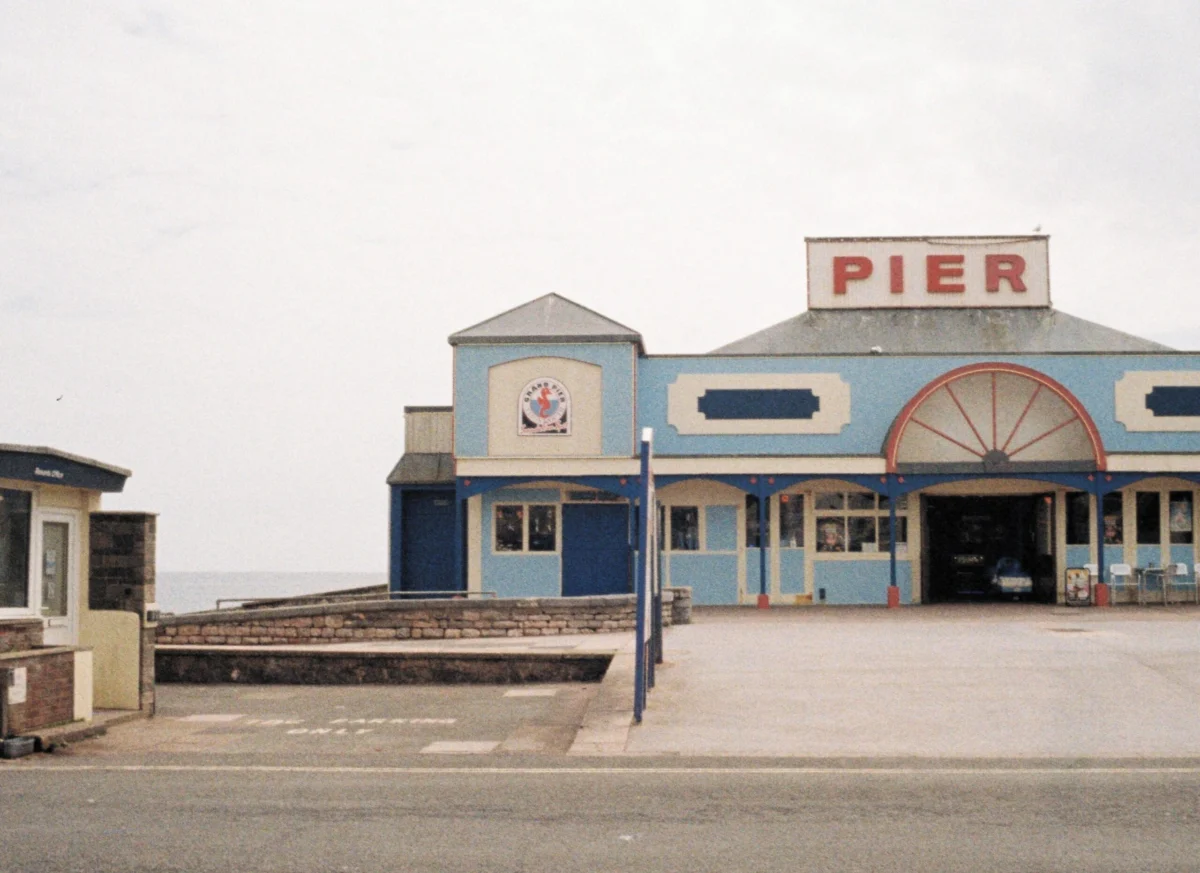
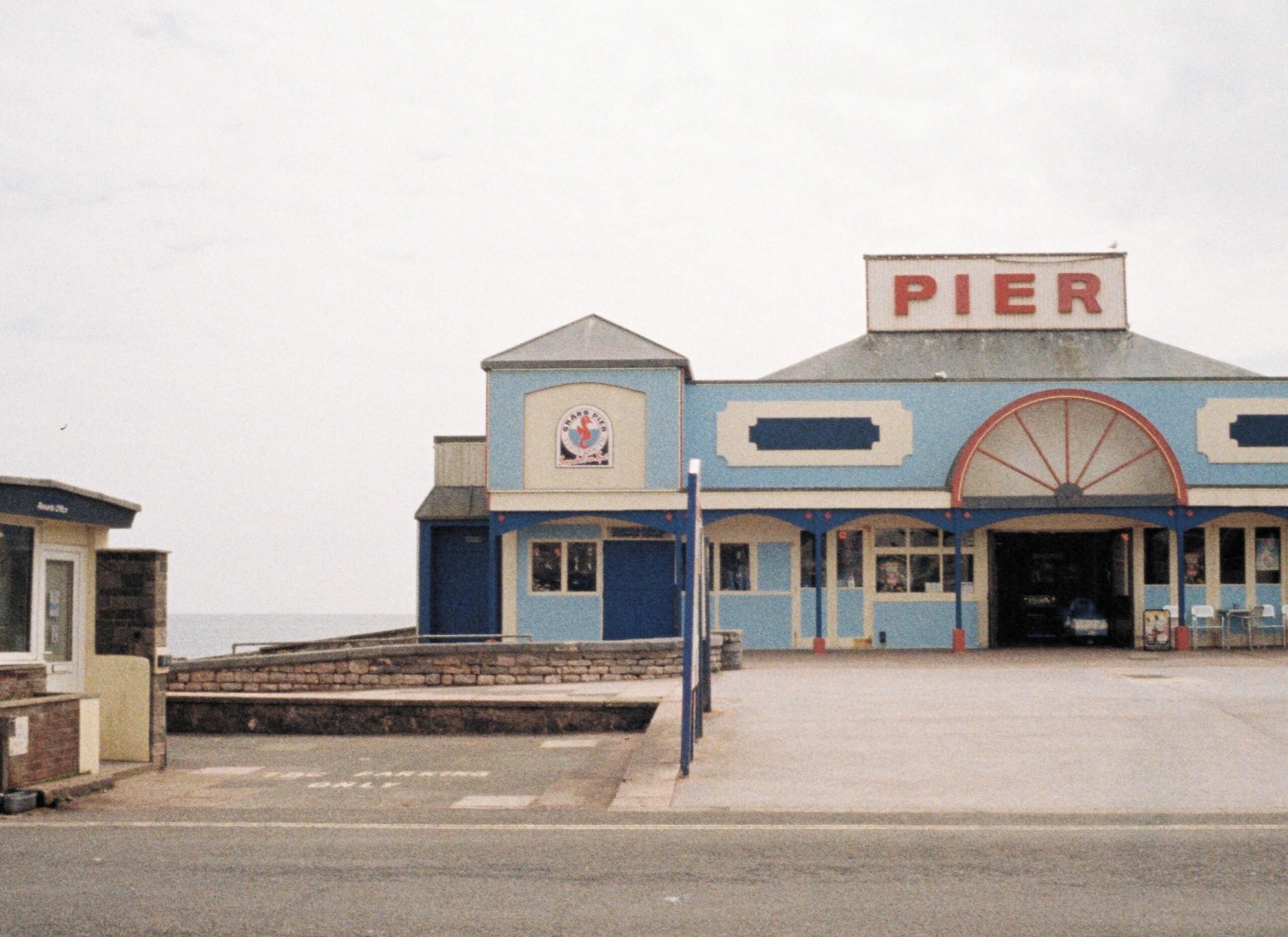
The coastal town of Teignmouth, Devon, is grappling with the severe aftermath of Storm Ingrid, which in January 2026 decimated a significant portion of its historic Victorian pier. While the landward entrance and the amusement arcade survived the initial onslaught of high seas, the seaward half of the 160-year-old structure was swept away, leaving a jagged silhouette against the English Channel. This catastrophic event has sparked an urgent debate regarding the preservation of 19th-century maritime engineering in an era of increasingly volatile weather patterns. The pier, a centerpiece of Teignmouth’s seafront since 1865, now requires repairs estimated to exceed £1,000,000—a figure complicated by the revelation that the structure was uninsured at the time of the disaster.
The Impact of Storm Ingrid: A Timeline of Destruction
The destruction of Teignmouth Pier occurred during a period of intense meteorological activity across the United Kingdom. Storm Ingrid, characterized by a deep low-pressure system and gale-force winds exceeding 80 mph, struck the South West coast in the third week of January 2026. The storm coincided with a spring tide, creating a "perfect storm" of environmental factors that overwhelmed traditional sea defenses.
Witness accounts from the morning of the collapse described waves breaching the promenade and exerting immense hydraulic pressure on the iron pilings of the pier. By mid-morning, the central walkway began to buckle. Structural engineers later confirmed that the repeated impact of heavy debris—including timber and masonry from neighboring coastal properties—acted as a battering ram against the pier’s support system. By noon, approximately 150 feet of the seaward deck had detached and was consumed by the surf.
Teignmouth, which sits adjacent to the smaller town of Dawlish, has long been a focal point for studies on coastal erosion. While Dawlish is famous for its vulnerable railway line, Teignmouth’s larger and more "grand" Victorian aesthetic has traditionally made it a primary destination for summer tourism. The loss of the pier’s length represents more than just a structural failure; it is a significant blow to the town’s identity and its economic reliance on heritage tourism.
Historical Context: 160 Years of Maritime Heritage
Constructed in 1865, Teignmouth Pier was designed during the golden age of the British seaside. At the time of its opening, it served as both a landing stage for steamships and a promenade for Victorian holidaymakers seeking the "salubrious" effects of sea air. Built using cast-iron screw piles—a revolutionary technique at the time—the pier was intended to withstand the rigors of the Atlantic-facing coastline.
For over a century and a half, the pier remained a resilient fixture of the Devon landscape. It survived the transition from the steam age to the modern era, adapting its offerings from formal tea rooms to the neon-lit amusement arcades of the late 20th century. However, experts from the National Piers Society have noted that while the materials used in 1865 were of high quality, they were not designed to contend with the frequency and intensity of modern "super-storms."
The pier’s current state of ruin highlights a broader crisis facing the UK’s 19th-century infrastructure. Many of these structures are reaching the end of their projected lifespans, and the cost of retrofitting them to survive 21st-century climate conditions is becoming prohibitive for private owners and local councils alike.
The Financial Dilemma: Insurance and Repair Costs
The most pressing challenge facing the Teignmouth Pier is the financial feasibility of its reconstruction. Preliminary surveys conducted in the spring of 2026 suggest that the cost of restoring the lost section and reinforcing the remaining structure will surpass the £1 million mark. This estimate includes the specialized labor required for underwater welding, the procurement of marine-grade steel, and the environmental assessments necessary for construction in a sensitive coastal zone.
The situation is further exacerbated by the fact that the pier was uninsured against storm damage. This is not an uncommon scenario for historic piers in the UK; many insurance providers have withdrawn coverage for coastal structures over the past decade, citing "unmanageable risk" due to rising sea levels and increased storm frequency. For those that do offer coverage, the premiums are often so high that they are unaffordable for the small businesses or family trusts that typically own these landmarks.
Without insurance payouts, the future of the pier rests on a combination of government grants, heritage funding, and public appeals. However, with multiple coastal towns vying for limited "Levelling Up" funds and heritage grants, Teignmouth faces a steep climb to secure the necessary capital.
The Fragile Link: Brunel’s Railway and the South Devon Coast
The damage to Teignmouth Pier is part of a larger narrative of infrastructure fragility in the South West. The pier sits in close proximity to the South Devon Main Line, the railway famously engineered by Isambard Kingdom Brunel in the 19th century. Brunel’s line, which runs along the base of the cliffs between Teignmouth and Dawlish, is often cited as one of the most beautiful rail journeys in the world. However, like the pier, it is a Victorian marvel struggling against modern environmental pressures.
The railway line is frequently disrupted by the same storm surges that damaged the pier. In the aftermath of Storm Ingrid, the line saw significant inundation, leading to temporary closures and the deployment of Network Rail’s "Orange Army" for emergency repairs. The proximity of the railway to the damaged pier underscores the vulnerability of the entire Teignmouth seafront. The "miniature gaiety" of the seaside, as described by poet Philip Larkin, is increasingly overshadowed by the monumental task of defending this narrow strip of land from the encroaching sea.
Cultural Significance: The "Peep Show" and the Aesthetic of the Past
Despite the structural devastation, elements of Teignmouth’s traditional seaside charm remain. Near the entrance to the pier stands a faded "peep show" sentry box, a relic of early Edwardian entertainment. Renovated as recently as 2022, the box serves as a poignant reminder of the town’s cultural evolution. Decorated with images of Brunel’s railway, the peep show allows visitors to view historical photographs through binocular lenses, offering a glimpse into a world where the sea was a playground rather than a threat.
This aesthetic of the English seaside was famously captured by Philip Larkin in his 1974 poem "To the Sea." Larkin’s observation of the "low wall that divides road from concrete walk" and the "miniature gaiety" of the coast resonates deeply with the current state of Teignmouth. The poem, published in his final collection High Windows, explores the English identity through its relationship with the shore—a relationship that is now being tested by the realities of climate change.
The broken paving stones and debris currently surrounding the peep show box serve as a stark contrast to the "gaiety" Larkin described. They represent the physical toll the sea takes on human efforts to curate and preserve the past.
Broader Implications and the Future of the British Pier
The situation in Teignmouth is a microcosm of a national issue. Across the United Kingdom, from Blackpool to Brighton, piers are facing a "triple threat" of aging materials, rising maintenance costs, and extreme weather. The loss of half of Teignmouth Pier serves as a warning for other coastal communities.
If the pier cannot be repaired, it may face a "managed retreat," where the remaining structure is stabilized as a shorter promenade, or in the worst-case scenario, full demolition if it is deemed a maritime hazard. Such an outcome would significantly alter the Teignmouth skyline and remove a vital component of the town’s tourism infrastructure.
Local advocacy groups are currently calling for a national strategy for pier preservation. They argue that these structures should be treated as essential heritage assets, similar to Grade I listed buildings, and should be eligible for central government protection. They point to the successful restoration of Hastings Pier as a model for community-led recovery, though they acknowledge that the financial hurdles in Teignmouth are uniquely challenging due to the lack of insurance.
Conclusion: A Town at a Crossroads
As the summer of 2026 progresses, the residents and business owners of Teignmouth remain in a state of flux. The arcade at the pier’s entrance continues to operate, but the view from its rear windows is one of isolation—a pier that leads to nowhere. The "One Shot Story" of Teignmouth’s pier is currently a tragedy of Victorian engineering meeting 21st-century environmental reality.
The coming months will be decisive. If a funding package can be assembled, the pier may yet be restored to its former glory, perhaps with modern reinforcements that will allow it to survive the next 160 years. If not, the "miniature gaiety" of this Devon landmark may become a memory accessible only through the lenses of a vintage peep show box. For now, the sea continues to take its toll, and the town of Teignmouth must decide how much it is willing to pay to hold back the tide.