British fine art photographer Darren Almond stands as a singular figure in the contemporary art world, renowned for his audacious and distinctive approach to capturing landscapes. Defying conventional photographic wisdom, Almond has, since 1998, harnessed the ethereal glow of the full moon as his primary light source for his acclaimed "Fullmoon" series. This pioneering technique, demanding exposure times often exceeding 15 minutes, transforms nocturnal vistas into hauntingly beautiful, almost dreamlike tableaus, imbuing familiar natural settings with profound ideas of time, memory, and perception. The expanded second edition of his seminal book, Darren Almond. Fullmoon, published by Taschen, offers an unprecedented journey through over 370 of these mesmerizing images, traversing continents from the rugged peaks of Patagonia to the serene Japanese seashore, and from the majestic canyons of Utah to the ancient dolmens of Wales.
The Unconventional Art of Lunar Illumination
At the core of Almond’s photographic practice is a radical departure from traditional landscape photography, particularly in his embrace of moonlight. While most photographers seek the abundant light of day or employ artificial illumination for night scenes, Almond deliberately restricts himself to the subtle, ambient luminescence of a full moon. This choice is not merely an aesthetic preference but a conceptual statement, challenging the very notion of visibility and the limitations of human perception. The scarcity of light necessitates extraordinarily long exposure times, often stretching to a quarter of an hour or more, allowing the camera sensor to accumulate photons gradually. This extended duration blurs the line between day and night, presenting landscapes that appear bathed in an otherworldly, soft glow, often resembling dawn but possessing a unique, contemplative atmosphere distinct from daylight.
Almond’s dedication to this arduous technique underscores a deeper philosophical inquiry into the nature of time itself. In his own words, "With long exposures, you can never see what you are shooting. But you are giving the landscape longer to express itself." This statement encapsulates the essence of his artistic intent: to allow the environment to imprint its temporal narrative onto the film or sensor, revealing nuances and energies that remain invisible to the naked eye in a fleeting glance. The resulting images are not mere records of a place but meditations on its enduring presence, its geological history, and its silent unfolding over millennia.
A Chronology of Enchantment: Global Landscapes Under the Full Moon
The "Fullmoon" series is a vast and ongoing project, meticulously documented in the expanded Taschen edition. Originating in 1998, Almond’s quest to photograph the world by moonlight has led him across diverse geographical terrains, each location contributing a unique texture to the overarching narrative of the series. The chronology of his work reveals a persistent exploration of both the sublime and the intimately familiar.
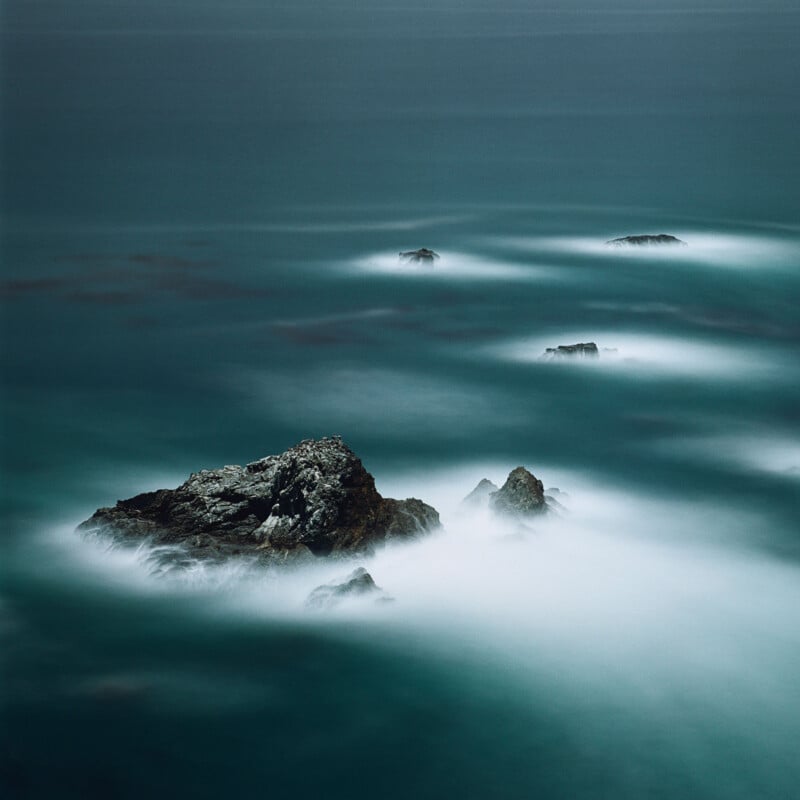
Early works in the series captured scenes in places like the Pacific (2005), where rocky outcrops rise from a turquoise sea, partially shrouded by mist, creating a tranquil, hazy, and dreamlike atmosphere under a soft, overcast sky. This early exploration set the tone for the series’ characteristic blend of natural grandeur and ethereal quality.
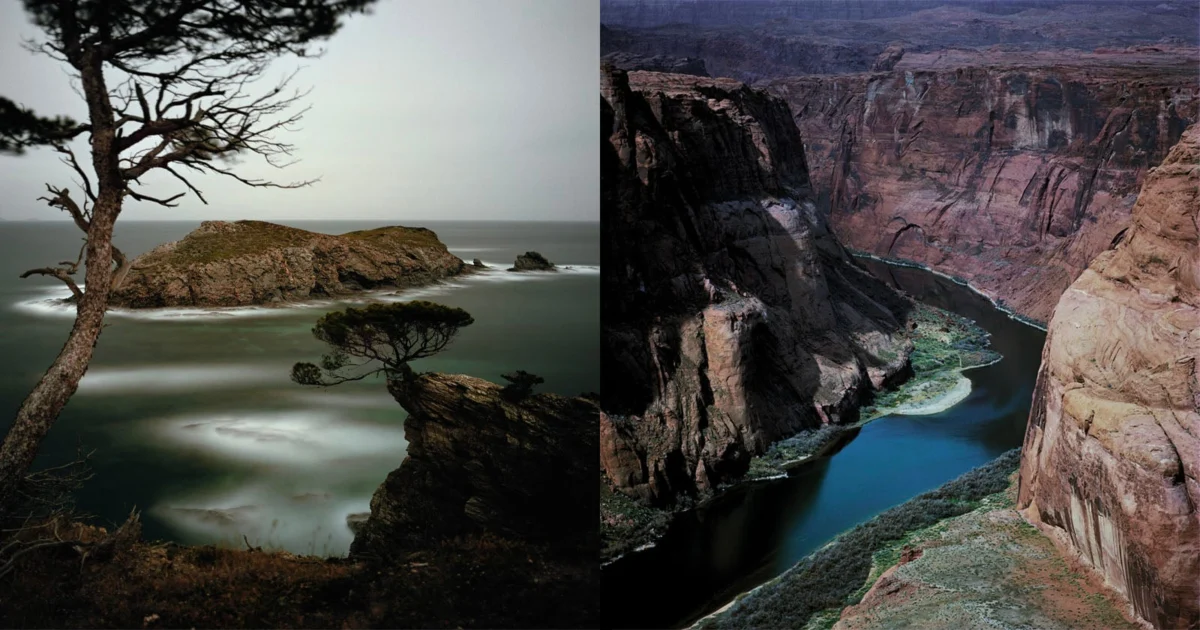
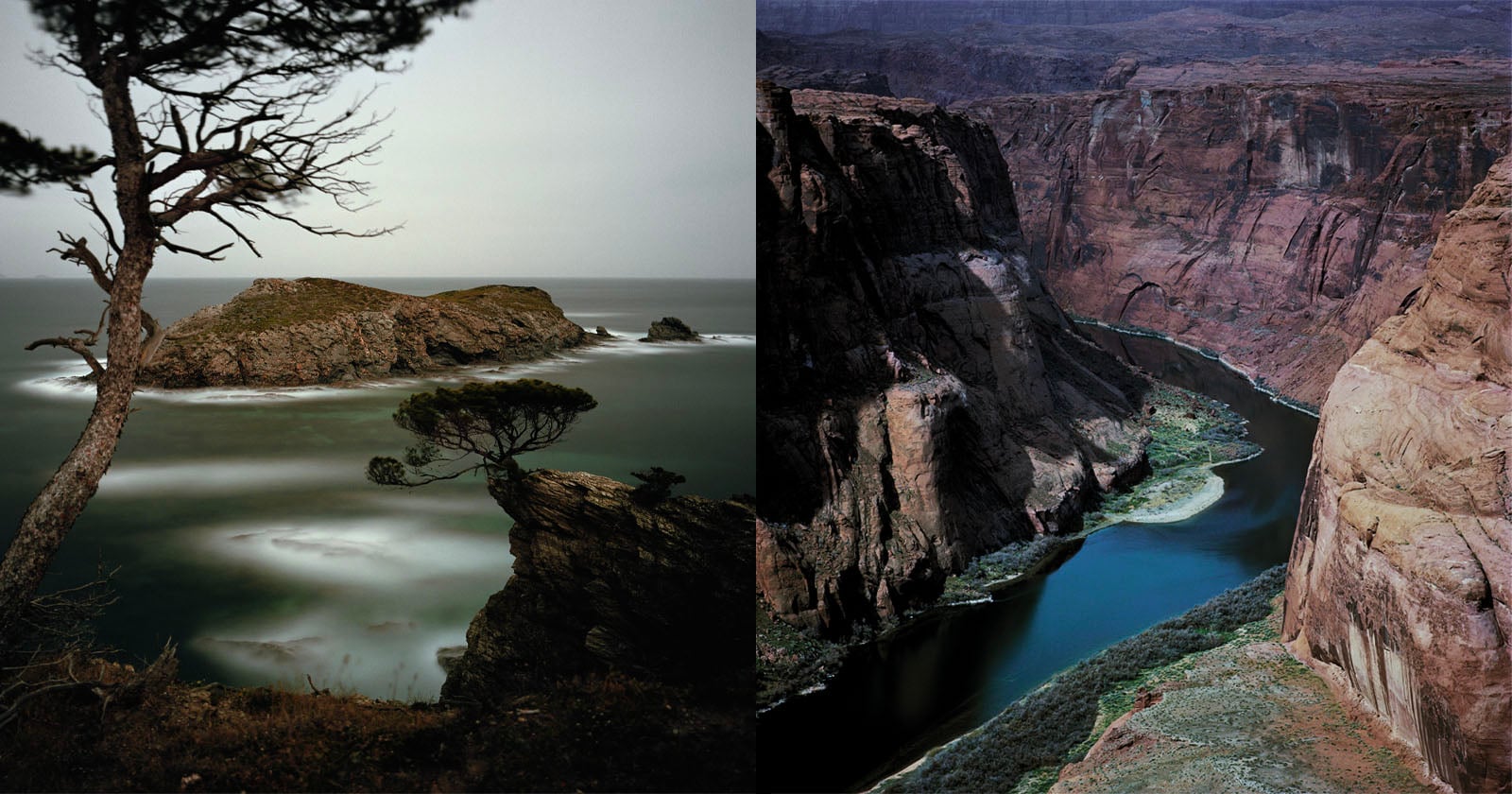
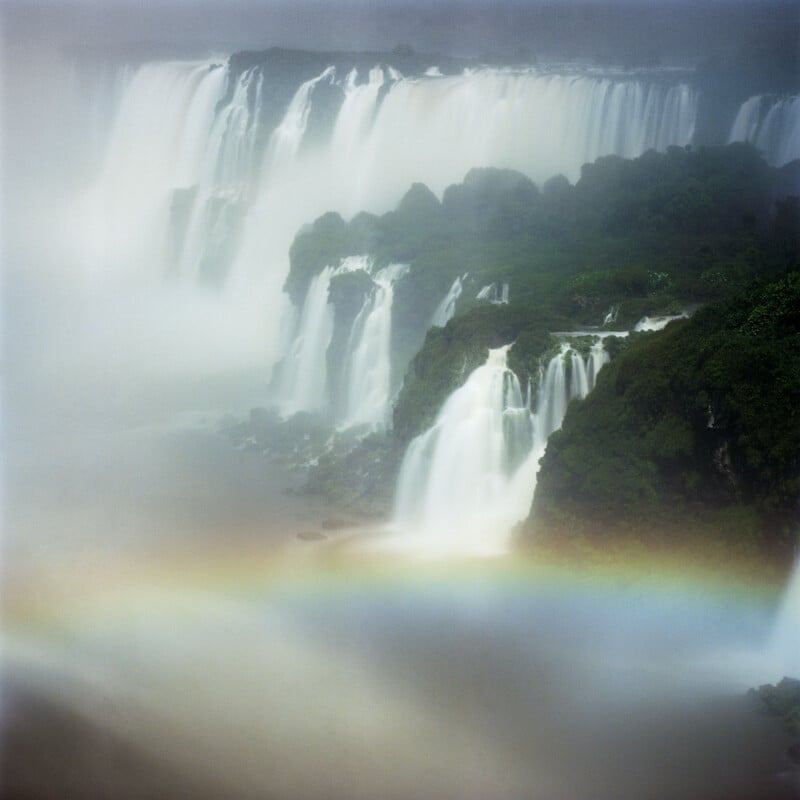
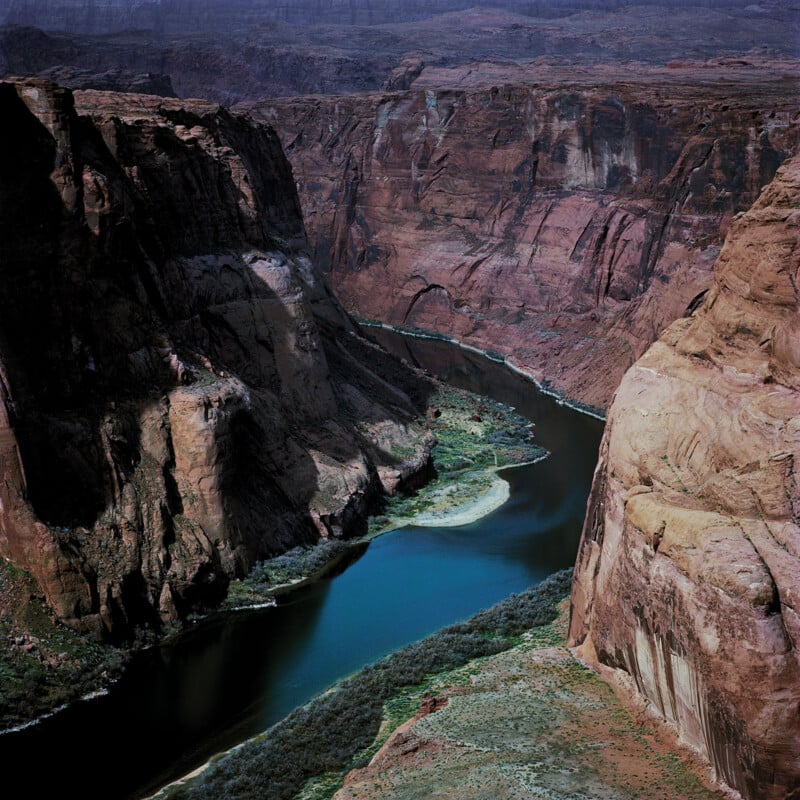
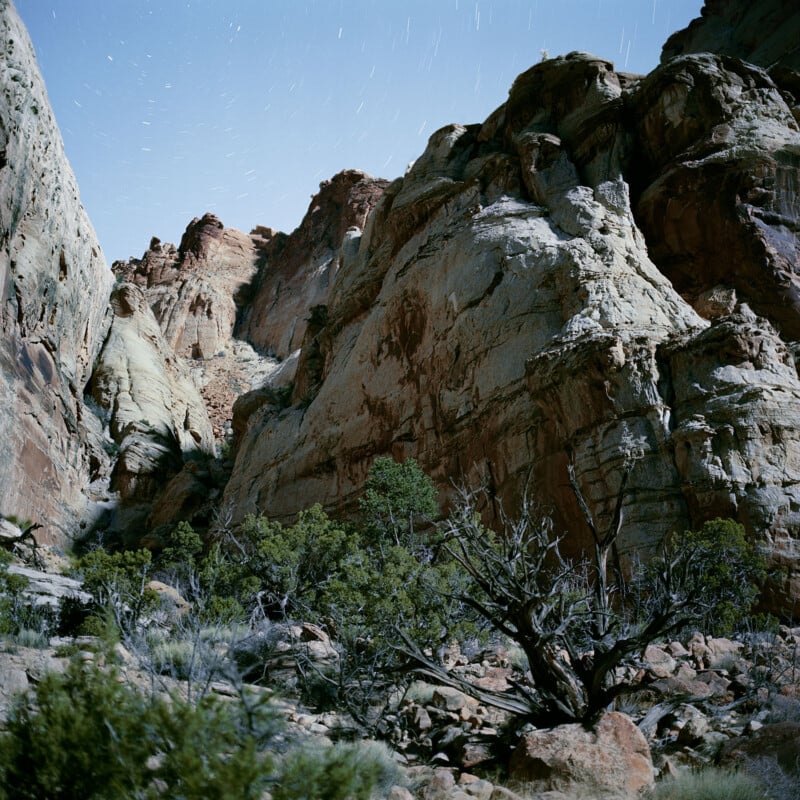
As the series progressed, Almond ventured into more dramatic and iconic landscapes. In 2011, "Moonbow" captured a misty view of large waterfalls cascading over lush green cliffs, with a faint rainbow visible through the mist near the base of the falls – a rare phenomenon intensified by the moonlight. The following year, his lens turned to the American Southwest, yielding striking images like "Horseshoe Bend, 2012," which depicts a winding river carving its path through a deep canyon with steep, rugged red rock cliffs under a hazy sky, sparse vegetation lining the water’s edge. From the same region, "Utah North Star, 2012" portrays rocky canyon walls rising under a night sky streaked with star trails, while gnarled trees and sparse green vegetation occupy the foreground, emphasizing the slow rotation of the Earth and the vastness of cosmic time.
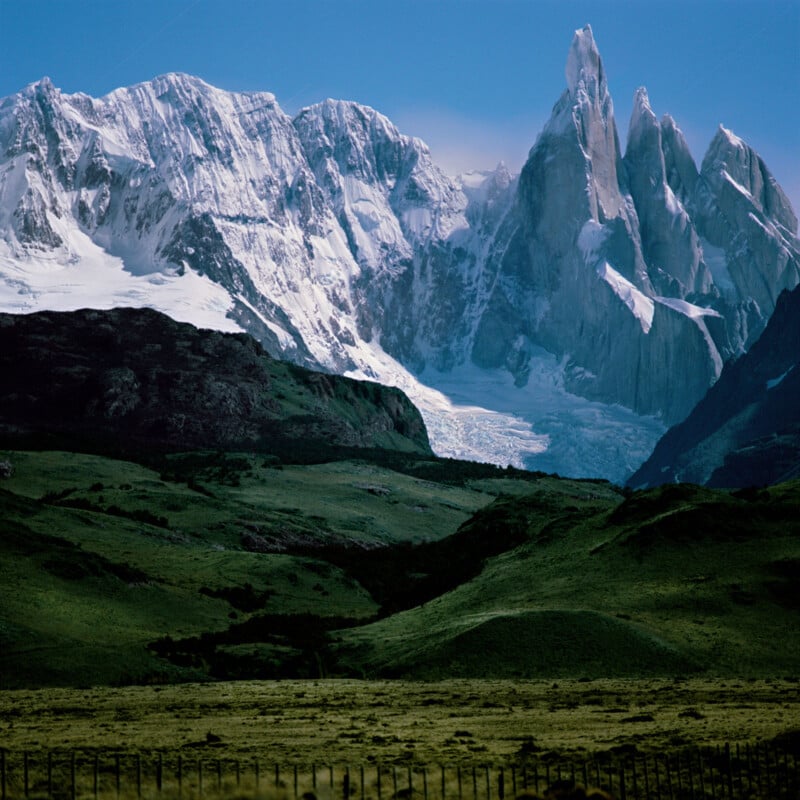
The series continued its global trajectory, reaching the formidable peaks of Patagonia, as seen in "Cerro Torre, 2013," where snow-covered jagged mountains pierce the sky behind rolling green hills and a fence, presenting a stark yet majestic contrast. More recently, Almond’s expeditions have taken him to the Mediterranean and ancient British sites. "Porquerolles, 2022" captures a rocky island emerging from misty ocean waters, framed by windswept trees on a rugged coastline under an overcast sky, evoking a sense of isolation and primal beauty. His latest recorded works in the book include "Pentre Ifan, 2024," featuring a monumental megalithic dolmen in a grassy field, highlighting humanity’s ancient connection to the land and celestial cycles. Finally, "Bermuda, 2025" presents a minimalist scene of two dark rocks rising from calm, turquoise water under a pale blue sky, with a soft, sandy beach in the foreground, showcasing the serene power of natural forms.
Across these varied locations, a consistent visual language emerges. The long exposures flatten the water into a "misty froth," soften contours, and render the sky with elongated star trails, transforming the familiar into something subtly alien and deeply evocative. The "mild glow" that emanates even from the shadows lends the images a painterly quality, reminiscent of Romantic landscape paintings but imbued with a distinctly modern, conceptual edge.
The Technical Mastery Behind the Ethereal Visions
The technical execution of the "Fullmoon" series is as demanding as its artistic vision is ambitious. Photographing landscapes by the light of the full moon requires meticulous planning, precise execution, and an intimate understanding of both astronomical cycles and photographic principles.
Firstly, the timing is critical. Almond must shoot during the brief period of the full moon, typically over three consecutive nights when the lunar illumination is at its peak. This window is further constrained by weather conditions; clear skies are essential for the moonlight to penetrate sufficiently.
Secondly, the extreme low-light conditions necessitate specialized equipment and settings. While the original article does not detail Almond’s gear, it is safe to infer the use of high-sensitivity full-frame cameras, fast wide-angle lenses (with large apertures like f/2.8 or f/4 to gather maximum light), and incredibly stable tripods to prevent any camera movement during the extended exposures. A remote shutter release is also crucial to avoid vibrations when initiating the exposure. The ISO settings would likely be optimized for low noise at higher sensitivities, though the primary strategy relies on time rather than high ISO to gather light.
The calculation of exposure is complex. While moonlight is roughly 250,000 to 500,000 times dimmer than direct sunlight, the long exposure times compensate for this. A typical daylight exposure might be 1/125th of a second at f/8 and ISO 100. To achieve a similar exposure value under moonlight, one might need exposures of several minutes or more. Almond’s stated 15 minutes (or longer) for each shot is a testament to the faintness of the light and his commitment to allowing the scene to slowly reveal itself. This process often involves bracketing exposures or making educated guesses based on experience, as precise metering in such low light can be challenging.
The unique visual effects are direct consequences of these long exposures. Moving elements, such as water, clouds, and even foliage swaying gently in the breeze, are rendered as soft blurs or streaks, creating a sense of timelessness and fluidity. The Earth’s rotation, imperceptible in short exposures, manifests as "star-lines" or star trails in the night sky, transforming the fixed points of stars into arcs of light, further emphasizing the passage of time. This blend of technical mastery and artistic vision is what gives the "Fullmoon" series its distinctive and captivating character.
Darren Almond. Fullmoon: A Monumental Publication
The latest expanded edition of Darren Almond. Fullmoon, published by the esteemed art book publisher Taschen, serves as a comprehensive testament to the longevity and depth of this remarkable photographic project. With over 370 images, this volume goes beyond a mere collection; it is a meticulously curated visual journey that encapsulates two decades of Almond’s lunar expeditions.
Taschen describes the book as illustrating how, "With the shutter kept open for over a quarter of an hour, rivers, meadows, mountains, and seashores are illuminated almost like daybreak, but the atmosphere is different: a mild glow emanates even from the shadows, star-lines cross the sky, and water blankets the earth like a misty froth." This evocative description highlights the transformative power of Almond’s technique, where familiar landscapes are rendered unfamiliar, imbued with an almost mystical quality.
The publisher further elaborates on the conceptual underpinnings, stating, "Taken from a point of immersion in the natural surroundings, Almond’s Fullmoon photographs allow the landscape to reveal its own history and suggest the direction its future might take." This statement reinforces Almond’s philosophy that the long exposure acts as a conduit, enabling the landscape to communicate its inherent narrative beyond the superficial. The book’s comprehensive nature allows readers to trace the series’ evolution and appreciate the diverse interpretations of nature that Almond has captured across the globe.
The book also frames the series within broader artistic and philosophical contexts: "The series circles around the possibility of romantic ideas of nature today: majestic American mountains, austere Arctic ice fields, picturesque rocks by the seashore in Japan, and, most intimately viewed, the nature of Britain, whose painterly subjects are closest to home." This demonstrates how Almond’s work engages with historical art traditions, particularly Romanticism, by reinterpreting grand natural themes through a contemporary lens and an unconventional medium.
Darren Almond: A Conceptual Artist of Time and Memory
Darren Almond, born in Wigan, England, in 1971, is widely recognized as a significant conceptual artist whose diverse practice spans photography, film, and sculpture. His work consistently revolves around interconnected themes of personal memory, cultural history, and the intricate concept of time. The "Fullmoon" series, while primarily photographic, is deeply embedded within this broader conceptual framework.
Almond’s fascination with time is not limited to long exposures; his other works often explore the measurement and experience of time in various forms. For instance, his "Perfect Time" series features digital clocks counting down to specific historical or personal moments, while his film works often capture landscapes and rituals associated with ancient temporal cycles or arduous journeys. The "Fullmoon" series, by aligning photographic exposure with lunar cycles and the slow unfolding of geological time, perfectly integrates into this overarching artistic concern.
His exploration of memory often delves into historical narratives, particularly those tied to human labor, migration, or significant cultural sites. By photographing landscapes that hold deep historical or mythological significance under the timeless gaze of the moon, Almond invites viewers to reflect on the layers of human and natural history embedded within these places.
Almond’s significant standing in the international art world is evidenced by his extensive exhibition history. He has held major solo exhibitions at prestigious institutions globally, including the Institute of Contemporary Arts (ICA) and Tate Britain in London, Kunsthalle Zürich, K21 Düsseldorf, Museum Folkwang Essen, SITE Santa Fe, and Art Tower Mito in Japan. These exhibitions confirm his reputation as an artist who consistently pushes boundaries, provoking thought and offering fresh perspectives on fundamental human experiences. The "Fullmoon" series is arguably his most iconic and enduring body of work, a testament to his unique vision and unwavering commitment to his artistic inquiries.
Broader Impact and Implications
Darren Almond’s "Fullmoon" series has had a significant impact on contemporary photography and art, challenging conventional notions of landscape representation and the medium’s capabilities. Its implications extend beyond mere aesthetic appreciation, prompting deeper reflections on our relationship with nature, time, and perception.
Firstly, the series redefines night photography. Before Almond, much of night photography either relied on artificial light sources or aimed for sharp, detailed renditions of the night sky. Almond’s approach, however, embraces the inherent ambiguity and mystery of moonlight, using it to create images that are less about factual representation and more about mood, atmosphere, and the subjective experience of the nocturnal world. This has opened new avenues for other photographers to explore the subtle nuances of natural ambient light in darkness.
Secondly, Almond’s work encourages a re-evaluation of how we "see" and interpret the natural world. By presenting landscapes in a light that is both familiar (moonlight) and profoundly altered (through long exposure), he forces viewers to confront the limitations of their own visual apparatus. The "mild glow" and smoothed textures create a sense of the uncanny, suggesting that there are hidden dimensions to reality that are only accessible through altered states of perception or, in this case, altered photographic processes.
Philosophically, the "Fullmoon" series resonates with themes of Romanticism, yet it does so with a contemporary, conceptual twist. While Romantic artists often sought to evoke awe and the sublime in nature, Almond adds layers of temporal and historical inquiry. His landscapes are not just grand vistas; they are repositories of time, memory, and an enduring natural order that predates and will outlast human intervention. This makes his work particularly relevant in an era grappling with environmental concerns and the fleeting nature of human existence.
Moreover, the sheer scale and global scope of the "Fullmoon" project underscore its ambition as an artistic endeavor. By traversing diverse cultures and topographies, Almond creates a universal narrative about humanity’s shared connection to the celestial cycles and the Earth’s enduring presence. It serves as a powerful reminder of the profound, often overlooked, beauty and mystery that surrounds us, inviting contemplation and a deeper engagement with our planet and the cosmos.
In conclusion, Darren Almond’s "Fullmoon" series is more than just a collection of striking photographs; it is a monumental artistic statement that fuses technical innovation with deep conceptual thought. Through his unique approach to lunar illumination and long exposure, Almond has created a body of work that is both visually arresting and intellectually stimulating, solidifying his position as a visionary artist who continually pushes the boundaries of what photography can achieve. The expanded edition of Darren Almond. Fullmoon is an essential document of this ongoing artistic odyssey, offering an immersive experience into the profound beauty and enigmatic power of the world illuminated by the moon.