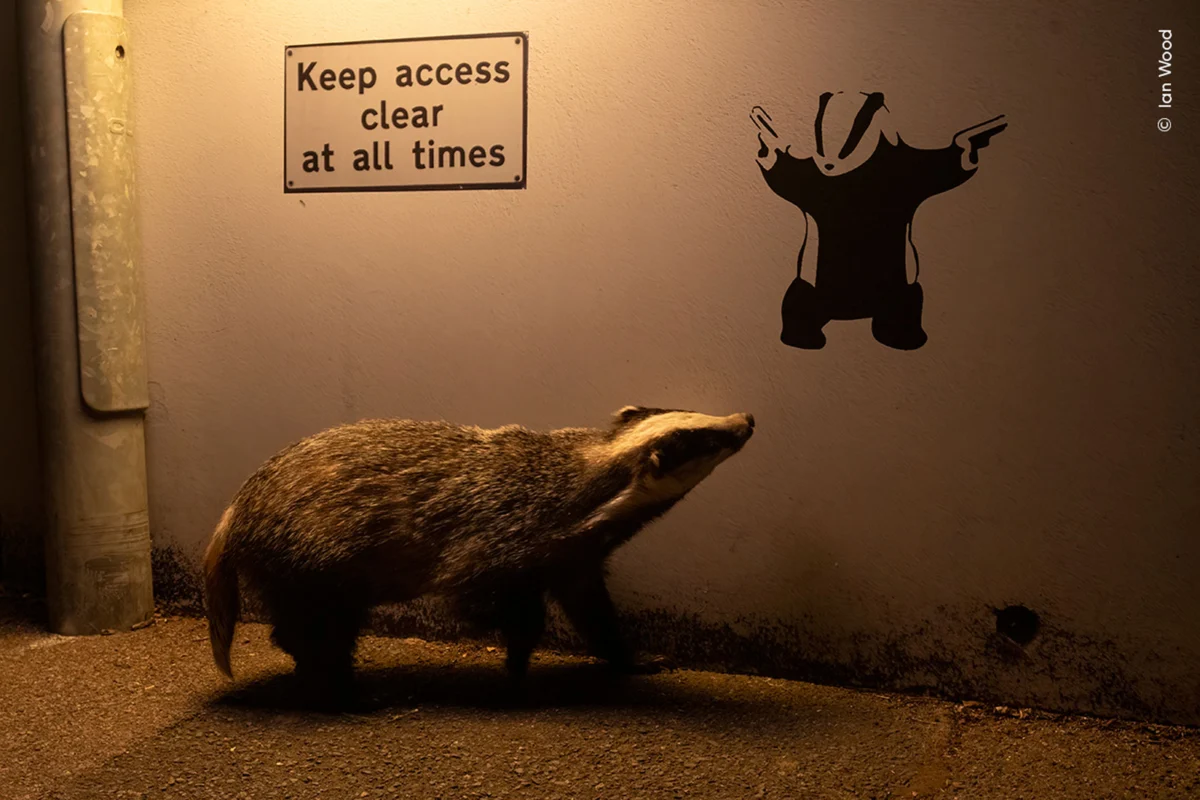
British photographer Ian Wood’s poignant image, "No Access," depicting a Eurasian badger pausing beneath graffiti in St Leonards-on-Sea, England, has been crowned the winner of the tenth edition of the Wildlife Photographer of the Year People’s Choice Award 2024. The evocative photograph, capturing a moment of quiet interaction between wildlife and the human-altered landscape, resonated deeply with a global audience, garnering the highest number of votes in the competition’s history. This victory not only celebrates Wood’s keen eye and masterful timing but also casts a crucial spotlight on the increasing presence of wildlife in urban environments and the pressing conservation challenges they face, particularly concerning badger populations in the UK.
A Decade of Public Engagement: The People’s Choice Award
The Wildlife Photographer of the Year People’s Choice Award, now in its tenth year, serves as a vital democratic component of the prestigious Wildlife Photographer of the Year competition, allowing the global public to cast their votes for their favorite image from a curated shortlist. Developed and produced by the Natural History Museum, London, the overarching Wildlife Photographer of the Year competition is renowned worldwide for showcasing the planet’s most compelling wildlife photography, inspiring advocacy for the natural world, and fostering a deeper connection between humanity and nature. While a panel of international experts judges the main competition categories, the People’s Choice Award offers a unique platform for public sentiment to influence the outcome, often highlighting images that capture universal themes or evoke strong emotional responses. This year’s award drew unprecedented participation, with over 76,000 wildlife photography and nature enthusiasts from across the globe actively engaging in the voting process. The 25 nominated images, carefully selected by the Natural History Museum and an international judging panel from an astounding nearly 60,000 entries submitted for the 60th Wildlife Photographer of the Year competition, represented a diverse array of species, habitats, and photographic styles, making Ian Wood’s win a testament to the profound impact of his particular narrative.
The Genesis of "No Access": An Urban Encounter
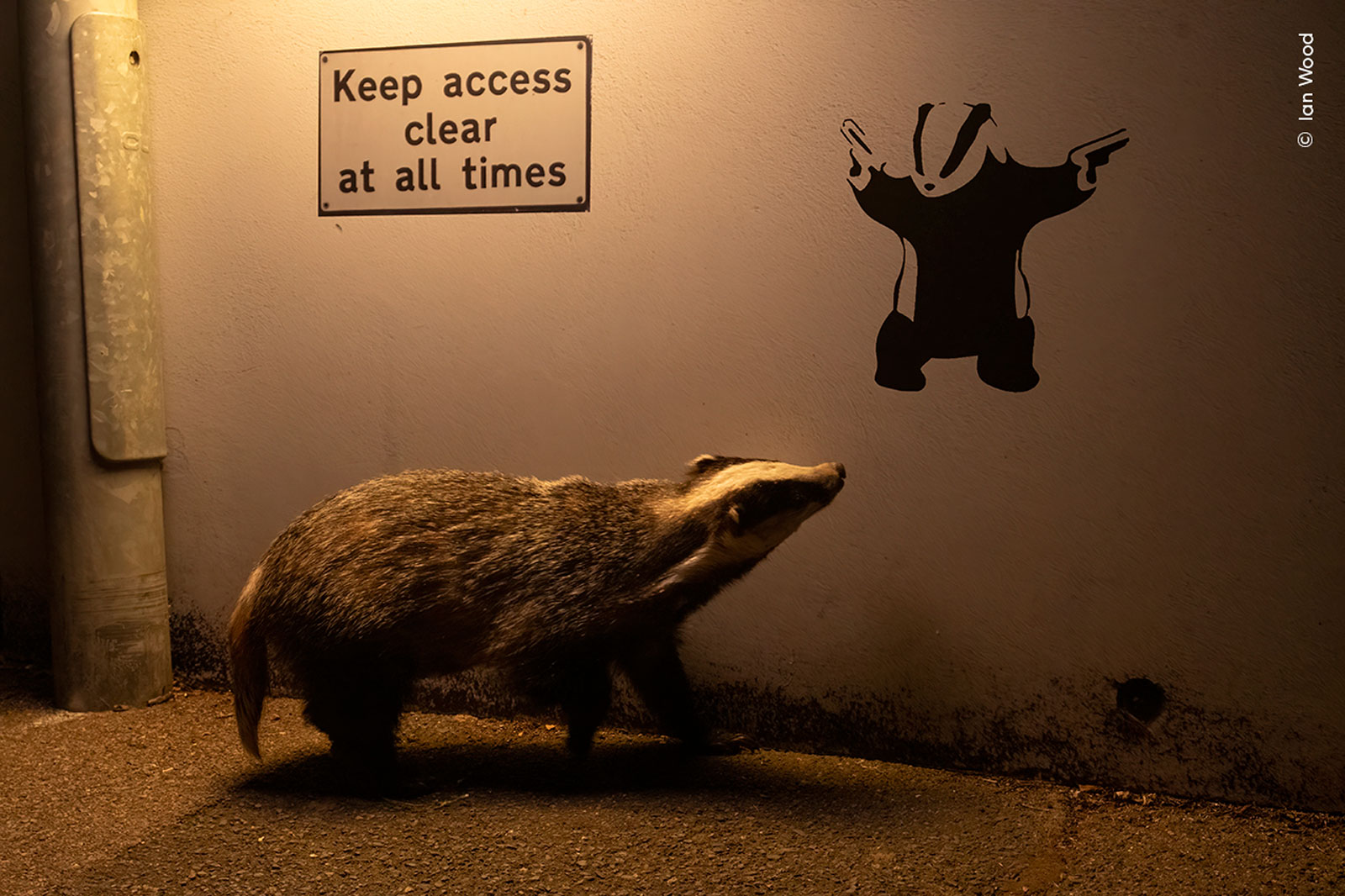
Ian Wood’s winning photograph, "No Access," captures a striking scene: a Eurasian badger, typically a creature of the rural nocturnal landscape, ambling along a pavement in St Leonards-on-Sea. Its head is subtly tilted upwards, its gaze seemingly directed towards the stark "No Access" graffiti emblazoned on the wall above. The irony is palpable, highlighting the blurred boundaries between human and animal territories. Wood’s journey to capture this moment began with observation. He noticed that local residents in St Leonards-on-Sea were leaving food scraps out for foxes, an unintended consequence of which was that badgers from a nearby sett had also begun to frequent the urban environment for foraging opportunities.
Recognizing the unique nature of these interactions, Wood decided to document them. One late night, after observing a badger traversing the pavement near the graffiti-adorned wall, he meticulously set up a small hide at the roadside. The only illumination available was the ambient glow of a lamppost, lending the scene an ethereal, almost cinematic quality. The resulting image is a masterclass in perfectly timed photography, not just for its technical execution under challenging low-light conditions, but for its narrative depth. The badger’s casual stroll, its momentary pause, and the suggestive graffiti combine to create a powerful commentary on habitat encroachment, adaptation, and the often-unseen lives of urban wildlife. It forces viewers to ponder who, or what, truly has "no access" in our increasingly shared world.
Official Acclaim and the Human-Wildlife Interface
The significance of "No Access" extends beyond its aesthetic appeal. Dr. Douglas Gurr, Director of the Natural History Museum, underscored the image’s importance in his congratulatory statement. "Ian’s flawlessly timed image offers a unique glimpse of nature’s interaction with the human world, underscoring the importance of understanding urban wildlife," Dr. Gurr remarked. He further elaborated on the photograph’s broader message: "His exceptional photograph serves as a powerful reminder that local nature and wildlife, often just outside our homes, can inspire and captivate us." This official recognition highlights the Museum’s mission to connect people with the natural world, emphasizing that wildlife encounters are not confined to remote wildernesses but can occur in our immediate surroundings. The image champions the idea that urban areas, often perceived as devoid of significant biodiversity, are in fact dynamic ecosystems where human and animal lives frequently intersect, demanding our attention and respect.
A Deeper Message: The Plight of Badgers

While the initial public reaction to "No Access" was one of widespread appreciation, Ian Wood himself revealed a more somber undertone to his triumph. "The outpouring of badger love since my photo was nominated for the People’s Choice Award has been beautifully overwhelming. Finding out that it has won is truly humbling," Wood shared. However, he quickly pivoted to the critical conservation message embedded within his work: "However, there is a darker side to this image."
Wood, who resides in rural Dorset and is actively involved in re-wilding efforts to enhance wildlife habitats, drew a stark connection between the urban badger in his photograph and the declining badger populations in rural areas. He pointed directly to the ongoing badger cull in England, stating, "The badger cull – which is still ongoing – has decimated their numbers and I fear that unless the cull is stopped, we’ll only see badgers in urban settings in several parts of England." This statement transforms "No Access" from a mere snapshot into a potent call for conservation action. Wood’s hope is unequivocal: "My hope is for this image to raise awareness of the damaging effect of the badger cull and help push for change."
The Ongoing Badger Cull: Controversy and Impact
The badger cull, a government-led initiative primarily aimed at controlling the spread of bovine tuberculosis (bTB) in cattle, has been a source of intense scientific and ethical debate in the UK for decades. Proponents of the cull argue that badgers act as a reservoir for the disease, and culling is a necessary measure to protect livestock and the livelihoods of farmers. Scientific models commissioned by the Department for Environment, Food and Rural Affairs (DEFRA) have, at various points, supported the effectiveness of culling in reducing bTB incidence in cattle in specific zones.
However, the policy has faced widespread criticism from wildlife conservation organizations, animal welfare charities, and many independent scientists. Opponents argue that the scientific evidence for its effectiveness is inconclusive, pointing to studies suggesting that culling can disrupt badger social structures, potentially leading to increased movement of badgers and an exacerbation of disease spread, known as the "perturbation effect." Furthermore, critics highlight the ethical implications of culling a protected species, questioning the humanity and proportionality of the measures. They advocate for alternative strategies, such as enhanced cattle testing, biosecurity measures on farms, and badger vaccination programs, which are seen as more humane and potentially more effective in the long term.
Ian Wood’s observation that badgers might increasingly be confined to urban environments due to rural culling is a significant concern. Urban badgers face different challenges, including road accidents, human conflict, and reliance on anthropogenic food sources, which can alter their natural behaviors and health. The visibility of badgers in urban areas, while offering captivating photographic opportunities, could thus be a grim indicator of ecological imbalance in their traditional rural habitats. Wood’s photograph, therefore, serves as a powerful visual argument in this ongoing conservation discourse, prompting viewers to consider the wider ecological consequences of human interventions.
The Power of Photography in Conservation
Ian Wood’s win underscores the profound role that wildlife photography plays in environmental advocacy. Beyond mere documentation, such images possess a unique emotive power that can connect diverse audiences with nature’s stories, challenges, and triumphs. A single photograph can condense complex ecological issues into an accessible and impactful visual narrative, sparking public discourse and mobilizing support for conservation efforts. "No Access" exemplifies this, using an arresting image of an urban badger to draw attention to the wider plight of its species and the controversies surrounding human-wildlife management.
The Wildlife Photographer of the Year competition, through its annual showcase of extraordinary images, consistently shines a light on inspiring and impactful stories from the natural world. It transforms photographers into storytellers and advocates, using their craft to foster a global community dedicated to protecting our planet. By celebrating images that range from the awe-inspiring to the critically urgent, the competition ensures that the beauty and fragility of nature remain at the forefront of public consciousness.
Honouring Other Exceptional Visions: The Highly Commended Selections
While "No Access" captured the top honour, the People’s Choice Award also recognized four "Highly Commended" images that deeply impressed voters. These photographs represent the diverse geographical scope and thematic breadth of the Wildlife Photographer of the Year competition:
-
"Earth and Sky" by Francisco Negroni: This unforgettable capture from Chile presents a dramatic tableau of nature’s raw power. It features a double lenticular cloud, an atmospheric phenomenon, illuminated spectacularly at nightfall by the incandescent lava emanating from the Villarrica volcano. Negroni’s image masterfully blends terrestrial and celestial elements, showcasing the dynamic forces that shape our planet.
-
"Edge of Night" by Jess Findlay: An action shot of compelling intensity, Findlay’s photograph depicts a ghostly barn owl in the throes of departure. The owl is captured mid-flight, exiting through the hayloft window of a derelict barn, its form a blurred streak against the encroaching darkness as it embarks on its nocturnal hunt. The image beautifully conveys the fleeting grace and predatory instinct of this magnificent bird.
-
"Whiteout" by Michel d’Oultremont: From Belgium, d’Oultremont’s image portrays a stoat, perfectly camouflaged, sitting upright to survey its snowy territory. The animal’s fur blends seamlessly into the pristine white landscape, highlighting its remarkable adaptation to harsh winter conditions. The photograph is a testament to the subtle beauty of nature’s design and the resilience of its inhabitants.
-
"Spiked" by David Northall: This compelling and visceral photograph captures a brutal, yet natural, struggle for survival. It shows a bloodied but determined honey badger returning to finish off a Cape porcupine, which had bravely defended itself earlier in a fierce encounter. Northall’s image is a raw depiction of the wild, reminding viewers of the often-harsh realities of the food chain.

These highly commended images, alongside Ian Wood’s winning entry, collectively demonstrate the extraordinary talent of wildlife photographers and their ability to capture moments that are both aesthetically stunning and profoundly informative.
The Wider Legacy of the Wildlife Photographer of the Year
The five celebrated images – Ian Wood’s "No Access" and the four Highly Commended selections – are not just fleeting moments; they will be displayed both online and prominently within the flagship exhibition at the Natural History Museum, London, until June 29, 2025. This extended display ensures that their powerful messages continue to reach a wide international audience, fostering ongoing dialogue about wildlife, conservation, and humanity’s place within the natural world.
The Wildlife Photographer of the Year competition, now looking forward to its 61st edition, remains a cornerstone event in the global photographic calendar. Images entered into the sixty-first competition are currently undergoing rigorous scrutiny by an international panel of experts. The anticipation builds towards the next annual awards ceremony, which is scheduled to take place at the Natural History Museum, London, in October 2025, where a new cohort of winning images will continue the competition’s long-standing tradition of inspiring and educating millions. Through its unwavering commitment to excellence and its profound connection to conservation, the Wildlife Photographer of the Year continues to harness photography’s unique emotive power to advocate for our planet, one captivating image at a time.