Passerine birds, often referred to as perching birds, constitute the largest and most diverse order of birds, Passeriformes, encompassing over half of all avian species worldwide. These agile creatures, instantly recognizable by their unique toe arrangement—three digits pointing forward and one backward, perfectly adapted for gripping branches—are ubiquitous, inhabiting a vast array of environments from bustling urban gardens to dense forests and expansive open fields across every continent except Antarctica. Their accessibility, coupled with their vibrant plumages and intricate behaviors, makes them a perpetually fascinating subject for aspiring and seasoned wildlife photographers alike, despite the inherent challenges posed by their diminutive size and rapid movements.

Understanding Passeriformes: A Global Phenomenon
The sheer diversity within the Passeriformes order is staggering, with estimates ranging from 5,000 to over 6,500 distinct species. This evolutionary success can be attributed to their remarkable adaptability, efficient perching mechanism, and often complex vocalizations. Common examples familiar to many include sparrows, tits, finches, warblers, and swallows, each occupying specific ecological niches and contributing significantly to biodiversity. Their ecological roles are multifaceted, ranging from insect control and seed dispersal to pollination, making them vital components of various ecosystems. The global distribution of passerines underscores their resilience and capacity to thrive in diverse climatic zones and habitats, from the arctic tundra to tropical rainforests. Ornithological studies consistently highlight their indicator species status, often providing valuable insights into environmental health and climate change impacts.

The Art and Science of Passerine Identification
Successful passerine photography begins with a deep understanding of the subject, extending beyond mere visual identification. Passerines are renowned for their highly vocal nature, with many species possessing distinctive songs and calls. Learning these avian vocalizations is an invaluable skill for photographers, enabling identification even when birds are concealed by dense foliage. This acoustic identification is particularly crucial for species like warblers, which are often heard long before they are seen.

Beyond sound, keen observation of behavioral patterns is paramount. Before aiming a lens, dedicating time to simply watching birds interact with their environment—how they forage, where they perch, their social dynamics—provides critical insights. This pre-visualization, a technique long advocated by experienced wildlife photographers, allows for anticipation of movements, significantly increasing the probability of capturing compelling moments. Resources such as field guides, online databases, and local birding communities offer extensive information on specific species’ habits, migratory patterns, and preferred habitats. This knowledge forms the bedrock for ethical and productive photography, ensuring minimal disturbance to the birds while maximizing photographic opportunities.
Creating Avian Sanctuaries: The Role of Garden Feeding Stations

For many, the most accessible entry point into passerine photography is through the creation of a dedicated feeding station. This controlled environment not only attracts a diverse range of species but also offers unparalleled opportunities for close-up observations and photography, particularly valuable during the leaner winter months when natural food sources dwindle. Periods of severe weather, such as heavy snow or prolonged cold snaps, often see an increase in avian visitors to feeders, presenting unique chances to document interactions between birds.
- Strategic Food Selection: To attract a broad spectrum of species, offering a variety of food types is essential. High-quality black oil sunflower seeds appeal to many finches and tits, while nyjer seeds are a favorite of goldfinches. Suet blocks provide vital fats and energy, especially in cold weather, and live or dried mealworms can entice insectivorous species like robins and wrens.
- Optimal Feeder Placement: Location is critical. Feeders should be positioned in areas receiving ample natural light, ideally with soft morning or late afternoon sun to enhance feather detail and create warm tones. Avoiding the harsh overhead light of midday is generally advisable. Crucially, feeders should not be placed in overly exposed areas. Passerines, being naturally skittish, require the security of nearby cover—shrubs, trees, or dense hedging—to provide quick escape routes from predators. This balance of light and cover ensures both photographic quality and bird safety.
- Maintaining Hygiene: Regular cleaning of feeders is non-negotiable for avian health. Contaminated feeders can quickly become breeding grounds for bacteria and parasites, leading to the spread of diseases within local bird populations. A mild bleach solution (one part bleach to nine parts water) followed by thorough rinsing and drying is recommended at least weekly, or more frequently during peak usage.
- The Allure of a Water Source: Beyond food, a reliable water source significantly enhances a feeding station’s appeal, attracting additional species and offering dynamic photographic possibilities. A shallow bird bath or a carefully constructed reflection pool can yield stunning images of birds drinking, bathing, or preening, with the added artistic element of reflections. A rectangular planting tray, strategically positioned with a rock or log, can serve as an effective reflection pool. The key is to experiment with its placement to capture reflections of surrounding foliage or a muted sky, avoiding overly bright or distracting reflections.
Finding the Perfect Perch: Elevating the Visual Narrative

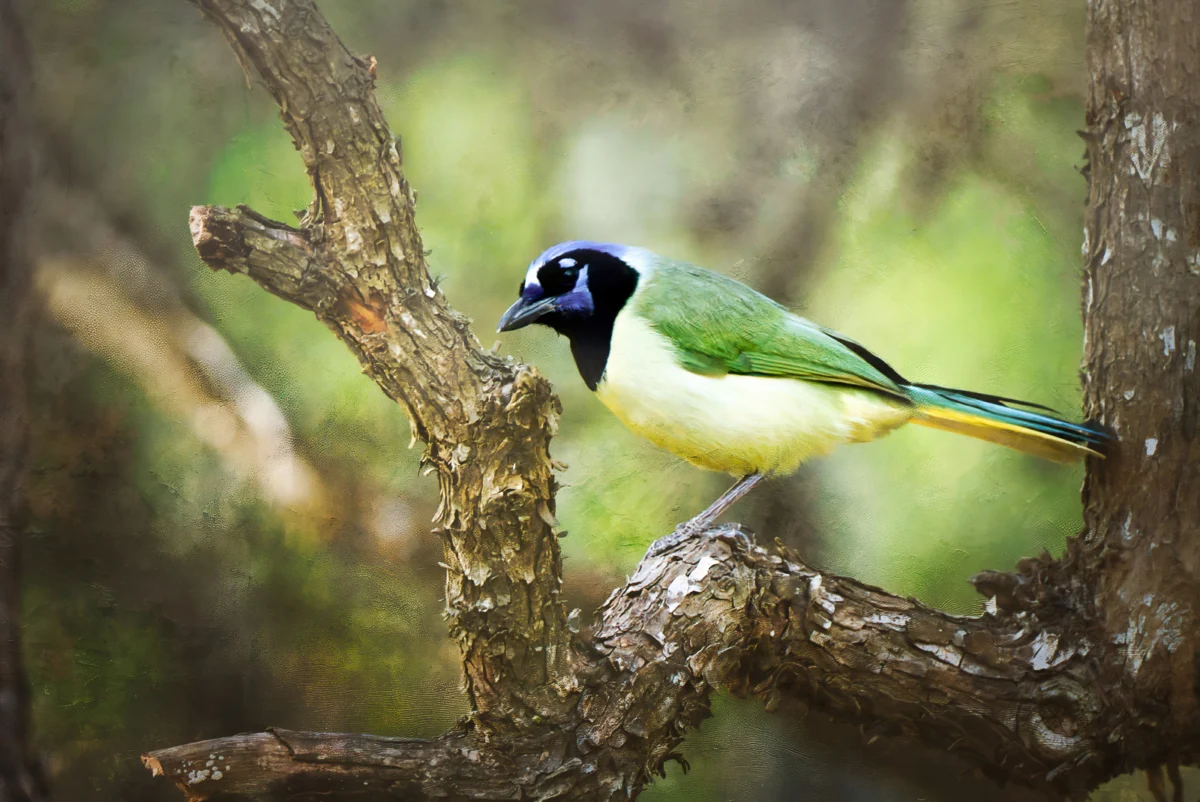
The aesthetic quality of a passerine photograph is profoundly influenced by its environment. A carefully selected perch can transform a simple bird portrait into a captivating image that hints at the bird’s natural habitat and complements its colors. Photographers often seek out natural elements such as moss-covered branches, lichen-laden twigs, or a sprig of seasonal blossom, ensuring they are congruent with the species’ natural surroundings to avoid an artificial or "contrived" appearance.
- Perch Scouting: Experienced photographers often collect suitable branches or decorative elements during their outdoor excursions, creating a rotating selection for their feeding stations. These perches should be positioned to receive optimal natural light, allowing for experimentation with front-lighting in the morning and backlighting during the golden hour for dramatic rim lighting effects.
- Leveraging Overcast Conditions: Overcast days, often overlooked, provide a unique advantage. The diffused light from a cloudy sky acts as a giant softbox, eliminating harsh shadows and revealing intricate feather details and nuanced colors that might be lost in direct sunlight.
- Background Management: To achieve a professional, uncluttered aesthetic, backgrounds must be rendered completely out of focus, separating the subject from its surroundings. This is achieved through a combination of a wide aperture (f/2.8 to f/5.6), a long focal length, and ensuring significant distance between the subject and the background. Test shots are crucial to assess background blur and identify complementary colors or areas of shadow that can add depth and drama.
Technical Mastery: Camera Settings for Dynamic Passerine Shots

Capturing the ephemeral beauty of small, fast-moving passerines demands technical precision and a nuanced understanding of camera settings.
- Shutter Speed: Freezing Motion: A fast shutter speed is paramount. For static or perching passerines, a minimum of 1/1000th of a second is generally recommended to effectively freeze their constant twitching and subtle movements. For birds in flight, or dynamic action shots like a bird taking off or landing, increasing the shutter speed to at least 1/2500th of a second becomes essential to avoid motion blur in wings and fast-moving bodies.
- Aperture: Controlling Depth of Field: A wide aperture, typically ranging from f/2.8 to f/5.6, is employed to create a shallow depth of field, artfully blurring the background (bokeh) and isolating the bird. However, when composing frame-filling portraits or when multiple birds are in the frame, a slightly smaller aperture (e.g., f/8) may be necessary to ensure critical sharpness across both the bird’s eye and its chest feathers.
- ISO: Embracing Light Sensitivity: Modern camera sensors perform exceptionally well at higher ISOs. Photographers should not hesitate to increase ISO settings when light conditions are challenging. It is generally preferable to capture a critically sharp image with some visible digital noise (which can often be mitigated in post-processing) than a noise-free image that lacks sharpness due to an insufficient shutter speed. The priority is always sharpness, especially in the eyes.
- Focus Mode: Pinpointing Precision: Continuous autofocus (AI Servo on Canon, AF-C on Nikon and Sony) is indispensable for tracking moving subjects. Many contemporary mirrorless cameras offer advanced Eye Detection AF, which can be remarkably effective. However, if the system struggles to acquire the bird’s eye amidst complex backgrounds or dense foliage, switching to a single-point or group focus mode, carefully positioned on the bird’s head, often provides maximum accuracy.
- Burst Mode: The Power of Sequence: Employing the camera’s continuous high-speed shooting mode (burst mode) dramatically increases the chances of capturing the decisive moment, especially during fleeting actions or interactions.
- Manual Focus for Anticipated Action: For highly predictable movements, such as a bird flying from a known perch to a feeder, manual pre-focusing can be advantageous. By setting focus halfway between the perch and the feeder and then firing a rapid burst as the bird enters the plane of focus, photographers can achieve sharp results where autofocus might struggle to lock on quickly enough.
Compositional Excellence: Crafting Visually Compelling Narratives

Beyond technical proficiency, strong composition is the cornerstone of visually striking imagery. Conscious pre-visualization of the image before pressing the shutter allows for thoughtful arrangement of elements within the frame, elevating a simple snapshot to a work of art.
- The Rule of Thirds: A fundamental guideline, the rule of thirds involves imagining the frame divided into nine equal sections by two horizontal and two vertical lines. Positioning the bird or its key features (like the eye) at one of the four intersecting points, or along these lines, typically creates a more dynamic and aesthetically balanced composition.
- Incorporating the Environment: Integrating elements of the bird’s natural habitat—a sprig of berries, textured bark, or blooming flowers—provides context, tells a story, and adds depth to the image. These environmental cues can subtly suggest the species’ preferred diet or nesting habits.
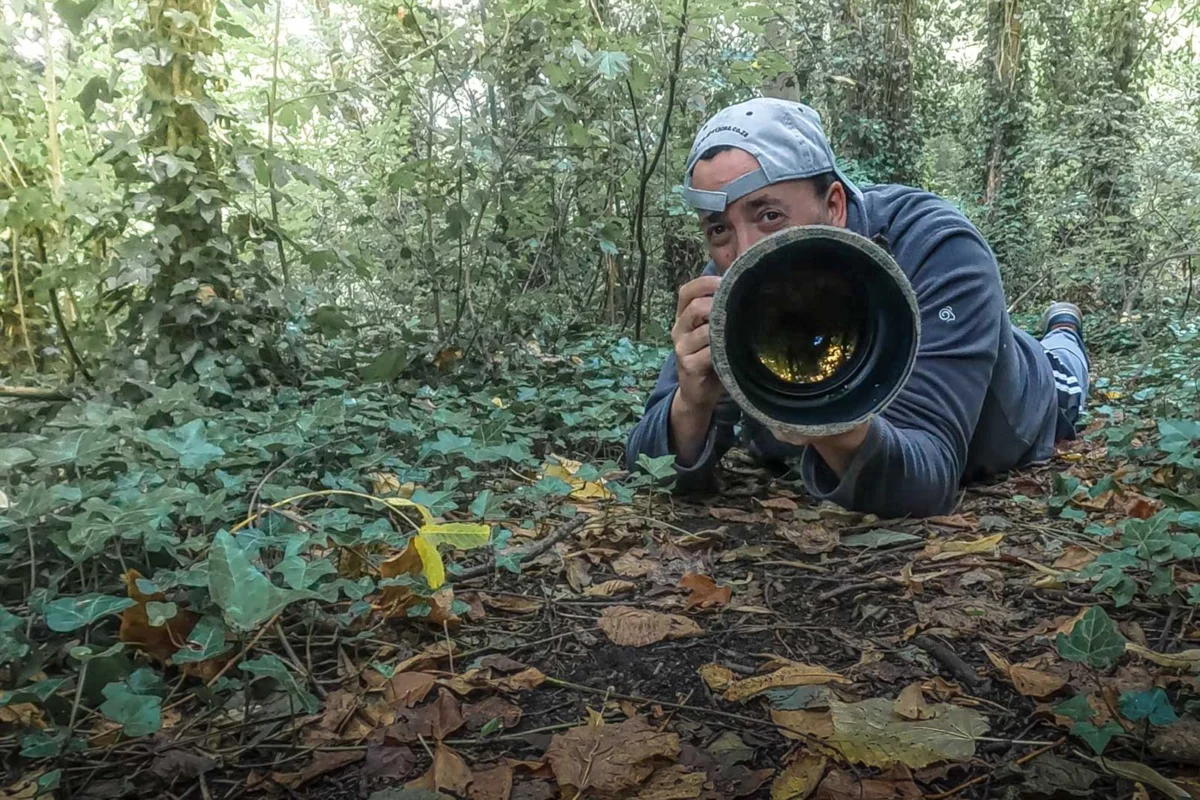
- Eye-Level Perspective: Shooting at the bird’s eye level is crucial for fostering intimacy and establishing a stronger connection between the subject and the viewer. This perspective minimizes distortion and allows the viewer to experience the bird’s world more directly.
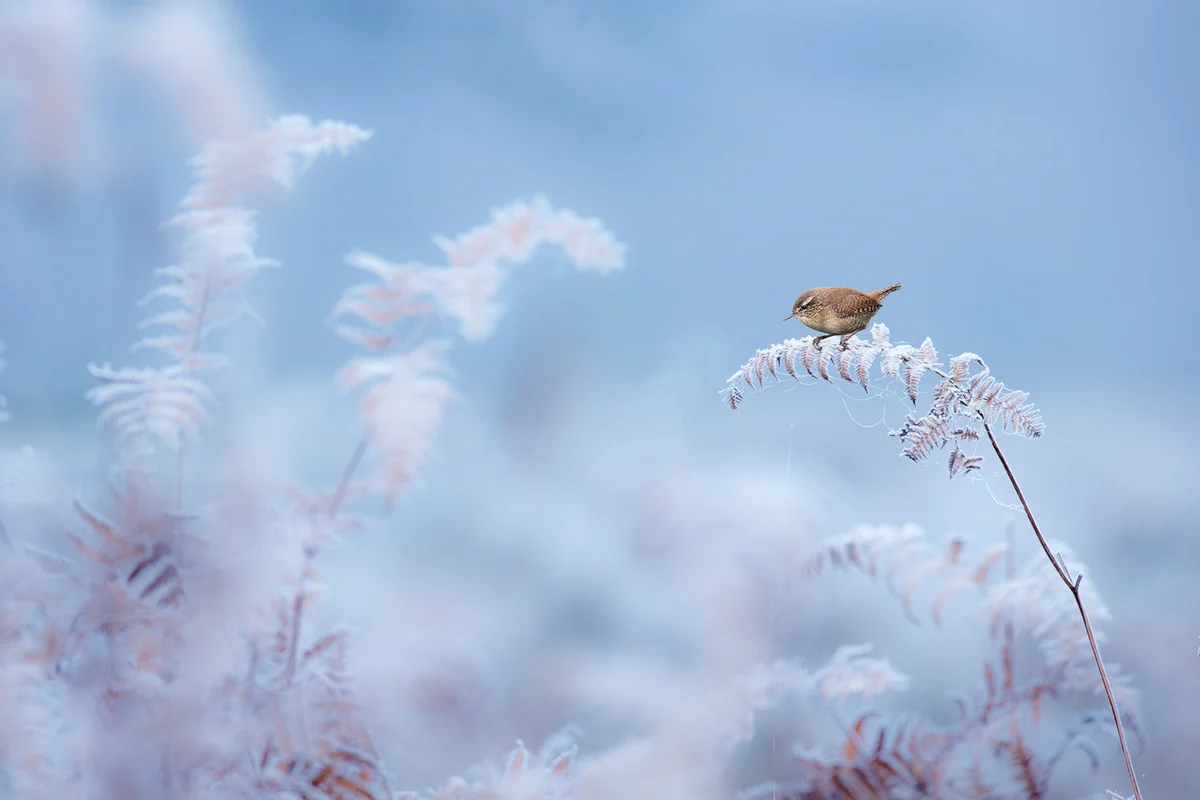
- Strategic Use of Negative Space: Leaving ample space around the bird can emphasize its solitude, highlight its natural surroundings, or create a sense of scale. This technique is particularly effective in stark environments, such as a solitary bird against a snowy backdrop. When employing negative space, consider the bird’s gaze or direction of movement, often positioning it to look or move into the open space for a more balanced and inviting composition.
- Leading Lines: Natural elements like winding branches, a fallen log, or even a textured stone wall can serve as leading lines, guiding the viewer’s eye towards the primary subject and adding a sense of depth and visual flow to the photograph.
Beyond the Still Frame: Capturing Avian Behavior and Interactions

Passerines are social and exhibit a rich repertoire of behaviors that offer incredible photographic opportunities. Patience and prolonged observation are vital to anticipating and capturing these fleeting moments.
- Dynamic Interactions: During challenging weather, competition for food at feeders can lead to dramatic squabbles and territorial displays. These fast-paced interactions require rapid reflexes and a high shutter speed, often demanding a slightly smaller aperture if multiple birds are to be kept in focus.
- Vocalizations: Documenting birds in the act of singing during the breeding season—such as a robin proclaiming its territory or a song thrush belting out its complex melody—provides a powerful visual narrative of their life cycles.
- Parenting and Fledging: Capturing parent birds feeding their chicks, either in the nest or newly fledged in nearby foliage, offers heartwarming and impactful images. Such opportunities demand the utmost ethical consideration to avoid any disturbance to the nesting site or young birds. Photographers must maintain a respectful distance and observe from a hide to ensure the birds’ welfare.
- Bathing and Preening: Birds frequently visit water sources to drink and clean their feathers. These moments offer opportunities for captivating action shots of splashing water or detailed close-ups of birds meticulously arranging their plumage.
Equipping the Modern Bird Photographer

While dedication and understanding are paramount, having appropriate equipment significantly enhances the bird photographer’s capabilities.
- Camera Body: A DSLR or mirrorless camera with advanced autofocus systems and a high continuous shooting rate (10 frames per second or more) is ideal for capturing fast-moving subjects. Modern mirrorless cameras, with their sophisticated eye-detection autofocus and silent shooting capabilities, offer distinct advantages.
- Lenses: A telephoto lens of 300mm or longer is essential to photograph birds from a respectful distance without causing disturbance. Longer prime lenses (500mm or 600mm) excel at subject isolation and creating diffuse backgrounds. Tele-zoom lenses (e.g., 150-600mm) offer greater flexibility for framing and composition in varied situations.
- Tripod and Head: A sturdy tripod is indispensable for maintaining stability, especially with long, heavy lenses or during extended sessions in a hide. A gimbal head is highly recommended for lenses 500mm and up, allowing for smooth, fluid tracking of birds in motion.
- Photography Hide: A portable hide or a purpose-built, static hide allows photographers to get closer to their subjects without being detected, minimizing disturbance and encouraging natural behavior. Camouflage netting can also be effective in less formal setups.
- Remote Shutter Release: Using a remote shutter release (wired or wireless) helps to eliminate camera shake, particularly when shooting from a tripod or when pre-focused on a specific spot.
- Memory Cards: High-speed, high-capacity memory cards are crucial to accommodate rapid burst shooting and large image files, ensuring no precious moment is missed. Always carry spares.
Ethical Considerations and Conservation Impact

The pursuit of passerine photography carries with it a significant ethical responsibility. The welfare of the birds must always take precedence over photographic ambition. This includes maintaining a respectful distance, avoiding disturbance to nests or fledglings, refraining from baiting birds with unnatural food items or excessive use of calls, and minimizing habitat alteration. Adhering to guidelines set by ornithological and conservation organizations is crucial.
Beyond personal enjoyment, passerine photography plays a vital role in citizen science and conservation. Documenting species in local areas contributes to long-term population monitoring efforts, provides valuable data on distribution and behavior, and helps raise public awareness about avian biodiversity and conservation challenges. The stunning images captured by dedicated photographers can inspire a deeper appreciation for nature, encouraging broader engagement with environmental protection.

The Enduring Appeal and Future of Passerine Photography
From the iconic garden robin to the elusive woodland warbler, passerine birds offer an inexhaustible source of inspiration for wildlife photographers. Their prevalence, coupled with the challenge of capturing their fast-paced lives, ensures that the pursuit of their image remains a deeply rewarding endeavor. By combining a profound understanding of avian behavior, meticulous technical execution, and an unwavering commitment to ethical practices, photographers can create not only visually stunning images but also contribute meaningfully to our collective appreciation and protection of these charismatic creatures. As technology advances and photographic techniques evolve, the accessible and enchanting world of passerine photography continues to offer endless opportunities for creativity and connection with the natural world, fostering a growing community of citizen scientists and visual storytellers.