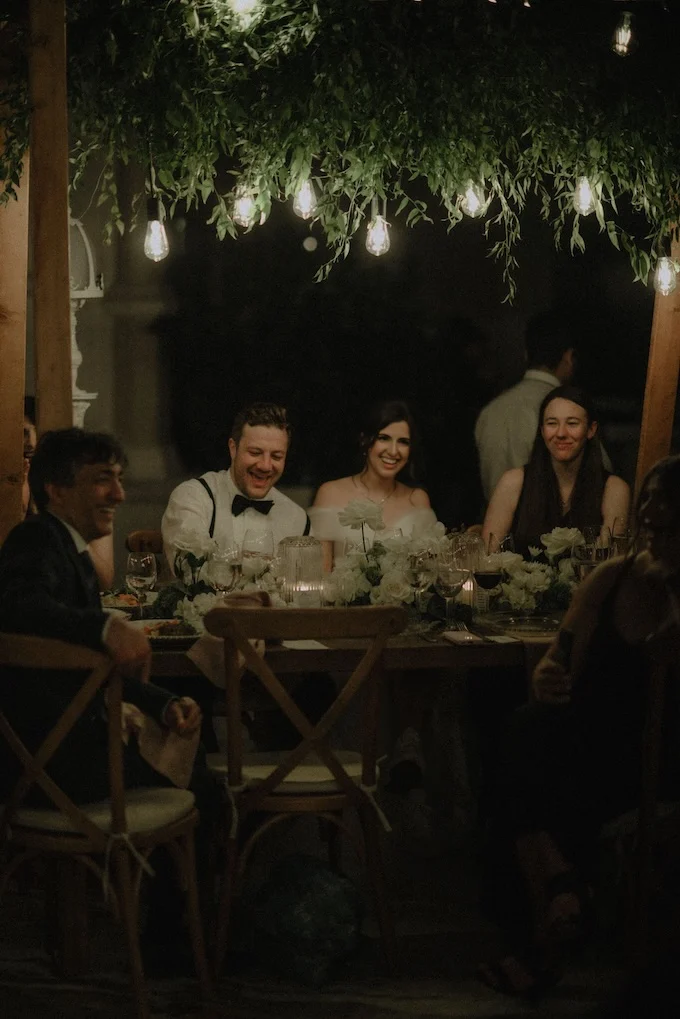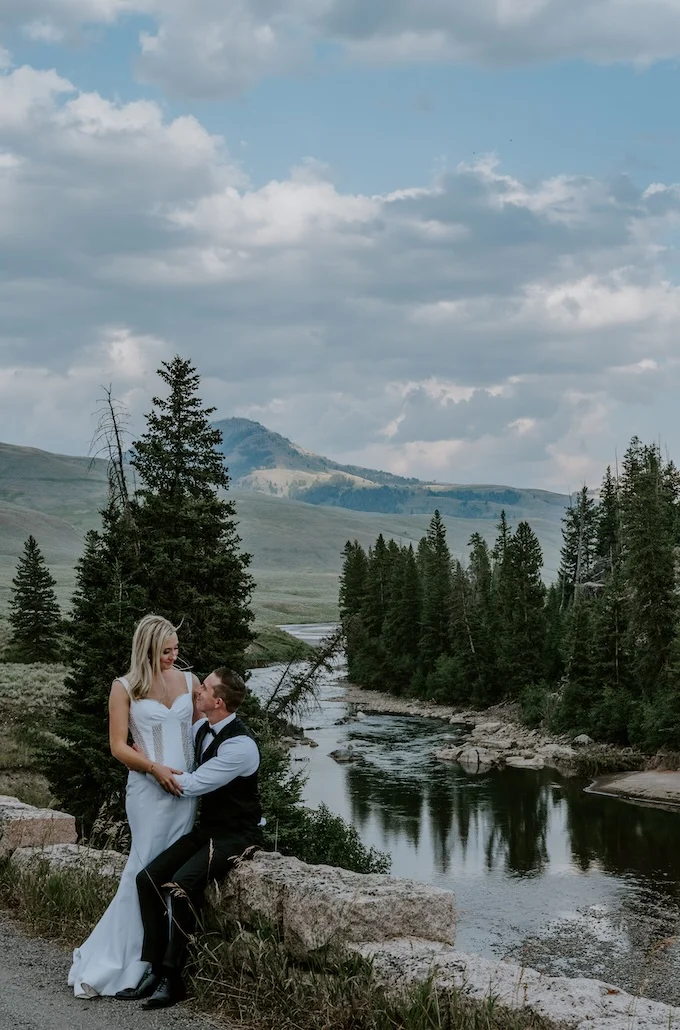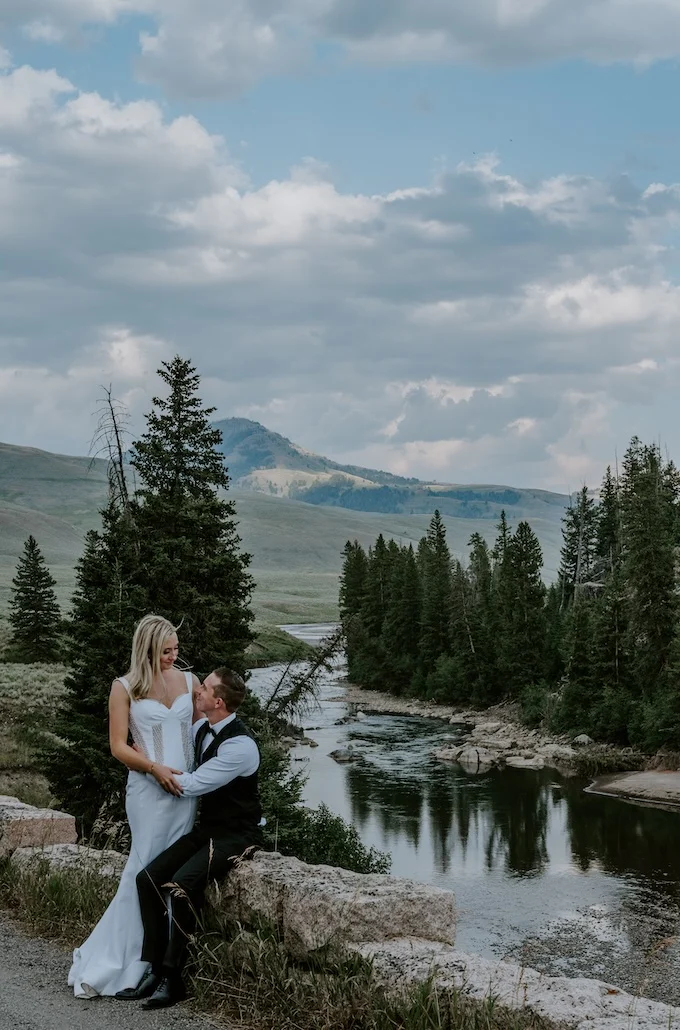
The allure of national parks for wedding and elopement photography has surged in popularity over the past five years, drawing increasing attention from couples and photographers alike. This trend is likely influenced by a confluence of factors, including the cultural impact of hit television series like "Yellowstone," the centennial celebrations of many park systems, and the post-pandemic surge in tourism to these natural havens. Yellowstone National Park, in particular, has emerged as a prime destination, experiencing record visitor numbers once access was reinstated. With 63 national parks across the United States, each offering unique landscapes, varied experiences, and accessible amenities, the appeal of a natural backdrop for such significant life events is undeniable. This burgeoning interest raises questions for photography professionals: is national park wedding and elopement photography a worthwhile specialization to pursue? This article delves into the intricacies of this niche, exploring its potential benefits and challenges for photographers.

The Growing Appeal of National Park Nuptials
The picturesque settings provided by national parks offer an unparalleled romantic backdrop for couples seeking an intimate and memorable wedding or elopement. From the geothermal wonders of Yellowstone to the dramatic canyons of Zion and the coastal beauty of Acadia, these protected landscapes provide a sense of grandeur and natural splendor that is difficult to replicate in traditional venues. The sheer diversity of environments ensures that couples can find a park that perfectly aligns with their aesthetic preferences, whether they envision a rugged mountain ceremony, a serene lakeside exchange of vows, or a desert elopement under vast skies.
The accessibility of many national parks is also a significant draw. While offering a sense of wildness, many parks feature well-maintained infrastructure, including paved roads, designated viewpoints, and accessible trails, which can accommodate guests with varying mobility needs. This balance between natural beauty and practical convenience makes national parks an attractive option for a wider range of couples compared to more remote or challenging destination wedding locations.

A Photographer’s Journey into National Park Elopements
Heather Woolery, a photographer specializing in weddings and elopements, shared her experience navigating this specialized field. Her first national park elopement took place in Joshua Tree National Park in 2018, an experience that ignited a passion for documenting these unique celebrations. Since then, she has photographed events in eleven national parks, with Yellowstone consistently ranking as her top destination.
Woolery’s deep connection with Yellowstone, stemming from childhood visits, provided a unique perspective as she transitioned to photographing weddings within its boundaries. After her first Yellowstone elopement in 2020, she began meticulously mapping out potential locations, cataloging details such as optimal times of day, visitor density, and seasonal considerations. This detailed approach allowed her to understand the park not just as a tourist destination, but as a dynamic environment conducive to wedding photography, enabling her to serve her Yellowstone-based clients with a heightened level of expertise.

Navigating the Unique Landscape of Park Photography
Unlike conventional wedding venues that often provide comprehensive planning services, officiant recommendations, and preferred vendor lists, national parks operate under a different paradigm. Photographers in this niche often find themselves stepping beyond their primary role to assist couples with crucial planning aspects. Many couples embarking on a national park wedding or elopement are unfamiliar with the intricate regulations, permit processes, transportation logistics, and accommodation options specific to these protected areas.
This is where elopement photographers can significantly enhance their service offerings. They become not just visual storytellers, but also invaluable guides, helping couples to translate their wedding visions into reality within the unique constraints and opportunities of a national park. This requires a deep understanding of park-specific rules and a proactive approach to research and problem-solving.

The Permit Process and Regulatory Considerations
A key aspect of national park wedding and elopement photography involves understanding and adhering to park regulations. Historically, national parks required photographers to obtain a Commercial Use Authorization (CUA) for any commercial activity, including photography. This process was often extensive and costly. However, recent policy shifts in some parks, such as Yellowstone, have streamlined requirements. Yellowstone now primarily requires couples to obtain a Special Use Permit (SUP) for elopements, which also serves as the photographer’s permit. This simplified process can reduce the administrative burden for both couples and photographers.
Despite these advancements, photographers must remain vigilant about specific park regulations. These can vary significantly from park to park and may include restrictions on group sizes, designated ceremony locations, vehicle access, and the use of certain equipment. Staying abreast of these evolving rules is paramount to ensuring a smooth and compliant photography experience.

Addressing Challenges: Timing, Location, and Crowds
Yellowstone’s immense popularity presents a unique challenge for wedding and elopement photography. As one of the most visited national parks in the United States, popular tourist hotspots like Old Faithful, Grand Prismatic Spring, and Mammoth Hot Springs can become overwhelmingly crowded, especially during peak seasons.
To circumvent these crowds and ensure an intimate photography experience for their clients, photographers must meticulously plan around peak visitor times and identify less congested, yet equally stunning, locations within the park. This might involve scheduling ceremonies and photos for early mornings, late afternoons, or even during shoulder seasons. Woolery’s strategy of creating detailed location maps, noting visitor patterns and seasonal variations, is a testament to the proactive planning required to deliver exceptional service in such high-traffic natural environments.

The Pros and Cons of National Park Wedding and Elopement Photography
Deciding whether to specialize in national park wedding and elopement photography involves weighing its distinct advantages against its inherent complexities.
Pros:

- Unparalleled Scenery: National parks offer breathtaking, diverse, and awe-inspiring backdrops that create visually stunning wedding photographs. The grandeur of nature provides a unique and memorable setting that resonates with many couples.
- Growing Market Demand: The increasing popularity of elopements and destination weddings, particularly in natural settings, signifies a growing market for photographers specializing in this niche. Couples are actively seeking professionals with expertise in these unique locations.
- Unique Client Experiences: Assisting couples in navigating the complexities of a national park wedding can lead to deeply rewarding client relationships. The photographer often becomes a trusted advisor, contributing significantly to the success of a once-in-a-lifetime event.
- Potential for Higher Value Services: The specialized knowledge and planning assistance required for national park weddings can justify higher pricing structures, reflecting the added value provided by the photographer.
- Personal Fulfillment: For photographers who appreciate nature and outdoor adventure, this specialization offers the opportunity to combine their professional skills with their personal passions.
Cons:
- Complex Permitting and Regulations: Navigating the permit processes and understanding the diverse regulations of different national parks can be time-consuming and require ongoing research.
- Logistical Challenges: Planning for national park weddings often involves overcoming logistical hurdles related to transportation, accommodation, weather variability, and accessibility, especially in remote areas.
- Crowd Management: Popular national parks can experience significant visitor traffic, requiring careful planning to ensure intimate and private wedding moments.
- Unpredictable Weather: Outdoor weddings in natural environments are subject to unpredictable weather conditions, which can necessitate flexible backup plans.
- Limited Amenities: Unlike traditional venues, national parks do not typically offer onsite services such as catering, officiants, or decor, placing a greater planning burden on the couple and, by extension, the photographer.
- Travel and Accommodation Costs: Photographers may incur additional costs related to travel, accommodation, and potentially park entrance fees when working in national parks, especially those located far from their home base.
The Future of National Park Wedding Photography
Despite the challenges, the trend towards national park weddings and elopements shows no signs of abating. The desire for authentic, nature-centric celebrations continues to grow, making this a promising area for photographers to explore. As more couples seek unique and personalized wedding experiences, the demand for photographers who can expertly guide them through the intricacies of planning and executing a wedding within a national park will likely increase.

For photographers considering this specialization, the key lies in developing a deep understanding of park systems, building a robust network of park-specific vendors and resources, and cultivating exceptional planning and problem-solving skills. The ability to go above and beyond the traditional role of a photographer to become an indispensable partner in the wedding planning process will be crucial for success.
Ultimately, the decision to specialize in national park wedding and elopement photography is a strategic one, requiring careful consideration of the investment in time, expertise, and resources. However, for those drawn to the unparalleled beauty of these protected landscapes and the unique joy of documenting a couple’s most significant moments within them, the rewards—both professional and personal—can be immense. The ability to craft a bespoke, once-in-a-lifetime experience for couples, set against the backdrop of some of the most stunning and diverse landscapes America has to offer, makes this a deeply fulfilling and potentially lucrative niche.

Heather Woolery, a Northwest-based photojournalist recognized for her earthy and nostalgic approach to documenting weddings and elopements globally, is at the forefront of this movement. Her work, which encompasses both digital and analog film, emphasizes capturing the essence of a couple’s journey against the backdrop of nature. Woolery is currently developing a series of digital guides aimed at engaged couples, slated for release in early 2025, further solidifying her commitment to supporting couples in their wedding planning endeavors, particularly within the context of unique and inspiring locations. Her extensive experience and dedication highlight the growing importance of specialized photography services for couples choosing unconventional and breathtaking wedding venues.