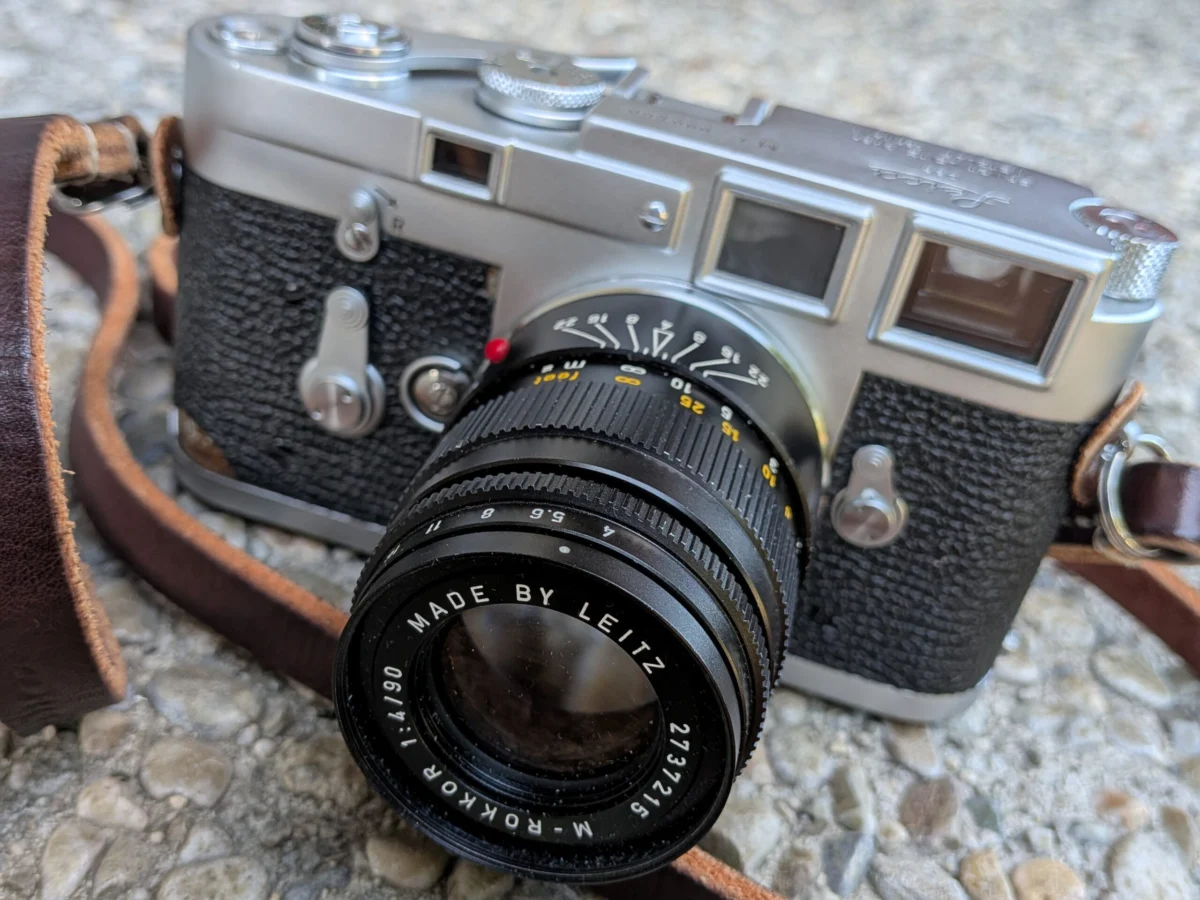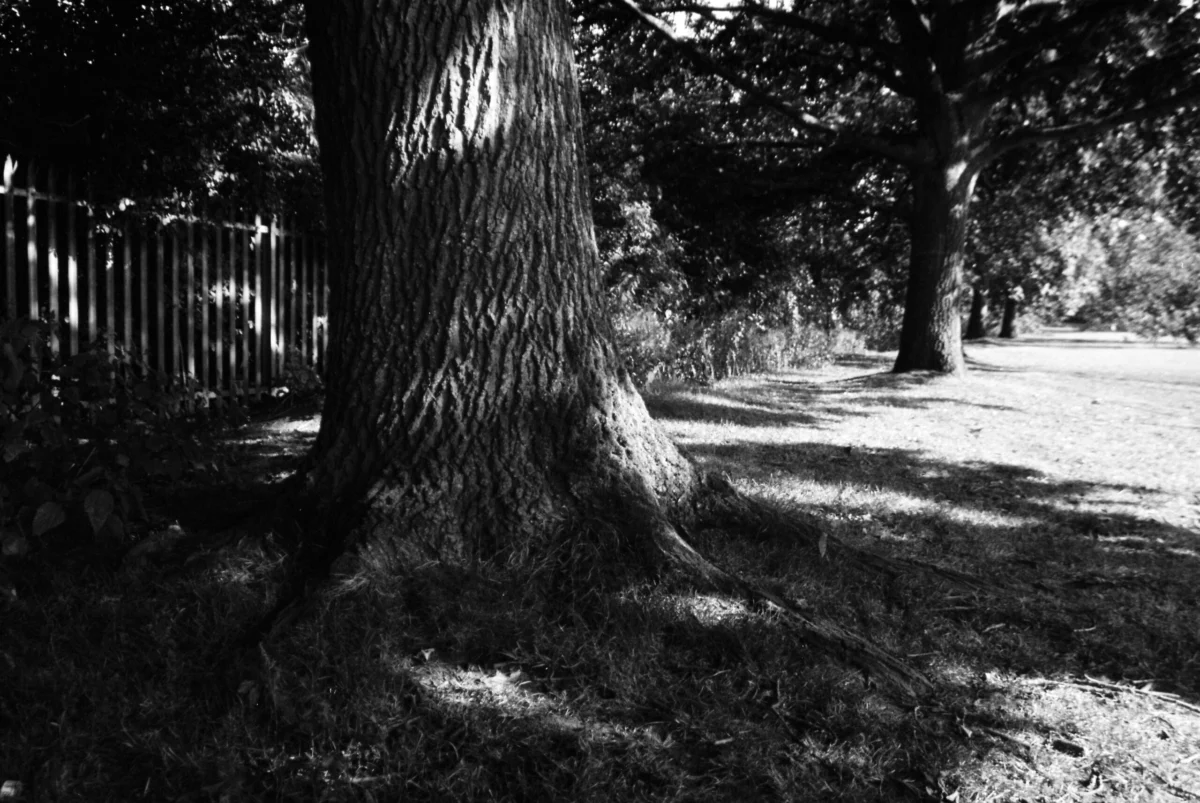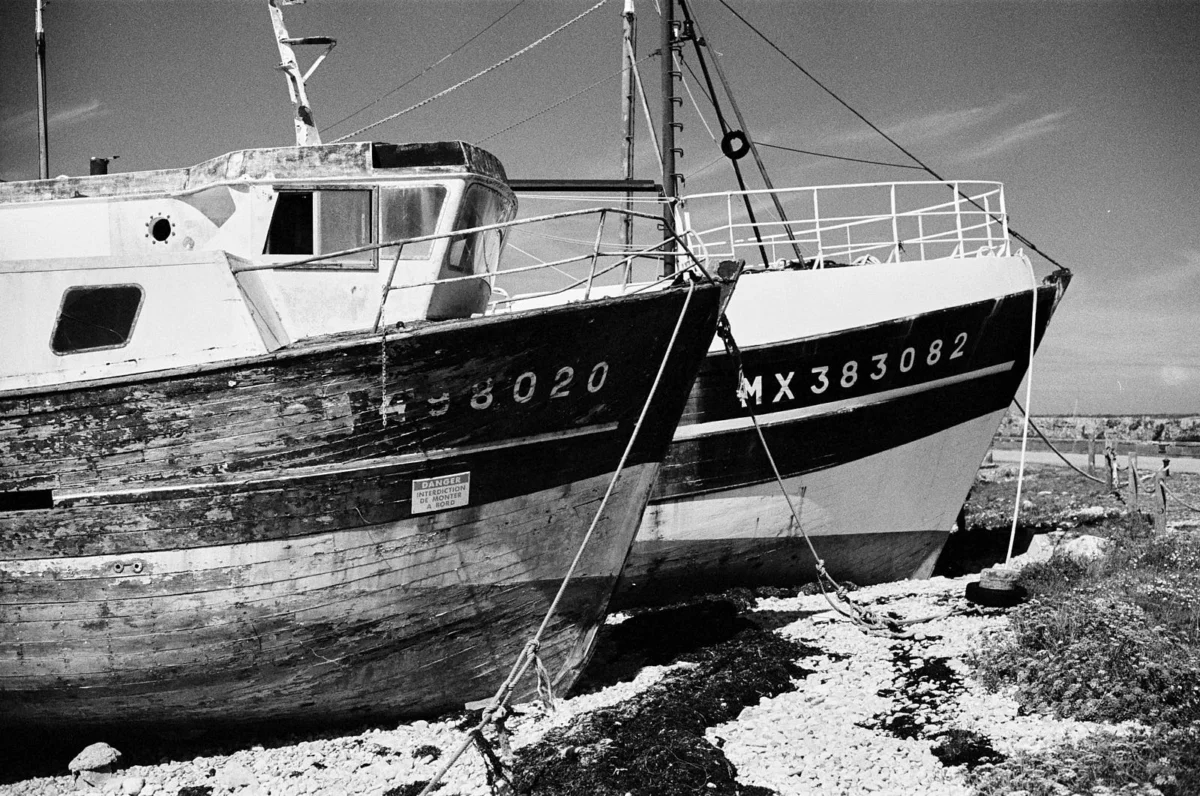
The application of the Zone System, a technical framework originally conceived for large-format photography, has found a resilient and evolving role within the contemporary 35mm film community. While historically associated with the slow, deliberate process of sheet film, photographers are increasingly adapting these rigorous exposure and development principles to the faster workflow of rangefinders like the Leica MP. This transition highlights a persistent challenge in analog photography: the reconciliation of precise light metering with the fleeting nature of natural illumination. For many practitioners, the primary obstacle remains the complex mental arithmetic required to "place" zones in real-time, a hurdle that has recently led to the development of specialized digital tools designed to bridge the gap between mid-century methodology and modern efficiency.
The Historical Foundation of the Zone System
To understand the current challenges faced by 35mm photographers, one must look to the origins of the Zone System. Developed in 1939–1940 by Ansel Adams and Fred Archer, the system was designed to provide photographers with a systematic method for pre-visualizing a final print. It divides the world of light into 11 zones, ranging from Zone 0 (pure black) to Zone X (pure white), with Zone V representing middle gray—the standard calibration for most light meters.
In its original context, the Zone System was inseparable from the use of large-format cameras. Because large-format photography utilizes individual sheets of film, a photographer could expose a single frame for a specific shadow value and then develop that specific sheet for a predetermined amount of time to control highlight density. This "N+1" (expansion) or "N-1" (contraction) development allowed for total control over the negative’s contrast.
The adoption of this system by 35mm photographers introduces a significant technical paradox. Unlike sheet film, a 36-exposure roll of 35mm film must be developed in its entirety. This means that while a photographer can vary the exposure for each individual frame, they cannot vary the development time for individual frames on the same roll. Consequently, the Zone System in the 35mm context has evolved from a holistic "exposure and development" system into a specialized "exposure discipline."
Technical Mechanics of Zone Placement in the Field
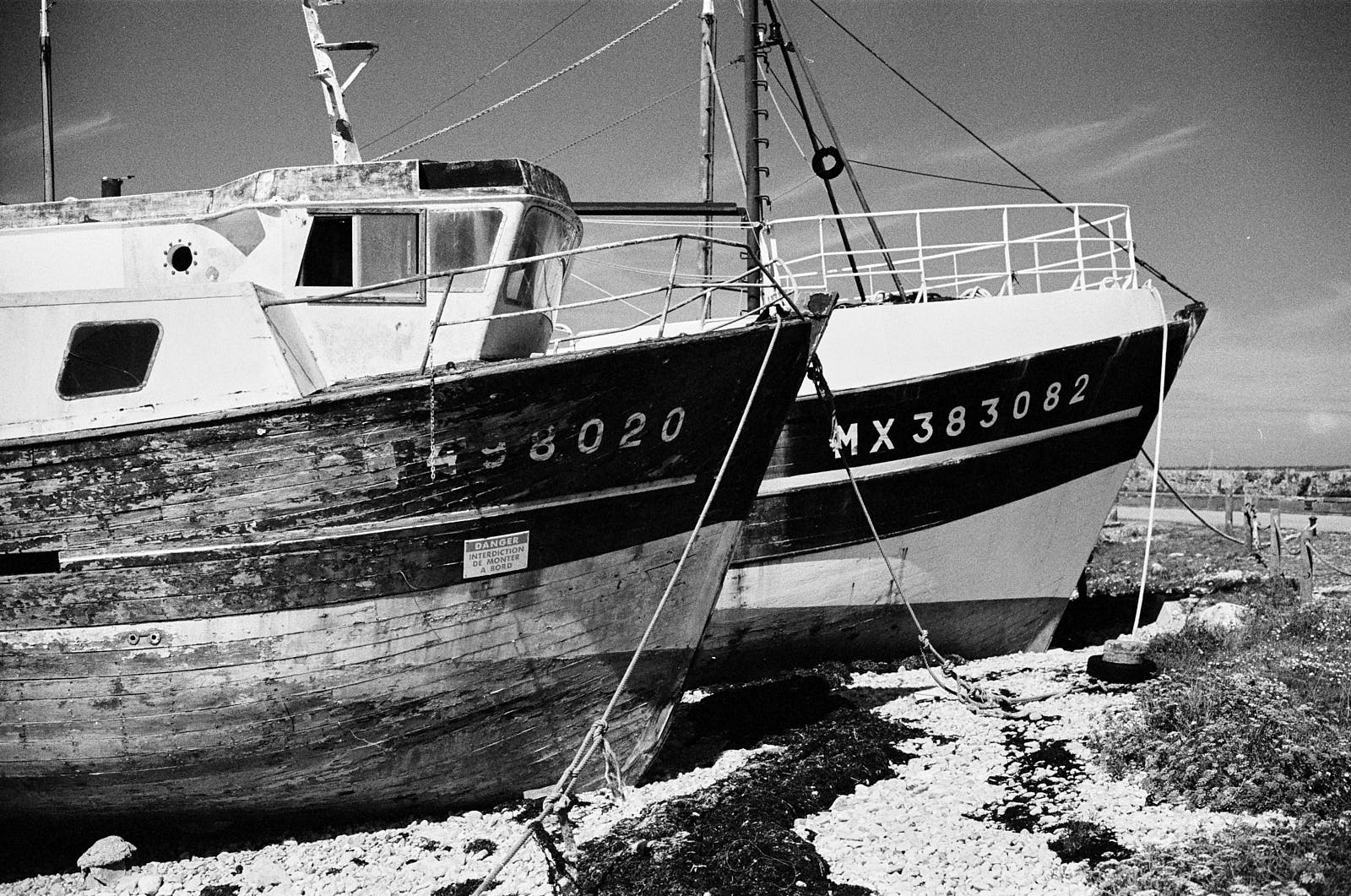
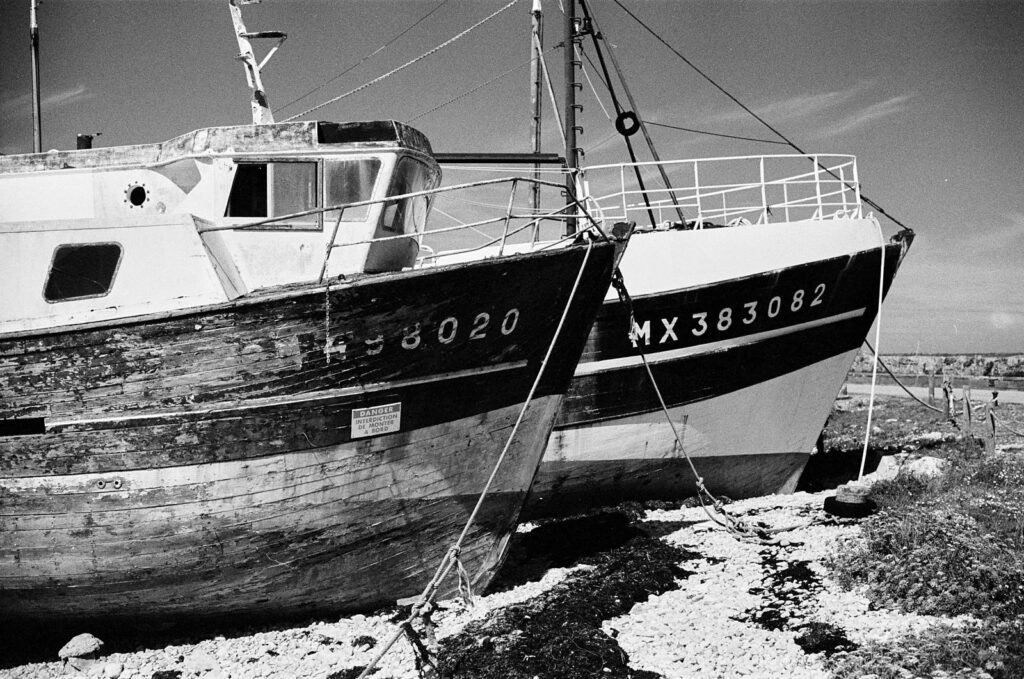
The fundamental mantra of the Zone System—"expose for the shadows, develop for the highlights"—remains the guiding principle for 35mm enthusiasts. However, the execution requires a high degree of technical proficiency. When a photographer meters a scene, the light meter provides a reading that would render the subject as Zone V (middle gray). If the photographer is metering a dark, tarred boat hull or a shadowed rock face where they wish to retain texture, they must manually adjust the exposure.
To achieve a "textured shadow," practitioners typically place the subject on Zone III. This requires closing down the aperture or increasing the shutter speed by two full stops from the meter’s reading. Following this placement, the photographer must then meter the brightest important highlight in the scene to determine where it "falls" on the scale. If the highlight lands on Zone VII or VIII, the scene is considered to have a normal contrast range. If it exceeds Zone IX, the photographer must prepare for a high-contrast negative that will require careful handling during the printing or scanning phase.
This process, while scientifically sound, is fraught with the risk of human error. Each step involves "stop counting"—the mental calculation of exposure values (EV) and their relationship to aperture and shutter speed settings. In dynamic environments, such as the coastal light of Brittany or busy urban streets, the time taken to perform these calculations often results in the "decisive moment" being lost as the light shifts or the subject moves.
The 35mm Compromise: One Roll, One Development
The transition of the Zone System to roll film necessitates a strategic compromise. Since the entire roll receives the same chemical treatment, the photographer must make a "global" decision regarding contrast. This usually takes two forms:
- Pre-emptive Roll Rating: If a photographer knows they will be shooting in high-contrast environments—such as hard midday sun on white surfaces—they may choose to rate the entire roll differently or plan for a "soft" development (N-1) for the whole 36-exposure set.
- Exposure Consistency: The primary goal becomes ensuring that every frame has printable shadows. While highlights can often be recovered or "burned in" during the darkroom printing process or adjusted via digital curves in a scan, lost shadow detail due to underexposure is permanent.
Data suggests that for films like Kodak Tri-X, which possesses significant exposure latitude, the risk of "blocking up" highlights is less severe than the risk of "muddy" shadows. Therefore, the modern 35mm Zone System practitioner prioritizes the lower half of the scale, ensuring that Zone III is accurately placed to guarantee grain and texture in the darkest areas of the image.
The Intersection of Software and Silver Halide
The mental overhead of the Zone System has led to a new trend in the analog community: the creation of digital companion tools. Jürgen Suk, a software developer and film photographer, recently highlighted this shift by developing ZoneCalc, an iOS tool designed to handle the arithmetic of the system.
Suk’s journey reflects a broader movement within the "Film Renaissance" where photographers are using digital technology not to replace the analog process, but to remove the friction points that distract from the creative act. For Suk, the goal was to eliminate the need for laminated index cards and manual stop-counting while standing behind a Leica MP. By inputting a meter reading and selecting a desired zone placement, the software provides the necessary exposure settings and links them to tested development times.
This digital intervention addresses the "arithmetic fatigue" that often leads to exposure errors. A single-stop error in shadow placement can be the difference between a professional-grade negative and a discarded frame. By outsourcing the math to a calculator, photographers can maintain their focus on composition and lighting.
Chemical Calibration and Empirical Testing
A critical component of the successful application of the Zone System is the move away from "published" development times. Manufacturers like Kodak and Ilford provide standard charts for their films, but seasoned photographers argue that these are merely starting points.
True precision requires empirical testing by the individual. For example, a photographer might rate Kodak Tri-X (nominally ISO 400) at an Exposure Index (EI) of 320 to ensure more shadow detail, then develop it in Rodinal at a 1:50 dilution for exactly 13 minutes at 20°C. These specific "personal" times are what allow the Zone System to function effectively on 35mm film. The shift from "guessing" to "knowing" the chemical response of the film is what differentiates the casual hobbyist from the technical artisan.
Analyzing the Impact of Reciprocity and Environment
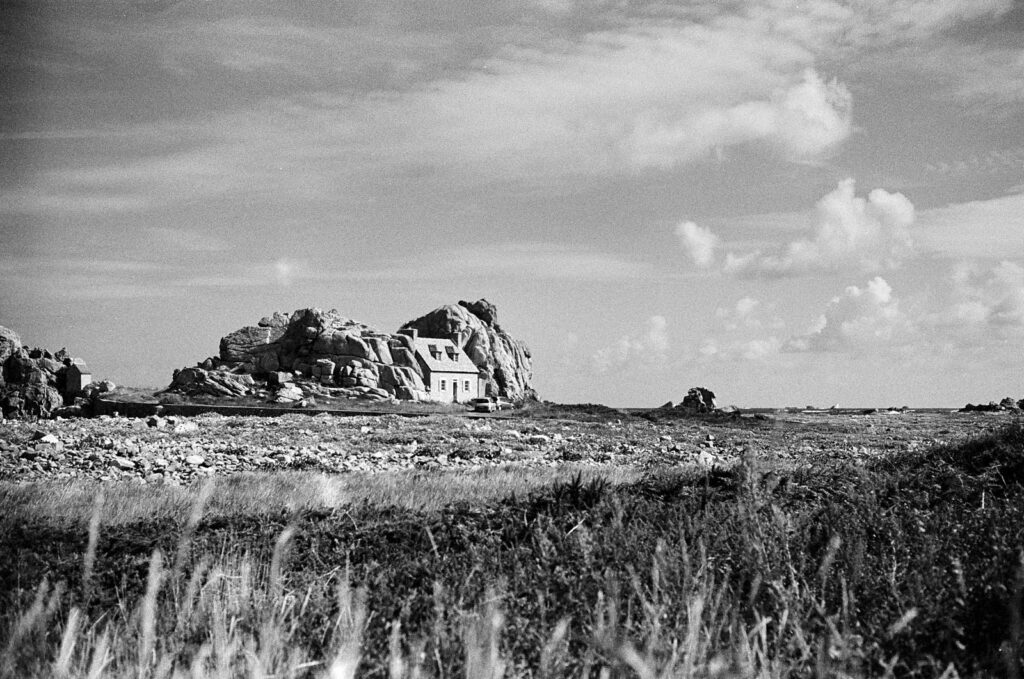
The environmental context of the shoot also dictates the necessity of the Zone System. In long-exposure photography, reciprocity failure—the phenomenon where film becomes less sensitive during extended exposures—adds another layer of mathematical complexity. However, for 35mm street and landscape photography conducted in daylight, reciprocity failure is often a "non-problem," as shutter speeds remain high enough for the film to maintain a linear response.
The durability of the Zone System in the 21st century is a testament to its logical robustness. Despite being over 80 years old, it remains the most effective way to communicate the relationship between light, film, and the final image. The emergence of tools like ZoneCalc suggests that the analog community is not interested in a "pure" historical reenactment of photography, but rather in a hybrid approach that values the aesthetic of film and the precision of modern calculation.
Implications for the Future of Analog Photography
As film prices continue to rise, the "cost per frame" has increased significantly, making exposure accuracy more than just an aesthetic preference—it is now an economic necessity. The adoption of the Zone System on 35mm film, supported by digital tools, represents a maturation of the film revival.
The broader implications suggest that the future of analog photography lies in this "high-tech, low-tech" synergy. By reducing the failure rate of exposures through better discipline and better tools, photographers are able to produce higher-quality work that justifies the continued production of silver halide materials. The consensus among technical experts is clear: the less arithmetic a photographer has to perform with the camera at their eye, the better their negatives will be. Whether through a notebook, a mental map, or a smartphone app, the goal remains the same—capturing the full range of light with intentionality and precision.