The democratization of high-quality digital imaging has reached a pivotal juncture as mobile devices, particularly the iPhone, evolve into sophisticated tools capable of rivaling traditional DSLR and mirrorless systems in specific portraiture contexts. As social media platforms and digital portfolios demand increasingly professional visual content, the ability to utilize advanced mobile photography techniques has become a requisite skill for both enthusiasts and professional creators. Recent data from industry analysts suggest that mobile photography now accounts for over 90% of all digital images captured globally, with the iPhone consistently ranking as the most used camera on platforms such as Flickr and Instagram. This shift is driven not only by hardware advancements—such as larger sensors and faster apertures—but also by the sophisticated computational photography engines found in Apple’s A-series silicon. To bridge the gap between casual snapshots and compelling portraiture, photographers are increasingly adopting specialized methodologies that leverage light, composition, and narrative styling.
The Evolution of Mobile Portraiture: A Brief Chronology
To understand the current state of iPhone portraiture, one must look at the technological trajectory of the device. The introduction of "Portrait Mode" with the iPhone 7 Plus in 2016 marked a significant milestone, utilizing dual-lens systems to map depth and simulate optical bokeh. Since then, the integration of LiDAR (Light Detection and Ranging) in Pro models and the refinement of "Deep Fusion" and "Smart HDR" have allowed for unprecedented detail in varying lighting conditions. This chronological advancement has shifted the photographer’s focus from overcoming hardware limitations to mastering creative execution. Today, the "iPhone Photography School" and independent creators like Aeriel Orndorff emphasize that the distinction of a "professional" portrait lies in the intentionality of the shot rather than the size of the lens.
1. Mastering High-Contrast Lighting for Dramatic Impact
One of the most effective ways to elevate a mobile portrait is through the strategic use of high-contrast light, a technique rooted in the classical art concept of chiaroscuro. In a journalistic or professional context, high-contrast lighting is defined by the presence of intense highlights and deep, often "crushed," shadows within a single frame. This technique is particularly effective on the iPhone due to the device’s sophisticated exposure slider.
When shooting outdoors, a sunny day provides the ideal environment for high-contrast work. By positioning a subject at the intersection of direct sunlight and a dark architectural shadow, the photographer can create a stark visual divide. The technical execution involves tapping the subject’s face on the iPhone screen to lock focus and then swiping down on the exposure sun icon to darken the shadows. This ensures that the sensor does not overcompensate for the dark areas, which would otherwise result in "blown-out" highlights. Indoors, window light serves as a soft but directional source. Positioning a subject so that exactly half of the face is illuminated creates a "split lighting" effect, often used in editorial photography to convey mystery or gravity.
2. Creative Implementation of Light Patterns and Textures
Beyond simple illumination, light can be used as a textural element to add complexity to a portrait. Light patterns, or "gobos" (go-betweens), are created when light passes through an object before hitting the subject. This technique breaks up the uniformity of the skin and adds a layer of visual interest that keeps the viewer’s eye moving across the frame.
Common natural sources for these patterns include window blinds, beveled glass, or the dappled light found beneath a tree canopy. For more avant-garde results, photographers are increasingly using household objects as modifiers. A common kitchen strainer, for example, can cast a geometric mesh of light and shadow across a subject’s features. The key to successful pattern photography on the iPhone is the management of skin tones; reducing exposure is critical to prevent the bright parts of the pattern from losing detail. By moving the subject through these patterns, the photographer can highlight specific features, such as the eyes, while allowing the rest of the face to recede into shadow.
3. Posing Techniques: Framing and Perspective
The physical arrangement of the subject—posing—is often where amateur photography falters. Professional-grade portraits require a departure from static, "mugshot" style poses.
- Natural Framing: Using the subject’s own hands to frame the face is a foundational technique. Placing one hand near the jawline and another higher up creates a triangular composition that leads the eye directly to the subject’s gaze. This also serves a psychological purpose, as it gives the subject a "task," often resulting in a more relaxed and authentic expression.
- The Sensual Tilt: Asking a subject to tilt their head back slightly while touching the neck can create an elegant, editorial vibe. This pose elongates the neck and emphasizes the jawline, a common tactic in fashion photography.
- Low-Angle Dynamics: Utilizing the iPhone’s wide-angle lens from a low perspective can radically alter the viewer’s perception. By shooting upward from near the ground, the subject gains a sense of dominance and stature. Incorporating movement, such as a kick toward the lens, creates a three-dimensional effect that is rarely seen in standard eye-level photography.
4. Evoking Dreamy Narratives through Motion
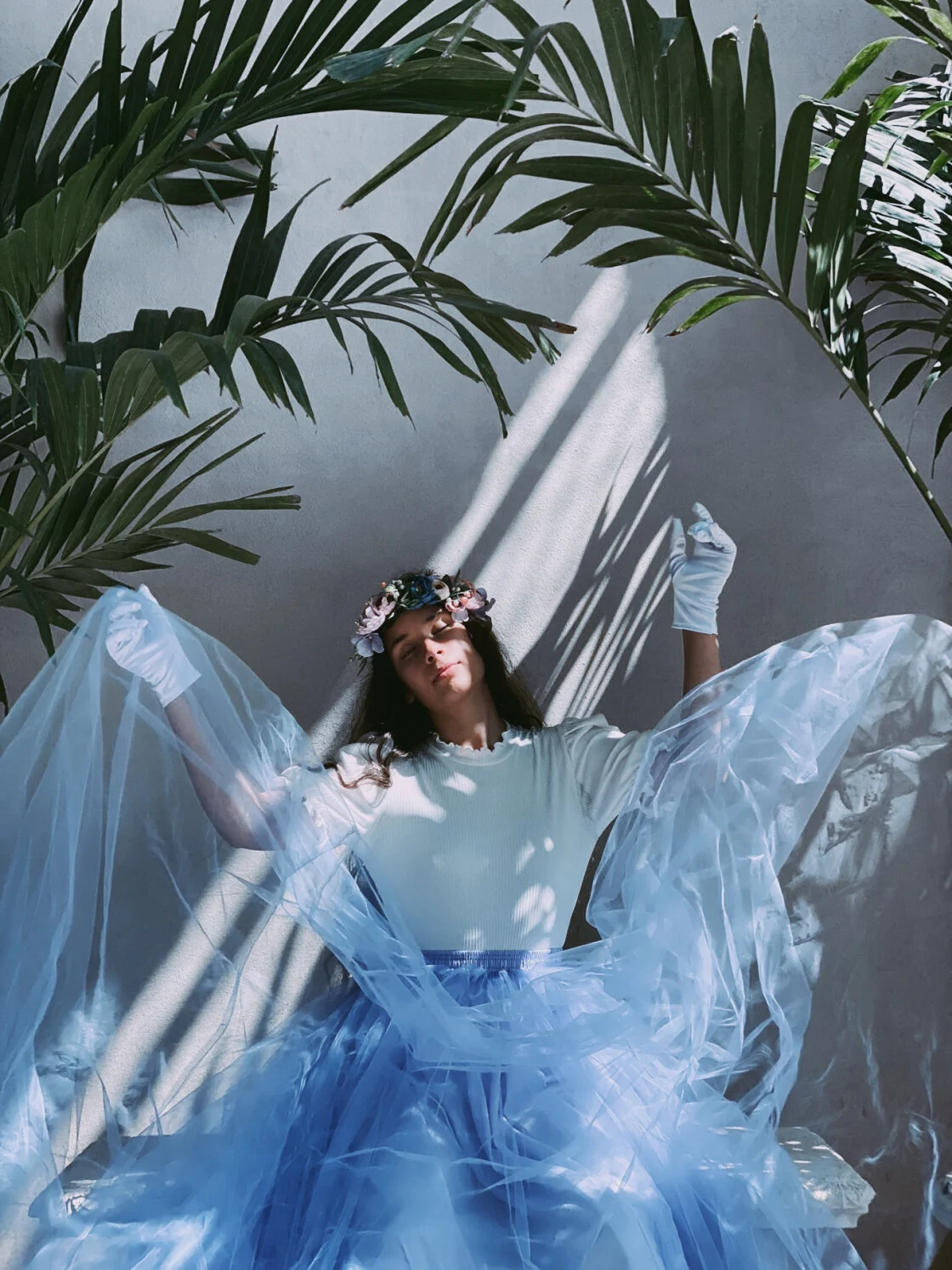
While drama is achieved through contrast, "dreamy" or ethereal moods are achieved through fluidity. This aesthetic relies on three pillars: movement, relaxed expressions, and elegant limb placement.
A significant technical advantage for iPhone users in this regard is "Burst Mode." When capturing movement—such as the fall of a long dress or the flow of hair—the human eye often misses the "perfect" frame. By dragging the shutter button to the left (on newer models) or holding it down (on older models), the iPhone captures a rapid sequence of images. This allows the photographer to select the exact moment when the fabric reaches its most aesthetically pleasing shape. To complement this, subjects are often directed to close their eyes or maintain a "soft" gaze, which reduces the intensity of the image and enhances the peaceful, narrative quality of the shot.
5. Complex Compositions with Multiple Subjects
Photographing two or more people introduces challenges in depth of field and interpersonal dynamics. To avoid the cluttered look of "group photos," professional mobile photographers use depth-based posing.
Instead of standing subjects side-by-side on the same plane, placing them at different distances from the camera creates a layered effect. If the iPhone’s "Portrait Mode" is active, the software will naturally blur the subject further away, creating a shallow depth of field that mimics expensive f/1.8 or f/1.4 lenses. For siblings or close friends, a "split-face" close-up—where each person’s face occupies half the frame—provides a powerful study in similarity and difference. In couple’s photography, directing subjects to look away from the camera while embracing shifts the focus from the viewer to the relationship itself, creating a more intimate, fly-on-the-wall perspective.
6. The Role of Props in Visual Storytelling
In professional journalism and commercial photography, props are never accidental; they are narrative devices. A prop should either provide context to the subject’s life or evoke a specific emotional response.
- Floral Elements: Flowers can symbolize growth, fragility, or romance. Integrating them into a blindfold, as demonstrated by creators like Orndorff, adds a surrealist layer to the portrait.
- Vintage and Period Pieces: Using an old car or era-specific clothing can transport the viewer to a different time, a technique often used in "lifestyle" branding.
- Coziness and Intimacy: Simple items like a coffee cup or a book immediately signal a quiet, domestic narrative to the viewer.
The integration of props requires a balance; the object must support the subject, not distract from them. The iPhone’s ability to quickly adjust focus between the prop and the subject allows for "rack focus" style storytelling in a single still image.
7. Wardrobe Styling and Environmental Cohesion
The final element of a compelling portrait is the aesthetic harmony between the subject’s clothing and the environment. This is grounded in color theory—the study of how colors interact to create specific moods.
For a harmonious, "fine art" look, photographers suggest matching the wardrobe to the environment’s natural tones. For instance, neutral linens or floral prints work seamlessly in a meadow or forest. Conversely, a "pop" of color—such as a red dress against a grey concrete cityscape—creates a high-energy, modern aesthetic that immediately grabs attention on digital feeds. Soft fabrics like wool and silk are preferred for their ability to catch light and add tactile depth to the image.
Broader Impact and Professional Implications
The rise of high-end iPhone photography has significant implications for the professional imaging industry. Market research indicates that the "Prosumer" segment of the camera market is shrinking as smartphones become "good enough" for many commercial applications, including social media marketing, headshots, and editorial content.
Professional photographers are increasingly incorporating iPhones into their workflows as "B-cameras" or for behind-the-scenes content. The ease of use, combined with the ability to edit and publish directly from the device using apps like Adobe Lightroom Mobile or Snapseed, has shortened the production cycle from hours to minutes. However, experts agree that while the technology has been democratized, the "photographic eye"—the understanding of light, shadow, and human connection—remains the true differentiator.
As Apple continues to push the boundaries of computational photography, the line between mobile and traditional photography will continue to blur. For the modern creator, the 7 techniques outlined above are not just "tips" but essential components of a new visual language that prioritizes creativity and accessibility over expensive hardware. The success of photographers like Aeriel Orndorff serves as a testament to the fact that the most important piece of equipment in any shoot is the one currently in the photographer’s hand.