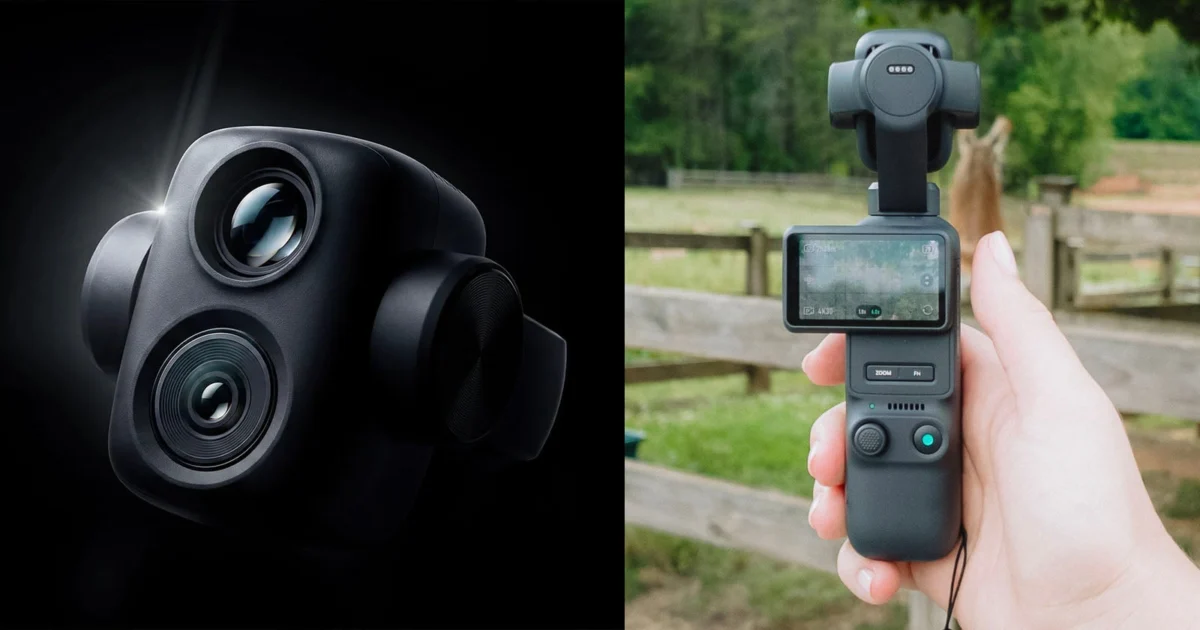
Just days after the Federal Communications Commission (FCC) initiated actions placing Xtra and other similar companies squarely in its regulatory crosshairs, Xtra has abruptly removed its highly anticipated Muse 2 Pro from its official website, ceased all preorders, and announced that it would begin processing refunds for affected customers. This sudden reversal marks a significant development in the ongoing saga surrounding companies accused of distributing technology that closely mimics products from DJI, a Chinese drone and camera giant currently facing stringent import restrictions in the United States due to national security concerns.
The Unraveling: A Chronology of Regulatory Scrutiny
The narrative leading to Xtra’s drastic decision is a complex one, deeply intertwined with evolving geopolitical tensions and an increasingly assertive regulatory environment in the United States. For years, concerns have mounted within various U.S. government agencies regarding the potential national security risks posed by technology originating from certain foreign adversaries, particularly China. DJI, a dominant force in the drone and consumer camera market, found itself at the epicenter of these concerns, leading to its inclusion on various restricted lists and effectively barring its latest products, such as the Osmo Pocket 4 and Osmo Pocket 4P gimbal cameras, from direct sale in the U.S. market.
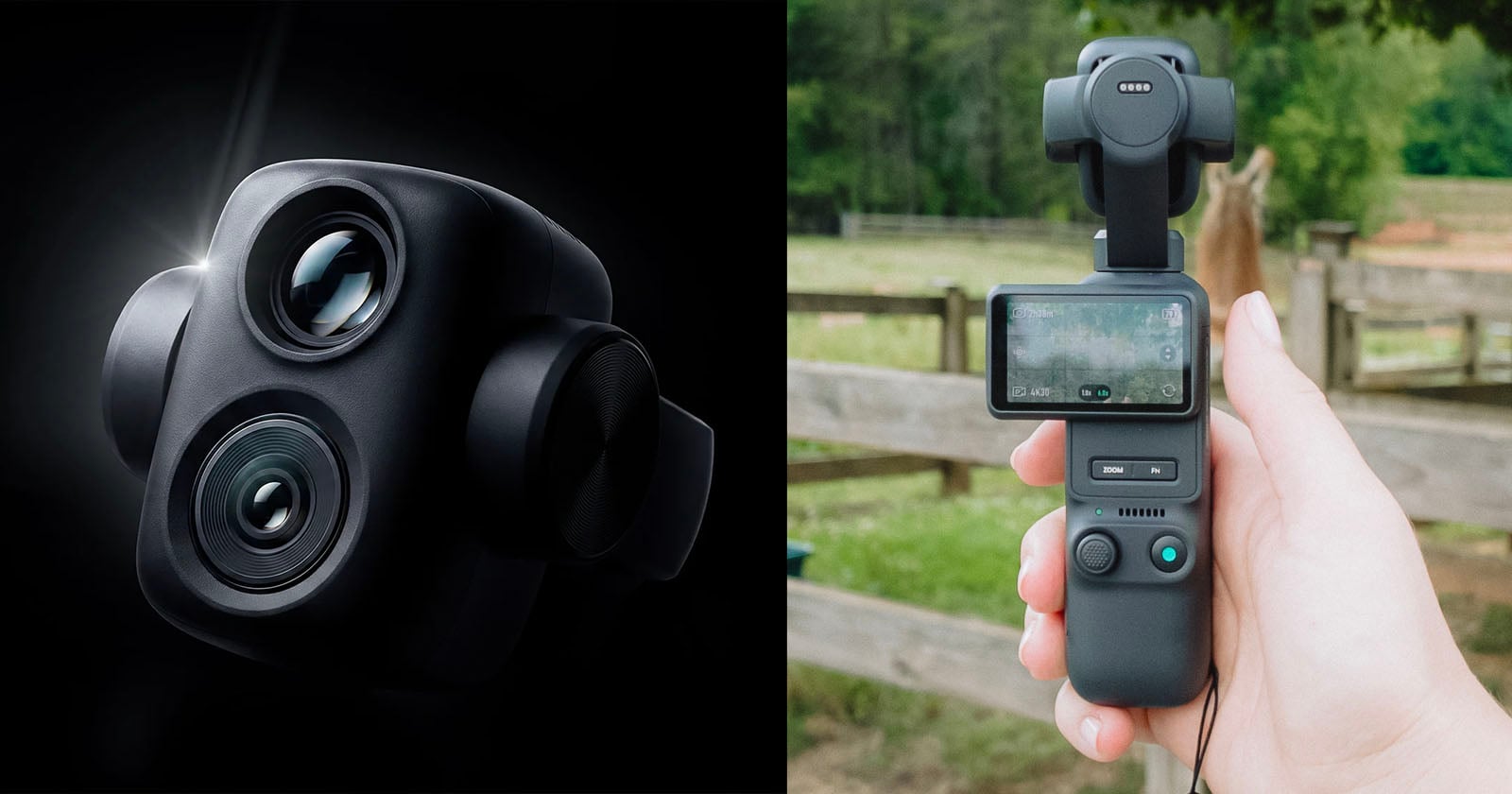
It was against this backdrop that companies like Xtra emerged, offering products that bore striking resemblances to DJI’s restricted offerings. The Xtra Muse 2 and Muse 2 Pro, in particular, were widely perceived as near-identical clones of the DJI Osmo Pocket 4 and Osmo Pocket 4P, featuring only minor aesthetic or functional tweaks. For a period, it appeared these "DJI-lookalikes" might successfully navigate the labyrinthine U.S. import regulations, much as Xtra had reportedly managed to introduce other "awfully familiar products" to American consumers in the past, seemingly bypassing tariffs and restrictions that would otherwise apply to direct imports of DJI goods. PetaPixel, for instance, had noted Xtra’s pattern of offering such products as early as October 2025.
However, the regulatory landscape began to shift dramatically in recent months. The FCC, charged with regulating interstate and international communications by radio, television, wire, satellite, and cable, intensified its focus on companies allegedly facilitating the entry of prohibited technology into the U.S. market. The enforcement actions against these entities commenced with significant fines, as reported on July 10, 2026, targeting multiple companies that the FCC accused of bringing "DJI tech into the U.S." under dubious pretenses. This initial wave of penalties served as a clear warning shot across the bow of companies like Xtra.
The situation escalated further just days before Xtra’s announcement. On July 21, 2026, the FCC made public its intent to impose outright bans on the import and sale of products from Xtra and other similar companies. While these new bans are not immediately effective, pending a mandatory 30-day public commenting period designed to gather stakeholder input, the writing on the wall was evidently clear enough for Xtra. Rather than await the final verdict, the company swiftly moved to pre-emptively halt its operations related to the Muse 2 Pro.
The immediate notification of this halt came through an email sent to early bird program participants, as highlighted by photographer Francis Alvarez, who shared the communication on Threads. Xtra’s official statement, as detailed on its website’s Muse 2 Pro Early Access page, cited an "unable to confirm a reliable launch timeline at this stage" as the reason for pausing the program. While this phrasing leaves a glimmer of hope for a potential future restart in the U.S. if regulatory conditions change, the company’s decision to refund all customer deposits underscores the profound uncertainty it faces. "We have not announced a new product launch timeline at this time. Further information will be shared separately once the relevant plans are confirmed," Xtra concluded in its communication, offering little in the way of concrete future plans.
The Heart of the Matter: Clones, Circumvention, and National Security
The crux of the FCC’s concern, and indeed the entire controversy, revolves around the nature of Xtra’s products and their alleged origins. The Muse 2 and Muse 2 Pro are not merely inspired by DJI’s designs; they are widely regarded as functional and aesthetic replicas. This cloning strategy, while not uncommon in the consumer electronics market, takes on a new dimension when the original manufacturer, DJI, is subject to specific U.S. government restrictions.
The restrictions on DJI stem from Section 889 of the National Defense Authorization Act (NDAA), among other policies, which prohibits federal agencies and contractors from procuring or using telecommunications and video surveillance equipment or services from certain Chinese companies, including DJI, deemed to pose national security risks. The primary concerns often cited include potential data espionage, backdoors that could allow foreign governments access to sensitive information, and the broader implications for critical infrastructure security. While these direct bans apply to government entities, the spirit of the legislation and subsequent regulatory actions aim to limit the proliferation of such technology within the U.S. ecosystem.
The FCC, in its recent enforcement actions, has been explicit in its position that these "front companies" utilizing DJI technology failed to adequately explain the provenance of their products. The implication, strongly suggested by regulatory bodies and industry analysts, is that these companies intentionally obscured their supply chains because their technology derived directly or indirectly from banned DJI components or designs. By rebranding and reselling, they attempted to create a loophole, effectively allowing DJI’s restricted technology to enter the U.S. market through alternative channels.
This circumvention not only undermines the intent of U.S. national security directives but also creates an uneven playing field for legitimate companies operating within the regulatory framework. The U.S. government’s consistent message has been clear: supply chain integrity and data security are paramount, and attempts to bypass these protections will be met with robust enforcement.
FCC’s Stance and Enforcement Mechanisms
The Federal Communications Commission plays a critical role in ensuring the integrity of the U.S. communications infrastructure and safeguarding national security interests within its purview. Its authority extends to approving electronic devices for sale in the U.S. market, a process that includes verifying compliance with various technical standards and, increasingly, scrutinizing supply chain origins.
When the FCC issued fines to Xtra and other alleged "front companies" earlier this month, it did so under existing regulations that mandate transparency and compliance from all entities introducing electronic devices into the U.S. market. The failure of these companies to provide satisfactory explanations regarding their technology sources, especially when those sources are widely suspected to be restricted, constitutes a serious violation. The fines serve as a punitive measure and a deterrent, aiming to recover financial penalties for non-compliance and discourage future violations.
The subsequent move to propose outright import and sale bans represents a more severe escalation. The mechanism for these bans involves a public notice period, typically 30 days, during which interested parties can submit comments, data, and arguments for or against the proposed action. This period ensures due process and allows for a comprehensive review of the potential impacts. However, given the FCC’s clear stance on national security and its prior actions against these companies, the likelihood of these bans being reversed or significantly altered appears exceedingly low.
The FCC’s actions are not isolated but are part of a broader U.S. government strategy to secure its technology supply chains. This strategy includes initiatives from the Department of Commerce, the Department of Defense, and other agencies, all working to identify and mitigate risks posed by foreign-sourced technology, particularly from countries identified as strategic competitors. The message is unequivocal: companies operating in the U.S. market must adhere to stringent disclosure requirements and cannot serve as conduits for technologies deemed harmful to national security.
Market Implications and Industry Reactions
The immediate impact of Xtra’s decision is multi-faceted, sending ripples through various segments of the consumer electronics market.
For Xtra: The company faces an uncertain future. Halting preorders and issuing refunds carries significant financial implications, including lost revenue, administrative costs associated with processing refunds, and potential damage to its brand reputation. The inability to launch its flagship product in the lucrative U.S. market could severely cripple its business model, which seemingly relied on offering near-identical alternatives to popular but restricted products. Without a clear path forward for its current product line, Xtra may be forced to re-evaluate its entire strategy, potentially requiring a complete redesign of its products with verifiable non-restricted components, or even considering an exit from the U.S. market altogether. The company’s silence to PetaPixel’s inquiries further underscores its precarious position.
For Consumers: Early adopters and prospective buyers of the Muse 2 Pro are left disappointed. Many had likely placed preorders hoping to acquire a device with DJI-level performance at a potentially more accessible price point or as a direct substitute for the unavailable Osmo Pocket 4. While refunds mitigate financial loss, the frustration of delayed or canceled access to desired technology remains. This incident also raises questions about consumer confidence in "alternative" brands that emerge in response to market restrictions. Consumers may become warier of products whose supply chains are opaque or whose legality is uncertain.
For DJI: Paradoxically, while DJI itself cannot directly sell its latest Osmo Pocket cameras in the U.S., the FCC’s crackdown on "clones" indirectly benefits the company by preventing its technology from being distributed through unauthorized channels. This action reinforces the effectiveness of the ban, ensuring that the market for such devices remains closed off to DJI’s designs, whether directly or indirectly supplied. It also sends a message to other potential cloners that such circumvention will not be tolerated.
For the Broader Market: The FCC’s actions are likely to have a significant chilling effect on other companies that might have considered similar strategies of re-branding or reselling restricted technology. This case sets a clear precedent, demonstrating the FCC’s willingness and capability to enforce its regulations rigorously. It compels all players in the consumer electronics supply chain to exercise greater diligence in verifying the origin and compliance of their products. This could lead to a more transparent and compliant market in the long run, albeit potentially with fewer immediate choices for consumers in specific product categories. For instance, the market for compact gimbal cameras in the U.S., a niche dominated by DJI globally, might now see increased innovation from non-Chinese manufacturers or a greater focus on domestic production and component sourcing to avoid similar regulatory pitfalls.
Industry analysts, while not explicitly quoted, would likely view this as an expected outcome given the escalating rhetoric and enforcement actions from U.S. regulators. The message is unambiguous: the U.S. government is serious about its national security concerns related to technology supply chains, and attempts to skirt these regulations will be met with severe consequences.
The Geopolitical Undercurrents: US-China Tech Tensions
This specific incident involving Xtra and the FCC is not an isolated event but rather a microcosm of the broader, ongoing technological and geopolitical tensions between the United States and China. Over the past decade, competition in the tech sector has increasingly become a battleground for global influence, economic dominance, and national security.
The U.S. government has articulated concerns across various domains, including intellectual property theft, state-sponsored cyber espionage, and the potential for Chinese technology companies to be compelled by Beijing’s national intelligence laws to cooperate with intelligence-gathering efforts. These concerns have led to a series of targeted actions, including export controls, import bans, and sanctions against prominent Chinese tech firms like Huawei, ZTE, and more recently, DJI.
The case of Xtra highlights the complexity of enforcing these restrictions. As technology supply chains are globally interconnected, and product designs can be easily replicated, policing the origins of components and intellectual property becomes a formidable challenge. The FCC’s actions against Xtra and similar companies demonstrate a determination to close perceived loopholes and reinforce the integrity of U.S. regulatory frameworks. This move sends a clear signal that the U.S. will actively pursue entities that it believes are undermining its national security objectives, regardless of how many layers of branding or corporate structures are placed between the original manufacturer and the end consumer.
The long-term implications of these tensions for global tech trade are profound. They are fostering a trend towards "decoupling" in certain strategic sectors, with countries increasingly seeking to diversify their supply chains and reduce reliance on single-country suppliers, particularly those deemed geopolitical rivals. This could lead to a more fragmented global tech market, but also potentially spur innovation and manufacturing capabilities in other regions.
The Road Ahead: Uncertainty for Xtra and Others
Xtra’s statement that it is "unable to confirm a reliable launch timeline at this stage" leaves the door open, however narrowly, for a potential return to the U.S. market. However, given the FCC’s escalating enforcement actions and the clear policy directives underpinning them, the prospect of the U.S. government lifting its ban on new, affected DJI products anytime soon is exceedingly remote. This implies that any future for Xtra in the U.S. would likely necessitate a fundamental shift in its product development strategy, moving away from its reliance on DJI-derived technology.
For Xtra, this could mean significant investment in proprietary research and development, establishing entirely new supply chains, or pivoting to different product categories not subject to these restrictions. Each of these options presents substantial hurdles, particularly for a company whose business model appears to have capitalized on the availability of existing, albeit restricted, designs. The alternative for Xtra, and indeed for any other company caught in a similar regulatory net, could be to cease operations in the U.S. entirely or to face continued regulatory challenges that may ultimately prove unsustainable.
The broader implications of this case are significant. It serves as a stark warning to other entities that might be contemplating or are currently engaged in similar circumvention tactics. The U.S. regulatory apparatus, spearheaded by the FCC, is clearly demonstrating its capacity and resolve to identify and penalize companies that attempt to bypass national security-driven import restrictions. This incident solidifies the precedent that merely rebranding or slightly modifying a product will not be sufficient to escape regulatory scrutiny if the underlying technology originates from a restricted source. The future landscape for consumer camera technology in the U.S. will undoubtedly be shaped by these ongoing geopolitical and regulatory dynamics, prioritizing supply chain security and compliance above all else.