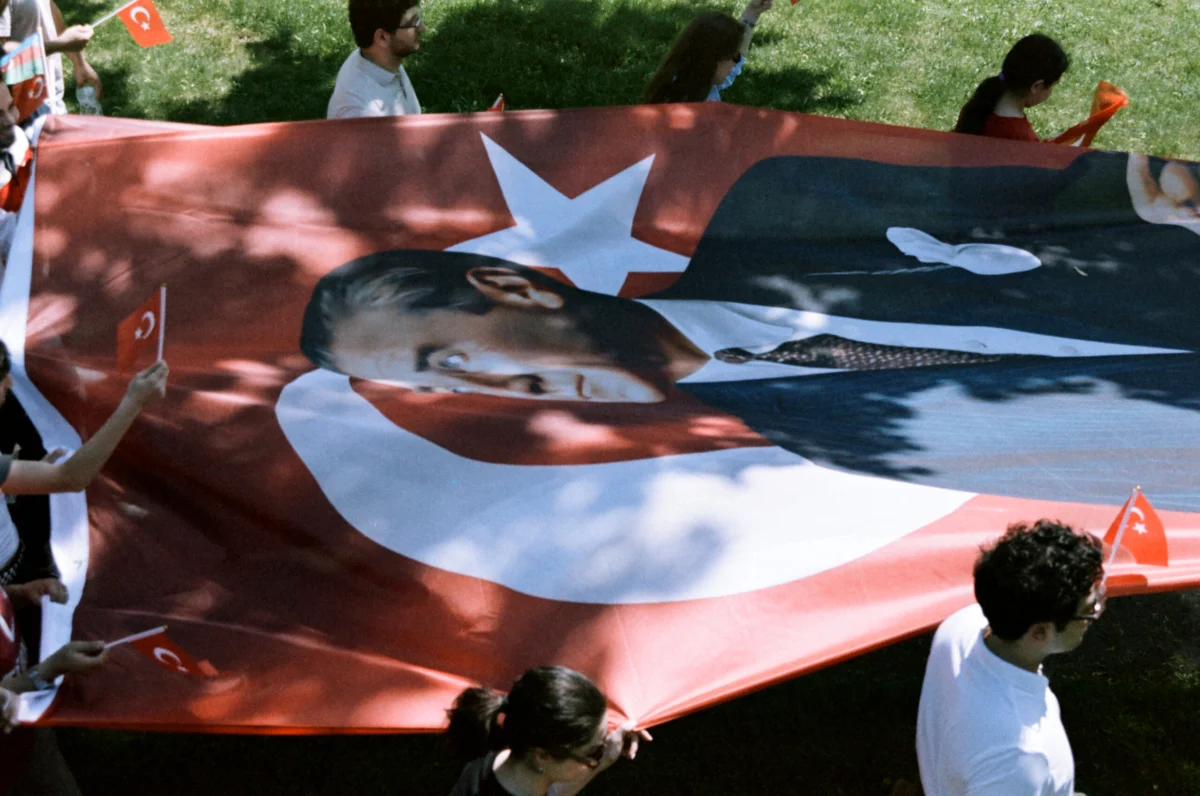
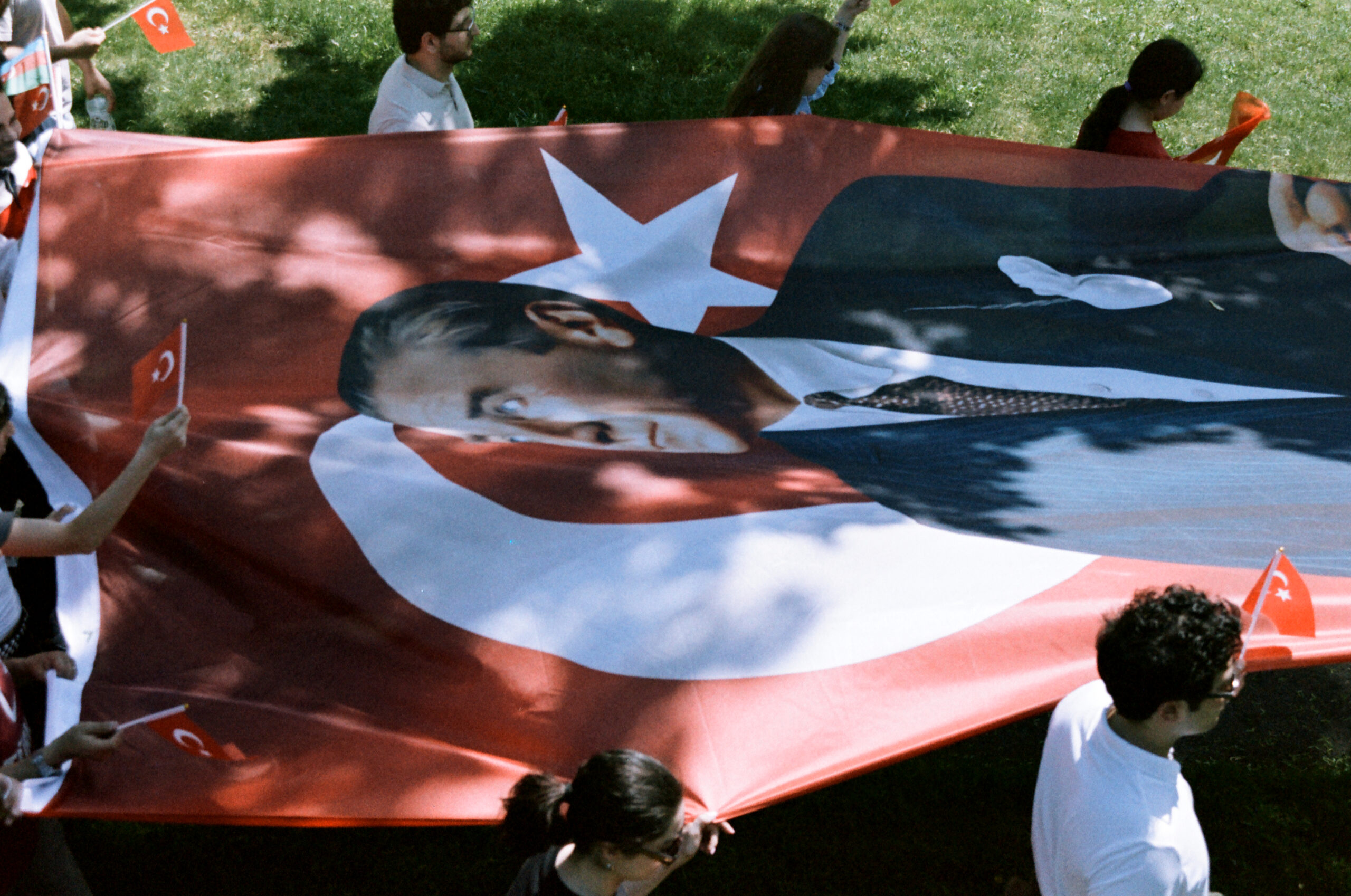
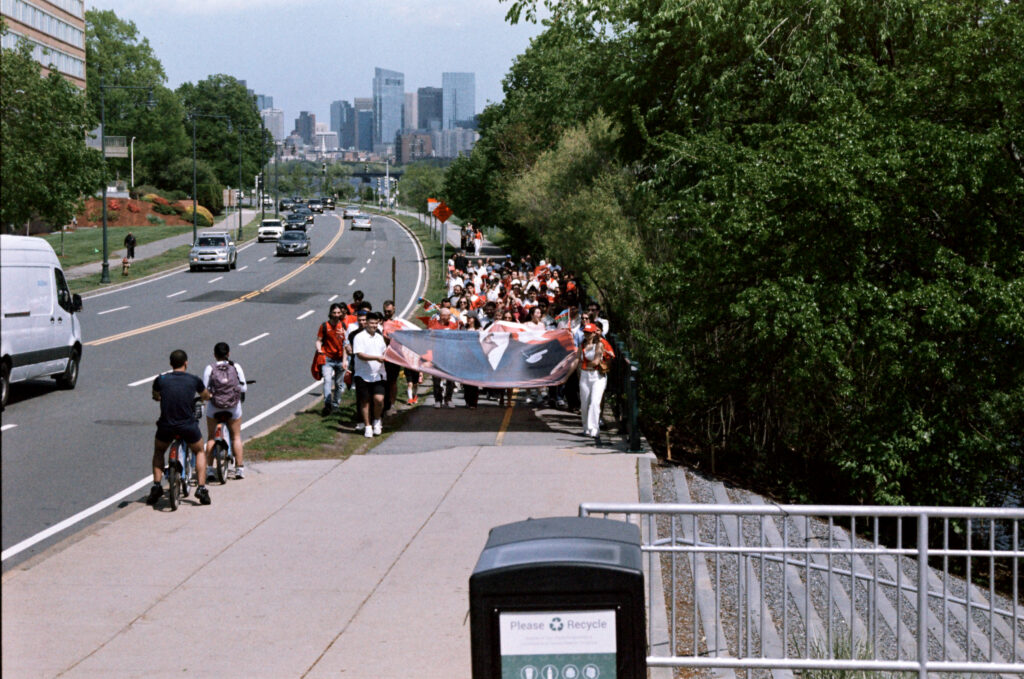
The local Turkish-American community of the Greater Boston area convened this past weekend for a high-profile celebration of the Commemoration of Atatürk, Youth and Sports Day. The event, which took place in a public park adjacent to the Massachusetts Institute of Technology (MIT) in Cambridge, was organized by a coalition of Turkish student associations from across New England. This annual gathering serves as a vital cultural touchstone for the diaspora, blending historical commemoration with contemporary community building. Participants engaged in a traditional parade, musical performances, and folk dancing, marking a significant display of cultural visibility in one of the United States’ most prominent academic hubs.
The celebration is rooted in the Turkish national holiday observed on May 19, a date that marks the beginning of the Turkish War of Independence in 1919. In the New England iteration, the event brought together students, professionals, and families to honor the legacy of Mustafa Kemal Atatürk, the founder of the Republic of Turkey. Organizers emphasized that while the holiday is a formal national occasion in Turkey, its observance in the United States focuses on fostering a sense of belonging and continuity for the younger generation of Turkish-Americans and international students.
Historical Context and National Significance
The Commemoration of Atatürk, Youth and Sports Day (19 Mayıs Atatürk’ü Anma, Gençlik ve Spor Bayramı) is a milestone in modern Turkish history. On May 19, 1919, Mustafa Kemal Atatürk arrived in the Black Sea port of Samsun from Istanbul. This arrival is widely recognized by historians as the catalyst for the organized national movement against the occupying Allied powers following World War I. Atatürk’s subsequent leadership led to the establishment of the Republic of Turkey in 1923.
Atatürk’s decision to dedicate this specific day to the nation’s youth was a strategic and symbolic gesture. He famously asserted that the "rising new generation" was the future of the republic. Consequently, the day has evolved into a celebration of physical education and sports, reflecting the early 20th-century emphasis on a "healthy mind in a healthy body." In the context of the Boston celebration, this historical gravity was balanced with the levity of a community festival, allowing participants to reflect on their national heritage while enjoying the onset of spring.
The Turkish Diaspora in New England: Demographic and Academic Influence
The choice of Cambridge as a staging ground for the event is indicative of the Turkish community’s footprint in the region. Massachusetts, and specifically the Boston-Cambridge corridor, hosts a significant concentration of Turkish nationals and Americans of Turkish descent. According to U.S. Census data and community estimates, there are approximately 350,000 to 500,000 people of Turkish origin residing in the United States, with a notable cluster in the Northeast.
The New England area is unique due to its high density of world-class academic institutions. Organizations such as the MIT Turkish Student Association (MIT-TSA) and the Harvard Turkish Student Association play a central role in organizing these events. These groups serve not only as social outlets but also as networks for academic and professional support. For many students, the May 19 celebration provides a necessary reprieve from the rigors of the academic calendar and a rare opportunity to speak their native language and engage in traditional customs in a public setting.
Documentation Methodology: Analog Preservation in the Digital Age
A distinctive aspect of this year’s event was its documentation through traditional analog photography. In an era dominated by instantaneous digital social media, the decision to capture the festivities on film reflects a growing trend toward "slow media" and the preservation of a specific aesthetic quality in community archives.
The technical documentation of the parade was conducted using a Contax RX SLR camera equipped with a 35-70mm f/3.4 Vario-Sonnar lens. The choice of film—ORWO NC400 color negative—was selected for its specific rendering of the event’s color palette. ORWO, a brand with historical roots in East German cinema film production (Original Wolfen), is known among photographers for its unique grain structure and "vintage cinema" feel.
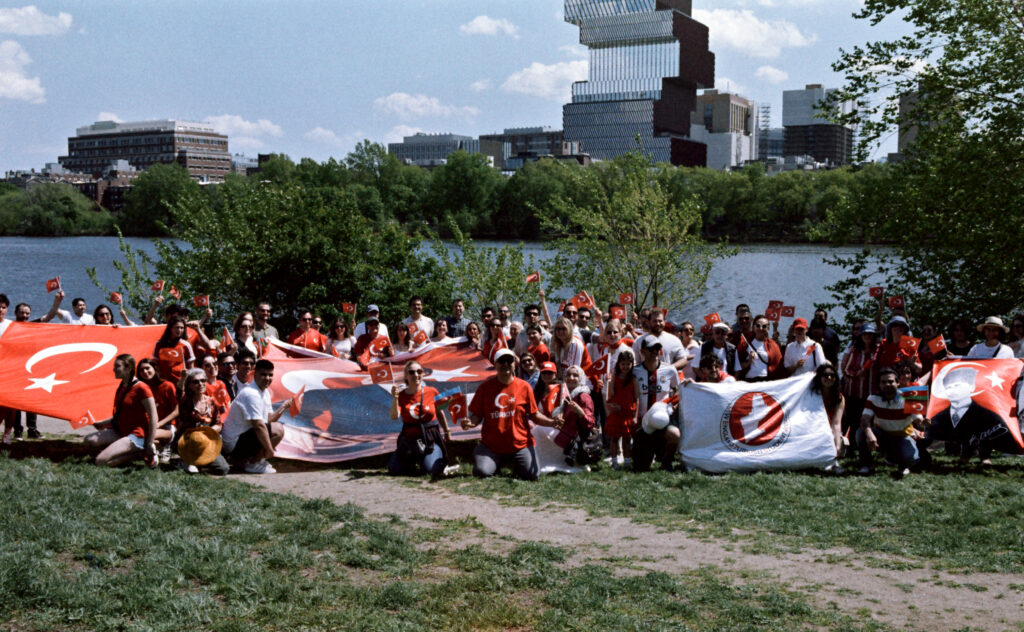
Technicians and photographers noted that the film was exposed at EI 200, one stop over its rated box speed, to compensate for the harsh midday sun and to enhance the saturation of reds and greens. This was particularly relevant given the ubiquity of the Turkish flag, which features a prominent red field. The photographic record of the event highlights the challenges of candid outdoor documentation, including the lack of artificial lighting and the necessity of capturing fast-moving subjects during the parade and subsequent dances. The resulting images provide a nostalgic, high-fidelity visual history that contrasts with the often ephemeral nature of digital event coverage.
Chronology of the Celebration
The event followed a structured itinerary designed to maximize community participation and public visibility:
- Assembly and Preparation: Participants gathered in the late morning near the MIT campus. Volunteers distributed small Turkish flags and prepared placards. Organizers coordinated with local law enforcement to ensure a safe route for the parade.
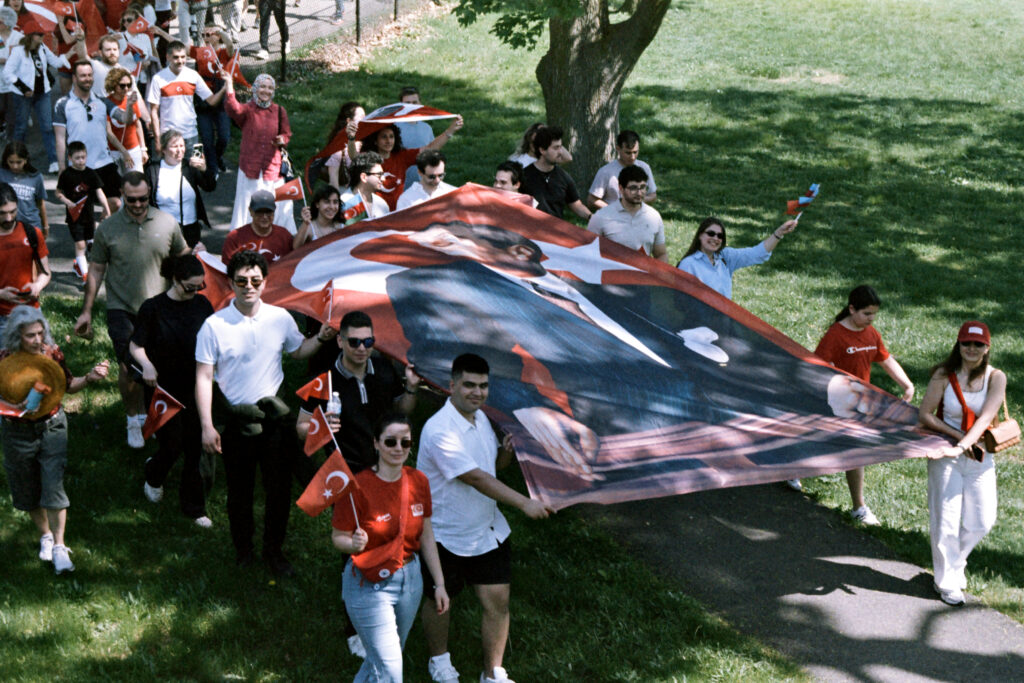
- The Parade: At approximately noon, the procession began. Led by students and community elders, the group paraded through the streets of Cambridge. The march was accompanied by a mobile sound system playing traditional Turkish marches, attracting the attention of local residents and tourists.
- The Park Gathering: The parade culminated in a local park, where the formal and informal programs took place. The shade of the park provided a respite from the unseasonably warm May sun, which reached its peak during the festivities.
- Cultural Performance and Dancing: The centerpiece of the afternoon was the performance of the Halay, a traditional folk dance common in Turkey and neighboring regions. The dance, characterized by participants linking fingers or holding hands in a line or circle, serves as a symbol of unity.
- Community Socialization: The remainder of the afternoon was dedicated to networking and socialization. Traditional Turkish snacks were shared, and younger participants engaged in sports and games, adhering to the "Youth and Sports" theme of the holiday.
Official Responses and Participant Reactions
While there were no formal diplomatic representatives from the Turkish Consulate present in an official speaking capacity, the organizers expressed satisfaction with the turnout and the atmosphere. A representative from the student coalition noted, "The goal was to create a space where the community feels seen and where our traditions can be shared with the broader Boston public. Seeing people of all ages join the Halay is a testament to the enduring strength of our cultural identity."
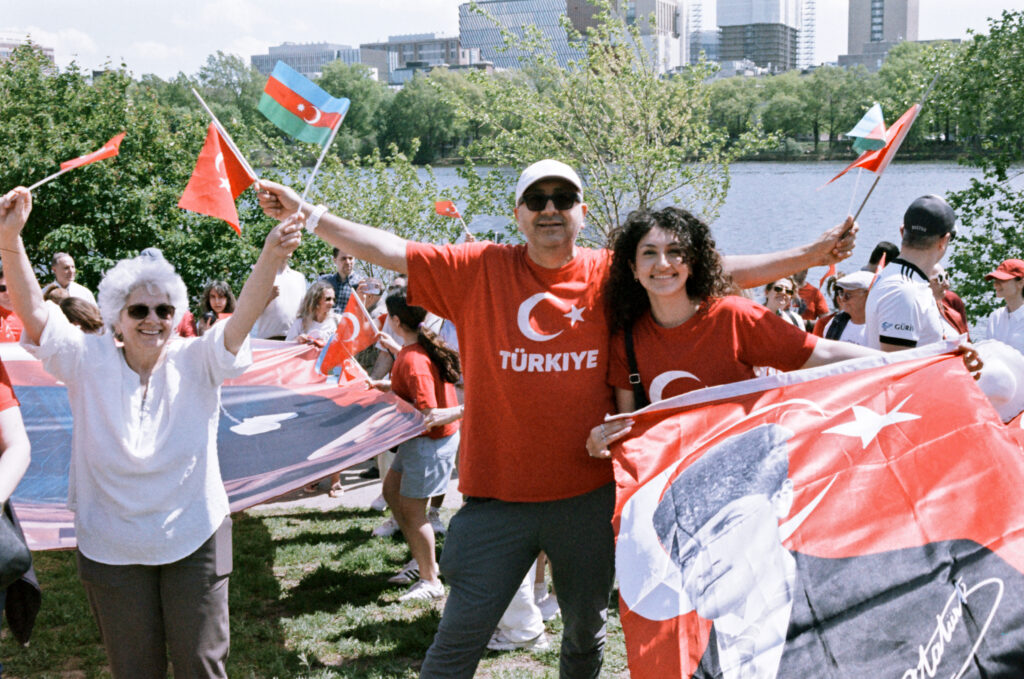
Participants echoed these sentiments, highlighting the importance of visibility. One attendee, a graduate student at a local university, remarked on the communal nature of the event: "In a city like Boston, it is easy to feel isolated as an international student. Events like this remind us that we are part of a larger story. When a passerby in a red shirt joined our dance simply because he felt the energy, it showed that culture can be a bridge rather than a barrier."
Technical Analysis of Environmental Challenges
From a logistical and journalistic perspective, the event faced several environmental challenges. The timing of the celebration—at midday—resulted in high-contrast lighting conditions. For the photographers documenting the scene, the "flat" noon sunlight created harsh shadows. However, the use of film with high dynamic range allowed for the retention of detail in both the bright highlights of the flags and the darker shades of the participants’ clothing.
The lack of specialized equipment, such as telephoto lenses or external flash units, forced a more intimate, "candid" style of photography. This approach captured the authentic enthusiasm of the crowd rather than staged portraits. The documentation serves as a case study in "available light" photography, where the artist must adapt to the constraints of the environment to produce a factual and evocative record.
Broader Impact and Social Implications
The May 19 celebration in Cambridge is more than a localized party; it is an act of cultural diplomacy. By bringing traditional music and dance into the public parks of a major American city, the Turkish-American community contributes to the multicultural fabric of the region.
Furthermore, the event highlights the role of student organizations as the primary custodians of cultural heritage in academic centers. As these students transition into professional roles in the United States or return to Turkey, the connections forged during these celebrations often form the basis of long-term international networks.
The successful execution of the parade and gathering also underscores the importance of public space in urban environments. The park near MIT served as a "common ground" where the Turkish community could express its national pride while simultaneously inviting the public to observe and participate. This integration is a hallmark of the immigrant experience in New England, where heritage is not merely preserved in private but celebrated in the open air.
Conclusion
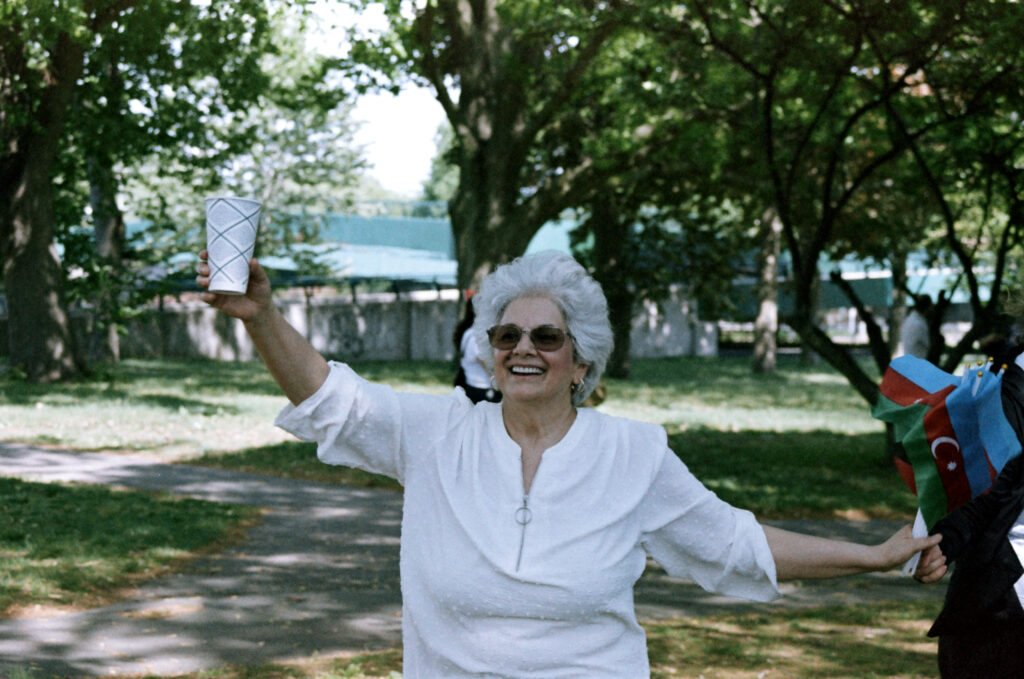
The commemoration of the 105th anniversary of Atatürk’s landing in Samsun by the New England Turkish community demonstrates the resilience of national identity across borders. Through the combination of historical reverence, technical documentation, and spontaneous communal joy, the event fulfilled its mission of honoring the past while celebrating the potential of the youth. As the rolls of film are developed and the flags are packed away until next year, the impact of the gathering remains—a vibrant reminder of the Turkish spirit in the heart of Cambridge.