In the current digital landscape of 2026, social media has evolved into a visual-first battleground where organic reach is increasingly difficult to secure. The quality of content has transitioned from a mere vanity metric to the primary factor determining whether a user engages with a post or continues to scroll. As small businesses, digital agencies, and influencers navigate this saturated market, the reliance on free stock imagery has become a point of contention. While open-source repositories offer accessibility, the professional demands of modern branding often necessitate the use of premium assets. Determining whether a Shutterstock subscription provides a justifiable return on investment requires an analysis of asset diversity, technological integration, and the legal protections necessary for contemporary commercial use.
The Shift Toward Premium Assets in the 2026 Digital Economy
The maturity of social media platforms like TikTok, Instagram, and YouTube has created a "quality ceiling." In the early 2020s, a brand could survive on amateur photography and generic free stock images. However, by 2026, algorithmic preferences have shifted toward high-bitrate video, 4K resolution, and unique visual compositions. Marketing data indicates that posts featuring high-quality, professional visuals receive up to 94% more views than those with lower-quality counterparts. Furthermore, the "generic trap"—a phenomenon where multiple competing brands use the same free images—can actively damage brand authority and consumer trust.
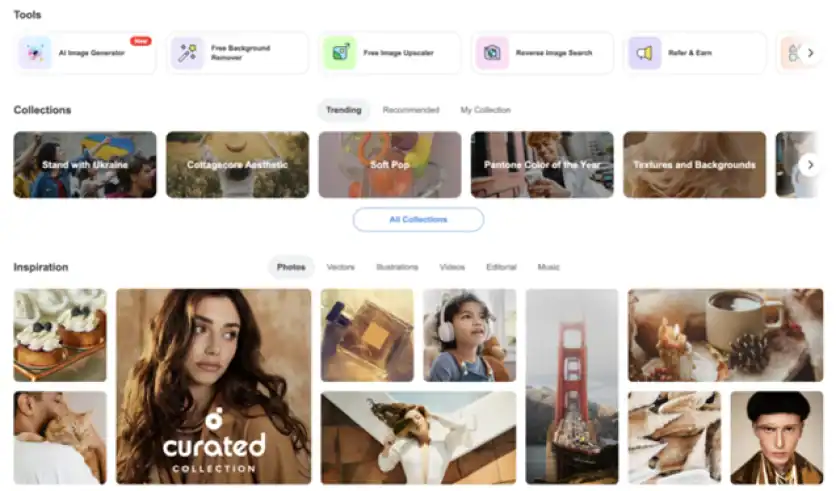
Premium libraries like Shutterstock offer an immediate solution to this homogeneity. With a database exceeding 400 million assets, including photos, vectors, 3D models, and music tracks, the probability of visual duplication is significantly reduced. For marketing professionals, this variety is not just a luxury; it is a strategic necessity to maintain a distinct brand identity in a crowded feed.

The Technological Pivot: AI-Powered Video and Creative Efficiency
One of the most compelling arguments for the value of Shutterstock in 2026 is its integration of generative artificial intelligence. As video content continues to dominate social media engagement metrics, the cost and time associated with traditional video production have become prohibitive for many SMEs. Shutterstock’s AI Video Generator has emerged as a disruptive tool in this space, allowing creators to generate high-end video content through text prompts or by modifying existing stock footage.
This AI-driven approach addresses three critical pain points in social media marketing:
- Speed to Market: Trends on platforms like Reels and TikTok move in cycles of days, not weeks. AI generation allows brands to produce relevant video content in minutes.
- Customization: Unlike static stock clips, AI-powered tools allow for the adjustment of lighting, mood, and subject matter to align with specific campaign goals.
- Optimized Formats: The generator is specifically designed to output vertical video formats, which are the standard for mobile-first consumption.
By providing these tools within the subscription ecosystem, Shutterstock has moved beyond being a simple image repository to becoming a comprehensive creative workstation. This integration reduces the need for multiple software subscriptions, thereby consolidating the marketing budget.
Legal Safety and Risk Mitigation in Commercial Advertising
A frequently overlooked aspect of social media marketing is the legal risk associated with image licensing. Free stock websites often operate under Creative Commons Zero (CC0) or similar licenses, which may lack the rigorous model and property releases required for high-stakes commercial advertising. In the 2026 legal climate, where copyright enforcement has become more automated and aggressive, using an image without verified commercial clearance can result in significant financial penalties.

Shutterstock provides a layer of "Full Commercial Coverage" that free sites cannot replicate. Every asset in the premium library is vetted for intellectual property compliance. For businesses running paid social ads, this indemnification is essential. A single copyright lawsuit can cost a small business tens of thousands of dollars, making the monthly cost of a premium subscription a form of affordable insurance against litigation.
Comparative Analysis: Premium Subscriptions vs. Open-Source Alternatives
To understand the market positioning of Shutterstock, it is helpful to compare the features of premium subscriptions against free alternatives commonly used by influencers and small brands.
| Feature | Free Stock Sites | Shutterstock Subscription |
|---|---|---|
| Asset Variety | Limited and frequently overused | 400M+ (Images, Video, Music, 3D) |
| Editing Tools | Usually none or very basic | Integrated AI Video & Image Generators |
| Legal Safety | Risks of unverified releases | Full Commercial Indemnification |
| Video Specs | Primarily 1080p | 4K and Vertical-Optimized Clips |
| Exclusivity | Very low; common across the web | Higher due to vast library size |
The data suggests that while free sites are suitable for hobbyists or low-impact blog posts, they fall short of the requirements for professional-grade social media campaigns. The "cost" of a free image often manifests later in the form of lower engagement rates or potential legal complications.
Historical Context and the Evolution of Stock Media
The stock media industry has undergone a radical transformation since Shutterstock was founded in 2003. Initially a marketplace for digital photographs, the company has survived multiple industry shifts—from the transition to high-speed mobile internet to the current AI revolution.

In 2023 and 2024, the industry faced a crisis of identity as generative AI threatened to make traditional photography obsolete. Shutterstock’s response was to embrace the technology, partnering with leaders like OpenAI and NVIDIA to train AI models on its vast, licensed library. This move ensured that the AI-generated content produced on the platform remains legally "clean" and ethical, as contributors are compensated through a "Contributor Fund" for the use of their data in training models. By 2026, this ethical AI framework has become a major selling point for corporate clients who are wary of the "black box" nature of other AI tools.
Financial Implications and Return on Investment (ROI)
For many decision-makers, the "worth" of a service is purely financial. Shutterstock has structured its 2026 pricing to accommodate various scales of operation. Current promotional offers, such as a 25% discount on 25-image packs or a 15% discount on general subscriptions and image products, are designed to lower the barrier to entry for growing brands.
When calculating ROI, businesses must consider the following:
- Time Savings: Searching for a specific, high-quality image on a free site can take hours. Shutterstock’s advanced metadata and AI search tools reduce this to seconds.
- Conversion Rates: Professional visuals are linked to higher click-through rates (CTR) in social media advertising. Even a 0.5% increase in CTR can result in thousands of dollars in additional revenue for an e-commerce brand.
- Production Costs: Replacing a single day of professional location shooting with high-end stock video can save a brand upwards of $5,000 per project.
Broader Impact and Industry Projections
The continued dominance of Shutterstock and similar premium agencies indicates a broader trend in the digital economy: the "professionalization of everything." As the barriers to starting a business have lowered, the competition for attention has intensified. This has created a "visual arms race" where only the most polished and strategically sound content survives the algorithm.

Industry analysts project that by 2027, the integration of 3D assets and AR-ready (Augmented Reality) stock will be the next frontier. Shutterstock has already begun expanding its 3D library to support the growing demand for immersive social media experiences. For brands looking to future-proof their marketing strategy, investing in a platform that stays ahead of these technological curves is a logical step.
Final Verdict for Social Media Marketers
The determination of whether Shutterstock is "worth it" depends largely on the objectives of the user. For individuals posting for personal enjoyment or as a hobby, the free tools available on the market remain a viable and cost-effective option. However, for any entity operating with a commercial interest—be it a brand, a marketing agency, or a professional influencer—the benefits of a premium subscription are undeniable.
The combination of a 400-million-asset library, cutting-edge AI video generation, and comprehensive legal protection provides a foundation for high-performance marketing that free alternatives cannot match. In the visual-first world of 2026, where every pixel contributes to a brand’s reputation, the move from generic to premium is often the catalyst for significant growth. By utilizing available discounts and leveraging the full suite of creative tools, businesses can transform their social media feeds from stagnant repositories into high-conversion engines.