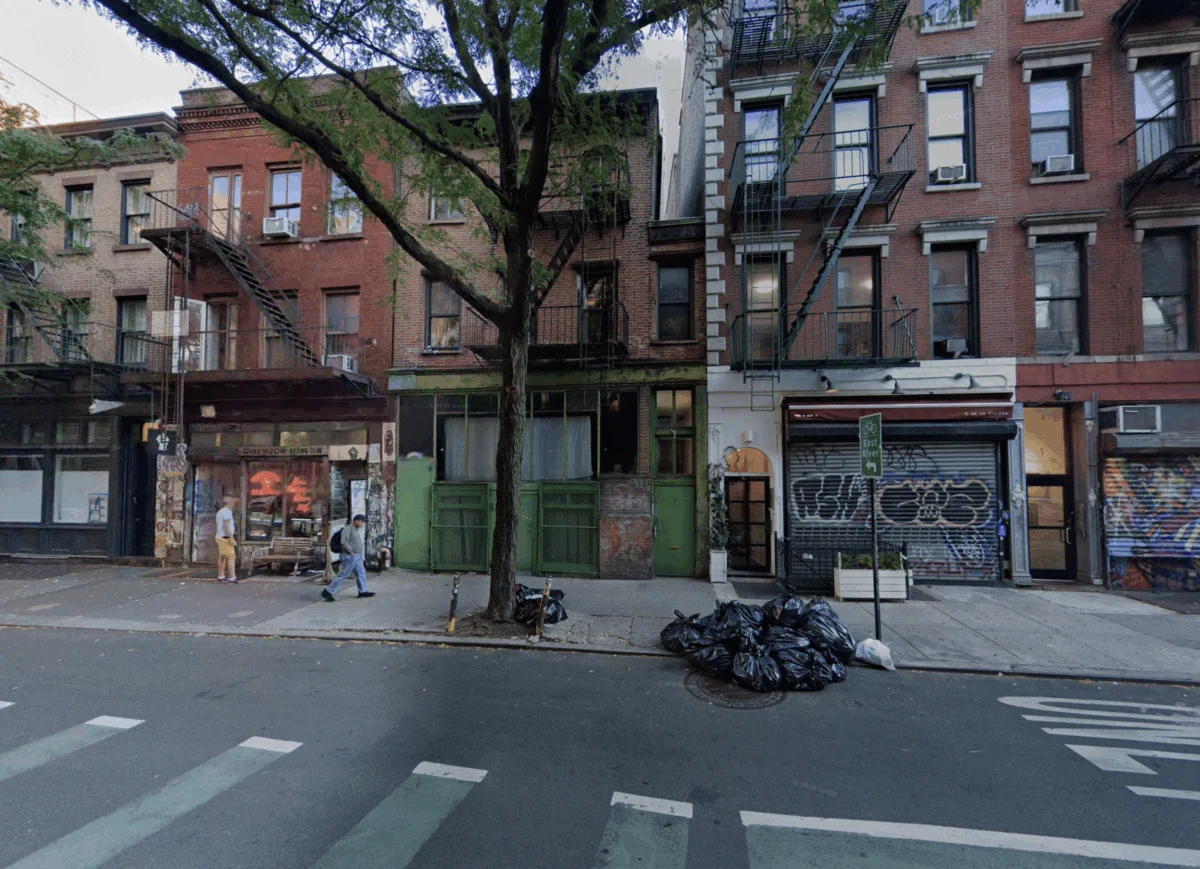
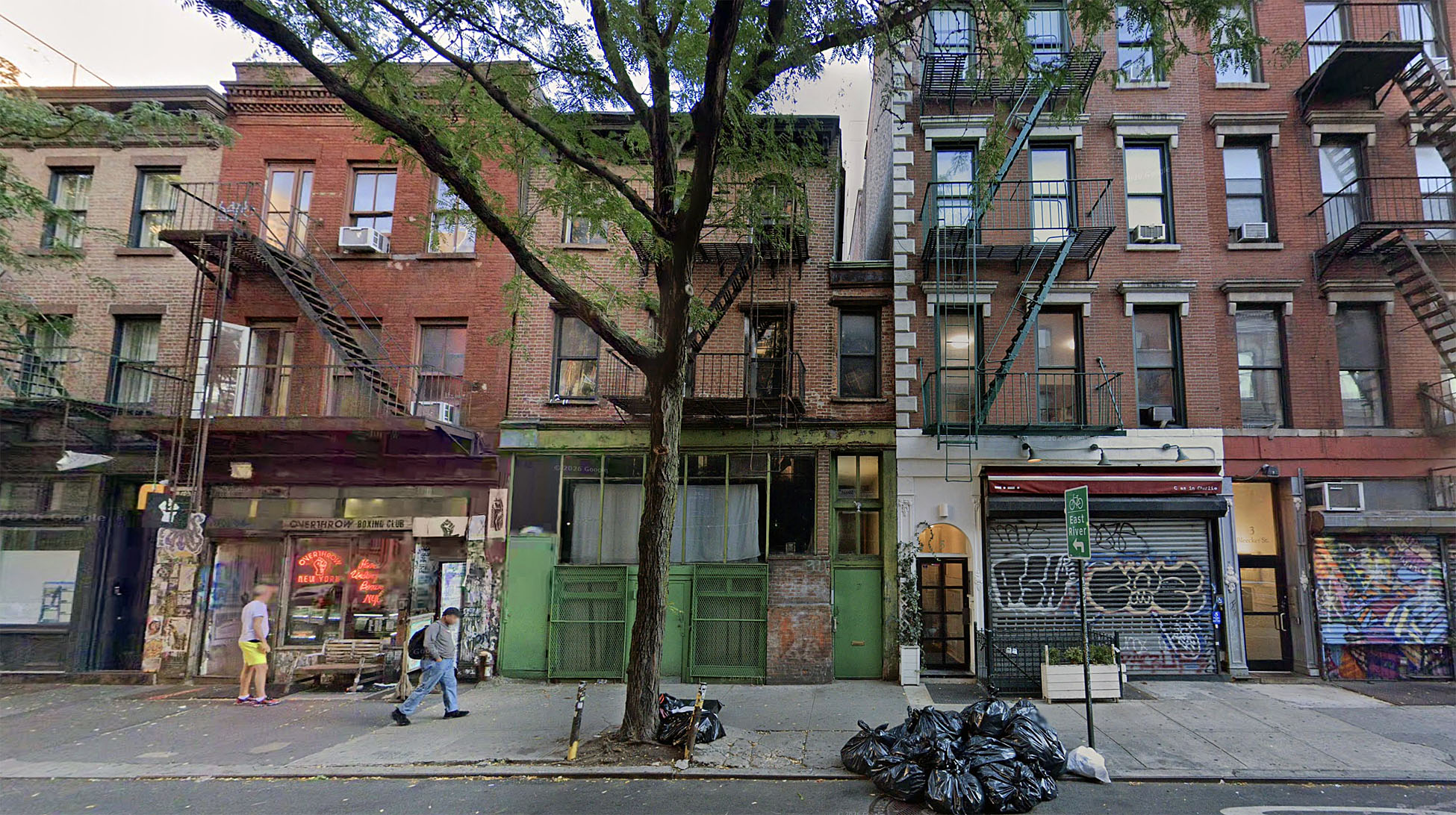
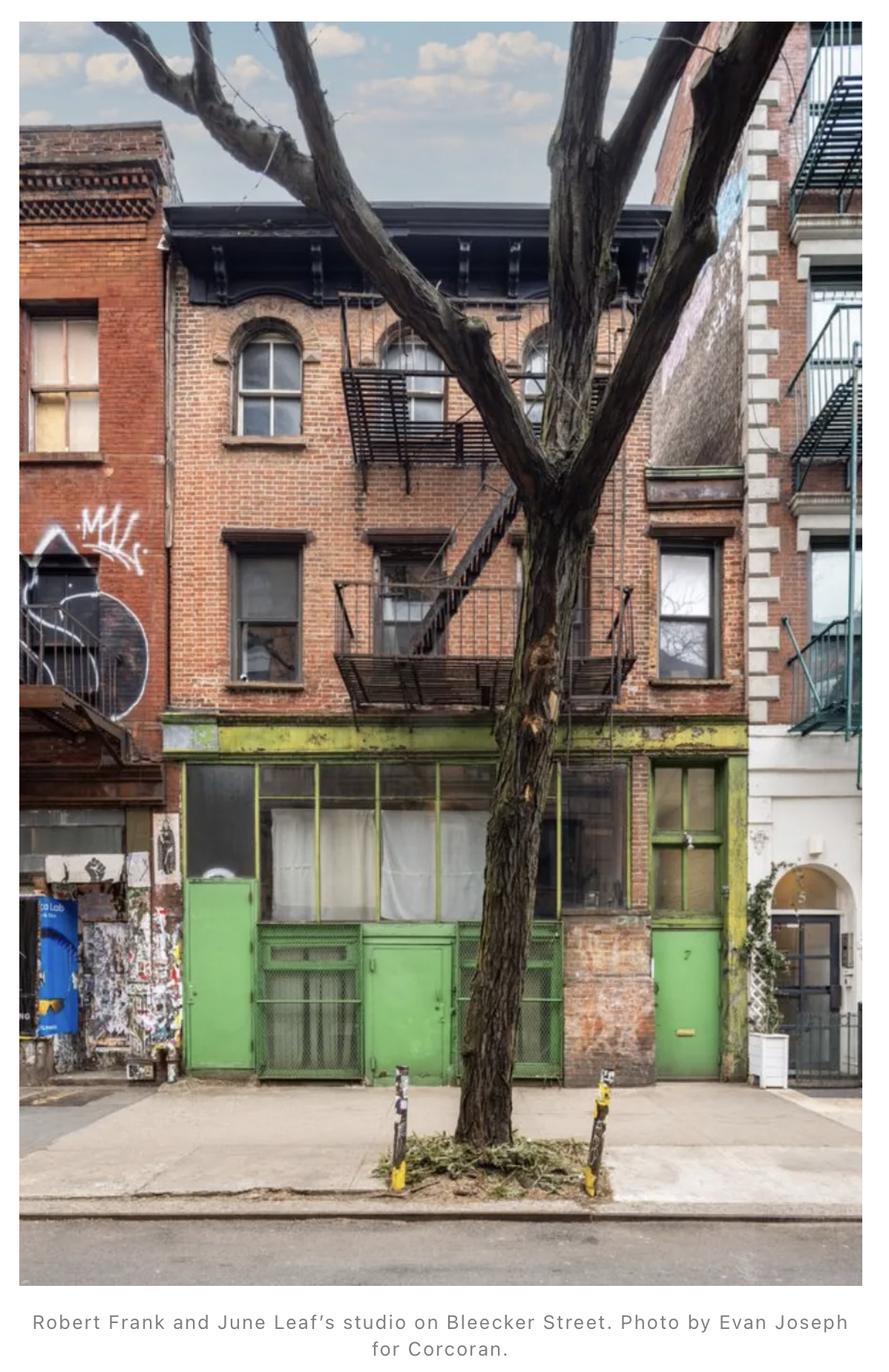
The historic Bleecker Street home, once the vibrant epicenter of artistic creation for legendary photographer Robert Frank and his wife, sculptor June Leaf, has officially entered the real estate market with an asking price of $6.5 million. This significant cultural landmark, a Federal-style townhouse located at 7 Bleecker Street in the heart of Manhattan’s NoHo East Historic District, has remained largely untouched since the passing of its esteemed occupants. Frank, a titan of 20th-century photography, died in 2019, followed by Leaf, a celebrated American artist, in early 2024. The property, which served as their residence and studio for over four decades, now offers a unique opportunity to own a piece of art history in one of New York City’s most sought-after neighborhoods.
A Legacy Anchored in NoHo
For nearly forty years, the unassuming yet historically rich Federal-style townhouse at 7 Bleecker Street was more than just a home; it was the crucible where the groundbreaking visions of Robert Frank and June Leaf took shape. Frank, whose seminal work "The Americans" redefined documentary photography and challenged societal norms with its unflinching gaze, and Leaf, an artist renowned for her evocative and often surreal sculptures and drawings, cultivated a life deeply intertwined with the creative pulse of downtown New York. Their presence in this 209-year-old building, a testament to New York’s architectural heritage, solidified its status as a site of immense cultural significance. The listing of this property marks the end of an era, transitioning a deeply personal artistic sanctuary into a tangible asset available to a new generation of custodians.
The townhouse itself, a four-story structure built in the early 19th century, embodies the architectural character of the NoHo East Historic District. Its Federal style, characterized by its symmetrical design, classical proportions, and often brick or stone facade, speaks to a bygone era of New York City’s development. Situated on Bleecker Street, a thoroughfare synonymous with bohemian culture, artistic innovation, and a vibrant street life, the property’s location is as significant as its history. This area has long been a magnet for artists, musicians, writers, and thinkers, fostering an environment conducive to creative exploration. The fact that Frank and Leaf chose to establish their lifelong artistic base here underscores the area’s enduring appeal as a hub for creative energy.
Chronology of a Creative Partnership and Property
The journey of Robert Frank and June Leaf within the walls of 7 Bleecker Street is a narrative woven into the fabric of modern art. While the exact year of their acquisition of the property is not publicly detailed in the initial listing, their tenure spanned over four decades, placing their arrival in the late 1970s or early 1980s. This period coincided with a significant chapter in both their careers.
Robert Frank, born in Zurich, Switzerland, in 1924, had already achieved international acclaim with the publication of "The Americans" in 1958. His subsequent work continued to explore themes of alienation, identity, and the American experience, often with a more personal and introspective approach. He also ventured into filmmaking, producing seminal works like "Pull My Daisy" (1959).
June Leaf, born in Toronto, Canada, in 1929, was establishing herself as a formidable force in sculpture and drawing. Her work is known for its intricate detail, often incorporating found objects and exploring themes of the human condition, mythology, and the body. She represented Canada at the Venice Biennale in 1970 and gained critical recognition for her unique artistic vision.
Their decision to settle in the NoHo townhouse provided them with a spacious environment to live and work, a crucial element for artists who often require dedicated studio space. The building likely accommodated Frank’s photographic darkroom and archives, as well as Leaf’s sculpting studio and material storage. The sheer volume of work produced by both artists within these walls is immeasurable, representing decades of dedication and artistic evolution.
The passing of Robert Frank in September 2019, at the age of 94, marked the loss of a cultural icon. June Leaf continued to reside in the townhouse, maintaining their shared legacy. Her passing in early 2024, at the age of 94, left the property without its long-term, celebrated inhabitants, inevitably leading to the decision to bring it to the market. The nearly two-year period between Frank’s death and the listing of the property suggests a period of careful consideration and perhaps familial consultation before this significant decision was made.
The Property and its Potential
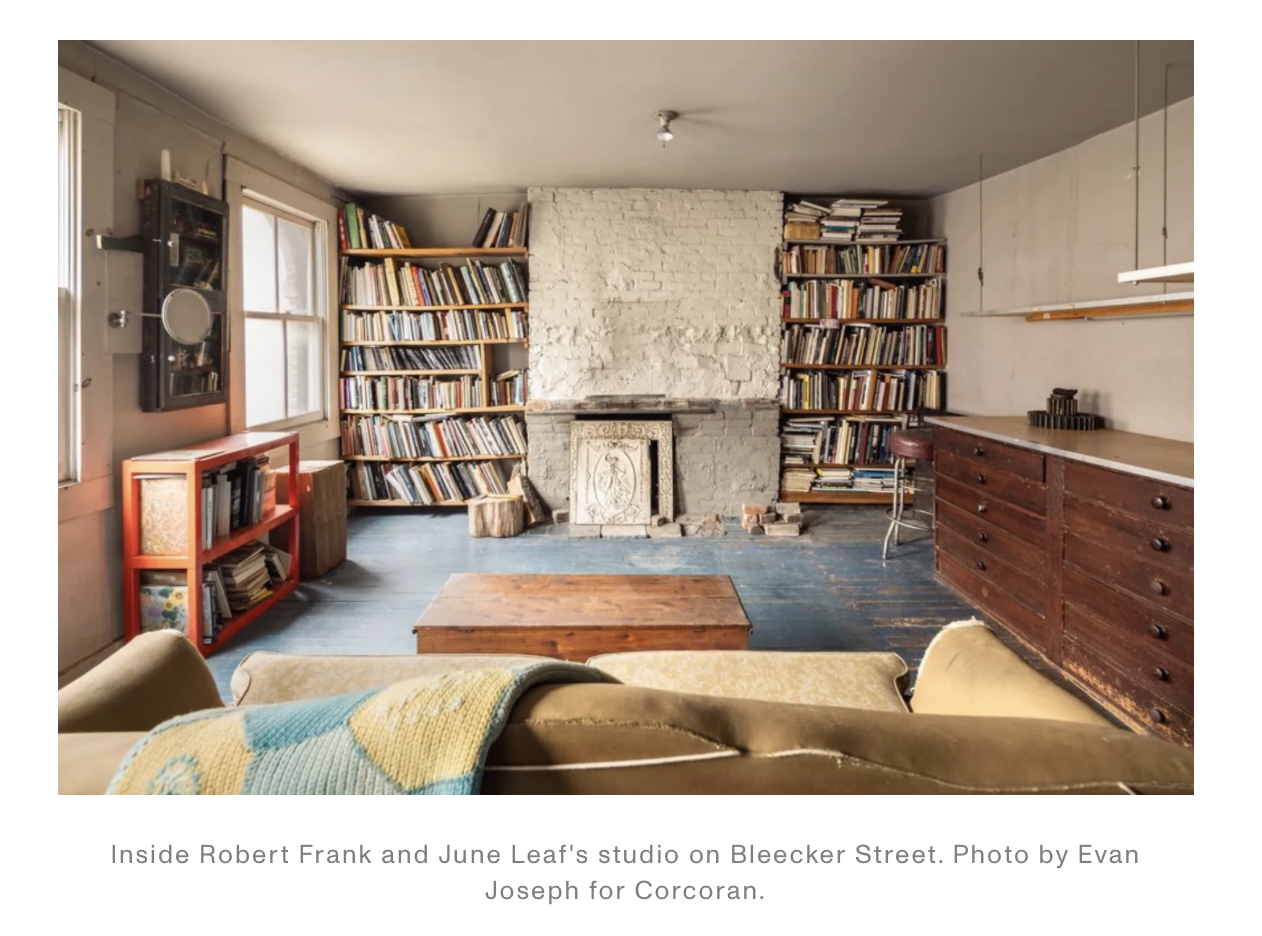
The listing details from Corcoran, the real estate agency handling the sale, provide some insight into the property’s current state and potential. While the exact square footage and number of rooms are not elaborated upon in the initial announcement, the $6.5 million price tag suggests a substantial and well-located property. The photographs accompanying the listing offer glimpses into the interior, showcasing spaces that likely bear the imprint of its artistic past. Exposed brick, high ceilings, and large windows are common features in such historic New York buildings, offering ample natural light, ideal for both photography and sculpture.
The property’s designation within the NoHo East Historic District means that any significant renovations or alterations would likely be subject to review by the New York City Landmarks Preservation Commission. This ensures the preservation of the building’s architectural integrity and its contribution to the neighborhood’s historical character. However, it also presents a unique opportunity for a buyer to inherit a property with inherent charm and historical significance, requiring sensitive restoration or modernization that respects its past.
The $6.5 million asking price places this property within the upper echelon of New York City real estate. It reflects not only the size and location of the townhouse but also the immense cultural cachet associated with its former occupants. Such a price point typically attracts buyers who are not only seeking a prime residential property but also an investment in a piece of cultural heritage. Potential buyers could include art collectors, institutions, or individuals with a deep appreciation for the legacy of Robert Frank and June Leaf.
Supporting Data and Market Context
To understand the significance of the $6.5 million listing, it’s helpful to consider the broader real estate market in the NoHo neighborhood and Manhattan’s historic districts. NoHo, known for its cast-iron architecture and loft-style apartments, is one of Manhattan’s most desirable and expensive enclaves. Properties in this area, especially those with historical significance, command premium prices.
According to recent market reports, the average sale price for a condominium or co-op in NoHo can range from $1.5 million to over $5 million, depending on size, amenities, and specific location. Townhouses, which offer greater privacy and often more space, tend to be even more expensive. The asking price of $6.5 million for a townhouse at 7 Bleecker Street, while substantial, aligns with the market value for properties of this caliber in such a prime location. The added historical provenance of being the former home and studio of Robert Frank and June Leaf undoubtedly contributes significantly to this valuation.
The market for historically significant properties in New York City has remained robust, driven by a combination of factors including limited supply and a growing appreciation for architectural heritage. Buyers are often willing to pay a premium for the opportunity to own a piece of the city’s past. The presence of established art galleries, boutiques, and restaurants in the surrounding area further enhances the desirability and investment potential of properties like 7 Bleecker Street.
Potential Implications and Broader Impact
The sale of 7 Bleecker Street has several potential implications. For the art world, it represents the dispersal of a significant creative hub. While the art and personal effects of Frank and Leaf would have been managed separately, the physical space where their creative energies converged now passes to new hands. This could lead to further research into their lives and work, potentially uncovering new insights or previously unseen materials.
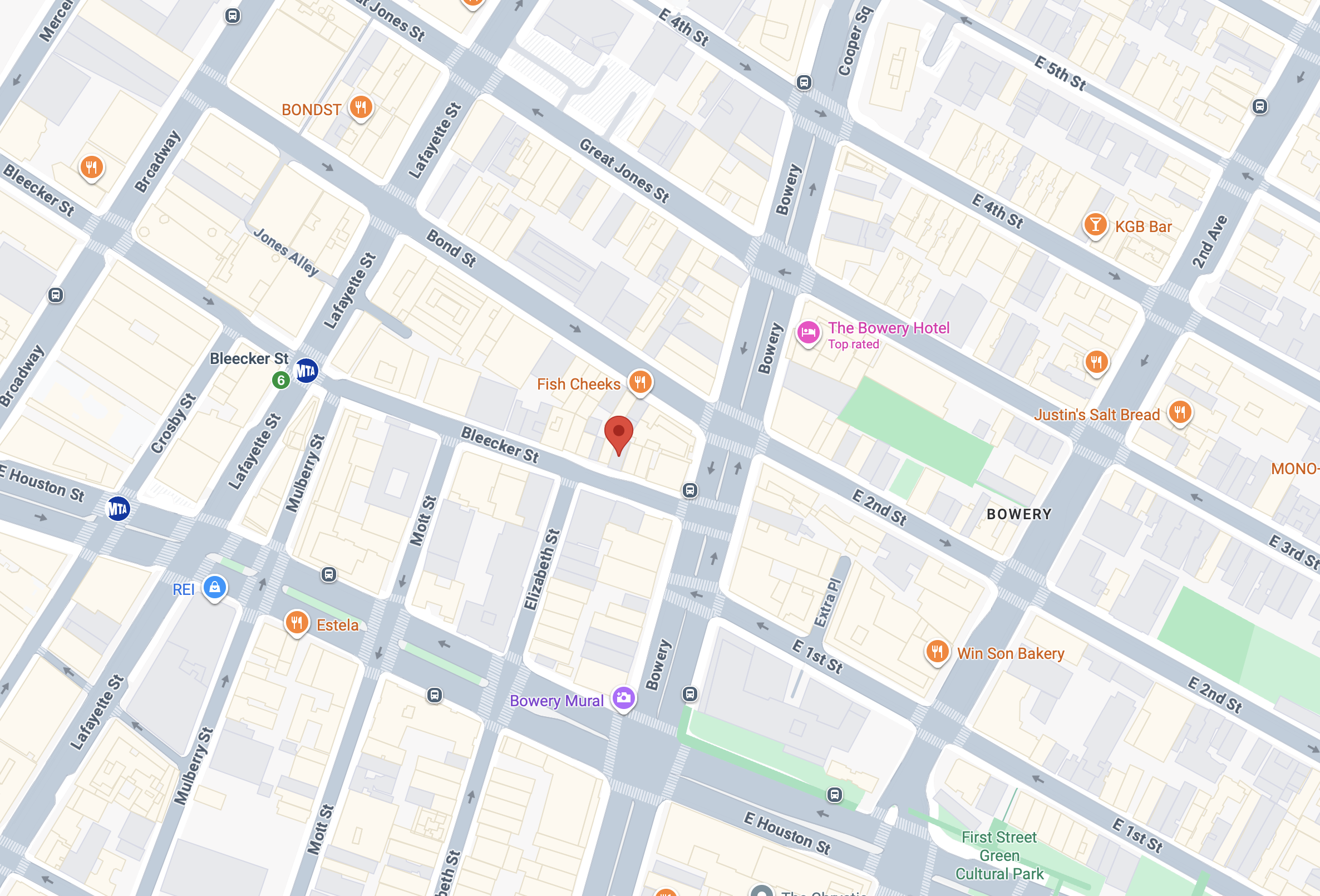
For the NoHo neighborhood, the property’s sale will likely be closely watched. The integration of a new owner into a historic building requires sensitivity to the existing community character. The potential for the property to be restored or redeveloped could impact the streetscape and the overall ambiance of the block.
From a real estate perspective, the listing serves as a testament to the enduring value of properties steeped in cultural history. It highlights a niche market for homes that offer not just luxury and location but also a narrative. This could inspire other owners of historically significant artist studios or residences to consider the unique market appeal of their properties.
The Corcoran listing explicitly invites potential buyers to explore the property and its history. The phrasing, "to see more Pictures of inside AND to spend $6.5 Million for a Building of Photography History," directly appeals to individuals who understand the profound value of art and its physical legacy. This suggests that the marketing strategy is focused on attracting buyers who are not merely investors but patrons of art history, eager to preserve and perhaps even honor the creative spirit that once inhabited the building. The implications of who ultimately purchases this property could range from private ownership that maintains its residential character to a more public-facing use, such as a private gallery or foundation, that celebrates the artistic contributions of Robert Frank and June Leaf. The future of 7 Bleecker Street remains to be written, but its storied past ensures it will continue to be a point of interest for years to come.