The landscape of analog photography has long been defined by a dichotomy between high-end professional equipment and accessible, consumer-grade alternatives. In a technical evaluation of medium format capabilities, the Lubitel 166—a Soviet-era twin-lens reflex (TLR) camera—was recently pitted against the Bronica ETRSi, a sophisticated Japanese modular single-lens reflex (SLR) system. This comparison aims to determine whether the significant price and weight discrepancies between these two systems translate into a proportional difference in image quality and field usability. While the Bronica ETRSi represents the pinnacle of electronic medium format evolution from the late 20th century, the Lubitel 166 remains a testament to the "people’s camera" philosophy of the Eastern Bloc, offering an entry point into 120-roll film photography for a fraction of the cost.
Historical Context and Technical Specifications
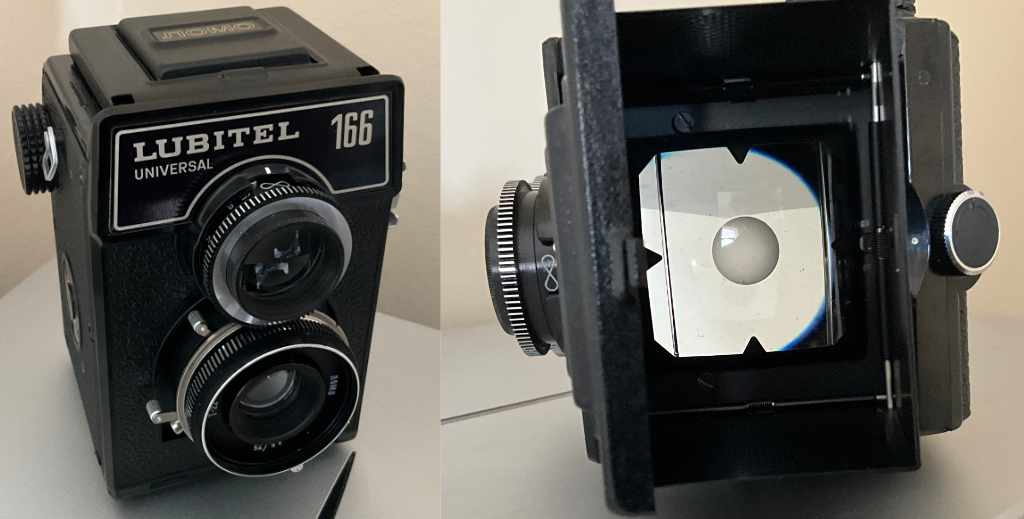
To understand the stakes of this comparison, one must examine the origins of both instruments. The Lubitel 166 is part of a storied lineage produced by the Leningrad Optical-Mechanical Association (LOMO). The name "Lubitel" translates from Russian as "Amateur," signaling its intended market. Introduced in the late 1970s as a successor to the Lubitel 2, the 166 model features a plastic body and a 75mm f/4.5 triplet lens (the T-22). It utilizes a simple TLR design where the top lens is used for viewing and focusing, while the bottom lens captures the image on 6×6 cm square format film.
In contrast, the Bronica ETRSi, released in 1989 by Zenza Bronica, was designed to compete with industry giants like Hasselblad. It is a modular system, allowing photographers to swap finders, film backs, and lenses. The ETRSi utilizes a 6×4.5 cm format, which provides more frames per roll of 120 film (15 exposures compared to the Lubitel’s 12) while maintaining a significantly larger negative than standard 35mm film. For this evaluation, the ETRSi was equipped with the 75mm f/2.8 PE lens, a high-performance optic featuring multi-coating and superior corrected glass.
Methodology of the Field Test
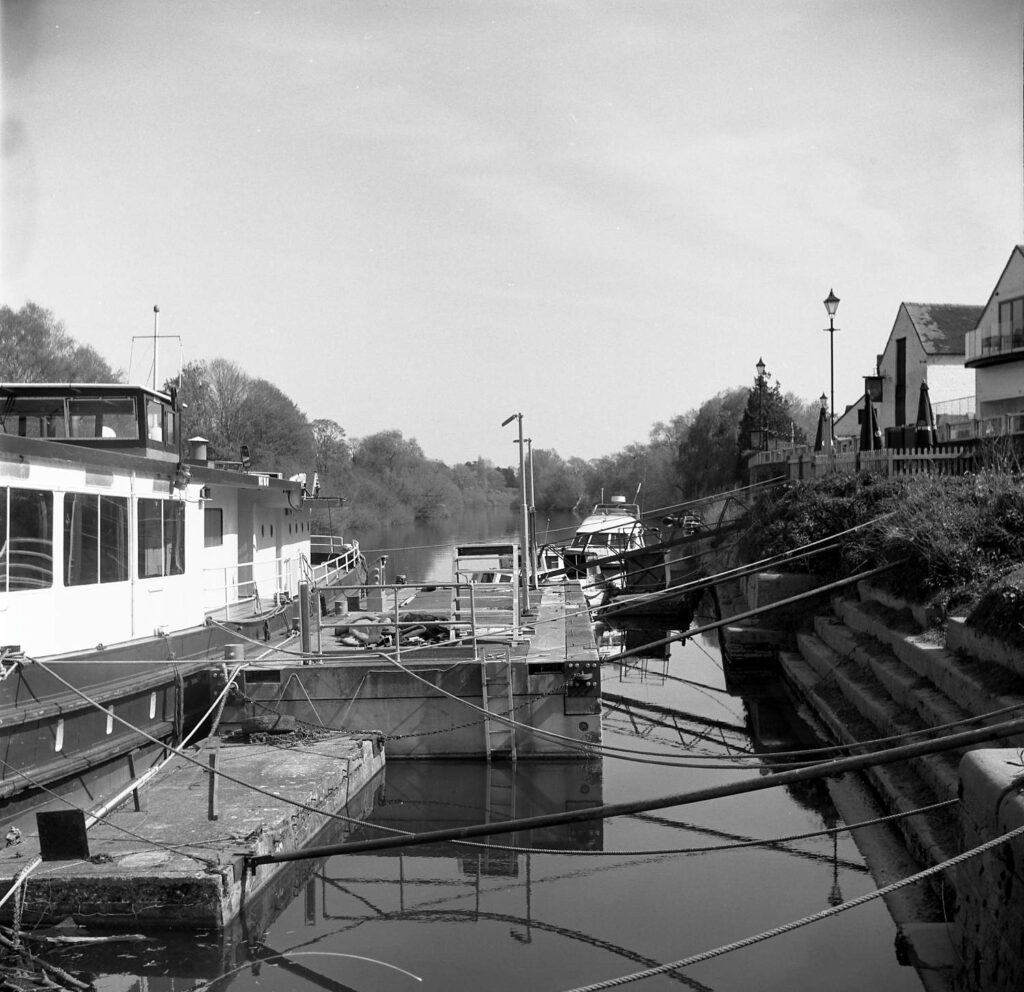
The comparative test was conducted under controlled yet real-world conditions to simulate the experience of a landscape photographer. Both cameras were loaded with Kentmere Pan 200, a traditional black-and-white film known for its wide latitude and classic grain structure. The testing site was a riverside location selected for its high-frequency detail, including foliage, water textures, and architectural elements.
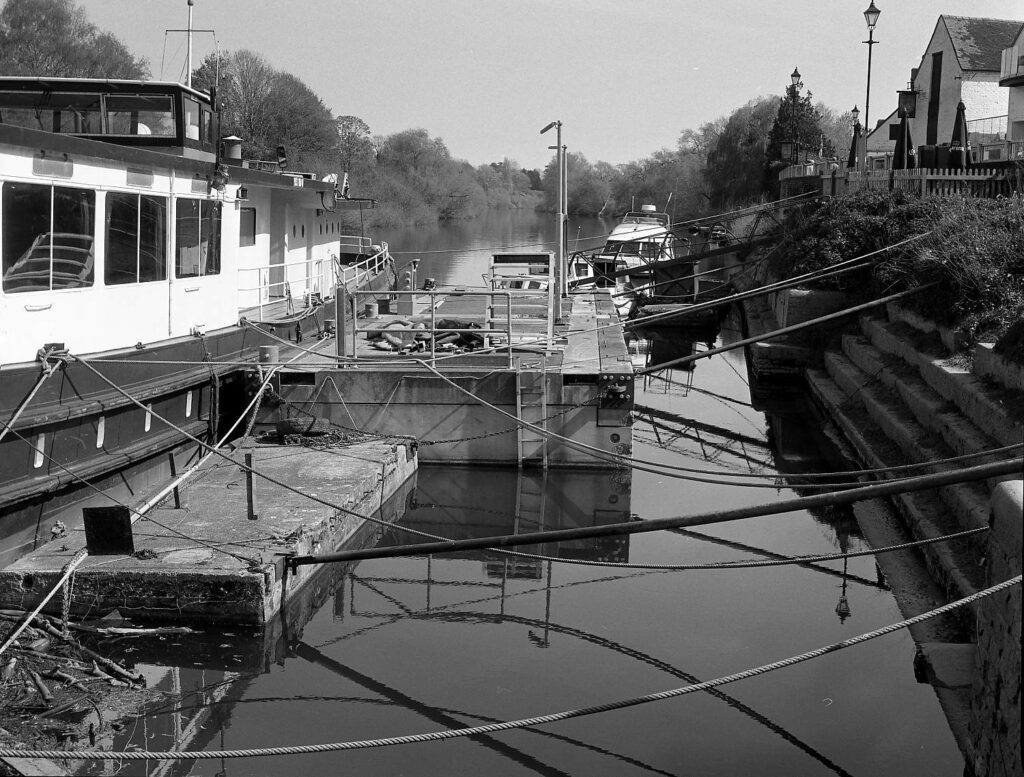
To ensure consistency, an external exposure meter was used to dictate settings for both cameras. Given the bright, sunny conditions of the test day, apertures were largely kept between f/8 and f/11. This range is typically considered the "sweet spot" for lens sharpness, particularly for simpler lens designs like the Lubitel’s triplet. The Bronica ETRSi was mounted on a tripod using a quick-release (QR) plate to ensure maximum stability.
However, the Lubitel 166 presented its first mechanical hurdle during setup: the tripod bush (the threaded socket on the bottom of the camera) was found to be too shallow for standard modern QR plate screws. This forced a deviation in methodology, where the Lubitel was stabilized on solid surfaces, such as stone walls, as a substitute for a tripod. This highlighted an immediate disparity in professional build standards between the two systems.
Chronology of the Testing Process
The evaluation began with synchronized shots of a detailed riverside vista. The Bronica, with its 75mm PE lens, was used first to establish a baseline of high-fidelity capture. The Lubitel followed, with the photographer attempting to match the framing as closely as possible despite the different aspect ratios (6×6 square vs. 6×4.5 rectangular).
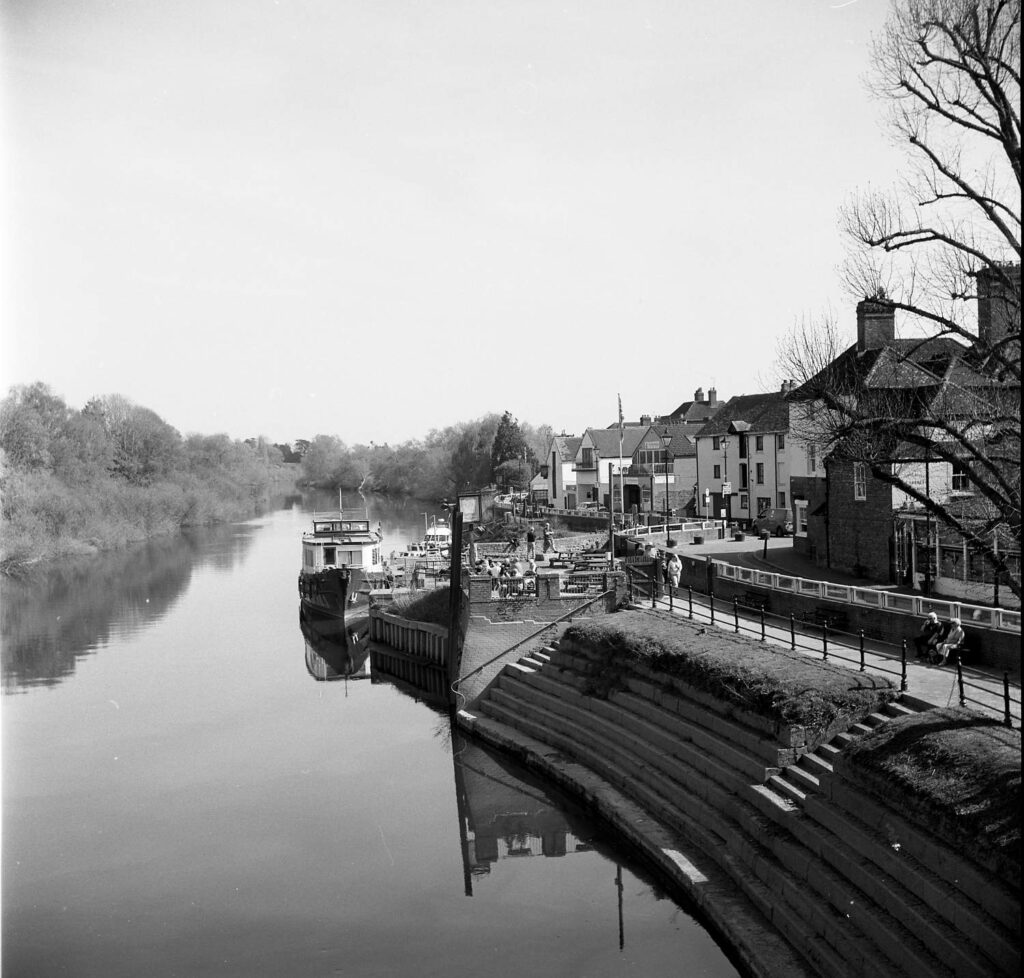
Following the initial riverside shots, the Bronica roll was completed first. The Lubitel was then carried forward into a second day of shooting under more challenging, overcast conditions. This allowed for an assessment of how the LOMO-produced glass handled lower contrast scenes and varied light intensities. The final shots on the Lubitel focused on green landscapes and structural details to test the resolving power of the T-22 lens when faced with organic textures.
Chemical Processing and Digital Digitization
To eliminate variables in the development phase, both rolls of Kentmere 200 were processed simultaneously in the same tank. The developer chosen was Ilford ID-11, a standard metol-based developer, used at a 1+1 dilution for the manufacturer-recommended duration of 8 minutes and 45 seconds.
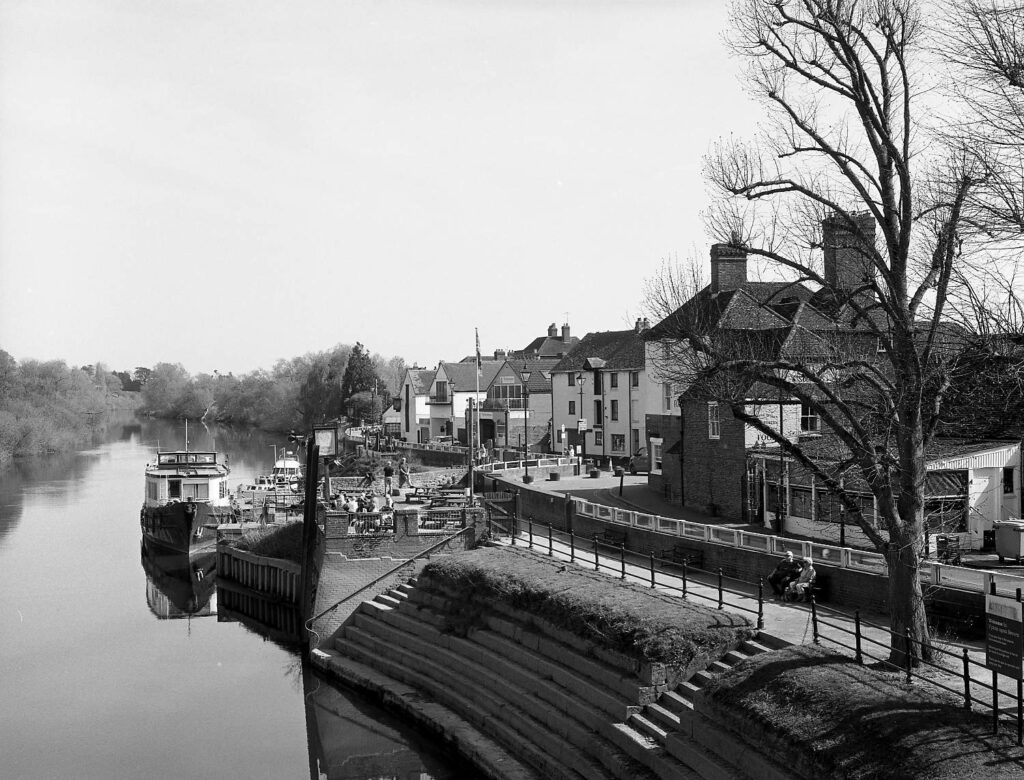
Post-development, the negatives were digitized using an Epson V700 photo scanner at a resolution of 3200 dpi. The digitization process was kept minimalist to preserve the inherent characteristics of the negatives. Only "auto levels" were applied during the scan to establish a standard black and white point. Subsequent editing in DxO PhotoLab was restricted to horizon leveling, minor cropping corrections, and the removal of prominent dust spots. No localized sharpening or contrast masking was applied at this stage to ensure the raw optical performance of the lenses remained visible.
Comparative Analysis of Image Results
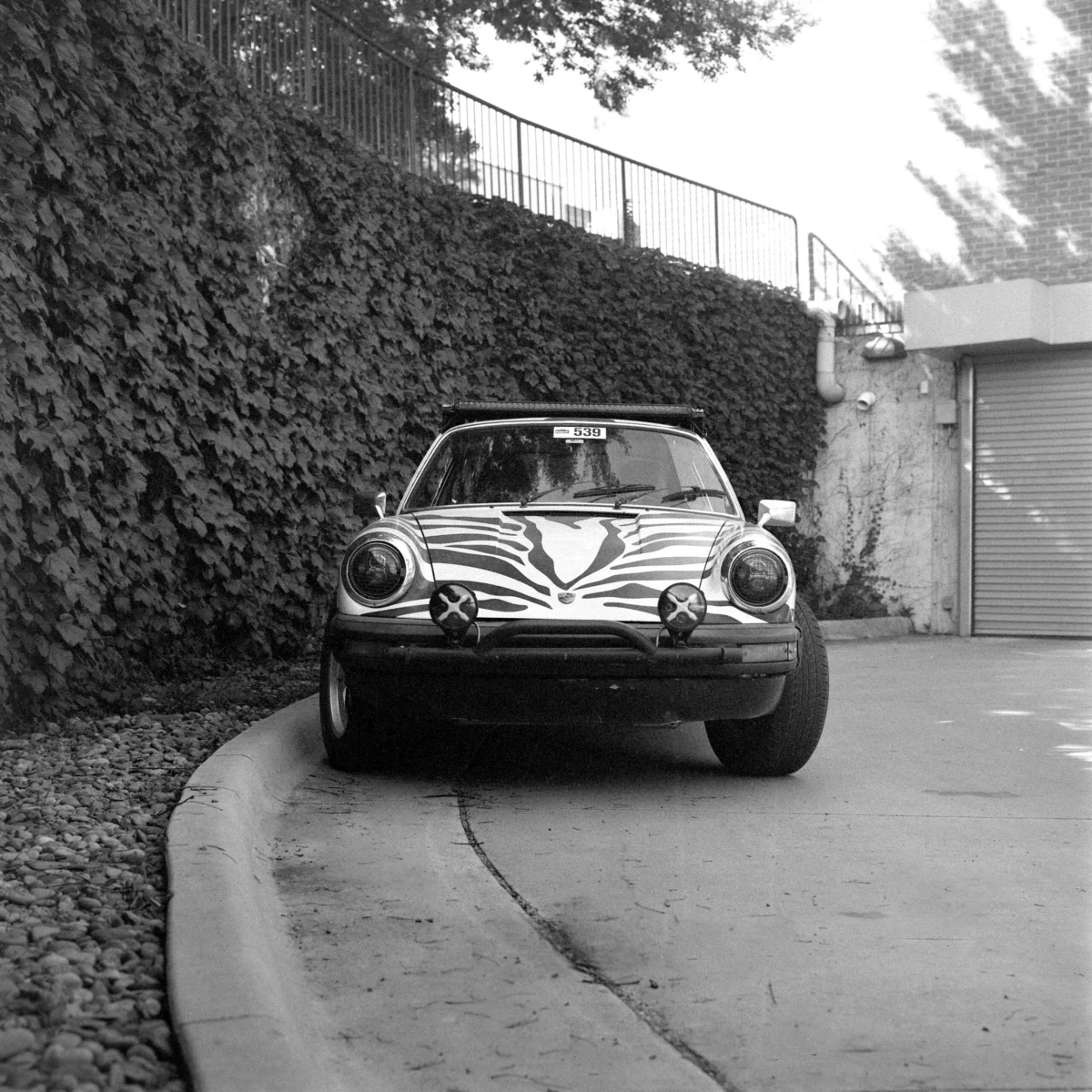
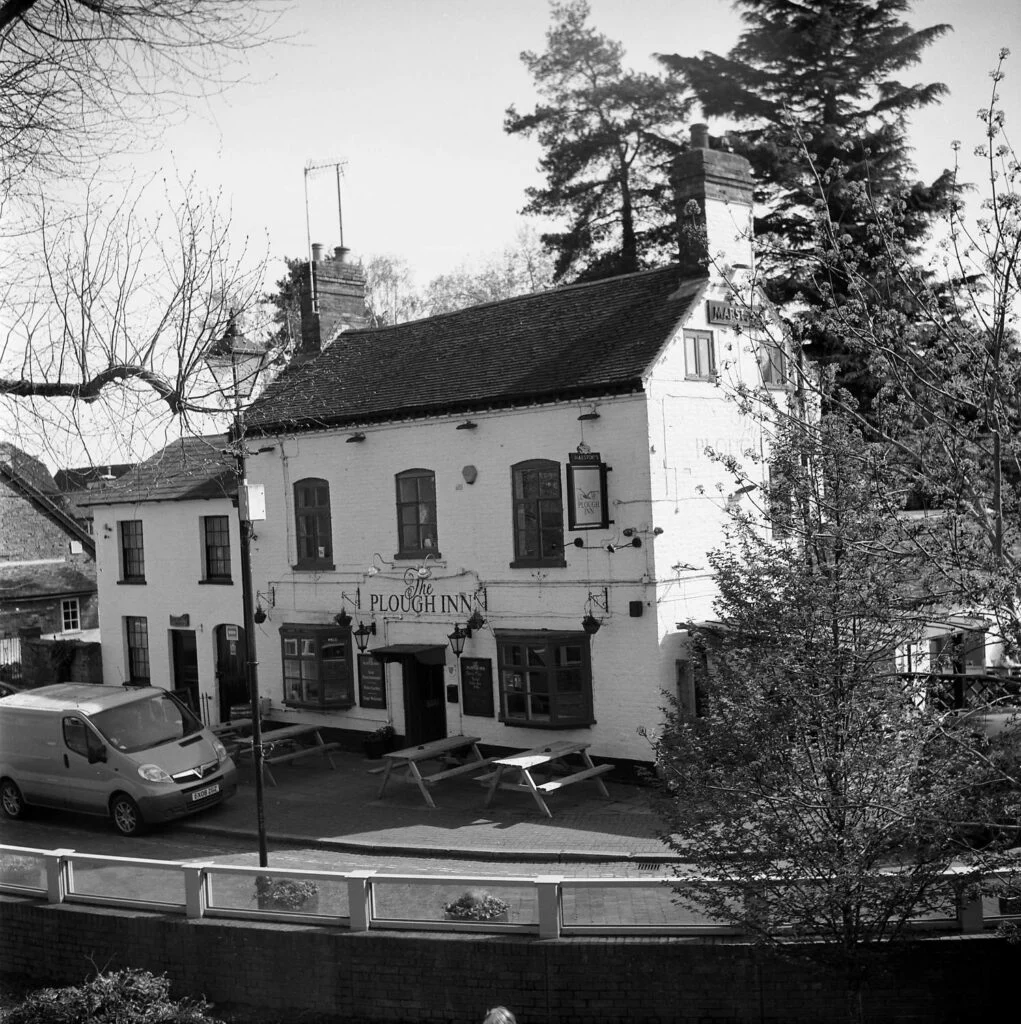
The resulting images confirmed several industry assumptions while providing surprising insights into the Lubitel’s capabilities.
Sharpness and Contrast
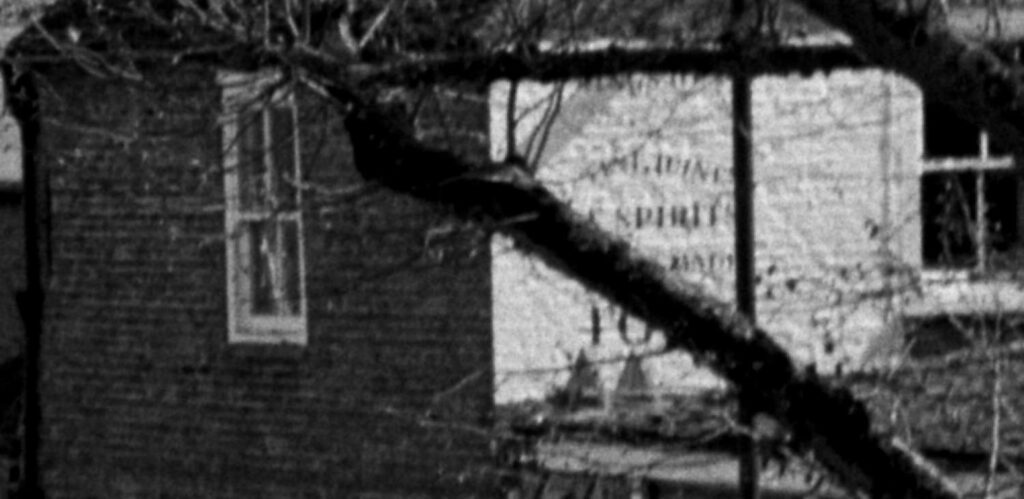
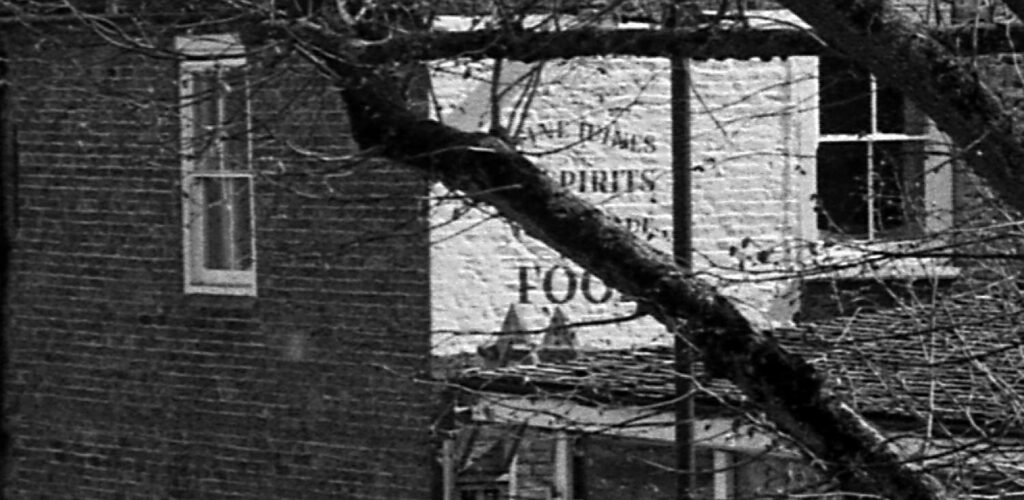
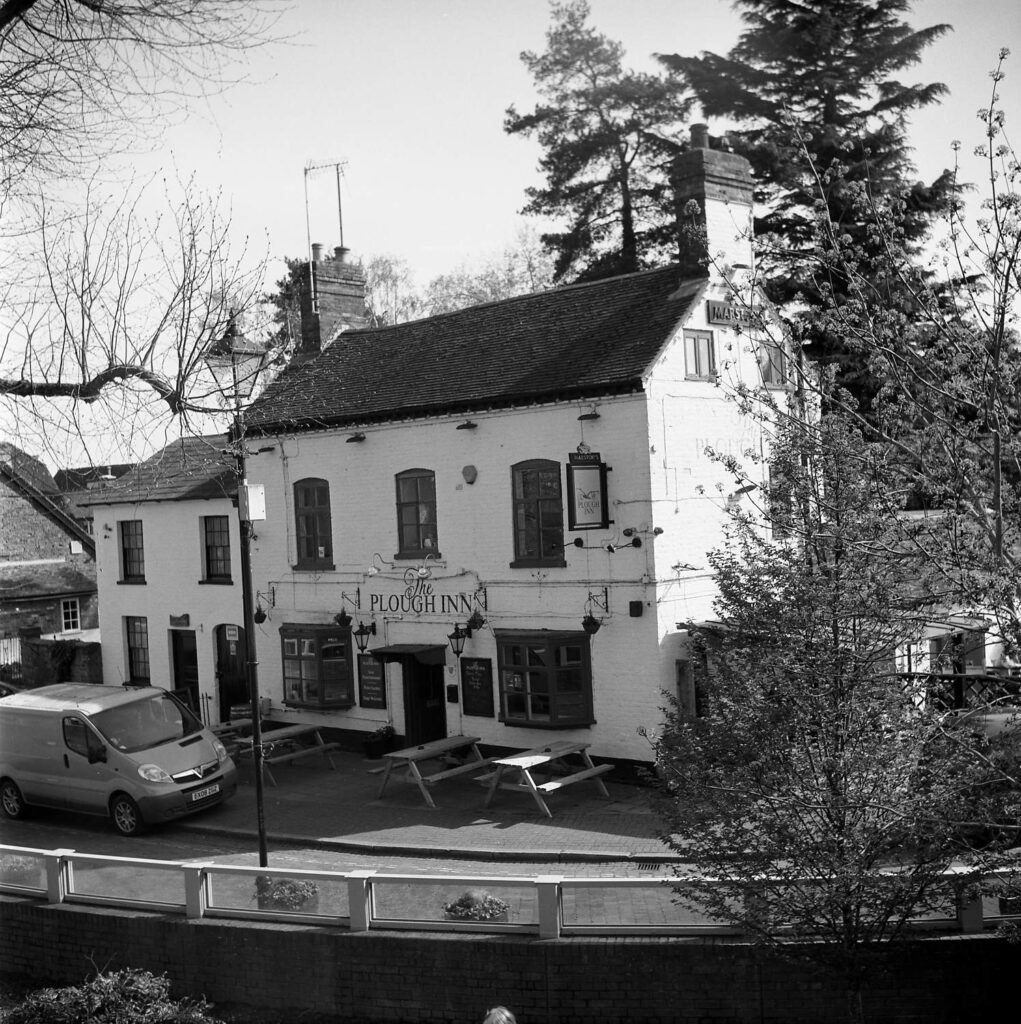
The Bronica ETRSi images exhibited a marked superiority in micro-contrast and edge-to-edge sharpness. The 75mm PE lens produced a "bite" in the shadows and highlights that the Lubitel could not replicate. In 1:1 pixel crops, the Bronica’s ability to resolve fine branches and distant textures was evident. The Lubitel 166, while respectable in the center of the frame at f/11, showed a noticeable fall-off in sharpness toward the corners—a common trait of three-element triplet lenses.
Optical Flaws and Character
The Lubitel 166 displayed visible vignetting in several frames, particularly those shot in bright sunlight. While some photographers view this as a desirable "lo-fi" aesthetic, from a technical standpoint, it represents a limitation of the lens housing and optical design. The Bronica, conversely, showed negligible vignetting and superior flare resistance, likely due to the advanced multi-coating of the Zenzanon glass.
The "Square" Advantage
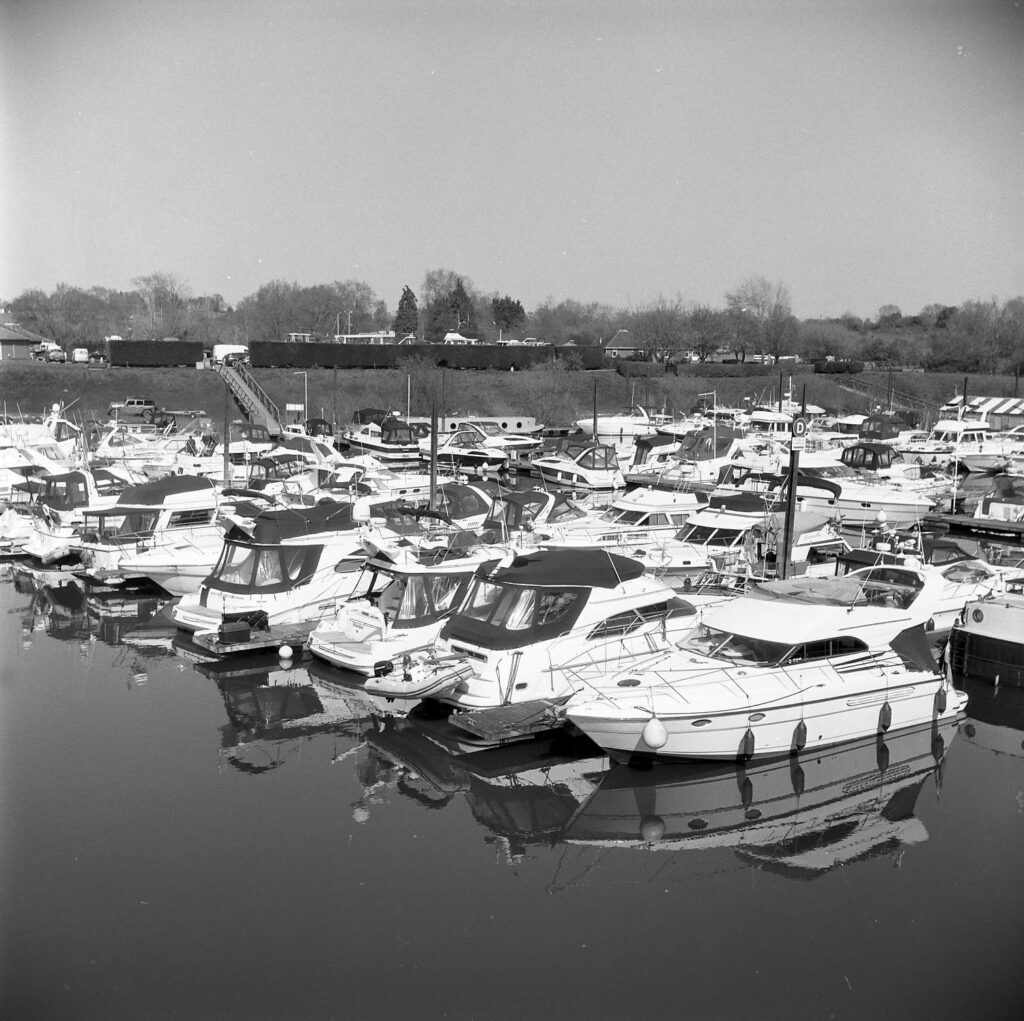
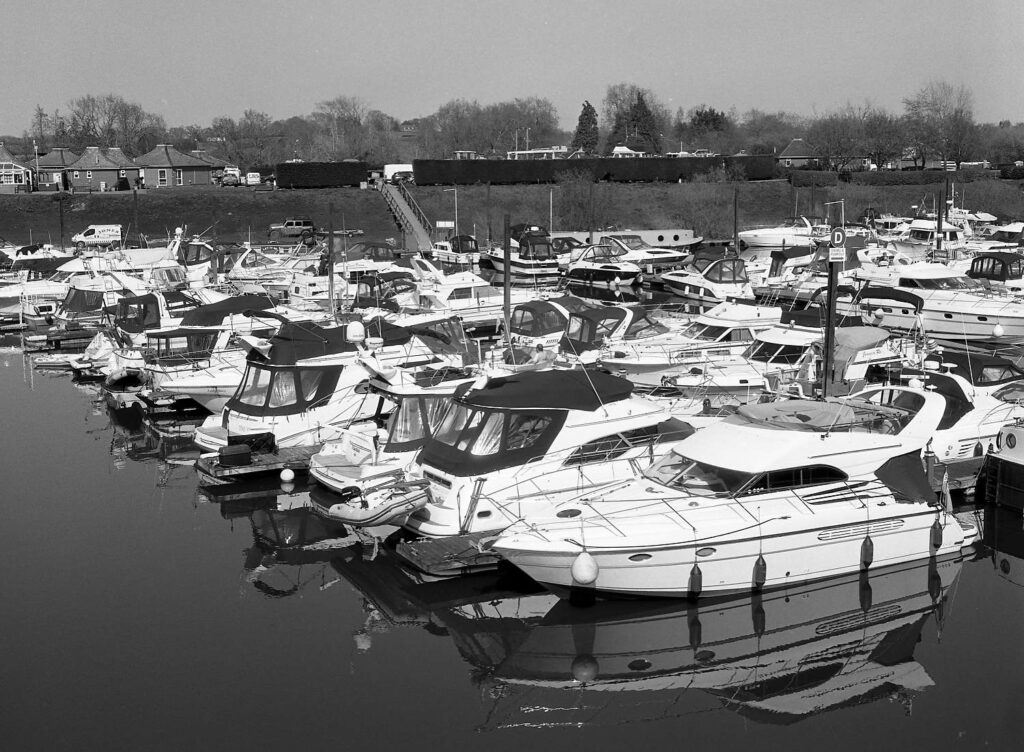
A significant point of discussion arose regarding the 6×6 format of the Lubitel. The square negative allows for a different compositional approach, often perceived as more "artistic" or "meditative." During the test, the photographer noted that while the Bronica’s 6×4.5 format felt more natural for traditional landscapes, the Lubitel’s square frame forced a more deliberate placement of subjects within the geometry of the square.
Ergonomics and Mechanical Observations
The user experience revealed stark differences in the design philosophies of the Soviet Union and Japan.
- The Viewfinder Experience: The Lubitel’s waist-level finder proved difficult for critical focusing. The "tunnel vision" effect, where the edges of the screen disappear if the eye is not perfectly centered, made composition a secondary struggle. The Bronica, even with a standard waist-level finder, offered a much brighter and more accurate ground glass.
- Film Advance: The Lubitel utilizes a "red window" on the back of the camera to track frame numbers printed on the film’s backing paper. This system requires ambient light to be bright enough to read the numbers through the red plastic, which proved difficult in lower light. The Bronica features a sophisticated mechanical film advance and counter, which is faster and more reliable.
- Shutter Mechanics: One surprising advantage for the Lubitel was its independent shutter cocking mechanism. Because the shutter is cocked separately from the film winding, it reduces the risk of accidental exposures. Additionally, the shutter button on the Lubitel was noted for having a "light touch," reducing the risk of camera shake during handheld shots.
Broader Implications for the Analog Community
The results of this comparison suggest that the "best" camera is heavily dependent on the photographer’s end goal. For archival landscape work or large-scale printing, the Bronica ETRSi remains the clear choice. Its ability to resolve detail and maintain contrast is essential for professional applications.
However, the Lubitel 166 proved to be more than a mere toy. For photographers prioritizing portability and weight, or those seeking a specific "vintage" aesthetic without resorting to digital filters, the Lubitel is a highly capable tool. Its lightweight plastic construction makes it an ideal companion for long hikes where the heavy, modular Bronica system might be a burden.
Furthermore, the price-to-performance ratio of the Lubitel 166 cannot be ignored. In a market where medium format gear prices are steadily rising, the Lubitel remains one of the most cost-effective ways to experience the unique depth of field and grain structure of 120 film.
Conclusion
The evaluation concludes that while the Bronica ETRSi is objectively the superior optical and mechanical instrument, the Lubitel 166 holds its own as a functional and characterful alternative. The Bronica’s images are characterized by professional-grade clarity and contrast, whereas the Lubitel offers a softer, more atmospheric rendition of reality.
For the modern film enthusiast, the choice between these two cameras represents a choice between two different philosophies of photography: the pursuit of technical perfection versus the embrace of mechanical simplicity and optical imperfection. As the analog revival continues, both the precision of the Bronica and the rugged charm of the Lubitel 166 ensure that medium format photography remains a diverse and accessible medium for all levels of practitioners. Future tests may involve comparing the Lubitel to compact folding cameras or utilizing AI-driven sharpening tools to see if the gap in image quality can be bridged in the digital darkroom. For now, both cameras remain vital pieces of photographic history, each capable of producing compelling imagery in the right hands.