July 15, 2025, Tuesday. New Zealand, a nation renowned for its breathtaking natural landscapes, continues to excel in the preservation and development of its extensive network of walking tracks. These trails, particularly prevalent on the South Island, are a testament to the country’s commitment to accessible outdoor recreation and environmental stewardship. Even in the heart of urban centers, residents and visitors are often mere minutes away from the trailhead of a path leading into tranquil, secluded environments where encounters with other individuals are infrequent. These well-maintained pathways frequently meander across babbling streams and reveal picturesque waterfalls, offering opportunities for refreshing respite and a chance to connect with nature.
The Enduring Appeal of New Zealand’s Tracks
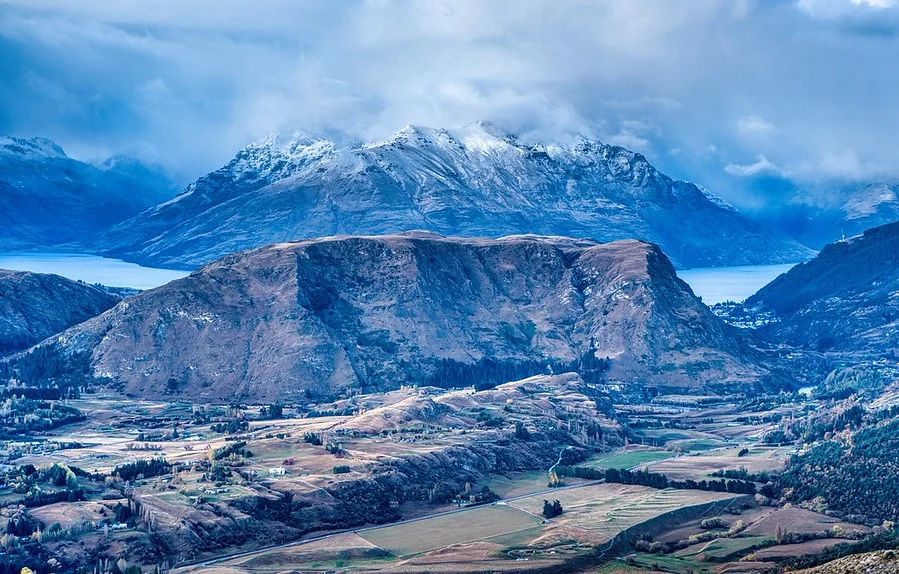
The allure of New Zealand’s walking tracks lies in their unparalleled ability to transport individuals into serene natural settings. The South Island, in particular, boasts a remarkable density of these trails, ranging from short, accessible urban walks to challenging multi-day treks. The accessibility is a key factor in their popularity. For instance, a short drive from the bustling city of Queenstown can place one at the commencement of a track that winds through native beech forests, offering panoramic views of Lake Wakatipu and the surrounding Southern Alps. Similarly, in the Abel Tasman National Park, coastal tracks provide a gateway to golden beaches and turquoise waters, with the option of water taxis allowing for flexible exploration.
Data from Tourism New Zealand consistently highlights outdoor activities, including hiking and walking, as primary drivers of visitor engagement. In 2023, for example, over 70% of international visitors participated in at least one nature-based activity during their stay. This trend underscores the economic and cultural significance of these trails. The maintenance and development of these tracks are often managed by a combination of government agencies, such as the Department of Conservation (DOC), and local community groups. DOC’s operational budget for track maintenance and development, while subject to annual fluctuations, generally represents a substantial investment in public infrastructure and environmental protection. In the fiscal year 2023-2024, DOC allocated an estimated NZ$45 million towards the upkeep and enhancement of its national park and reserve network, which includes the vast majority of New Zealand’s walking tracks.
A Closer Look at "The Many Falls"
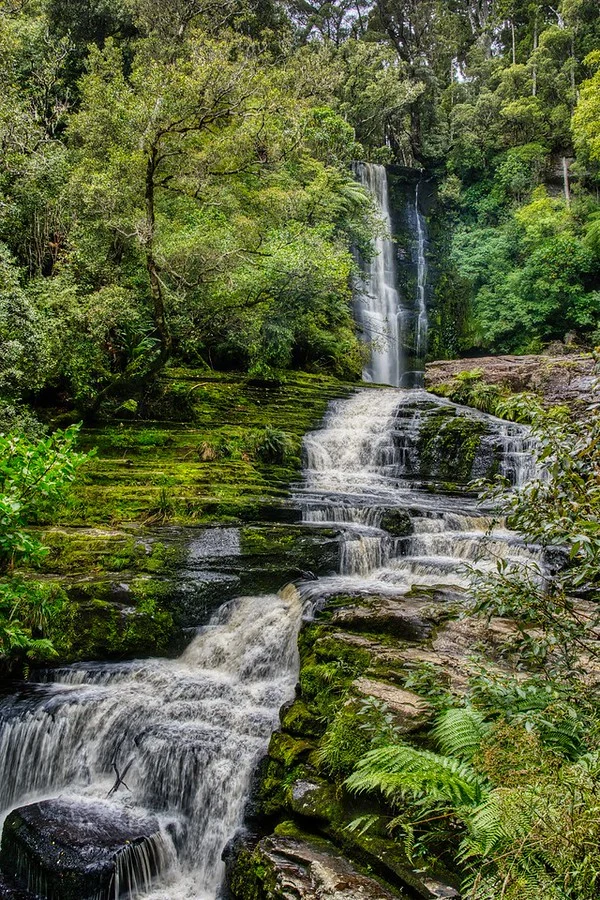
The featured photograph, "The Many Falls," encapsulates the essence of these New Zealand experiences. It depicts a serene waterfall cascading over moss-covered rocks, a common sight along many of the island’s walking routes. The description accompanying the image emphasizes the serendipitous discovery of such natural beauty during a walk. The act of removing shoes to cool tired feet in the stream’s refreshing water is a simple yet profound connection to the natural environment, a ritual many visitors cherish.
These waterfalls, while often appearing as incidental features, are integral components of the South Island’s diverse ecosystems. They are fed by the region’s abundant rainfall and snowmelt from the Southern Alps, contributing to the health of local flora and fauna. The clarity and purity of the water are often indicative of the pristine nature of the surrounding environment. Scientific studies on New Zealand’s freshwater systems consistently report high levels of water quality in remote areas, attributing this to minimal human impact and effective conservation measures. For instance, reports from Environment Canterbury have shown that water quality in alpine streams often exceeds national guidelines for purity.
The Broader Context: Conservation and Accessibility
The development and maintenance of walking tracks in New Zealand are not merely about providing recreational opportunities; they are deeply intertwined with the nation’s conservation ethos. The Department of Conservation’s mandate includes protecting New Zealand’s unique natural and historic heritage for all to enjoy. The creation of well-defined tracks serves to minimize the impact of human foot traffic on fragile ecosystems, preventing erosion and protecting native plant and animal life.

The history of track development in New Zealand can be traced back to the early days of European settlement, with initial paths often created by surveyors and prospectors. However, it was the establishment of national parks and reserves in the early to mid-20th century that formalized and expanded the network. The creation of Fiordland National Park in 1952, for example, paved the way for iconic trails like the Milford Track, which was already being used by hikers for decades prior. These early tracks were often rudimentary, but with increasing visitor numbers and a growing understanding of conservation principles, the focus shifted towards sustainable track design and construction.
The technology employed in modern track construction is sophisticated, incorporating principles of erosion control, flood mitigation, and accessibility. Materials are often sourced locally to minimize environmental impact, and designs are carefully integrated into the natural landscape. For challenging terrain, elevated boardwalks and strategically placed steps are utilized to protect the ground beneath and provide safe passage.
Economic and Social Implications
The economic benefits derived from New Zealand’s walking tracks are substantial. They form a cornerstone of the adventure tourism sector, attracting visitors who spend on accommodation, food, transport, and other related services. A 2022 report by Statistics New Zealand indicated that tourism contributed approximately NZ$40 billion to the country’s GDP, with a significant portion attributable to nature-based tourism.
Beyond economics, these tracks foster a sense of national identity and pride. They provide opportunities for New Zealanders to connect with their heritage and natural environment. Community involvement in track maintenance and volunteer programs further strengthens this connection. For example, "Friends of the Abel Tasman" groups regularly contribute to track clearing and pest control efforts, demonstrating a shared commitment to preserving the park’s natural beauty.
Future Directions and Challenges
While the current state of New Zealand’s walking tracks is commendable, ongoing challenges and future directions warrant consideration. Climate change poses a significant threat, with increased rainfall intensity potentially leading to track erosion and damage. Rising sea levels could impact coastal tracks, and changes in snow patterns might affect alpine routes. Continuous investment in resilient infrastructure and adaptive management strategies will be crucial.
Furthermore, managing increasing visitor numbers, particularly at popular locations, requires careful planning to prevent overcrowding and ensure a high-quality visitor experience without compromising the environment. Initiatives such as booking systems for Great Walks, like the Milford and Routeburn Tracks, have been implemented to manage demand and distribute visitor impact.
The ongoing commitment to maintaining and enhancing New Zealand’s walking tracks, as exemplified by the serene beauty captured in "The Many Falls," is vital for preserving the nation’s natural heritage and ensuring its continued appeal to both domestic and international visitors. The integration of conservation principles with accessible infrastructure development provides a model for sustainable tourism and outdoor recreation. The simple act of walking through these landscapes, encountering the quietude of a waterfall, represents a profound connection to the Earth, a value that New Zealand consistently champions. The future success of these trails will depend on sustained investment, innovative solutions to environmental challenges, and a continued dedication to the core principles of conservation and public access.