The intersection of classical art and modern technology has created a new cultural paradigm within the world’s most prominent galleries, where the act of viewing art is increasingly mediated through a lens. At the Louvre in Paris, the world’s most-visited museum, the friction between casual smartphone photography and deliberate, artistic documentation has become a defining characteristic of the visitor experience. This phenomenon raises critical questions regarding the purpose of museum photography: whether it serves as a tool for personal reflection, a vehicle for social media validation, or an authorial art form in its own right. As institutions like the Museum of Modern Art (MoMA) in New York and the British Museum in London navigate record-breaking attendance, the role of the "museum snapper" has evolved from a peripheral annoyance to a subject of serious aesthetic and sociological study.
The Evolution of the Museum Visitor’s Gaze
Historically, photography within museum walls was strictly regulated, often viewed as a threat to both the physical preservation of works and the intellectual property of the institution. However, the last decade has seen a global shift toward "open photography" policies. This transition was driven by the realization that social media serves as a powerful, free marketing tool. According to data from the Louvre, which welcomed approximately 8.9 million visitors in 2023, the vast majority of patrons engage with the collection through digital devices.
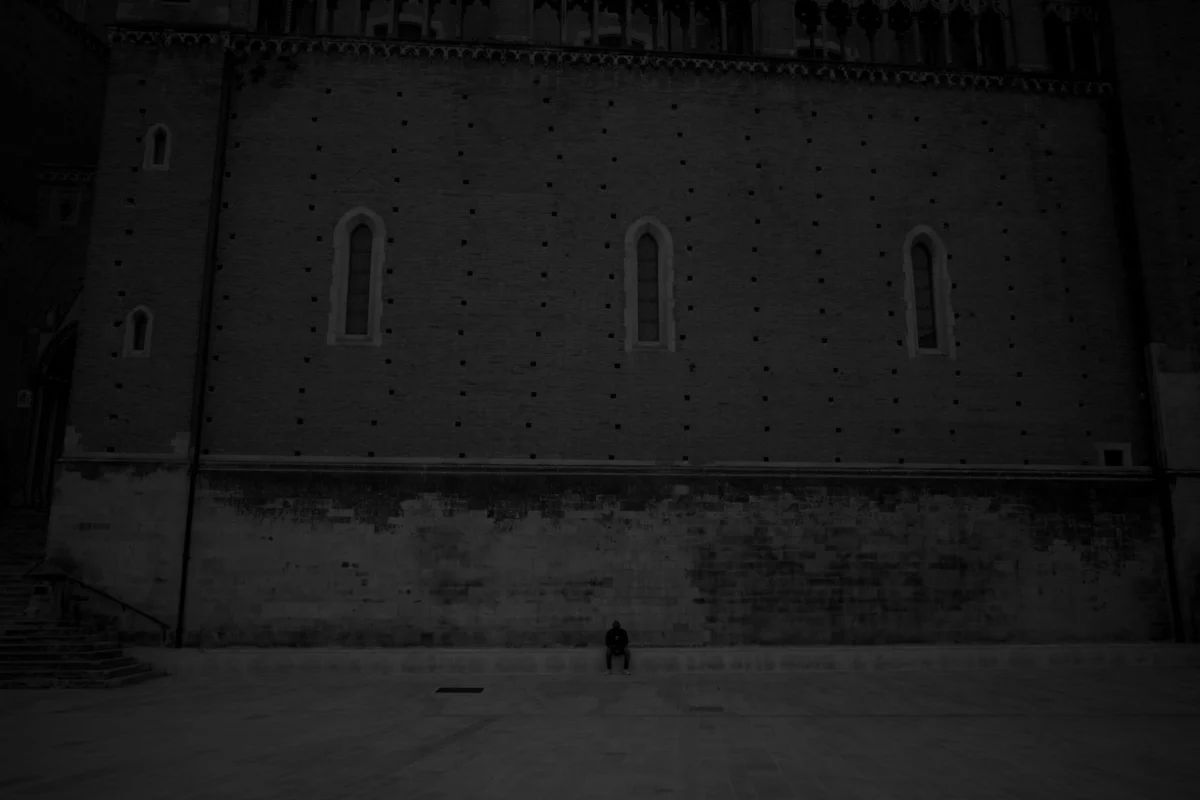
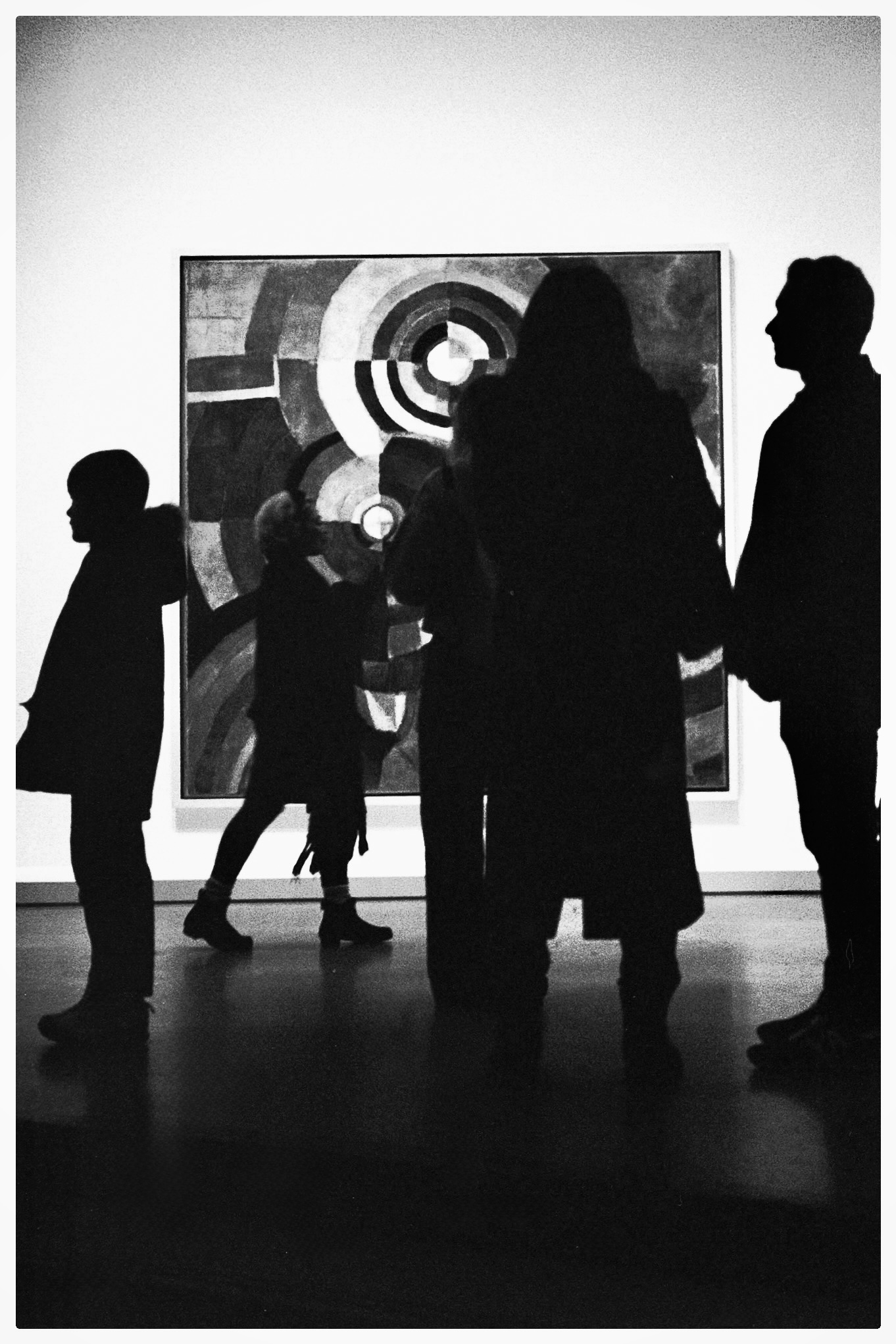
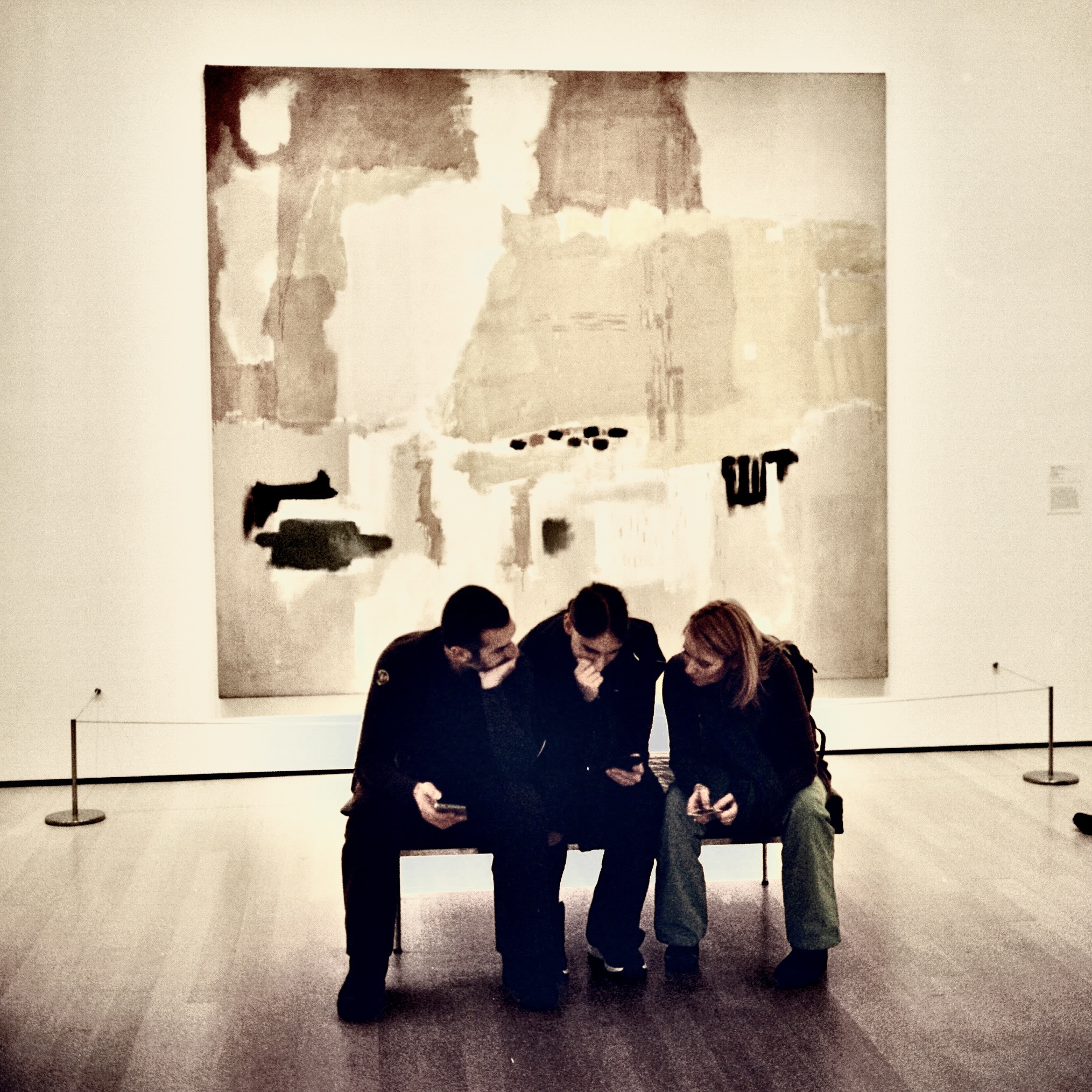
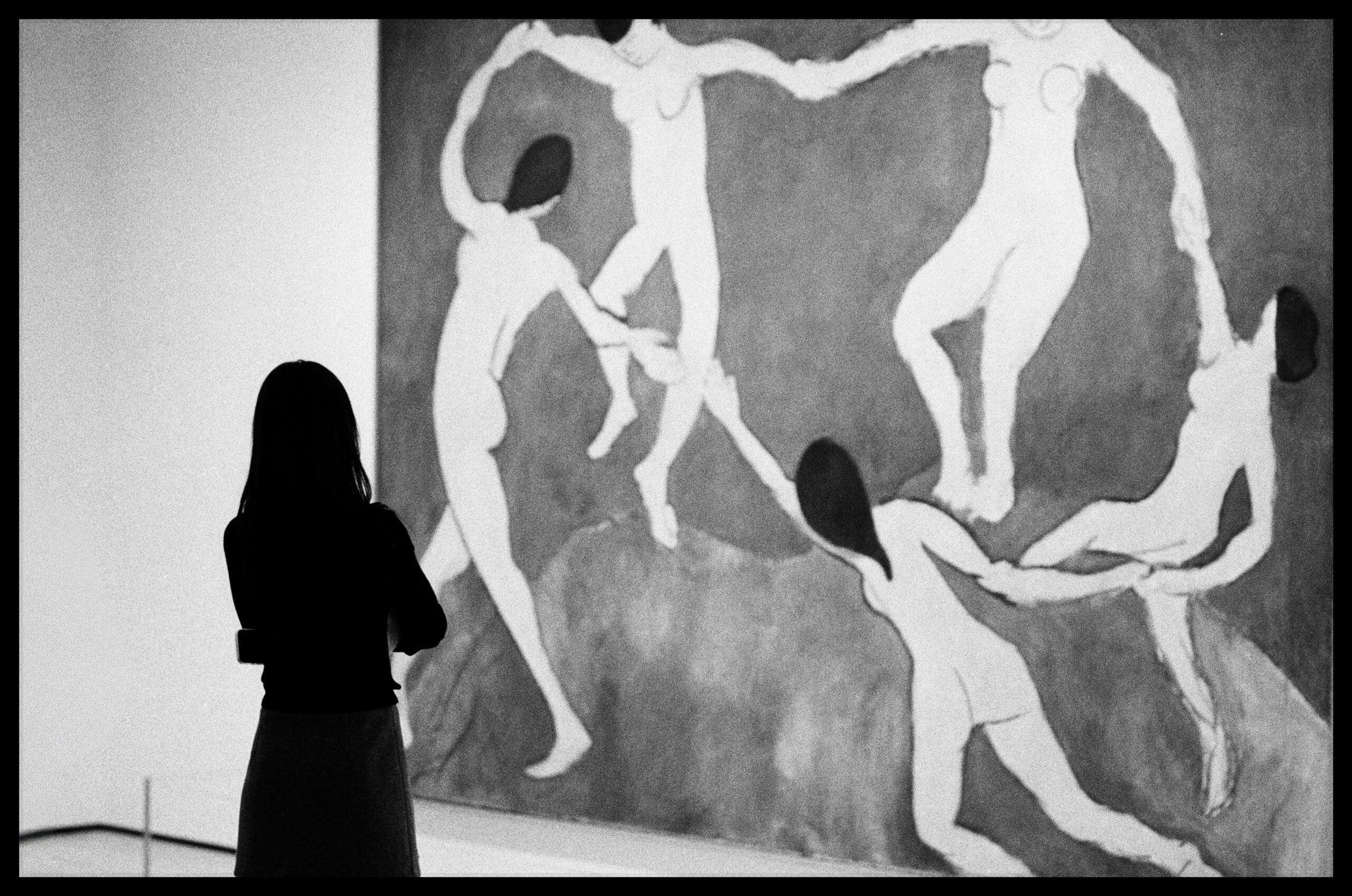
Journalistic observation of these spaces reveals a spectrum of engagement. On one end is the "rhythmic succession" of smartphone captures—rapid-fire images intended to reduce vast collections, such as the Louvre’s Renaissance paintings, into a private digital trove. On the other end is the practice of "authorial" photography, where the photographer uses the museum environment, including other patrons and the gallery’s architecture, to create a new narrative. This latter approach seeks to document the incongruities and parallels between the timeless artworks and the contemporary humans who encounter them.
A Chronology of Artistic Response and Technical Precision
The practice of museum photography often mirrors the technical evolution of the medium itself. While digital cameras like the Leica M10-R offer high-resolution immediacy, a growing subculture of photographers continues to utilize analog equipment to "decode" the museum experience. The use of pre-war Leica III cameras, Rolleiflex 2.8F twin-lens reflexes, and Hasselblad SWC/M systems represents a deliberate slowing down of the observational process.
In recent exhibitions across the globe, this methodical approach has been applied to various masterworks:
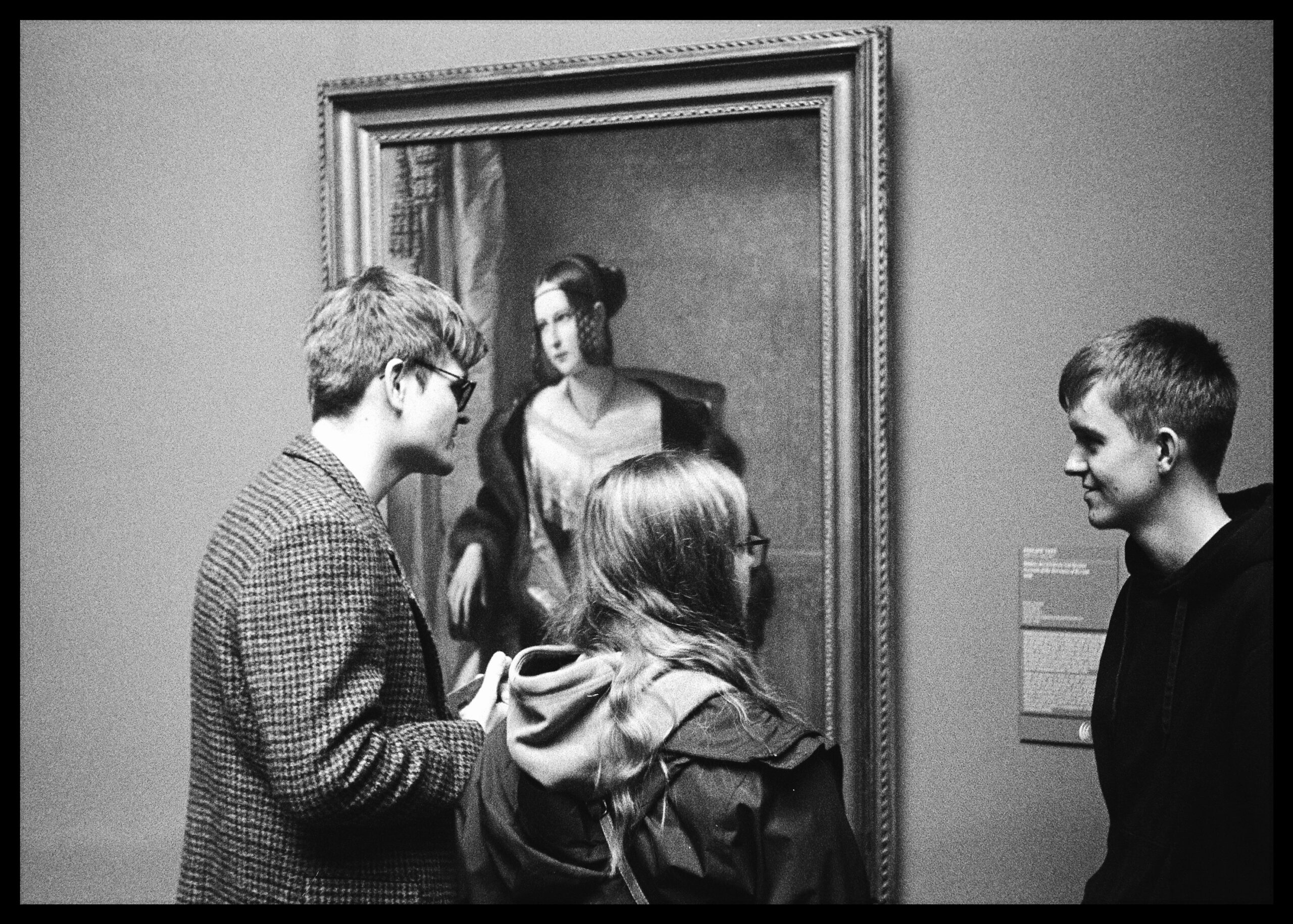
- 2025: The Städel Museum, Frankfurt: Photographers documented the works of Philipp Veit using Ilford HP5 Plus film, focusing on the interplay of light within the German gallery spaces.
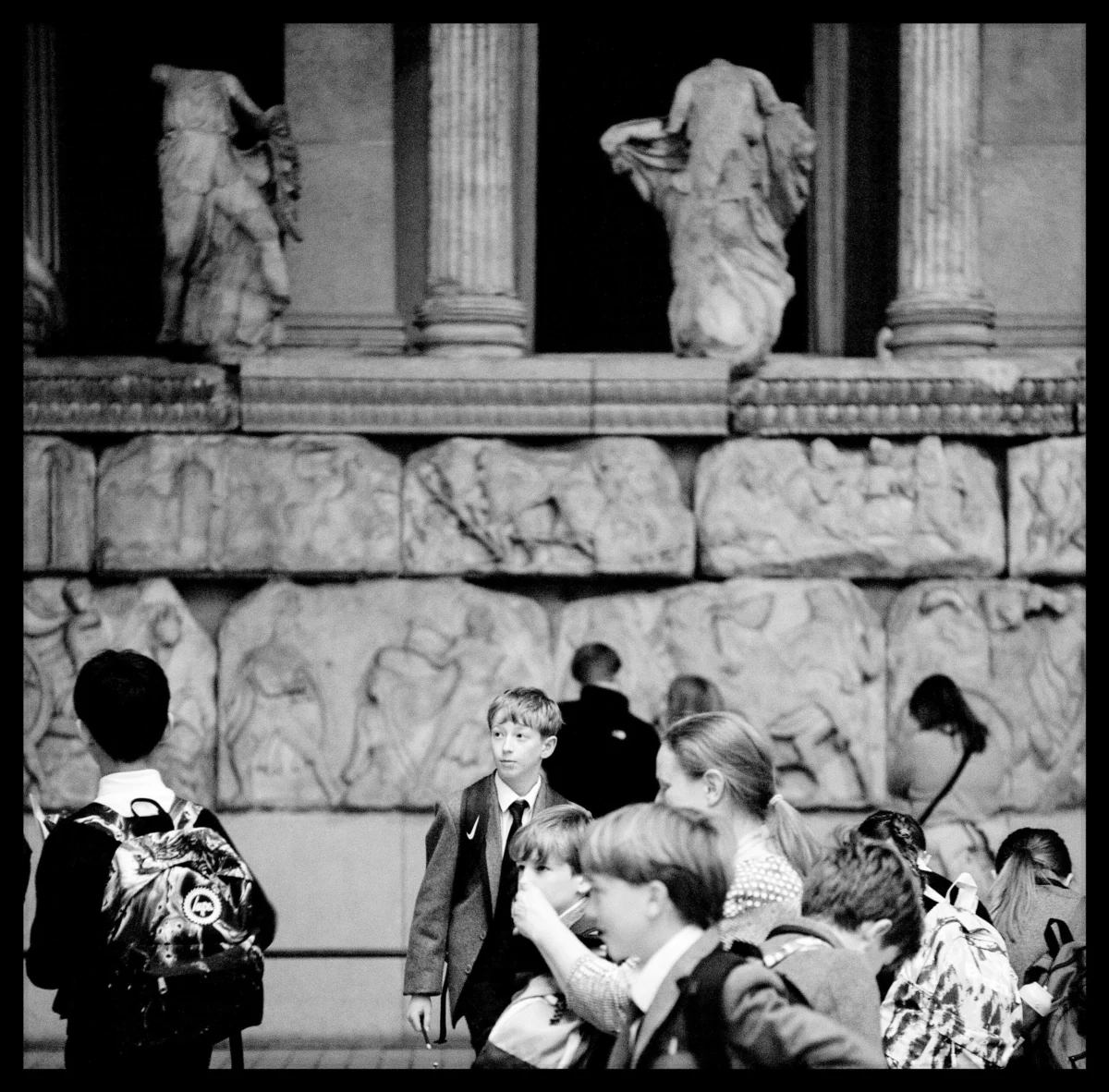
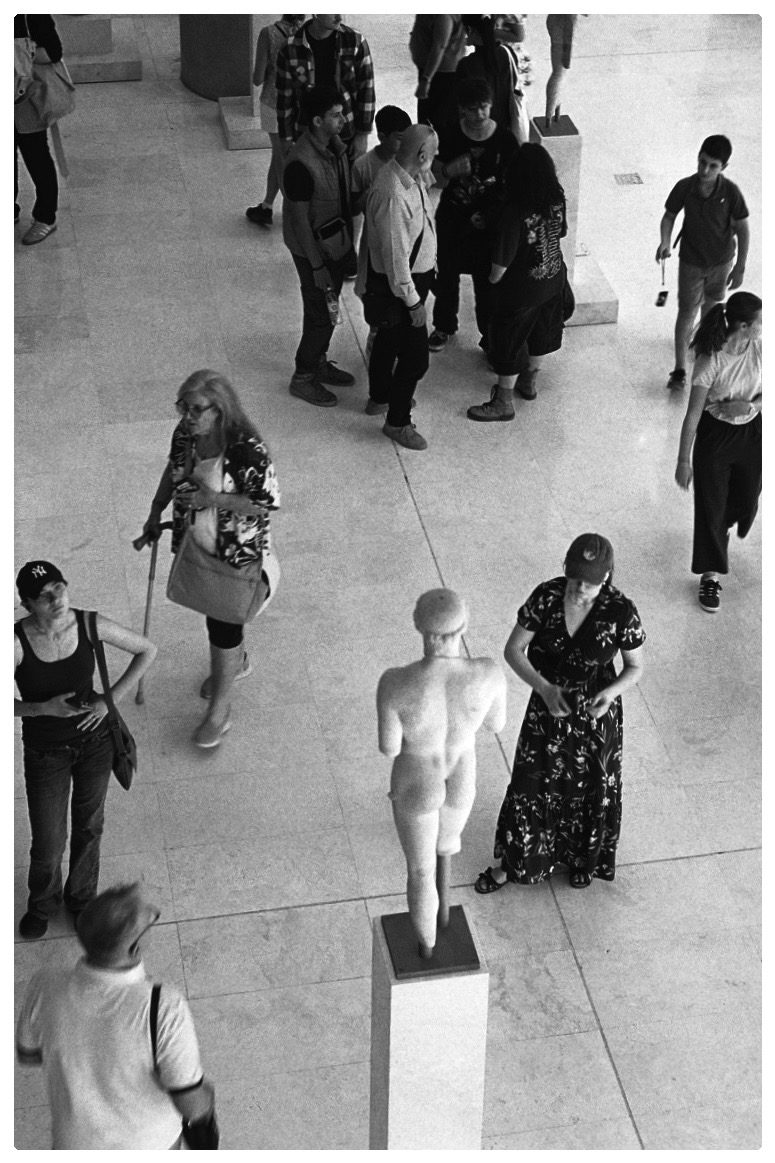
- 2025: The Parthenon Museum, Athens: The use of Kodak Tri-X 400 film allowed for a high-contrast exploration of ancient sculpture, emphasizing texture and form over the distractions of color.
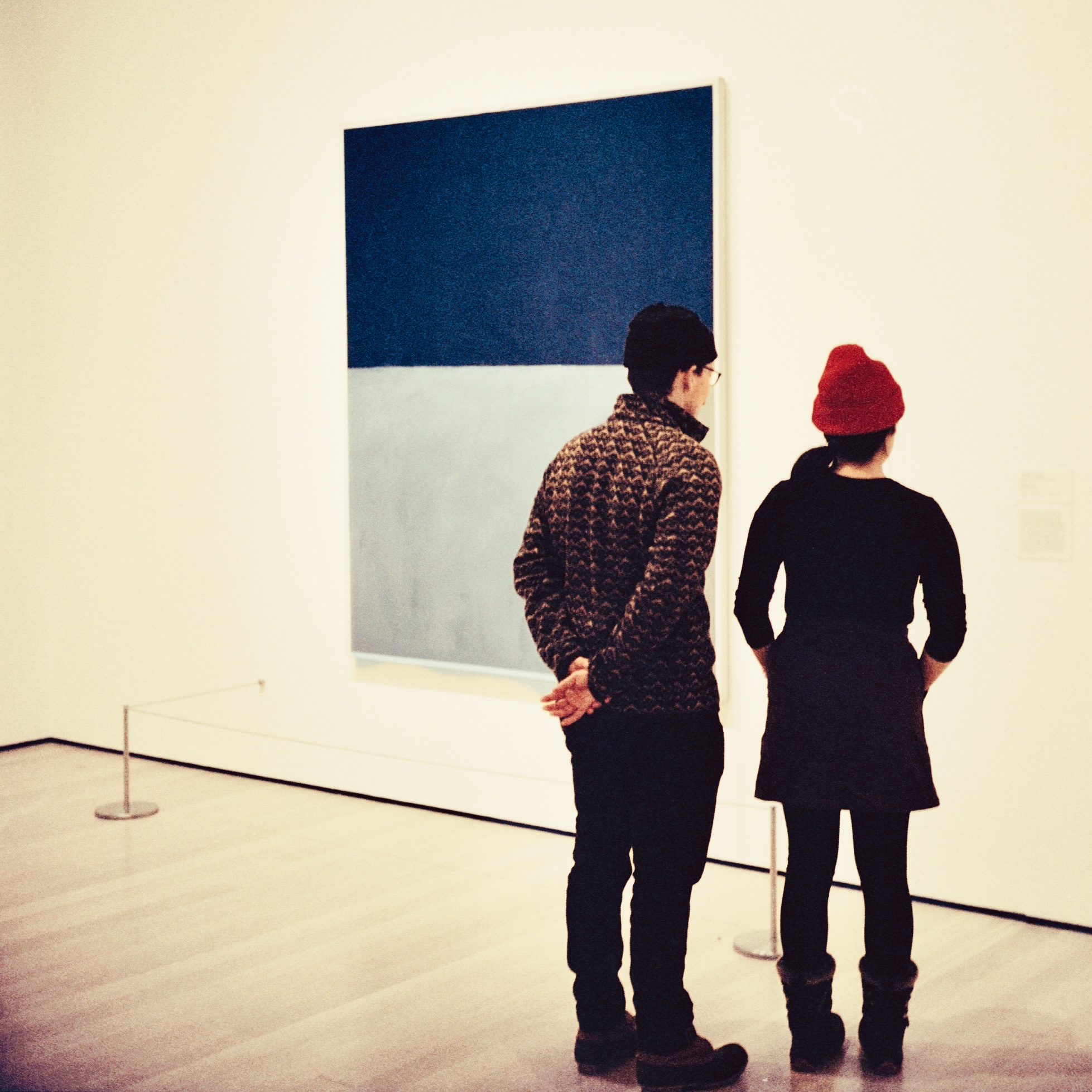
- 2026: MoMA, NYC: Modern installations, such as those by Mark Rothko and Jackson Pollock, were captured using CineStill 400D and 800T, films designed to handle the complex artificial lighting of contemporary galleries while providing a cinematic grain.
This timeline suggests that for many, the museum is not merely a place to see art, but a studio in which to create it. The choice of film and vintage optics serves as a technical "response" to the digital saturation of modern life.
Case Study: Monet and Venice at the Brooklyn Museum
A significant example of photography as a response to art occurred during the recent "Monet and Venice" exhibition at the Brooklyn Museum. This show highlighted a specific period in Claude Monet’s career, beginning in 1908. At the age of 68, Monet was initially reluctant to leave his home in Giverny, where he was consumed by his "Waterlilies" series. Under pressure from his wife, Alice, he traveled to Venice for three months, a trip that resulted in 37 canvases depicting the unique atmospheric light of the Adriatic.
The exhibition’s climax featured a circular gallery sheathed in deep blue, where views of the Venice lagoon were mounted in gilt frames. For photographers documenting this show, the challenge was not merely to reproduce Monet’s work—a task already accomplished by countless museum shop postcards and "Waterlily" themed merchandise—but to capture the "emotional resonance" of the space.
Technical analysis of these efforts shows a preference for metering for the paintings’ highlights while allowing the gallery and its crowds to drop into shadow. This technique creates a visual metaphor for memory: the artwork remains radiant and clear, while the surrounding environment dissolves into the periphery. This approach honors Monet’s own virtuosity in representing tonal shifts and the impact of shifting illumination.
Decoding the Psychological Impact of Modern Installations
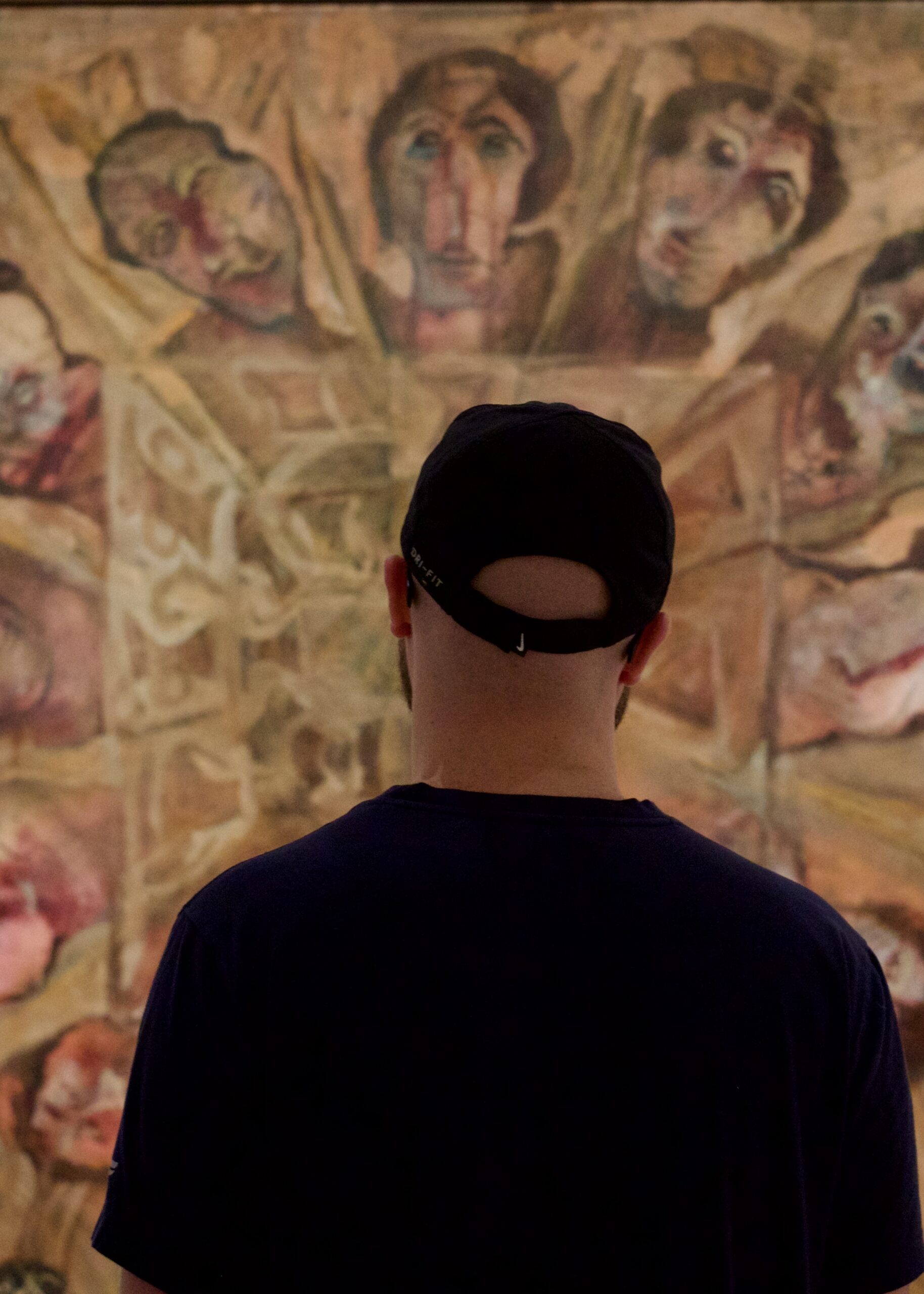
Beyond the aesthetic appreciation of Impressionism, museum photography often serves as a tool for processing "visual disquiet." At a 2026 MoMA exhibition, Mike Kelley’s "Deodorized Central Mass with Satellites" (1991) provided a stark contrast to classical beauty. The work, composed of thousands of rescued stuffed animals with their faces turned inward, often evokes a sense of nostalgia and environmental guilt in viewers.
For many photographers, the act of framing such a work is a way to manage the "reticence imposed by public places." The technical requirements of the shot—keeping the frame free of crowds on a busy Sunday afternoon or calculating the exposure for a multi-hued sculpture—provide a temporary emotional buffer. It is often only later, during the development of the film or the scanning of negatives, that the viewer can fully grasp the "reproach" or the "unsettling beauty" within the artist’s work.
Institutional Reactions and the "Instagrammability" Factor
Museum curators and administrators have expressed a range of reactions to the ubiquity of cameras. While the "Vivian Maier style" of street photography within a museum is respected for its artistic merit, the "greedy quest" for social media content has led some institutions to reconsider their layouts.
"We have to design exhibitions with ‘photo moments’ in mind," noted one gallery consultant who requested anonymity. "But we also have to ensure that the ‘shuffling’ of smartphone users doesn’t impede the quiet reflection of those who come to sit with a Rothko for an hour."
Data suggests that while photography can democratize art, it also risks reducing complex works to mere backdrops. A study of museum-going habits found that visitors who spend more time photographing an object often have a poorer memory of the object itself—a phenomenon known as the "photo-taking impairment effect." Conversely, those who use photography as a deliberate, authorial tool—such as those printing on fiber-based paper in a darkroom—report a deeper, more analytical connection to the subject matter.
Broader Impact and the Future of the Artistic Encounter
The legacy of artists like Claude Monet continues to influence how we perceive the relationship between art and the public. Monet’s massive "Waterlily" panels, now housed in the Musée de l’Orangerie in Paris (often called the "Sistine Chapel of Impressionism"), were initially received with "frigid indifference" in the 1920s. Today, they are among the most photographed works in the world.
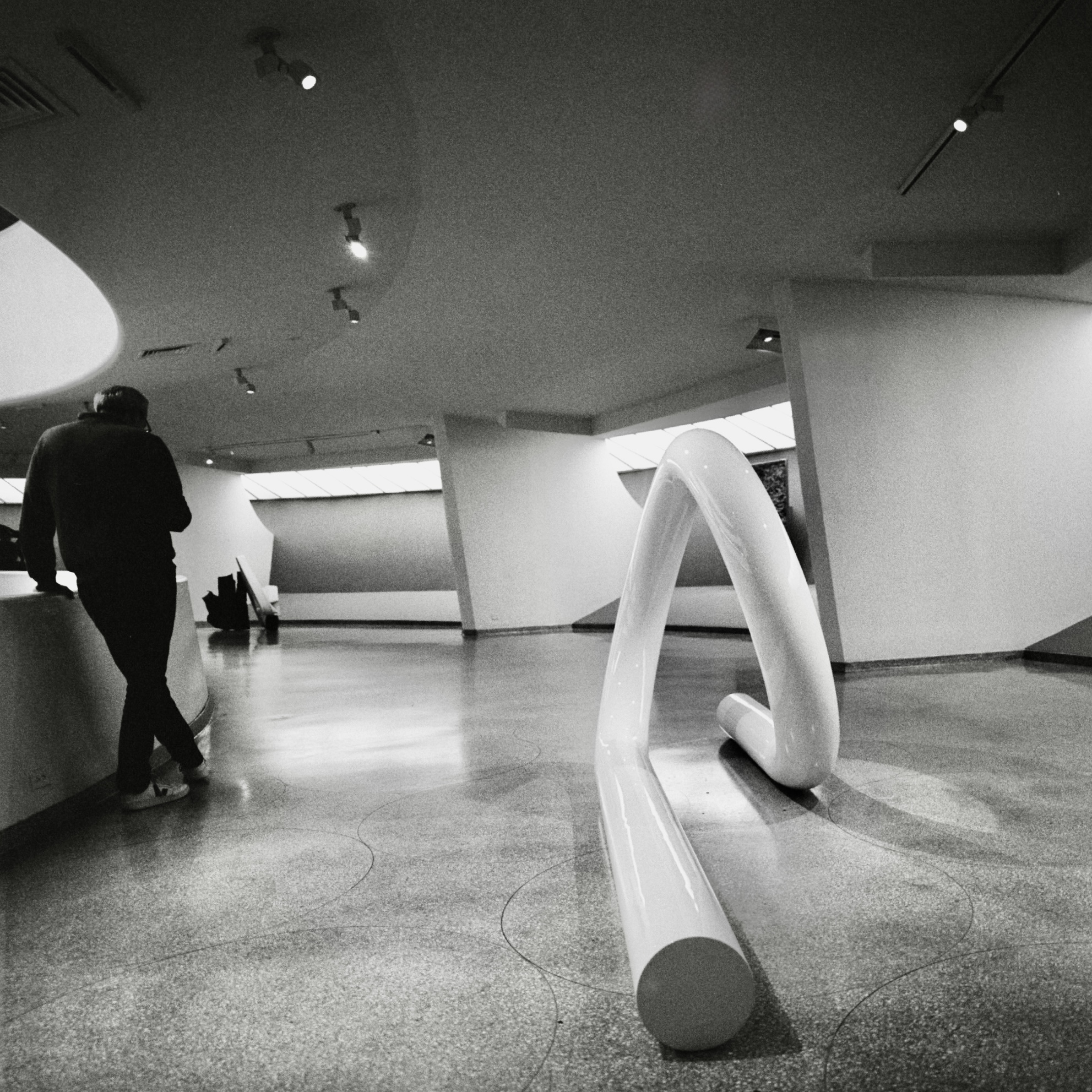
The evolution of museum photography suggests that the medium has finally been deemed "museum-worthy" in its own right, moving beyond its supporting role of diffusing images for catalogs and tote bags. To qualify as authorial, a museum photograph must offer a commentary on the environment that envelops the art.
As we look toward the mid-21st century, the definition of a successful museum visit is changing. It is no longer measured solely by the number of masterpieces seen, but by the quality of the "response" generated. Whether through a 1930s Leica or a 2020s smartphone, the act of capturing an image remains a primary way for the modern human to claim a piece of history, sort through the confusion of a crowded gallery, and ultimately, find a personal connection to the creative spirit.
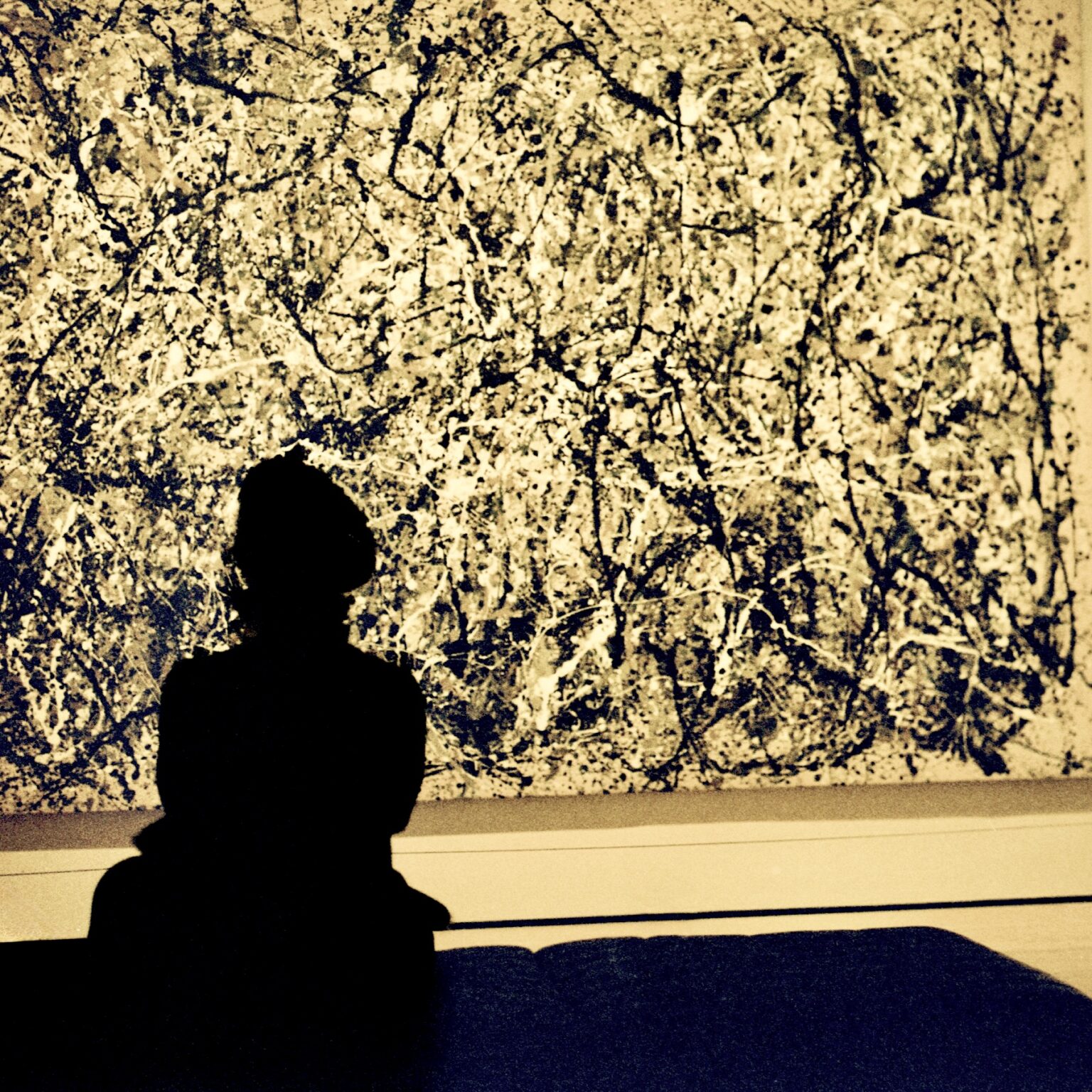
The persistence of radiance in the face of dissolving details remains the goal of the dedicated museum photographer. In the darkroom or on the digital screen, these images serve as a testament to the fact that while the crowd may be fleeting, the impact of the light—as Monet so aptly demonstrated—is eternal.