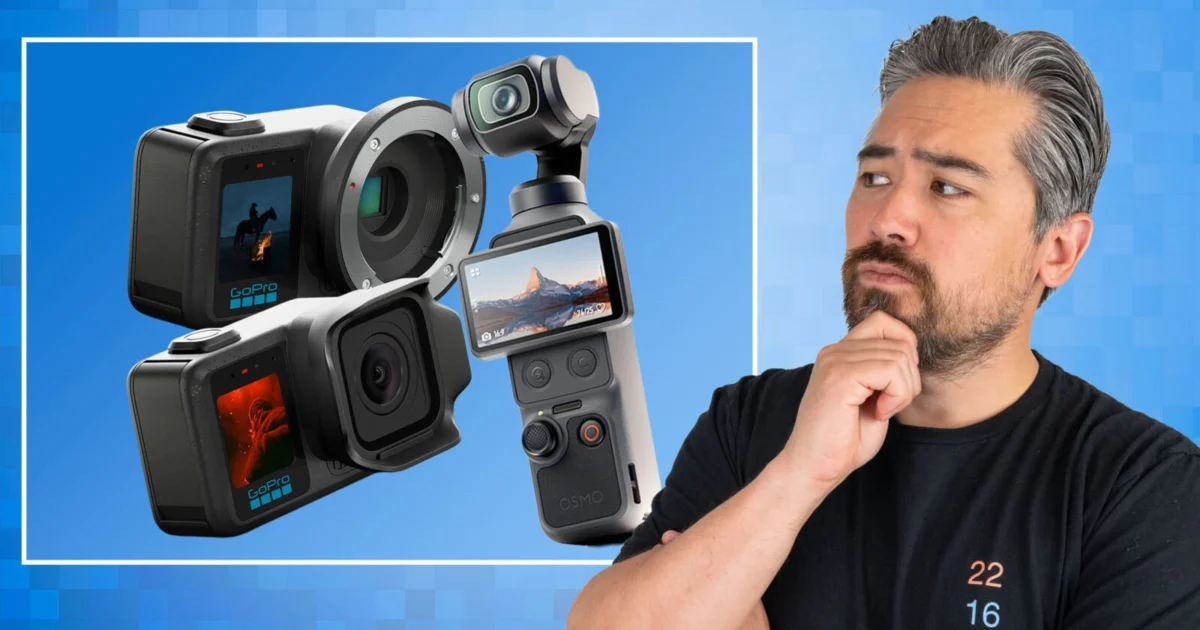
The latest episode of The PetaPixel Podcast delves into significant developments poised to reshape the digital imaging and content creation landscape, featuring insightful commentary from industry analyst Sarah Teng. The discussion spanned Blackmagic Design’s DaVinci Resolve’s growing challenge to Adobe Lightroom in photo editing, the highly anticipated release of the DJI Osmo Pocket 4, and the intriguing potential implications of a rumored GoPro initiative dubbed "Mission 1." These topics collectively highlight the rapid evolution of tools and technologies available to photographers, videographers, and online content producers, underscoring a period of intense innovation and competition among leading manufacturers.
DaVinci Resolve’s Expanding Footprint in Photo Editing: A Direct Challenge to Lightroom?
One of the most compelling subjects explored on the podcast was the increasing viability of DaVinci Resolve as a comprehensive alternative to Adobe Lightroom for still image editing and management. Traditionally revered as a powerhouse for video editing, color grading, visual effects (VFX), and audio post-production, DaVinci Resolve, developed by Blackmagic Design, has steadily integrated robust capabilities that make it a compelling option for photographers. Adobe Lightroom, long the undisputed industry standard for raw image processing, cataloging, and non-destructive editing, now faces a formidable contender that offers a different workflow philosophy and licensing model.
Background and Evolution:
Adobe Lightroom has been foundational for digital photographers since its initial release in 2007, building on Adobe Photoshop’s raw conversion capabilities. It offers a streamlined workflow for importing, organizing, editing, and sharing large volumes of images, characterized by its intuitive interface and deep integration with Adobe’s Creative Cloud ecosystem. Its subscription-based model, offering continuous updates and cloud storage, has become the norm for many professionals.
DaVinci Resolve, on the other hand, originates from the high-end film and television post-production industry, where its color grading suite was legendary. Over the past decade, Blackmagic Design has transformed Resolve into a full-fledged non-linear editing (NLE) system, incorporating modules for editing (Cut and Edit pages), visual effects (Fusion page), audio post-production (Fairlight page), and most notably, its world-class Color page. While its primary focus has been video, the Color page’s sophisticated tools are equally applicable to still images, offering unparalleled control over color, tone, and detail. More recently, Resolve has seen enhancements in its media management and timeline capabilities that allow for more fluid integration of still images within a video project or even as standalone assets. The introduction of tools like magic mask, advanced noise reduction, and sophisticated RAW processing capabilities, derived from its cinematic lineage, provide photographers with powerful options.
The Nature of the "Challenge":
The podcast’s discussion around Resolve "taking on Lightroom" suggests a growing sentiment among creators that Resolve is no longer just a video tool that can edit photos, but a serious contender capable of handling professional photography workflows. Key aspects of this challenge include:
- Workflow Integration: Resolve’s all-in-one approach means creators can manage both their video and still assets within a single application, eliminating the need to switch between different software for different media types. This is particularly appealing to hybrid creators who shoot both photos and videos.
- Licensing Model: Blackmagic Design offers a robust free version of DaVinci Resolve, which is remarkably feature-rich, making it accessible to a vast user base. The paid Studio version is a one-time purchase, contrasting sharply with Adobe’s recurring subscription model. This financial flexibility is a significant draw for many creators, especially those starting out or operating on tighter budgets.
- Advanced Color Science: Resolve’s pedigree in high-end color grading translates directly to still image processing. Its ACES (Academy Color Encoding System) support, extensive primary and secondary color correction tools, and sophisticated grading capabilities offer photographers a level of control that can exceed traditional photo editors.
- Performance and Hardware Acceleration: Resolve is highly optimized for modern GPU acceleration, often providing snappy performance, especially on systems with powerful graphics cards. This can be a crucial factor when dealing with large RAW files or complex edits.
- Community and Learning Resources: While Adobe has a massive ecosystem of tutorials, Resolve’s community has grown exponentially, with an abundance of learning resources emerging, driven by its increasing popularity.
Implications for Content Creators:
The emergence of a strong competitor like DaVinci Resolve fosters a healthier market, driving innovation from all parties. For photographers, it means more choice and potentially more tailored solutions. Hybrid creators might find Resolve’s unified workflow indispensable. However, transitioning from Lightroom to Resolve involves a significant learning curve, as their interfaces and philosophies differ considerably. Lightroom users are deeply ingrained in its cataloging system and modular approach (Library, Develop, Map, Book, Print, Web), while Resolve users navigate through distinct "pages" for different tasks. The podcast likely highlighted these trade-offs, encouraging creators to evaluate their specific needs against the strengths of each platform.
The Anticipated DJI Osmo Pocket 4: Elevating Portable Content Creation
The PetaPixel Podcast also turned its attention to the next iteration of DJI’s highly popular compact camera series, the DJI Osmo Pocket 4. The Osmo Pocket line has carved a niche for itself by combining a miniature camera with a motorized gimbal, offering unparalleled portability and stabilization for everyday vlogging, travel, and casual filmmaking. The anticipation for the Pocket 4 underscores the continuous demand for increasingly capable, yet ultra-portable, content creation tools.
A Legacy of Innovation:
The original DJI Osmo Pocket, launched in 2018, revolutionized on-the-go video capture with its tiny form factor and 3-axis mechanical stabilization. It allowed users to capture smooth, cinematic footage without the bulk of a smartphone gimbal or larger camera setup. The Osmo Pocket 2, released in 2020, brought significant upgrades, including a larger sensor for improved image quality, enhanced audio capabilities with a modular design, and more intelligent shooting modes. The Osmo Pocket 3, launched in October 2023, represented a major leap, featuring a 1-inch CMOS sensor, a larger 2-inch rotatable touchscreen, faster autofocus, and improved low-light performance, cementing its position as a top-tier portable vlogging camera.
Expected Innovations for the Osmo Pocket 4:
Given the rapid pace of technological advancement and DJI’s track record, the Osmo Pocket 4 is expected to build upon the successes of its predecessors with further refinements and potentially groundbreaking features. While specific details remain speculative without official announcements, logical inferences based on market trends and DJI’s development cycle suggest several key areas of improvement:
- Sensor and Image Quality: While the Pocket 3’s 1-inch sensor was a significant upgrade, the Pocket 4 might push boundaries further. This could involve improved sensor architecture for even better dynamic range and low-light performance, or advancements in image processing algorithms. Support for higher frame rates at 4K resolution (e.g., 4K 120fps across all modes) or even exploring 6K capabilities for more cropping flexibility.
- Stabilization and Gimbal Enhancements: While DJI’s gimbal technology is already world-class, the Pocket 4 could introduce more advanced stabilization algorithms, perhaps integrating AI to predict motion or offering even smoother performance in extreme scenarios. Enhanced subject tracking (ActiveTrack) with greater precision and speed is also a probable upgrade.
- Audio Fidelity: Audio quality is paramount for content creators. The Pocket 4 might feature an even more sophisticated internal microphone array, improved wind noise reduction, or more seamless integration with external wireless microphone systems (like the DJI Mic 2).
- Battery Life and Charging: Extending battery life while maintaining a compact form factor is a constant challenge. The Pocket 4 could incorporate more efficient processors or higher-density batteries, alongside faster charging technologies.
- Smart Features and AI Integration: DJI consistently integrates intelligent shooting modes. The Pocket 4 could leverage AI for more sophisticated scene recognition, automated editing suggestions, or even more intuitive gesture controls. Time-lapse, hyperlapse, and panoramic modes are likely to see further refinement.
- Connectivity and Ecosystem: Improved Wi-Fi and Bluetooth connectivity for faster file transfers and more reliable remote control via the DJI Mimo app. Deeper integration with DJI’s broader ecosystem, including potentially enhanced cloud services or direct social media sharing capabilities.
- Durability and Design: While the Pocket series is not ruggedized like an action camera, improvements in build quality, splash resistance, or more robust hinge mechanisms for the screen are always welcome.
Impact on Content Creators:
The Osmo Pocket series, and particularly an advanced Osmo Pocket 4, directly addresses the needs of vloggers, travel enthusiasts, and casual filmmakers who prioritize portability without sacrificing professional-looking results. Such a device empowers creators to produce high-quality, stabilized footage with minimal effort, lowering the barrier to entry for cinematic storytelling. Its compact nature makes it ideal for discreet shooting in public spaces, capturing spontaneous moments, and integrating seamlessly into lightweight travel kits. The podcast discussion likely emphasized how these potential enhancements would further solidify the Osmo Pocket’s position as an indispensable tool in a creator’s arsenal, allowing them to focus more on narrative and less on technical camera operation.
GoPro Mission 1: Exploring the Future Direction of Action Cameras
The PetaPixel Podcast also generated considerable buzz by discussing "GoPro Mission 1," a speculative title hinting at a major new initiative or product from the action camera pioneer. While details surrounding "Mission 1" remain firmly in the realm of rumor and informed conjecture, the very mention of such an endeavor from GoPro signals a potential strategic pivot or significant product launch designed to redefine its role in the competitive action camera market.
GoPro’s Enduring Legacy and Evolving Market:
GoPro single-handedly invented and dominated the action camera category for over a decade with its iconic HERO series. Known for their ruggedness, wide-angle perspective, and ability to capture immersive footage in extreme environments, GoPro cameras became synonymous with adventure sports and outdoor activities. However, the market has matured, with increasing competition from brands like DJI (Osmo Action series), Insta360 (one R/RS and X series), and even smartphones offering increasingly capable video features. This competitive landscape demands continuous innovation from GoPro to maintain its leadership.
Hypothetical Scenarios for "Mission 1":
Given the podcast’s speculative nature regarding "Mission 1," the discussion likely explored several plausible directions GoPro could take:
- A Radical New Form Factor: Beyond the traditional rectangular HERO design, "Mission 1" could signify a new modular system that allows for greater customization and adaptability, perhaps akin to the Insta360 ONE RS. This could involve swappable lenses, sensors, or specialized modules for specific use cases (e.g., FPV drones, dedicated live-streaming units, or even advanced cinematic modules).
- Deeper Integration of AI and Computational Photography: GoPro has already started integrating AI into its Quik app for automatic editing. "Mission 1" could signify a significant leap in on-device AI, offering features like enhanced subject tracking, intelligent framing, advanced stabilization beyond HyperSmooth (e.g., predictive stabilization), or even AI-powered content generation from raw footage.
- Expansion into New Product Categories: While GoPro has dabbled in drones (Karma) and 360 cameras (Fusion, Max), "Mission 1" could represent a renewed, more focused push into these or entirely new categories. For instance, a dedicated professional-grade cinematic action camera, a more robust and versatile 360 camera, or a modular system designed for specific industrial or commercial applications.
- Enhanced Ecosystem and Services: GoPro’s subscription service, which includes cloud storage and premium Quik features, has been a growing revenue stream. "Mission 1" could involve expanding these services, perhaps offering more sophisticated cloud-based editing, collaborative tools, or exclusive content platforms that further lock users into the GoPro ecosystem.
- Next-Generation Sensor and Processor: A fundamental upgrade to the core imaging pipeline is always a possibility. This could mean a larger sensor for vastly improved low-light performance and dynamic range, a new processor enabling higher resolutions (e.g., 8K at higher frame rates), or more advanced color science designed for professional post-production workflows.
Market Implications and Impact on Creators:
Whatever "Mission 1" entails, its primary objective would likely be to re-energize the action camera market and solidify GoPro’s position against aggressive competitors. For content creators, such a move could open up new creative possibilities. A modular system could offer unprecedented flexibility, allowing creators to adapt their GoPro to various shooting scenarios without needing multiple cameras. Advanced AI could significantly reduce post-production time, allowing creators to focus more on capturing moments and less on editing. A renewed focus on professional features could attract high-end productions that traditionally rely on larger, more expensive setups. The podcast’s analysis undoubtedly explored how "Mission 1" could either reinforce GoPro’s market dominance or signal a bold new direction in a continuously evolving industry, influencing purchasing decisions and creative workflows for adventurers, filmmakers, and vloggers alike.
The PetaPixel Podcast: A Hub for Industry Insights
The PetaPixel Podcast serves as a crucial platform for content creators and industry enthusiasts to stay abreast of the latest technological advancements and market trends. PetaPixel itself has established a strong reputation as a leading online publication for photography and videography news, reviews, and tutorials. The podcast format provides an in-depth, conversational approach to dissecting complex topics, often featuring expert guests like Sarah Teng, whose insights enrich the discussion with informed perspectives on product implications and market dynamics. By bringing together industry experts to analyze new gear and software, the podcast empowers its audience with the knowledge needed to make informed decisions about their tools and workflows. The engagement with listeners, facilitated by platforms like SpeakPipe for direct messages, underscores its role as a community hub for creative professionals.
Supporting the Ecosystem: DxO PureRAW 6 and B&H Payboo
The episode also highlighted valuable resources for content creators, including partnerships with industry-leading brands. DxO’s newest release, PureRAW 6, was prominently featured, underscoring its relevance in modern digital workflows. DxO PureRAW is renowned for its advanced RAW image processing capabilities, particularly its exceptional noise reduction and optical correction algorithms. It uses deep learning technology to meticulously remove digital noise and correct lens imperfections, delivering cleaner, sharper images from RAW files before they even enter a main editing suite like Lightroom or DaVinci Resolve. The podcast offered listeners a 15% discount on DxO software, including PureRAW 6, via the code "PetaPixel," emphasizing the direct benefits of such tools for enhancing image quality and streamlining post-production.
Furthermore, the podcast spotlighted the B&H Payboo Credit Card, a significant financial tool for photographers and videographers acquiring new gear. The unique "Save the Tax" feature, where B&H instantly pays back the sales tax on eligible purchases shipped to eligible states, provides a tangible saving for creators. Coupled with flexible financing options (6 and 12-month plans for minimum purchases), the Payboo card makes high-value equipment more accessible, enabling creators to invest in the tools they need to produce high-quality content without immediate financial strain. These partnerships reflect the podcast’s commitment to providing value beyond just news and analysis, connecting its audience with practical solutions and savings.
The PetaPixel Podcast, leveraging tools like Riverside.fm for high-quality remote recording, continues to be an essential voice in the content creation space. By dissecting the implications of software like DaVinci Resolve, anticipating hardware innovations from DJI, and speculating on strategic shifts from GoPro, it provides an invaluable service to a dynamic community eager for insights into the future of their craft. The convergence of advanced software, ultra-portable cameras, and potentially transformative action camera initiatives paints a vivid picture of an industry constantly pushing the boundaries of what’s possible for creators worldwide.