The realms of street photography and social documentary photography, while often intersecting and sharing common ground, are distinct disciplines with differing core objectives and methodologies. Understanding these nuances is crucial for both creators and consumers of visual narratives, as it illuminates the specific impact and intent behind each photographic approach. This exploration delves into the key differentiators, offering a comprehensive perspective on what sets these two influential genres apart, and how they contribute to our understanding of the human experience.
The Ephemeral Dance of Street Photography
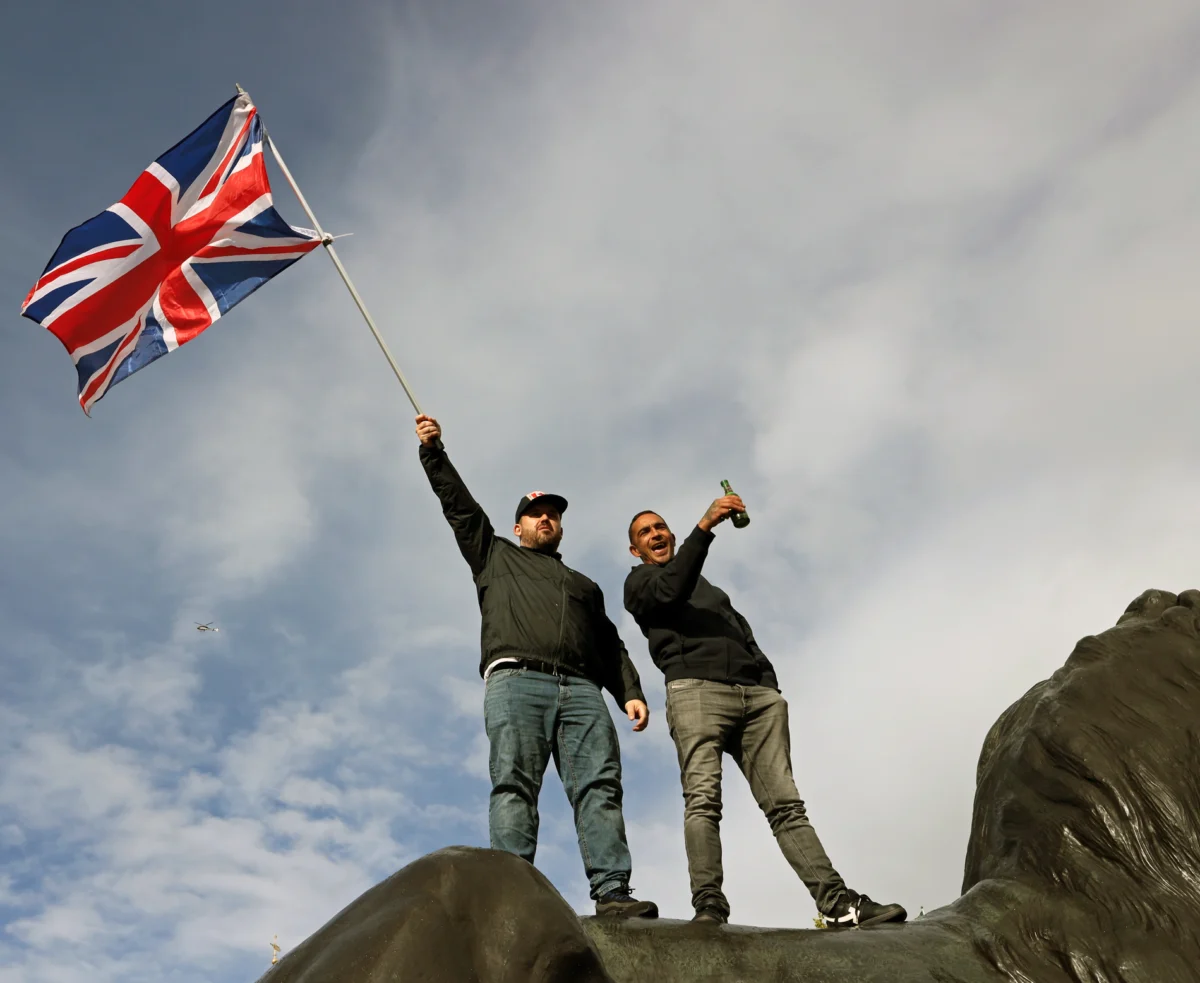
Street photography, at its heart, is an art of observation focused on the candid, spontaneous moments that unfold in public spaces. The primary aim is to capture the essence of everyday life, often through a lens that seeks out unexpected juxtapositions, fleeting expressions, and the inherent chaos of urban environments. The results are frequently artistic, prioritizing the ephemeral nature of the moment and the unrepeatable harmony that can arise from the unpredictable flow of human activity.
"The core of street photography lies in its immediacy and its focus on the ‘now’," explains a seasoned street photographer who prefers to remain anonymous, reflecting the often clandestine nature of the practice. "It’s about being present, attuned to the subtle dramas playing out on every corner, and translating that into a compelling visual. The goal isn’t necessarily to inform about a specific issue, but to evoke a feeling, a thought, or perhaps a wry smile."
The style is inherently spontaneous, eschewing elaborate setups for genuine, unscripted interactions. The photographer acts as an invisible observer, a silent witness to the human comedy and tragedy that unfolds in plain sight. The narrative, if present, is often implied, leaving ample room for viewer interpretation. This can manifest as a humorous anecdote captured in a single frame, a poignant portrayal of solitude amidst a crowd, or a visually striking metaphor for a broader societal condition, all without explicit didactic intent.
While the output can be deeply insightful, the purpose of street photography is generally considered to be more about observation and the communication of a subjective message rather than the meticulous recording of a specific "time event." It is a celebration of the everyday, a testament to the rich tapestry of human existence as it is lived, unfiltered and unposed. The artistry lies in the photographer’s ability to find the extraordinary within the ordinary, to distill complex human emotions and interactions into a single, powerful image.
The Purposeful Narrative of Social Documentary Photography
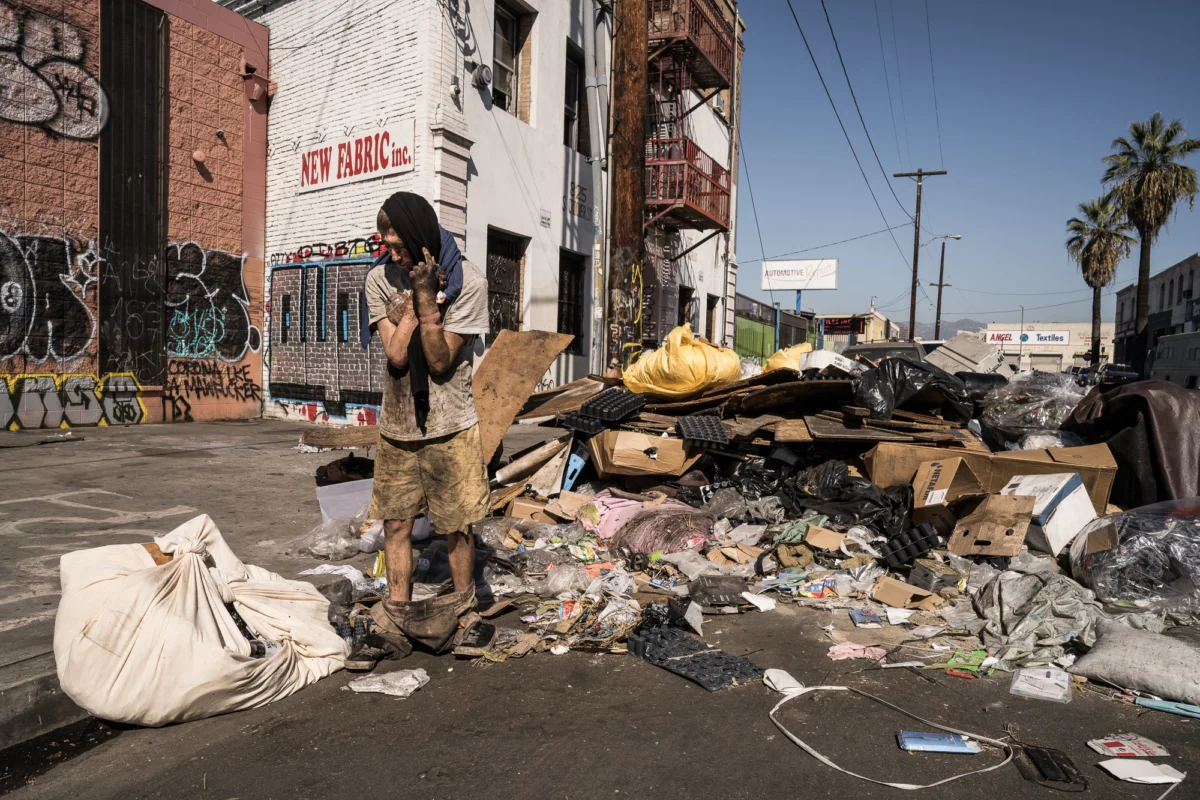
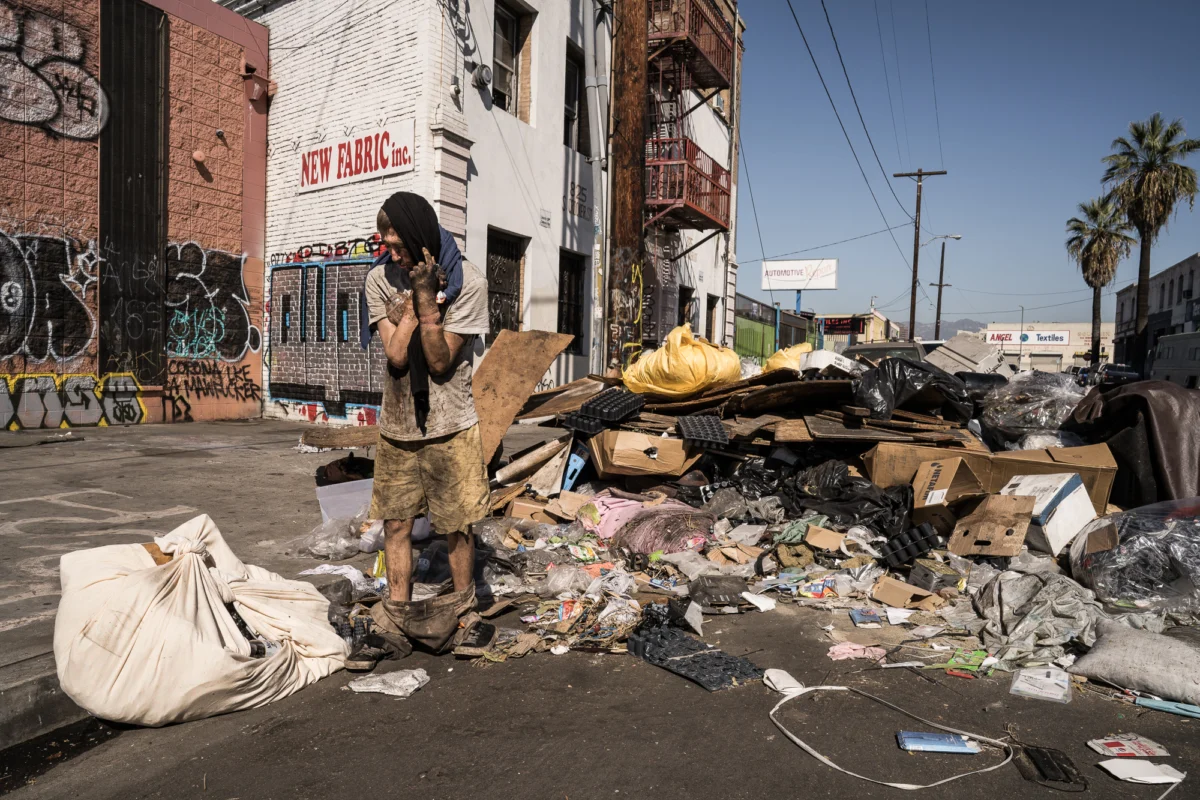
Social documentary photography, in contrast, is driven by a more overt purpose: to illuminate and address real-life issues and significant "time events." This genre is deeply concerned with social conditions, often focusing on themes such as poverty, class disparity, labor conditions, inequality, and the broader human impact of societal structures. The intent is to inform, educate, and provoke thought and action.

"Documentary photography, especially social documentary, has a responsibility to bear witness," states Dr. Eleanor Vance, a professor of photojournalism at a leading university. "It’s about giving a voice to the voiceless, highlighting injustices, and providing a visual record that can contribute to public understanding and, hopefully, positive change. It’s not just about seeing, but about showing with a clear purpose."
Projects in this domain are frequently long-term endeavors, requiring a deep engagement with subjects and communities. The style can range from candid, capturing the raw reality of a situation, to more structured and posed, especially when documenting events that are more formal or when collaborating with individuals to ensure their stories are told accurately and with their consent. The emphasis is on building a comprehensive narrative that can be conveyed through a series of images, often accompanied by text, to provide context and depth.
Examples of social documentary projects might include an in-depth exploration of the challenges faced by migrant workers, a visual investigation into the complexities of affordable housing, or a chronicle of the impact of environmental degradation on a particular community. These projects aim to tell a story, to highlight a social condition, or to advocate for a cause.
While social documentary photography can certainly incorporate street scenes, and often does to provide context and atmosphere, not all street photography carries a documentary intent. A photograph of a bustling marketplace might be a beautiful example of street photography, capturing the energy and spontaneity of the scene. However, if that same marketplace is photographed to illustrate the economic struggles of vendors or the impact of gentrification on local businesses, it then takes on a social documentary purpose.
Key Distinctions: Moment-Driven vs. Message-Driven
At a fundamental level, the distinction can be summarized by their primary drivers:
- Street Photography is generally Moment-Driven: The emphasis is on capturing a fleeting, often serendipitous, occurrence. The photographer is reacting to what is happening, finding artistic merit in the immediate visual narrative. The "best results" are often achieved through a keen eye for timing and composition in an unscripted environment.
- Social Documentary Photography is generally Message-Driven: The emphasis is on conveying a specific idea, highlighting a problem, or chronicling an event with a clear informational or persuasive goal. While spontaneity can play a role, the underlying intention is to communicate a broader narrative or social commentary.
The overlap between these two genres is undeniable and, for many photographers, a source of creative synergy. A photographer with a "street photography eye" can bring a sense of dynamism, authenticity, and artistic flair to social documentary work. They can find the compelling human element within larger issues, making the message more relatable and impactful. Conversely, a documentary photographer might employ street photography techniques to inject life and immediacy into their longer-term projects.
Historical Context and Evolution
The roots of both genres can be traced back to the early days of photography, with pioneers like Eugène Atget documenting Parisian street life at the turn of the 20th century. However, street photography as a distinct genre gained significant traction in the mid-20th century with the rise of influential figures such as Henri Cartier-Bresson, Robert Frank, and Garry Winogrand. Their work, characterized by its "decisive moment" philosophy and candid approach, set the standard for what street photography could be.

Social documentary photography also has a rich history, with landmark projects like the Farm Security Administration (FSA) photography project in the United States during the Great Depression. Photographers like Dorothea Lange and Walker Evans used their cameras to expose the harsh realities of rural poverty and the resilience of those affected. This era solidified the role of photography as a powerful tool for social change.
Data and Impact: The Power of Visual Evidence
The impact of both street and social documentary photography can be profound, though their mechanisms differ. Street photography often impacts individuals on an emotional or aesthetic level, prompting reflection on the human condition through relatable, often beautiful, glimpses of life. It fosters a sense of shared experience and can remind viewers of the beauty and complexity that exists in their everyday surroundings.
Social documentary photography, on the other hand, has a more tangible track record of influencing public opinion and policy. The iconic images of the civil rights movement, for instance, played a crucial role in galvanizing support and demonstrating the injustices faced by African Americans. The photography of famine and war has historically led to increased humanitarian aid and international pressure on governments. Studies have shown that visual evidence can be more persuasive than textual information alone, making documentary photography a potent force for advocacy. For example, reports from organizations like Amnesty International frequently utilize powerful photographic essays to illustrate human rights abuses, often leading to increased public awareness and calls for action.
Contemporary Relevance and the Digital Age
In the digital age, the lines between these genres continue to blur, and new platforms allow for wider dissemination of photographic work. Social media has become a fertile ground for both spontaneous street photography and the sharing of social documentary projects. However, this accessibility also brings challenges, including the risk of superficial engagement and the decontextualization of images.
"The digital space is a double-edged sword," notes Dr. Vance. "It allows for unprecedented reach, but it also requires greater responsibility from both creators and consumers. It’s vital to ensure that the intent and context of a photograph are not lost in the scroll."
The enduring power of both street and social documentary photography lies in their ability to connect us to the human experience. Whether capturing the ephemeral beauty of a public moment or illuminating the critical issues of our time, these visual arts continue to shape our perceptions, challenge our assumptions, and enrich our understanding of the world around us. The distinction between them is not about hierarchy, but about purpose and impact, offering two distinct yet equally valuable lenses through which to view and interpret life.