Following a recent examination of the cameras that captured the essence of this year’s Oscar-nominated films, attention now shifts to the equally critical, yet often less discussed, element of cinematic lighting. While camera choices provide a foundational understanding of a film’s visual language, it is the sophisticated application of lighting that truly sculpts scenes, evokes emotion, and defines the aesthetic brilliance recognized by industry accolades. This article delves into the intricate lighting techniques employed in recent acclaimed film and television productions, offering a detailed breakdown aimed at fostering a deeper appreciation for the art of cinematography.
The Unseen Architect: Why Lighting is Paramount in Visual Storytelling
In the realm of filmmaking, lighting serves as an invisible architect, shaping perception and guiding the audience’s eye. It is the deliberate interplay of light and shadow that transforms flat images into three-dimensional worlds, conveying mood, atmosphere, and narrative depth. Unlike camera models, which are often readily available information, the precise lighting blueprints for complex cinematic scenes are closely guarded trade secrets, a testament to the specialized expertise of cinematographers. These professionals, often referred to as Directors of Photography (DPs), are masters of light manipulation, capable of crafting visual narratives that resonate profoundly with viewers. Their ability to translate abstract emotional states into tangible visual cues through lighting is a cornerstone of compelling cinema, commanding the significant remuneration they receive within the industry.
Historically, cinematic lighting has evolved from rudimentary stage lighting to highly sophisticated systems. Early Hollywood, for instance, relied heavily on natural light and large, powerful arc lamps. The golden age saw the rise of iconic lighting styles like "Rembrandt lighting" and "butterfly lighting," often characterized by dramatic contrast and carefully sculpted shadows to highlight actors’ features. Post-war cinema, particularly film noir, embraced low-key lighting to enhance suspense and moral ambiguity. The advent of color film further expanded the palette, allowing for the emotional impact of color temperature and saturation to be integrated into lighting design. Today, digital technology, with its precise control over color, intensity, and beam shape, offers unprecedented creative freedom, allowing DPs to paint with light in ways previously unimaginable.
Methodology: Reverse-Engineering Cinematic Brilliance
To unravel these complex lighting strategies, an analytical exercise was undertaken, focusing on still images from popular films and television shows. The objective was to deduce, with reasonable accuracy, the probable lighting setups. This process involved meticulous observation of specular highlights, shadow quality, fall-off, and catchlights, all of which provide crucial clues about the light source’s size, intensity, direction, and diffusion.
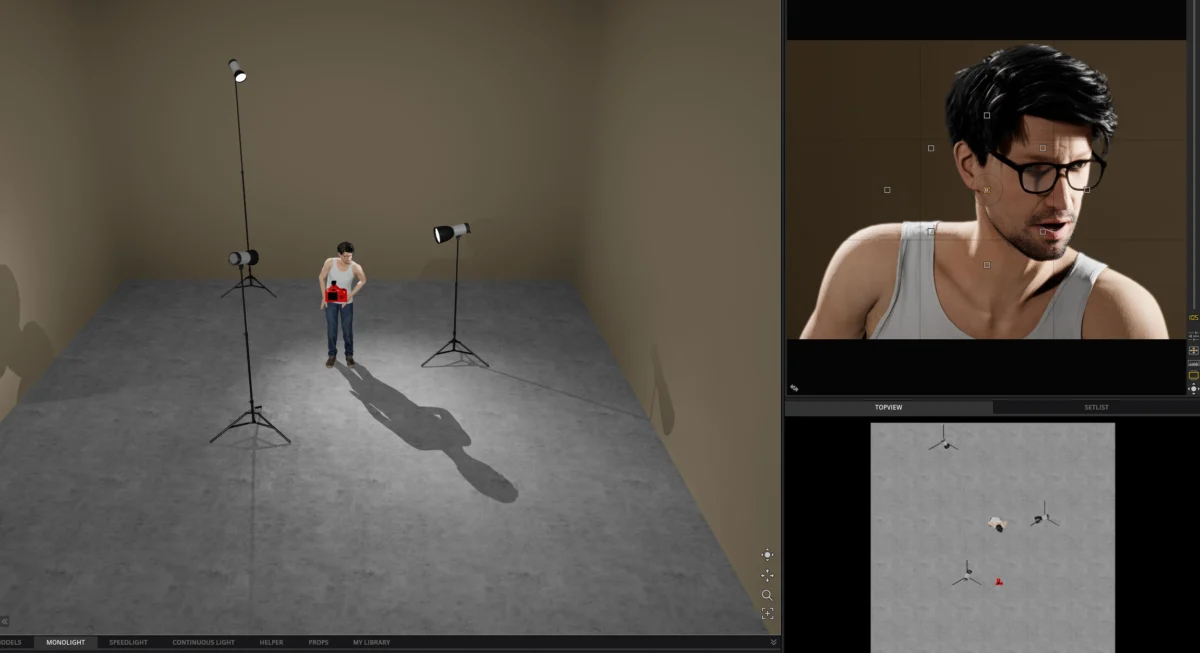
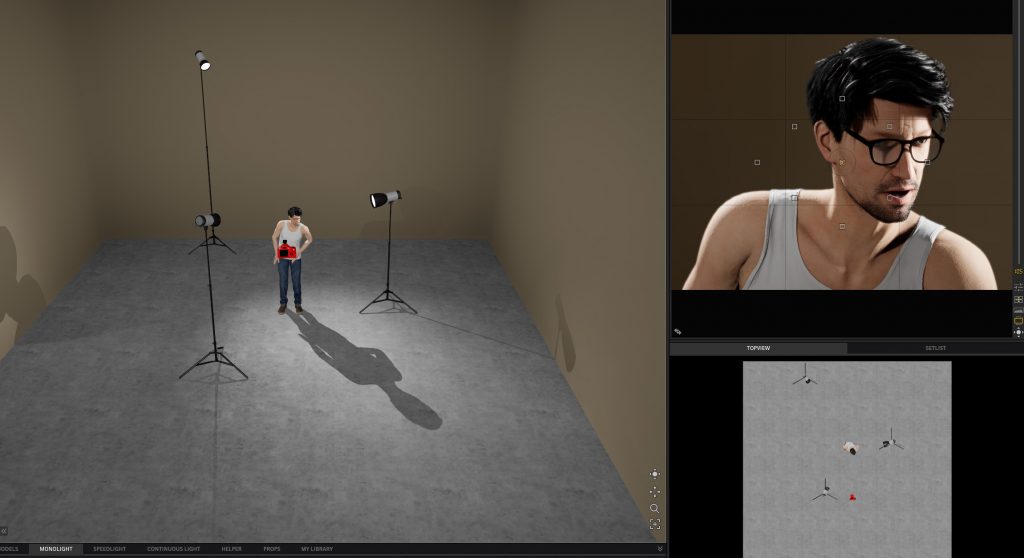
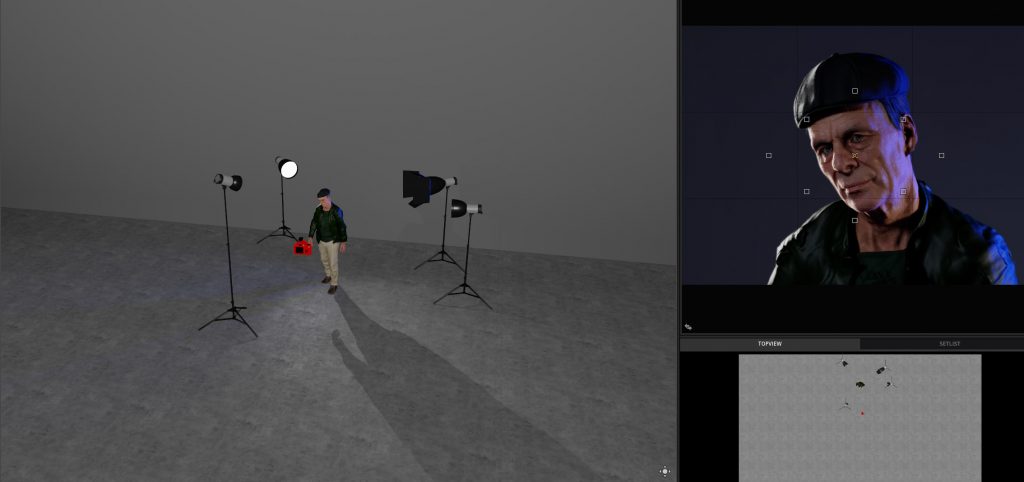
The reconstructions were facilitated by specialized software named set.a.light 3d. This intuitive 3D modeling application is designed specifically for visualizing and diagramming lighting setups for both still photography and video production. Its utility lies in allowing users to place virtual light sources, modify their properties (e.g., beam angle, intensity, color, modifiers like grids or diffusers), and observe their effects on subjects and environments in real-time. While not an endorsement or sponsored promotion, the software’s capabilities significantly streamline the often-challenging task of reverse-engineering intricate lighting schemes, offering a valuable educational tool for aspiring cinematographers, lighting designers, and visual artists. It enables experimentation and pre-visualization, helping bridge the gap between theoretical understanding and practical application.
It is crucial to acknowledge that these analyses are informed deductions rather than definitive blueprints. The exact gear and precise placement used during original productions may vary. Therefore, these breakdowns serve as an illustrative exercise in visual deconstruction, intended to inspire similar analytical engagement among enthusiasts and professionals alike.
Case Study 1: "Marty Supreme" – The Striking Advert Image
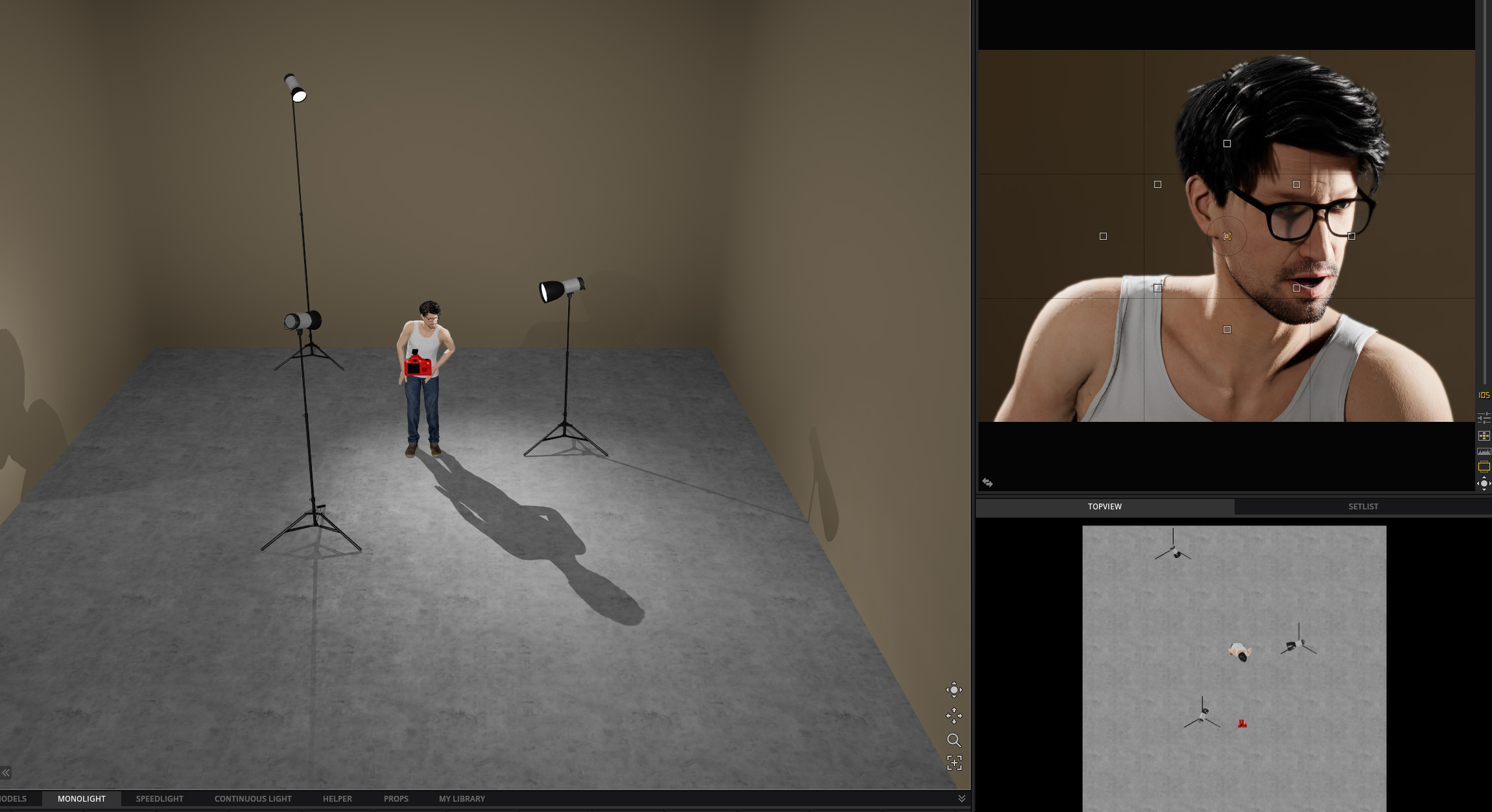
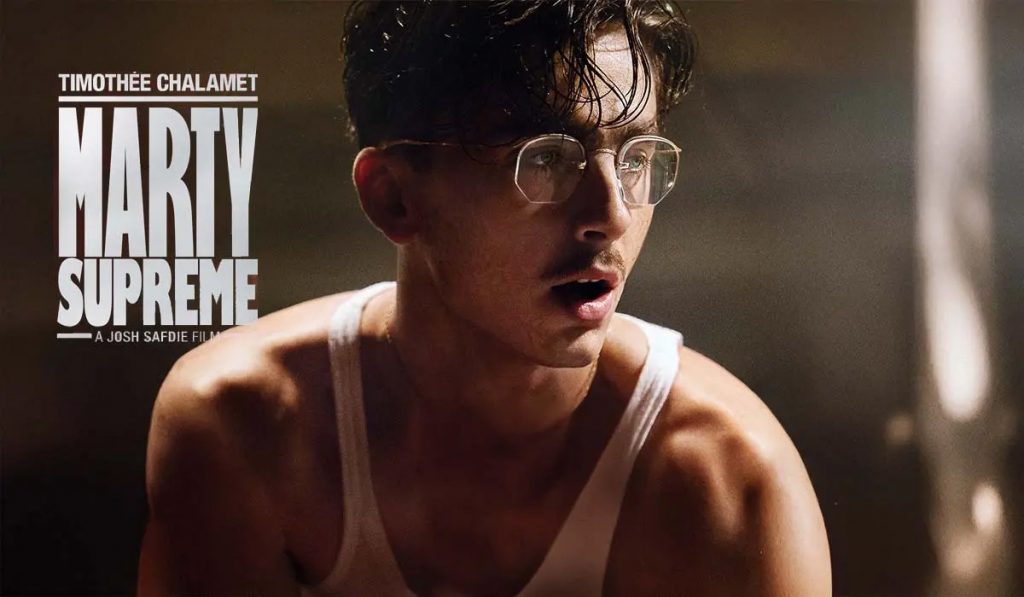
Scene Context: The promotional image for "Marty Supreme" presents a character study, designed to be impactful and memorable. The lighting plays a pivotal role in establishing the character’s intensity and the overall aesthetic of the film’s marketing.
Lighting Analysis: The visual evidence, particularly the sharp, well-defined specular highlights and the stark, hard-edged shadows, strongly indicates the use of hard light sources without diffusion. The pronounced shadow cast on the character’s nose and the distinct shadows created by his glasses further reinforce this assessment. Hard light is often chosen when a filmmaker aims to create drama, emphasize texture, or convey a sense of realism and grittiness.
Recreated Setup: To replicate this effect, a three-light setup was devised, with all lights operating without diffusion.
- Key Light: Positioned to create the primary illumination and define the character’s features, demonstrating the harsh fall-off characteristic of hard light.
- Rim Light (Right): A gridded light was strategically placed to the right of the subject. The grid’s function is to restrict light spill, focusing a concentrated beam onto the shoulders and creating a distinct rim highlight on the face. This technique separates the subject from the background and adds dimension.
- Rim Light (Left): A similar hard light source was added to the other side, providing additional backlighting. This stark backlighting often contributes to a sense of drama and is a common stylistic choice observed throughout the film’s visual language.
- Fill Light (Camera Left): A supplementary fill light was introduced from camera left, powered down to a lower intensity. Its purpose was to gently lift some of the deepest shadows on the face, ensuring that details in the shadow side remained visible without sacrificing the overall high-contrast aesthetic. This subtle fill prevents the shadows from becoming entirely crushed, allowing for a balanced dramatic effect.
Case Study 2: "Sinners" – The Atmospheric Group Scene
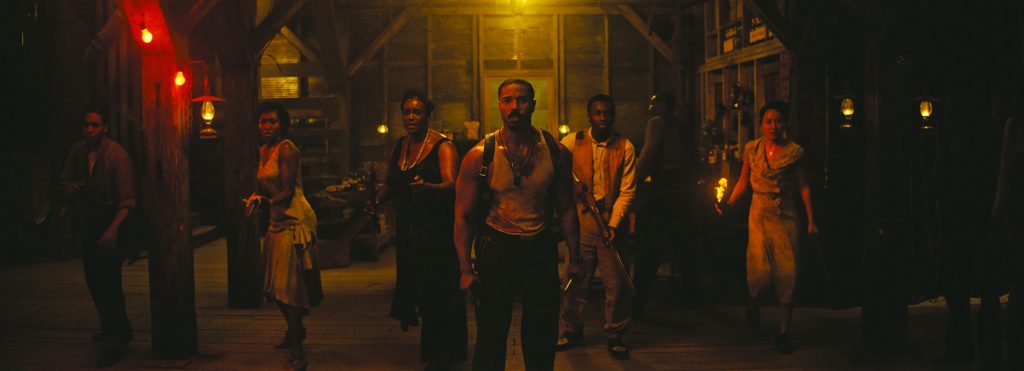
Scene Context: This particular scene from "Sinners" is described as a pivotal moment, demanding maximum cinematic impact. The mood is defined by an oppressive, almost infernal atmosphere, crucial to the narrative’s emotional weight.
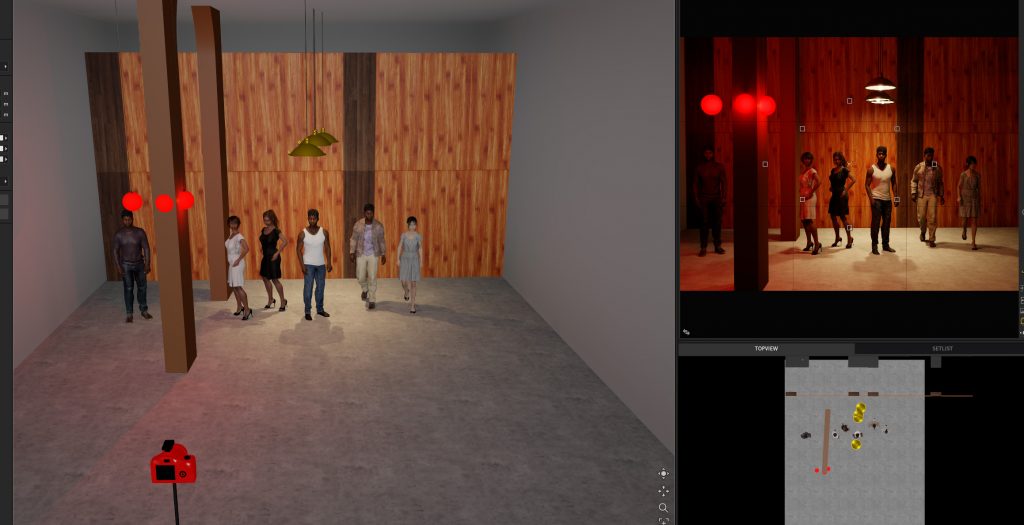
Lighting Analysis: The scene is characterized by a masterful interplay of multicolored lights, predominantly red and orange hues, interspersed with practical fire sources. This complex arrangement creates a highly dramatic and moody environment. The challenge in replicating such a scene lies in balancing multiple colored light sources to achieve a cohesive, yet visually striking, composition. The interior setting implies deliberate control over light spill and reflections, utilizing the architecture to shape the scene.
Recreated Setup: The reconstruction began by modeling the interior architecture of the building, recognizing its role in framing the shot and adding depth. The placement of subjects was staggered to create visual contrast and dimension within the group.
- Practical & Thematic Lighting: The primary light sources within the frame—various fires and colored bulbs—were identified and replicated. The specific color temperature and saturation (reds and oranges) were crucial for establishing the desired mood of danger and intensity.
- Color-Matched LED Fixtures: To achieve the precise color spectra, modern LED lights, such as Aputure B7c units or similar RGBWW (Red, Green, Blue, Warm White) LED bulbs, would likely be employed. These allow for precise color tuning and intensity control, essential for matching the practical fire effects and creating the desired ambient glow.
- Strategic Placement and Power Adjustment: Lights were meticulously placed relative to the subjects, referencing the original scene to ensure accurate direction and effect. The final stage involved fine-tuning the power output of each light source. This iterative process of adjustment is critical in achieving the subtle nuances of light and shadow that define such a visually rich scene, ensuring that each light contributes to the overall emotional impact without overpowering others.
Case Study 3: "Oppenheimer" – The Iconic Hero Shot
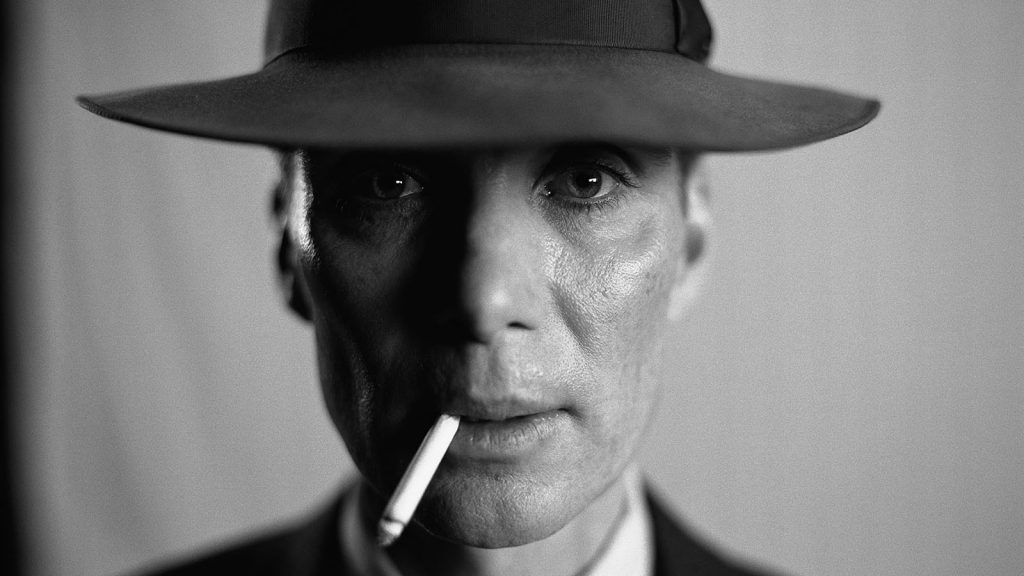
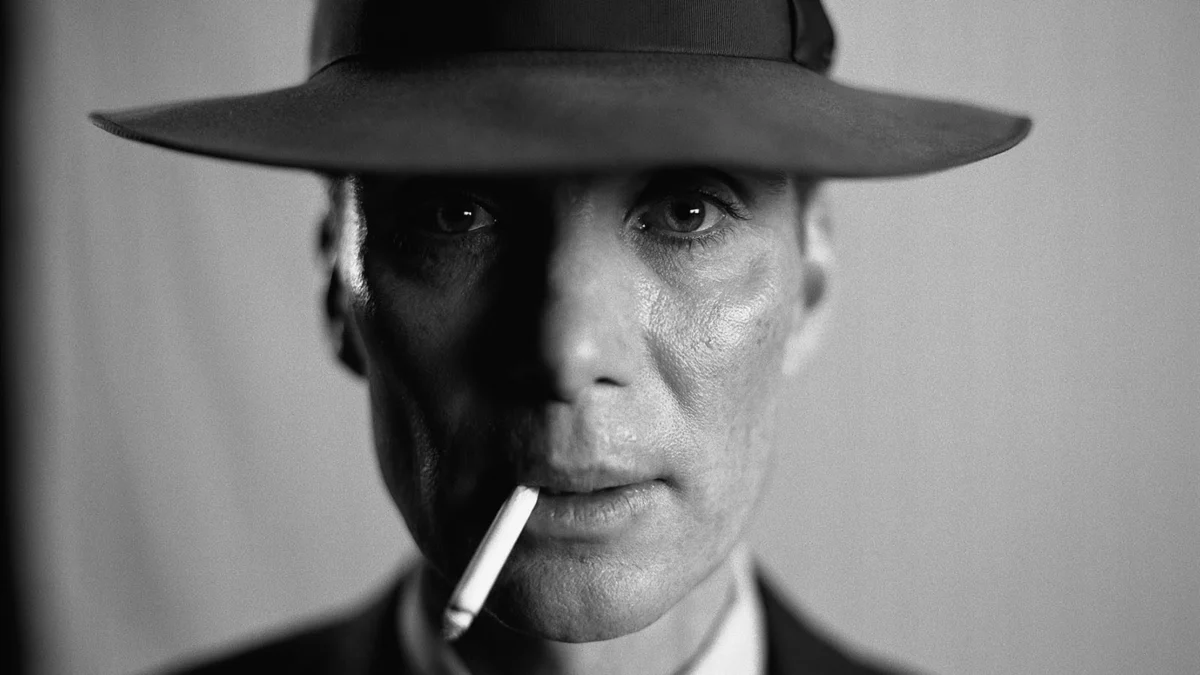
Scene Context: This widely recognized promotional shot of Cillian Murphy as J. Robert Oppenheimer is iconic, encapsulating the character’s intensity and inner turmoil. The lighting is instrumental in conveying the dramatic weight and psychological depth of the film’s protagonist.
Lighting Analysis: The image features high contrast, achieved through a combination of rim lighting and split lighting, which accentuates the dramatic tension. The catchlights in Murphy’s eyes are particularly prominent, adding a layer of emotional resonance and character depth. Split lighting, where one side of the face is brightly lit and the other is in deep shadow, is often used to symbolize internal conflict or duality.
Recreated Setup:
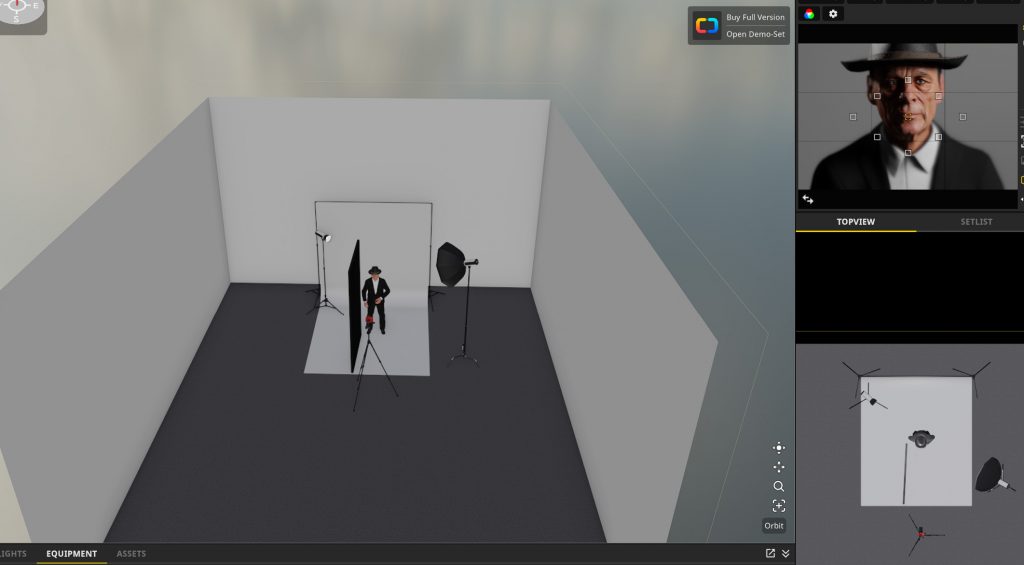
- Key Light (Camera Right): A relatively small, gridded octobox was positioned to camera right. An octobox provides a softer, yet still directional, light quality due to its shape, while the grid helps control light spill, preventing it from illuminating unwanted areas. The choice of an octobox also contributes to a slightly larger, more appealing catchlight in the eyes, which is vital for conveying emotion.
- Contrast Control (Camera Left): A black blocking board was placed close to the subject, camera left. This simple yet effective tool absorbs light, intensifying the shadows on that side of the face and dramatically increasing the contrast between highlights and shadows. This technique is key to achieving the distinctive split lighting effect.
- Rim Light (Behind & Left): A bare light source was positioned behind and to the left of the subject. This light serves to create a distinct rim highlight, separating the subject from the background and adding dimension, further enhancing the dramatic, high-contrast aesthetic. The precise placement ensures that the rim light catches the contours of the face and hair without spilling excessively onto the front of the subject.
Case Study 4: "One Battle After Another" – The "Lockjaw" Scene
Scene Context: "One Battle After Another," lauded for its cinematography and storytelling, earned the Best Picture award. While much of the film embraced natural light for its on-location shoots, its night scenes, particularly those featuring Sean Penn’s antagonist, "Lockjaw," were visually distinct and highly impactful. This specific scene captures a moment of intense confrontation, requiring harsh and realistic lighting.
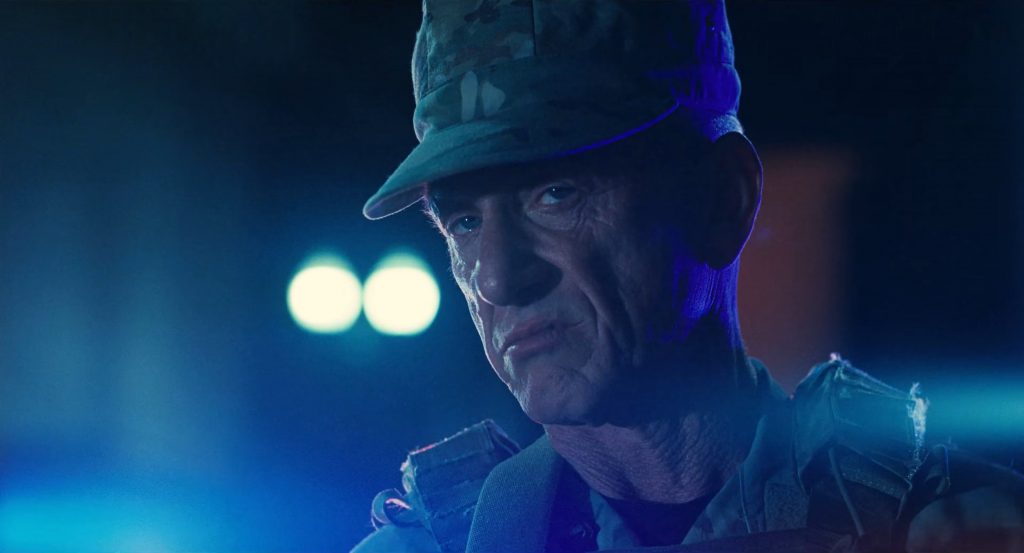
Lighting Analysis: The shadows cast on Sean Penn’s face strongly suggest the use of multiple hard light sources. This choice aligns with the grittiness and raw reality often depicted in night scenes involving crime or intense drama. The presence of a distinct blue rim light hints at an environmental light source, likely police car lights, integrating narrative elements directly into the lighting design. The overall visual aesthetic is further enhanced by the characteristic horizontal lens flares, indicative of anamorphic lensing.
Recreated Setup:
- Harsh Rim Lights: Two hard rim lights were established on each side of the subject. One of these was gelled with a blue filter, simulating the emergency lights of a police vehicle, adding a layer of narrative context and visual realism. Hard rim lights are effective in creating dramatic outlines and emphasizing tension.
- Subtle Fill Light: A bare light, powered down to a low intensity, was placed in front of the subject. This acted as a subtle fill, preventing the shadows on Penn’s face from becoming completely black, allowing for detail retention while maintaining the overall high-contrast, hard-lit feel.
- Anamorphic Lens Simulation: While primarily a lighting exercise, the visual signature of an anamorphic lens—specifically the horizontal lens flare visible on the right side of the frame—was noted. Anamorphic lenses compress a wider field of view onto a standard sensor, which is then desqueezed in post-production, resulting in a wider aspect ratio, oval bokeh, and characteristic horizontal flares. This aesthetic choice contributes significantly to the scene’s cinematic grandeur and often evokes a sense of epic scale.
Broader Implications and The Future of Cinematic Lighting
This analytical journey underscores the profound impact of lighting in filmmaking, extending far beyond mere illumination. It is an expressive art form, capable of shaping narratives, defining characters, and eliciting powerful emotional responses. The ability to deconstruct and understand these techniques is invaluable for aspiring filmmakers, cinematographers, and anyone seeking to deepen their visual literacy.
The democratization of such knowledge, aided by tools like set.a.light 3d, empowers a new generation of creators to experiment and learn without the prohibitive costs associated with physical equipment. This accessibility fosters innovation and elevates the overall standard of visual storytelling. As technology continues to advance, with developments in virtual production, AI-driven lighting, and increasingly sophisticated LED systems, the creative possibilities for cinematographers will only expand. However, the fundamental principles of light manipulation – its quality, direction, color, and intensity – will remain timeless pillars of effective visual communication.
The meticulous craft demonstrated in these award-winning productions serves as a constant inspiration, reminding us that every highlight and shadow is a deliberate choice, contributing to the grand tapestry of cinematic art. This ongoing dialogue between artistic vision and technical execution ensures that cinematography remains a vibrant and evolving discipline at the heart of the moving image.
For those inspired to explore the nuances of lighting in their own productions, the journey of observation and experimentation is endless. Whether analyzing the masters or crafting new visions, understanding the language of light is paramount. A comprehensive array of lighting equipment is available for rental, offering the tools necessary to bring any creative vision to life.