A seemingly simple Google reminder, a digital echo from the past, unexpectedly launched photographer Trey Ratcliff on a journey through his extensive SmugMug portfolio, culminating in the rediscovery of an image titled "The Big Dune." This particular photograph, chosen for its resonant connection on a winter’s day, has been shared, prompting reflection on the power of visual archives and the subjective nature of artistic appreciation. The artist himself mused about the image’s impact, suggesting the starkness of winter might have amplified its allure, a sentiment that invites a deeper exploration of how our environment and emotional states can influence our perception of art.
The Genesis of a Shared Memory
The narrative behind the sharing of "The Big Dune" begins with a routine digital prompt. Google, in its capacity to resurface past digital interactions, served Ratcliff with a memory, an image from his own archive. This triggered what he described as a "little rabbit hole" within his SmugMug account, a platform where he curates and shares his photographic work. The journey through his digital collection led him to "The Big Dune," an image that, for reasons he couldn’t fully articulate, struck a particular chord on that specific day. This personal connection, amplified by the contrast with the prevailing winter conditions in his current location, became the impetus for sharing the photograph with a wider audience. The artist’s hope, expressed with an emoji of a smiling face, was that the image would similarly offer a moment of "joy" to its viewers.
The Significance of "The Big Dune"
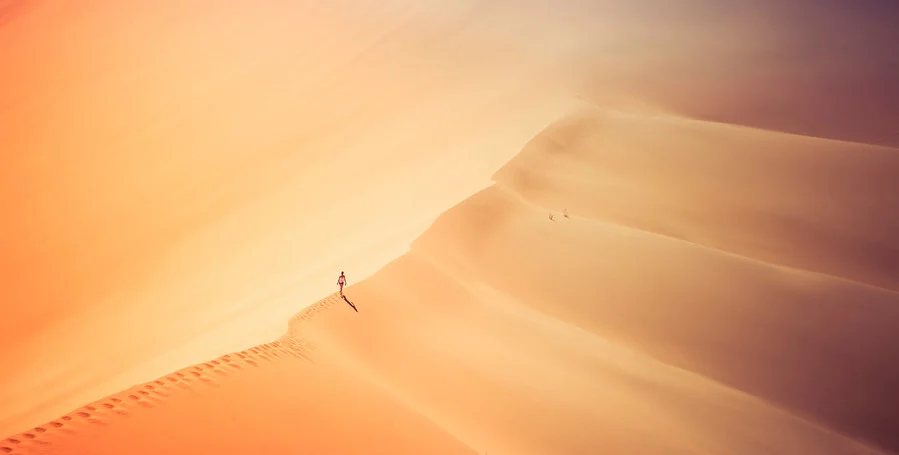
While the initial announcement is brief, the image itself, as presented in its digital context, offers a visual narrative. The accompanying metadata, though not fully detailed in the provided snippet, would typically include crucial information such as the camera model, aperture, shutter speed, ISO, and potentially location data. These technical specifications are vital for understanding the photographic process and the conditions under which the image was captured. The title, "The Big Dune," immediately evokes a sense of scale and natural grandeur. Dunes are geological formations sculpted by wind and time, often found in arid or coastal regions. Their vastness and the ever-shifting nature of their contours can be both awe-inspiring and humbling.
The visual composition of "The Big Dune," as can be inferred from the provided thumbnail, likely showcases a sweeping landscape dominated by the imposing form of a sand dune. The interplay of light and shadow across its undulating surface would be a key element in conveying its texture and depth. The choice of a high-resolution image, with a specified width and height of 900×455 pixels, suggests an emphasis on detail and clarity, aiming to immerse the viewer in the scene. The fact that the image is hosted on SmugMug, a platform favored by professional photographers, indicates a commitment to quality and a desire to present the work in its best possible light.
Contextualizing Artistic Resonances
The artist’s reflection on the influence of winter on his perception of the image is particularly insightful. The stark, often muted palette of winter landscapes can, in certain instances, heighten the impact of other visual elements. A sun-drenched desert landscape, captured and revisited during a cold, gray season, might appear even more vibrant and evocative by contrast. This phenomenon speaks to the broader psychological impact of art and how our personal circumstances can shape our interpretation. It’s a reminder that the experience of art is not solely about the object itself but also about the viewer’s internal landscape.
The sharing of "The Big Dune" also highlights the evolving role of digital archives and social media in the dissemination of art. Platforms like SmugMug and the broader integration of image-sharing capabilities within social networks allow artists to maintain a continuous dialogue with their audience. Google’s reminders, while seemingly mundane, serve as powerful triggers for rediscovery, prompting artists to revisit their past creations and share them anew. This process can lead to unexpected insights and a re-evaluation of one’s own body of work.
Supporting Data and Artistic Practice
While specific data regarding the capture of "The Big Dune" is not fully available, we can infer general trends in landscape photography that might be relevant. The advent of high-resolution digital cameras has enabled photographers to capture an unprecedented level of detail. Post-processing techniques, often employed by artists like Ratcliff, further enhance the visual impact of an image, bringing out textures, colors, and moods that might not have been fully apparent at the moment of capture. The emphasis on professional presentation on platforms like SmugMug suggests that the artistic and technical quality of the photograph is paramount.
Furthermore, the practice of revisiting and re-sharing older works is common among artists. It allows for a retrospective view of their creative evolution and can reintroduce forgotten gems to new audiences. This is particularly relevant in the fast-paced digital age, where content is constantly being generated and consumed. A well-chosen older image, imbued with personal significance, can stand out and offer a moment of pause and contemplation.
Broader Implications: The Digital Echo and Artistic Reappraisal
The act of sharing "The Big Dune" by Trey Ratcliff transcends a simple act of posting a photograph. It underscores the profound impact of digital archives and the subtle ways in which technology can influence our creative and emotional lives. The "rabbit hole" experience he describes is a common phenomenon in the digital age, where interconnected platforms and vast personal archives can lead to unexpected discoveries and reflections.
The fact that this particular image resonated so strongly with him, especially in contrast to his current environment, speaks to the enduring power of visual stimuli. Landscapes, whether real or captured, can evoke powerful emotions and memories. A desert dune, a symbol of vastness and timelessness, can serve as a potent counterpoint to the confined and perhaps monotonous reality of a winter season. This juxtaposition highlights the role of art in providing escape, inspiration, and a sense of connection to experiences beyond our immediate surroundings.
The sharing of "The Big Dune" also has implications for how we engage with photography. In an era saturated with images, the deliberate selection and contextualization of a photograph by its creator carry significant weight. Ratcliff’s personal narrative, though brief, imbues the image with an added layer of meaning. It transforms the photograph from a mere visual artifact into a story, a moment of personal reflection shared with the world. This personal touch, when combined with strong artistic merit, can foster a deeper connection between the artist and their audience.
The mention of "joy" as a desired outcome for the viewer is a testament to the human desire for positive emotional experiences through art. While the photographer’s intention is to evoke joy, the actual impact can vary greatly from person to person. What one viewer finds joyful, another might find melancholic or simply aesthetically pleasing. This subjectivity is a fundamental aspect of art appreciation and contributes to the rich tapestry of artistic interpretation.
Conclusion: A Moment Captured and Reimagined
In essence, the story of "The Big Dune" is a micro-narrative within the larger story of digital art and personal archiving. It is a reminder that even the most seemingly casual digital interactions can lead to meaningful discoveries. Trey Ratcliff’s decision to share a photograph that resonated with him on a particular day, prompted by a simple digital reminder, exemplifies the dynamic and often unpredictable nature of artistic expression and appreciation. The image itself, a testament to the grandeur of natural landscapes, is now imbued with a new layer of meaning – a personal rediscovery, a shared moment of reflection, and a potential source of joy for those who encounter it. The enduring power of such images lies not only in their technical execution and aesthetic appeal but also in their ability to connect with us on a deeply personal level, transcending time and circumstance.