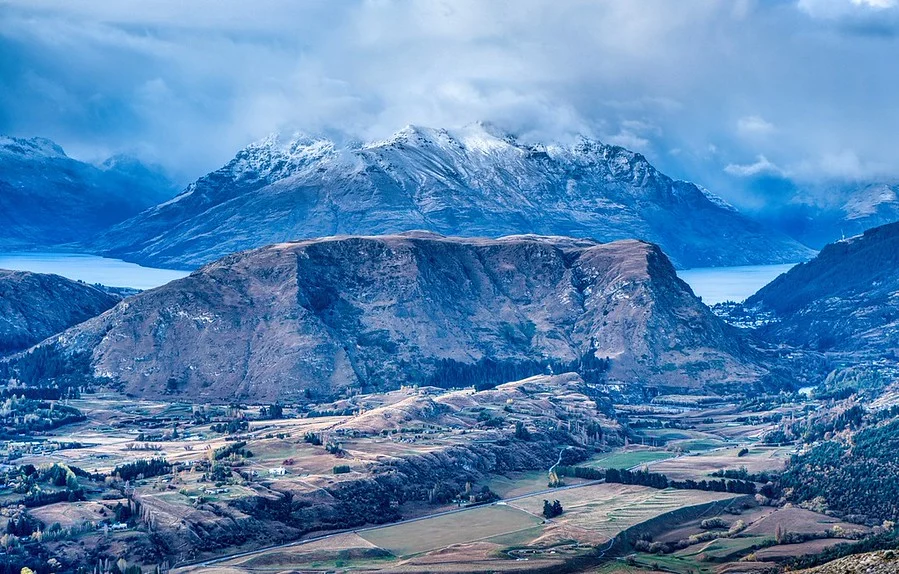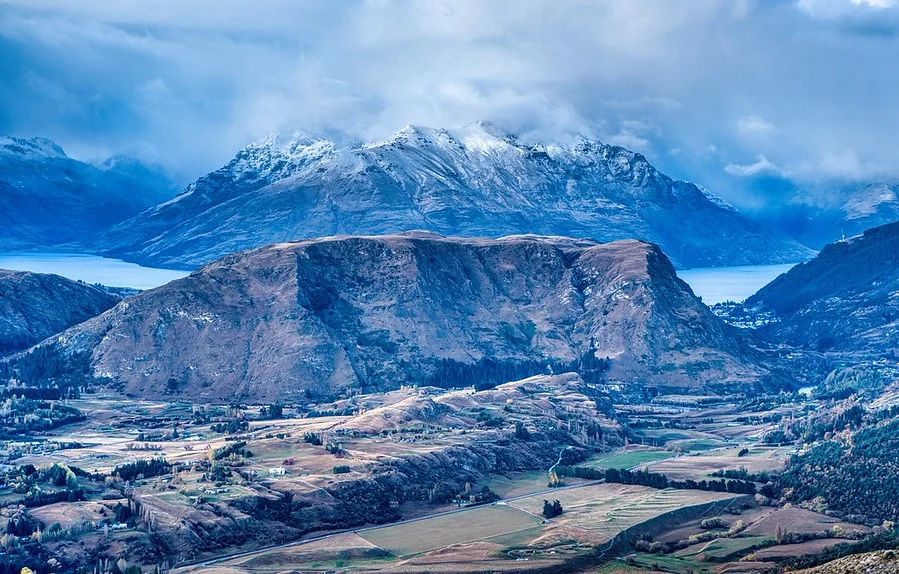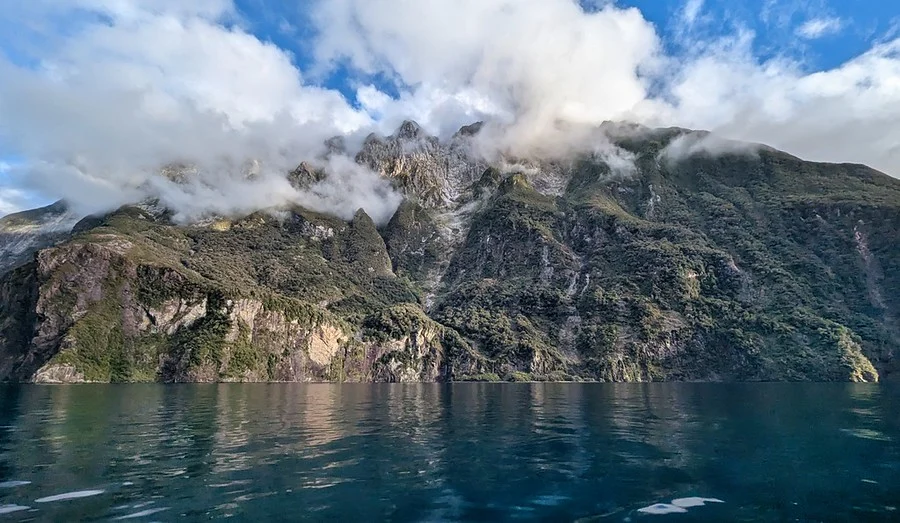
The breathtaking vista captured in this daily photograph marks the dramatic entrance to Milford Sound, known to Māori as Piopiotahi, a natural wonder that beckons visitors from the vast expanse of the ocean into its sheltered embrace. This image, a fragment of a larger scene, encapsulates the initial impression one receives as they transition from the open sea into the serene, yet awe-inspiring, depths of the fjord. The photograph, shared by Stuck in Customs, serves as a visual gateway, inviting contemplation of the geological forces and natural beauty that define this iconic New Zealand landmark.
The Majesty of Milford Sound: A Geographical and Cultural Icon
Milford Sound, situated on the southwest coast of New Zealand’s South Island, is not a fjord in the strict geological sense, but rather a drowned river valley, carved by glaciers during the last ice age and subsequently inundated by the sea. Its sheer cliffs, some rising over 1,200 meters directly from the dark, inky waters, are testament to the immense power of glacial erosion that shaped this landscape over millennia. The sound is renowned for its dramatic waterfalls, including the iconic Stirling Falls and Bowen Falls, which cascade down the rugged rock faces, particularly after periods of rainfall. The water itself is a unique spectacle, a mixture of fresh rainwater and tannins from the surrounding rainforest, creating a dark, almost black, appearance that adds to the mystical atmosphere of the place.
The Māori name, Piopiotahi, holds significant cultural importance. According to legend, the demigod Tāne Mahuta carved the fiords and sounds of New Zealand with his adze. Piopiotahi is said to have been carved by Tāne Mahuta himself for his beloved bird, the piopio. The name also refers to a local legend about a piopio bird that followed Tāne Mahuta’s adze, and when Tāne Mahuta finished carving Piopiotahi, the bird was left behind, giving its name to the sound. This deep connection to indigenous heritage underscores the spiritual and historical significance of Milford Sound, extending its importance beyond its natural beauty to encompass a rich tapestry of cultural narratives.
A Journey into the Fiord: The Visual Narrative
The photograph, while a single frame, conveys a sense of scale and grandeur. The composition likely captures the imposing rock walls that flank the entrance, hinting at the vastness that lies beyond. The light, a critical element in any landscape photography, would play a crucial role in defining the mood and atmosphere of the scene. Whether it’s the soft glow of dawn, the dramatic shadows of midday, or the ethereal hues of sunset, the interplay of light and shadow on the rugged terrain and the water’s surface would contribute significantly to the visual impact. The texture of the rock faces, perhaps softened by mist or illuminated by sunlight, and the reflective quality of the water would further enhance the sensory experience of entering this natural amphitheater. The presence of any marine life, such as seals or dolphins, or the distant silhouette of a boat navigating the waters, would add a dynamic element, signifying human interaction with this pristine environment.
Visitor Experience and Tourism: A Global Attraction
Milford Sound is a cornerstone of New Zealand’s tourism industry, attracting hundreds of thousands of visitors annually. Its accessibility, despite its remote location, has been facilitated by the construction of the Milford Road, a marvel of engineering that winds through Fiordland National Park. This road itself offers spectacular scenic viewpoints, making the journey to the sound an integral part of the experience. Upon arrival at Milford Sound, visitors typically embark on boat cruises that navigate the length of the sound, offering unparalleled close-up views of the waterfalls, cliffs, and wildlife. Kayaking tours also provide a more intimate way to explore the waters, allowing for a deeper connection with the natural environment. The sound’s popularity, however, also presents challenges related to conservation and managing visitor impact on its delicate ecosystem. Efforts are continuously underway to balance tourism growth with the preservation of its natural heritage, ensuring that the majesty of Milford Sound can be appreciated by future generations.
Geological and Ecological Significance: A Living Laboratory
The geological formations of Milford Sound are a subject of scientific interest. The sheer cliffs, carved by ancient glaciers, reveal layers of rock that tell a story of tectonic activity and glacial sculpting. The fiord’s depth, reaching over 500 meters in places, is a direct result of glacial scouring. The unique ecosystem of Milford Sound is characterized by its high rainfall, which influences both its terrestrial and marine environments. The rainforests clinging to the steep slopes are home to a diverse array of flora and fauna, including endemic species. The waters of the fiord, rich in nutrients, support a vibrant marine life, including seals, dolphins, and a variety of fish species. The deep water of the fiord, coupled with the freshwater runoff, creates a unique environment for certain marine organisms, making it a valuable site for marine research. The presence of black coral, found at surprisingly shallow depths due to the dark, tannin-stained surface waters, is another testament to the unique ecological conditions of the sound.
Conservation and Management: Preserving a Natural Treasure
The management of Milford Sound is a complex undertaking, involving various government agencies and conservation organizations. Fiordland National Park, a UNESCO World Heritage site, encompasses Milford Sound, and its protection is a top priority. Strict regulations are in place to manage visitor numbers, control waste disposal, and prevent the introduction of invasive species. The Milford Road is maintained to ensure safe access, but environmental considerations are paramount in its upkeep. Efforts are also focused on monitoring the health of the marine ecosystem, including water quality and the populations of marine mammals. The increasing impact of climate change, with potential implications for rainfall patterns and sea levels, is also a growing concern that requires ongoing research and adaptive management strategies. The sustainable tourism model is crucial for Milford Sound, aiming to provide economic benefits while safeguarding the natural and cultural values that make it so special.
The Enduring Appeal: A Symbol of Natural Beauty
The photograph of the entrance to Milford Sound, or Piopiotahi, serves as a powerful reminder of the enduring allure of our planet’s natural wonders. It is a place where geological forces have sculpted a landscape of unparalleled beauty, and where cultural narratives are deeply interwoven with the very fabric of the land. The daily image, a simple yet profound depiction, invites us to consider the vastness of nature and our place within it. It is a call to appreciate, protect, and cherish these irreplaceable landscapes, ensuring that their magnificence continues to inspire and awe for generations to come. The image captures not just a geographical location, but a feeling—a sense of wonder, of awe, and of profound connection to the natural world. This is the essence of Milford Sound, a place that leaves an indelible mark on all who experience its majesty.
Broader Implications: Tourism, Environment, and Cultural Heritage
The global recognition of Milford Sound as a premier tourist destination highlights the significant economic contribution of natural landscapes. The revenue generated from tourism supports local communities and national economies, yet it simultaneously places a strain on the environment. This dichotomy necessitates a delicate balancing act, where sustainable practices and responsible tourism are not merely ideals but essential operational requirements. The ongoing efforts to preserve Milford Sound serve as a case study for other globally significant natural heritage sites, demonstrating the challenges and rewards of managing such precious resources. Furthermore, the integration of Māori cultural narratives into the understanding and appreciation of Milford Sound underscores the importance of acknowledging and respecting indigenous perspectives in the stewardship of natural and cultural heritage. The story of Piopiotahi is not just a geological one; it is a human one, deeply rooted in the traditions and legends of the tangata whenua (people of the land).
The continuous engagement with scientific research in areas like marine biology and geology provides vital data for informed decision-making in conservation. Understanding the intricate ecological processes within Milford Sound, from the unique properties of its water to the behavior of its wildlife, is crucial for developing effective protection strategies. The photographic documentation, like the one featured, plays a role in raising awareness and fostering a deeper appreciation for the environment, potentially influencing public opinion and support for conservation initiatives. As global travel becomes increasingly accessible, the stewardship of iconic natural destinations like Milford Sound becomes an ever more critical responsibility for both local authorities and the international community. The long-term preservation of such sites is not just about protecting a landscape; it is about safeguarding a legacy of natural beauty and cultural significance for the future.